Case imagesEnlarge
Open smile in two records
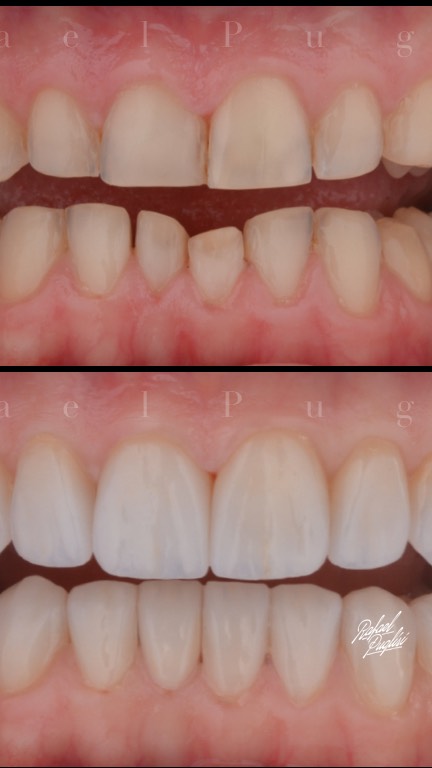
The montage documents the upper and lower teeth in two frontal views with a gap between the arches.
Sources
- Rafa Puglisi. Original publication.
Every smile has its own story. Explore treatments carried out at Instituto Rafa Puglisi and the care behind each case.
The montage documents the upper and lower teeth in two frontal views with a gap between the arches.
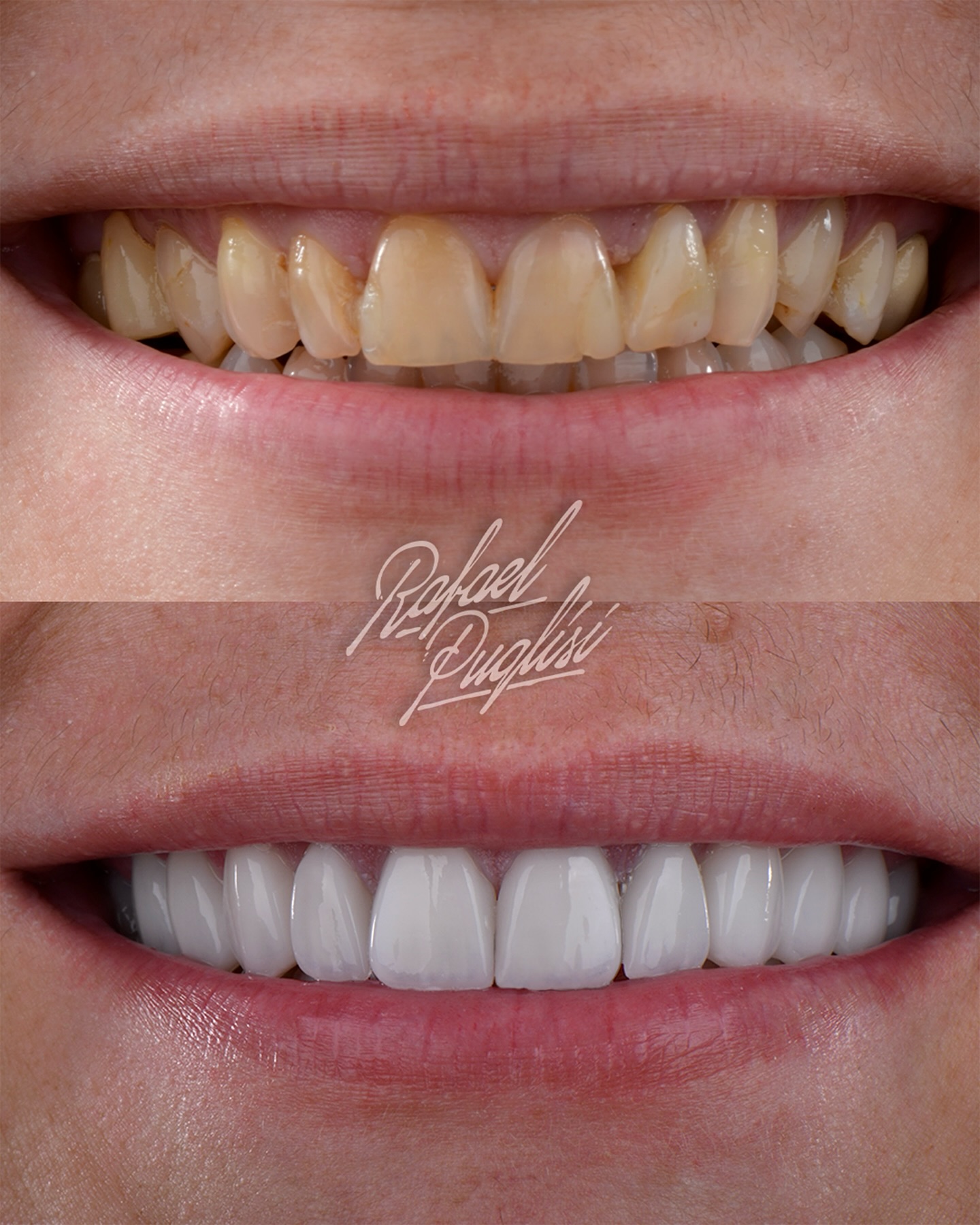
The comparison brings together two frontal photographs of the smile and retains the original framing of the lips.
Texture and transparency were features highlighted for this smile. The aesthetic intention described was to balance these details with the natural appearance of the whole.
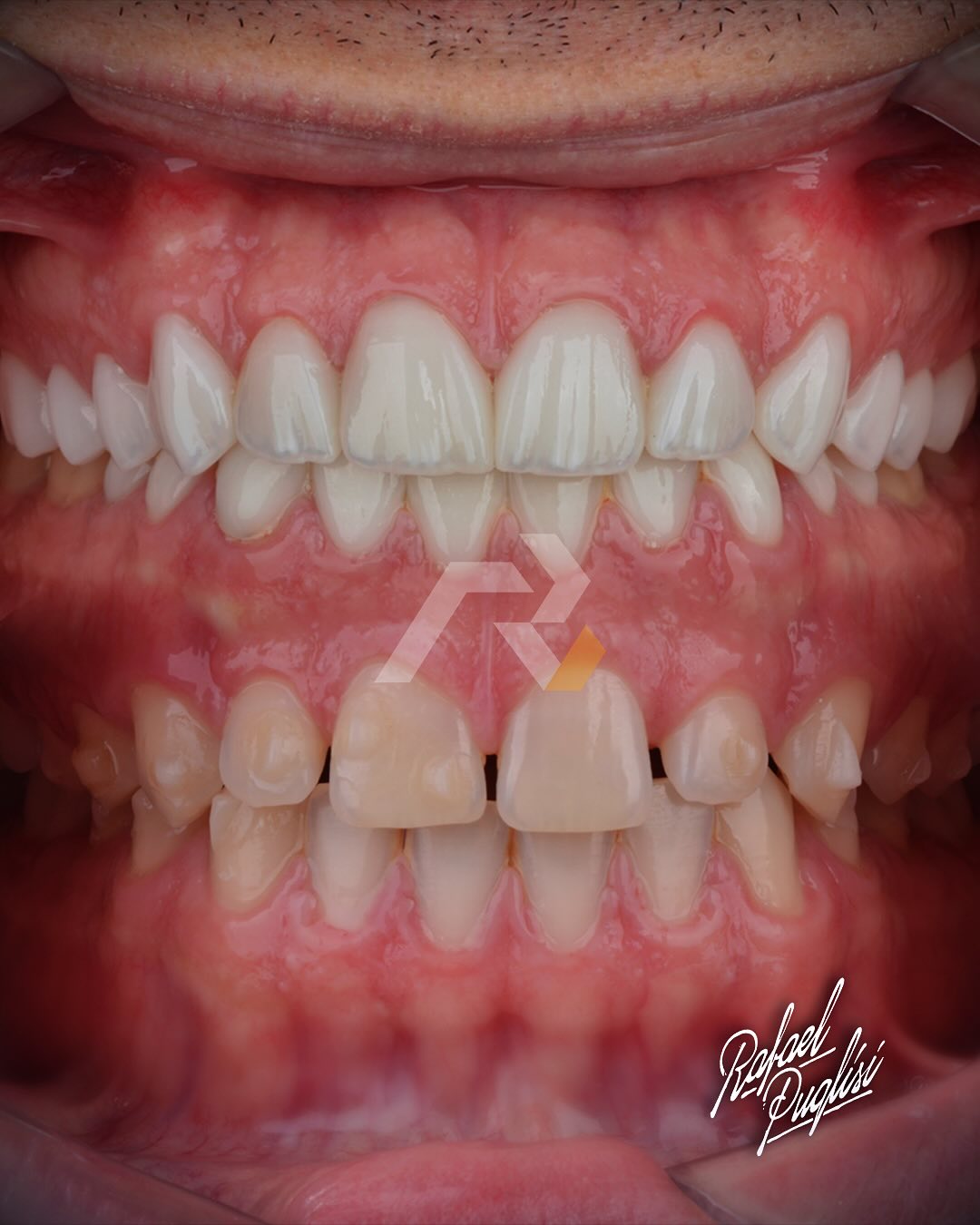
The oral rehabilitation brings together a frontal comparison of the smile and a supplementary portrait.
Managing this care included assessing the complexity of the case and the patient’s expectations. These two points formed part of the approach presented for the rehabilitation.
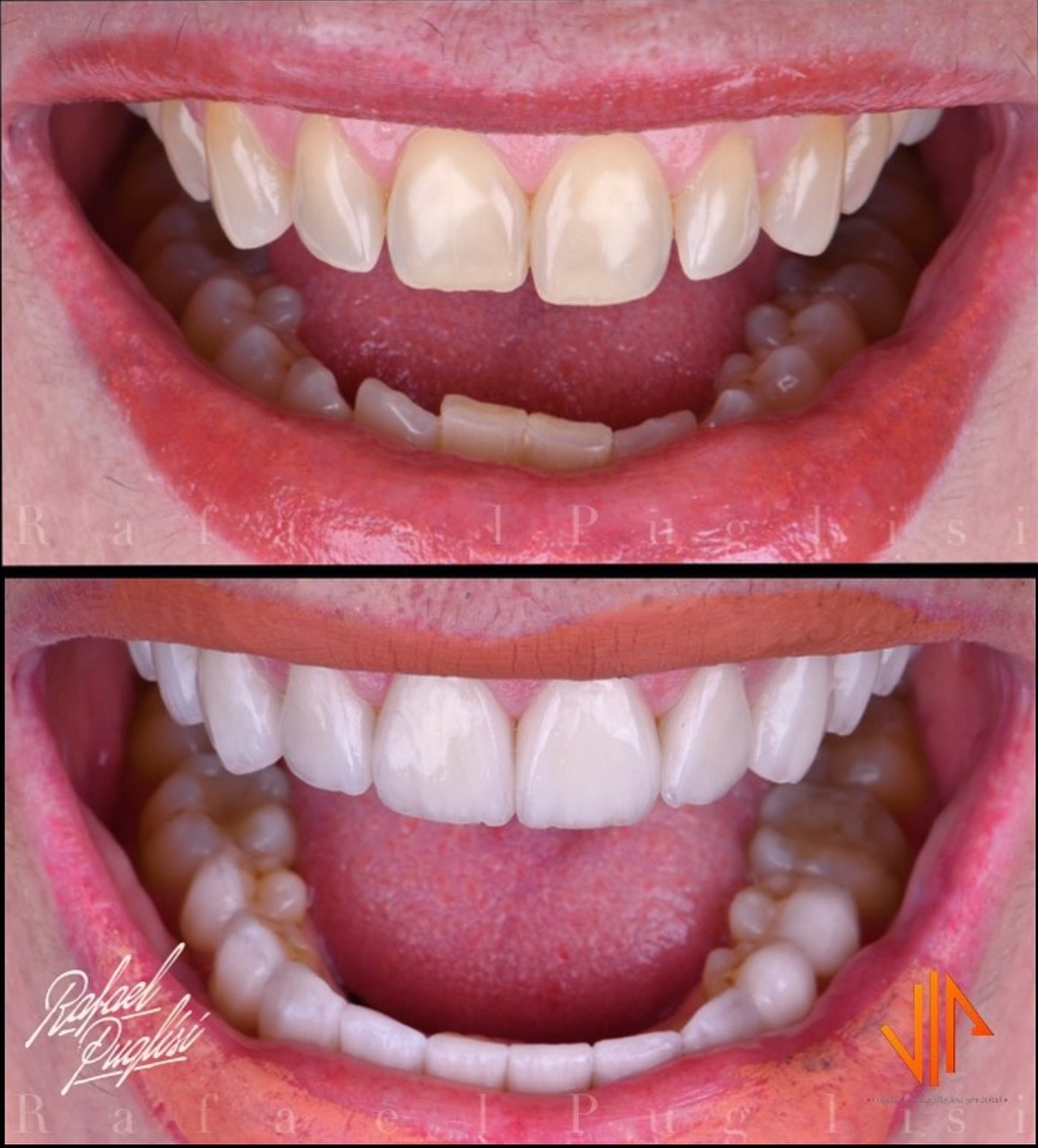
The rehabilitation used 22 ultrathin ceramic veneers, with adjustments to the teeth. The patient, who lived in another state, was treated over several appointments.
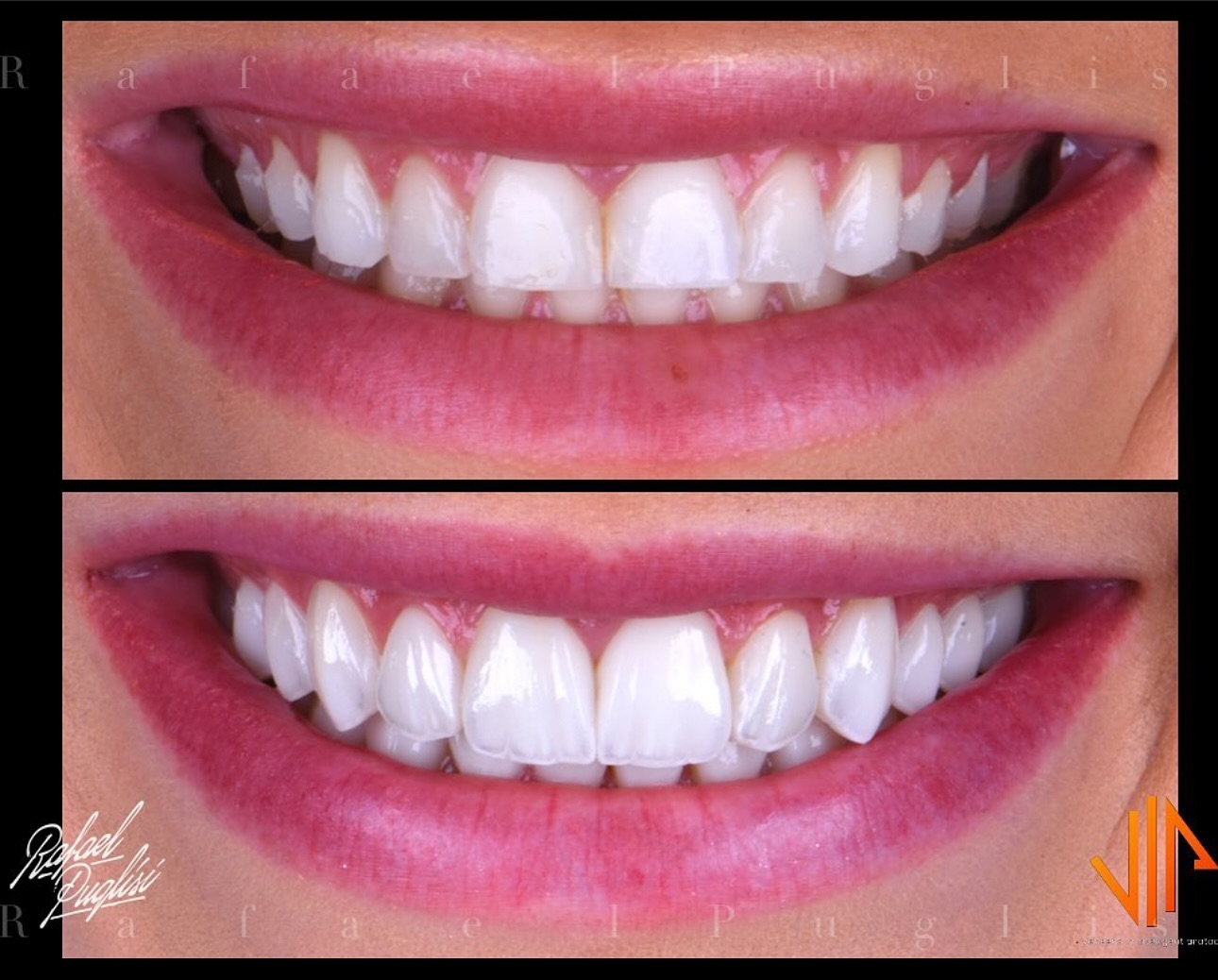
The work involved 24 ultrathin ceramic veneers, produced in the institution’s laboratory using a digital workflow combined with handcrafted work.
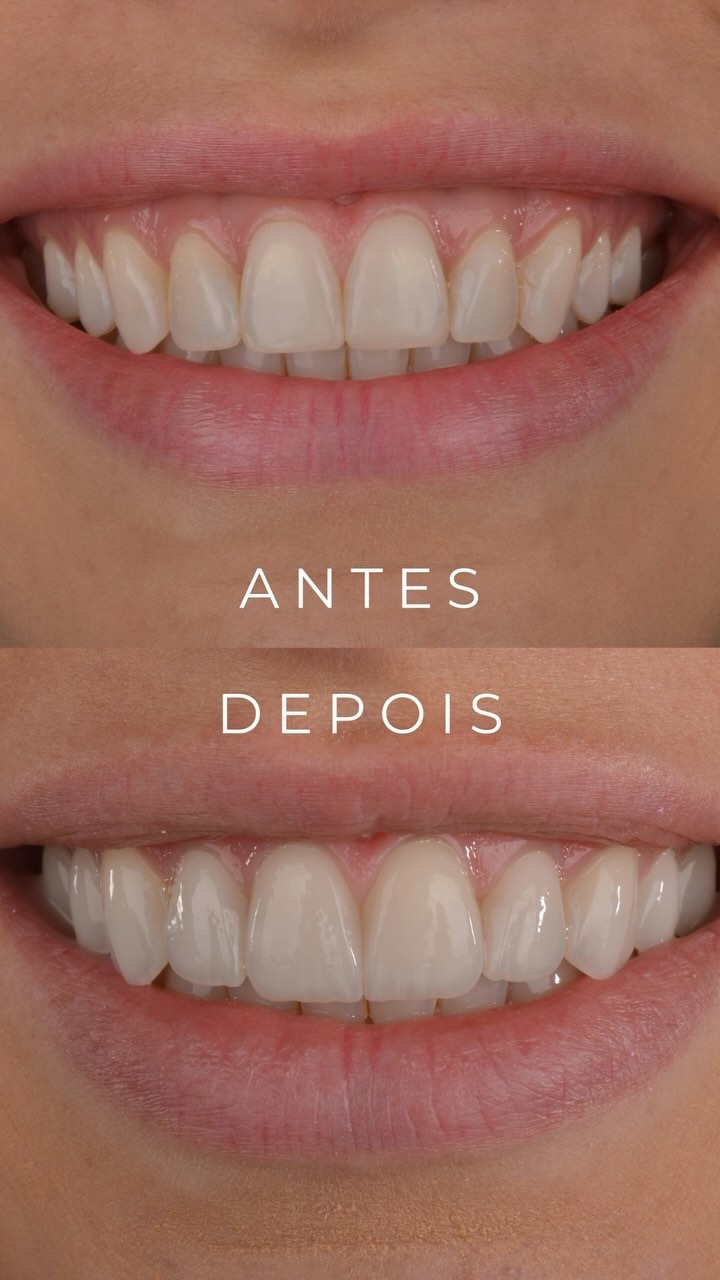
The work with ultrathin dental veneers is documented in two photographs identified as before and after.
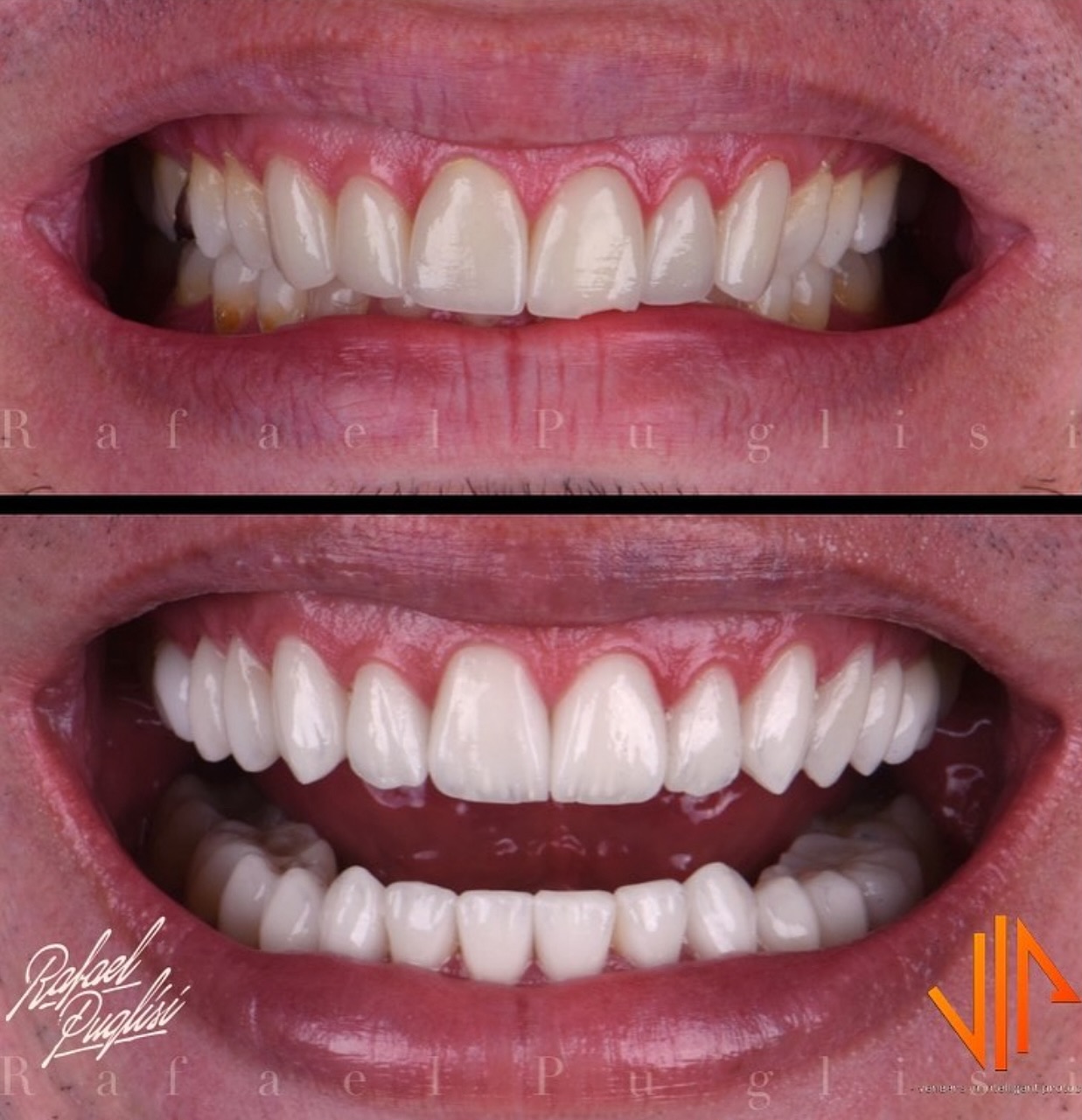
The montage retains two frontal photographs with the mouth partly open and the teeth visible.
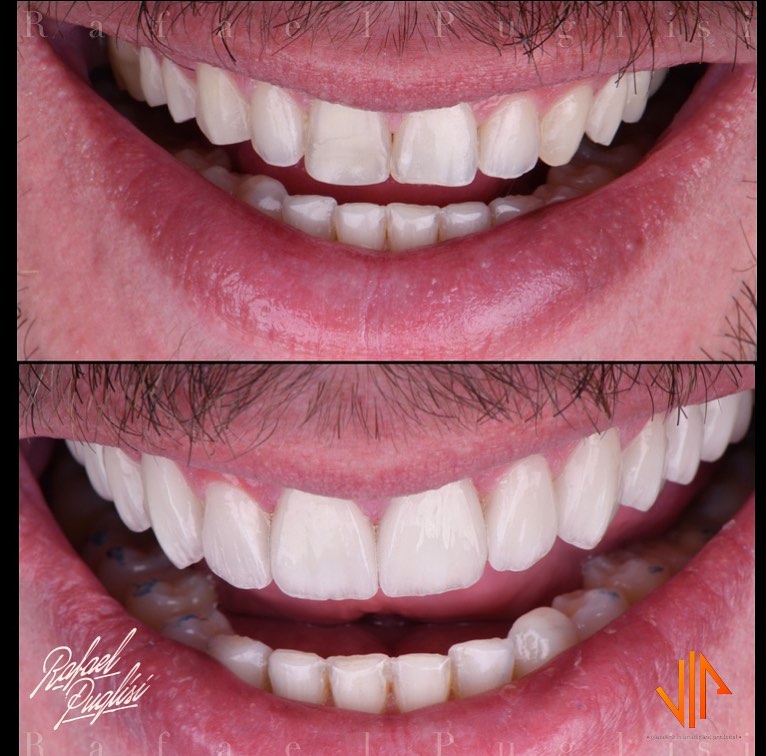
Two photographs present the upper teeth and some of the lower teeth in a frontal view.
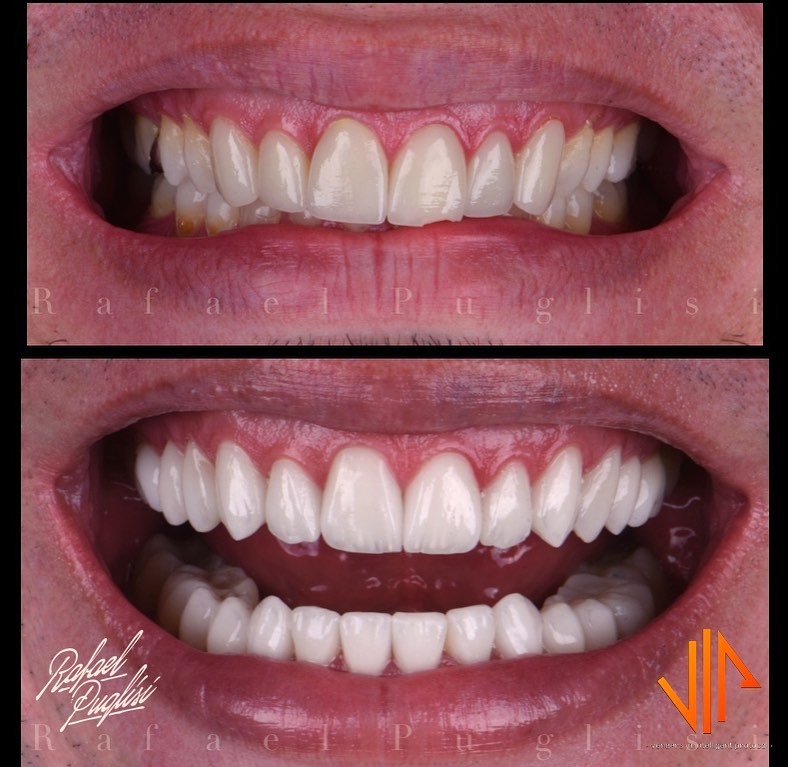
The comparison brings together two frontal photographs of the smile with the lips apart.
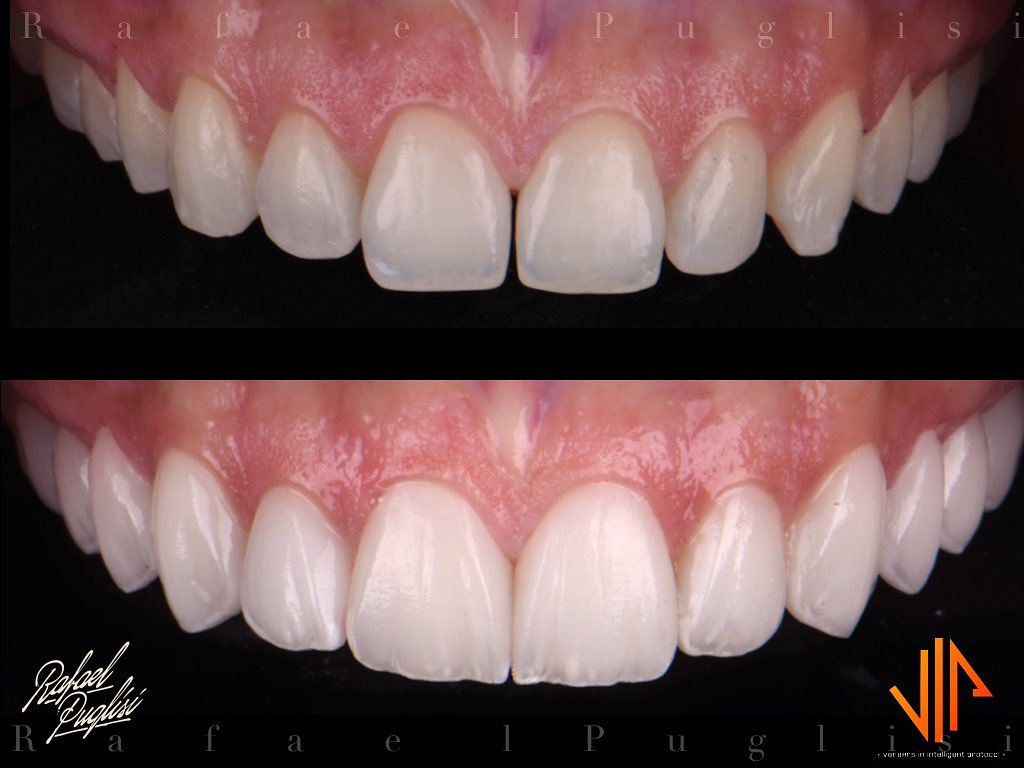
The record retains a montage with two frontal views of the upper teeth against a black background.
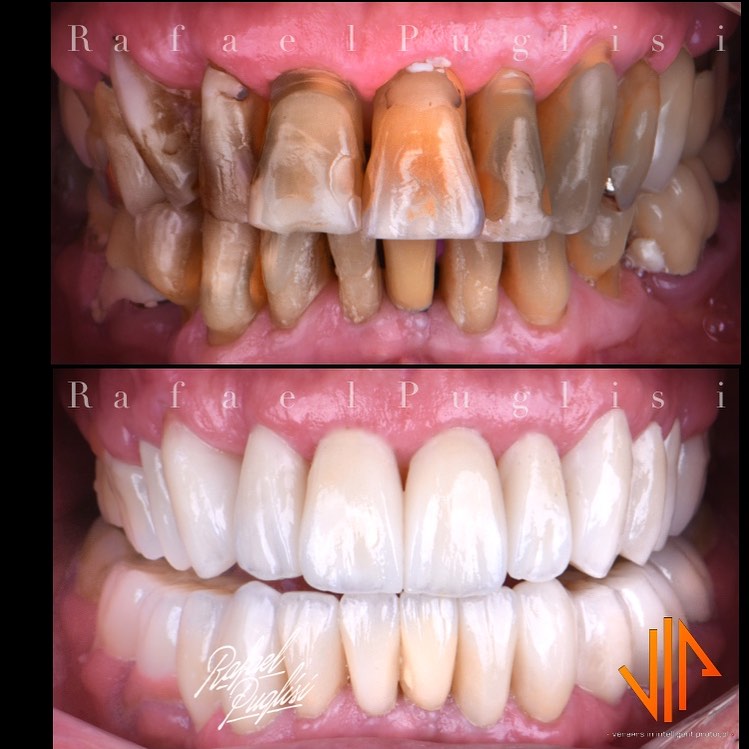
The patient had received proposals to extract the teeth. The approach adopted included periodontal treatment, followed by a proposal for 28 ceramic crowns, some incorporating gingival portions.
The proposal to preserve the teeth was organised in two stages: periodontal treatment first, then ceramic restorations. The indication described included restorations incorporating gingival portions in part of the rehabilitation, without reducing the plan to replacement of teeth with implants.
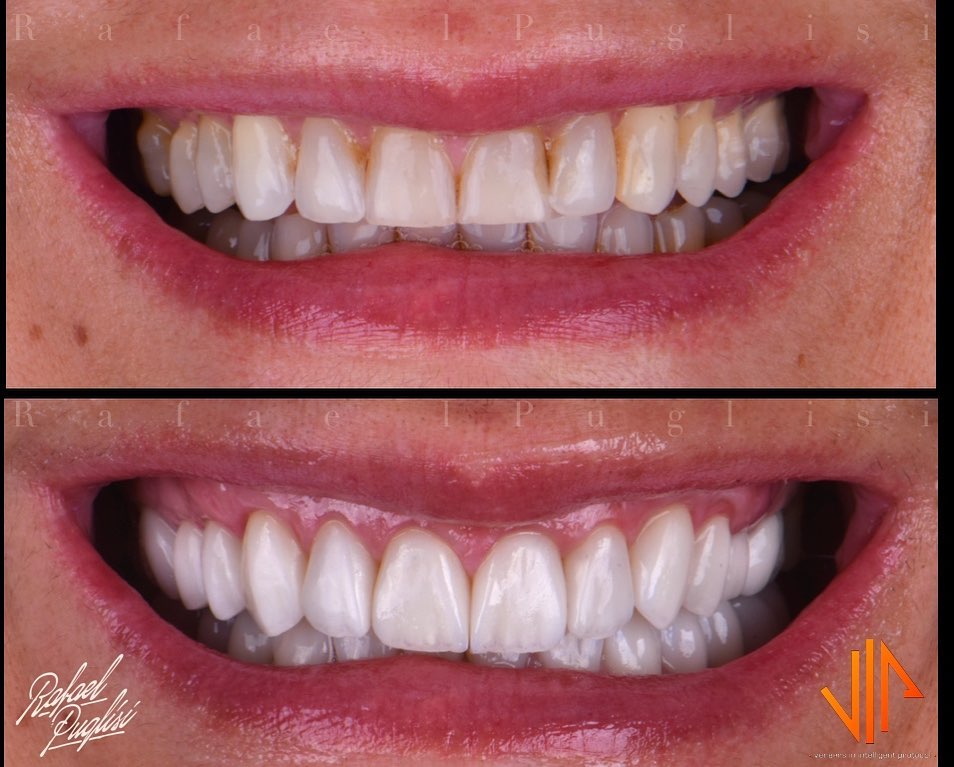
The adhesive oral rehabilitation involved customised planning and fabrication of the pieces in the institution’s laboratory.
Care begins by understanding you. Talk to the team and book your assessment.
Each treatment has an individual indication. The images show specific cases, and results vary from person to person.