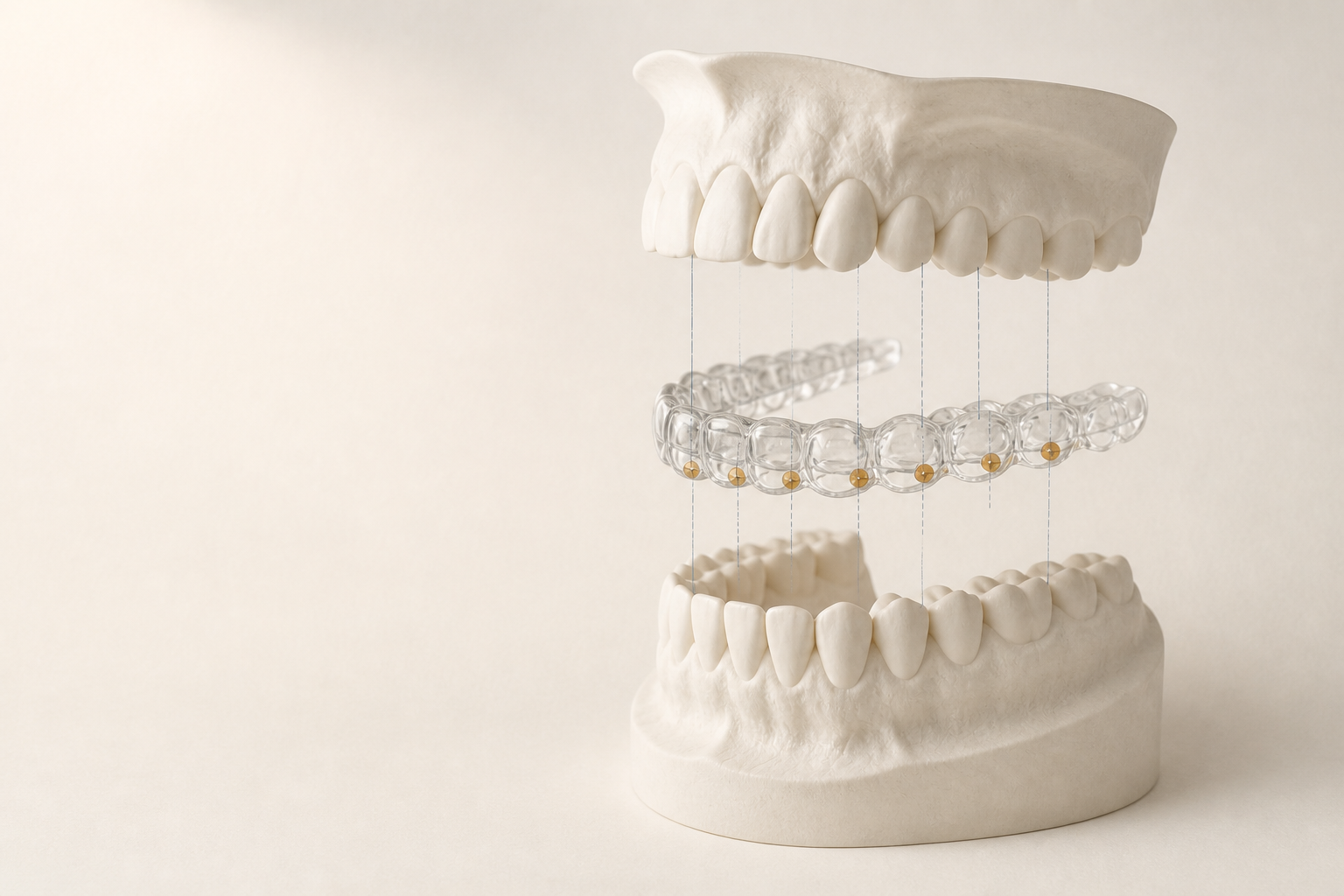
Before putting the splint in.
Does the splint cure bruxism?
There is no basis for promising a cure. It may protect structures and form part of a plan with defined goals while possible associated factors and symptoms are assessed. [3] [5]
Do I need to wear it every night?
Not always. Frequency, wear period and duration depend on the indication, observed behaviour and response to use.
Is an off-the-shelf pharmacy splint the same?
No. Materials, fit, thickness and purpose may differ. When there is a clinical concern, assessment determines whether an individual device is appropriate.
Can the splint change my bite?
A conservative splint should not aim to change the bite permanently. If you notice a change when closing your teeth, stop wearing it and ask for reassessment. [1]
Does it prevent tooth wear?
It may create a mechanical barrier between the teeth, but does not eliminate every cause of wear or guarantee that the splint will remain unmarked. Teeth, restorations and the device itself need monitoring.
Is it the same device used for apnoea, sport or retention?
No. Although all are removable devices, design, material, purpose and follow-up differ.
How do I know when it needs replacing?
There is no single timeframe. Cracks, distortion, loss of fit, significant wear or a change in symptoms are reasons to examine the splint and decide whether it can be adjusted or needs replacement.
I have jaw pain. Could it be TMD?
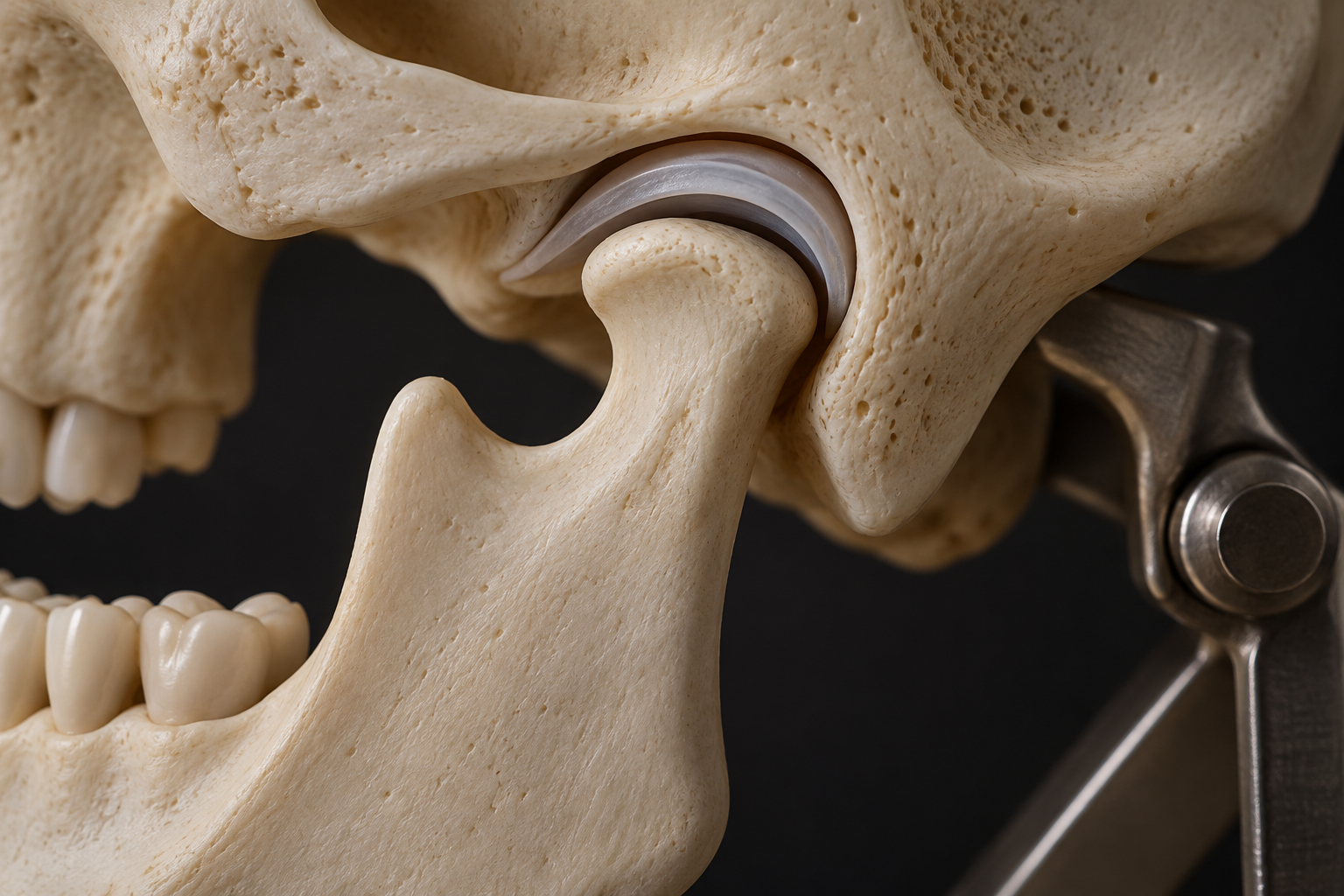
Jaw pain may be related to temporomandibular disorders, bruxism, muscle tension or other causes. Clinical assessment is important to identify the origin of the pain and determine the most appropriate treatment.
Where can I seek treatment for TMD, bruxism and tooth wear in São Paulo?
Instituto Rafa Puglisi can assess cases of temporomandibular disorders, bruxism and tooth wear in São Paulo, considering symptoms, bite, habits, joint structures, muscles and the need for rehabilitation or tooth protection.
Is an occlusal splint the same as a bruxism splint?
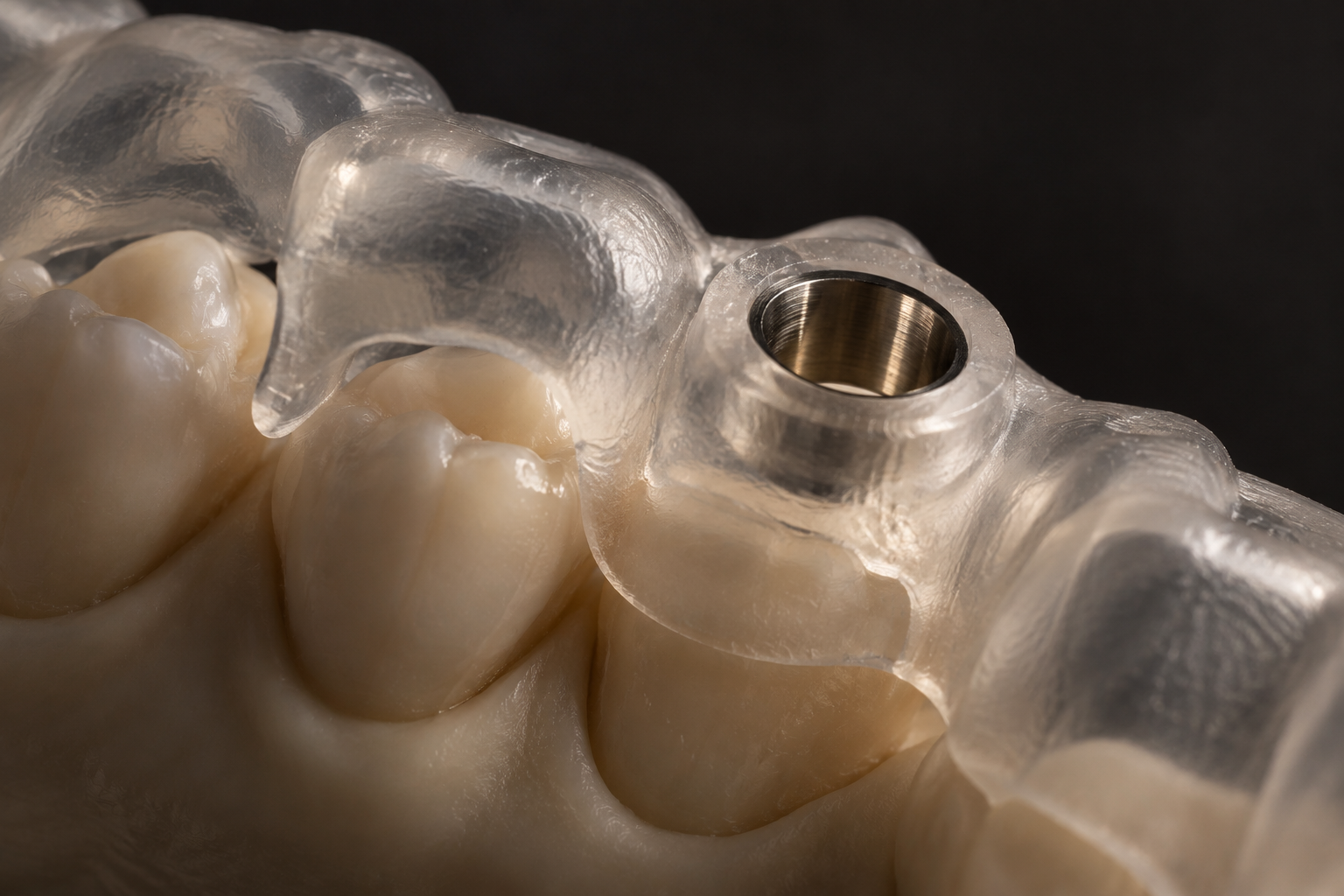
The names usually refer to the same type of device: a custom-made splint worn over the teeth. What changes is the goal defined at the assessment, such as protecting the teeth from grinding, reducing strain on the muscles or supporting care of the jaw joint. [8]
How long does the splint take to work?
There is no guaranteed timeframe. Protection against direct contact between the teeth exists from the first use. Improvement in pain or tension varies from person to person, and studies still have low certainty about this effect. That is why adjustment appointments follow the response. [4]
Hard or soft splint?
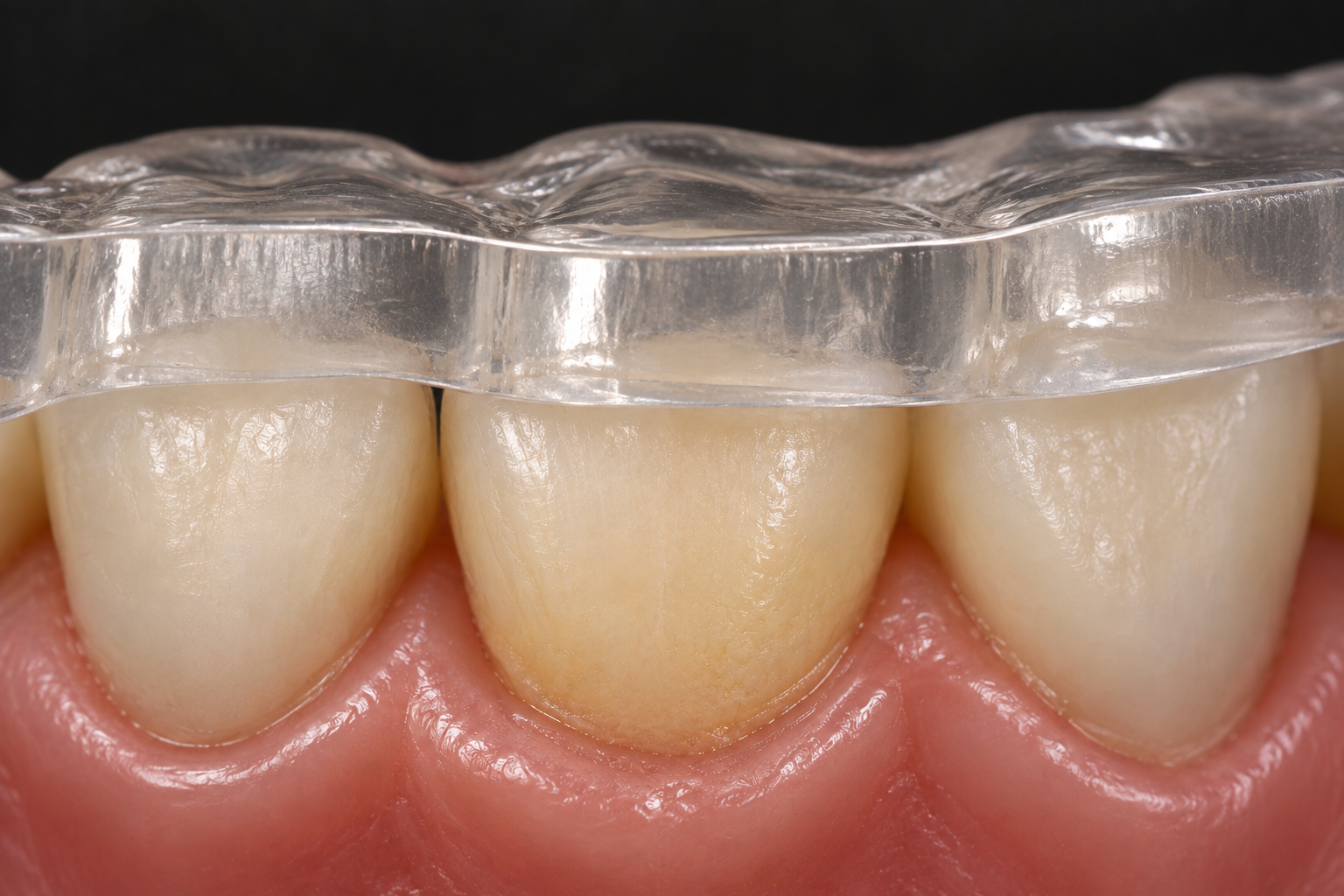
There are hard splints, made of resin, and soft splints, made of silicone. Hard splints allow more precise adjustments. Soft splints can be more comfortable in some situations, but are harder to adjust. Studies comparing the two types are small and have mixed results, so the choice is made at the assessment. At the Institute, both are planned and produced in our own laboratory, using 3D printing. [9]
How much does an occlusal splint cost?
Each case is assessed individually, so there is no standard price. The cost depends on the indication, the type of splint and the adjustment appointments. It is presented after the assessment. Treatment can be paid in up to 21 credit card instalments, depending on the treatment plan and current conditions.