↗ PT

Other pages are available in Portuguese

Skip to content

Replacement of old restorations
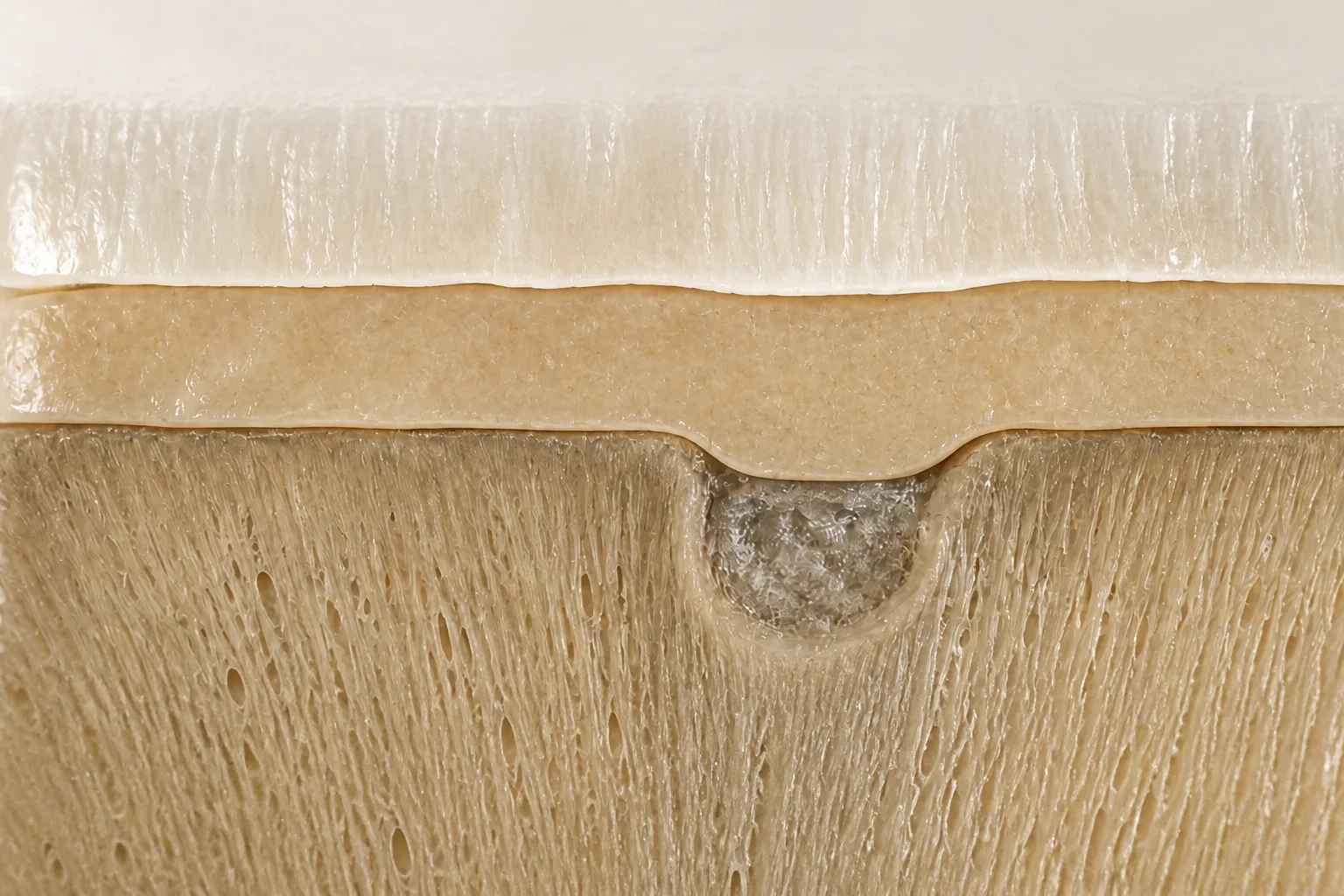
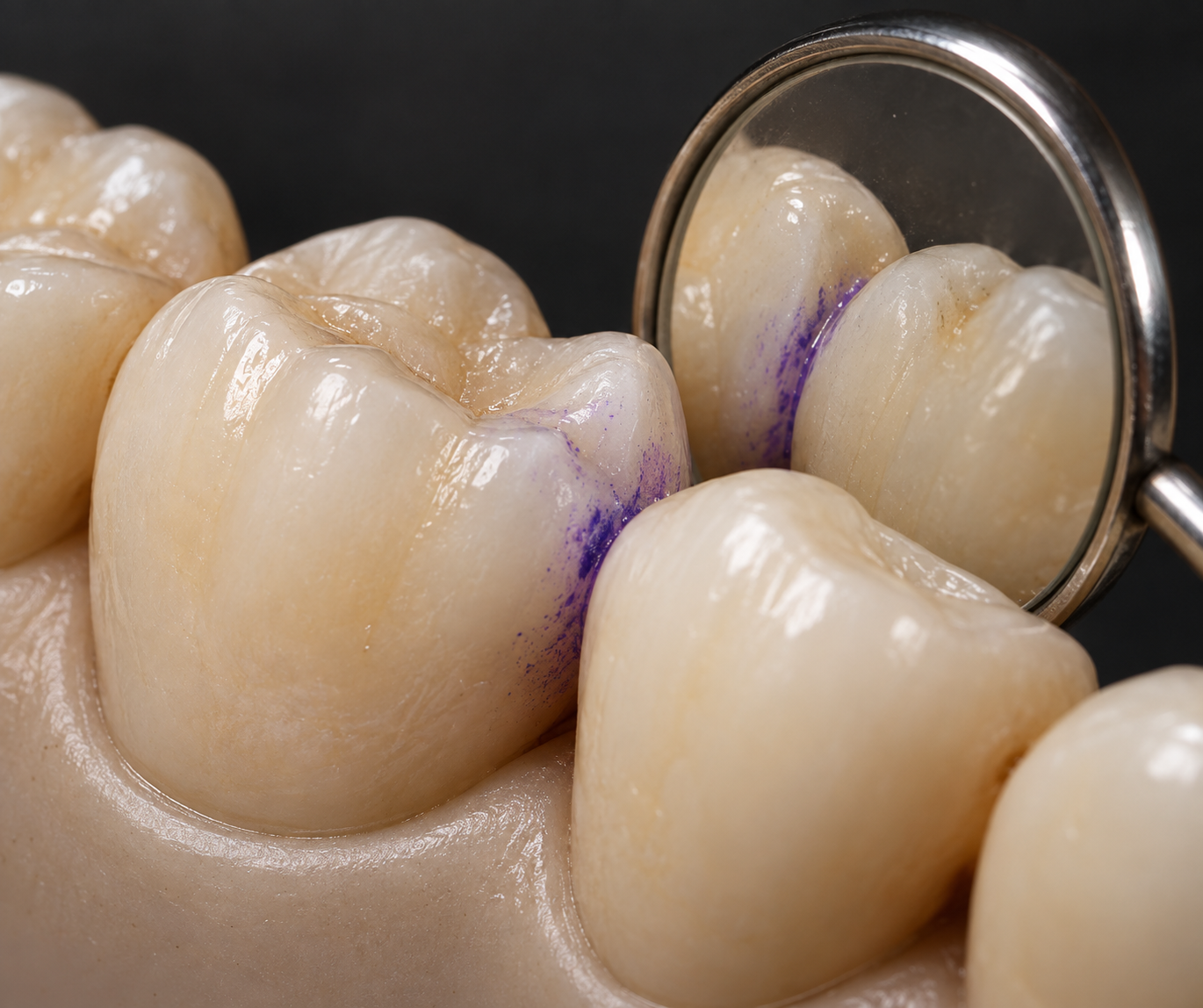
Conceptual cross-sectional artwork showing layers of tooth structure, restoration and their interface

The age and colour of the material alone do not determine the approach. Assessment shows what is sound, what needs attention and what may still be preserved.

Book an assessment

At Instituto Rafa Puglisi, the choice begins with the condition of the tooth and the material already present.
Four approaches after diagnosis.

Replacement is only one possibility. The choice depends on the problem identified and the amount of structure that can safely be retained.

  1. Follow up

    When the tooth and restoration are stable, with no indication for immediate intervention.

  2. Recontour or polish

    When a conservative adjustment may improve shape, surface, comfort or hygiene.

  3. Repair

    When the defect is localised and the remaining portion is in a favourable condition.

  4. Replace

    When damage is extensive or the restoration cannot predictably be preserved.

Age alone does not decide.

A restoration may look old and remain functional. Another may need attention because of fracture, wear, a change at the margin, associated decay or symptoms. Examination brings this information together before proposing any intervention.

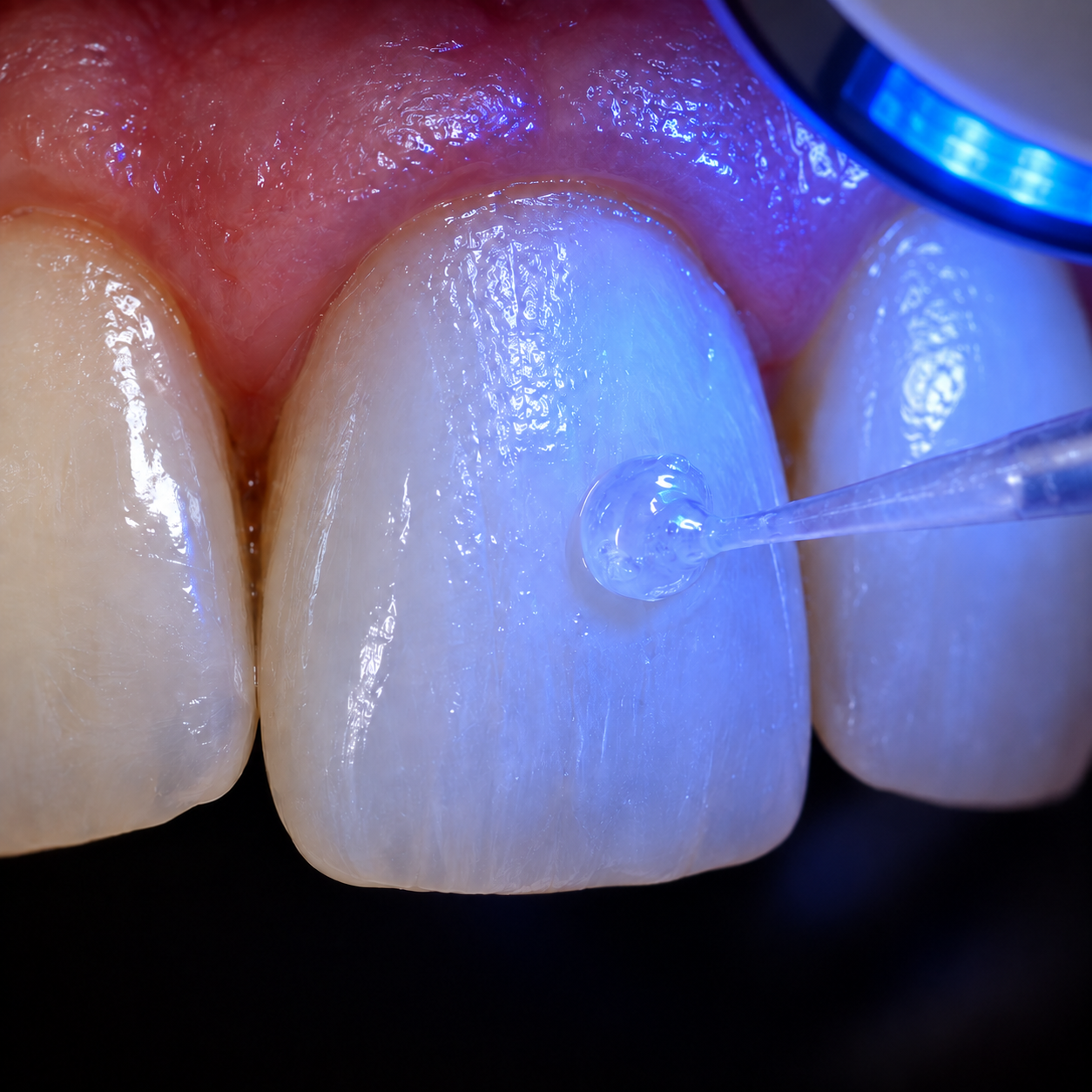
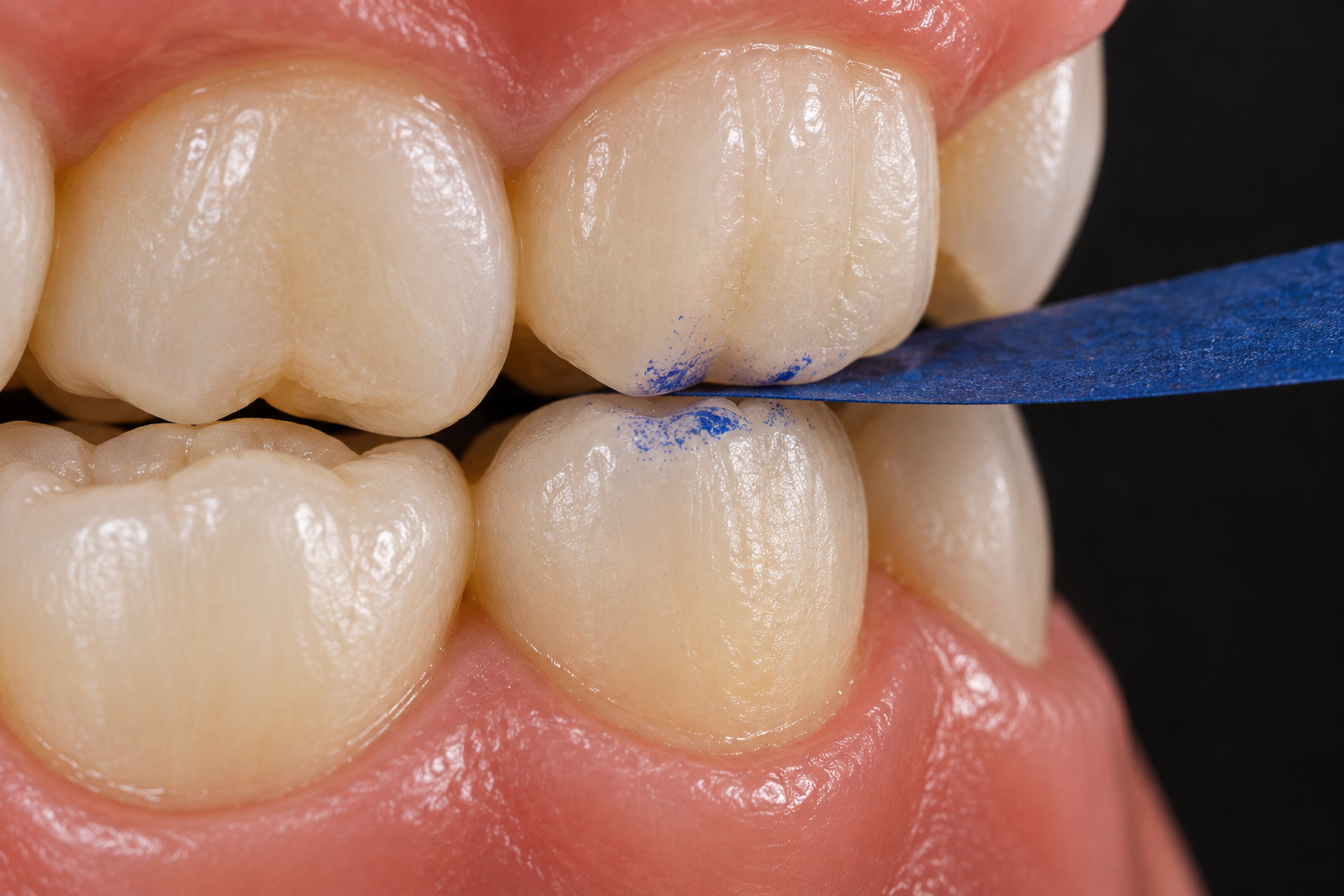
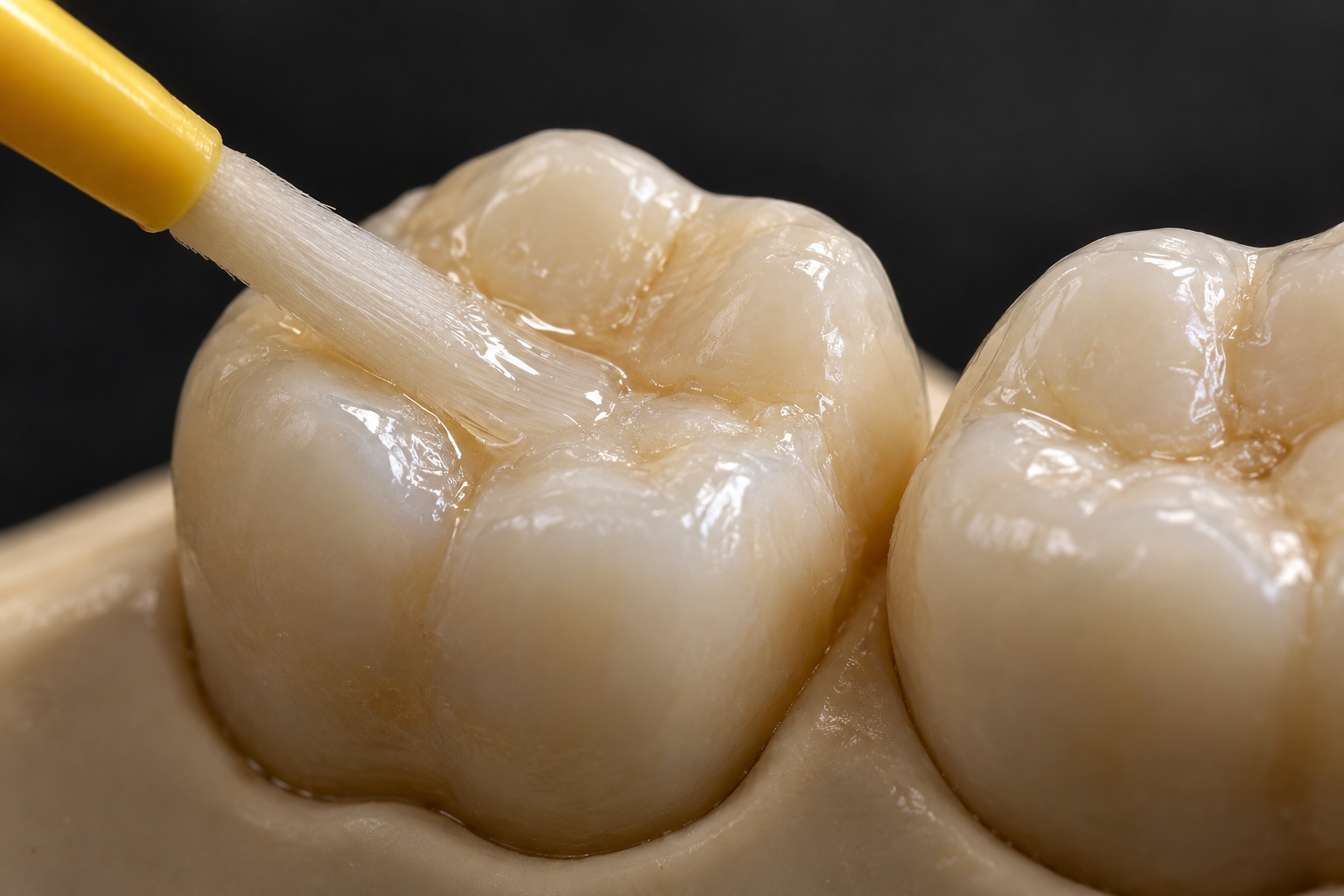
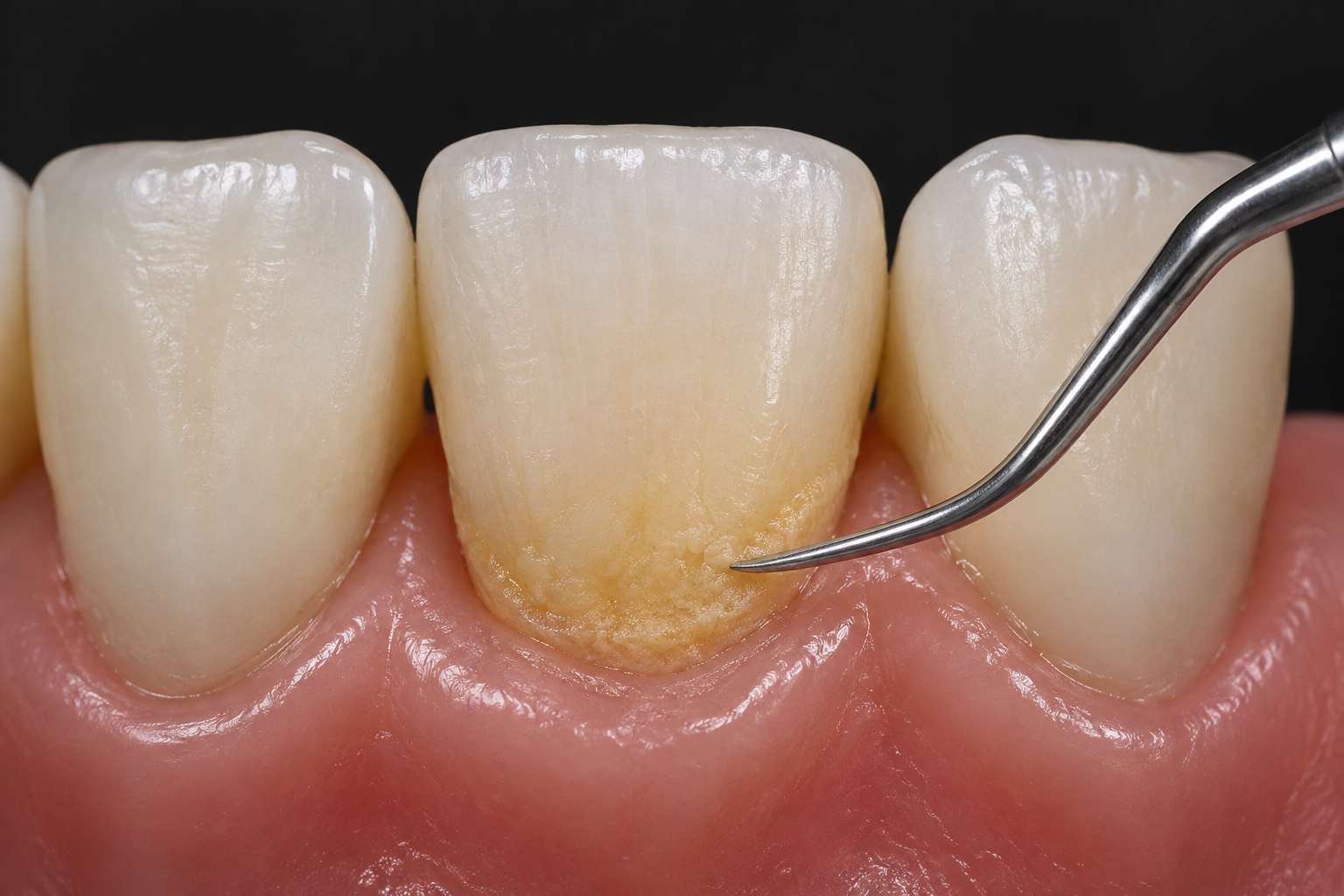
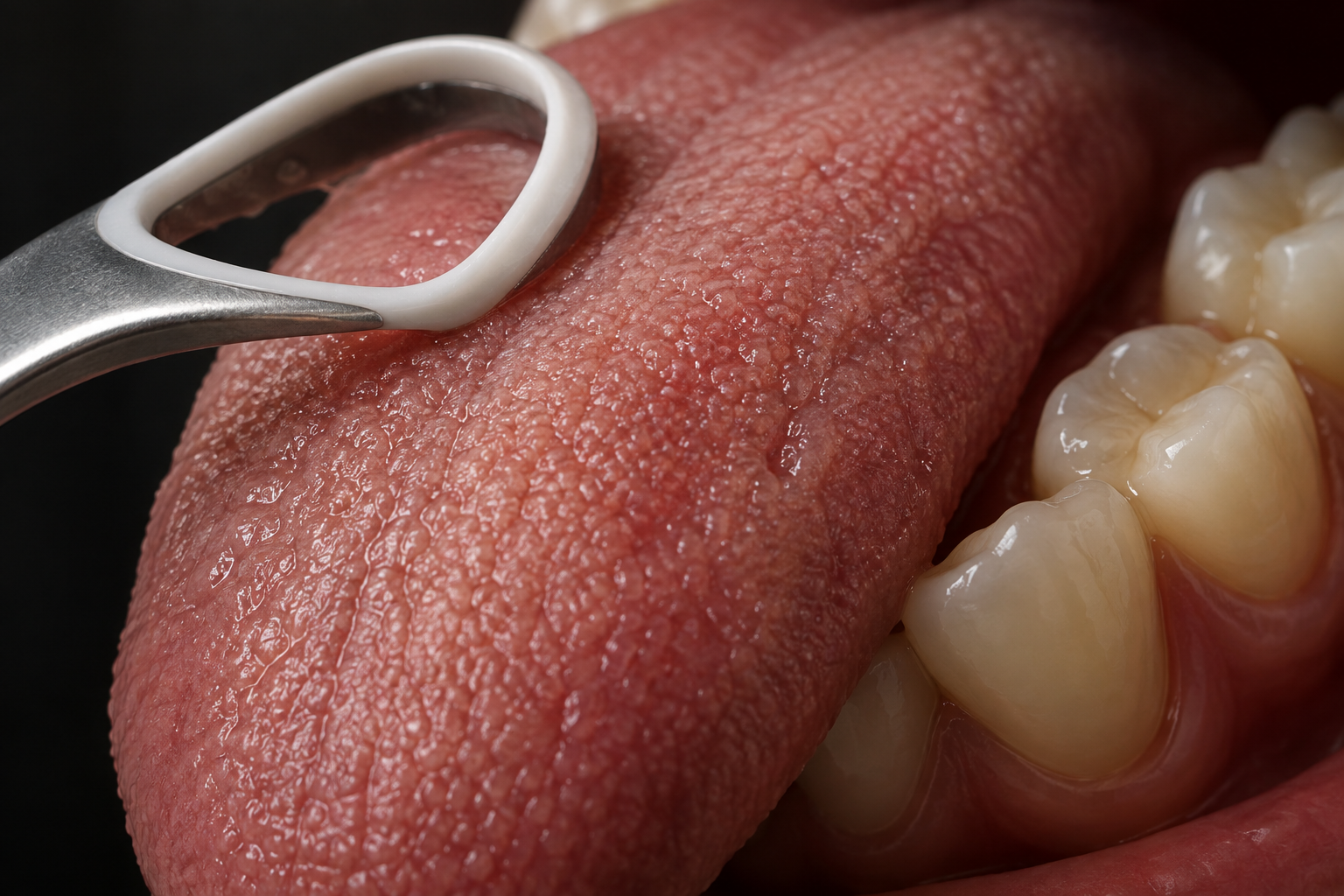
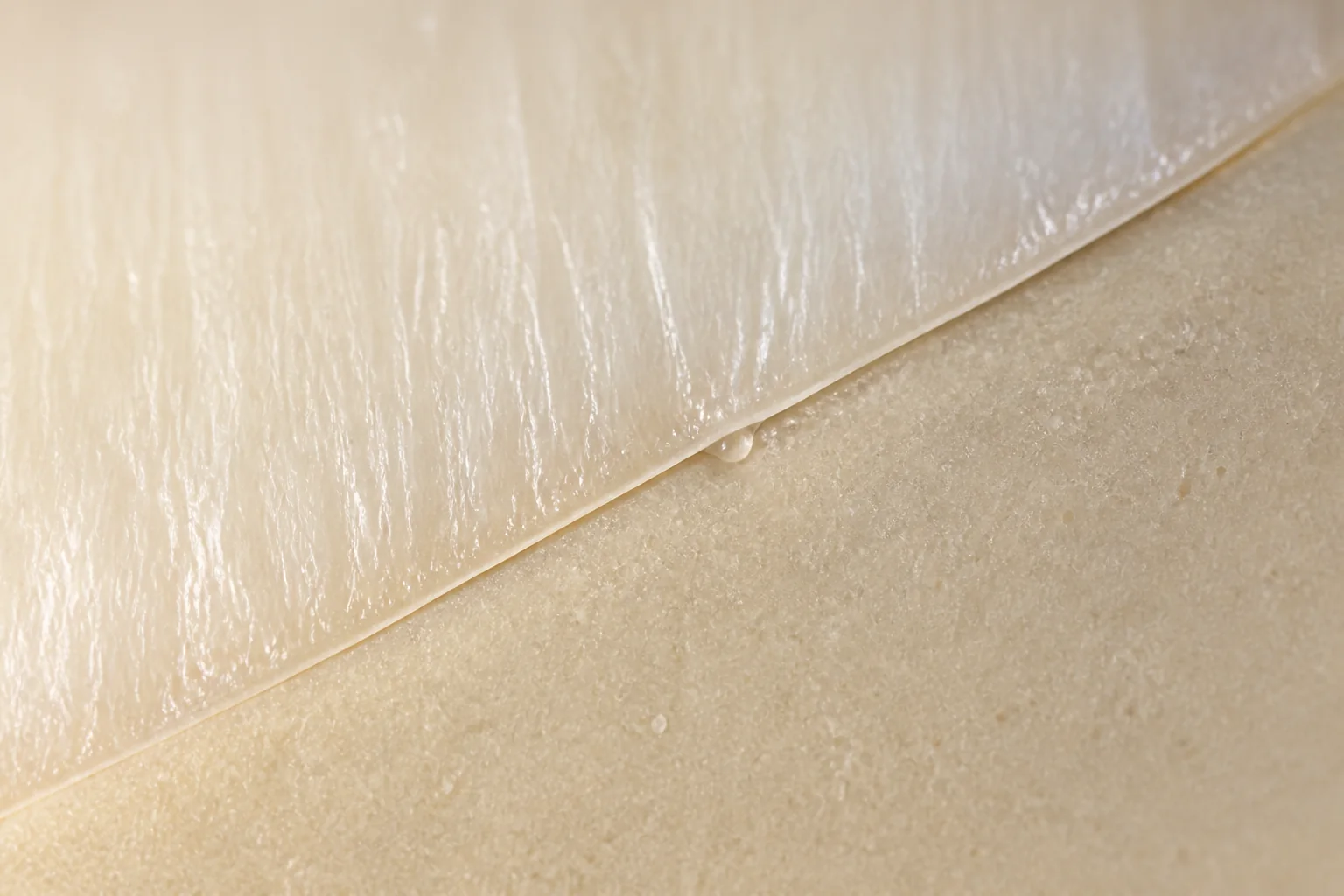
Conceptual close-up artwork of the interface between tooth structure and restorative material

Pain or sensitivity

Discomfort when chewing, or with cold or heat, deserves investigation even when the restoration looks normal.

Fracture or wear

Broken parts, chips, loss of shape and inadequate contacts may compromise function and comfort.

Change at the margin

A step, irregularity, food retention or colour change calls for examination. An isolated stain does not confirm decay.

No apparent symptoms

Some problems do not hurt at first. Periodic assessments help monitor changes over time.

  1. Tooth
  2. Restoration
  3. Margin
  4. Preserved structure

Preservation is also treatment.

Replacing an entire restoration usually enlarges the preparation and removes more tooth tissue. When the problem is localised, finishing, recontouring, sealing or repair may be considered within a conservative approach.

This does not mean always repairing. It means first assessing the cause of failure, decay risk, tooth condition, existing material and the realistic possibility of bonding before deciding.

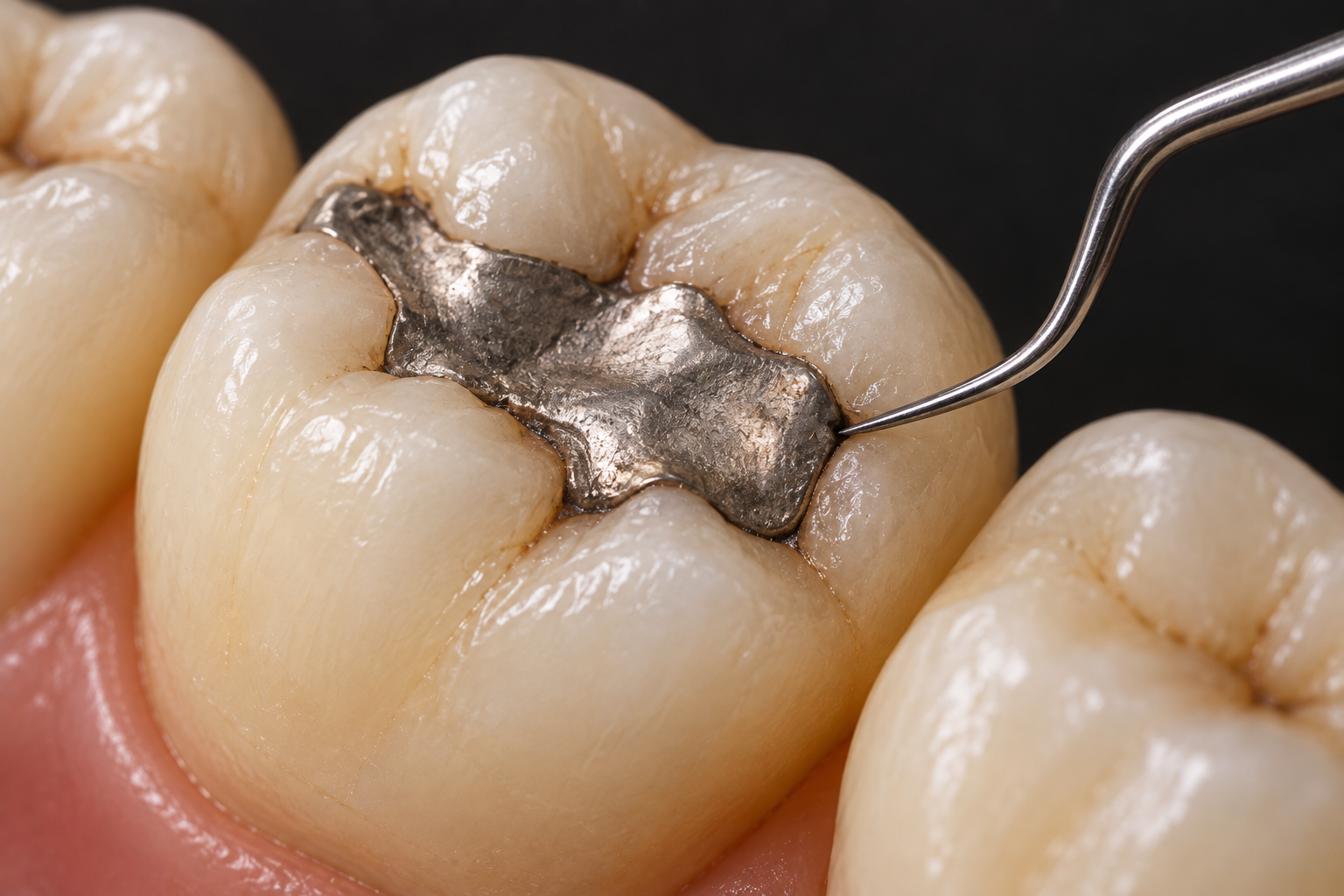
Being metallic does not make a restoration unsuitable.

Amalgam restorations in good condition should not be removed solely because they are metallic or old. Unnecessary removal may lead to loss of healthy tooth structure.

Appearance, clinical condition, general health, sensitivity to components and the patient's preference are discussed, but the indication remains individual. When an aesthetic change is desired, benefits, limitations and risks need to be discussed beforehand.

See clinical sources

The starting point
Examine what is there before planning what changes.

The material follows the case.

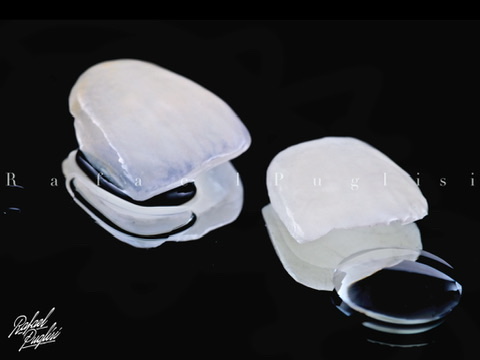
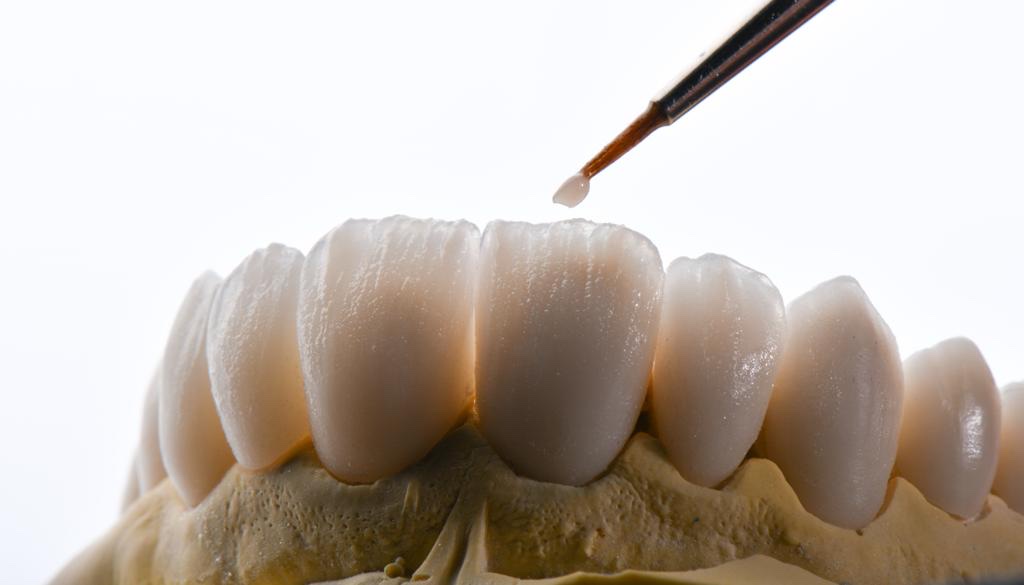
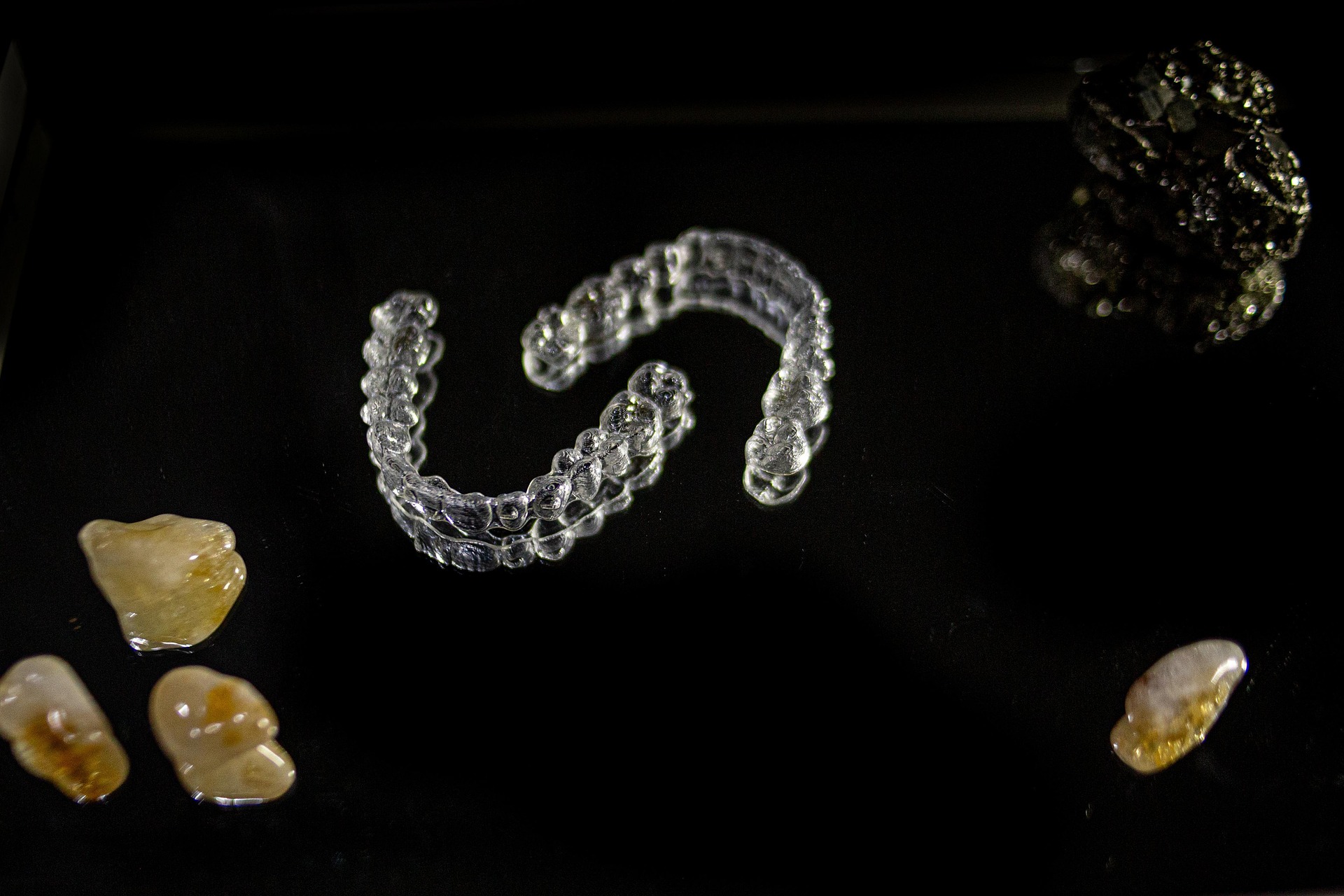
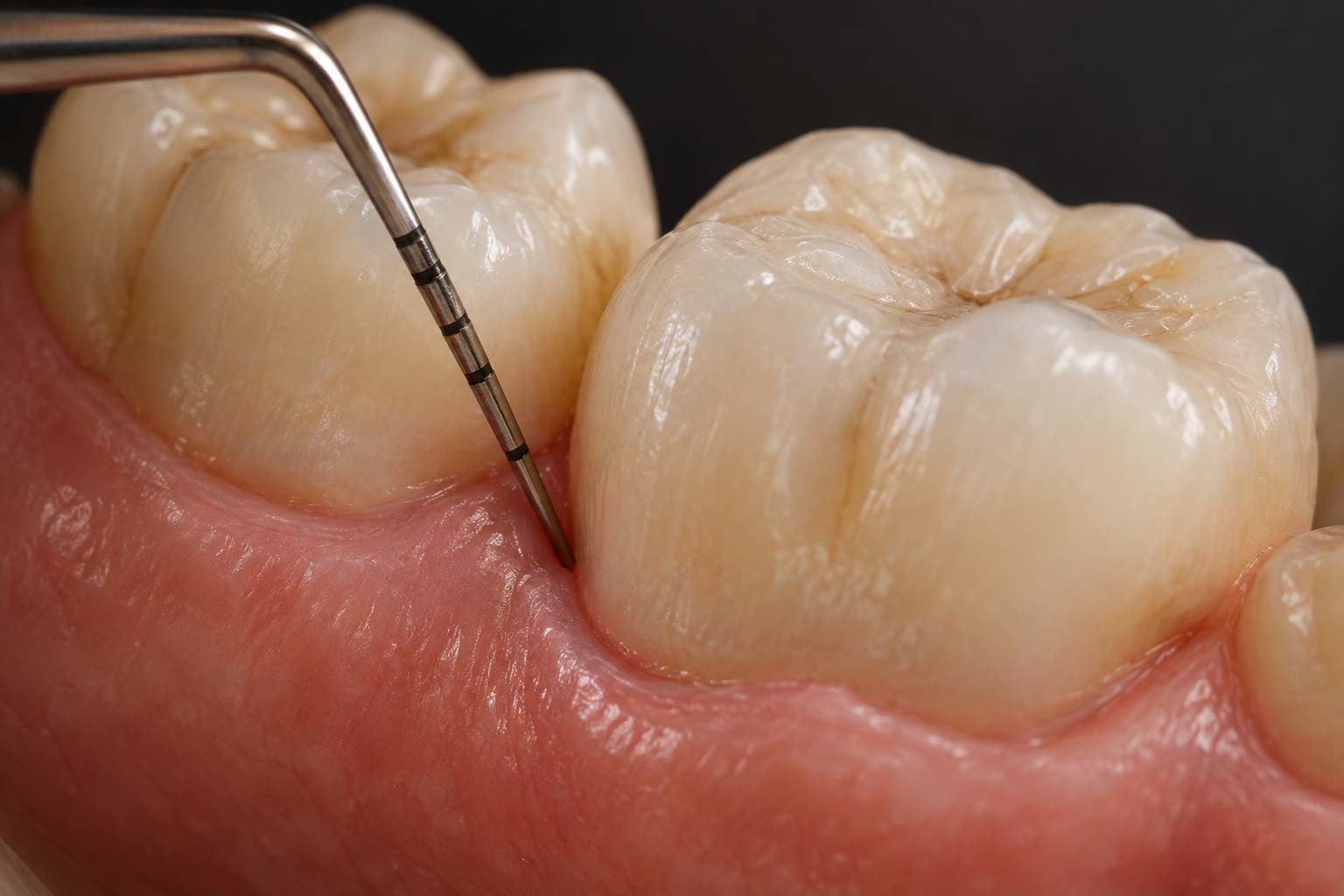
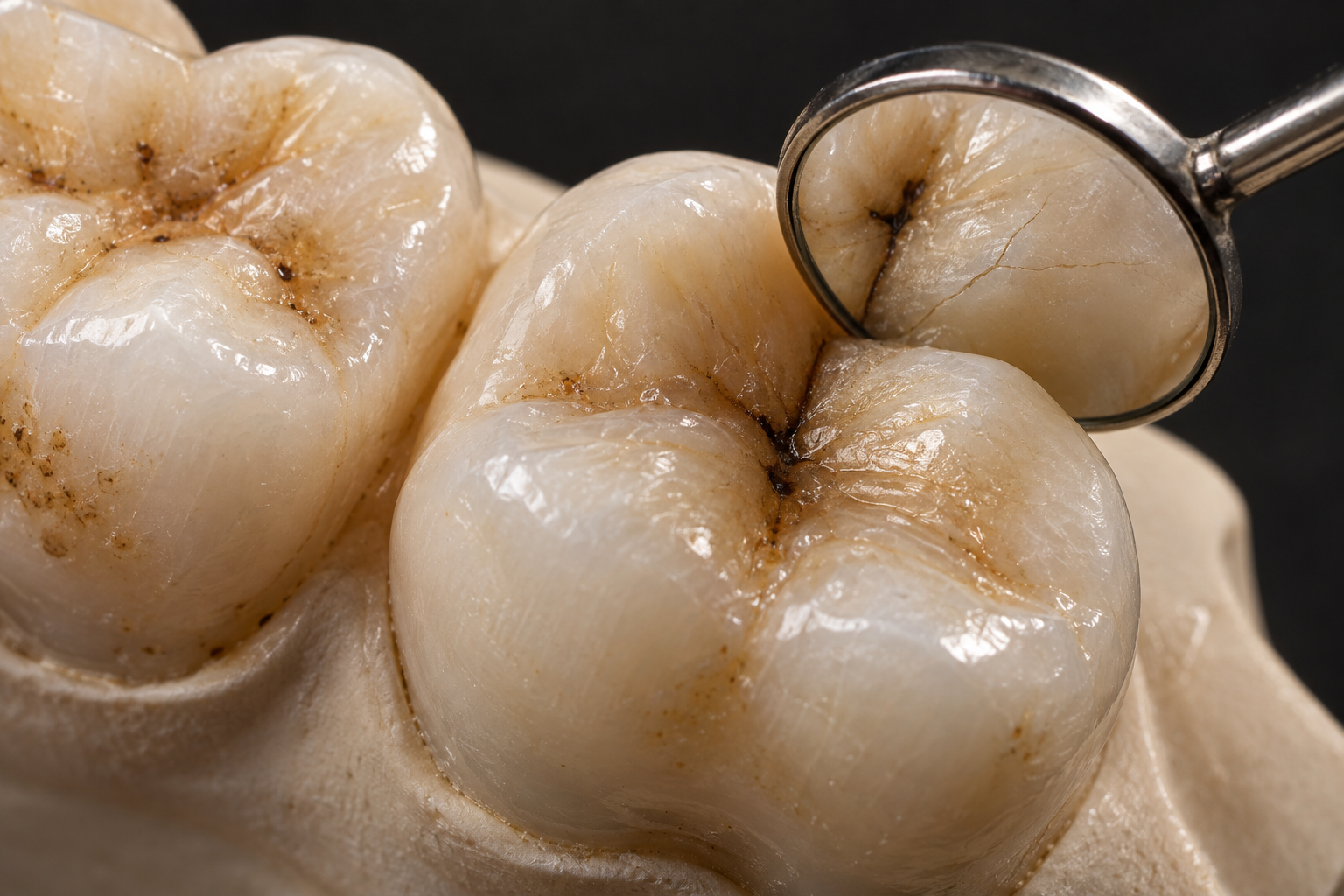
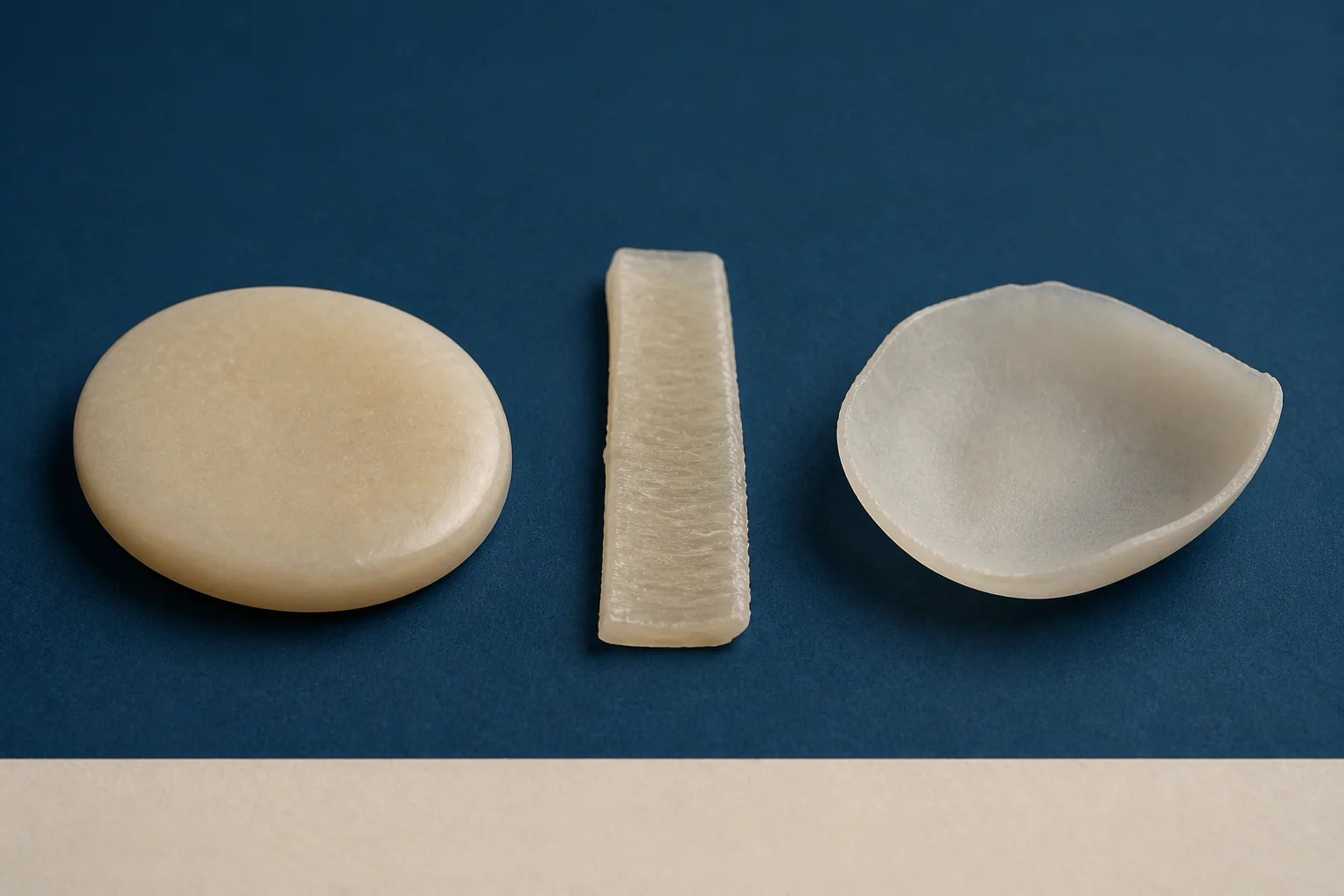
Conceptual artwork with specimens of direct restorative materials, tooth structure and ceramic

There is no universally better option. Tooth location, extent of loss, chewing forces, remaining structure, appearance, the possibility of isolation and adhesive technique influence the choice.

Direct restorations
They are built directly on the tooth, usually with composite resin or other materials indicated for that region.
Indirect restorations
Inlays, onlays and crowns are made outside the mouth, using materials that also vary according to clinical need.

How the decision is reached.

Planning may be simple or involve more stages. The process below shows what guides the decision, rather than a fixed protocol.

  1. History and goal

    Symptoms, age of the restoration, habits, previous treatment and what the person wants to change.

  2. Clinical examination

    Surface, margin, fit, fractures, contacts, hygiene, gums and tooth condition.

  3. Additional examinations

    Radiographs and other records are used when indicated to answer a clinical question.

  4. Alternatives and limitations

    Monitoring, adjustment, repair or replacement are discussed with their benefits, risks and maintenance.

  5. Follow-up

    Periodic follow-up assesses fit, hygiene, function, wear and any changes.

Function, preservation and appearance need to work together.

A well-planned restoration needs to integrate shape, contact, chewing, cleanability and appearance. Colour is part of the outcome but does not replace structural analysis.

Bruxism, diet, hygiene, restoration size and tooth position influence longevity. No material is permanent, and reviews are part of care.

Questions before deciding.

General answers to help organise the discussion. Suitability depends on individual assessment.

Does every old restoration need replacing?

No. Age alone does not determine replacement. The decision depends on the condition of the tooth, restoration and margin, symptoms and individual risk.

Does a metal restoration need to be removed?

Not automatically. Sound metal restorations with no identified problem may be monitored. Removal should have an individual clinical indication.

Can it be repaired without replacing everything?

In some cases, yes. When the defect is localised and the remainder is in a favourable condition, repair may preserve more tooth structure. Feasibility depends on examination and the existing material.

Is porcelain always the best option?

There is no universally better material. Extent, position, load, remaining structure, appearance and the possibility of bonding guide the choice between direct and indirect alternatives.

How can a problem beneath a restoration be identified?

Investigation may combine history, visual and tactile examination, clinical tests and radiographs when indicated. Not every change is visible or causes symptoms.

How many appointments are needed?

The number varies with diagnosis and the approach. Monitoring, adjustment, repair, direct restoration and an indirect restoration involve different stages.

How long does a restoration last?

There is no fixed timeframe. Studies of composite restorations in back teeth show that most keep working for many years, with failures of around 2% a year. The risk increases with many cavities or larger restorations. That is why regular assessment matters more than the age of the restoration.

Does replacing a restoration hurt?

The procedure is usually done under local anaesthesia. Mild sensitivity may appear in the following days. Strong pain or pain that does not go away should be reported to the team.

How much does replacing a restoration cost?

The cost depends on the diagnosis, the material, the size of the restoration and how many teeth need care. It is presented after the assessment. Treatment can be paid in up to 21 credit card instalments, depending on the treatment plan and current conditions.

Beyond aesthetics, we are a multidisciplinary clinic.

Explore options

Care takes place here

Across more than 400 m², seven consulting rooms and an integrated in-house laboratory bring together different stages of care at the same address. Discover the Institute.

A history in dentistry since 1923 connects generations with care today. Explore the Institute's history.

Documentary portrait of Dr Silvana Puglisi

Dr Silvana Puglisi is the dentist responsible for technical oversight. Meet our professionals who continue to provide care and carry on the work of LAB Puglisi.

Spacious reception at the Institute with artwork by Kobra
Lounge with green armchairs, artwork and a garden visible through the glass doors
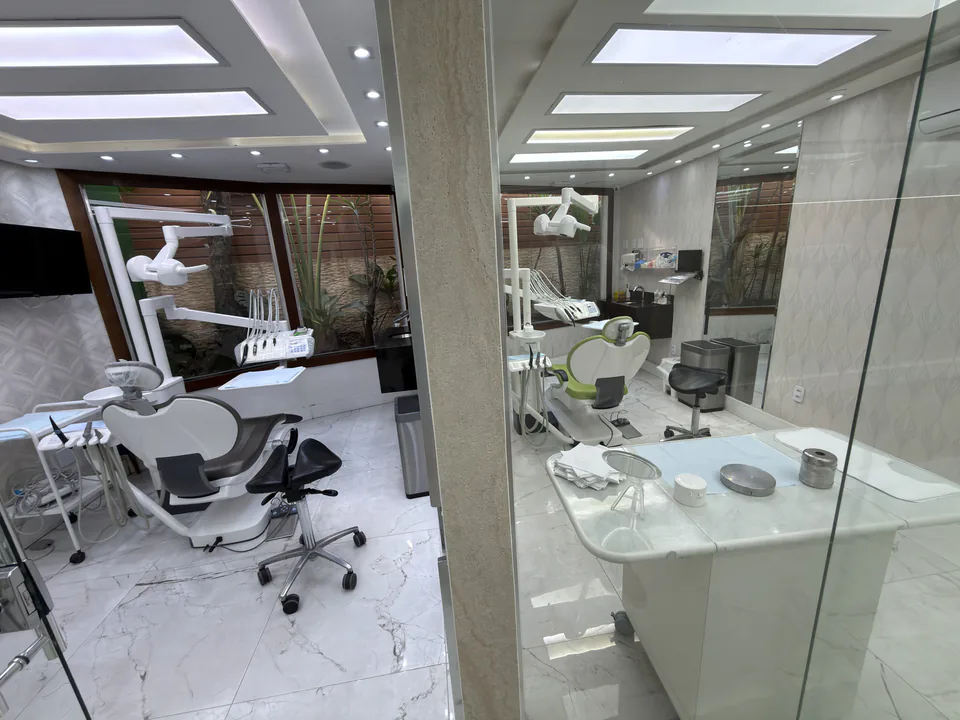
Two dental consulting rooms connected by a glass partition
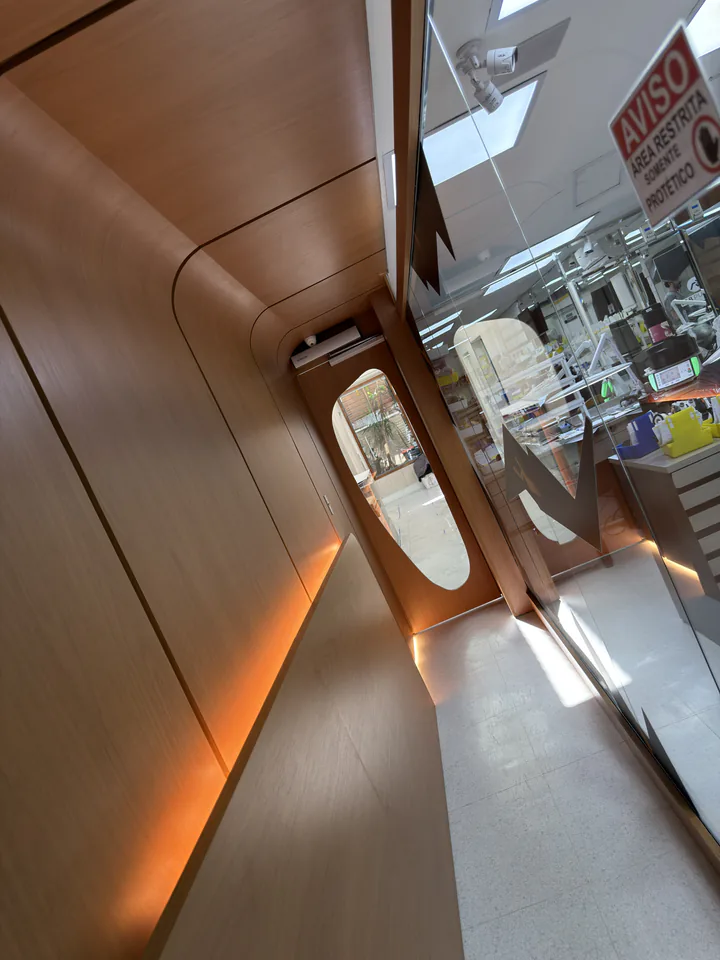
Curved corridor with wood panelling, amber lighting and a door at the far end

First, understand what can stay.

An assessment brings together function, preservation and appearance before any replacement.

Talk to the Institute

Clinical references

Original Portuguese content reviewed by Dr Silvana Puglisi, dental surgeon, CRO 33.773, technical director, on .

References and further reading

  1. Opdam NJ et al. Longevity of posterior composite restorations: a systematic review and meta-analysis. Journal of Dental Research. 2014, 93(10):943–949. DOI 10.1177/0022034514544217. PMID 25048250.

Public sources consulted on 17/09/2026 for educational support. They do not replace clinical assessment.

Privacy preferences

Your choice is valid for 180 days in this browser. You can change it under “Privacy”.

Forms may use Google reCAPTCHA to prevent abuse. Read the Privacy Policy