Tartar removal
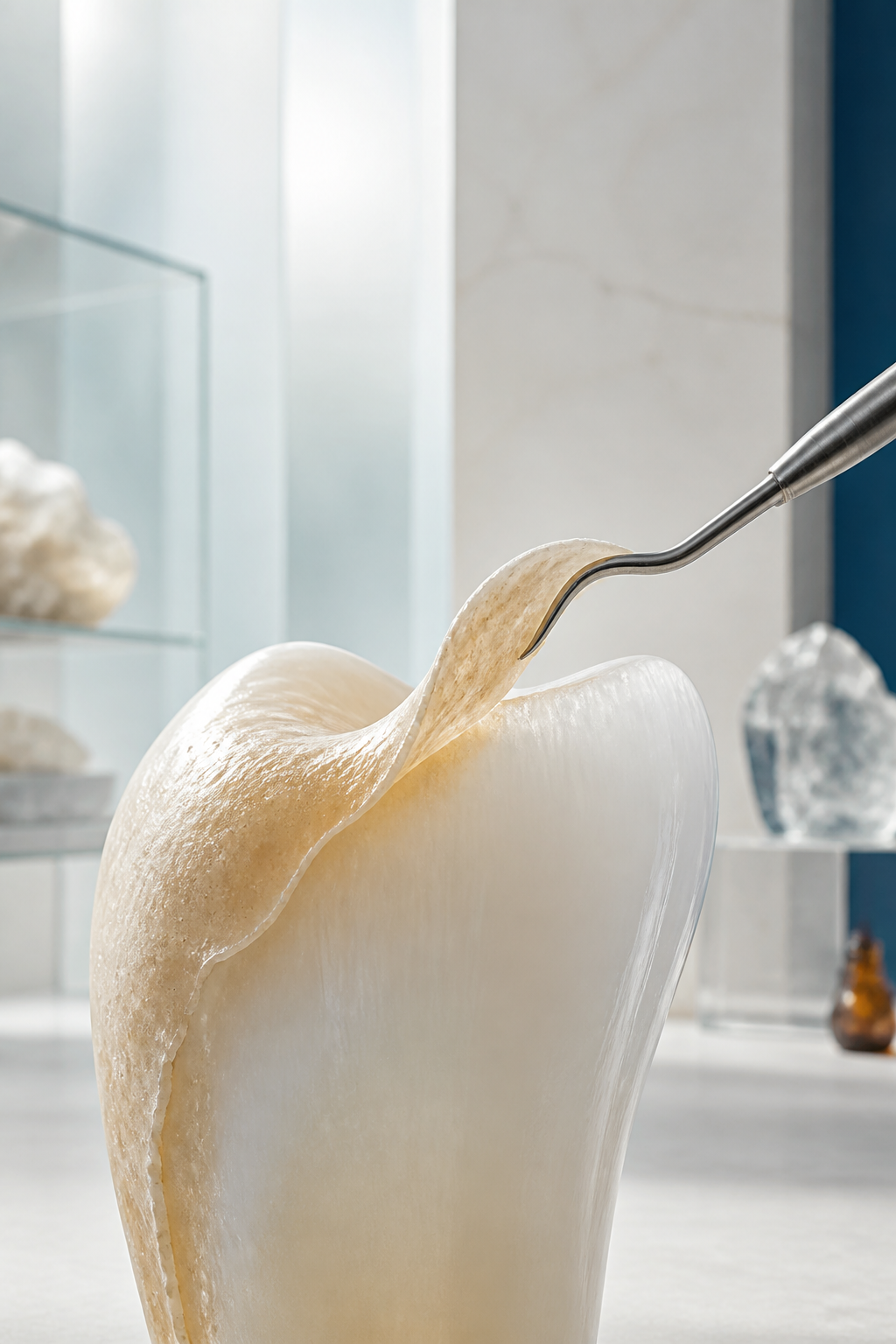
Tartar is a mineralised deposit attached to teeth. Ordinary brushing does not remove it and professional removal is needed. Examination determines instruments, extent and measures for your comfort. [1]
Book an assessmentTartar is a mineralised deposit attached to teeth. Ordinary brushing does not remove it and professional removal is needed. Examination determines instruments, extent and measures for your comfort. [1]
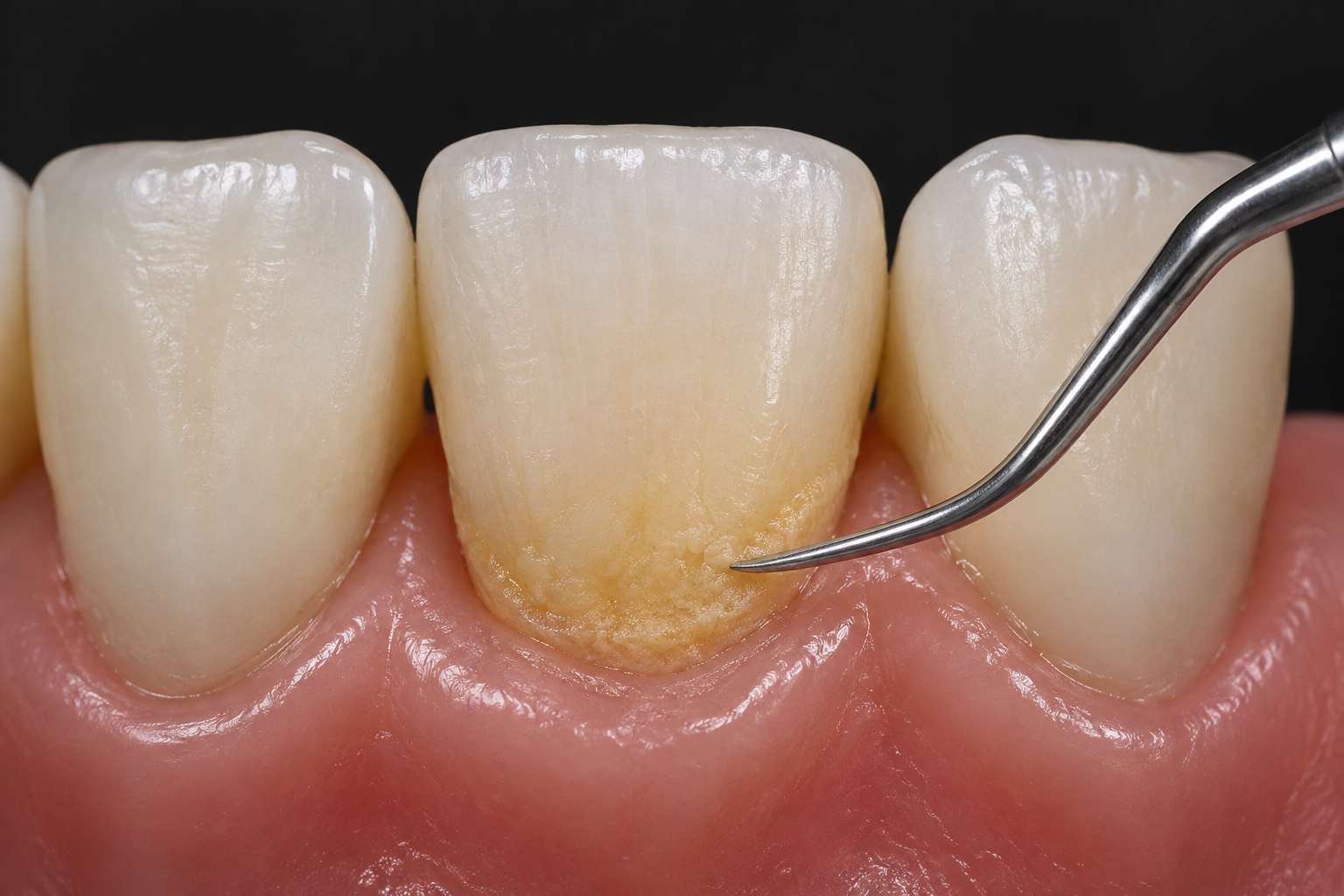
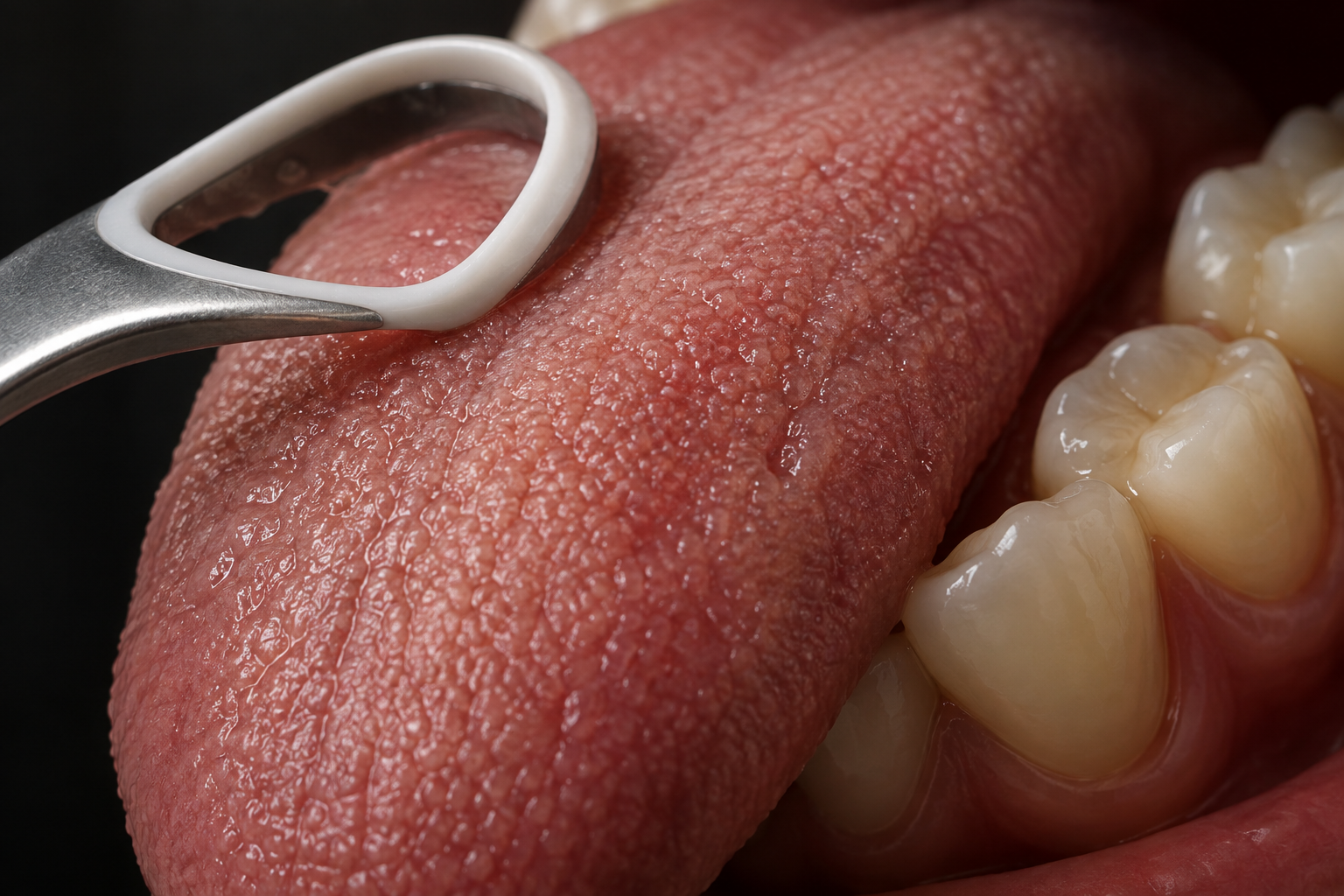
Book an assessmentThe opening image is a visual metaphor, rather than a reproduction of a procedure. In the mouth, calculus adheres to tooth surfaces and does not come away with ordinary brushing. Removal needs to be professional. [1]
The goal is to remove the deposit with control and preserve the structure beneath it.
Quantity is not the only information. Location, access, gum condition and sensitivity help determine the extent and type of instrumentation.
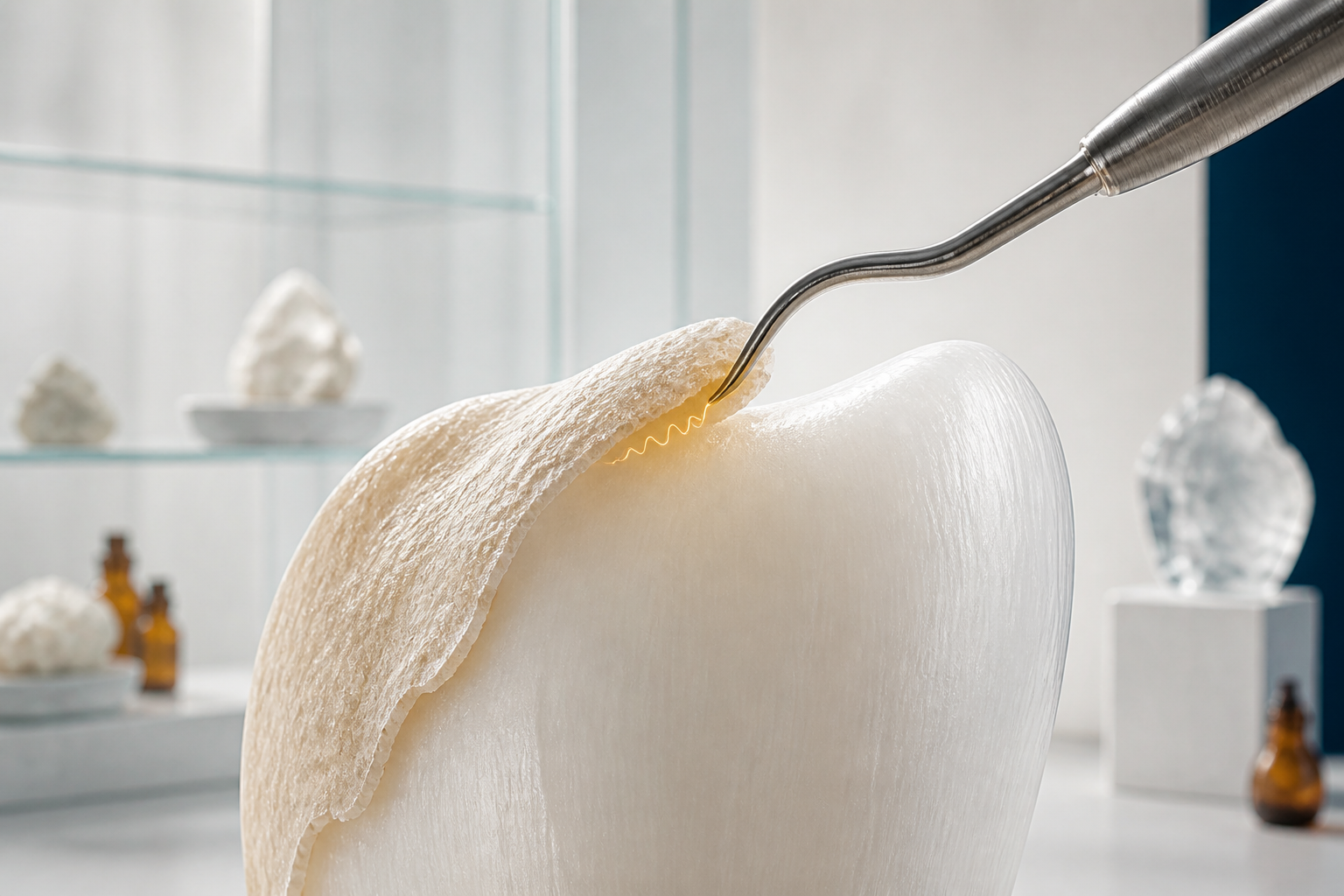
Ultrasonic and hand instruments may be combined. Selection considers deposit location, access, tissue response and the goal of care.
Instrumentation below the gum, when indicated for periodontal disease, belongs to its own treatment plan. [2][3]
The sensation varies with the amount and position of deposits, inflammation, sensitivity and extent of instrumentation. Local anaesthesia may be considered when needed. [2]
The sequence may take place in one session or be divided according to extent, comfort and diagnosis. The response confirms the next step.
Locate deposits, observe tissues, listen to symptoms and identify factors that change care.
Select the technique and necessary areas, adjusting comfort and access during the procedure.
Explain hygiene, possible sensitivity, warning signs and the role of daily care.
Compare tissue response and hygiene to determine maintenance or periodontal investigation.
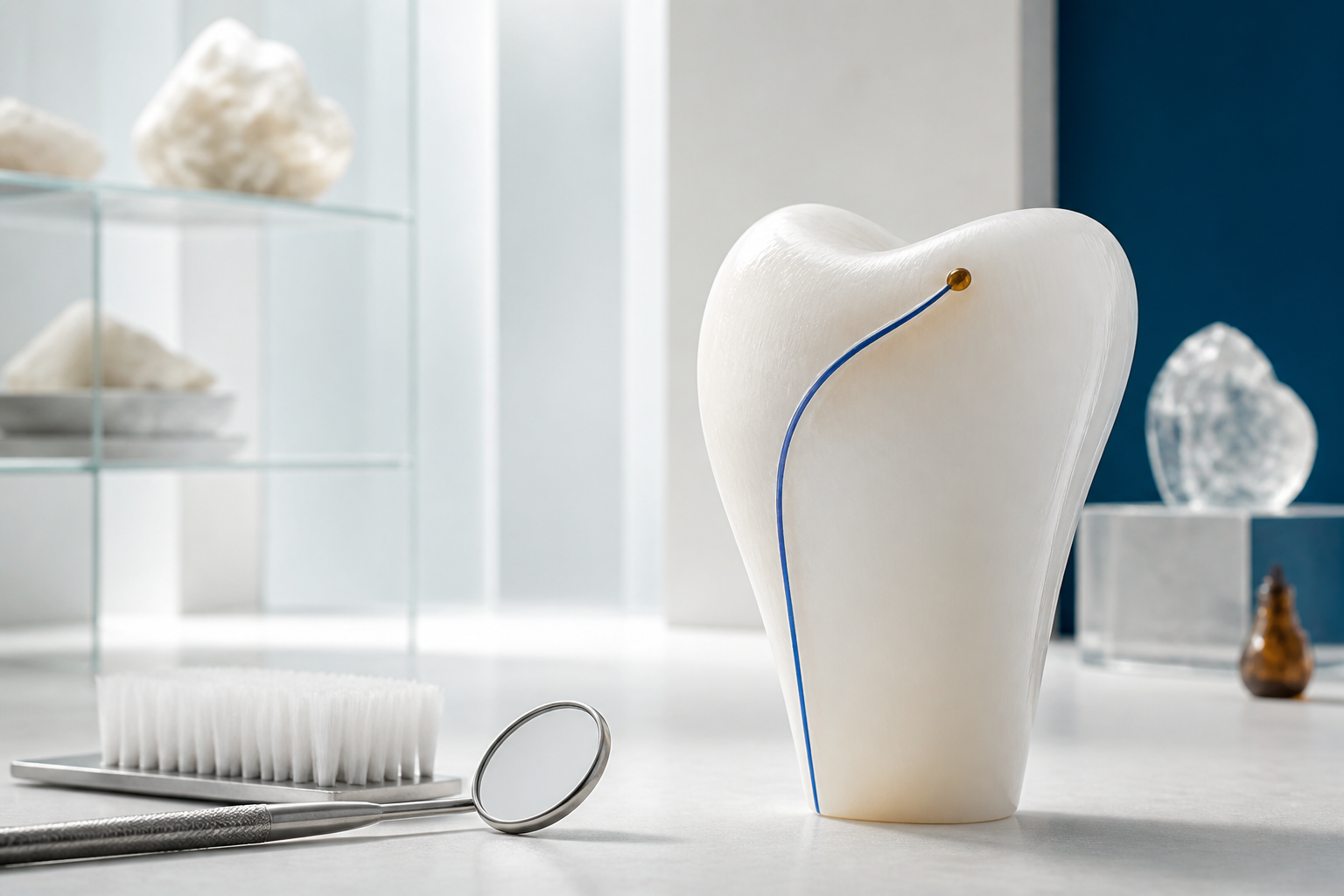
Professional removal does not replace brushing and cleaning between teeth. It restores access to areas that hardened calculus had covered or made retentive.
Biofilm continues to form. Hygiene technique, factors that encourage accumulation and follow-up intervals therefore need to make sense for that person. [1][3]
The artwork illustrates daily care. The actual routine considers anatomy, dexterity and individual risk.
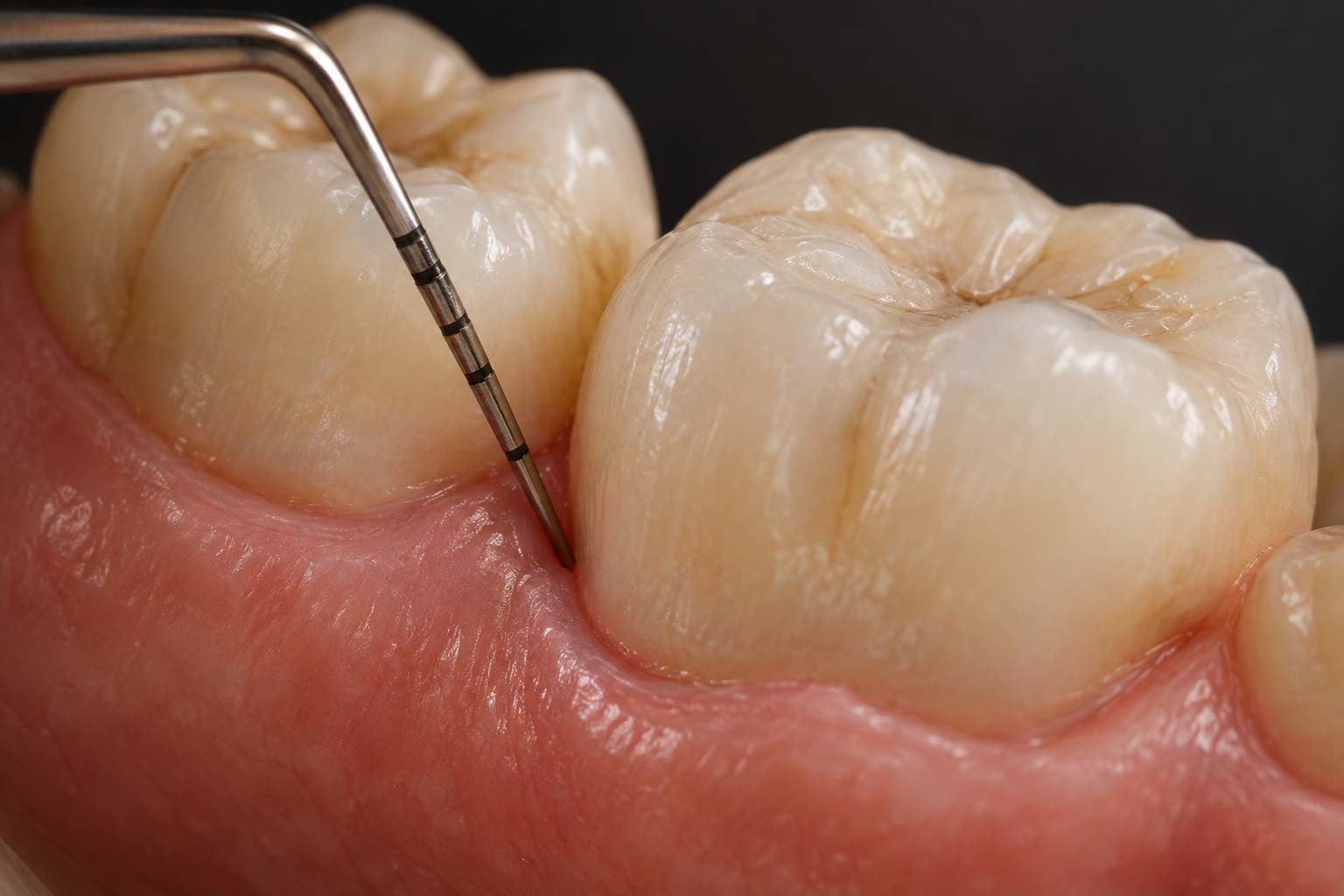
Increased probing depth, loss of support, mobility and other findings may indicate a periodontal condition. In that situation, instrumentation forms part of diagnosis, staged treatment and maintenance. [4]
Learn about periodontal care and guidance on tartar control.
No. Brushing and cleaning between teeth control biofilm, but calculus that has already mineralised needs professional removal.
The sensation is not the same for everyone. Deposit position and quantity, inflammation, sensitivity and the extent of the procedure influence comfort. Local anaesthesia may be used when indicated.
It depends on quantity, location, access, tissue condition and whether care needs to be divided into sessions.
Instrumentation aims to remove the deposit and preserve tooth structure. Technique, pressure, instrument and access are selected for controlled work.
Not necessarily. Removing visible deposits during professional cleaning differs from the subgingival instrumentation indicated as part of periodontal disease treatment.
There is no correct interval for everyone. Accumulation rate, hygiene, anatomy, appliances, restorations, risk factors and periodontal condition guide frequency.
Calculus may occupy areas between teeth or next to the gum. After removal, the anatomy that was covered becomes more noticeable. Examination distinguishes this effect from recession or support loss that was already present.
Tartar holds plaque against the gums and makes cleaning harder. Over time, this favours inflammation, bleeding and, in susceptible people, gum disease, which can lead to loss of support for the teeth. Removal gives the toothbrush and floss access to these areas again. [1] [3]
The cost depends on the amount and position of the deposits, the condition of the gums and the number of sessions. It is presented after the assessment. Treatment can be paid in up to 21 credit card instalments, depending on the treatment plan and current conditions.
 Aesthetics and rehabilitation
 Aesthetics and rehabilitation
 Aesthetics and rehabilitation
 Aesthetics and rehabilitation
 Aesthetics and rehabilitation
 Aesthetics and rehabilitation
 Orthodontics and function
 Orthodontics and function
 Orthodontics and function
 Orthodontics and function
 Orthodontics and function
 Orthodontics and function
 Implants and surgery
 Implants and surgery
 Implants and surgery
 Health and prevention
 Health and prevention
 Health and prevention
 Health and prevention
 Health and prevention
 Health and prevention
 Health and prevention
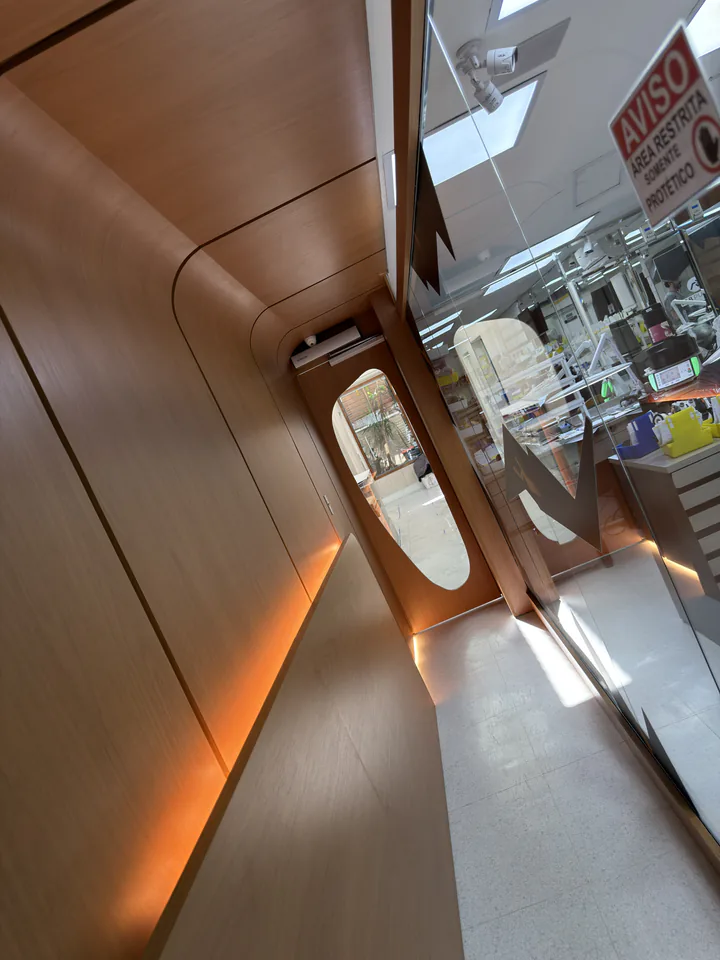
Across more than 400 m², seven consulting rooms and an integrated in-house laboratory bring together different stages of care at the same address. Discover the Institute.
A history in dentistry since 1923 connects generations with care today. Explore the Institute's history.
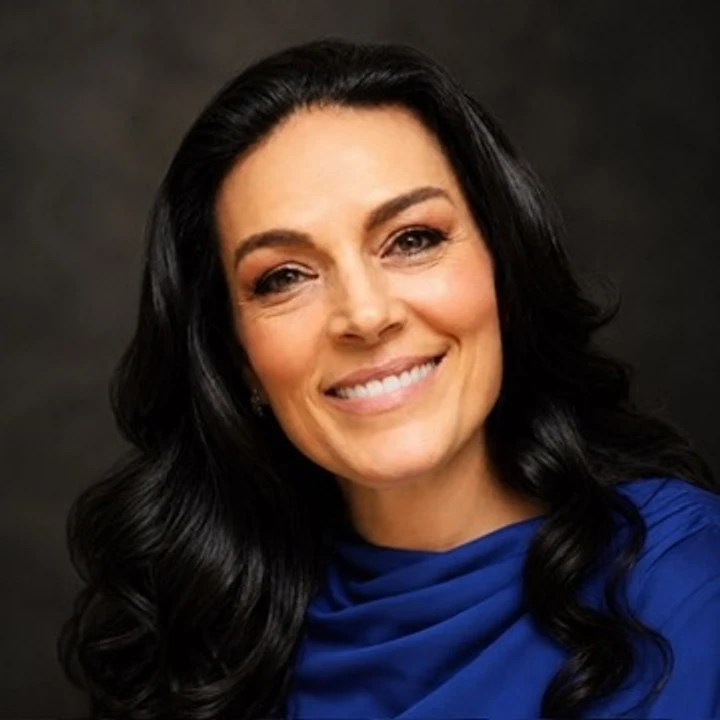
Dr Silvana Puglisi is the dentist responsible for technical oversight. Meet our professionals who continue to provide care and carry on the work of LAB Puglisi.
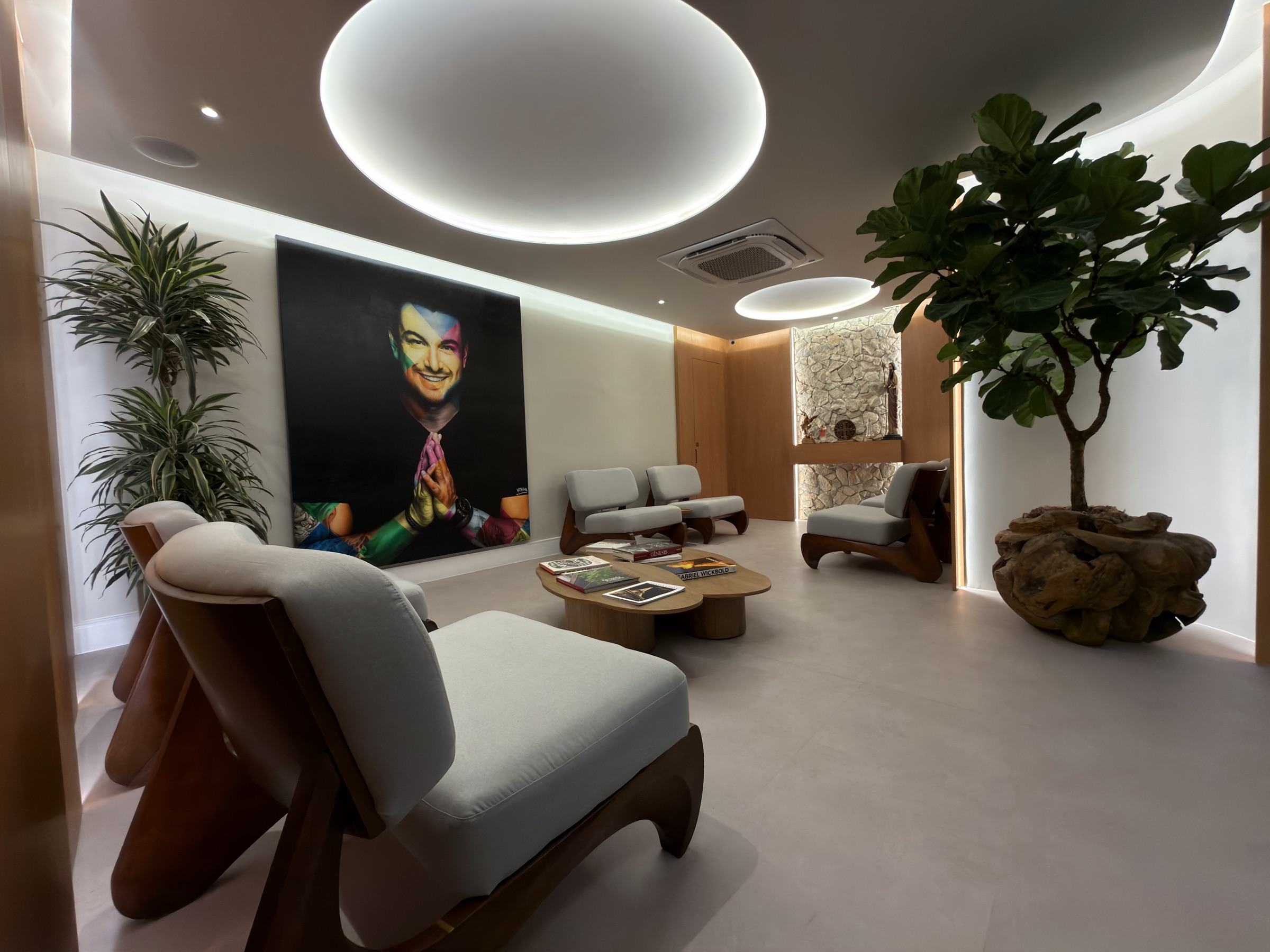
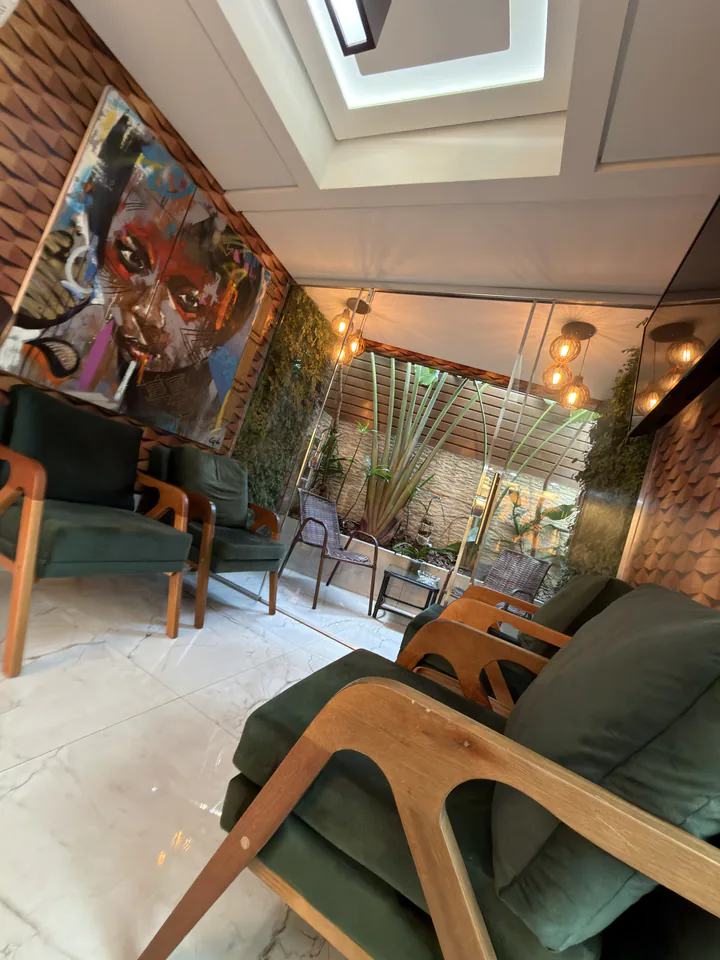
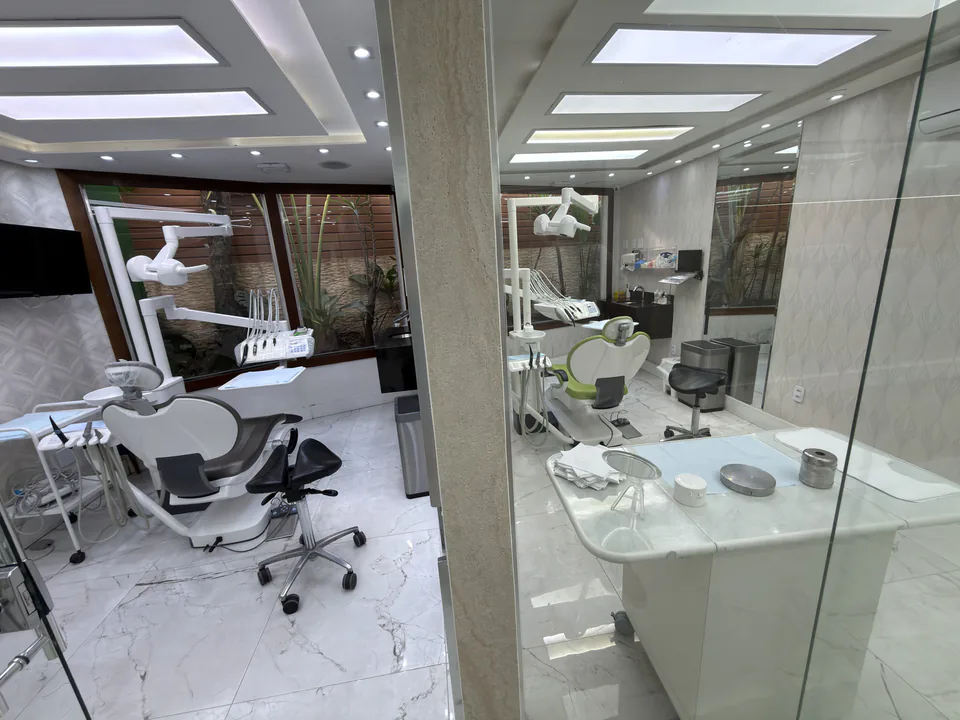
Assessment brings together gum condition, sensitivity and the hygiene routine to guide removal and follow-up.
Book an assessmentSources supporting the clinical statements on this page. They do not replace individual assessment.
Original Portuguese content reviewed by Dr Silvana Puglisi, dental surgeon, CRO 33.773, technical director, on .
Suitability, comfort and follow-up depend on individual assessment.