↗ PT

Other pages are available in Portuguese

Skip to content

Root canal treatment

Cross-sectional illustration of a tooth with the internal region highlighted.

Root canal treatment removes inflamed or infected pulp tissue, and cleans and seals the inside of the tooth in an attempt to preserve it. Suitability depends on diagnosis and whether the tooth can be restored. [1][2]

Book an assessment

At Instituto Rafa Puglisi, care considers the inside of the tooth and its protection after treatment.

What happens inside the tooth.

Beneath the enamel and dentine lies the pulp, a tissue involved in tooth formation that occupies the chamber and root canals. Deep decay, fracture, trauma or previous procedures can inflame or infect this region. [1][2]

When root canal treatment is indicated, the affected tissue is removed. The interior is cleaned, shaped, filled and sealed. The aim is to control disease and try to keep the tooth functioning, without turning a possibility into a guarantee. [1][2]

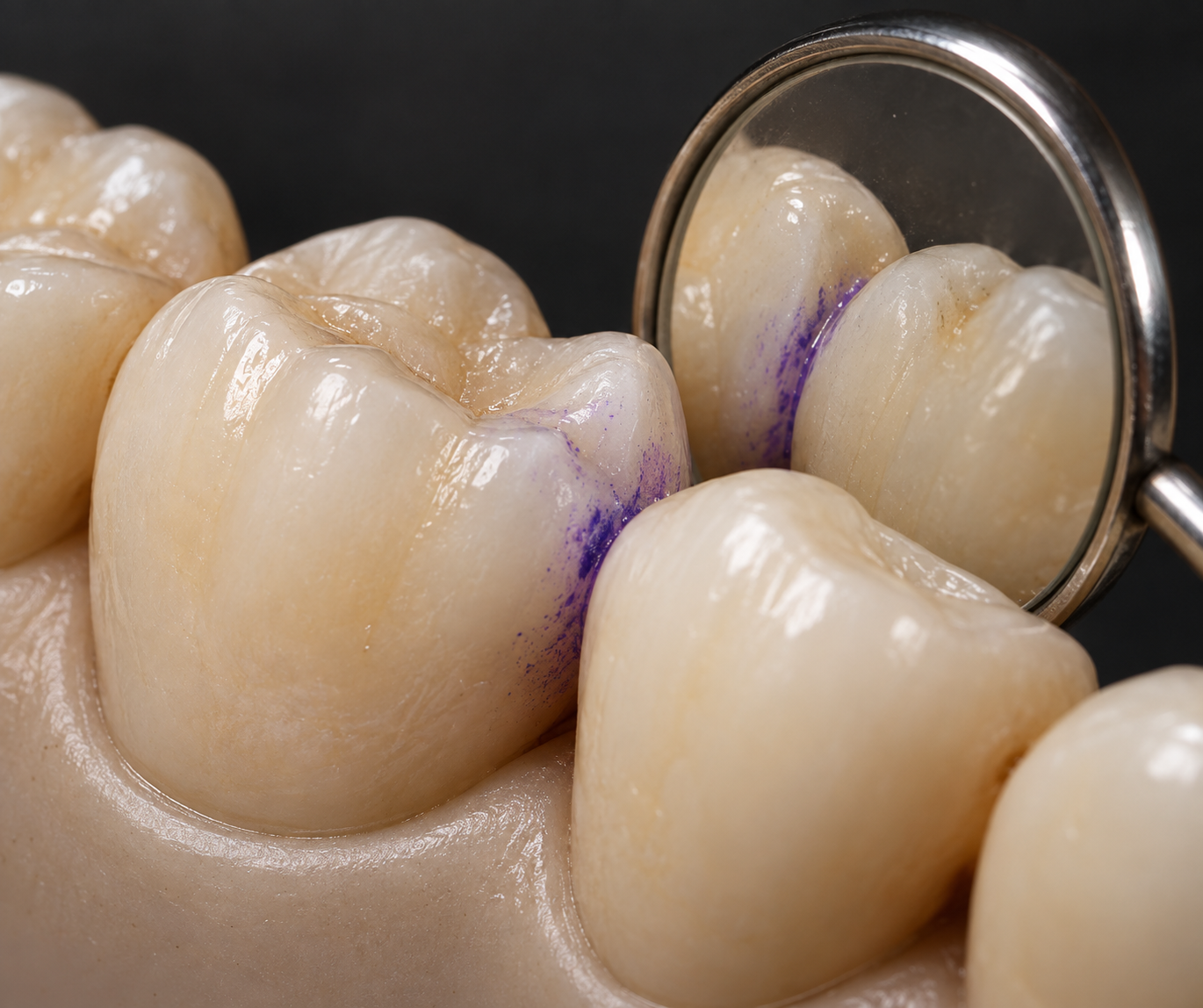
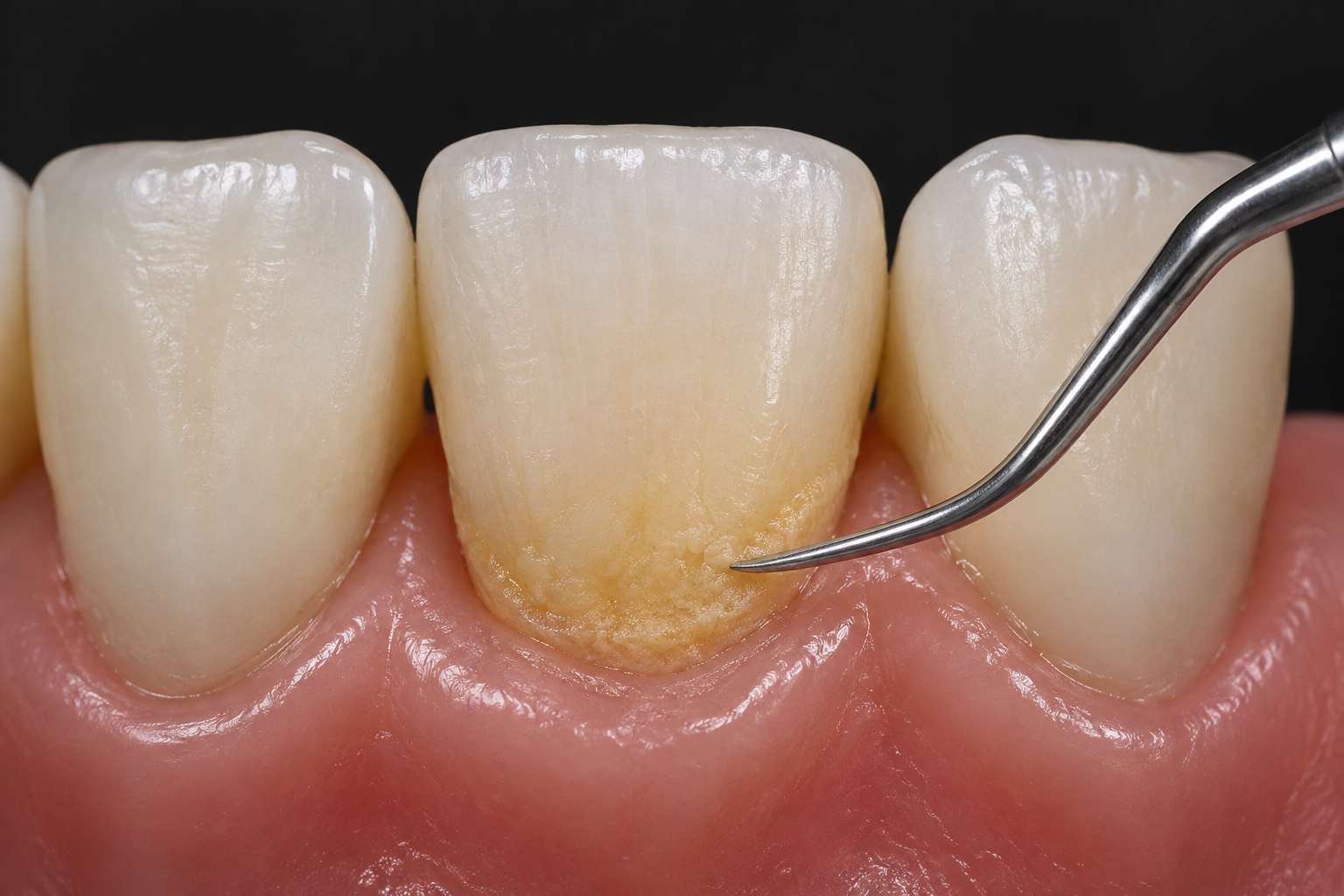
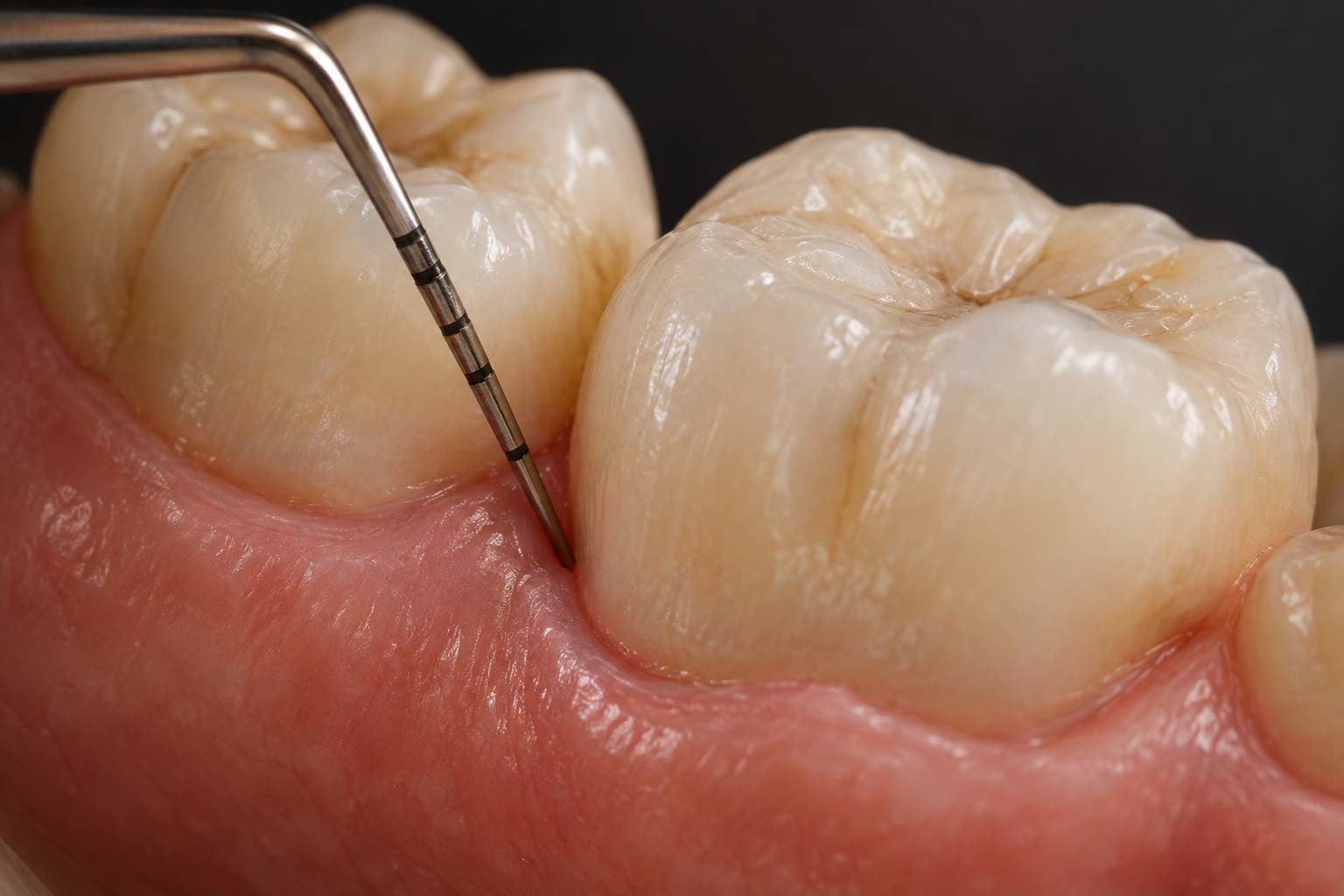
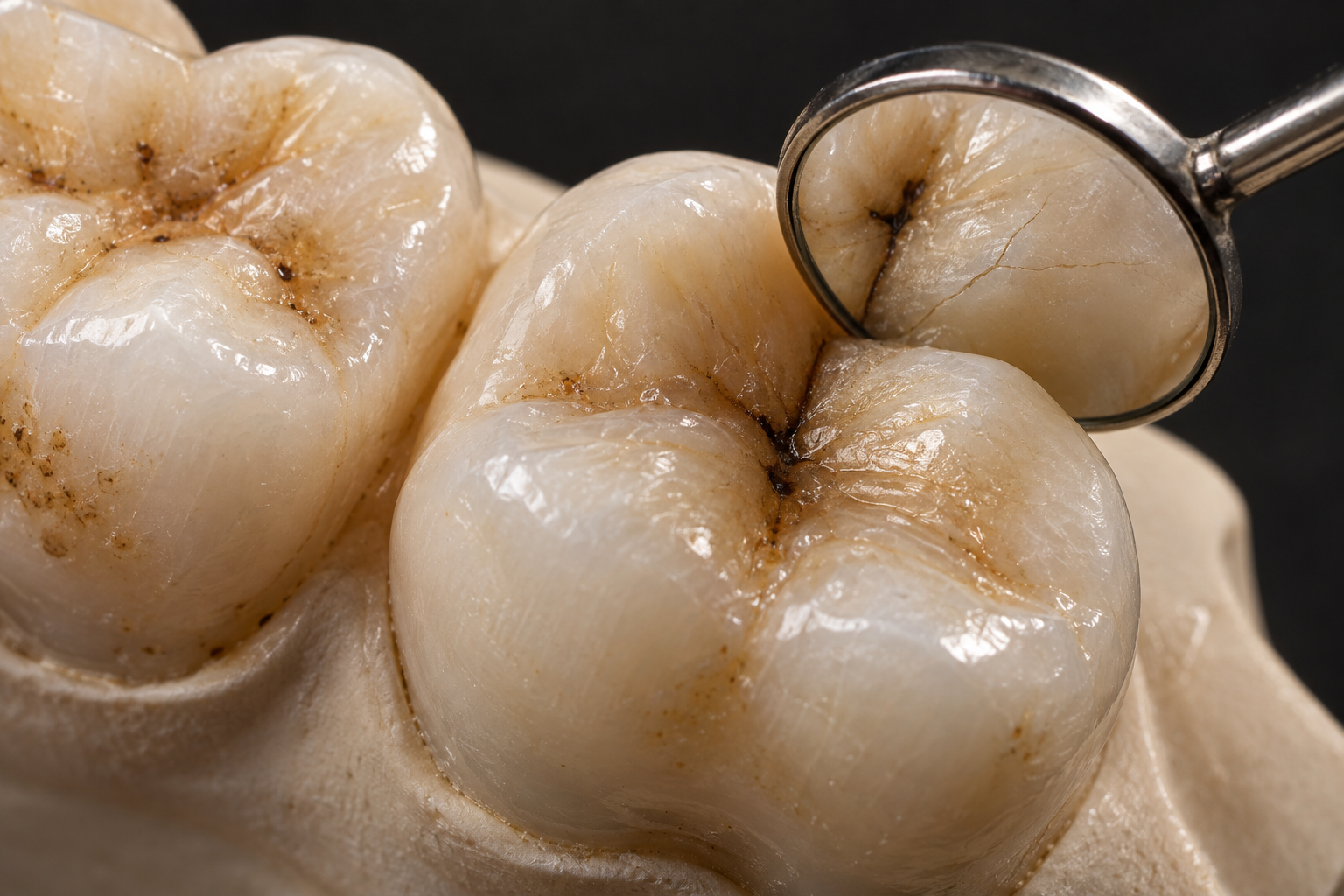
The three illustrations on this page are conceptual. They do not represent individual anatomy or a clinical case.

Pain or sensitivity need a diagnosis.

Pain or sensitivity alone do not establish a diagnosis. The same sign can have different causes, and some teeth need care even without severe pain.

Pain when biting or chewingIt matters when it began, what triggers it and how it evolves.

Sensitivity that lingersCold or heat may reveal a response that needs examination.

Swelling or a change in the gumsAssessment is important, particularly when the sign worsens or returns.

Deep decay, fracture or traumaThe inside of the tooth may be affected even when the crown appears little changed.

Diagnosis brings together

History
what you feel and how the condition began.
Examination
clinical tests and assessment of the tooth and tissues.
Imaging
X-rays and other tests when indicated.
Restorability
whether there is structure and support to retain the tooth.

Current guidelines place case assessment before the choice of treatment. [1]

How treatment is carried out.

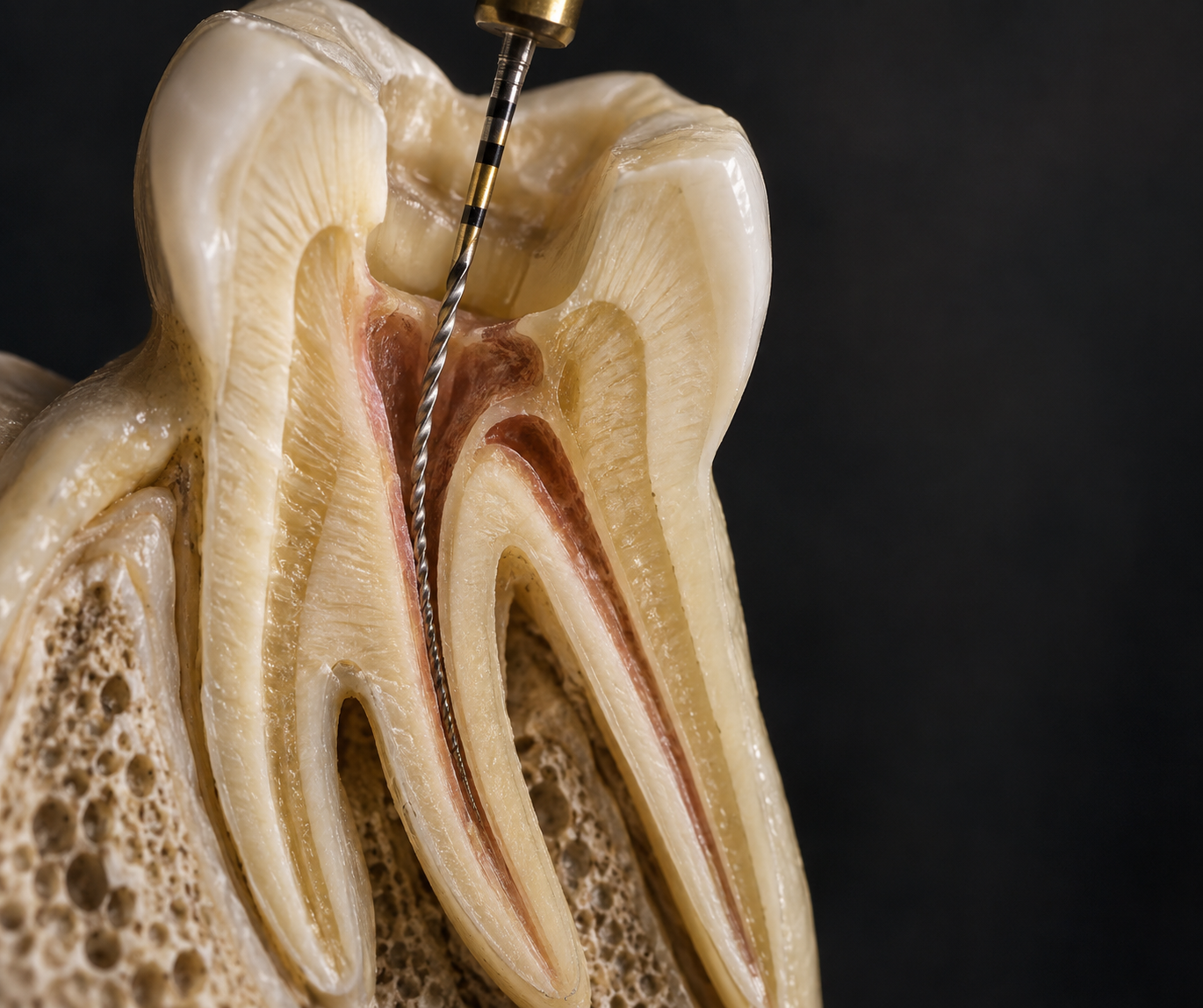
Illustration of a canal’s course along the tooth root.

Anatomy guides the course.

Canal shape, number and curvature vary. Diagnosis, access, cleaning, filling and monitoring are therefore planned for that tooth according to its anatomy, rather than using a generic image.

This is the general logic of treatment, not a fixed description for every case.

  1. 01

    Assess

    Confirm the diagnosis, tooth condition, surrounding tissues and alternatives.

  2. 02

    Protect and access

    Provide anaesthesia when indicated, isolate the field and access the inside of the tooth using aseptic technique.

  3. 03

    Clean and shape

    Remove the affected tissue and prepare the root canal system to receive the filling.

  4. 04

    Fill and seal

    Fill the treated space with appropriate materials and close the access according to the plan.

  5. 05

    Restore and follow up

    Protect the remaining structure and monitor symptoms, function and signs of healing over time.

The sequence may change according to diagnosis, anatomy and clinical response. [1][2]

Visits, comfort and care between stages.

There is no universal number of visits. The condition of the pulp and surrounding tissues, anatomy, symptoms and restorative plan influence how treatment proceeds.

During treatment

Local anaesthesia is usually part of treatment. Comfort and the need for additional measures are assessed individually.

Afterwards

Sensitivity or discomfort may occur in the first few days. Improvement is expected. Severe, increasing or persistent pain should be reported.

Between stages

If you have a temporary restoration, follow the instructions and avoid overloading the tooth until it has definitive protection.

A Cochrane review did not find a universally more effective approach between single and multiple visits. Some outcomes and initial discomfort varied between groups. [3]

Restoration is part of care.

Cross-sectional illustration of a restored tooth with the internal region filled.

After internal treatment, the tooth needs a restoration that limits leakage and restores protection and function. The type of restoration depends on tooth position, the structure remaining, loads and the clinical plan.

Not every tooth receives the same solution, and “a crown for everyone” is not a safe rule. The restorative decision is part of diagnosis and influences prognosis. [4]

The protective illustration does not indicate a specific restoration.

What determines the possibility of preservation.

Root canal treatment may allow a tooth to remain functional, but the actual possibility depends on the whole picture.

Remaining structureIt must be possible to restore and protect the tooth.

Fractures and cracksTheir location and extent may limit or prevent retention.

Root, bone and gumsThe surrounding support also informs the decision.

Anatomy and infectionComplex canals and persistent disease may require new approaches.

Time and follow-upRestoration, hygiene and monitoring affect the subsequent course.

When initial treatment is not enough

Retreatment, endodontic surgery or extraction may be discussed according to the cause and whether the tooth can be restored. The right alternative is not chosen through a stock phrase. [2][5]

When to contact us after treatment.

  • severe or increasing pain, or pain that does not improve.
  • swelling, fever or the return of a change in the gums.
  • breakage, loss of the temporary restoration or new trauma.
  • a feeling that the tooth touches before the others.
  • any post-treatment instruction that is unclear.
Contact the Institute

Frequently asked questions

Does root canal treatment hurt?

Local anaesthesia is usually used during the procedure. Sensitivity or discomfort may occur afterwards, particularly if pain or infection was already present. Experiences vary. Severe, increasing or persistent pain should be reported.

How many appointments will be needed?

There may be one or more. Diagnosis, anatomy, symptoms, infection and the restorative strategy influence the decision. The evidence does not point to a universally better approach for everyone. [3]

Does the tooth become “dead”?

The pulp tissue is removed, but a mature tooth remains supported by surrounding tissues and can stay functional after treatment and restoration. It still needs hygiene, protection and follow-up. [2]

Does every treated tooth need a crown?

No. The choice depends on which tooth was treated, how much structure remains, the presence of cracks, loads and restorative possibilities. The decision is individual. [4]

Might treatment need to be repeated?

Yes. Persistent or recurrent disease, leakage, new decay, fracture or untreated canals may lead to assessment for retreatment, surgery or another alternative.

Do pain or sensitivity always mean root canal treatment?

No. These signs may have other causes, and some teeth with pulpal or apical disease may not have severe pain. History, examination and imaging when indicated are necessary.

When should the definitive restoration be placed?

Timing depends on the case and on coordinated endodontic and restorative treatment. Do not delay on your own: a tooth with temporary protection may be more vulnerable.

Is it better to extract the tooth or have a root canal?

When the tooth can be restored and has good bone and gum support, root canal treatment is usually the first choice to keep it. When there is an extensive fracture, little structure left or compromised support, extraction may be more appropriate. The decision compares both options for your tooth, rather than following a general rule. [1] [2]

Do I need to rest after a root canal?

In general, no rest is needed. Many people return to their activities the same day or the next. Until the definitive restoration, avoid chewing hard foods on the side of the treated tooth and follow the instructions you receive. [6]

Does root canal retreatment hurt?

Retreatment is also done under local anaesthesia. Because it involves removing the previous material, it can take longer or more than one appointment. Sensitivity in the following days can happen. Severe pain, pain that increases or pain that does not improve should be reported. [7]

How much does a root canal cost?

The cost depends on the tooth, the complexity of the canals, the number of appointments and the restoration needed afterwards. It is presented after the assessment. Treatment can be paid in up to 21 credit card instalments, depending on the treatment plan and current conditions.

Beyond aesthetics, we are a multidisciplinary clinic.

Explore options

Care takes place here

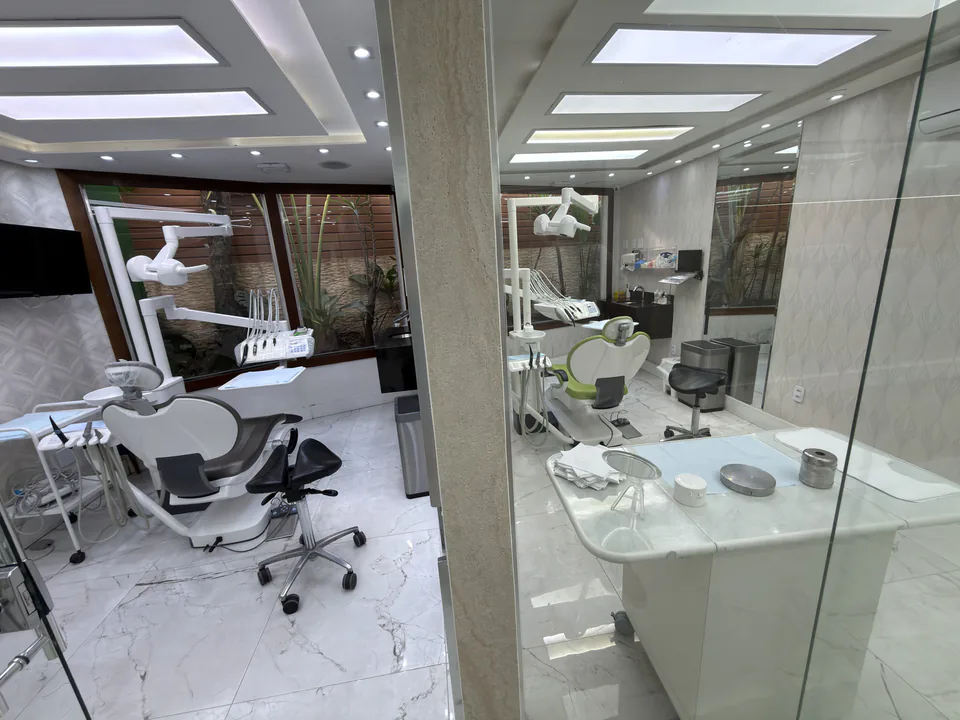
Across more than 400 m², seven consulting rooms and an integrated in-house laboratory bring together different stages of care at the same address. Discover the Institute.

A history in dentistry since 1923 connects generations with care today. Explore the Institute's history.

Documentary portrait of Dr Silvana Puglisi

Dr Silvana Puglisi is the dentist responsible for technical oversight. Meet our professionals who continue to provide care and carry on the work of LAB Puglisi.

Spacious reception at the Institute with artwork by Kobra
Lounge with green armchairs, artwork and a garden visible through the glass doors
Two dental consulting rooms connected by a glass partition
Curved corridor with wood panelling, amber lighting and a door at the far end

Before treating the canal, we understand the whole tooth.

Assessment brings together what you feel, examination, the imaging needed and the realistic possibilities for preservation and restoration.

Book an assessment

Bibliographic references

Sources used for the clinical statements on this page. They inform the discussion but do not replace diagnosis or individual clinical review.

Original Portuguese content reviewed by Dr Silvana Puglisi, dental surgeon, CRO 33.773, technical director, on .

  1. Duncan HF, Kirkevang L-L, Peters OA, et al. Treatment of pulpal and apical disease: The European Society of Endodontology (ESE) S3-level clinical practice guideline. International Endodontic Journal. 2023;56(S3):238–295. DOI 10.1111/iej.13974.
  2. American Association of Endodontists. Root Canal Explained: Step-by-Step Treatment Guide. Content for patients, reviewed by certified endodontists. Official source.
  3. Mergoni G, Ganim M, Lodi G, Figini L, Gagliani M, Manfredi M. Single versus multiple visits for endodontic treatment of permanent teeth. Cochrane Database of Systematic Reviews. 2022;(12):CD005296. DOI 10.1002/14651858.CD005296.pub4.
  4. Mannocci F, Bhuva B, Roig M, Zarow M, Bitter K. European Society of Endodontology position statement: The restoration of root filled teeth. International Endodontic Journal. 2021;54(11):1974–1981. DOI 10.1111/iej.13607.
  5. American Association of Endodontists. Endodontic Surgery Explained. Official source.
  6. American Association of Endodontists. Root Canal Post Treatment Care. Patient information. Official source.
  7. American Association of Endodontists. Endodontic Retreatment. Patient information. Official source.

Further reading

  1. Patient Education: Root Canal Treatment. American Association of Endodontists. AAE. Official source

This information does not replace individual clinical assessment.

Privacy preferences

Your choice is valid for 180 days in this browser. You can change it under “Privacy”.

Forms may use Google reCAPTCHA to prevent abuse. Read the Privacy Policy