↗ PT

Other pages are available in Portuguese

Skip to content

Tartar control

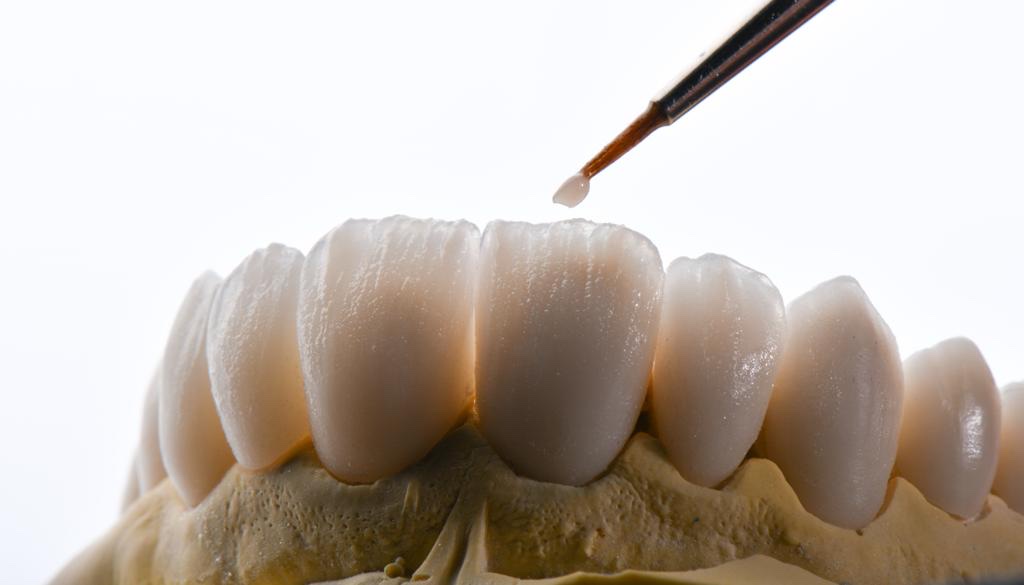
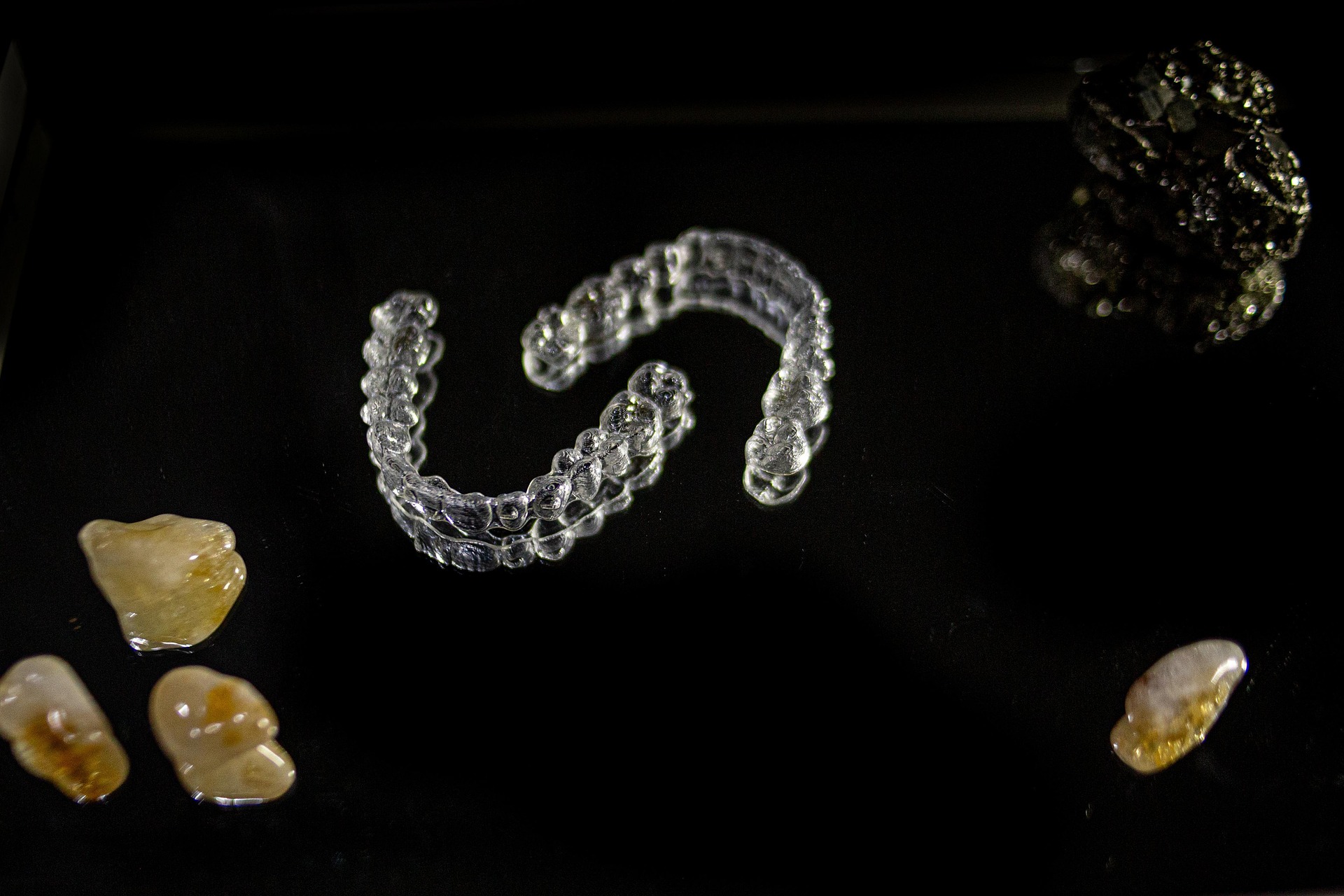
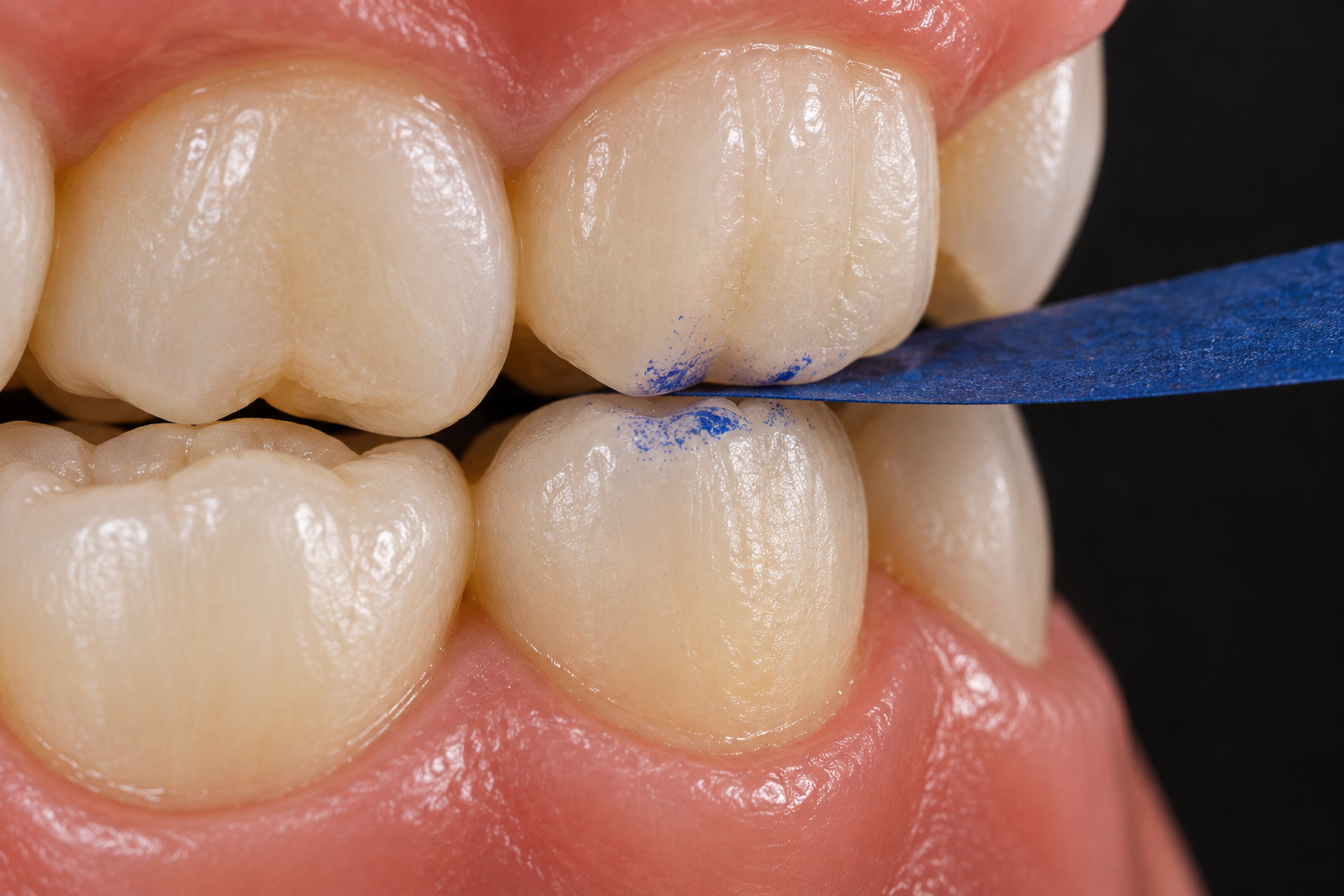
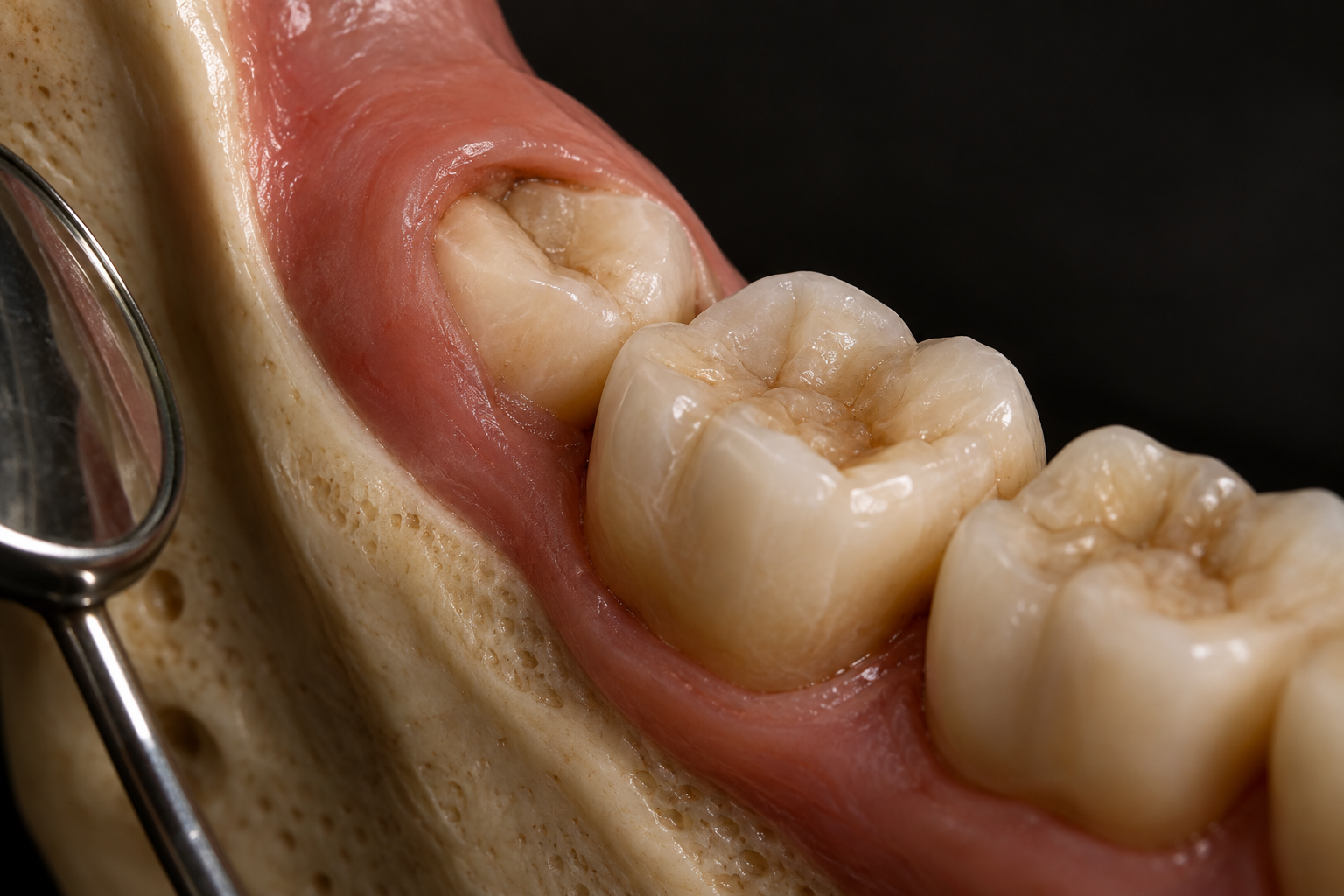
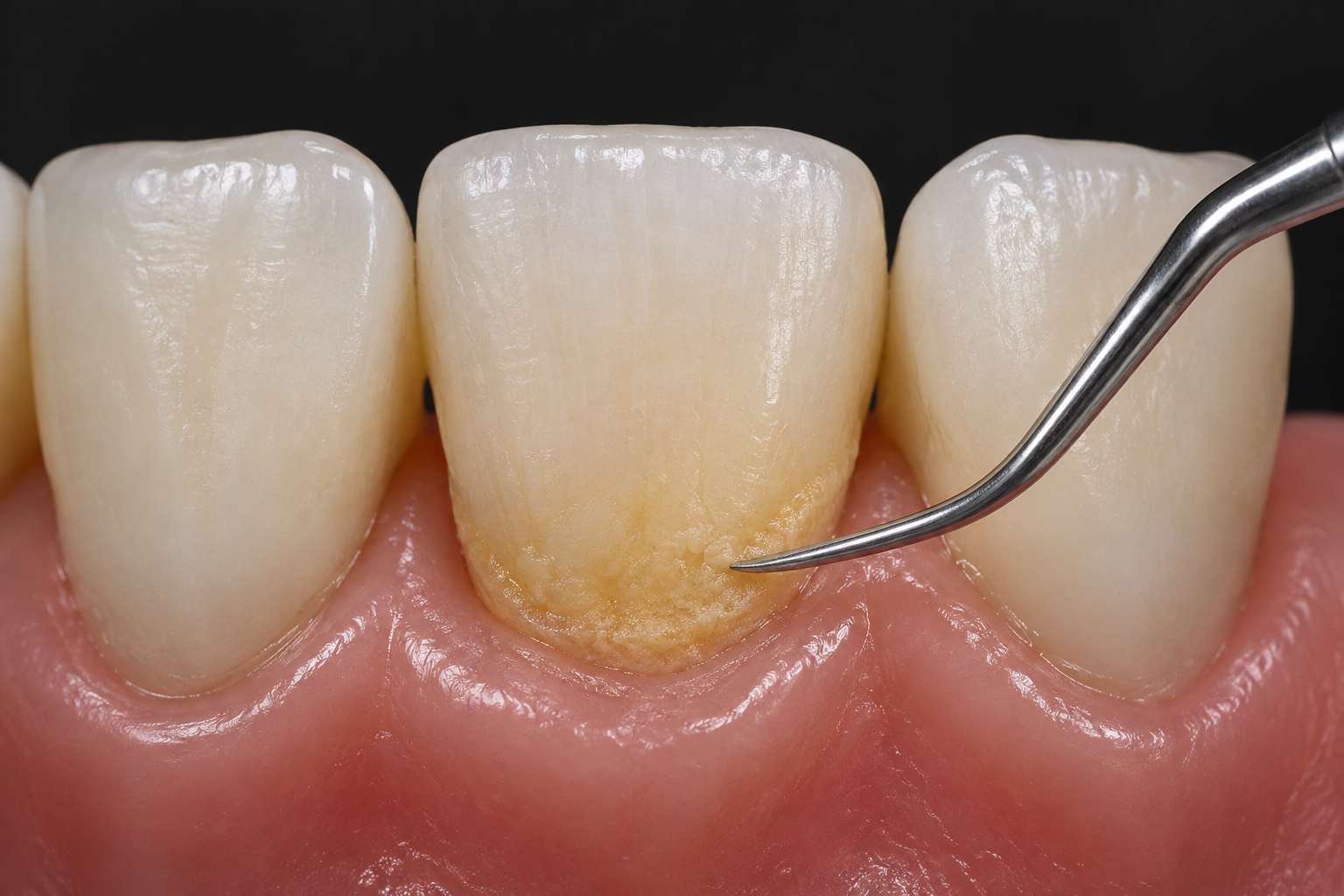
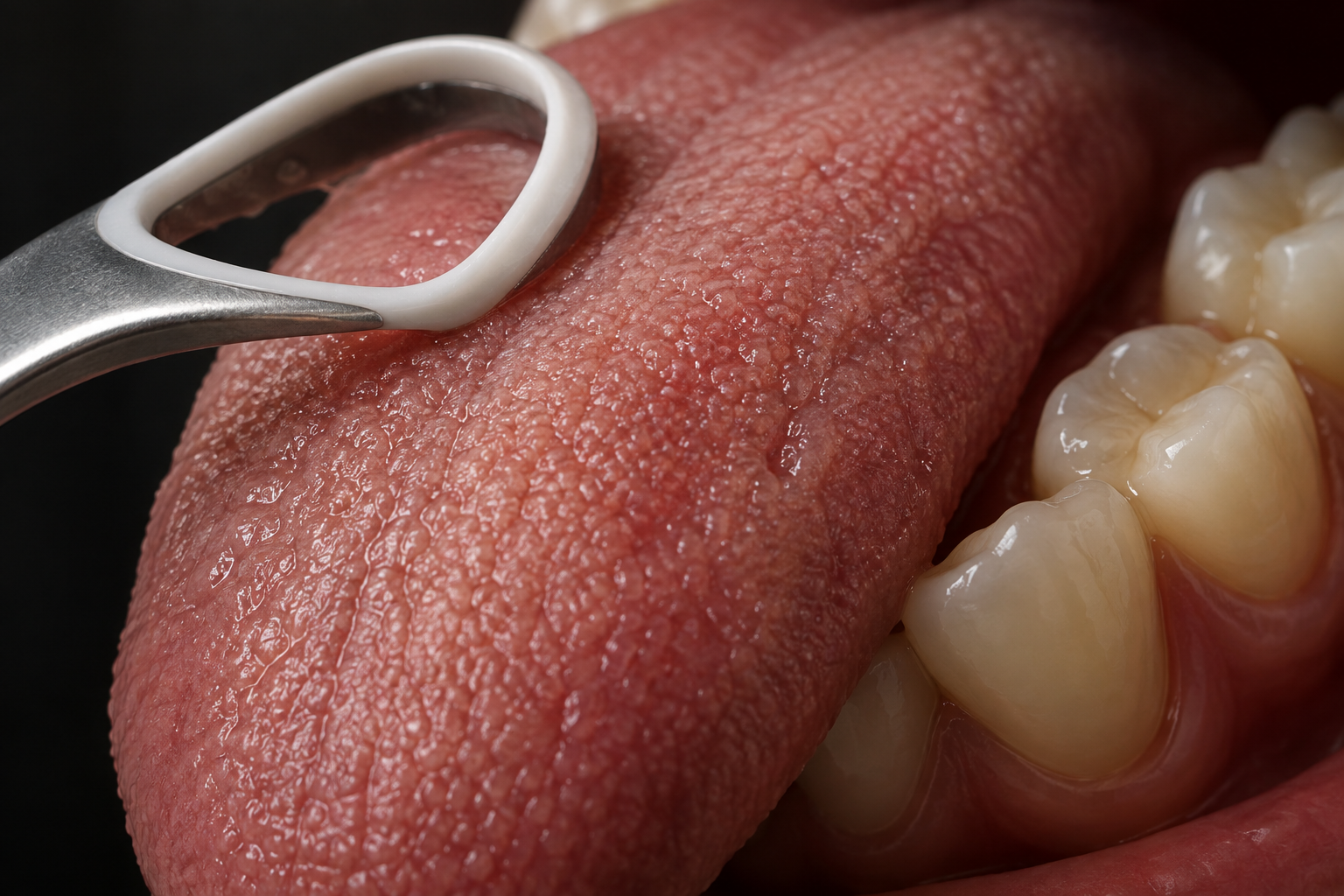
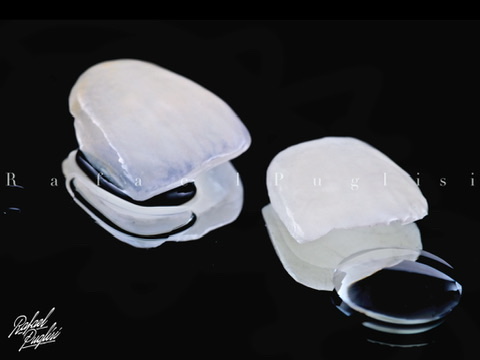
Conceptual artwork of a tooth surface observed under grazing light

Daily hygiene controls biofilm. When it mineralises and forms tartar, removal becomes a professional task. Fluoride application is a separate decision aimed at preventing decay according to individual risk.

Book an assessment

At Instituto Rafa Puglisi, assessment guides deposit removal and gum follow-up.
Biofilm and calculus are not the same layer.

Dental biofilm
It is a community of microorganisms attached to oral surfaces. Brushing and cleaning between teeth help disrupt this layer every day.
Dental calculus, or tartar
It is mineralised biofilm. Once hardened, ordinary brushing does not remove it and professional instrumentation is needed. [1][2]

Home care remains essential. Professional removal does not replace the daily routine, and the daily routine does not remove calculus that has already formed.

The examination reveals the context.

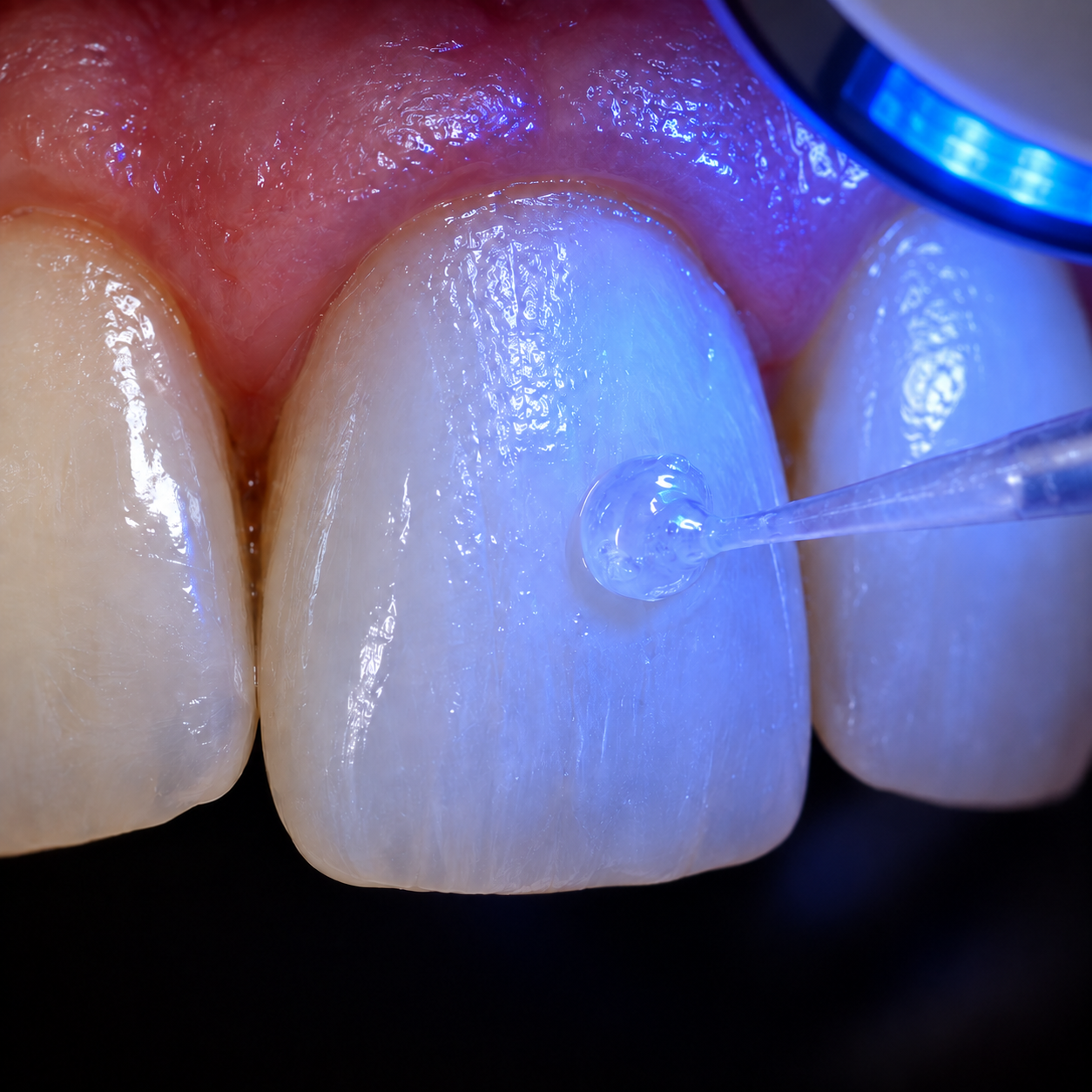
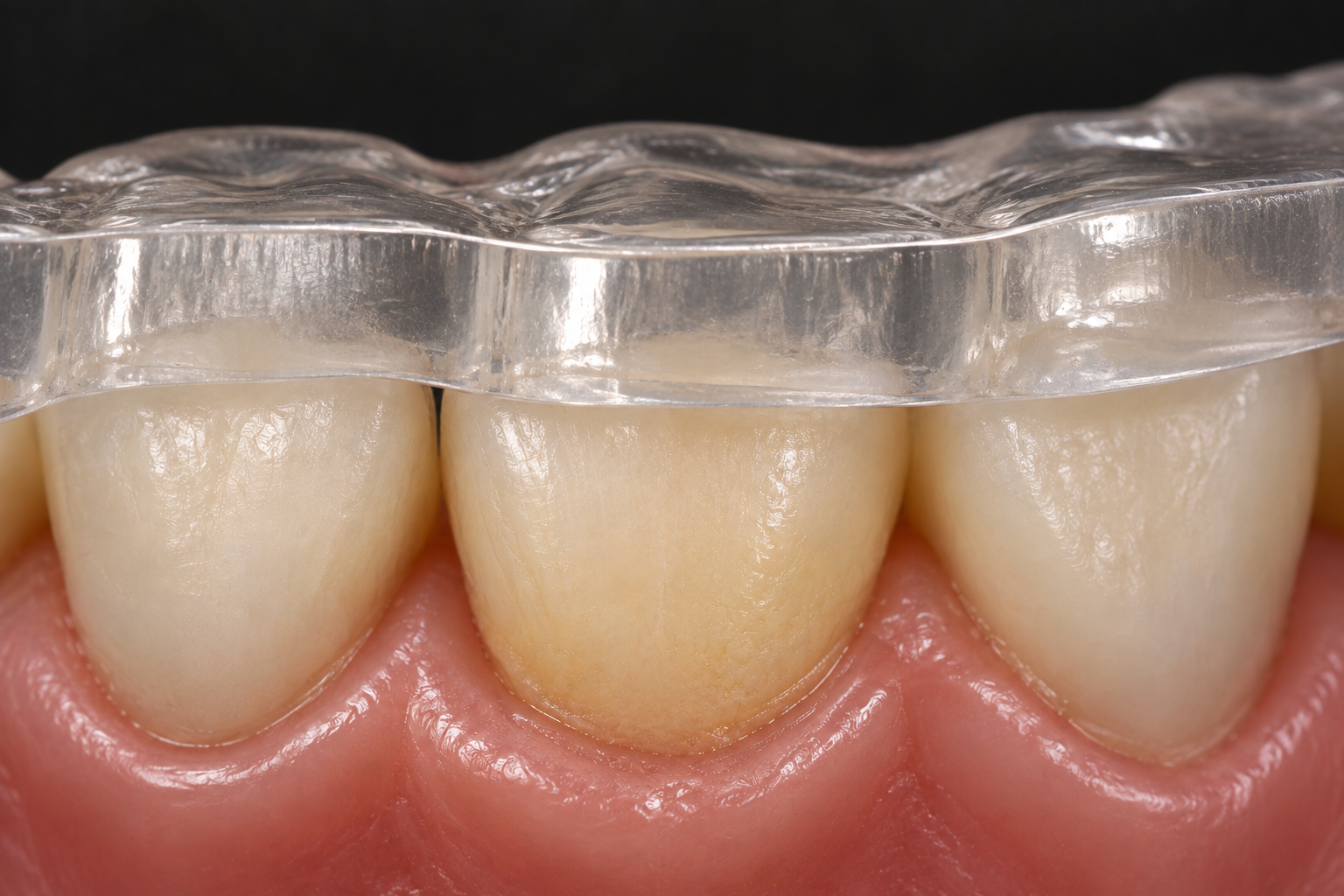
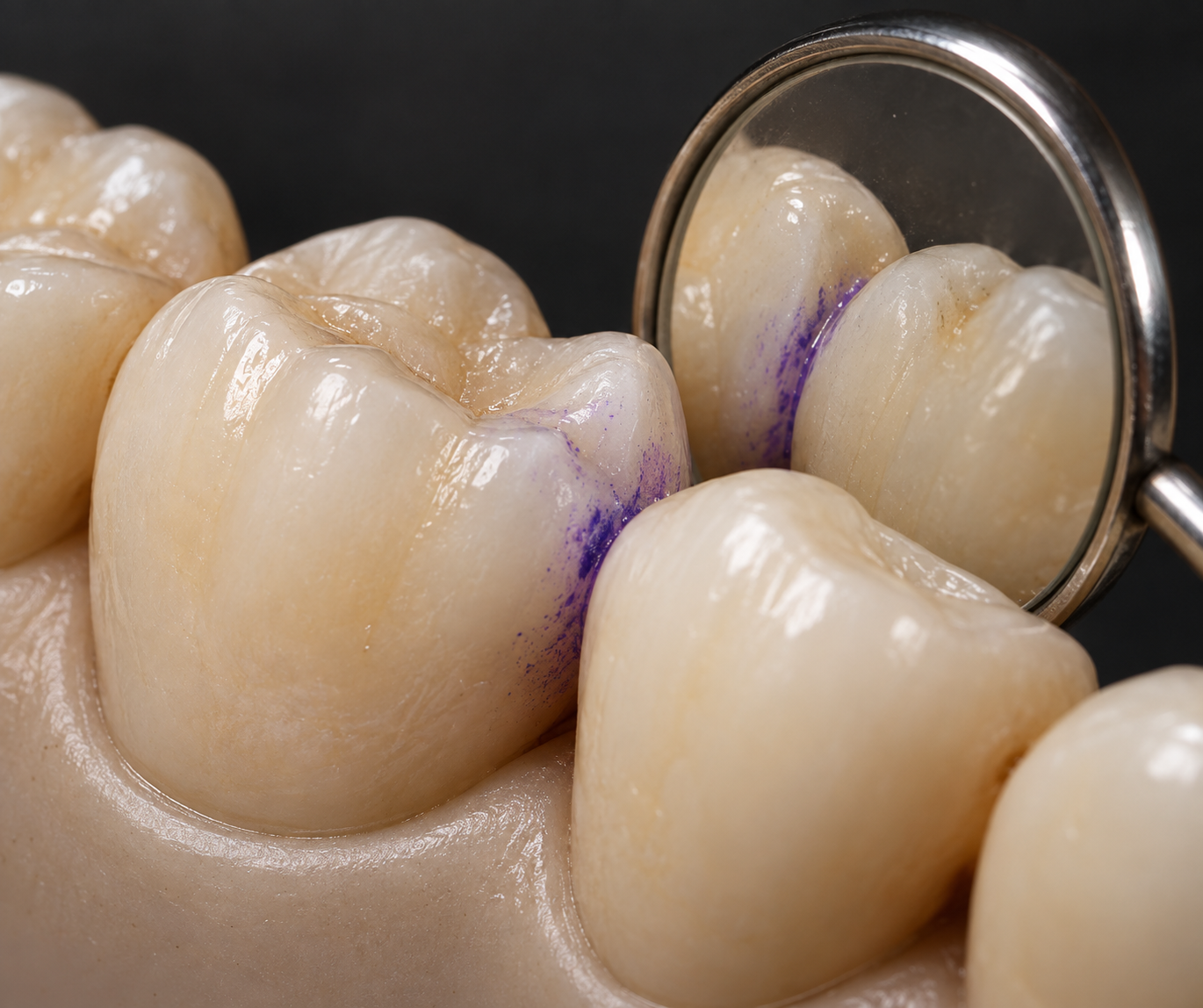
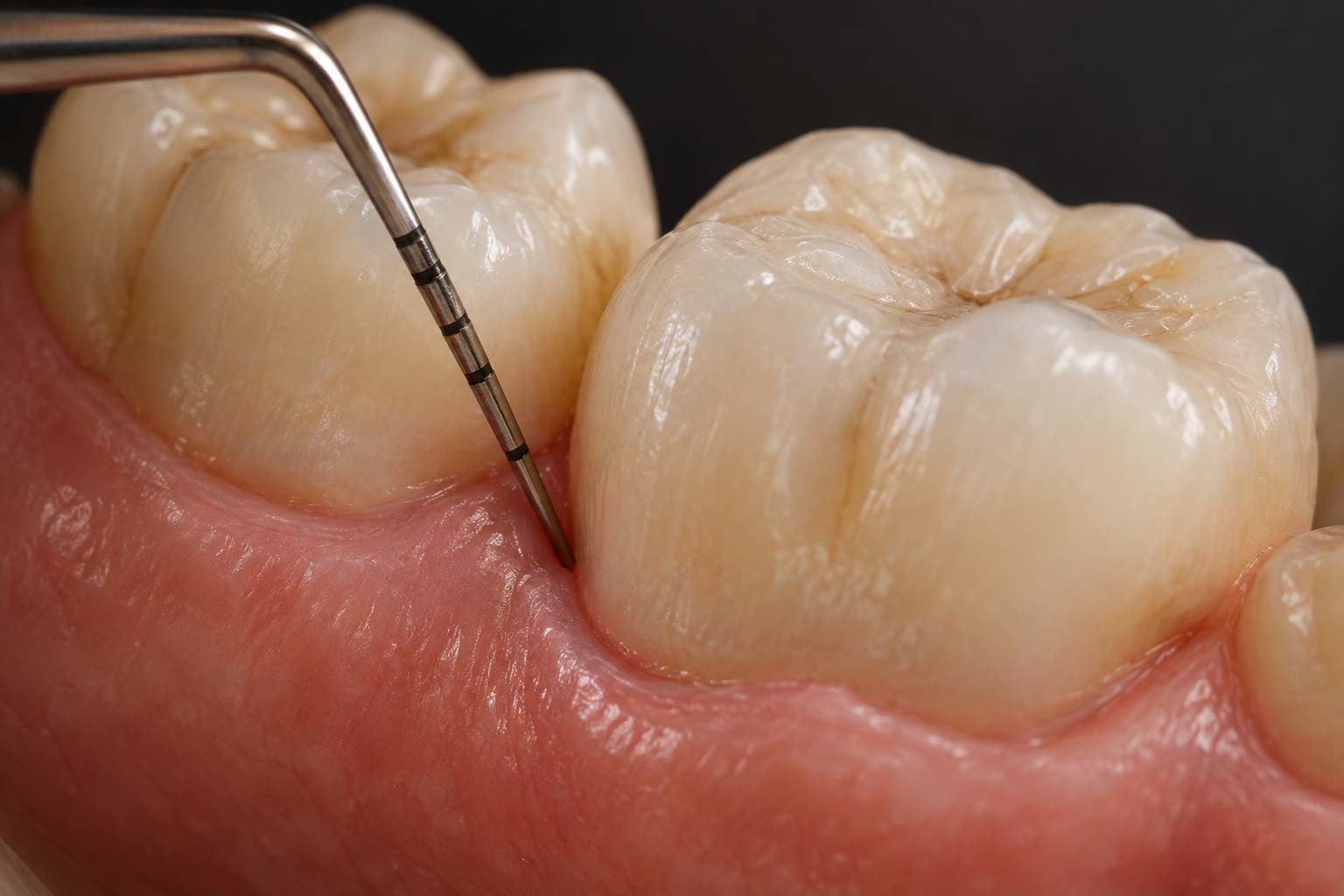
Detail of the same conceptual tooth-surface artwork; it does not represent a clinical examination

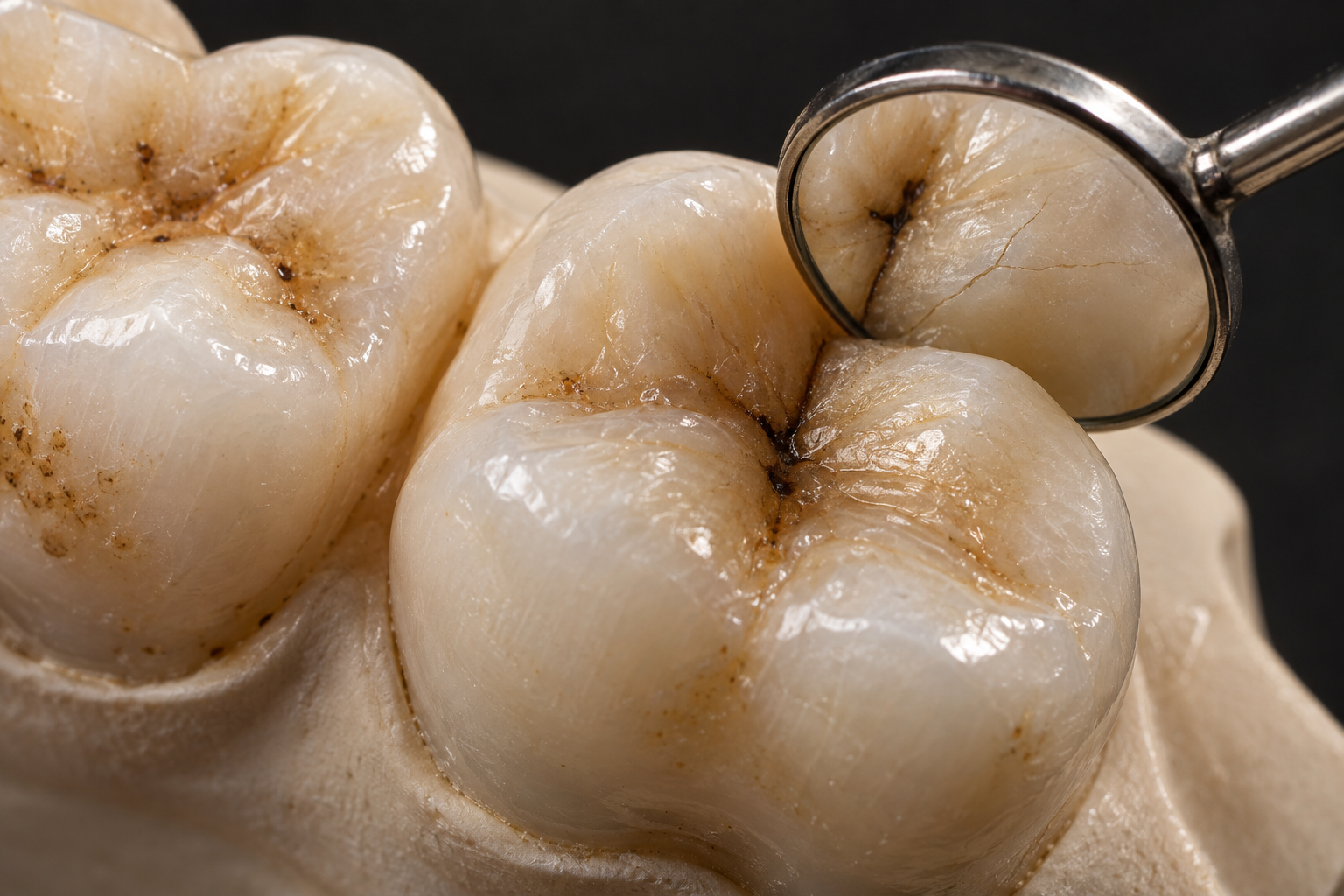
Deposit quantity, position relative to the gum and tissue response help determine what should be removed and what needs investigation. Actual assessment is clinical and individual. The artwork is conceptual and does not represent an examination or clinical case.

Where it is
Above the gingival margin or in subgingival areas.
How the tissue responds
Bleeding, swelling, recession and probing depths change the assessment.
What encourages accumulation
Hygiene, tooth position, restorations, appliances, saliva and habits are discussed.

A visible deposit does not establish a diagnosis.

Care begins by understanding whether there is only superficial accumulation, gum inflammation or evidence of periodontal involvement.

Discussion
Concern, routine, health, medicines, smoking and previous experiences.
Clinical examination
Biofilm, calculus, bleeding, gums, depths and other relevant findings.
Records when indicated
Photographs and radiographs answer specific questions. They are not automatic.
Diagnosis and plan
The combination of findings determines the extent of instrumentation and follow-up.

Not every cleaning is the same.

Using clear names avoids mistaken expectations and helps explain why two people may receive different approaches.

Daily care

Brushing with fluoride toothpaste and cleaning between teeth control the biofilm that continuously forms.

Goal: disrupt the layer before it matures.

Professional calculus removal

Hand and ultrasonic instruments may be used to remove mineralised deposits, depending on their location and the condition of the tissues.

Goal: make surfaces accessible to daily control.

Subgingival instrumentation

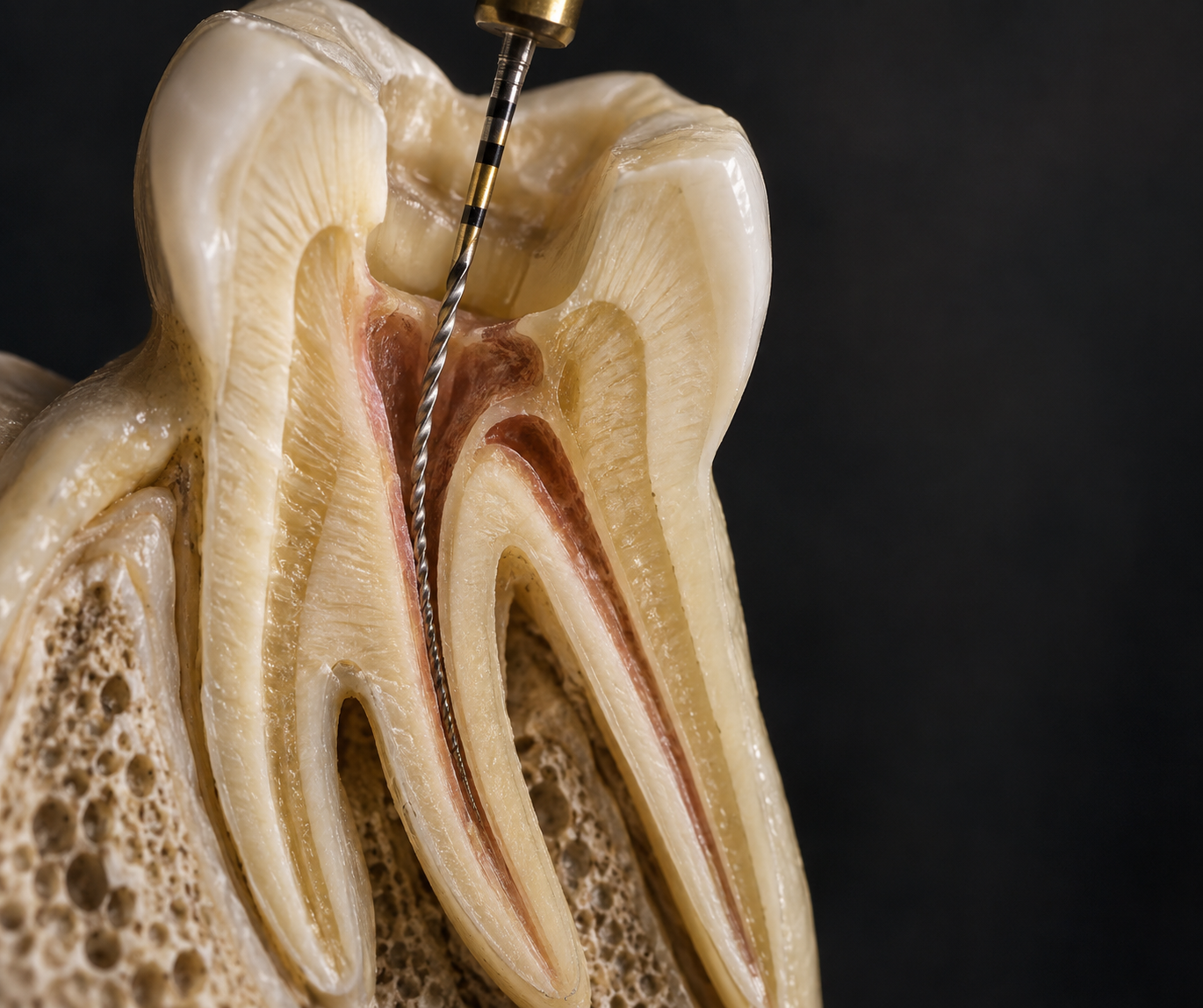
When a periodontal condition has been diagnosed, removing biofilm and calculus below the gum forms part of broader treatment with reassessment. [1][2]

Goal: treat the diagnosed condition, rather than provide a 'stronger cleaning'.

The plan progresses according to the response.

The sequence is straightforward to understand but not automatic. Each stage confirms the next.

  1. Understand

    Identify signs, hygiene difficulties, health history and factors that encourage accumulation.

  2. Examine

    Locate deposits and observe gums, periodontal support and retentive surfaces.

  3. Remove what is indicated

    Instrument the necessary areas and advise on a feasible routine for that mouth.

  4. Reassess

    Compare bleeding, comfort, hygiene and tissues to determine maintenance or periodontal care.

Care continues after removal.

A calculus-free surface is more accessible to brushing and cleaning between teeth. Sensitivity, slight bleeding or discomfort may occur after instrumentation, especially where there was inflammation or subgingival deposits. Intensity and duration need to be discussed case by case. [3]

The interval cannot be reduced to a fixed number.

Frequency depends on diagnosis, the quantity and speed of accumulation, hygiene ability, risk factors, tissue response and periodontal history. [2]

Less need for intervention
Good daily control, stable tissues and little retention may allow longer intervals.
Greater need for follow-up
Recurring inflammation, periodontal disease, appliances, hygiene difficulties or rapid accumulation may call for closer follow-up.

Fluoride is a separate decision.

Professional fluoride application is a decay-prevention strategy. It is not an automatic consequence of tartar being present. Suitability considers decay risk, age, fluoride exposure, diet, saliva, exposed roots and other individual needs. [4][5]

When the issue goes beyond the deposit.

Some signs require a broader assessment. These pages organise related subjects without confusing them.

Frequently asked questions

Can tartar be brushed away?

No. Brushing controls biofilm, but calculus that has already mineralised needs professional removal.

Are dental plaque and tartar the same?

No. Biofilm is the microbial layer attached to surfaces. Tartar is biofilm that has mineralised.

Does every cleaning include scaling?

It depends on what 'scaling' means in the case. Removing superficial calculus differs from the subgingival instrumentation indicated for periodontal treatment.

How often should I have tartar removed?

There is no correct interval for everyone. Diagnosis, accumulation, hygiene, risks and tissue response determine frequency.

Does tartar removal hurt?

The sensation varies with the amount and position of deposits, inflammation, sensitivity and extent of instrumentation. When needed, comfort can be planned with local anaesthesia.

Is gum bleeding caused by tartar?

Calculus encourages biofilm retention, but bleeding should not be explained by a single finding. Examination investigates inflammation and possible periodontal involvement.

Does fluoride application always accompany cleaning?

No. Fluoride is indicated to prevent decay according to individual risk and need.

Does tartar-control toothpaste work?

It can help reduce the formation of new tartar above the gums, but it does not remove tartar that already exists. It also does not replace good brushing, cleaning between the teeth and follow-up appointments. [7]

Can I remove tartar at home?

No. Hardened tartar only comes off with professional removal. Scraping the teeth at home with objects or instruments can injure the gums and damage the tooth. At home, the care is to keep plaque from hardening, with brushing and cleaning between the teeth. [1]

How much does tartar control cost?

The cost depends on the amount and position of the deposits, the condition of the gums and the follow-up indicated. It is presented after the assessment. Treatment can be paid in up to 21 credit card instalments, depending on the treatment plan and current conditions.

Beyond aesthetics, we are a multidisciplinary clinic.

Explore options

Care takes place here

Across more than 400 m², seven consulting rooms and an integrated in-house laboratory bring together different stages of care at the same address. Discover the Institute.

A history in dentistry since 1923 connects generations with care today. Explore the Institute's history.

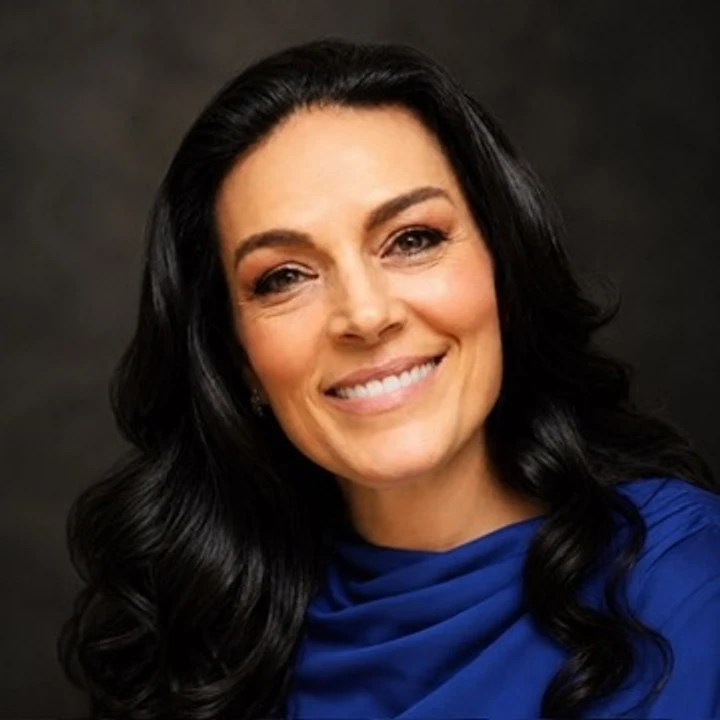
Documentary portrait of Dr Silvana Puglisi

Dr Silvana Puglisi is the dentist responsible for technical oversight. Meet our professionals who continue to provide care and carry on the work of LAB Puglisi.

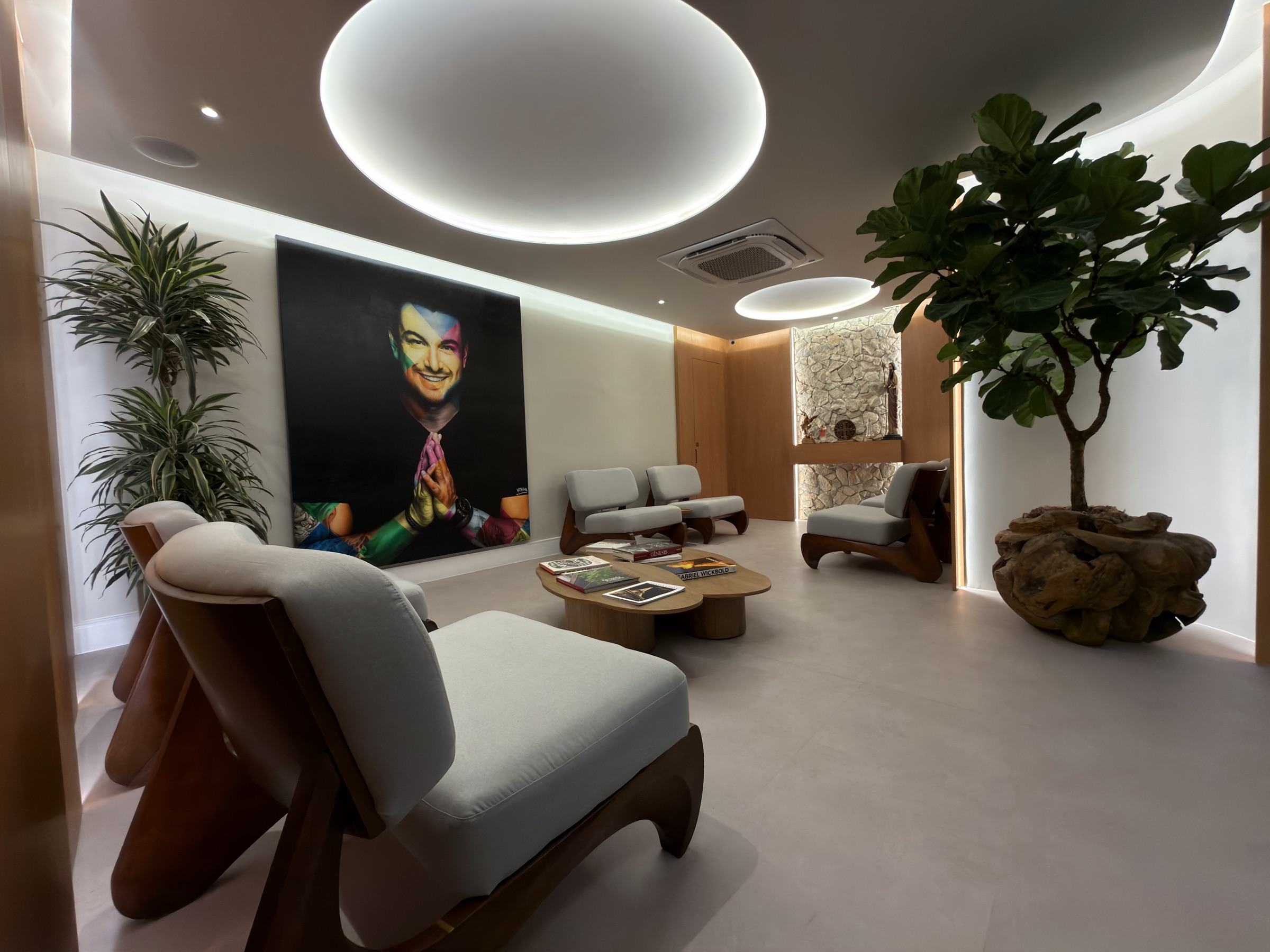
Spacious reception at the Institute with artwork by Kobra
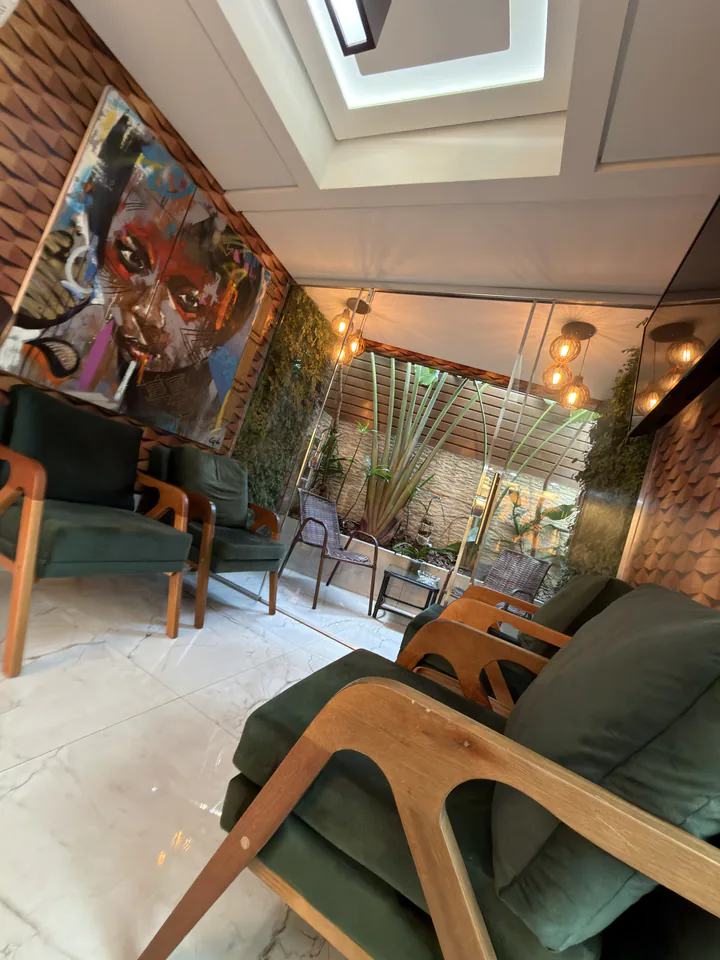
Lounge with green armchairs, artwork and a garden visible through the glass doors
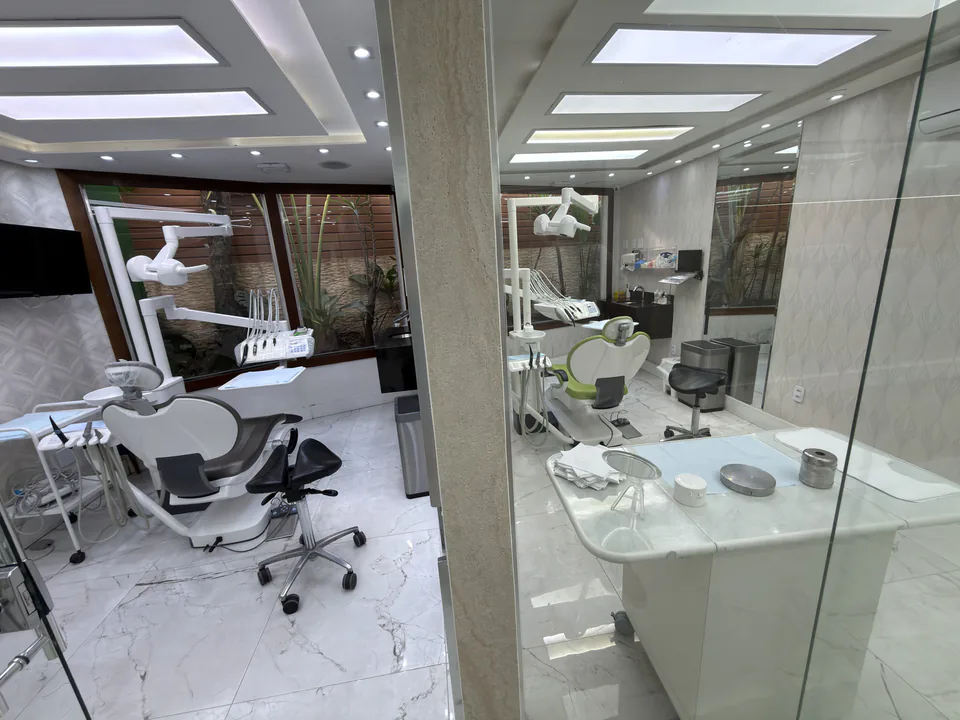
Two dental consulting rooms connected by a glass partition
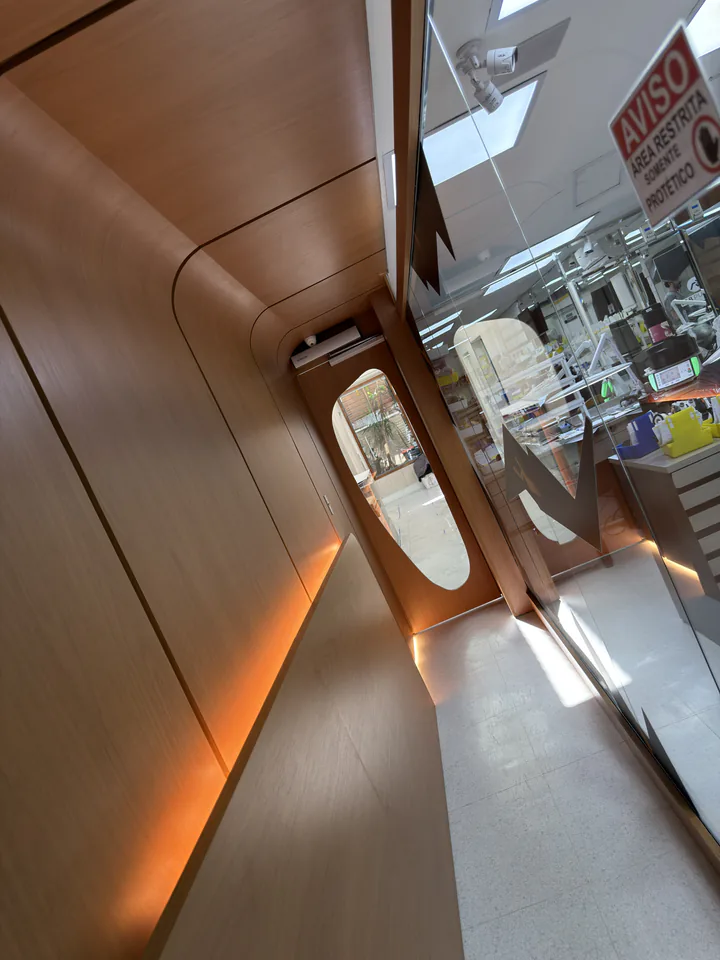
Curved corridor with wood panelling, amber lighting and a door at the far end

Before deciding frequency, we understand what is accumulating and why.

Assessment distinguishes habit, deposit, inflammation and periodontal disease to build understandable care.

Book an assessment

Bibliographic references

The references below support the information on tartar control, periodontal care and decay prevention. They do not replace individual assessment.

Original Portuguese content reviewed by Dr Silvana Puglisi, dental surgeon, CRO 33.773, technical director, on .

  1. American Dental Association. Periodontitis. Oral health topics library. Official source.
  2. Sanz M, Herrera D, Kebschull M, et al. Treatment of stage I–III periodontitis: The EFP S3 level clinical practice guideline. Journal of Clinical Periodontology. 2020, 47(S22), 4–60. PMID 32383274. DOI 10.1111/jcpe.13290.
  3. American Dental Association, MouthHealthy. Scaling and Root Planing. Information for patients. Official source.
  4. Weyant RJ, Tracy SL, Anselmo TT, et al. Topical fluoride for caries prevention: executive summary of the updated clinical recommendations and supporting systematic review. Journal of the American Dental Association. 2013, 144(11), 1279–1291. PMID 24177407. DOI 10.14219/jada.archive.2013.0057.
  5. American Dental Association. Professionally-Applied and Prescription-Strength, Home-Use Topical Fluoride Agents for Caries Prevention Clinical Practice Guideline. 2013. Official guideline.
  6. Brasil. Ministério da Saúde. A saúde bucal no Sistema Único de Saúde. Brasília, 2018. Official PDF.
  7. Johannsen A, Emilson C-G, Johannsen G, et al. Effects of stabilized stannous fluoride dentifrice on dental calculus, dental plaque, gingivitis, halitosis and stain: A systematic review. Heliyon. 2019;5(12):e02850. DOI 10.1016/j.heliyon.2019.e02850.
  8. Gum Disease Information. American Academy of Periodontology. AAP. No date is indicated on the page. Official source

Privacy preferences

Your choice is valid for 180 days in this browser. You can change it under “Privacy”.

Forms may use Google reCAPTCHA to prevent abuse. Read the Privacy Policy