↗ PT

Other pages are available in Portuguese

Skip to content

Bite correction

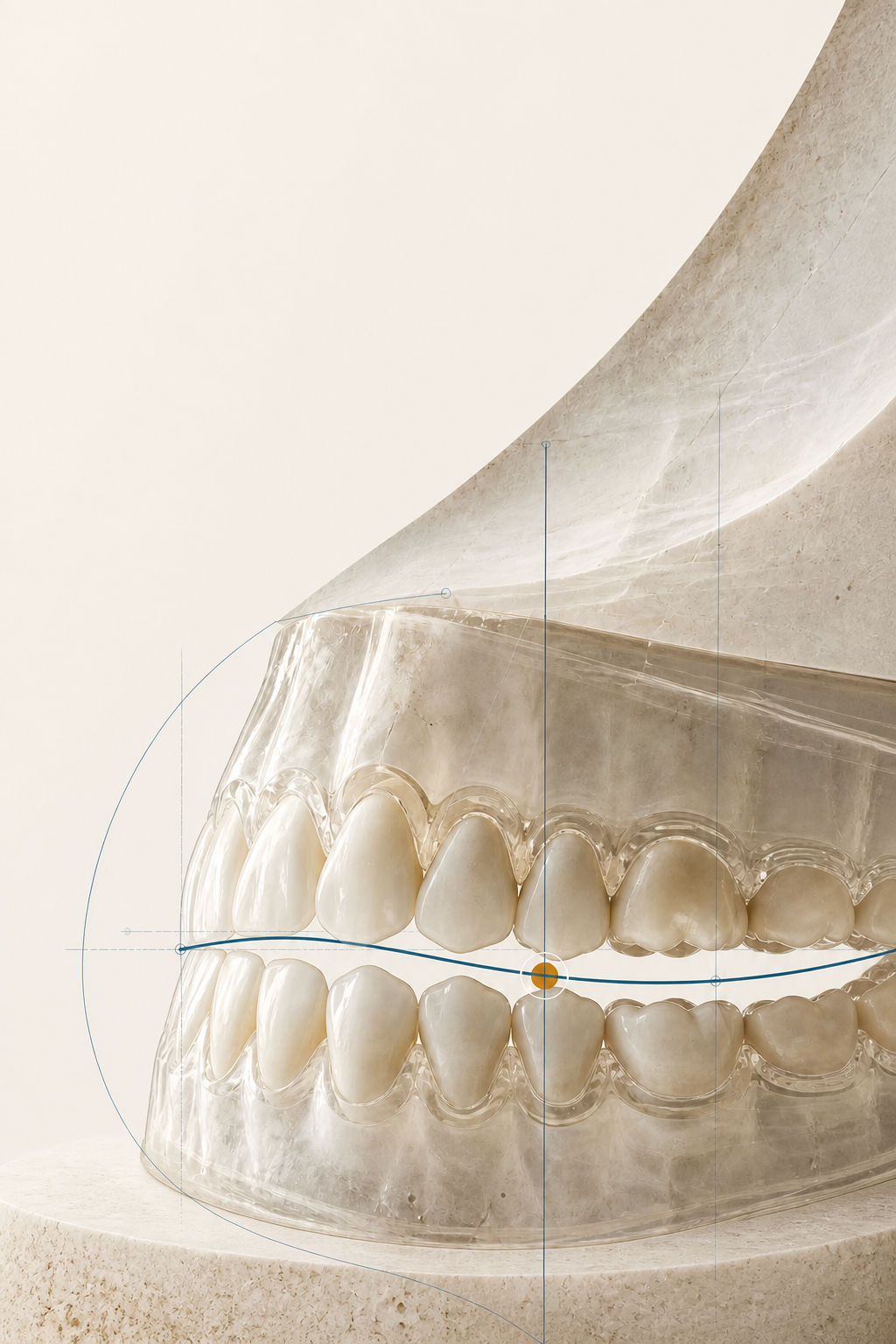
Conceptual artwork illustrating the dental arches with a line indicating how the bite fits together.

Bite correction aims to improve the relationship between teeth, arches and jaws. Assessment identifies whether the problem involves teeth, bone or both, and whether the approach includes monitoring, appliances, aligners or other care.

Book an assessment

At Instituto Rafa Puglisi, the plan begins with your concern and the condition of your oral health.

What may change in how the teeth fit together

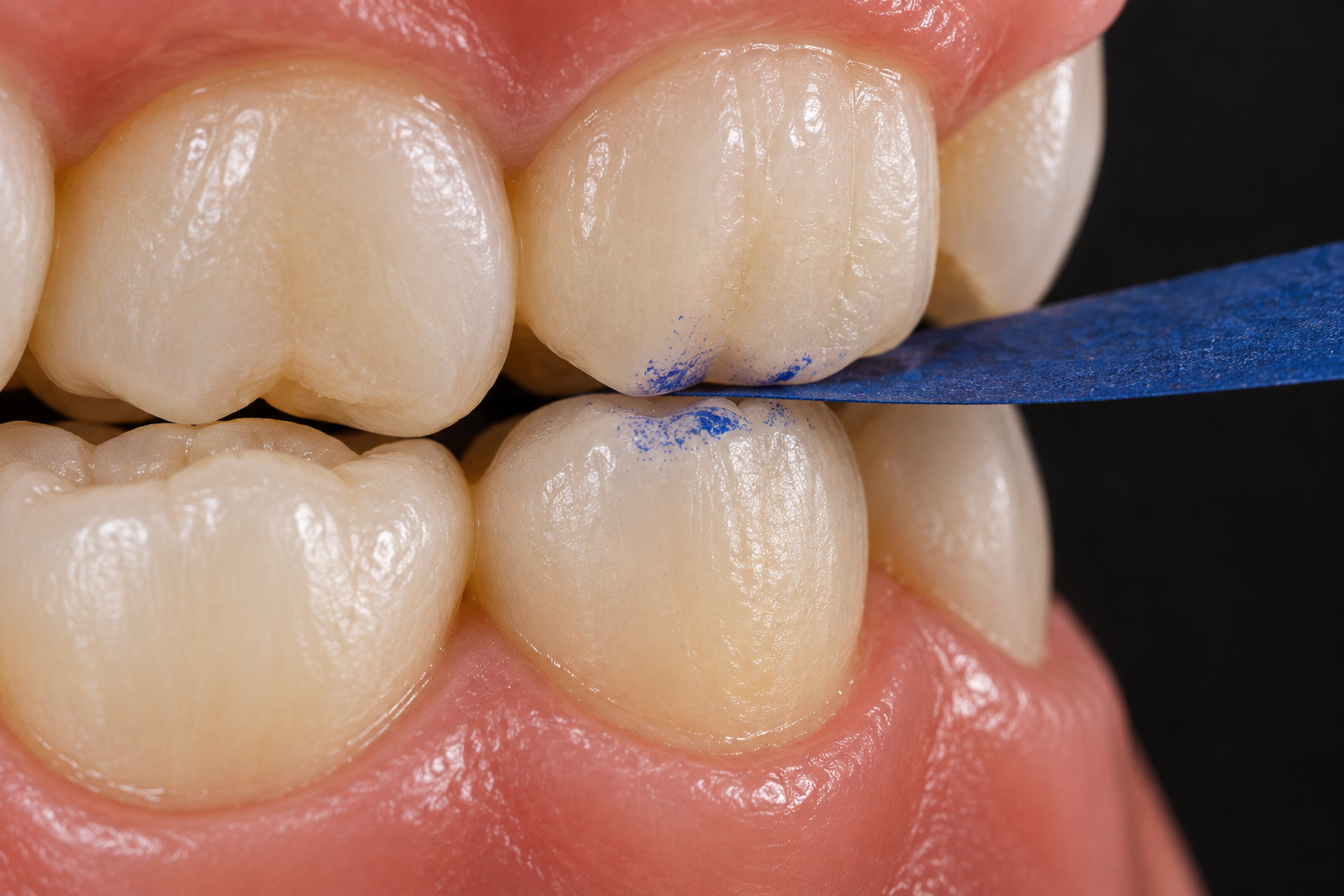
Bite problems may involve tooth position, jaw growth or both. The name describes a relationship. It does not determine treatment on its own. [1] [2]

Open bite
Some upper and lower teeth do not meet when the mouth closes.
Crossbite
One or more upper teeth close inside the lower teeth in a particular area.
Deep bite
The upper front teeth overlap the lower front teeth more than expected.
Protrusion or reverse relationship
The distance between the front teeth or the relative position of the jaws requires its own assessment.

How the bite is assessed

Conceptual artwork of illustrative arch models in front, side, upper and lower views.

Diagnosis brings together your concern, the clinical examination and health history. Photographs, scanning and radiographs may be requested when they add information relevant to the case.

Teeth
Position, inclination, contacts and available space.
Support
Gums, bone, roots and conditions for movement.
Jaws
The relationship between the bony bases and the face.
Timing
Growth, stage of dentition and realistic expectations of response.
Routine
Hygiene, cooperation, follow-up and resources suited to the person.

Children, adolescents and adults

Some problems may benefit from monitoring or intervention during growth. Others are treated later. In adults, lack of growth does not prevent care, but may change the goals and resources available. [1]

  1. Children

    Dentition, habits, eruption and development guide when to observe or act.

  2. Adolescents

    Remaining growth, maturity and cooperation form part of planning.

  3. Adults

    Periodontal health, biological limits and the skeletal relationship carry more weight in the decision.

Starting early is not automatically better. The right stage depends on the problem being assessed.

Which approaches may be indicated

The same appearance may have different origins. The resource is therefore a consequence of the plan, rather than the starting point.

  1. Observe

    When timing, the transition from primary to permanent teeth or stability calls for monitoring before intervention.

  2. Guide growth

    In selected situations, orthopaedic or functional resources may form part of the plan during development. [1]

  3. Move teeth

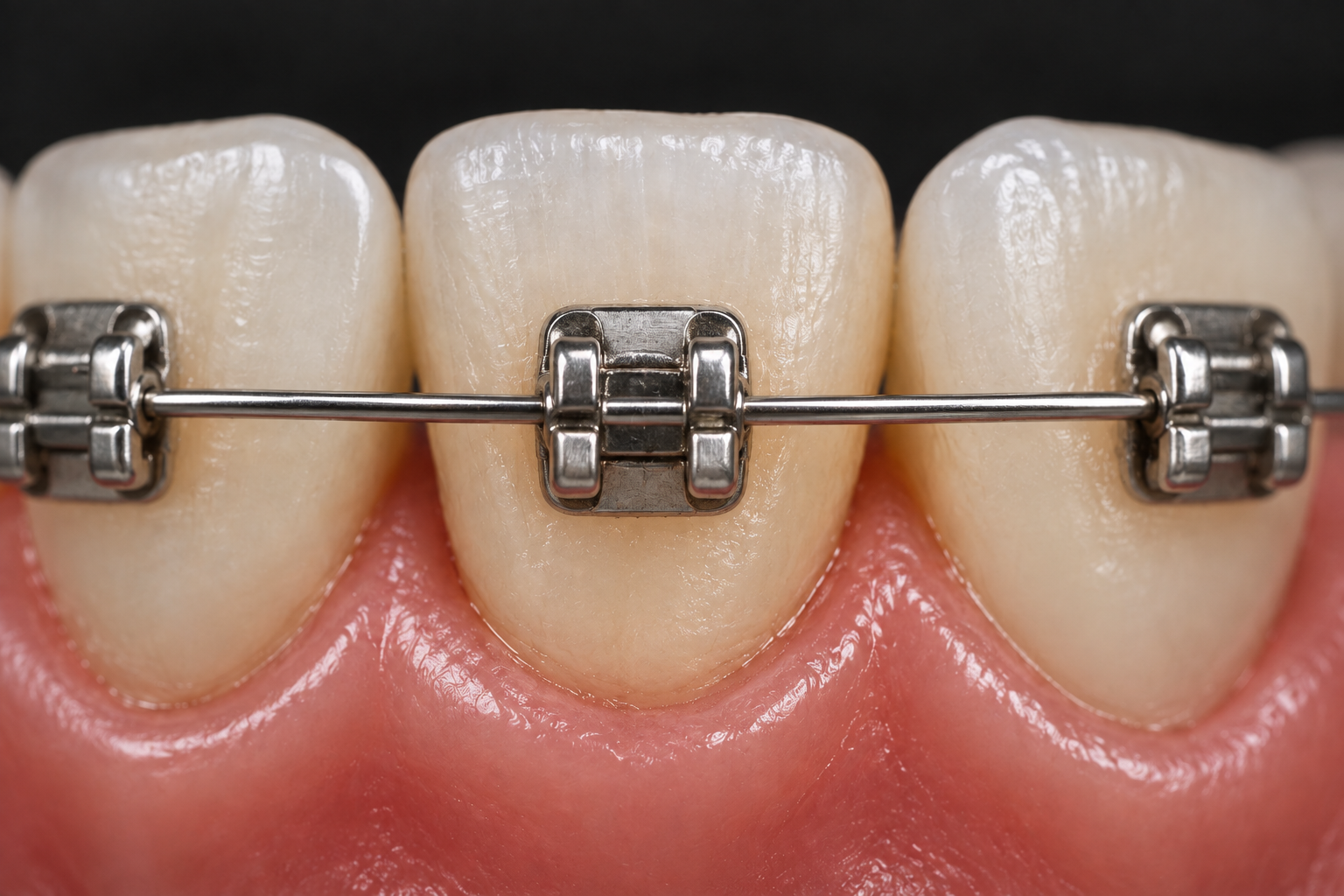
    Fixed braces, aligners or combined resources may be indicated according to the movement required.

  4. Address the skeletal relationship

    Significant discrepancies between the jaws may call for interdisciplinary discussion and, in selected cases, orthognathic surgery. [3]

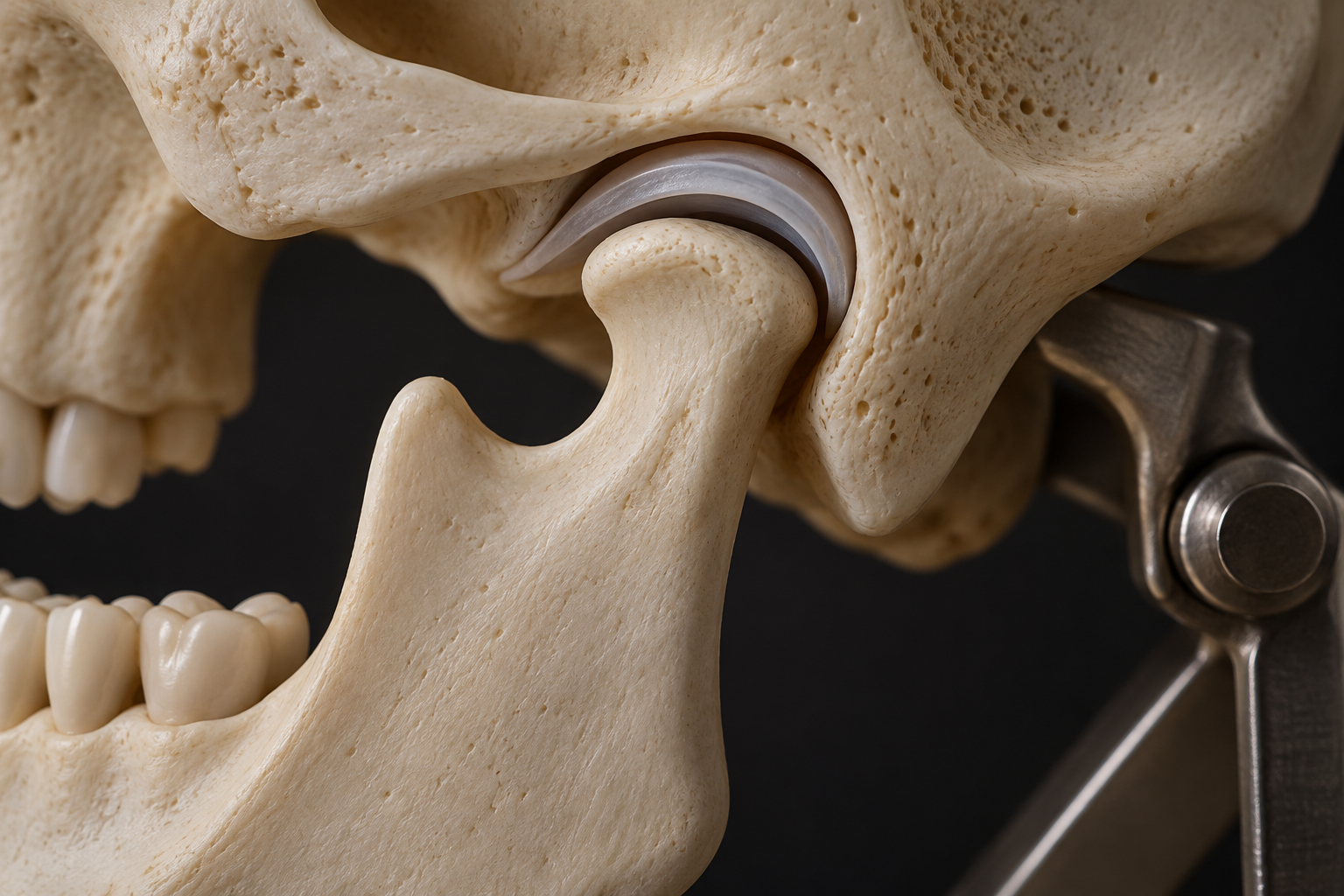
Bite and joint problems are different issues

Facial or jaw pain, clicking and limited opening warrant their own assessment. Evidence does not support explaining temporomandibular disorders by a single bite characteristic or promising that orthodontic correction will resolve these symptoms. [5]

When the main concern is pain or joint function, diagnosis begins with that concern. Care usually prioritises conservative, reversible approaches.

Care, risks and limitations

The plan should explain what it aims to change, what may not respond as expected and what participation will be needed throughout treatment. [4]

  • Duration varies. Complexity, biological response, growth, missed appointments and cooperation change the timetable.
  • Hygiene matters. Dental plaque increases the risk of decay, spots and gum inflammation during treatment.
  • Roots and supporting tissues are monitored. Root resorption and periodontal changes are risks that need to be considered.
  • Not every goal is achievable. Anatomical limits and individual priorities may require expectations to be adjusted.
  • Cooperation affects the outcome. Wearing elastics, aligners and removable appliances, and attending follow-up appointments, are part of the plan.
  • Stability is not automatic. Teeth may move after the active phase. Retention and follow-up need to be planned.

Retention and follow-up

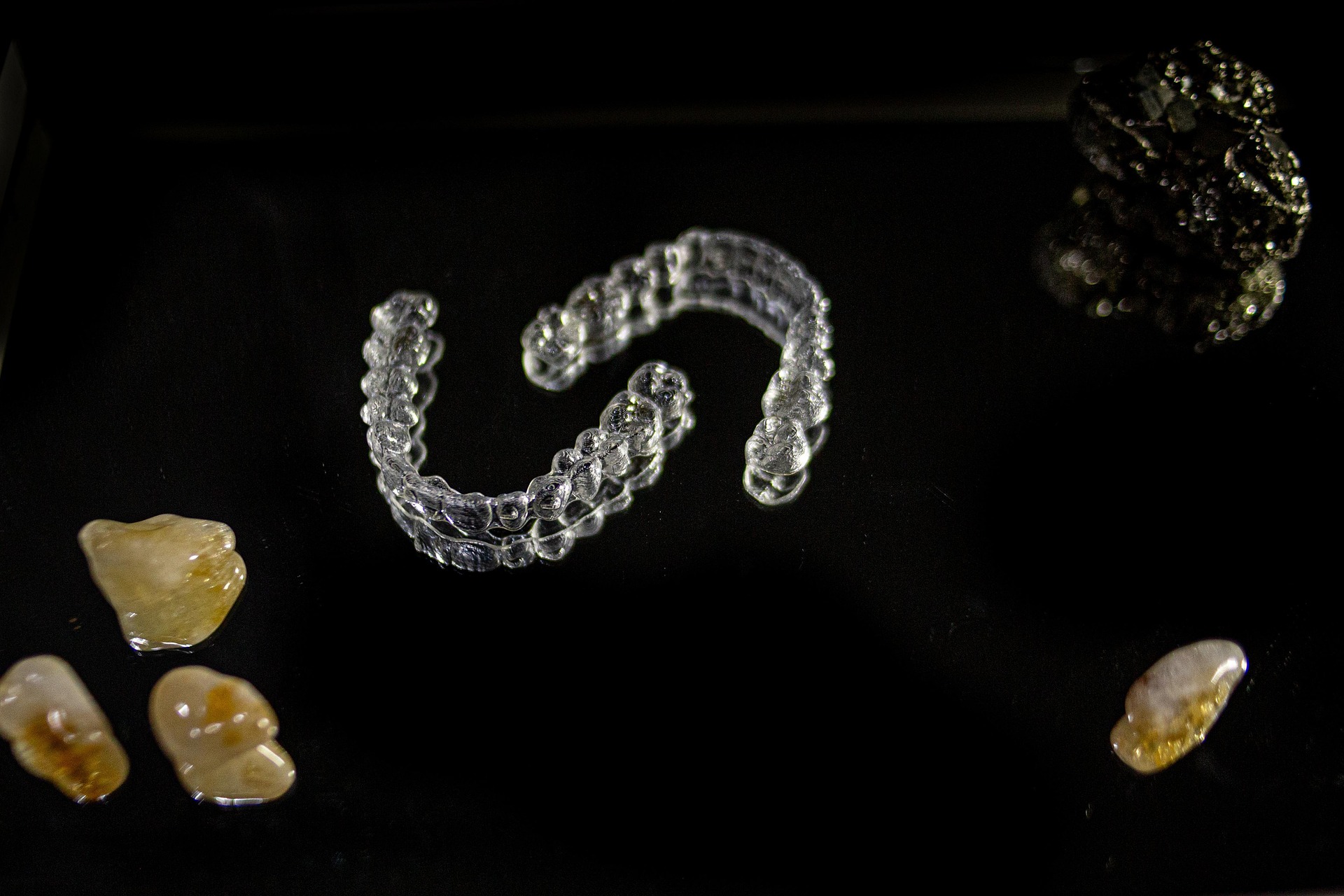
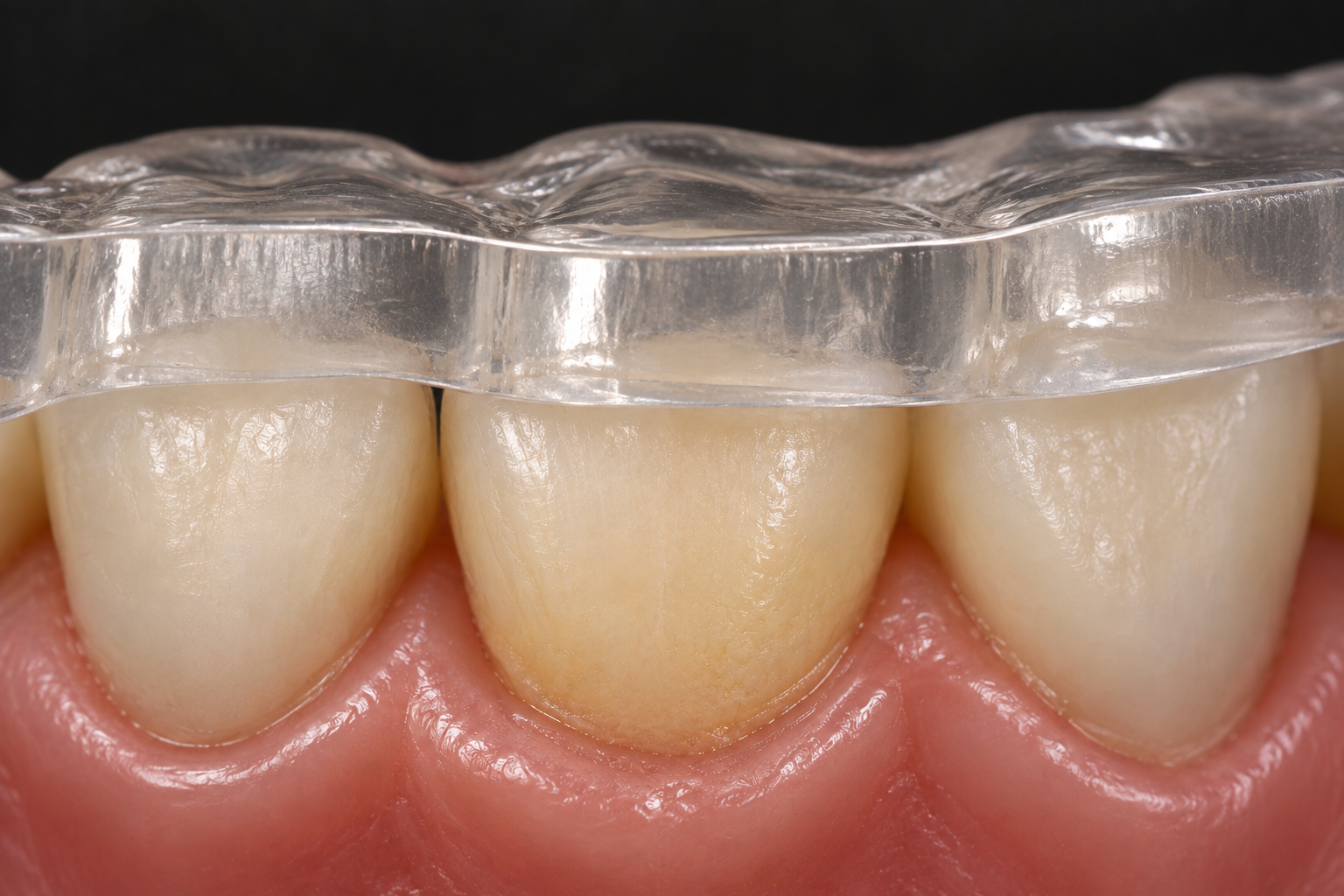
Conceptual artwork illustrating a clear retainer over a dental arch model.

After active movement ends, retention helps maintain the new position while the tissues reorganise. The type of retainer and wear time vary. Periodic follow-up assesses fit, hygiene, wear, growth and changes throughout life.

Stable does not mean motionless forever. The mouth continues to change and needs follow-up.

Has something caused injury, broken or stopped fitting?

Do not force it, adjust it yourself or wait silently until the next appointment. Contact the team for guidance appropriate to your treatment.

Contact the Institute

Frequently asked questions

How do I know whether my bite needs correction?

Diagnosis does not depend on appearance alone. The team assesses contacts, teeth, gums, bone, jaws, growth, function and your concern. Some relationships need treatment, others monitoring, and others may simply be variations without a significant impact.

Does every unusual bite need an appliance?

No. The decision considers severity, symptoms, risk of trauma or wear, hygiene, development and the impact on the person. Observation may also be a clinical approach.

Can the bite be corrected without a palatal expander?

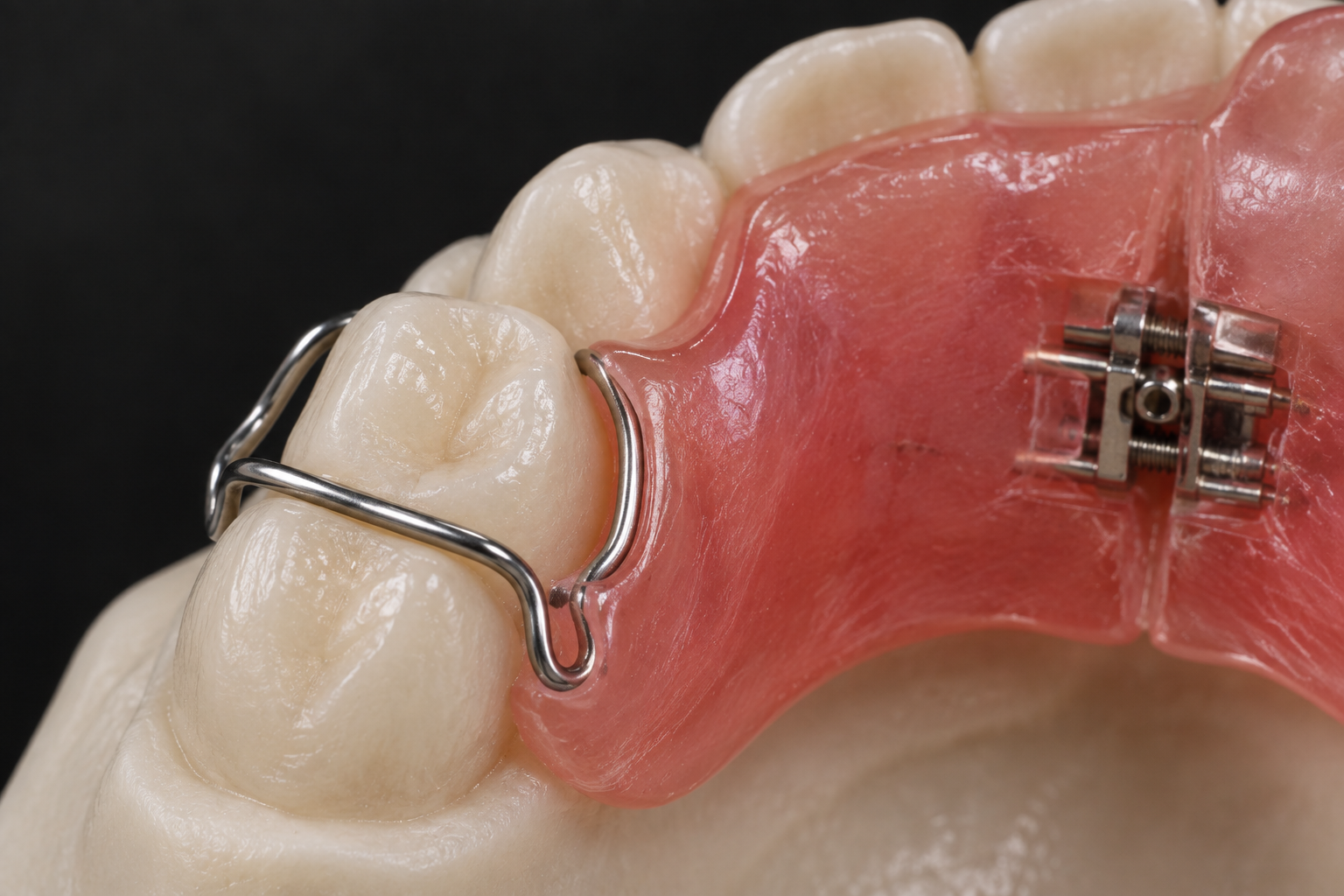
In some cases, yes. A palatal expander is indicated in specific situations and is not needed in every treatment. [8] To determine which options are appropriate, the orthodontist assesses the type of problem, the position of the teeth and jaws, and the growth stage. If expansion is indicated, the professional explains the reason and the options for your case.

Can aligners correct the bite?

Some movements can be planned with aligners. Others require fixed braces, additional resources or a combined strategy. Suitability depends on the movement, rather than simply a preference for the format.

Can adults correct their bite?

Yes. Adults can have orthodontic treatment when their health allows. Lack of growth and the presence of bone or periodontal changes may alter goals, limitations and the need for other specialties.

Does correcting the bite resolve joint pain?

There is no such guarantee. Pain, clicking and limited movement have varied causes and need their own diagnosis. Orthodontic correction should not be presented as a universal treatment for temporomandibular disorders. [5]

When is orthognathic surgery considered?

It may be considered when the difference between the jaws is significant and tooth movement alone does not meet the case's goals. This is an interdisciplinary decision that assesses benefits, risks and alternatives. [3]

Can the bite change again afterwards?

Yes. Teeth and facial structures remain subject to change. Retention, follow-up and oral health care help preserve the result, but do not mean permanent immobility.

What happens if the bite is not corrected?

It depends on the type. Some changes can favour tooth wear, difficulty cleaning, overload or trauma. Others cause no harm and can simply be monitored. The assessment shows which situation applies to your bite. [2]

What is the best age to correct a crossbite?

A crossbite is usually assessed in childhood, because during growth some appliances, such as an expander, can guide bone development. Adults can also be treated, sometimes with other resources or with surgery. The assessment defines the right moment for each case. [1] [8]

How much does bite correction cost?

The cost depends on the type of change, the resources indicated and the length of follow-up. It is presented after the assessment, once the plan is defined.Treatment can be paid in up to 21 credit card instalments, depending on the treatment plan and current conditions.
Beyond aesthetics, we are a multidisciplinary clinic.

Explore options

Care takes place here

Across more than 400 m², seven consulting rooms and an integrated in-house laboratory bring together different stages of care at the same address. Discover the Institute.

A history in dentistry since 1923 connects generations with care today. Explore the Institute's history.

Documentary portrait of Dr Silvana Puglisi

Dr Silvana Puglisi is the dentist responsible for technical oversight. Meet our professionals who continue to provide care and carry on the work of LAB Puglisi.

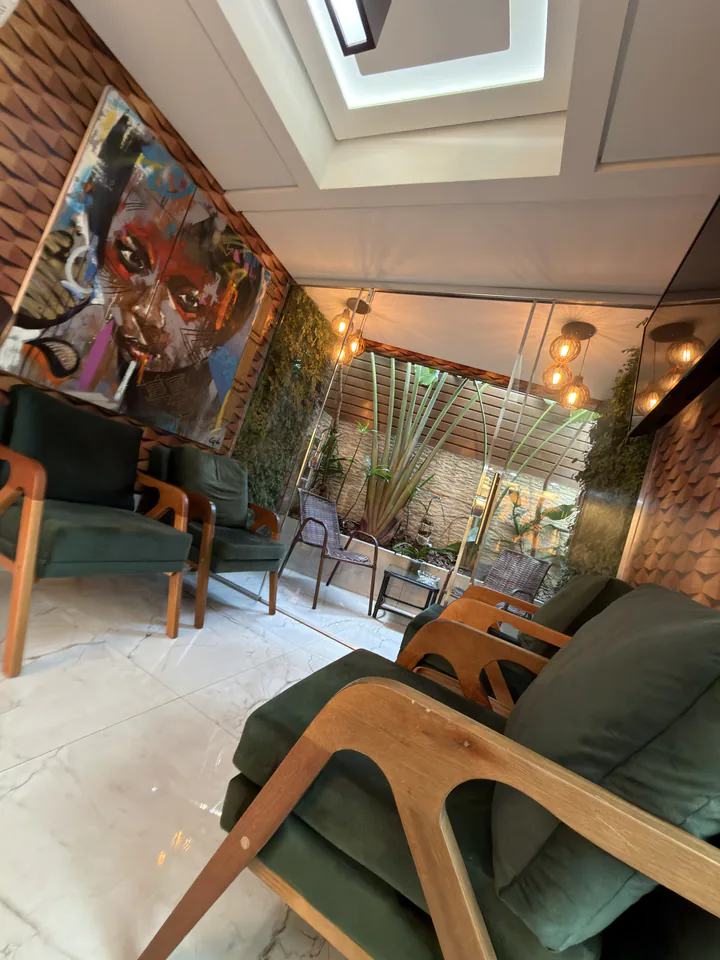
Spacious reception at the Institute with artwork by Kobra
Lounge with green armchairs, artwork and a garden visible through the glass doors
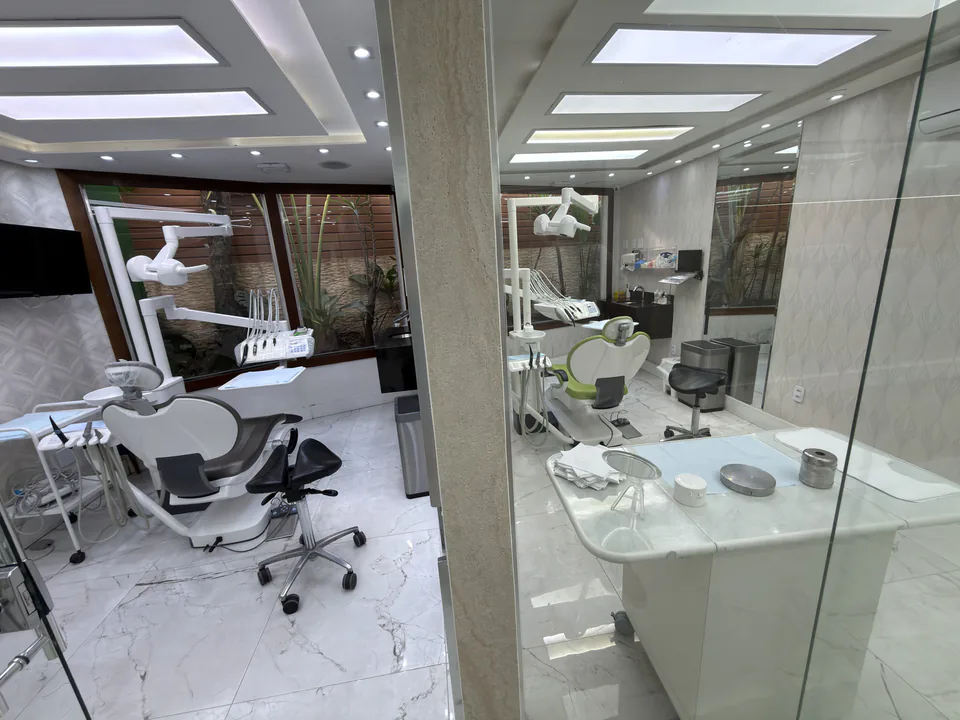
Two dental consulting rooms connected by a glass partition
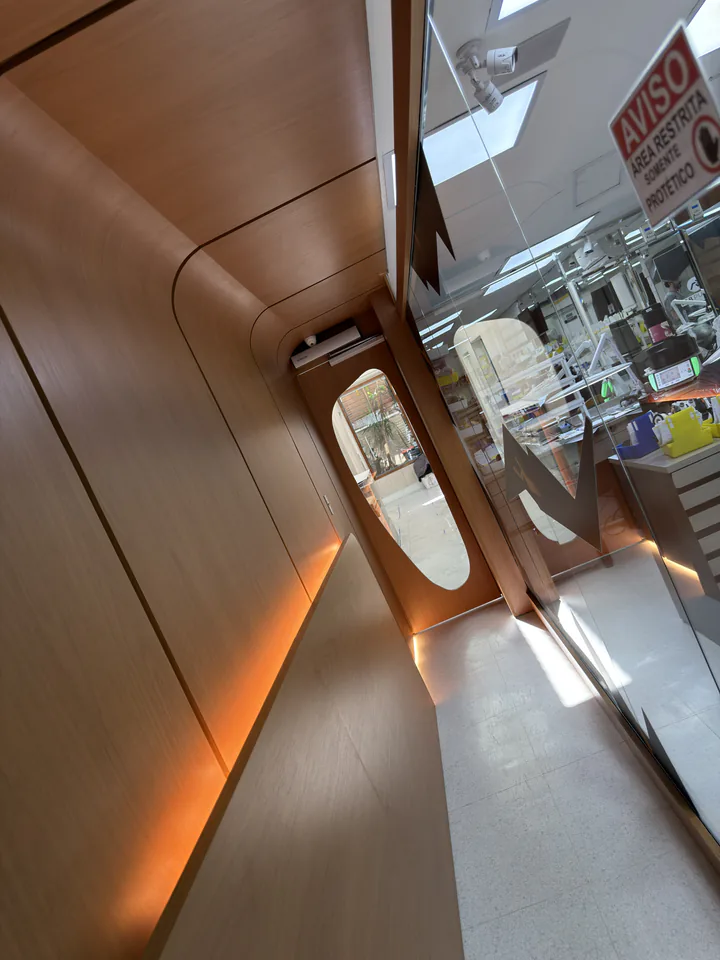
Curved corridor with wood panelling, amber lighting and a door at the far end

Book an assessment

Assessment brings together your concern, the relationship between teeth and jaws, biological timing and realistic treatment options.

Book an assessment

Bibliographic references

Sources used for the clinical statements on this page. They inform the discussion but do not replace diagnosis or individual guidance.

Original Portuguese content reviewed by Dr Silvana Puglisi, dental surgeon, CRO 33.773, technical director, on .

  1. American Academy of Pediatric Dentistry. Management of the Developing Dentition and Occlusion in Pediatric Dentistry. The Reference Manual of Pediatric Dentistry. 2025, pages 497 to 515. Official document.
  2. American Association of Orthodontists. Common Orthodontic Problems. Educational material for patients. Official page.
  3. British Orthodontic Society. Jaw Surgery. Patient information material about orthodontic treatment and jaw surgery. Official page.
  4. British Orthodontic Society. Risks of Orthodontic Treatment. Advice Sheet. 2023. Official document.
  5. National Institute of Dental and Craniofacial Research. TMD. Reviewed in December 2024. Official page.
  6. Göranson E, Sonesson M, Naimi-Akbar A, Dimberg L. Malocclusions and quality of life among adolescents. European Journal of Orthodontics. 2023, 45(3), 295 to 302. PMID 36995692.
  7. Andiappan M, Gao W, Bernabé E, Kandala NB, Donaldson AN. Malocclusion, orthodontic treatment, and the Oral Health Impact Profile. Angle Orthodontist. 2015, 85(3), 493 to 500. PMID 25157973.
  8. American Association of Orthodontists. What Is a Palatal Expander, and What Is it Used For? 25 Mar 2026. Official source.

Further reading

  1. Management of temporomandibular disorders. Okeson JP. Elsevier (2020). (DOI: 10.1016/C2015-0-04226-3). DOI 10.1016/C2015-0-04226-3
  2. Temporomandibular disorders. Cleveland Clinic. Cleveland Clinic (2023). . Official source

Public sources originally consulted on 17/09/2026 for educational support. Source 8 consulted on 05/11/2026. They do not replace clinical assessment.

Privacy preferences

Your choice is valid for 180 days in this browser. You can change it under “Privacy”.

Forms may use Google reCAPTCHA to prevent abuse. Read the Privacy Policy