Are veneers and ultrathin dental veneers the same thing?
For patients, the names often represent different wishes. Clinically, both belong to the family of ceramic laminates, with no rigid boundary between them. What matters most is respecting the result that brought you here.
Does every veneer require tooth reduction?
No. Additive designs preserve the entire surface. When reconstruction requires space, reshaping or control of volume, planned reduction becomes part of the design.
Can a veneer replace a crown?
A veneer and a crown restore different extents of a tooth. The amount and quality of the remaining structure determine suitability.
What is the difference between porcelain and composite?
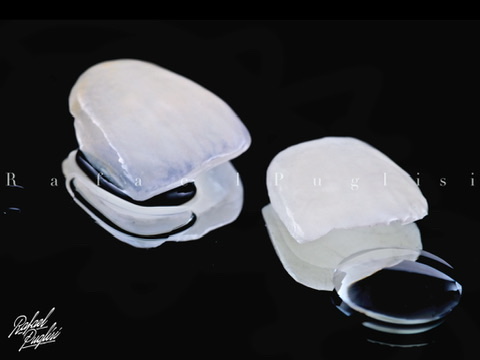
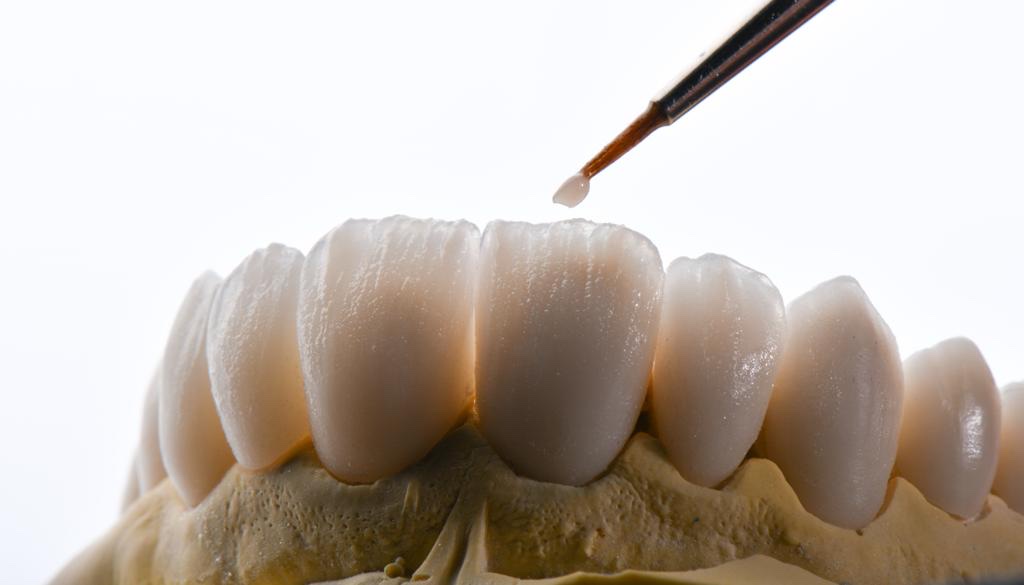
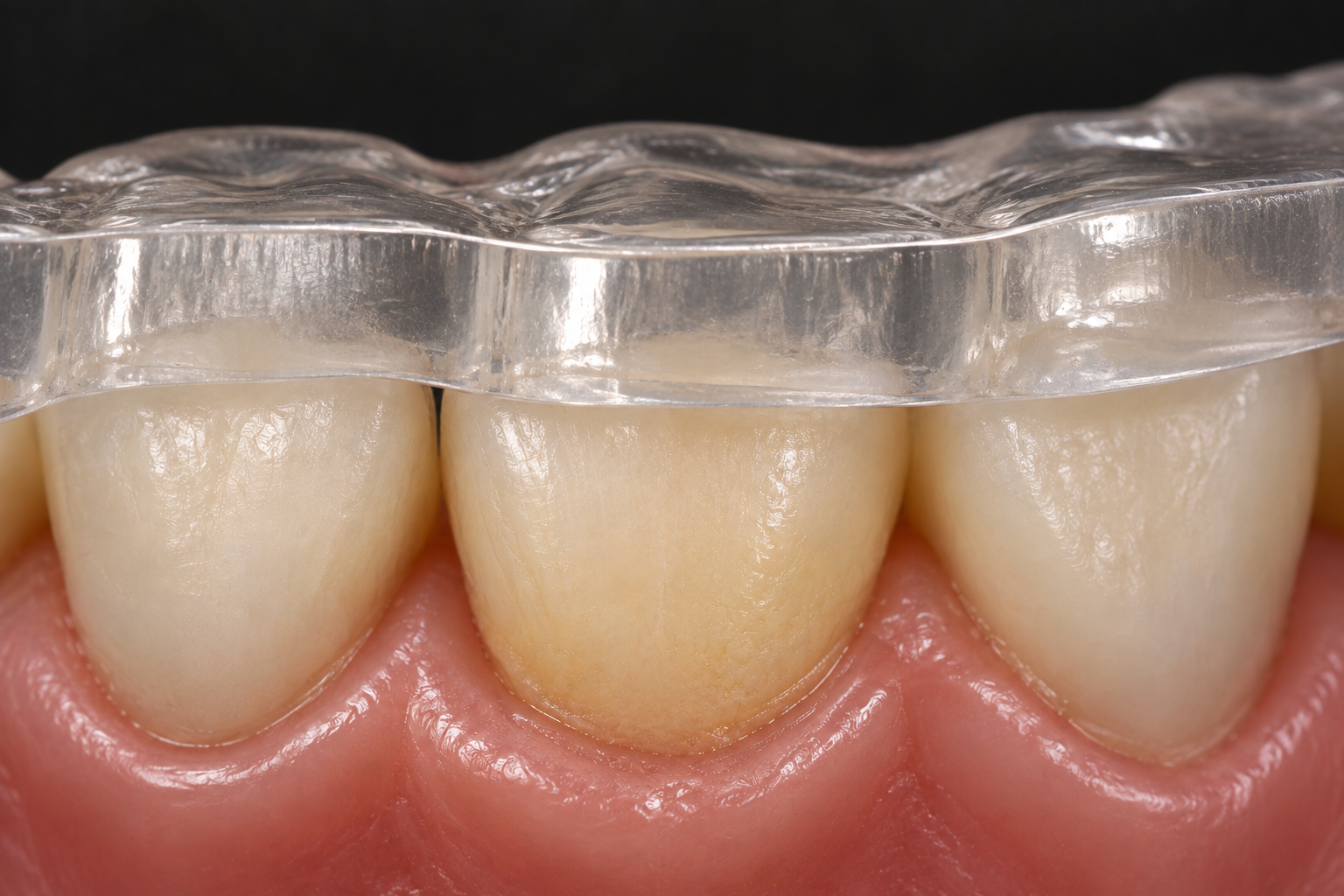
A porcelain veneer is made in the laboratory and bonded to the tooth after the try-in. A composite veneer is sculpted from restorative material. Structure, colour, maintenance and planning guide the choice.
Can veneers stain or break?
The ceramic, margins and overall smile need follow-up over time. Fractures, chips and loosening are possible complications, particularly after an impact, with habits such as biting objects or with changes in the bite.
Does bruxism prevent veneers from being fitted?
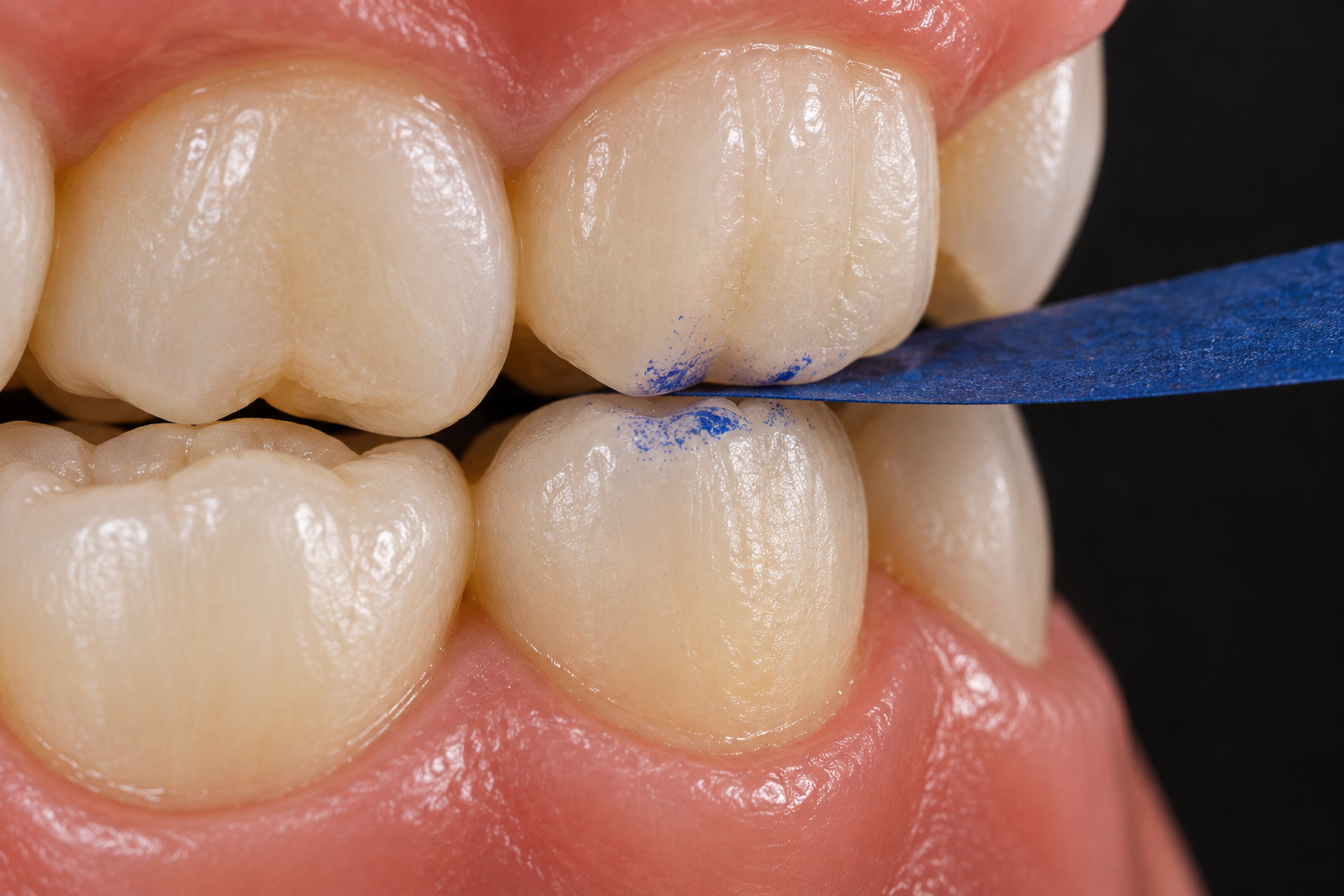
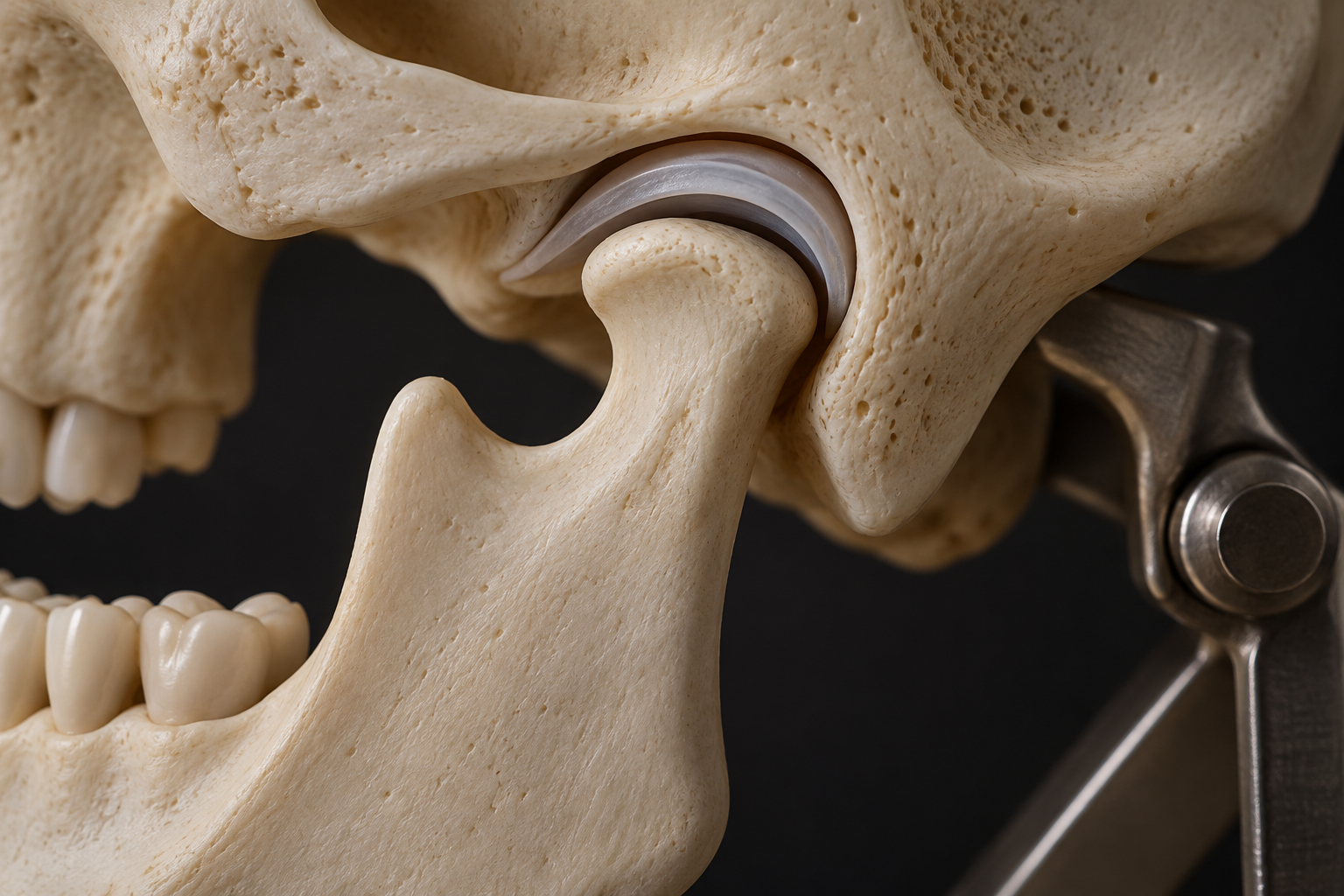
Bruxism changes the planning of the bite and protection of the ceramic. The team assesses its intensity, tooth wear, muscles and contacts between the teeth.
How long do veneers last?
There is no universal timeframe. Their longevity depends on diagnosis, preserved structure, material, fit, bite, habits, hygiene and follow-up.
How many veneers are needed and what is the cost?
There is no standard number. The design considers which teeth need reconstruction, how the whole smile looks when speaking and smiling, and the complexity of the records required.
For information about assessment and fees, speak to the team through the Institute’s official contact channels. Treatment can be paid in up to 21 credit card instalments, depending on the treatment plan and current conditions.
What are the disadvantages of porcelain veneers?
A veneer can chip or come loose, requires care with habits such as grinding and needs check-ups. Because it usually requires some tooth preparation, the decision is not fully reversible. Planning exists to weigh these points before starting.
What if I don't like the result?
Digital planning and the try-in before bonding exist precisely to adjust shape, colour and proportion before the final stage. Once the veneer is bonded, changes require a new piece. That is why each stage is approved with you before moving on.