Before deciding.
Direct answers to begin the discussion. Actual suitability depends on individual assessment.
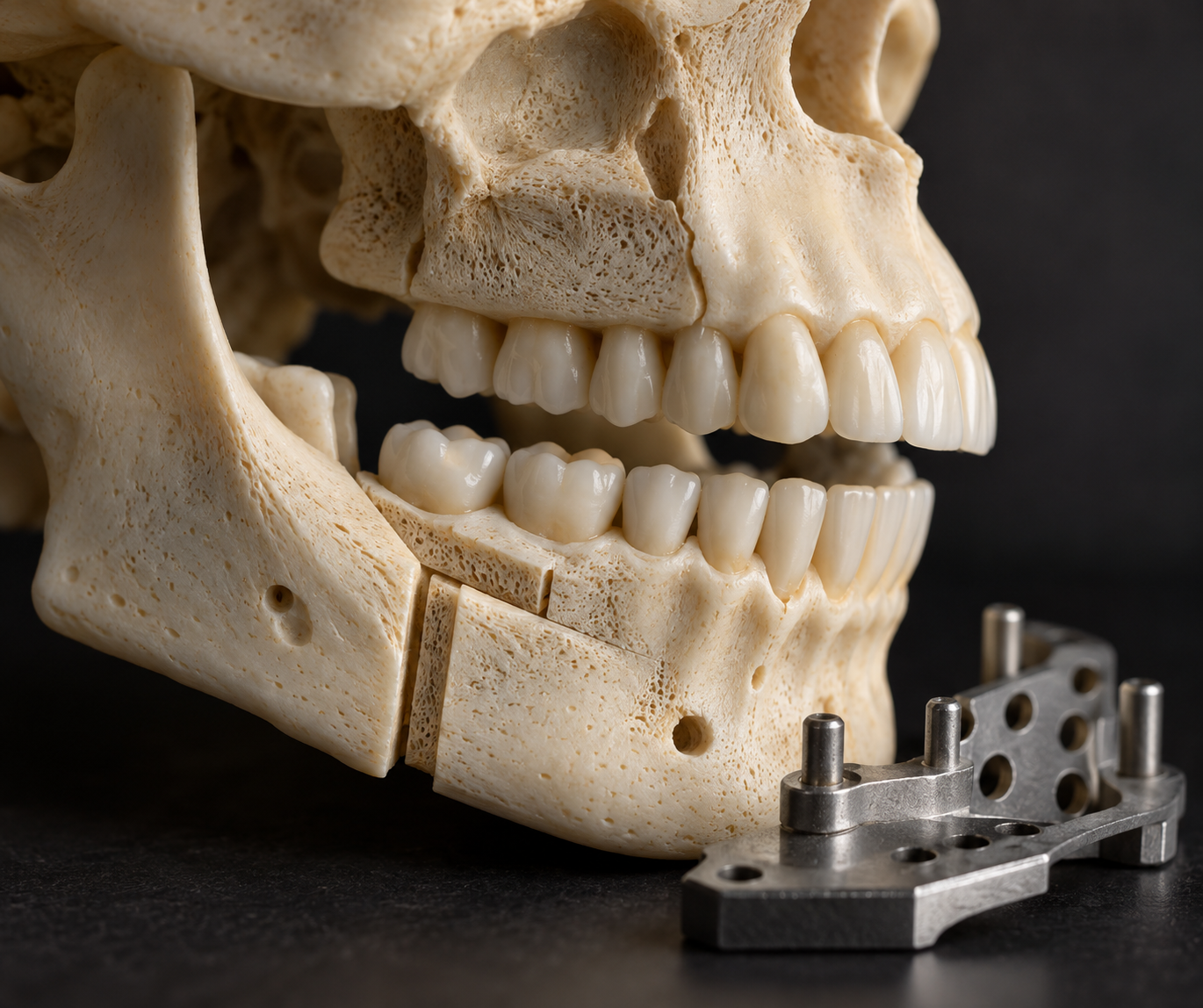
What is orthognathic surgery?
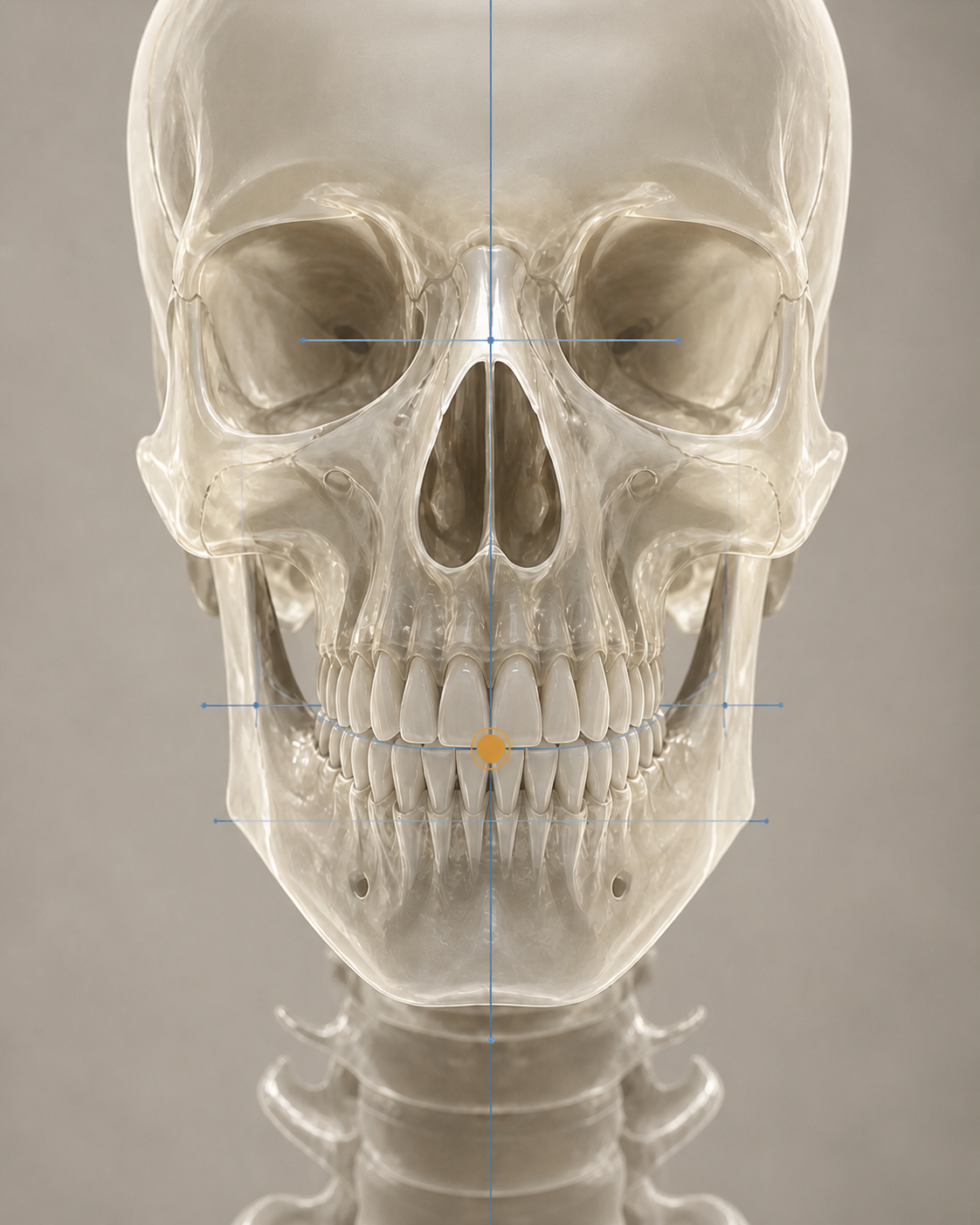
It is surgical correction of the position of the upper jaw, lower jaw or both when there is a significant skeletal difference. Treatment seeks to improve the relationship between form and function. [1]
Does every misaligned bite need surgery?
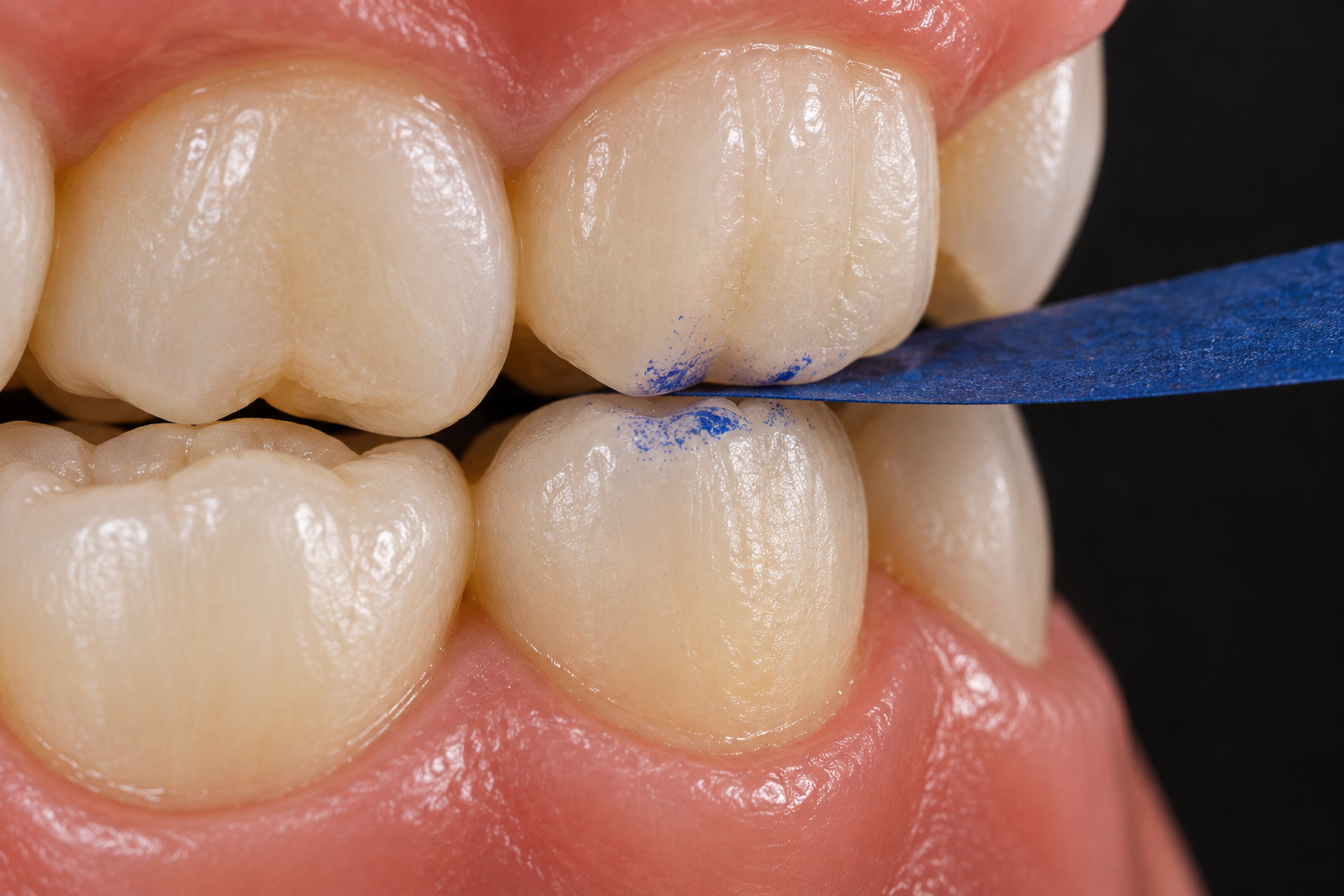
No. Many differences are treated with orthodontics or monitoring alone. Surgery is discussed when the bony relationship limits what tooth movement can resolve.
Do braces come before surgery?
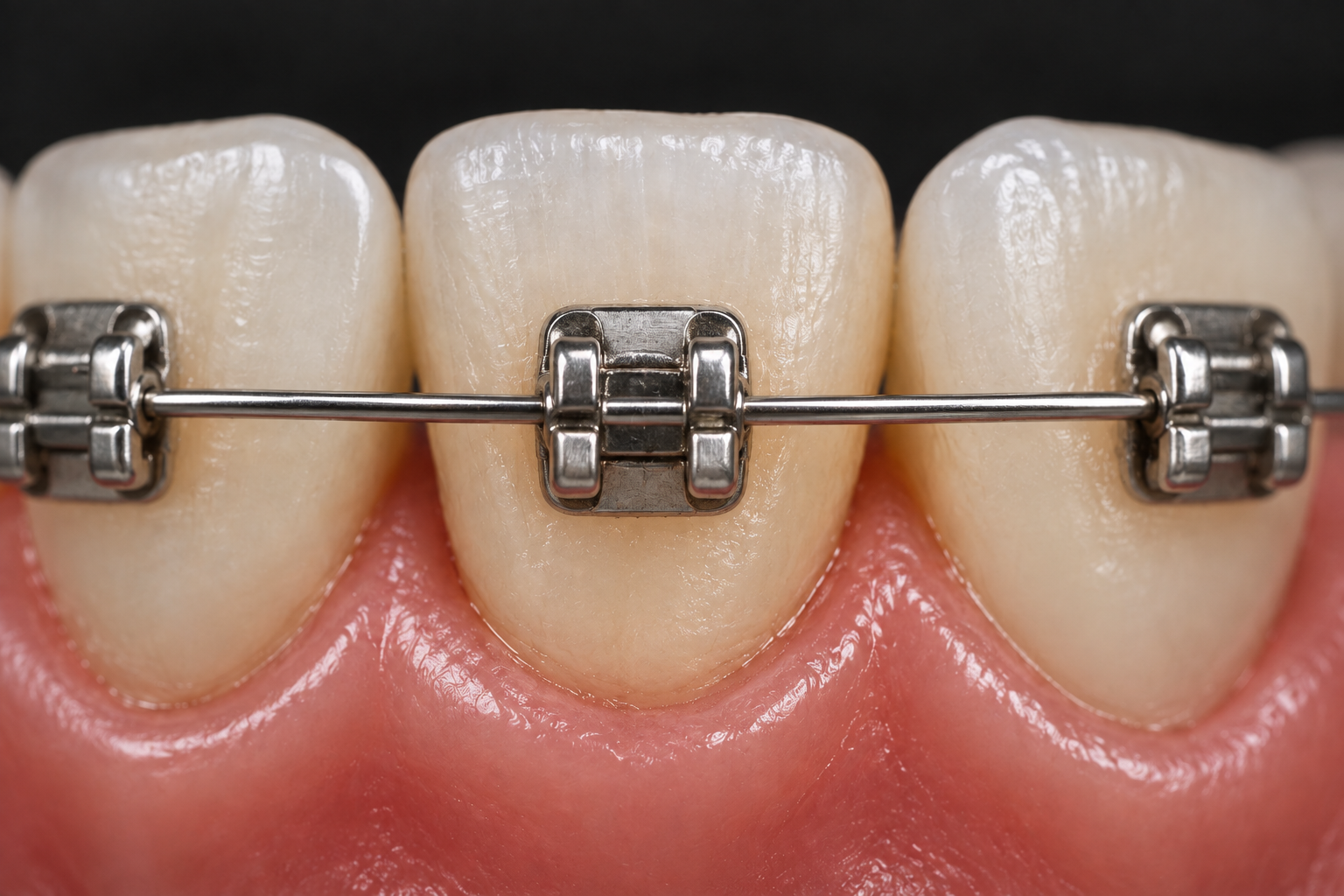
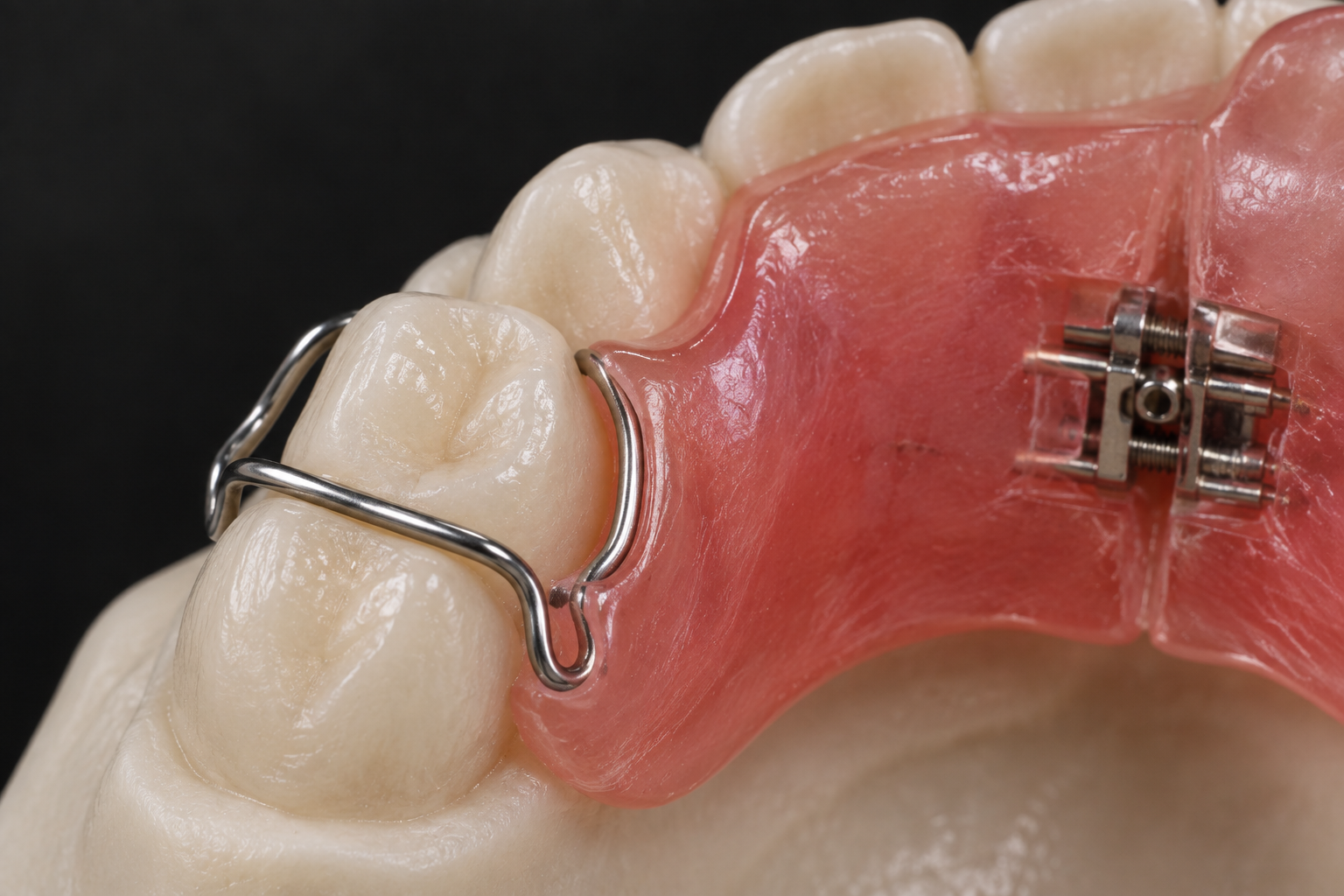
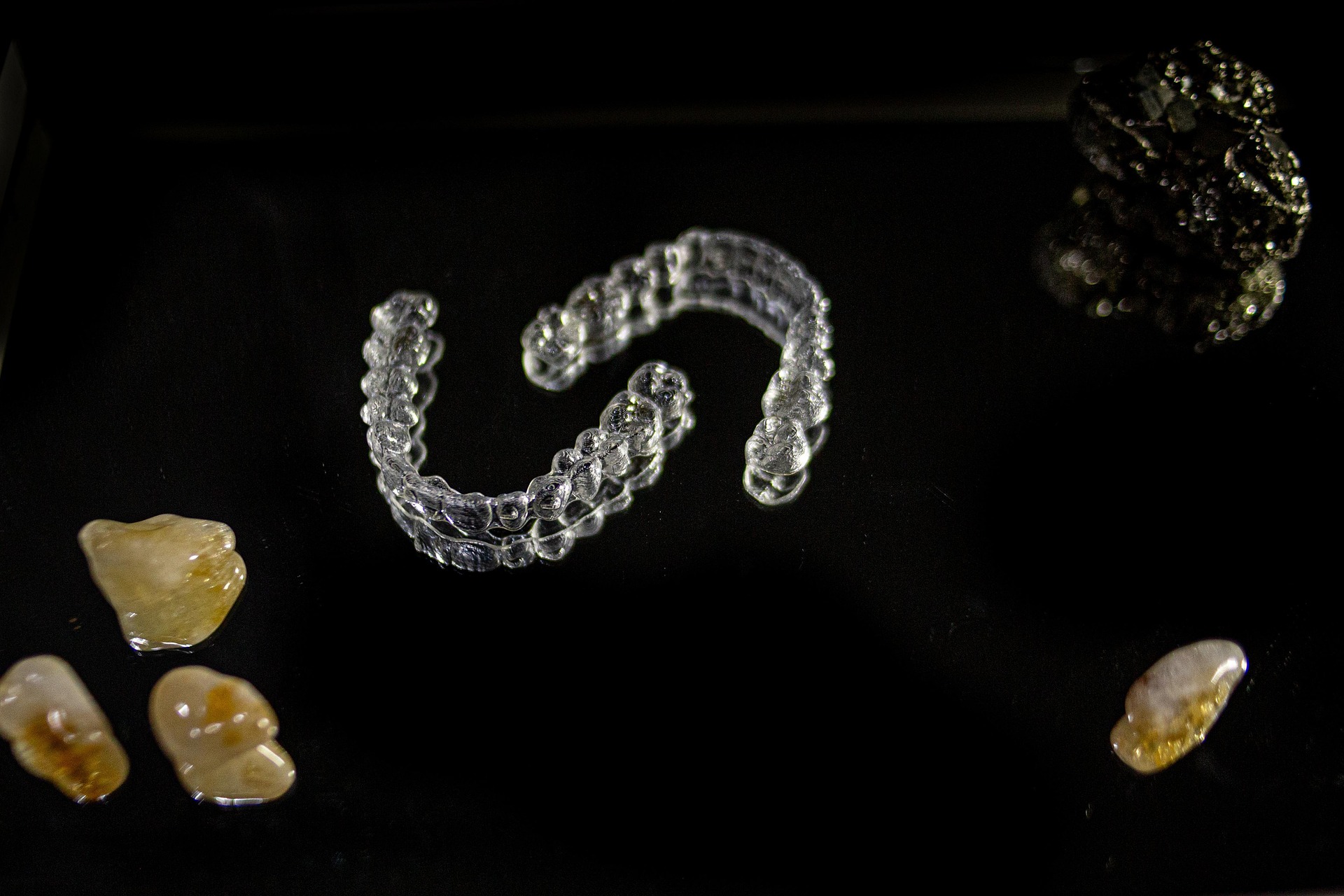
Orthodontic preparation before surgery and adjustment afterwards are common, but the sequence is not the same for everyone. The orthodontist and surgeon determine the strategy together. [2] [3]
Does the face change?
Movements of the bony bases alter support for facial tissues. These changes need to be anticipated and discussed, but cannot be promised with absolute precision.
Is it purely aesthetic surgery?
No. The main goal is to correct the skeletal relationship and its functional effects. Facial appearance may also change and forms part of consent and planning. [1]
How long does treatment take?
There is no single timeframe. Orthodontic preparation, surgery, healing and refinement vary with diagnosis, planned movements and individual response.
Which risks need discussion?
As well as the general risks of surgery and anaesthesia, bleeding, infection, altered sensation, bite changes and the need for additional follow-up or intervention may occur. The surgical team should explain the specific risks of your plan.
Does the digital simulation show the final result?
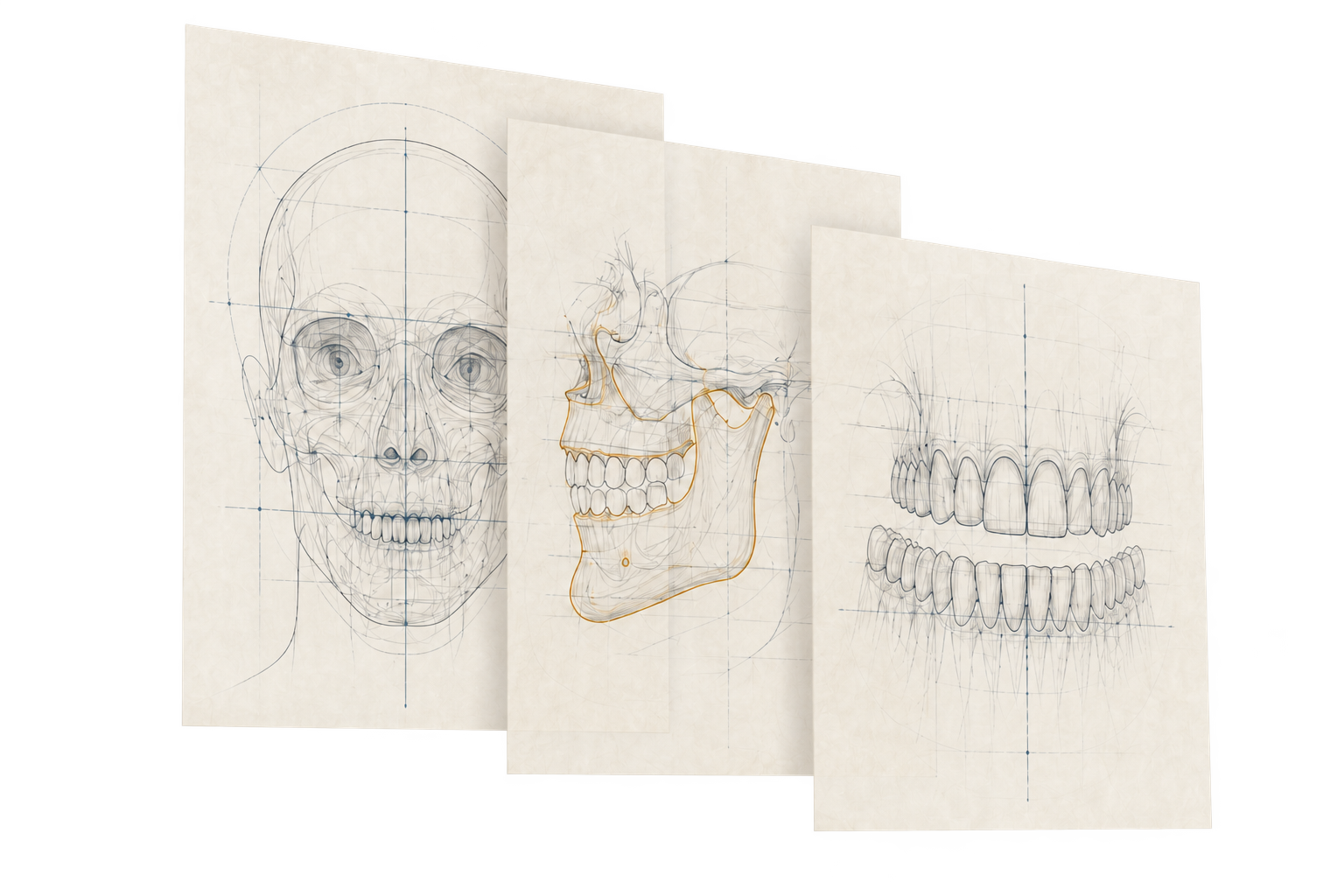
It helps study and communicate the planned movement. It does not guarantee tissue response, final symmetry or an appearance identical to the planned image.
How long does recovery from orthognathic surgery take?
The first days concentrate swelling and extra care with eating and hygiene. Initial bone healing usually takes about six weeks, and complete healing can take nine to twelve months. Return to work, studies and exercise is guided by the team for each case. [2]
What is the best age for orthognathic surgery?
In general, the surgery is done after the facial bones stop growing, which usually happens in late adolescence or early adulthood. The timing is defined by assessing growth, not by age alone. Adults can also be assessed for surgery. [6]
How much does orthognathic surgery cost?
The cost depends on the movements planned, the orthodontic preparation, the exams, the surgical setting and the follow-up. It is presented after the assessment, once the plan is defined. Treatment can be paid in up to 21 credit card instalments, depending on the treatment plan and current conditions.