RuaItapeva, 518
An address where heritage meets contemporary São Paulo.
How to get to the Institute
Instituto Rafa Puglisi is located at Rua Itapeva, 518, Ground Floor, Suite 03, Bela Vista, São Paulo, opposite Cidade Matarazzo, Rosewood São Paulo, Soho House São Paulo and Mata Città. Postal code 01332-904.
Open directions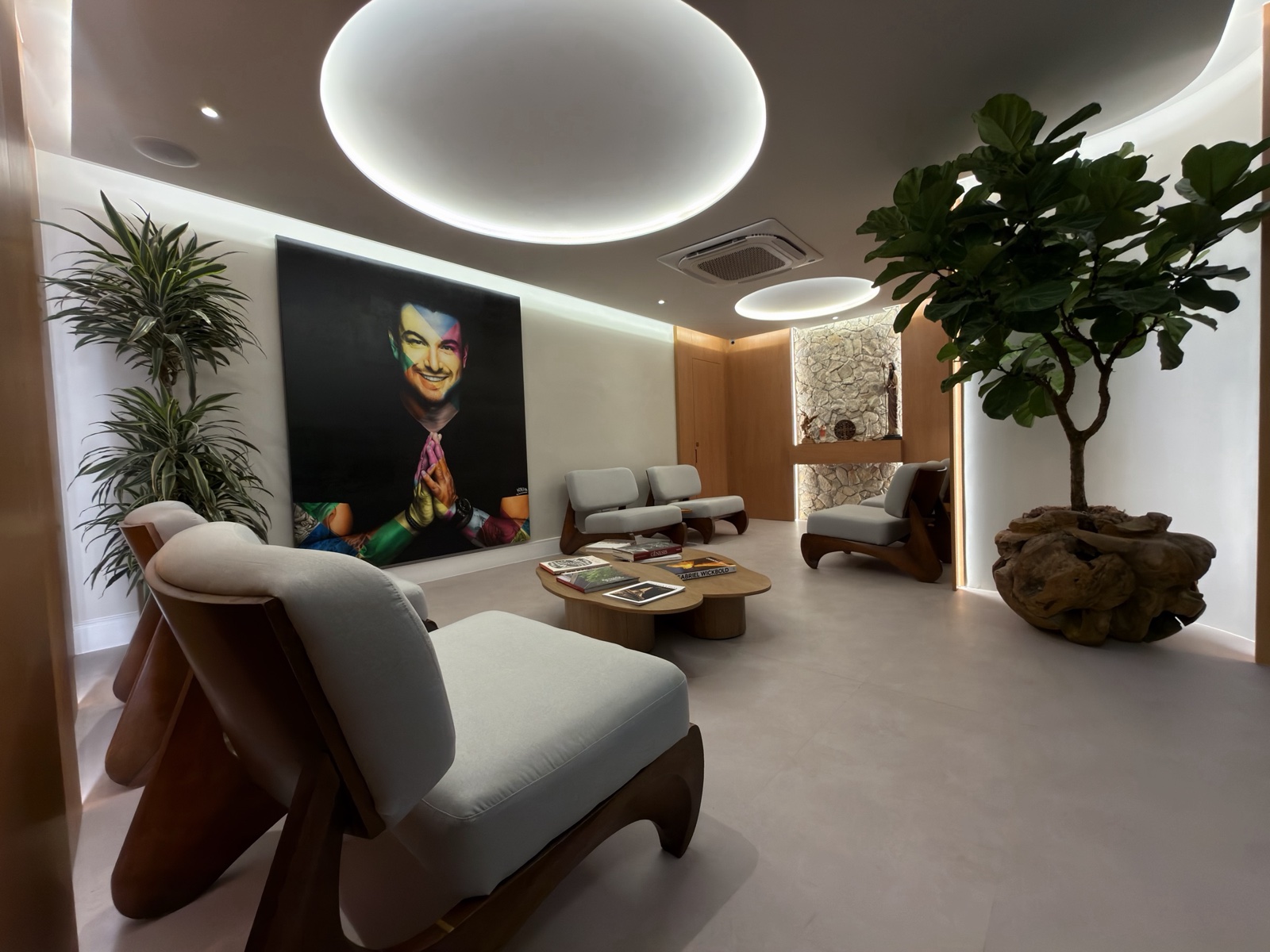
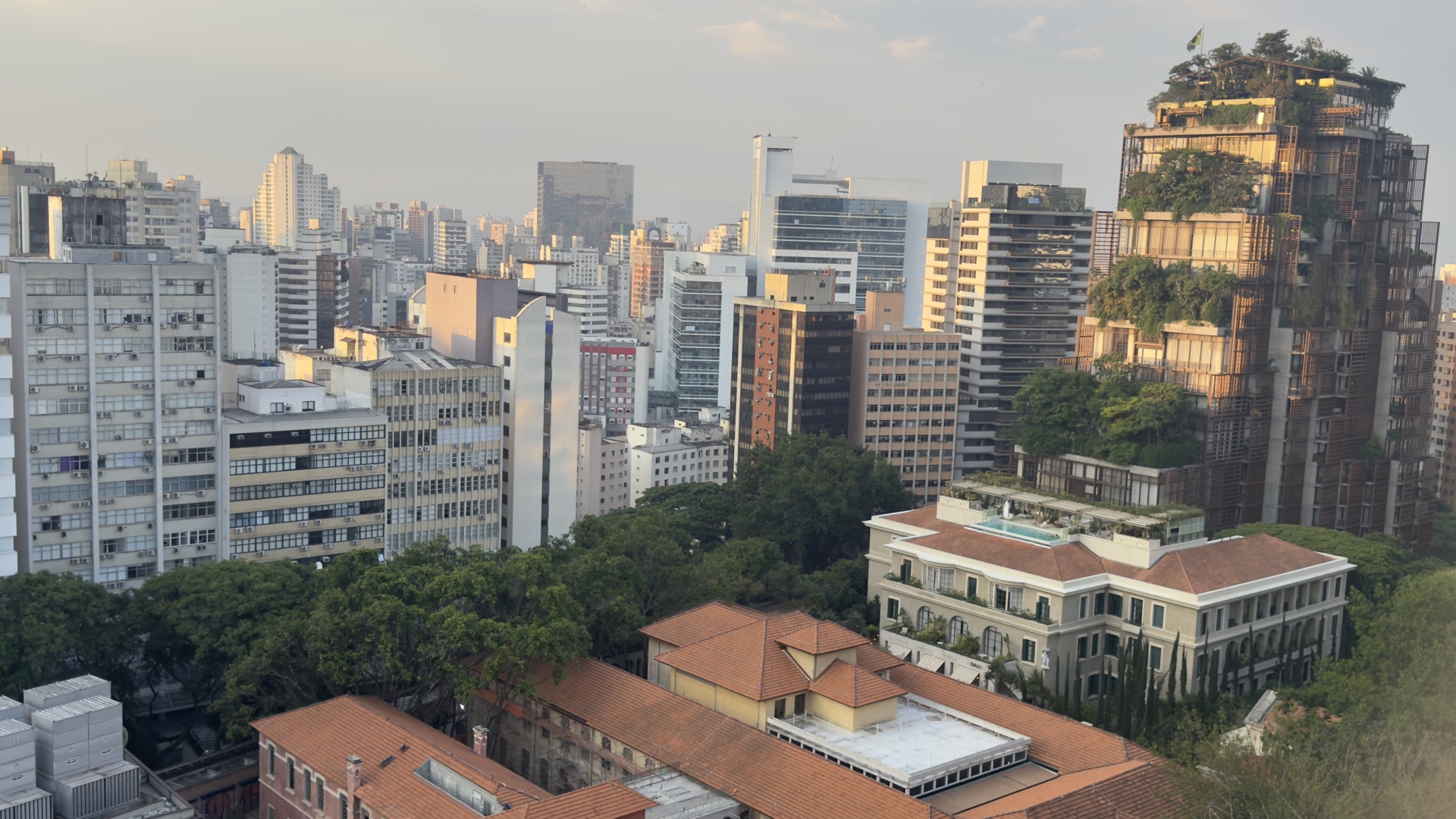
OppositeCidade Matarazzo
- Rosewood São Paulo
- Soho House São Paulo
- Mata Città
Use your preferred app to get here.
Frequently asked questions
Where is Instituto Rafa Puglisi in São Paulo?
Instituto Rafa Puglisi is located at Rua Itapeva, 518, Ground Floor, Suite 03, Bela Vista, São Paulo/SP, near the Avenida Paulista area.
Is Instituto Rafa Puglisi near Avenida Paulista?
Yes. The Institute is in Bela Vista, São Paulo, near Avenida Paulista.
What is the first appointment at Instituto Rafa Puglisi like?
The first appointment is an assessment to understand the patient's concerns, goals and oral health. The team may review the patient's history, photographs, tests, bite, gums, teeth and treatment options before proposing an individual plan. Before the first visit, the team is available on WhatsApp to answer questions and help with booking.
Does the Institute offer care in English?
Yes. Care is available in English. To arrange it, contact the team on WhatsApp +55 11 92577-4417 or by phone on +55 11 3287-4111.
Does the Institute offer care in Spanish?
Yes. Care is available in Spanish. To arrange it, contact the team on WhatsApp +55 11 92577-4417 or by phone on +55 11 3287-4111.
Does the Institute see dental emergencies?
Yes, during opening hours, Monday to Friday, from 9:00 to 18:00. If you are in pain or have another dental emergency, contact the team on WhatsApp +55 11 92577-4417 or by phone on +55 11 3287-4111 to arrange care. Outside these hours, or in serious cases, such as significant difficulty breathing or swallowing, go to an emergency department.
I am afraid of the dentist. Can the Institute help me?
Yes. The team can support the patient, explain each stage of care and adapt the appointment to each person's comfort level. Talking about fear, sensitivity or previous experiences helps create a calmer experience.
How does the in-house laboratory help with complex cases?
The in-house laboratory enables closer integration between the clinical team and the technicians who produce dental components, ultrathin veneers, conventional veneers, prostheses and other restorative elements. This proximity improves communication, customisation and control at each stage. Individual treatment planning considers health, function and a natural-looking smile.
Does the Institute offer digital smile planning?
Yes. Digital planning may combine photographs, scanning, facial analysis, imaging tests, planning software and laboratory input to study proportions, function, aesthetics and predictability before treatment is carried out. When planning ultrathin dental veneers, these resources are combined with a clinical assessment, the integrated laboratory and individual smile design. Suitability depends on a consultation and diagnosis.
Explore treatment planning · Understand planning for ultrathin dental veneers
Is treatment planning carried out by a multidisciplinary team?
Yes. Individual planning may involve different areas of dentistry, such as aesthetics, oral rehabilitation, orthodontics, periodontics, implant dentistry, prosthodontics, surgery, endodontics, diagnostic imaging and the dental prosthetics laboratory. This integrated approach helps define a more complete and safer treatment sequence. In oral rehabilitation, collaboration between these areas considers aesthetics and function, with the involvement of the in-house laboratory.
Meet the team and explore the Institute's facilities · Explore treatment options
Are treatments carried out by qualified professionals?
Yes. Dental treatments must be carried out by qualified dentists registered with the relevant professional bodies. The Institute provides details of its registered clinical responsibility and advises that any treatment plan should be defined after a professional assessment.
When should I seek an aesthetic dental assessment?
An aesthetic assessment is indicated when the patient wishes to improve the colour, shape, size, alignment, proportion or harmony of their smile. It is also recommended for worn teeth, old restorations, stains, a gummy smile or dissatisfaction with previous treatments.
How much does treatment at the Institute cost?
Costs vary according to the diagnosis, type of treatment, case complexity, tests required, materials used and individual planning. For appropriate guidance, it is best to book an assessment with the Institute's team.