Treatments
Far beyond aesthetics, we are a multidisciplinary clinic.
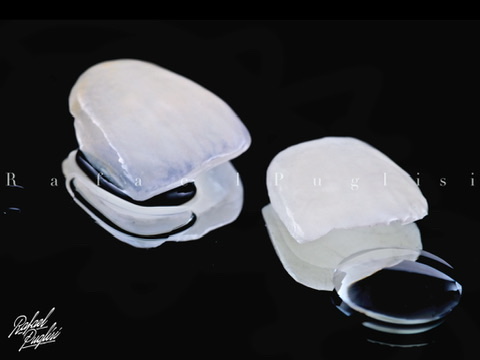 Aesthetics and rehabilitation
Ultrathin dental veneers
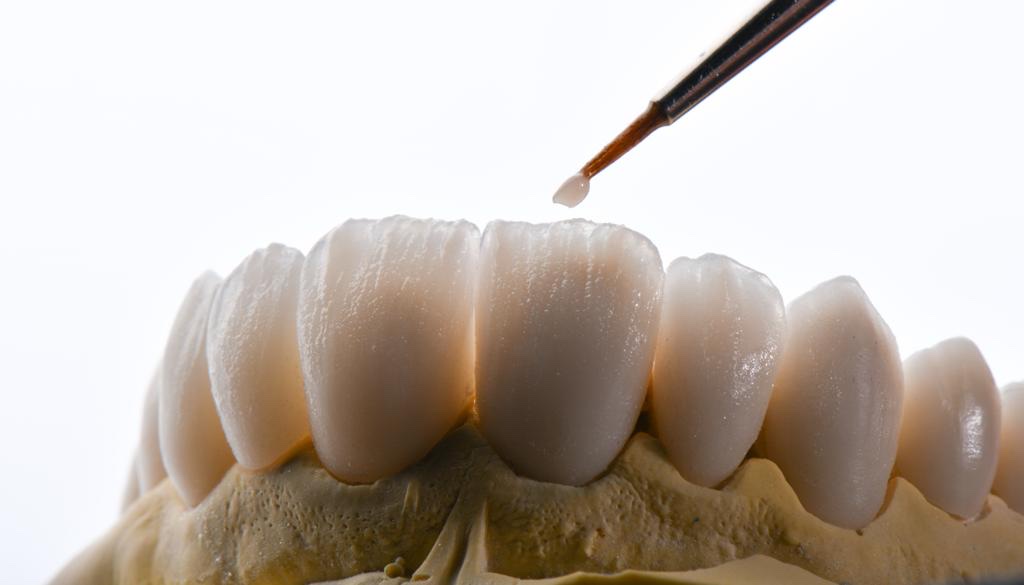 Aesthetics and rehabilitation
Porcelain veneers
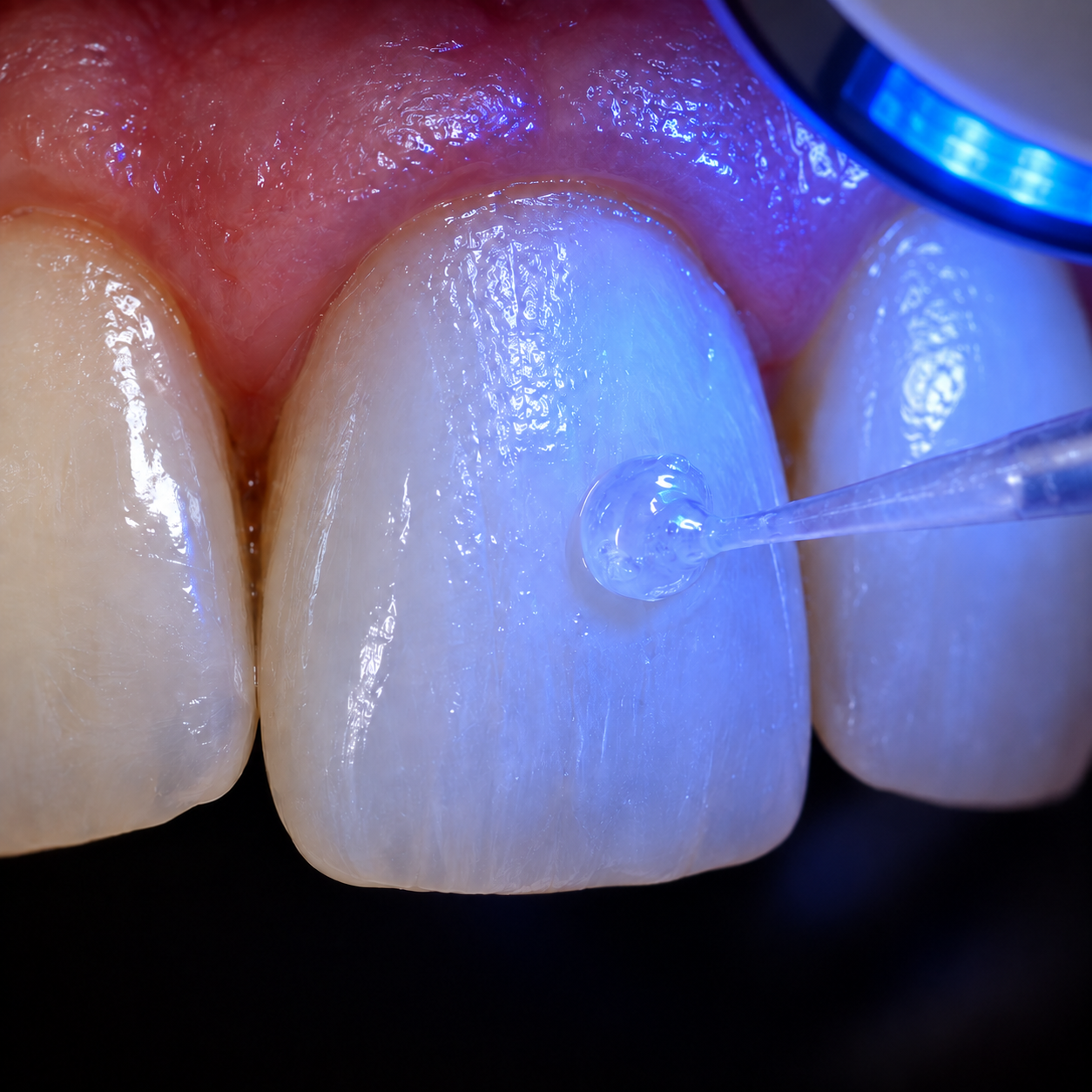 Aesthetics and rehabilitation
Teeth whitening
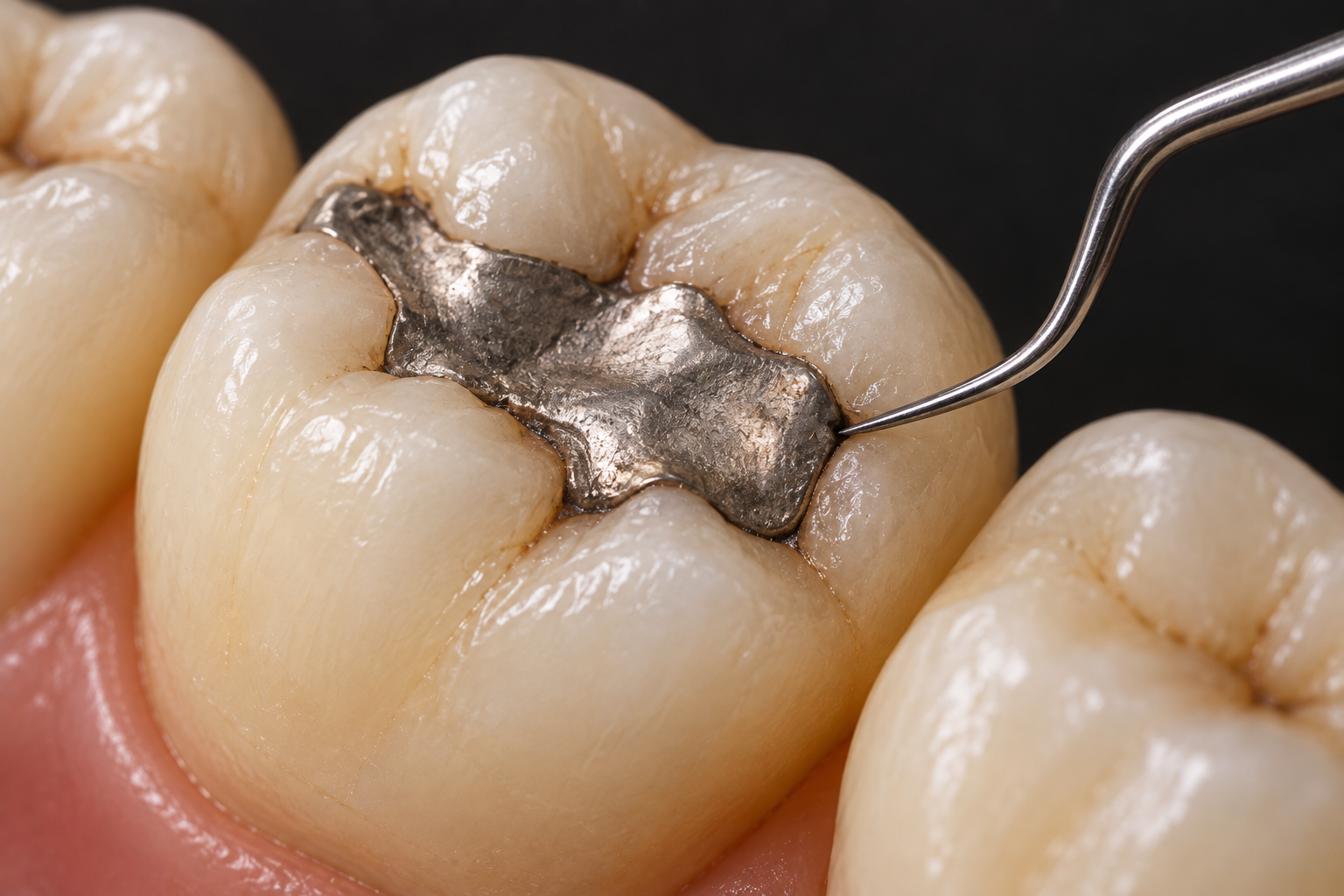 Aesthetics and rehabilitation
Replacement of old restorations
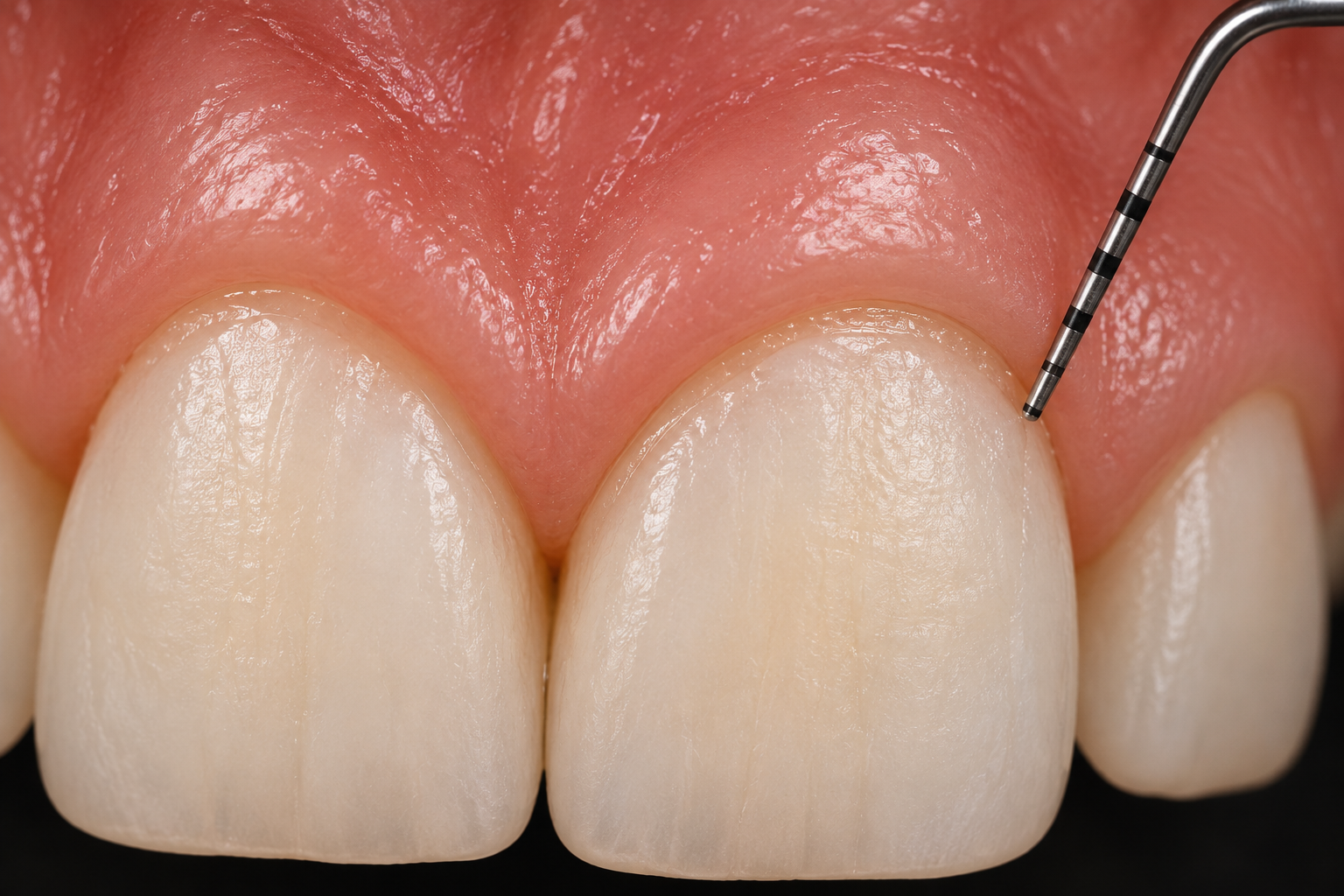 Aesthetics and rehabilitation
Gum surgery
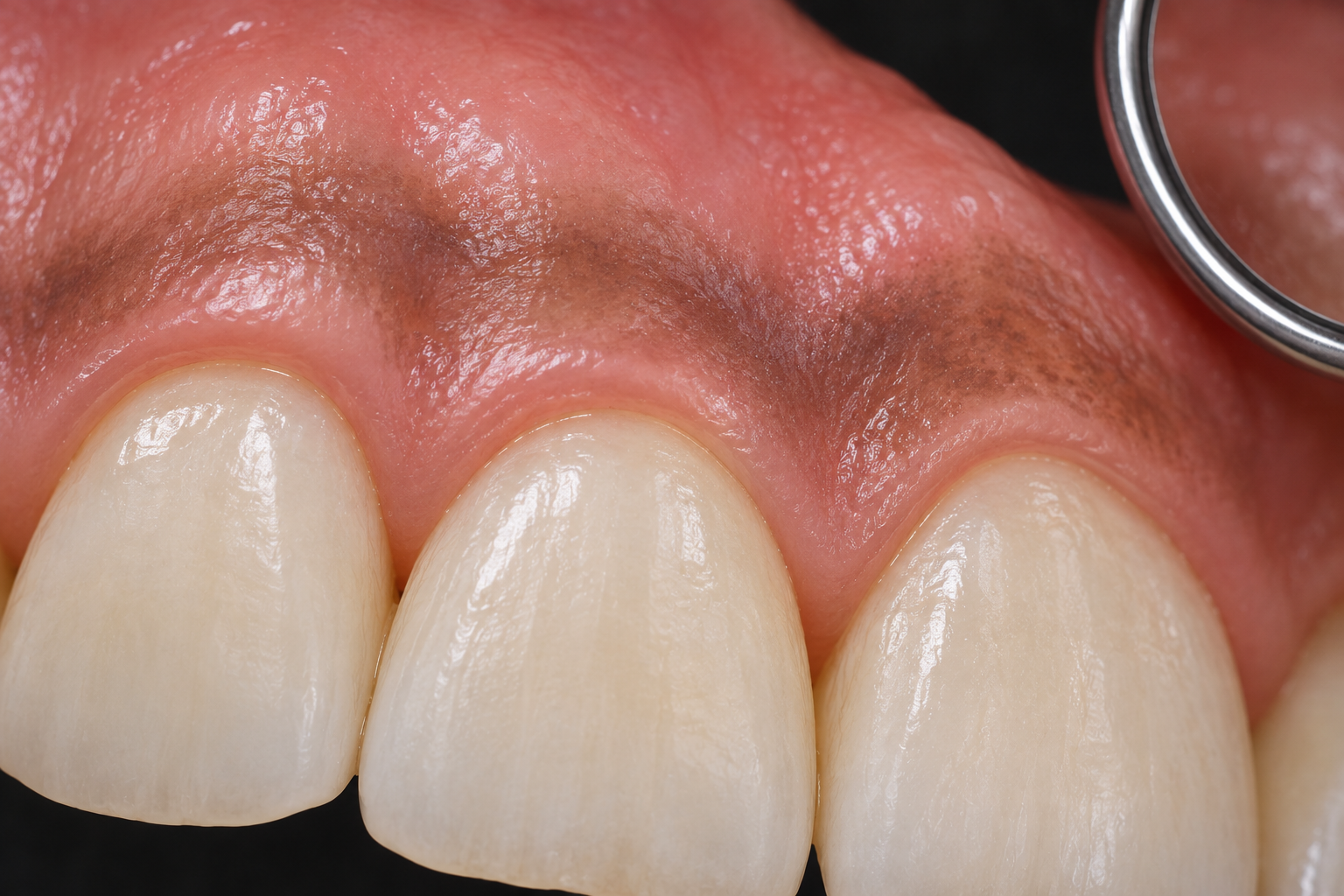 Aesthetics and rehabilitation
Gum depigmentation
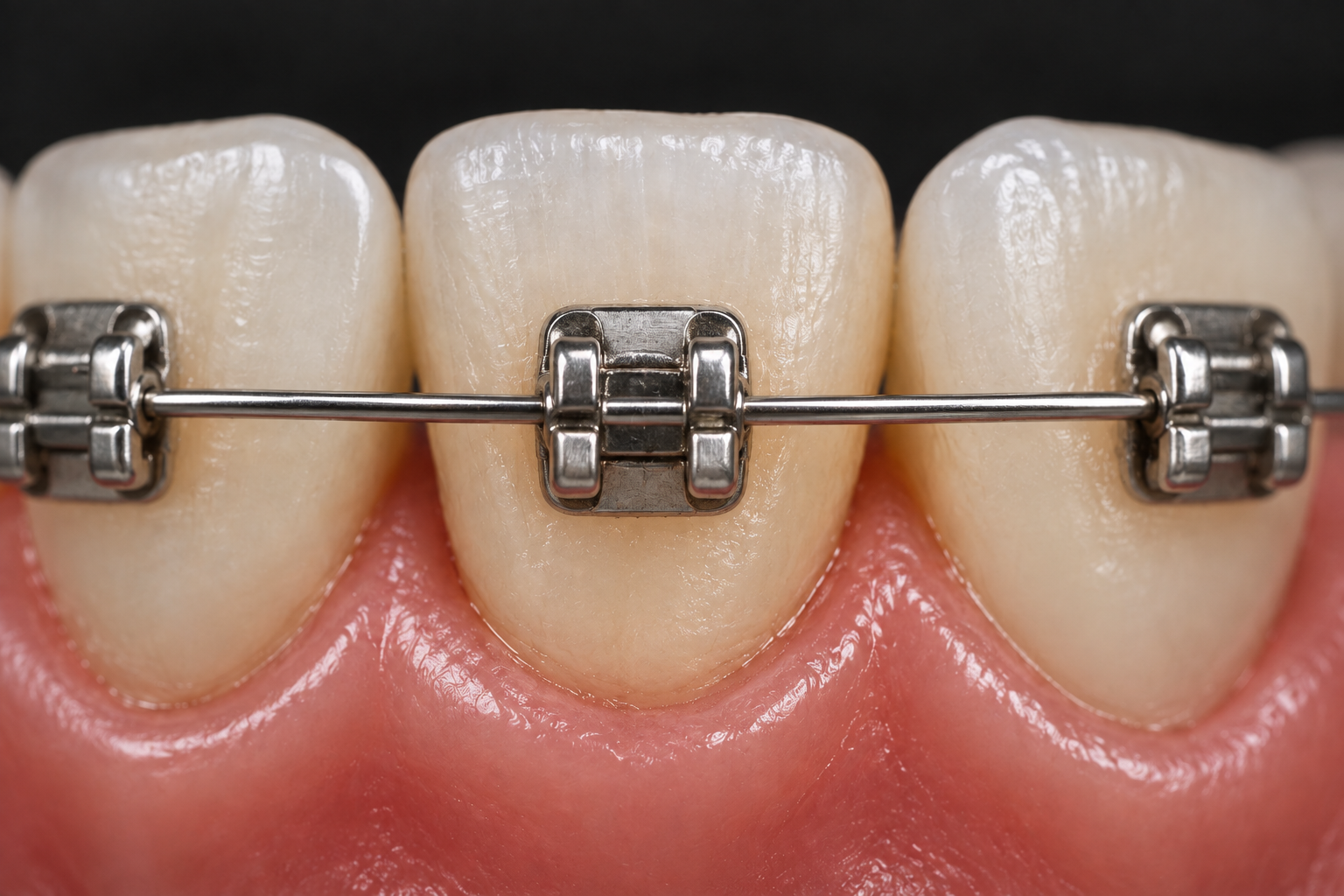 Orthodontics and function
Fixed braces
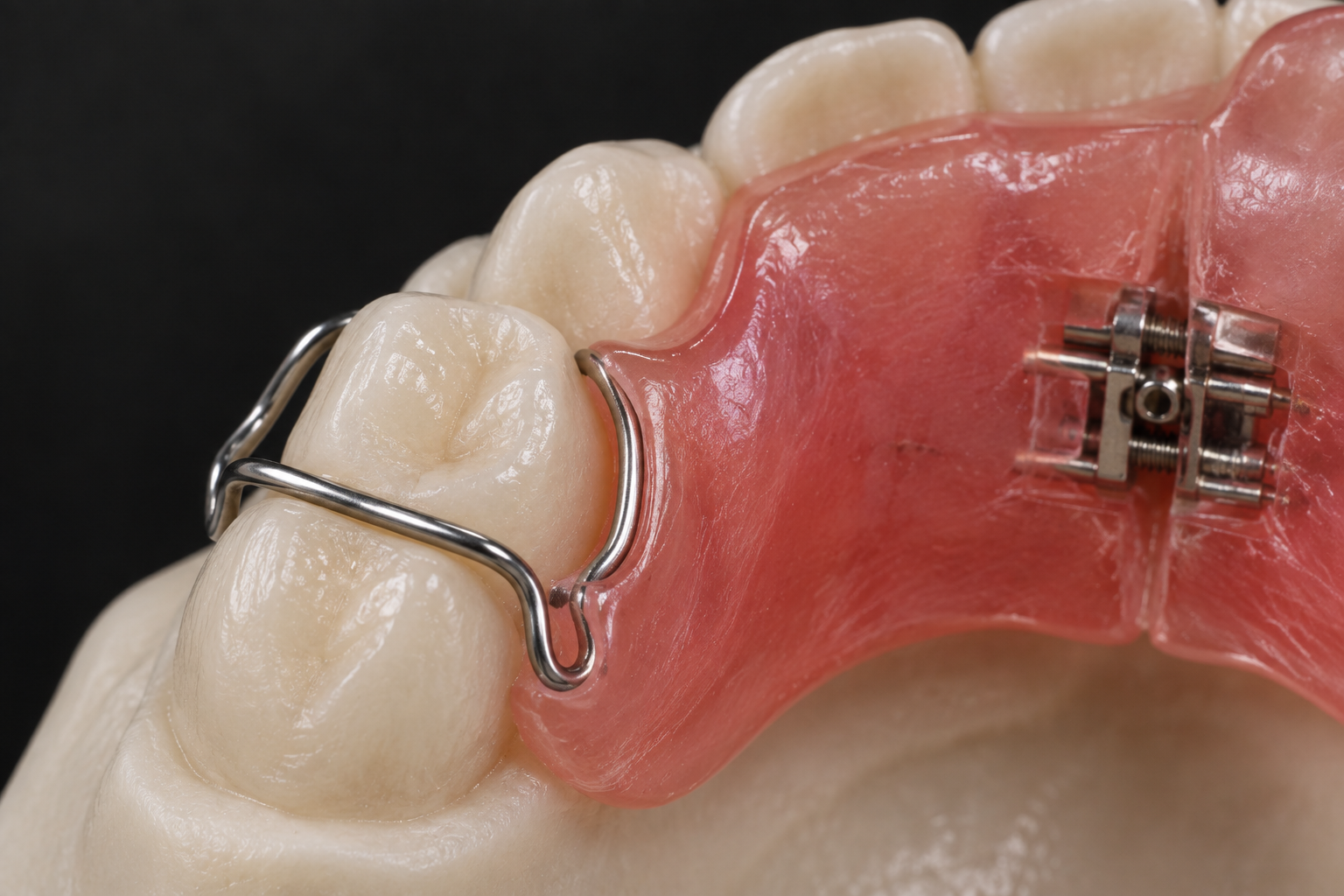 Orthodontics and function
Removable orthodontic appliances
 Orthodontics and function
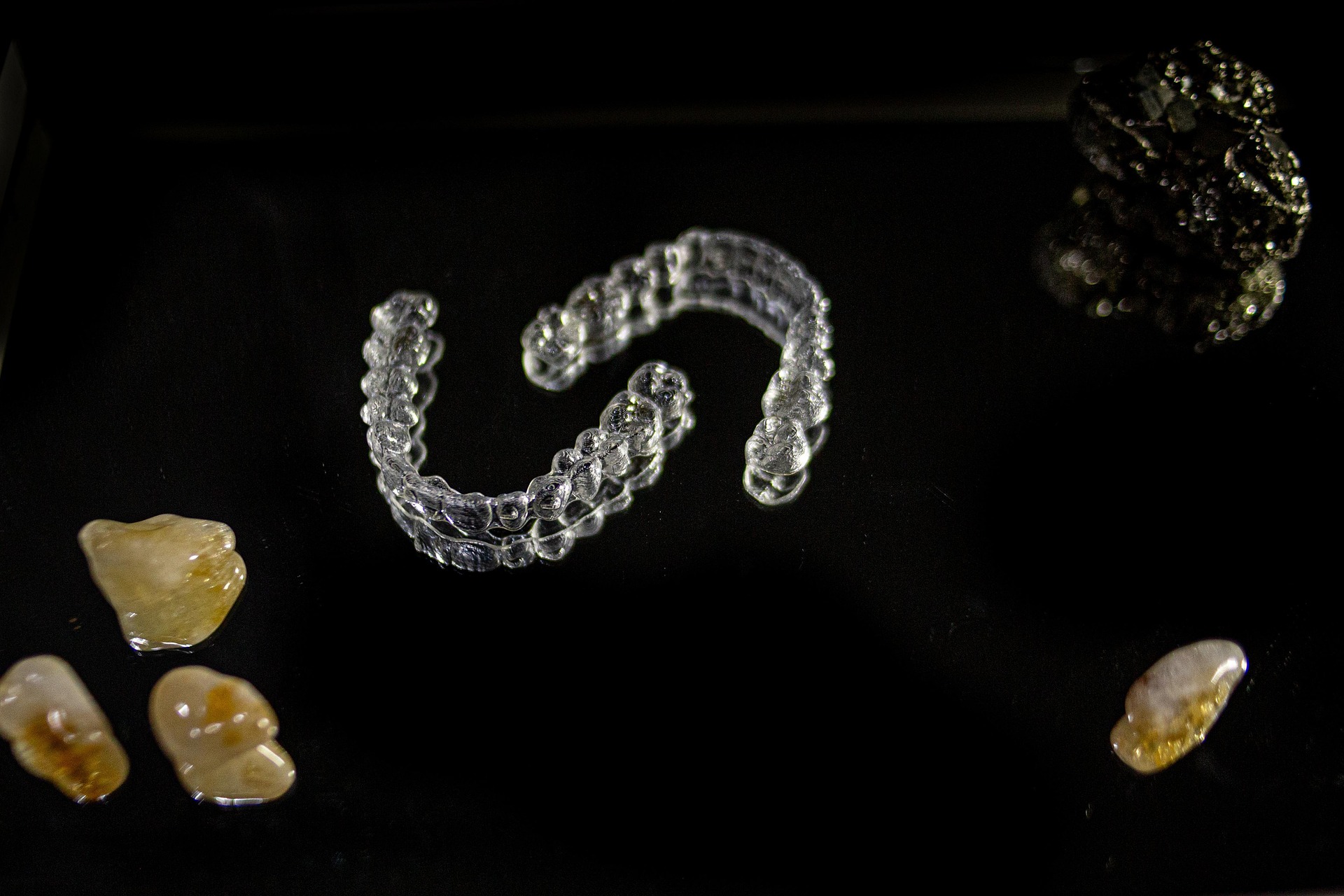
Invisalign and Puglisi Aligner
 Orthodontics and function
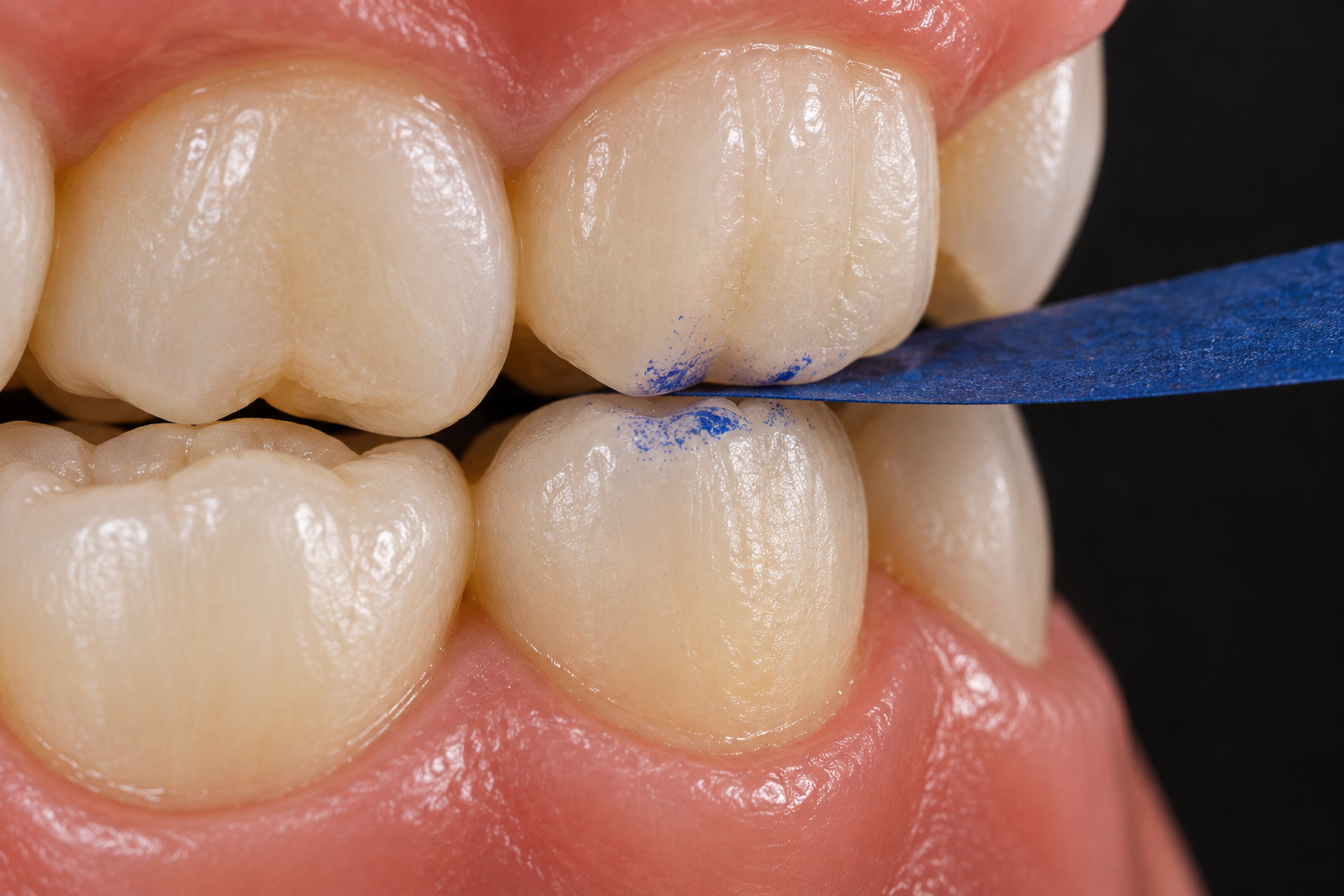
Bite correction
 Orthodontics and function
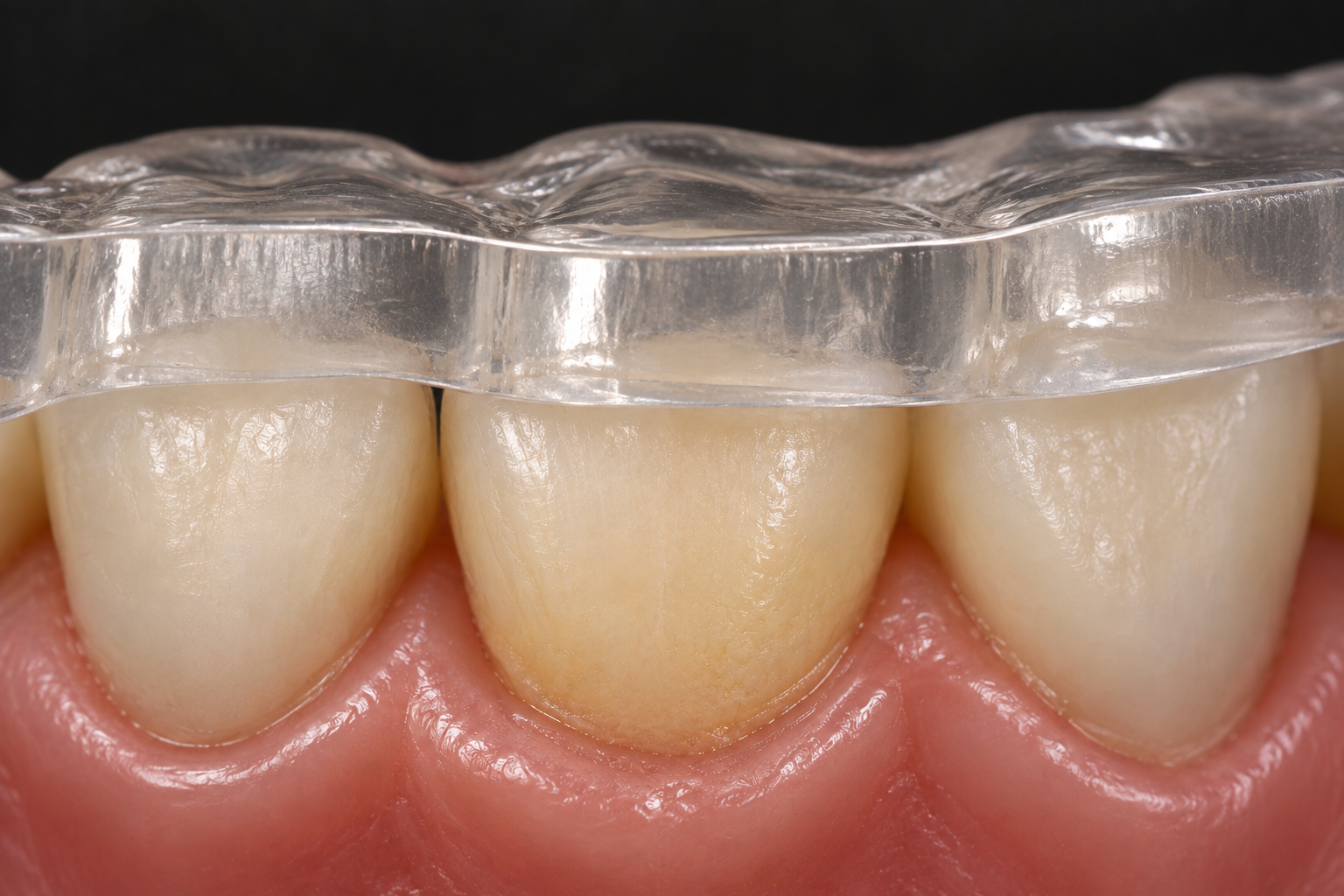
Occlusal splint
 Orthodontics and function
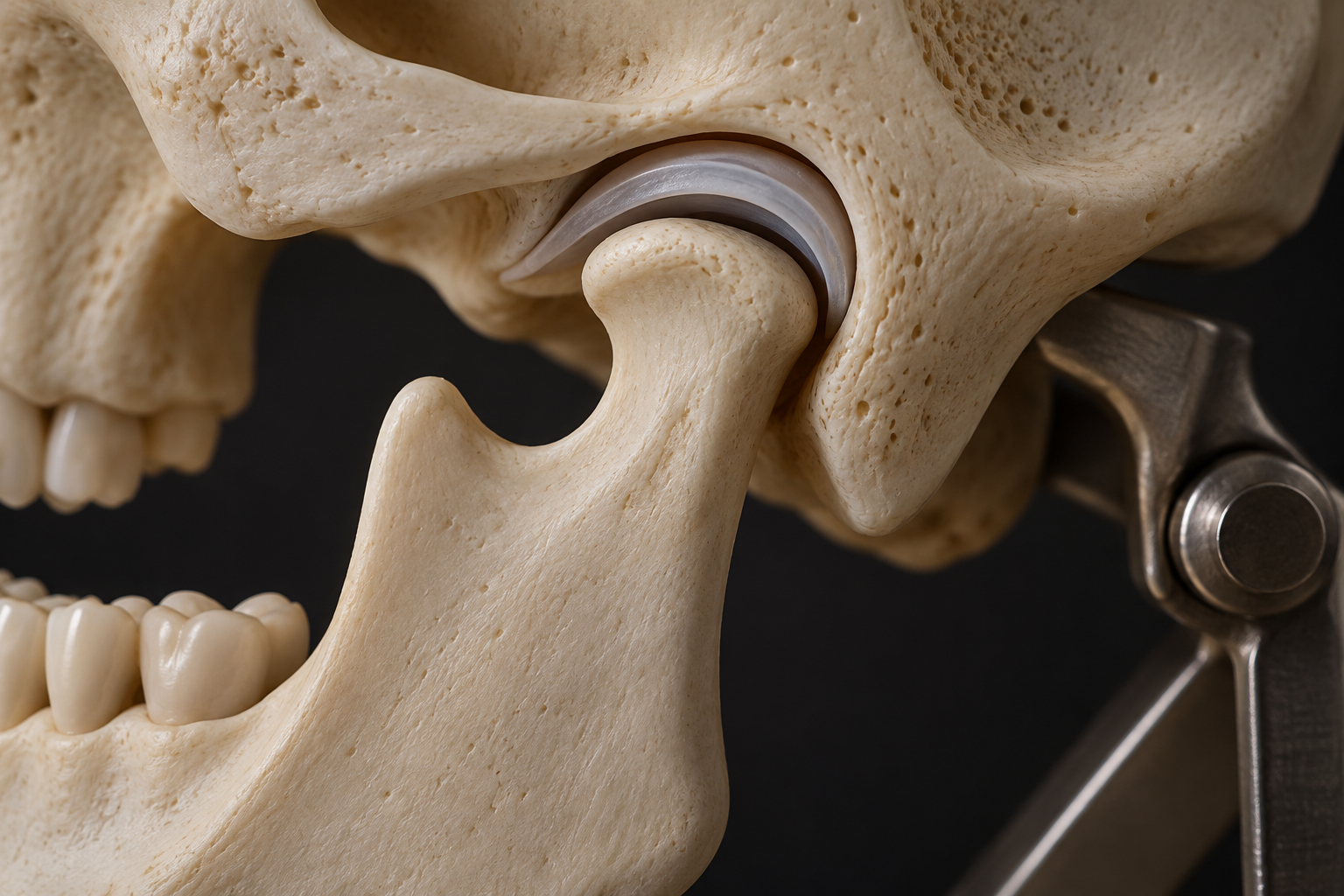
Jaw joint treatments
 Implants and surgery
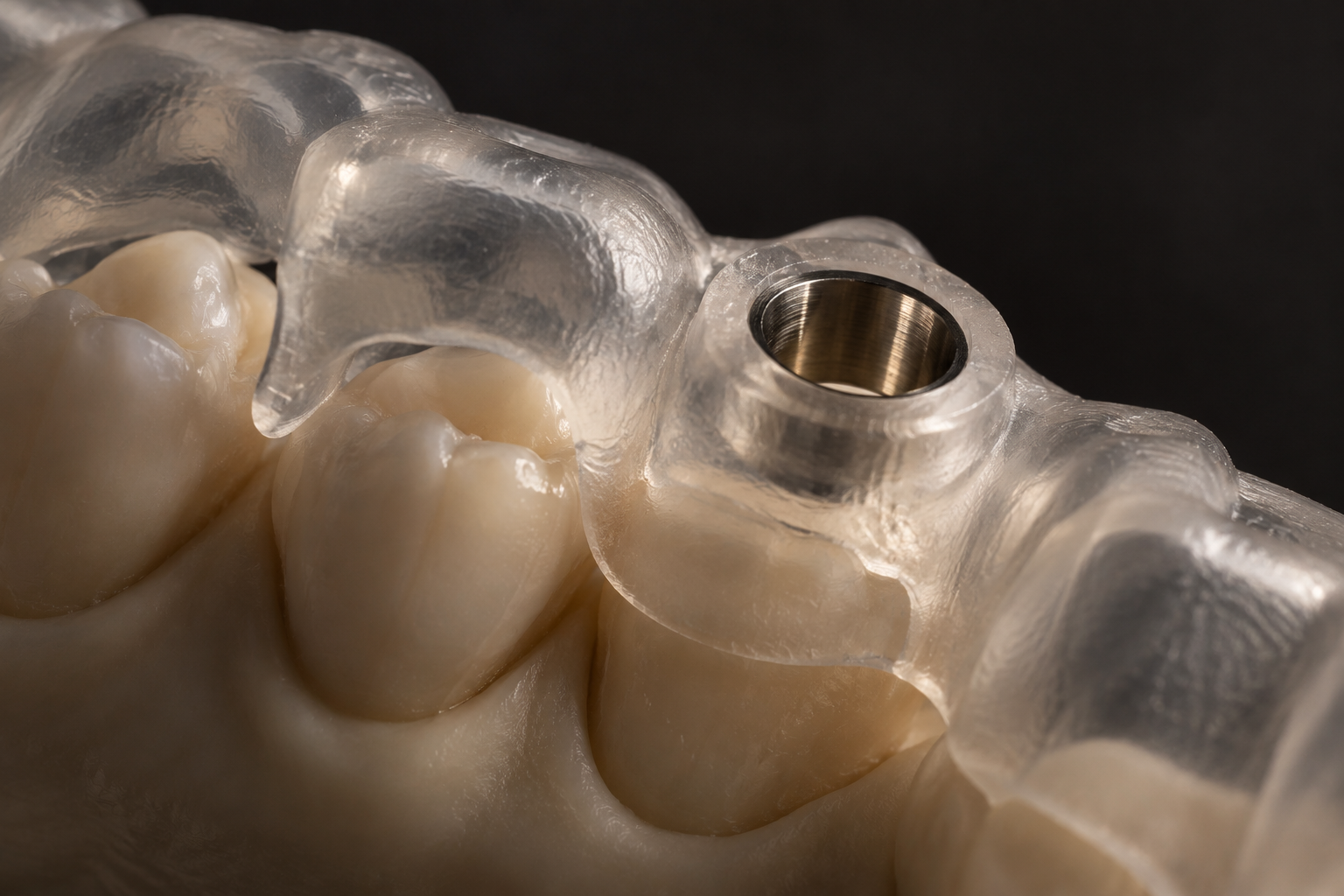
Implants and guided surgery
 Implants and surgery
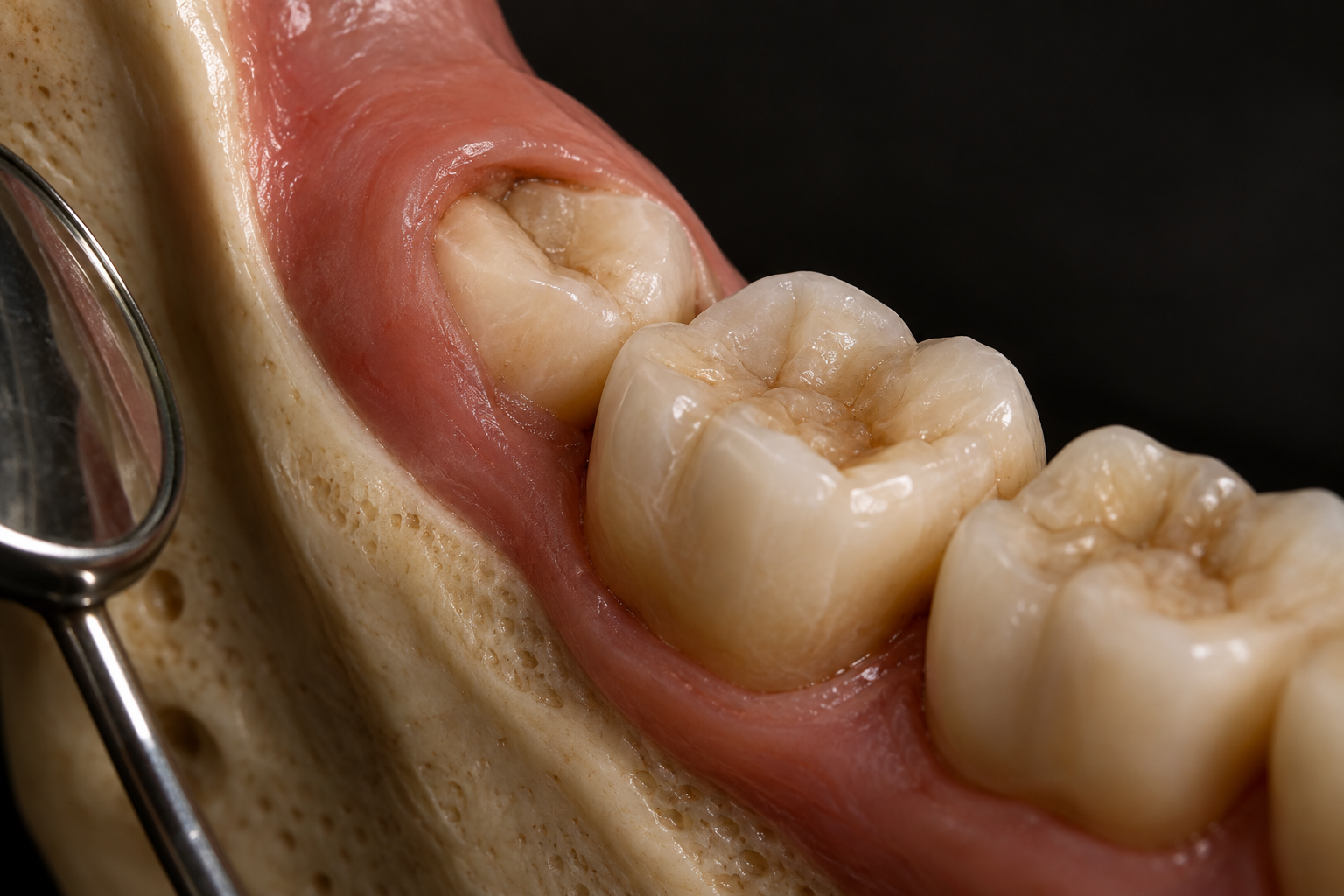
Wisdom tooth removal
 Implants and surgery
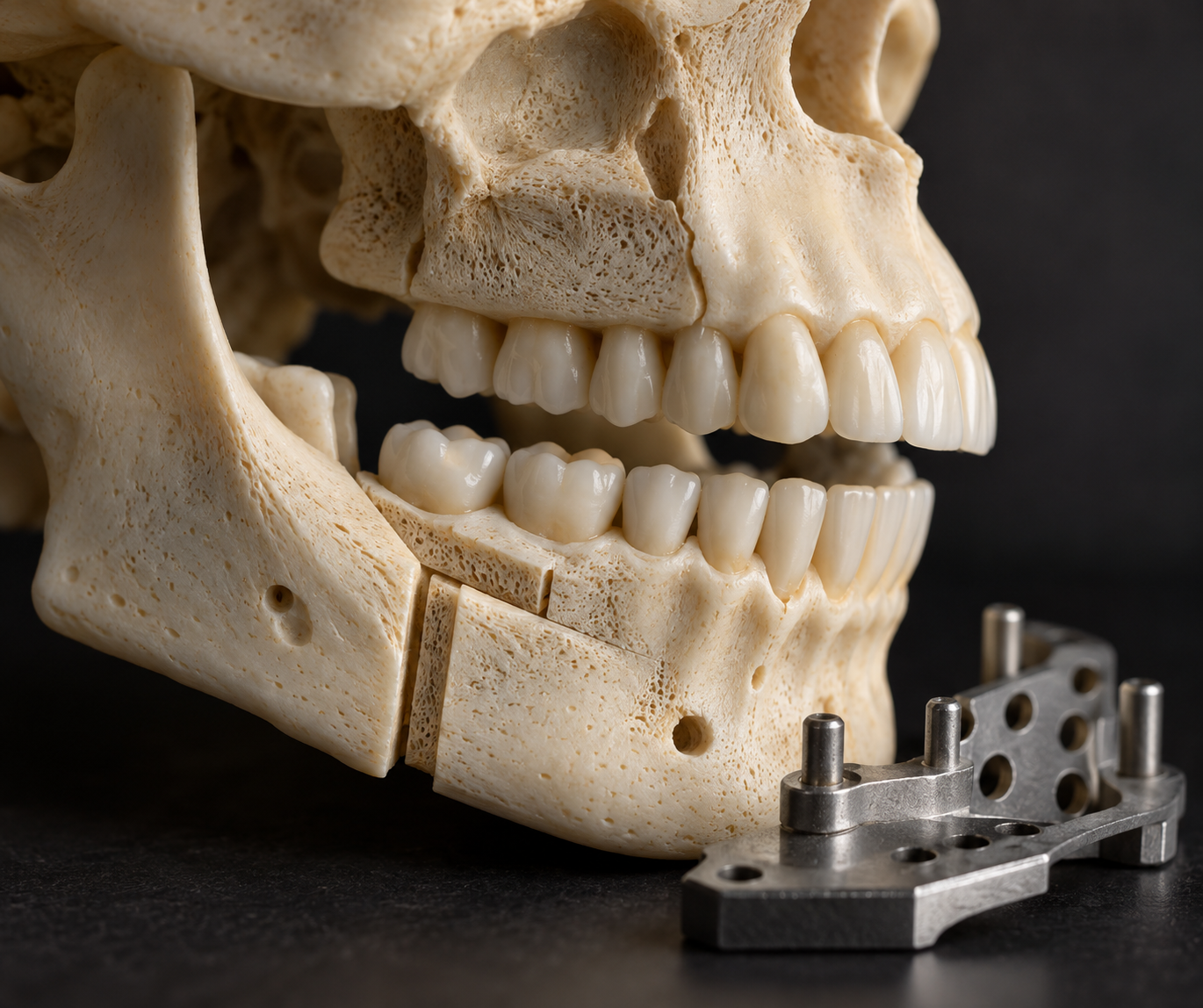
Orthognathic surgery
 Health and prevention
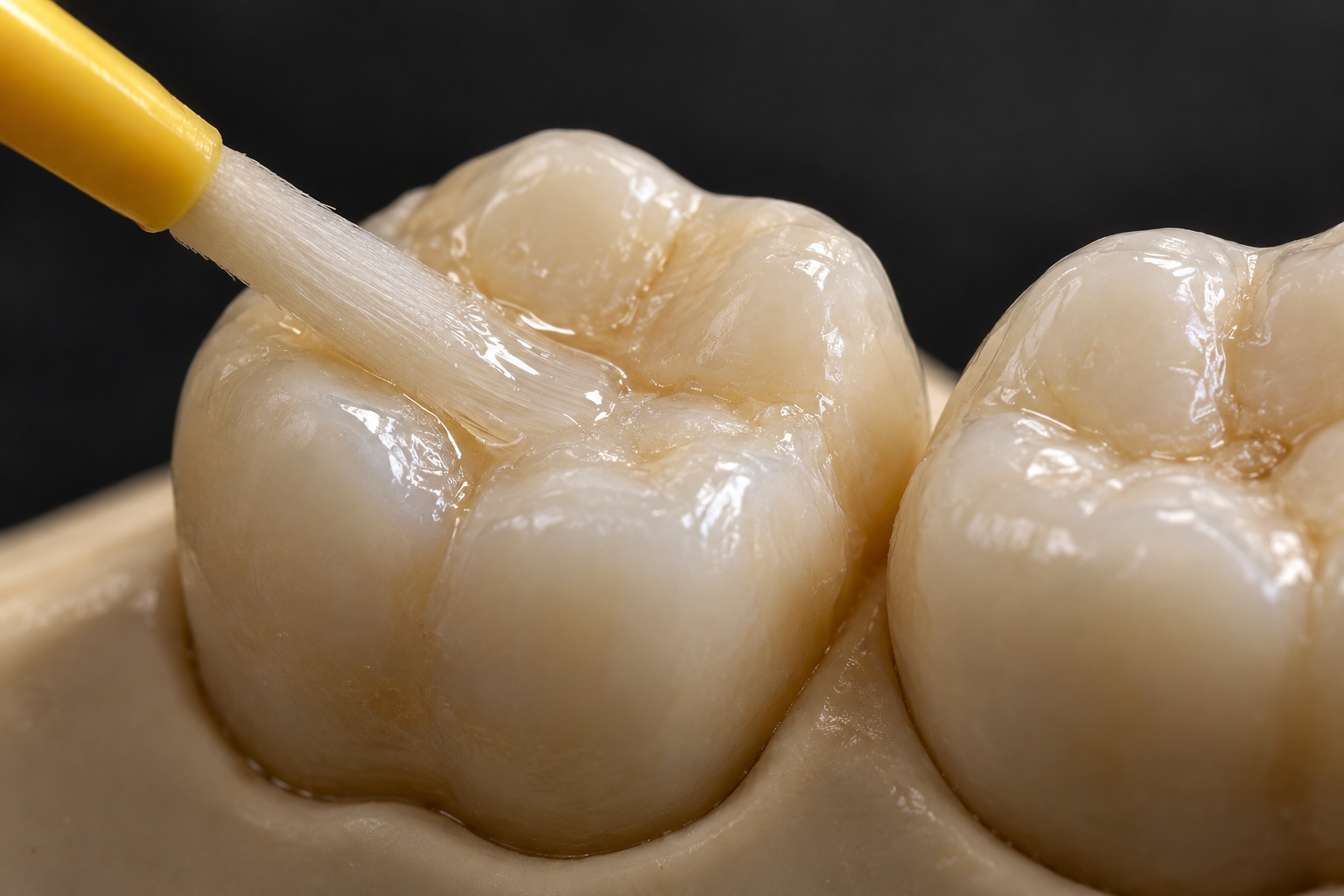
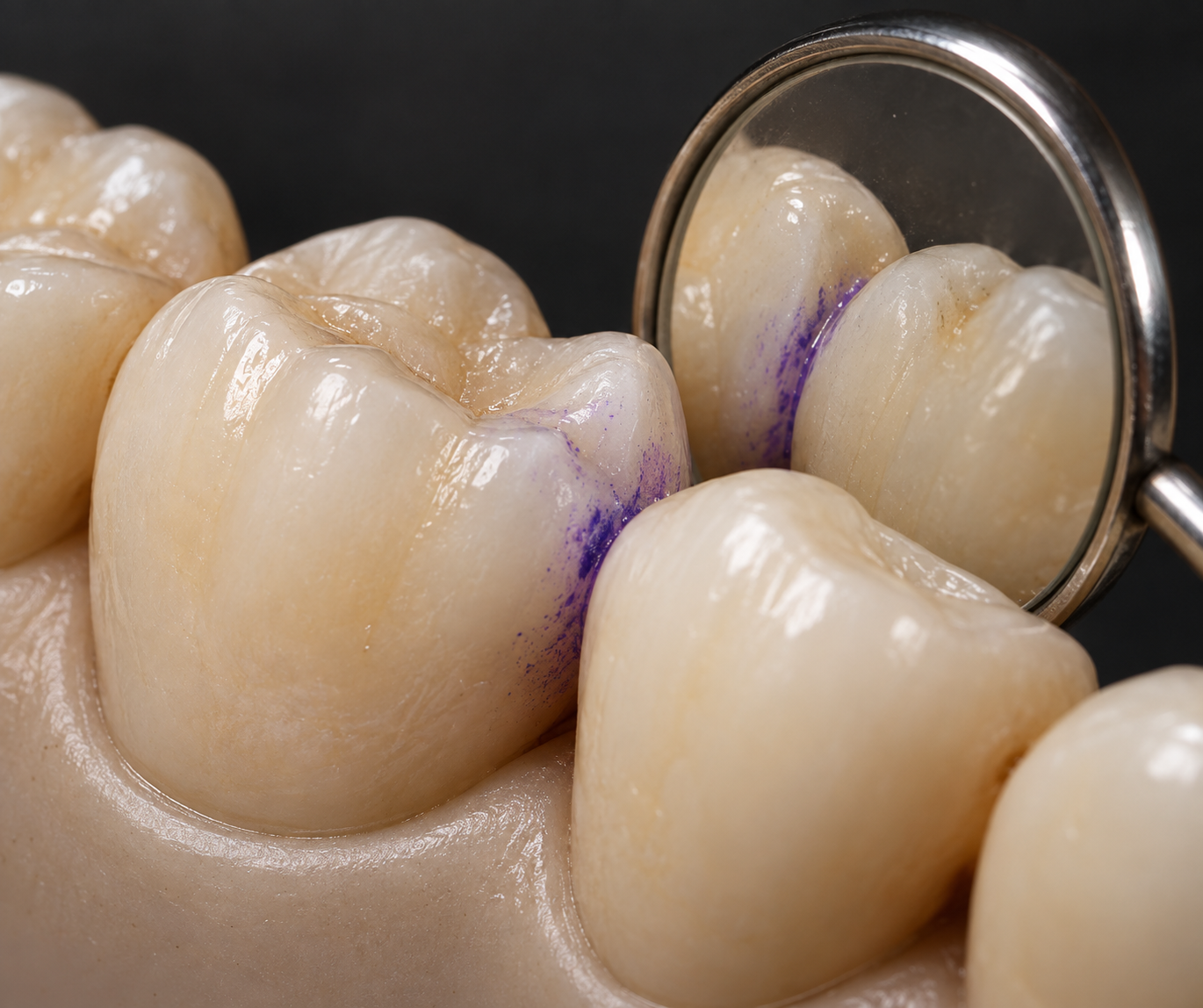
Fluoride application
 Health and prevention
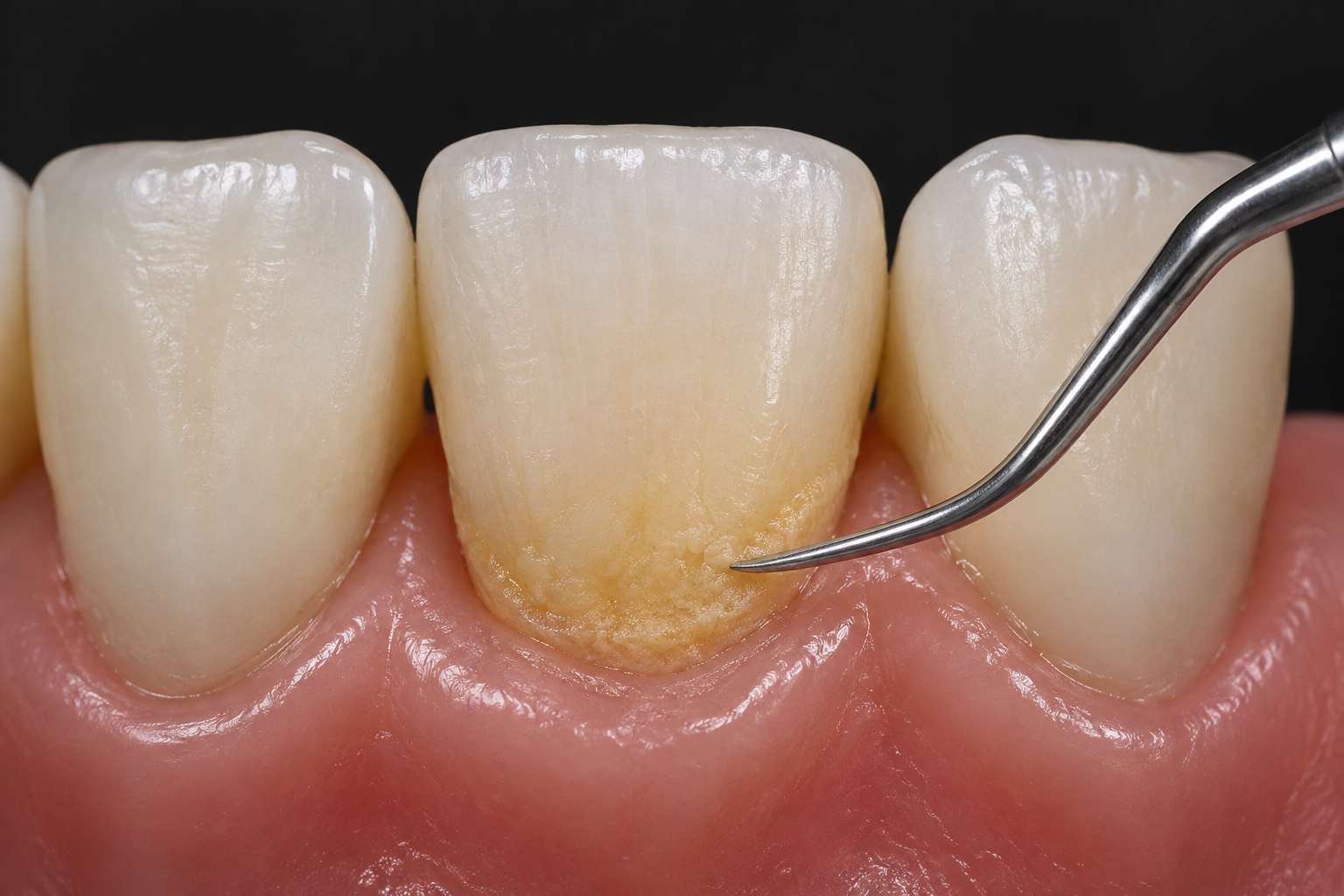
Tartar control
 Health and prevention
Tartar removal
 Health and prevention
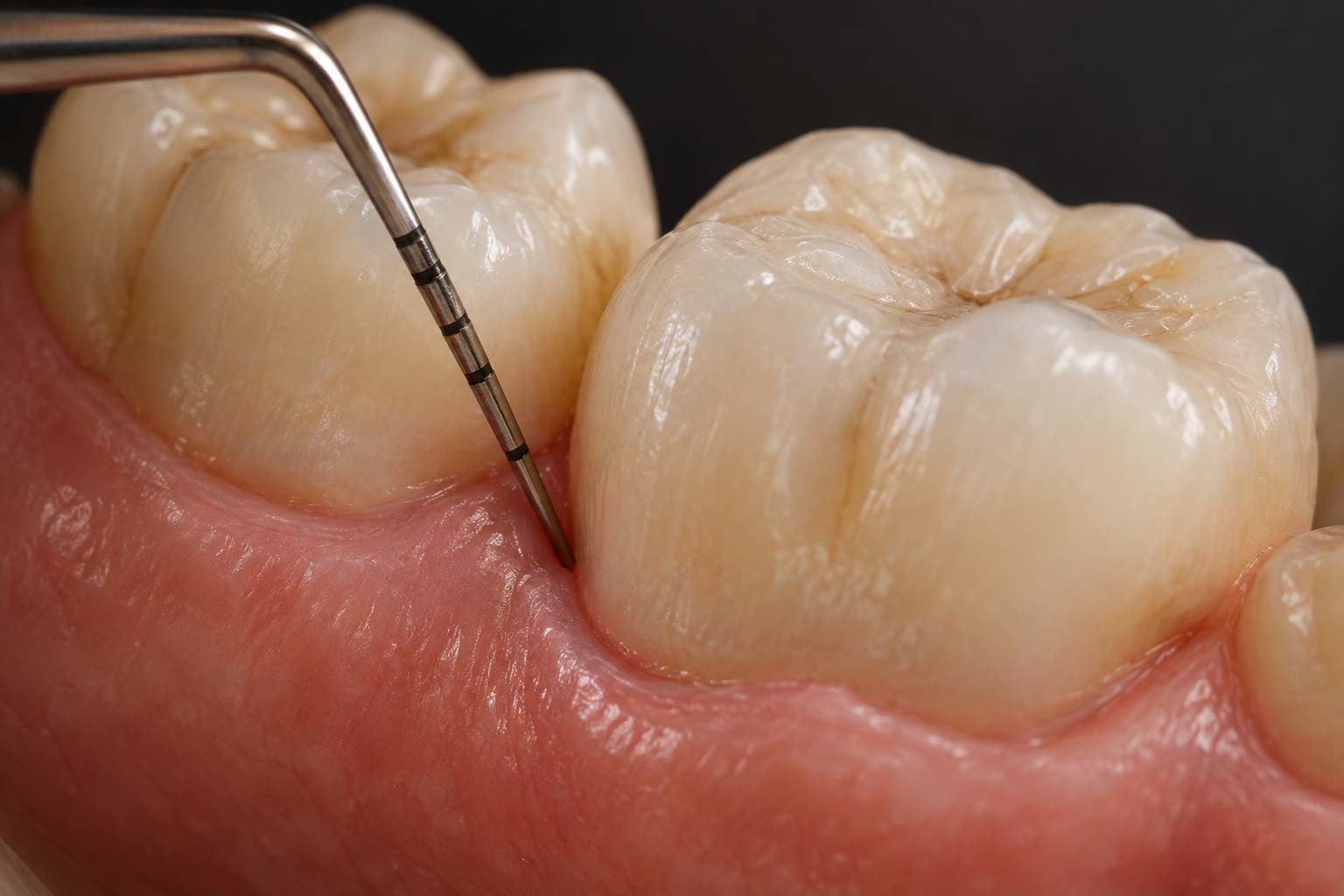
Periodontics
 Health and prevention
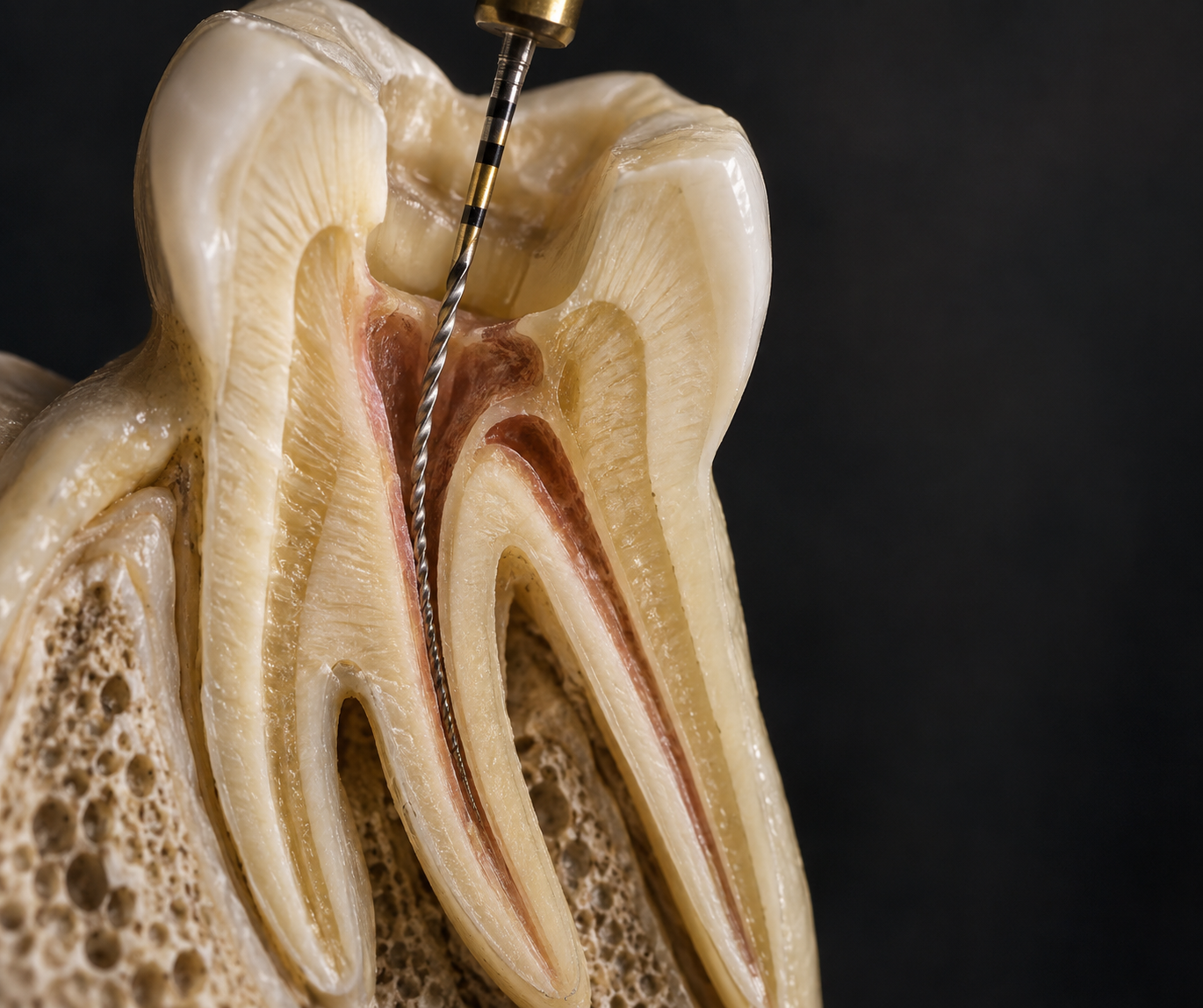
Root canal treatment
 Health and prevention
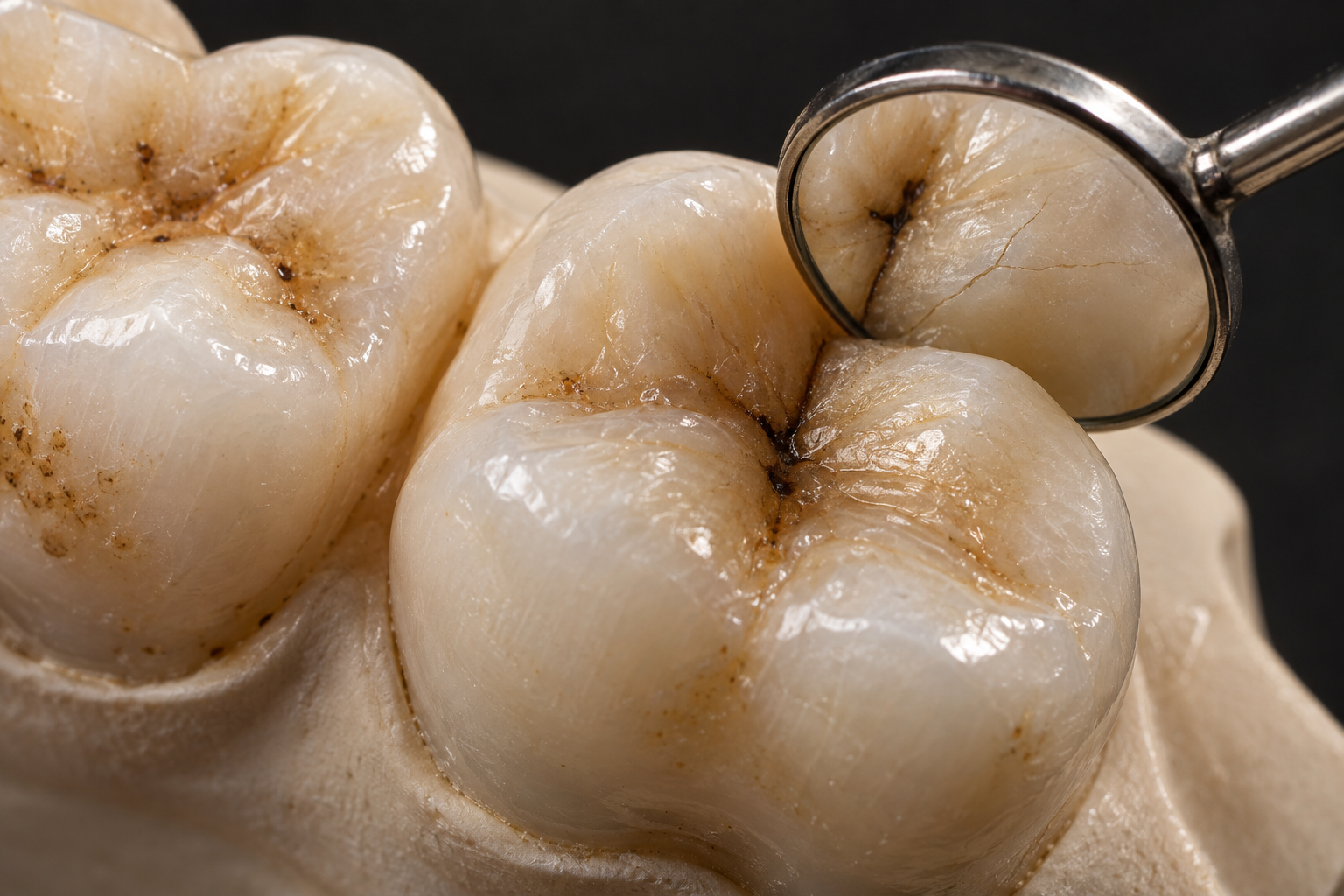
Tooth decay, stains and cracks
 Health and prevention
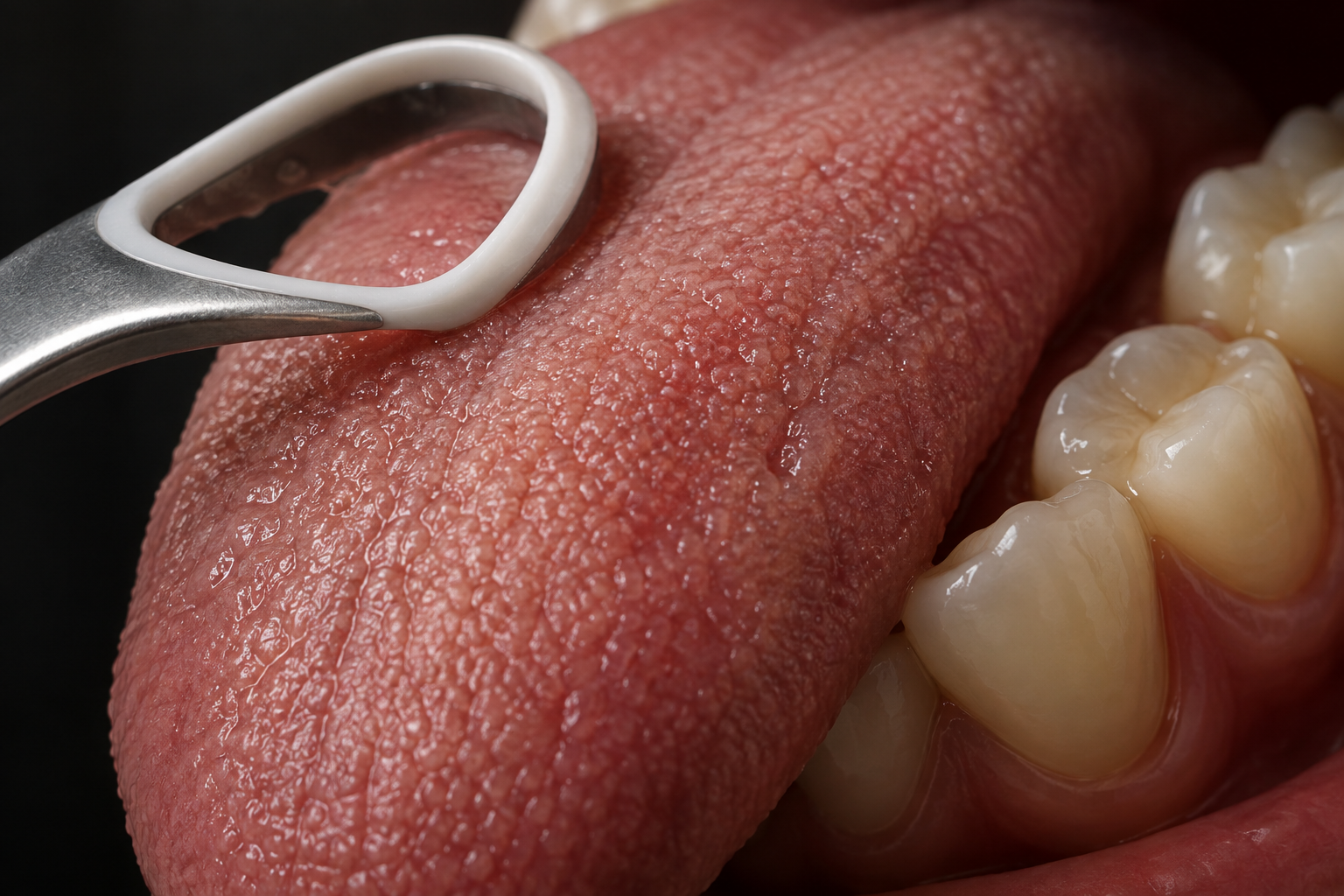
Bad breath treatment
Full list
Aesthetics and rehabilitation
Orthodontics and function
Implants and surgery
Health, prevention and family care
How we care for you
It begins with understanding the person, what they are looking for and what their smile needs. From there, the Instituto brings professionals, clinical care and the laboratory together so that health, function and aesthetics are considered as a whole.
Book an assessment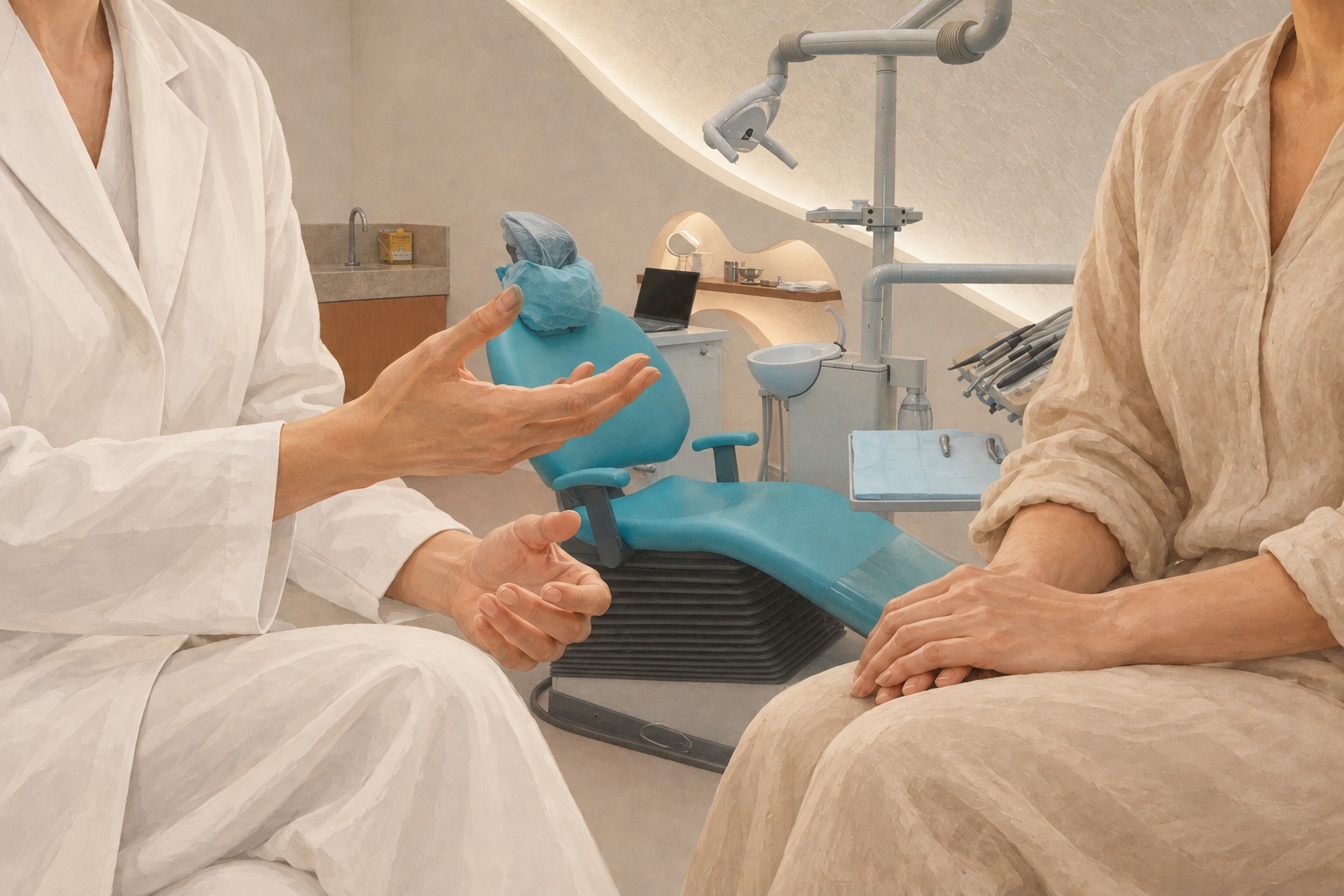 Listening
Concerns, history, expectations and priorities.
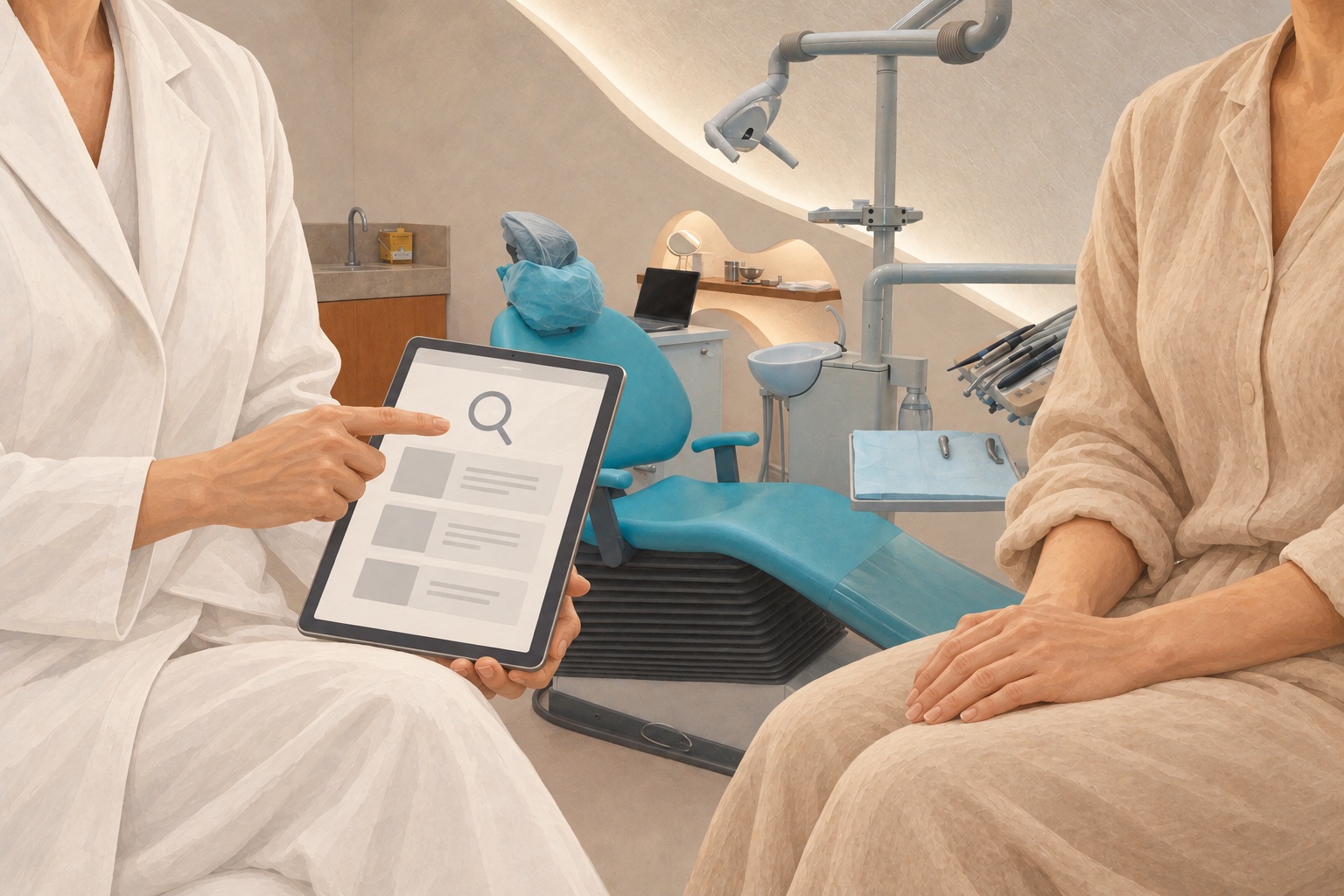 Diagnosis
Examinations and a shared assessment across different disciplines.
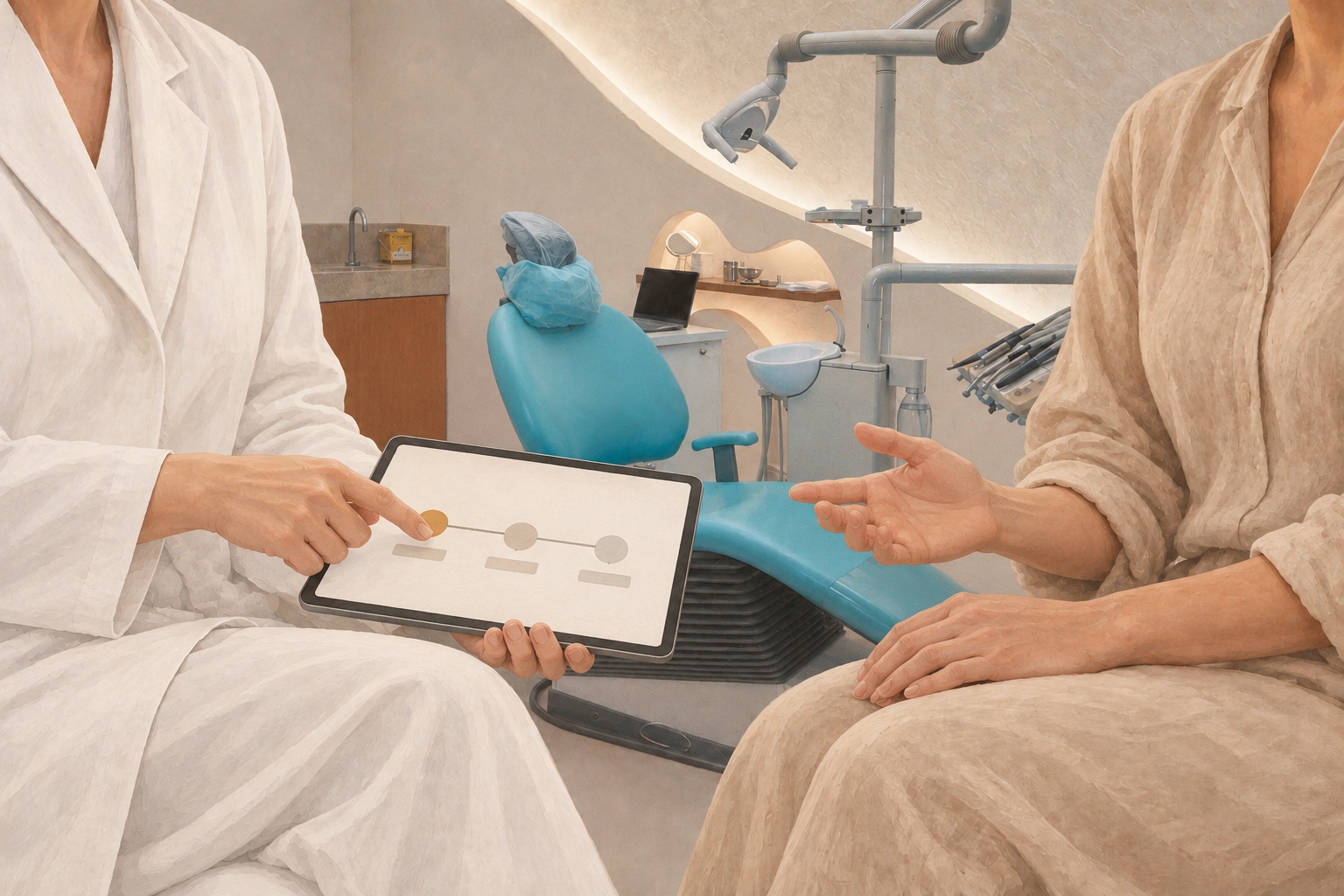 Planning
A clinical approach the patient can understand.
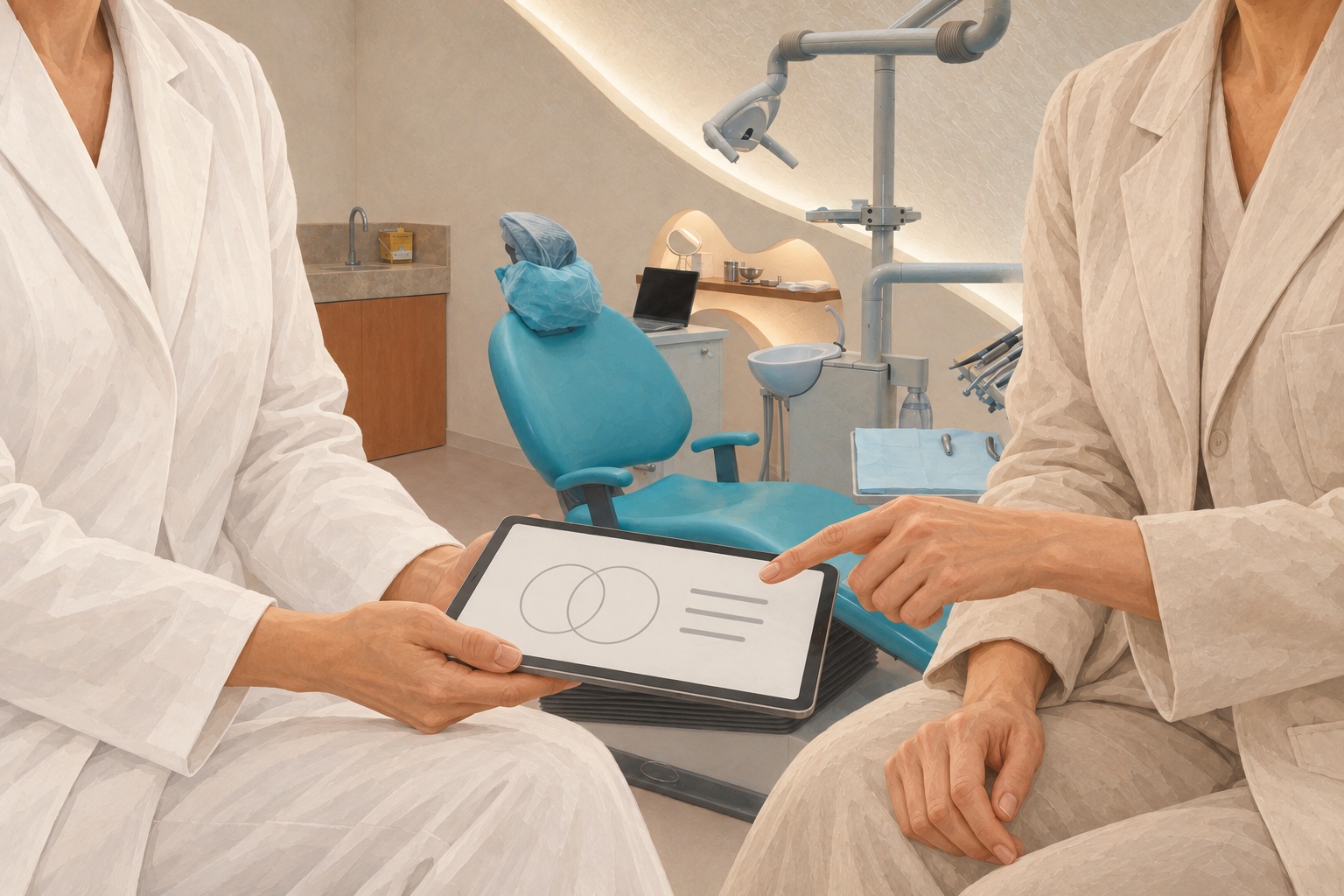 Integration
Specialists and laboratory working together at every stage.
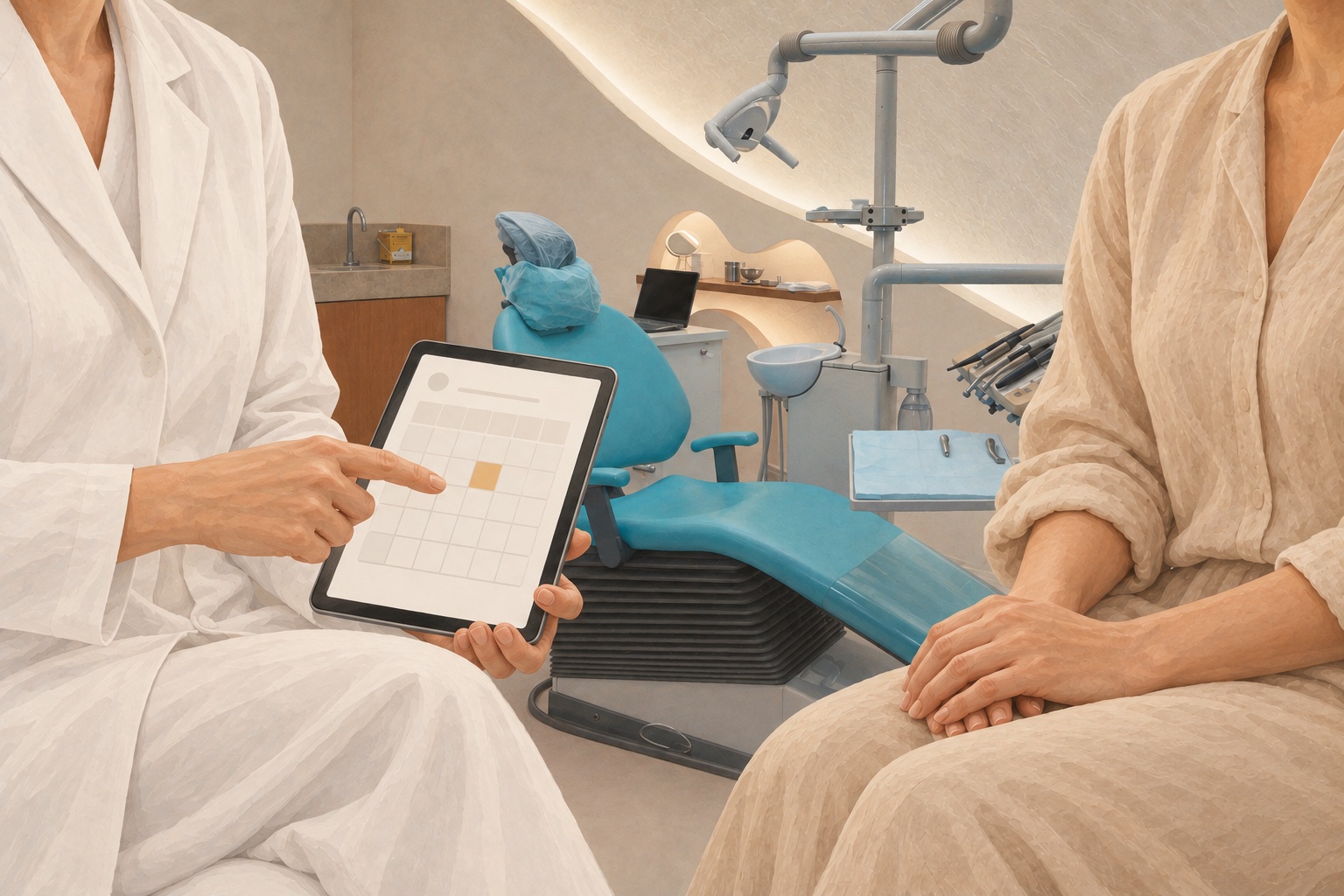 Follow-up
Support before, during and after treatment.
AI-generated illustrations inspired by the Instituto's dental practice. Illustrative scenes.
Integrated care
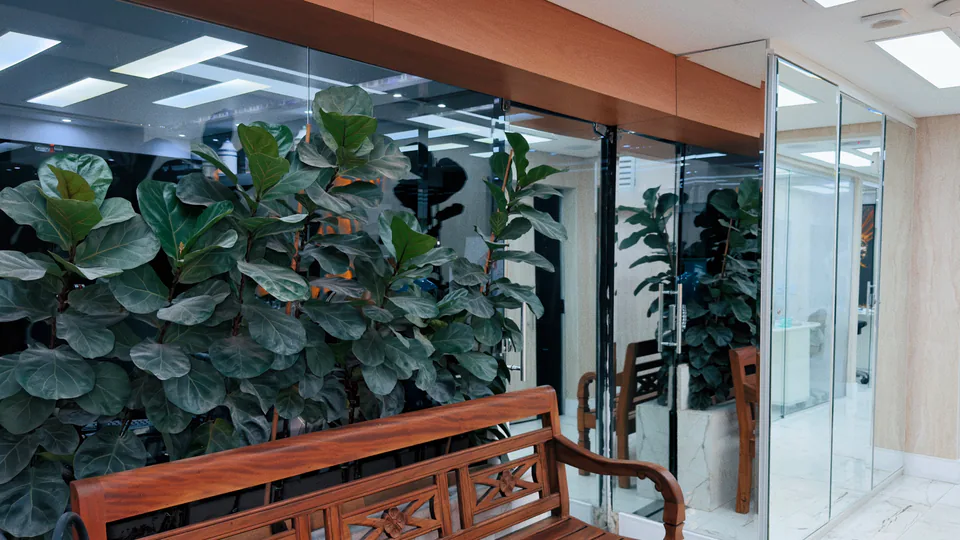
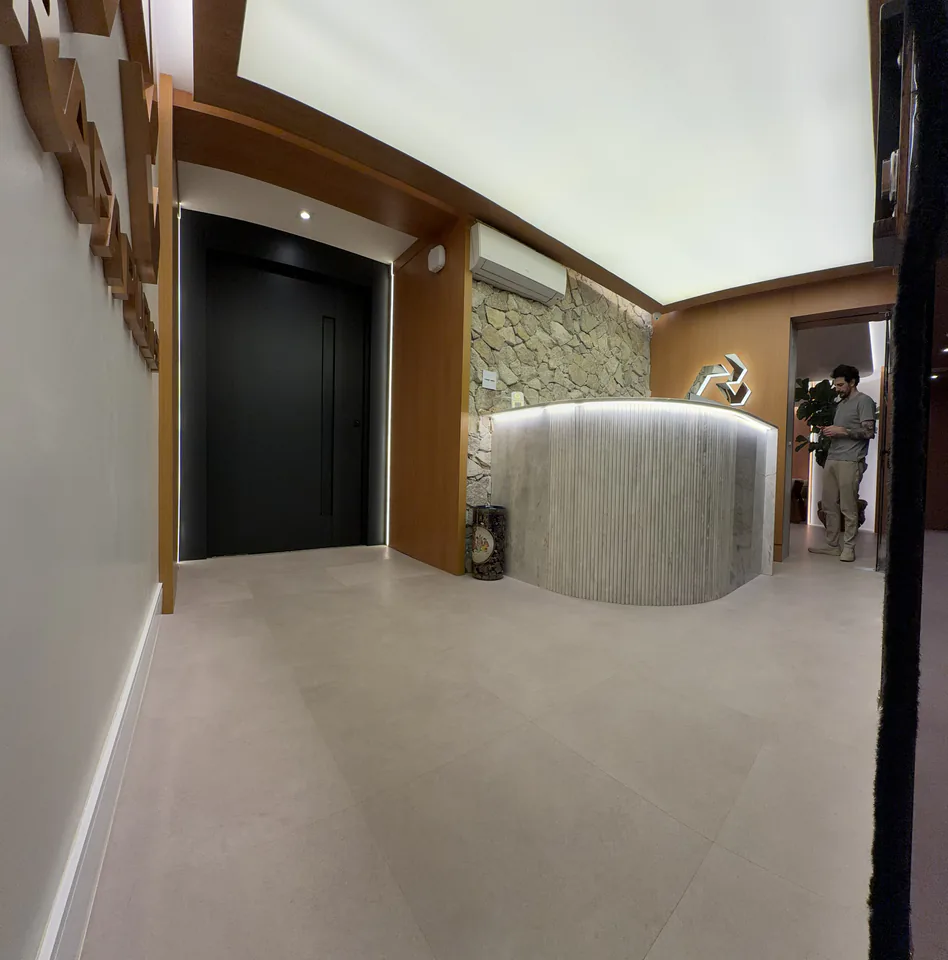
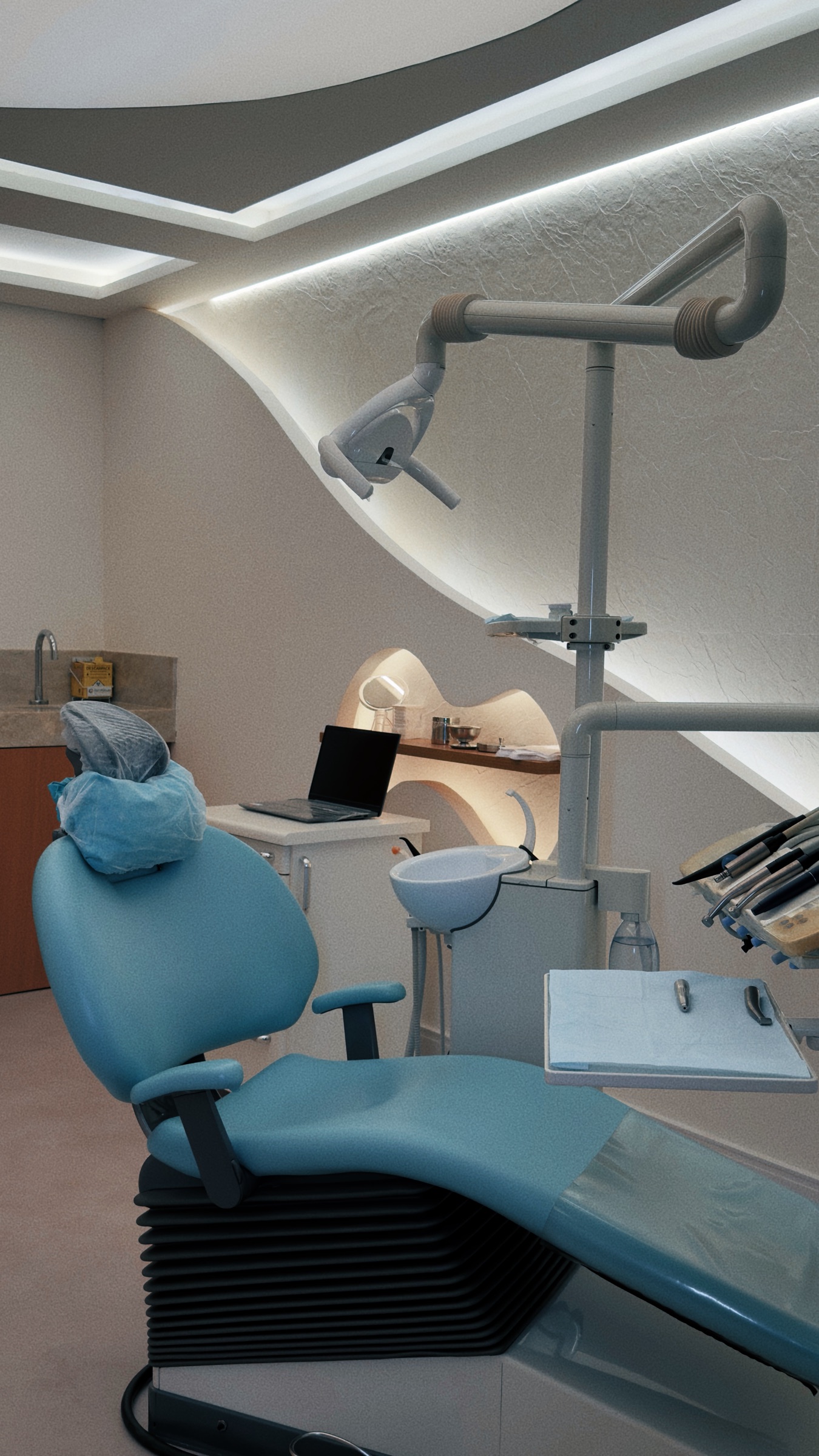
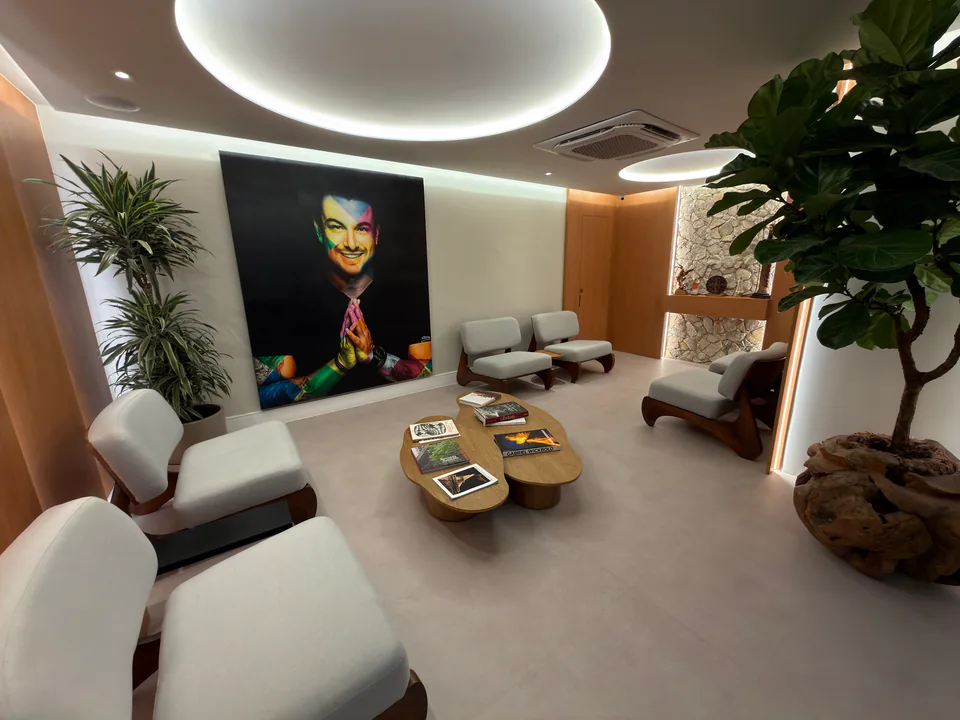
Across more than 400 m², seven consulting rooms and an integrated in-house laboratory bring different stages of care together at the same address. Discover the Instituto.
A history in dentistry dating back to 1923. Discover the Instituto's history.
General dentistry and prevention, Paediatric dentistry, Orthodontics and aligners, Dental aesthetics, Endodontics, Periodontics, Oral rehabilitation, Implants, Oral and maxillofacial surgery, Function and occlusion, Geriatric dentistry, Care for people with disabilities.
Spaces at the Instituto
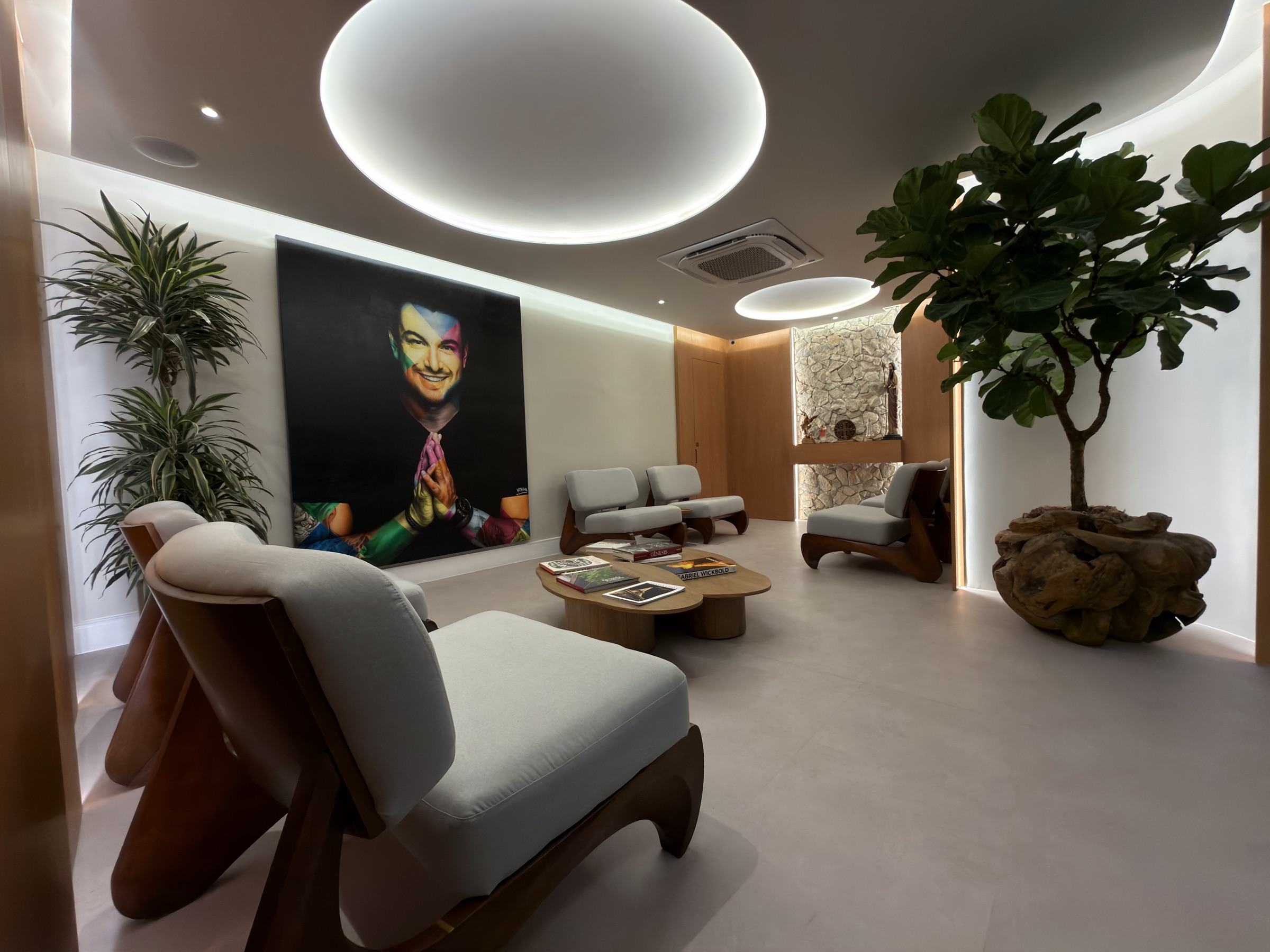
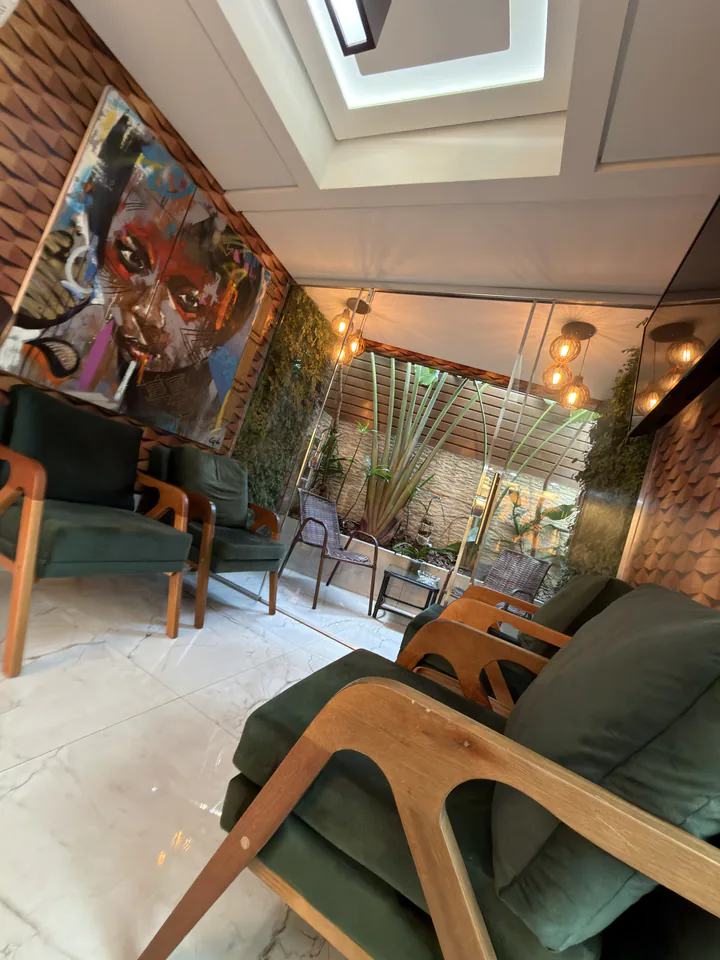
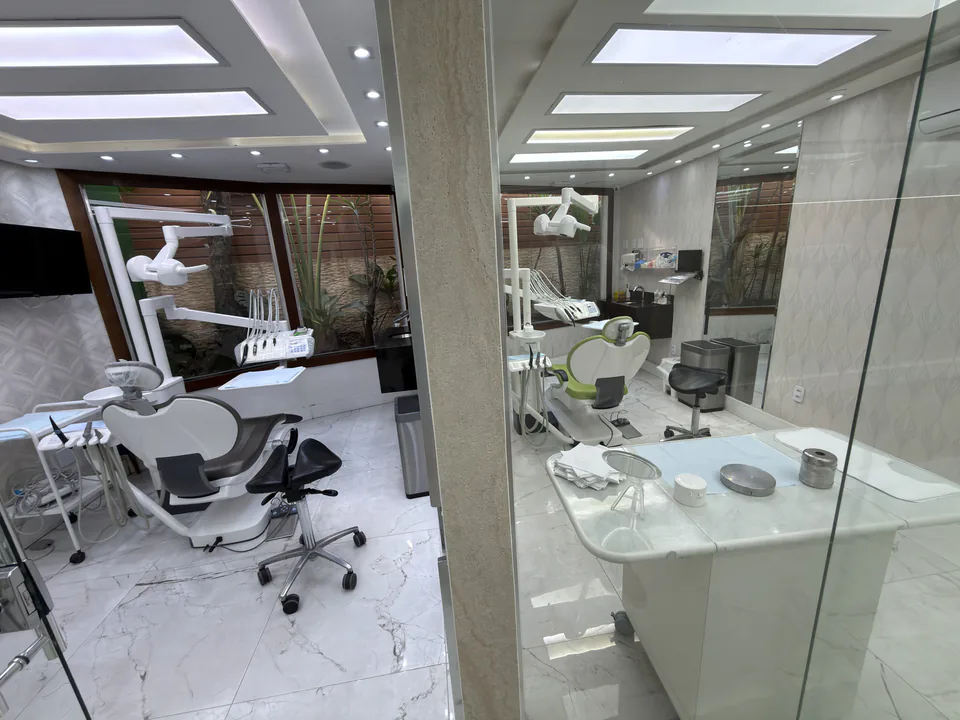
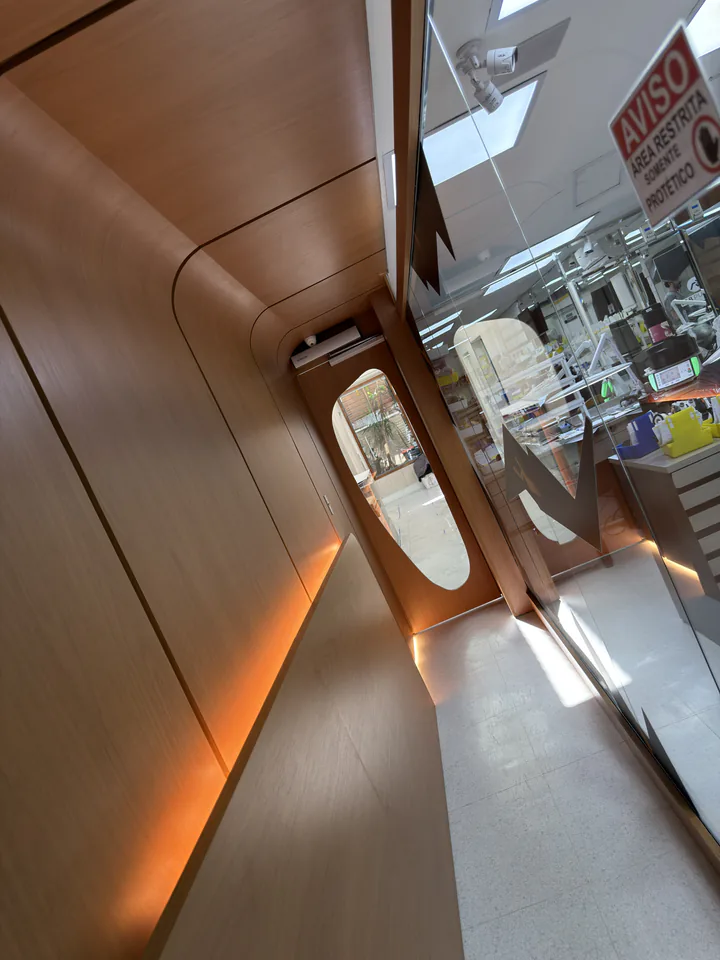
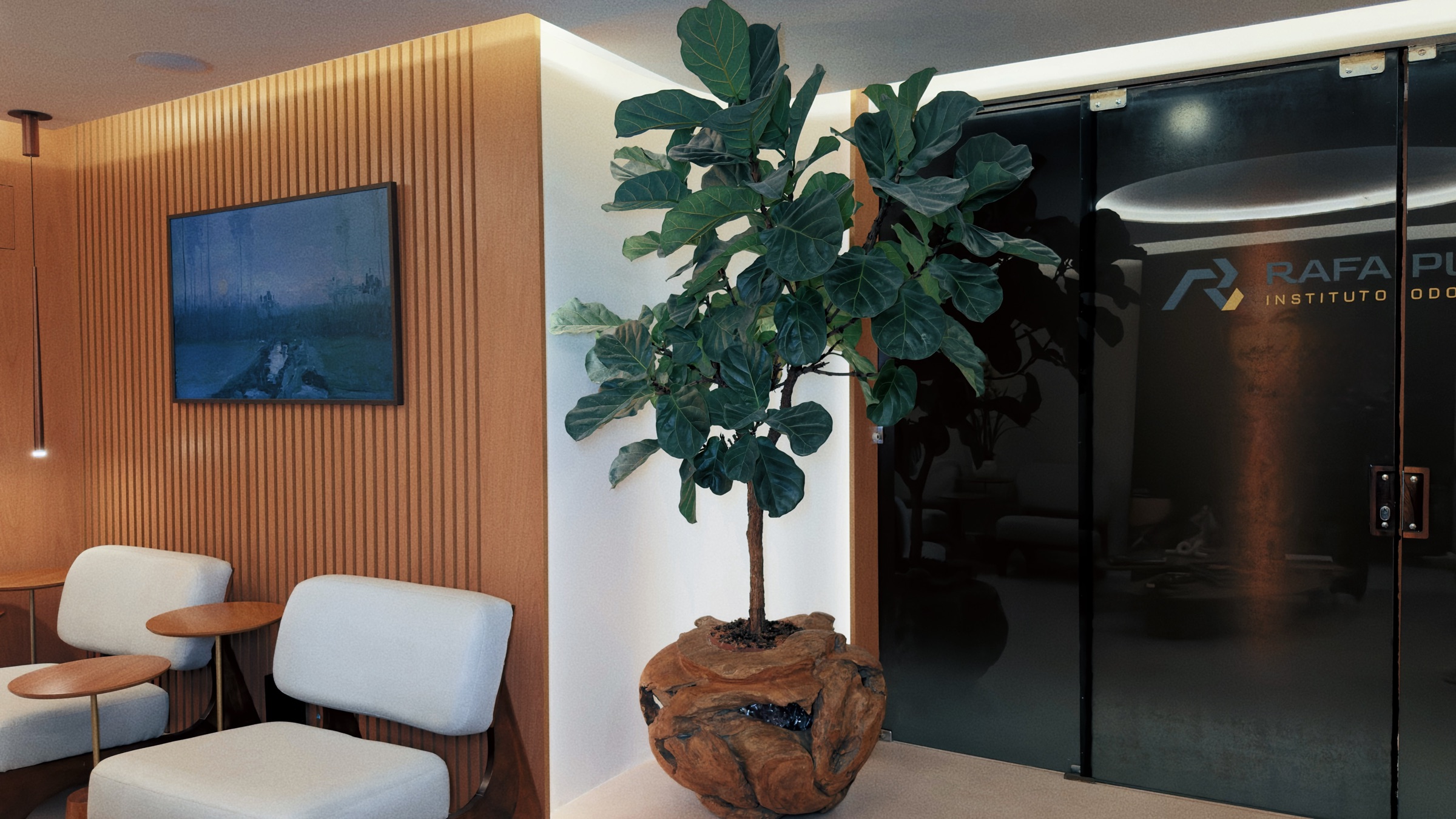
Diagnosis and planning
Clinical photography, digital panoramic and periapical X-rays, intraoral scanning, a facial scanner and facial records help the team see relationships that may not be apparent when assessed in isolation.

Scanning can replace conventional impressions when appropriate. CAD/CAM systems, milling machines and 3D printing support the clinical and laboratory workflow according to the indication. Examinations and technologies are not mandatory for everyone.
In-house laboratory
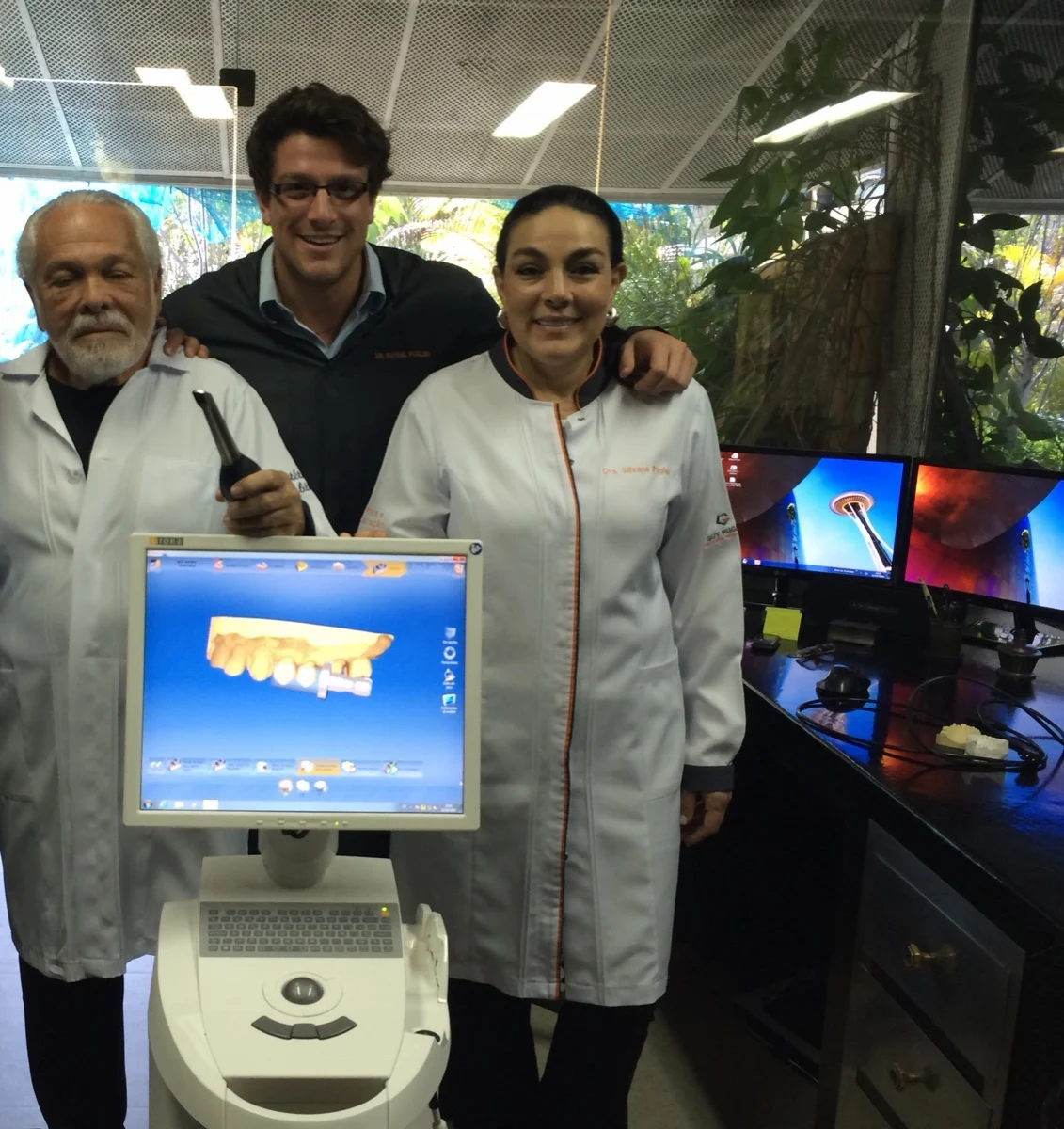
Close collaboration between the clinical team and dental technicians allows shape, fit and finishing to be monitored.
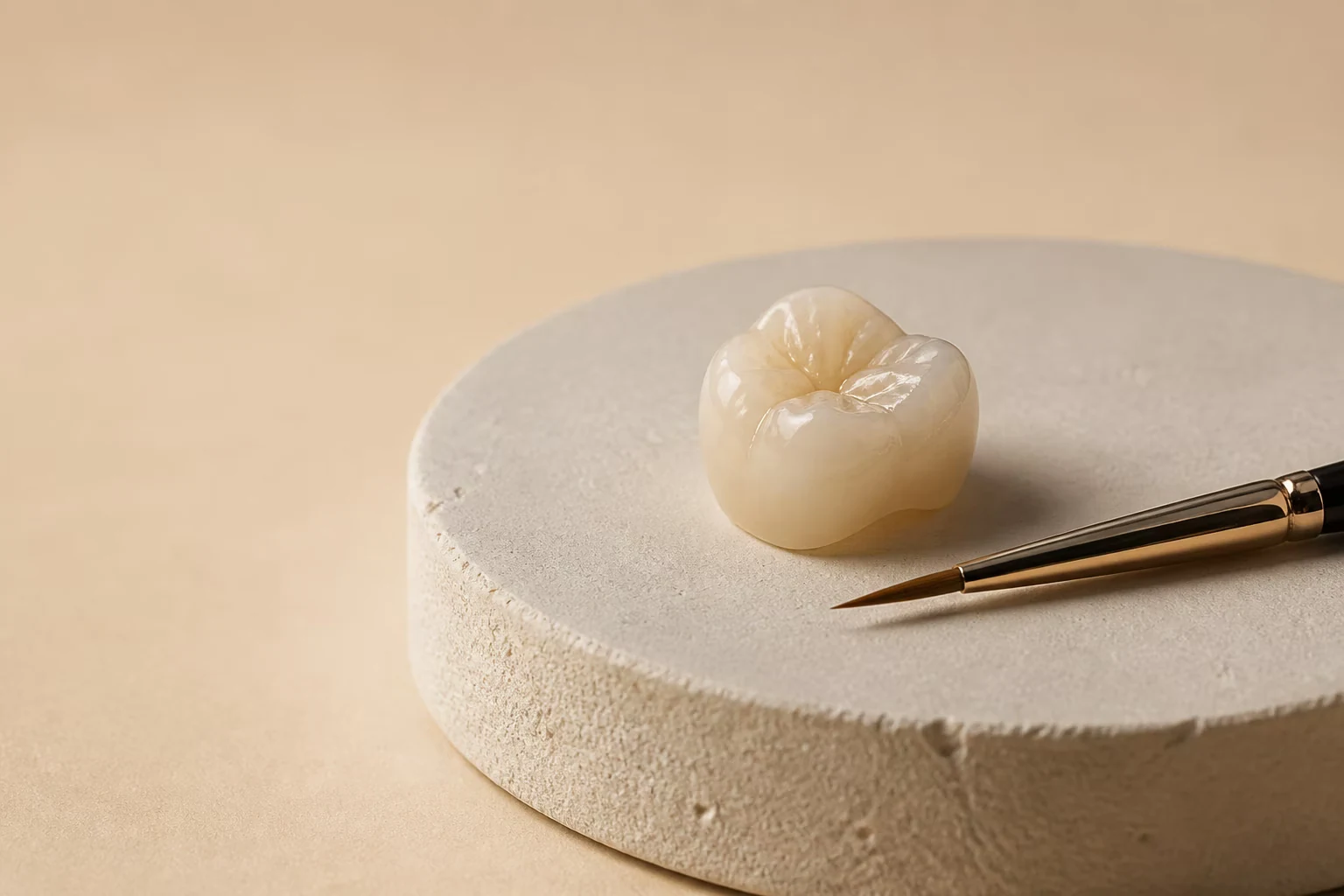
The restoration can return to the laboratory for refinements during the clinical workflow, depending on the case.
Invisalign and Puglisi Aligner
Clear aligners are a category of treatment. Invisalign is a brand. Puglisi Aligner is the Instituto's own brand, with its own planning and production process.
The process described brings together scanning, three-dimensional planning, presentation of the planned sequence, production at the Instituto using its 3D printing facilities, and follow-up under the responsibility of Dra. Silvana Puglisi. The indication and sequence are individual.
Understand clear alignersUltrathin dental veneers
Colour, shape and proportion are planned together with your bite, oral health, face and what you want to see in the mirror.

Veneers are designed for each person's teeth, smile, bite and face.
The work combines clinical assessment, an in-house laboratory, technology and hand finishing.
Discover our work with ultrathin veneersFor people who already have veneers
A new assessment can help establish the condition of the restorations, the bite and the tooth structure.
Laser-assisted removal
When indicated, laser-assisted removal may reduce the bond strength of ceramic restorations. The technique depends on the material, thickness and individual assessment. View the clinical reference
This possibility is mentioned in the institutional account. Availability, indication and alternatives need to be confirmed during the assessment, with no promise that the tooth can be preserved in every case.
A case treated with ultrathin dental veneers
Compare the eight views before and after treatment, looking at the colour, alignment, proportions and volume of the smile.
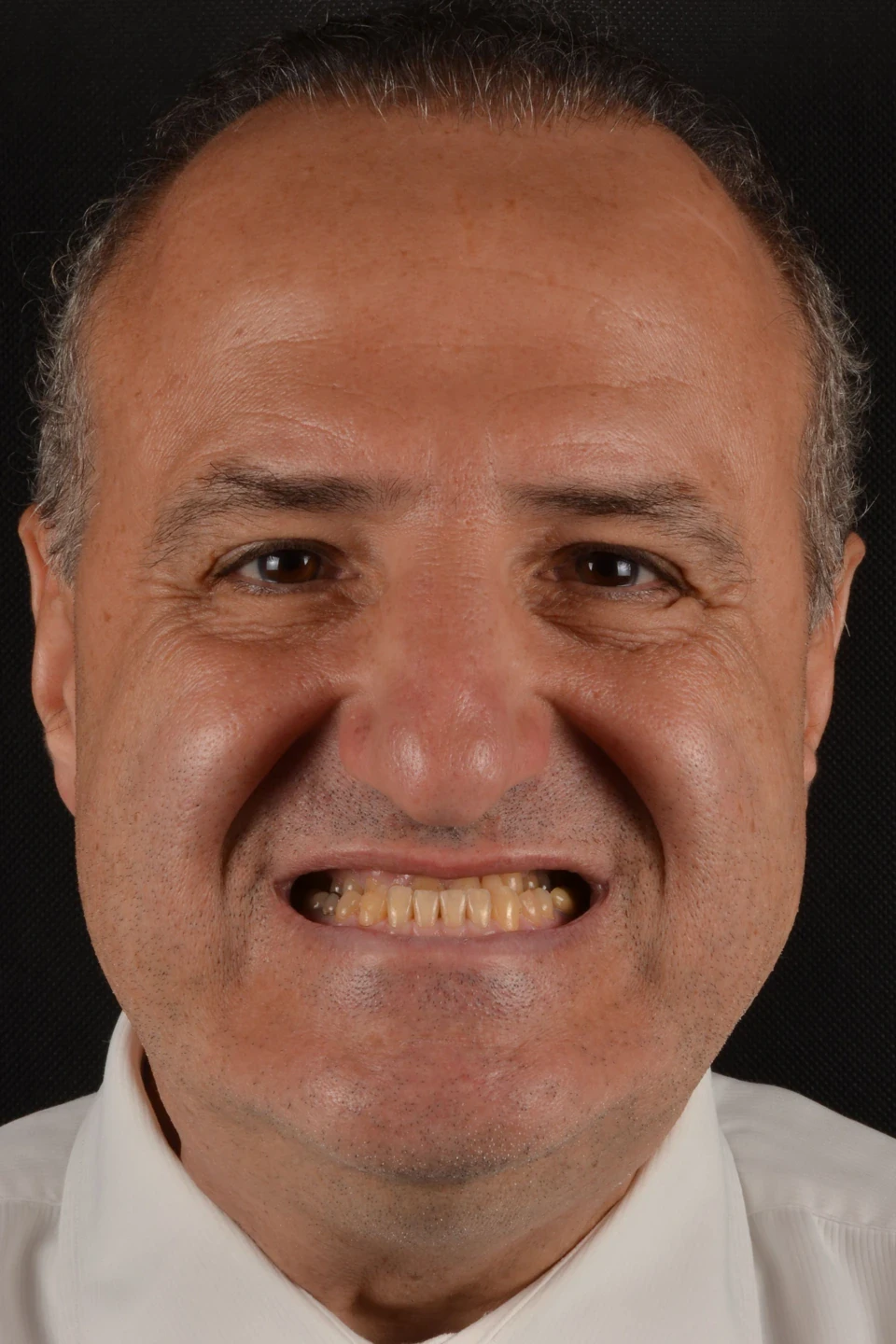
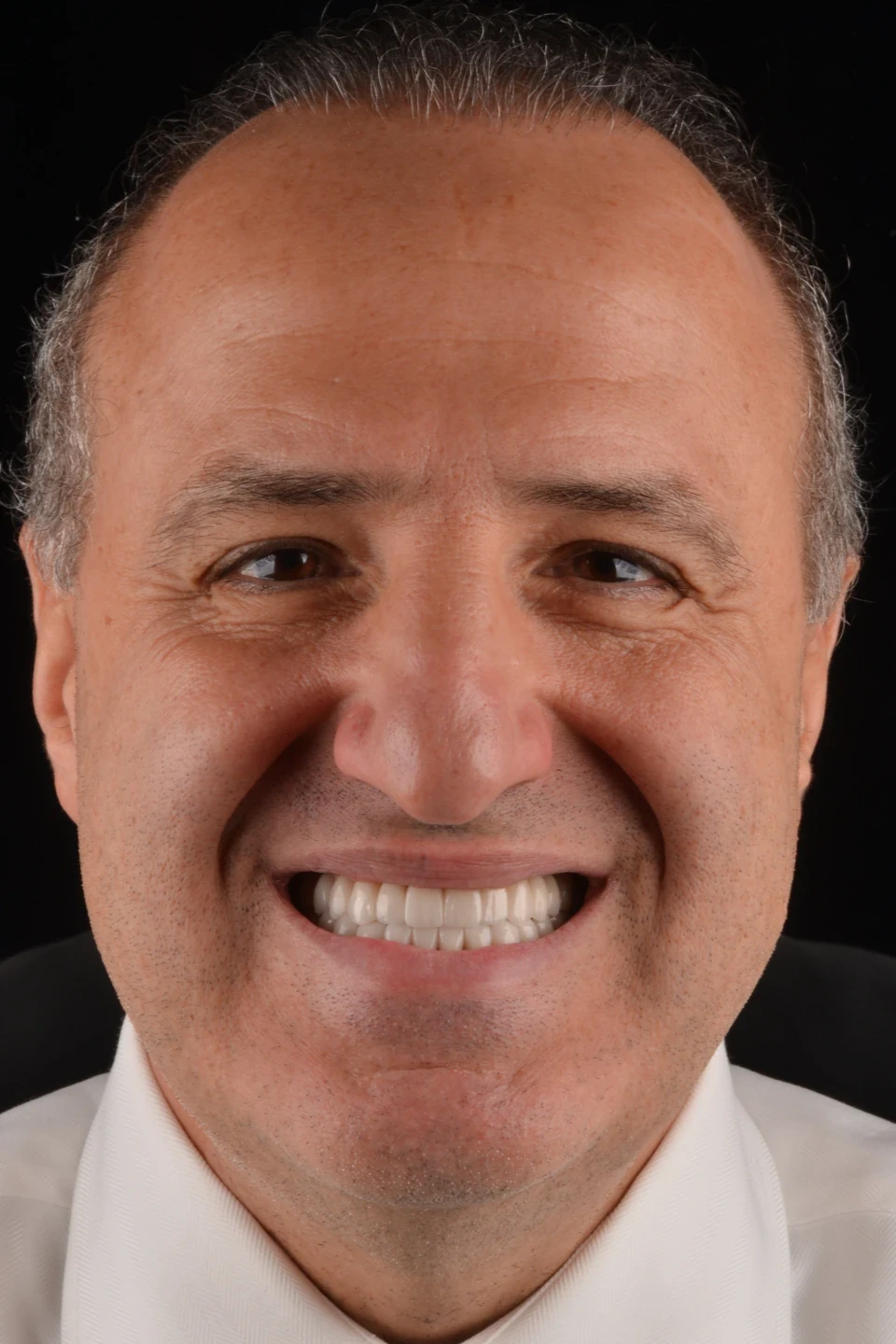
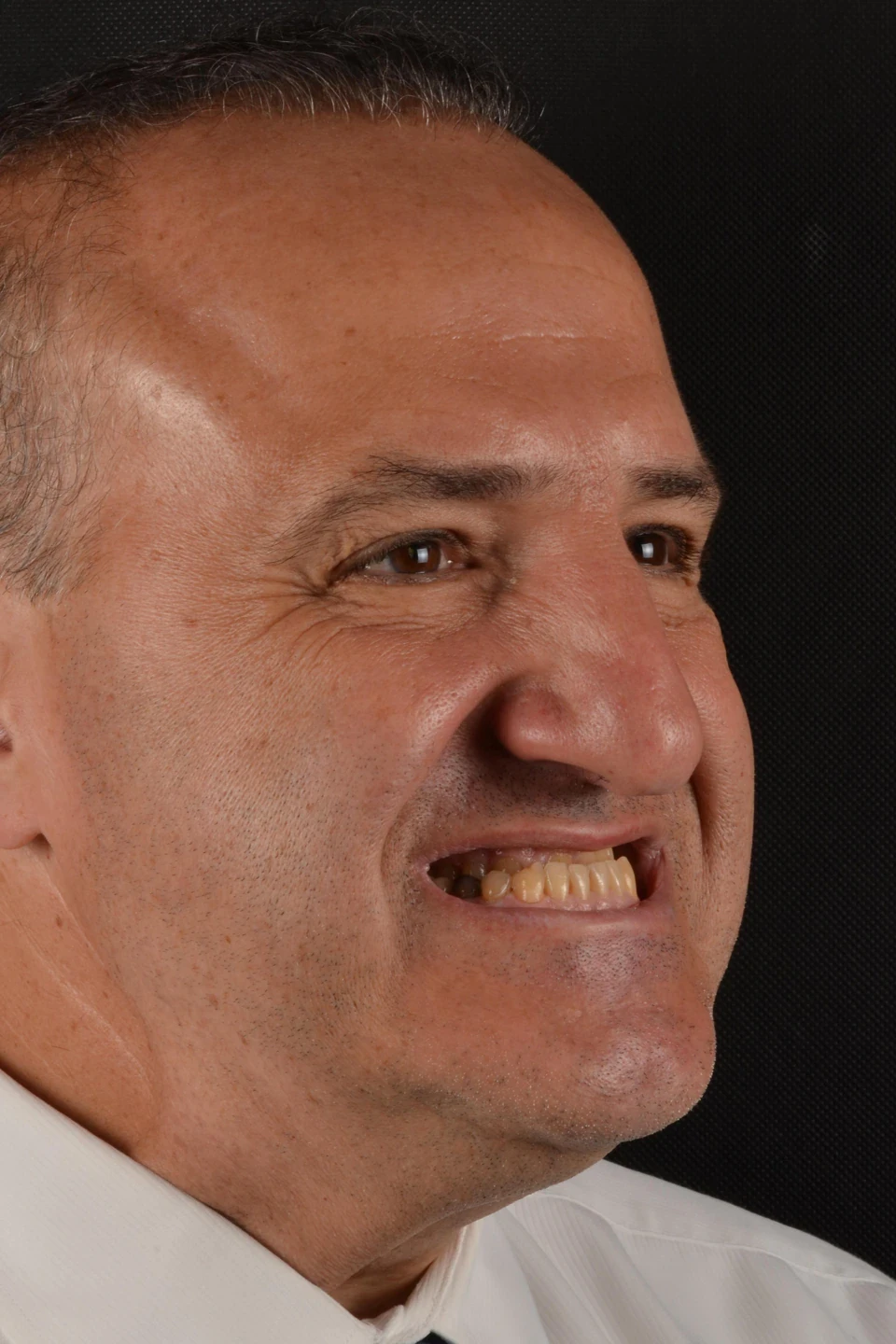
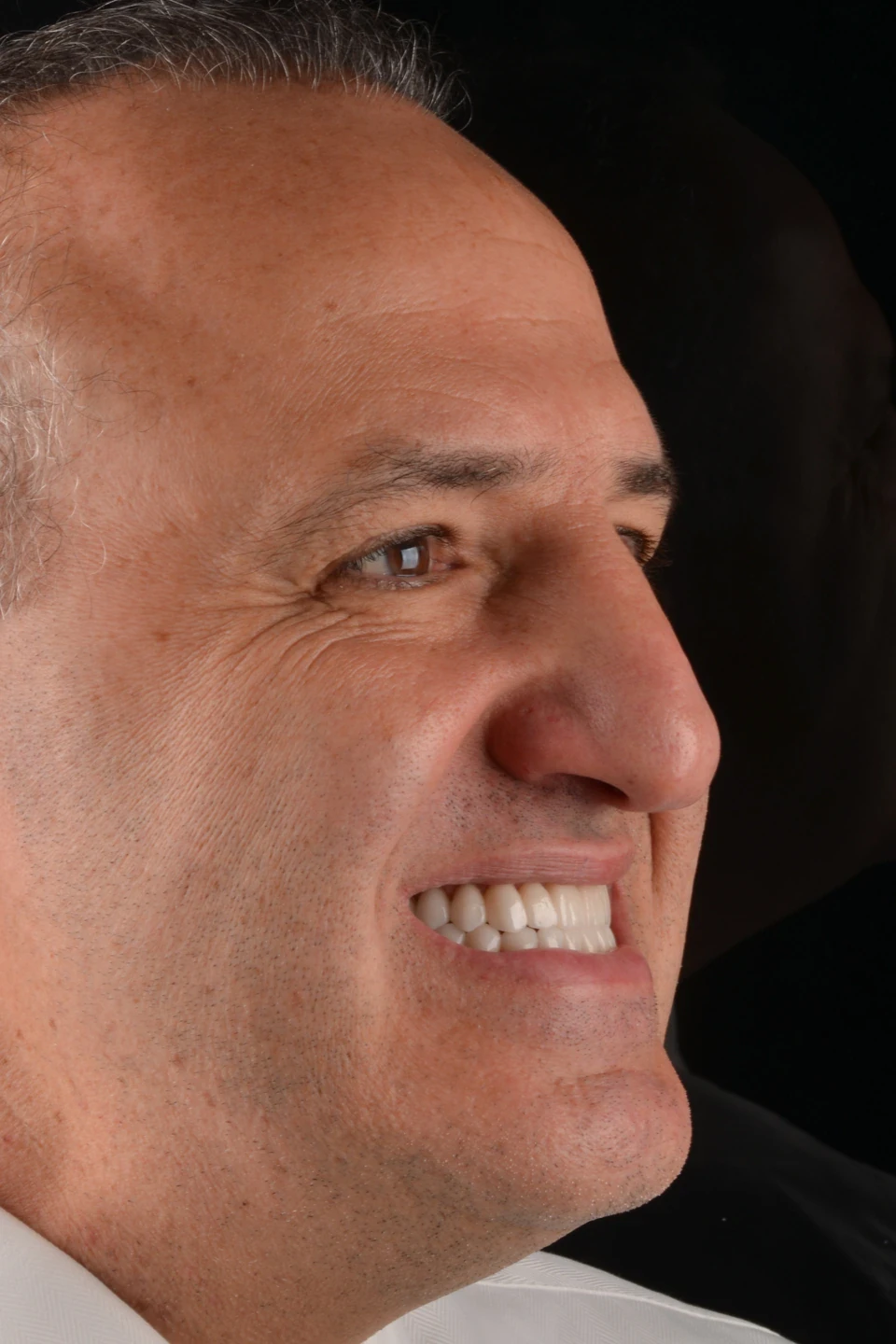
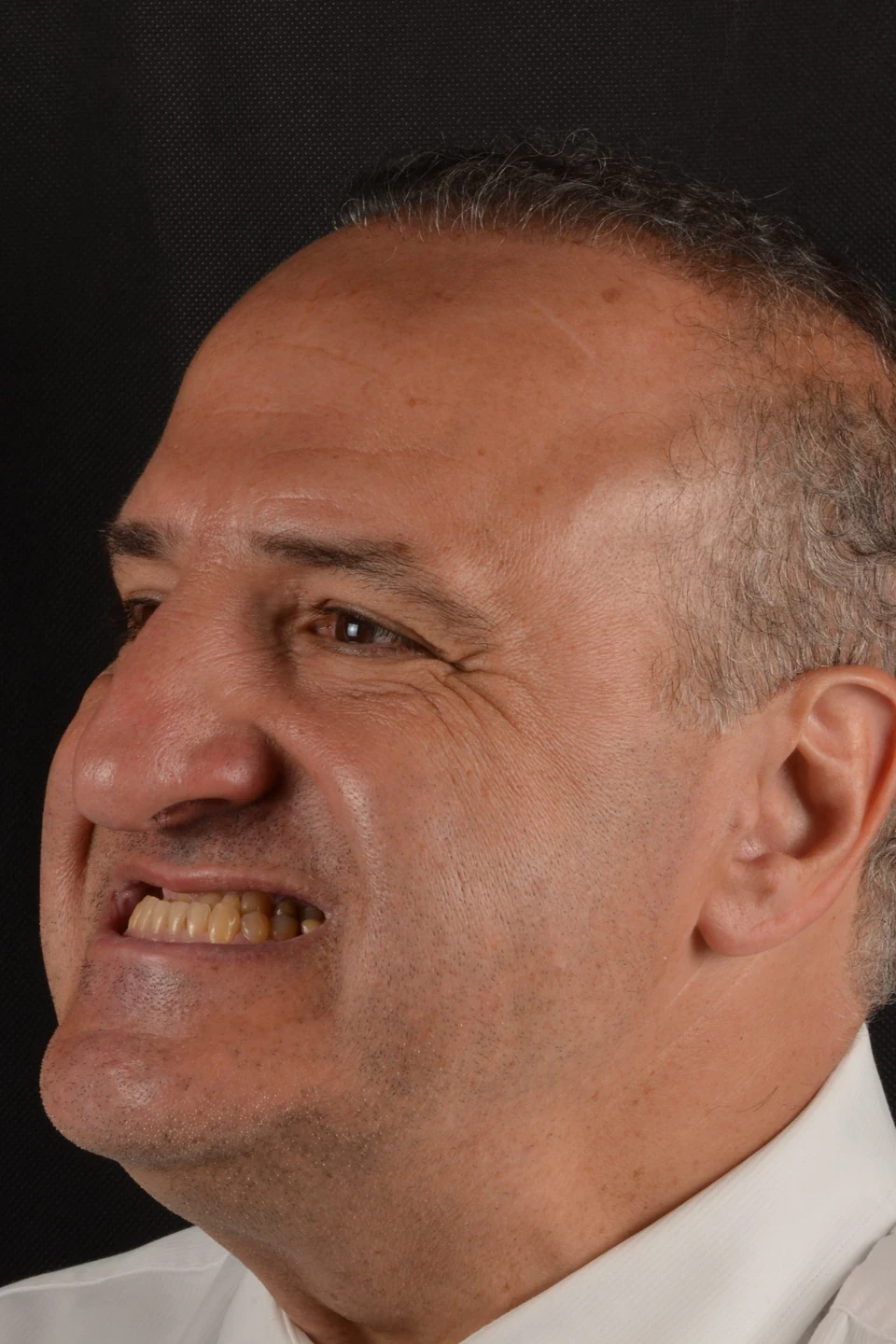
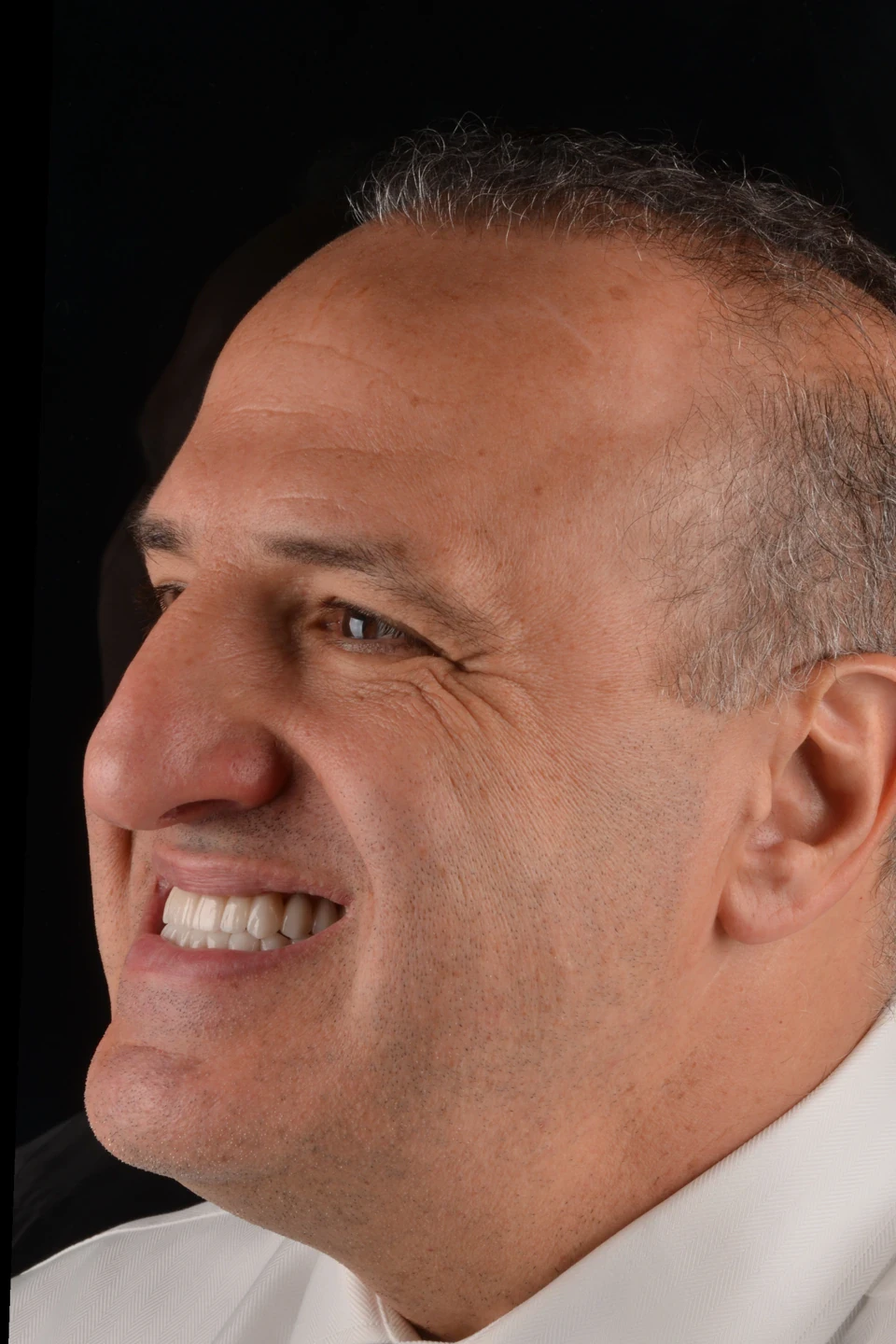
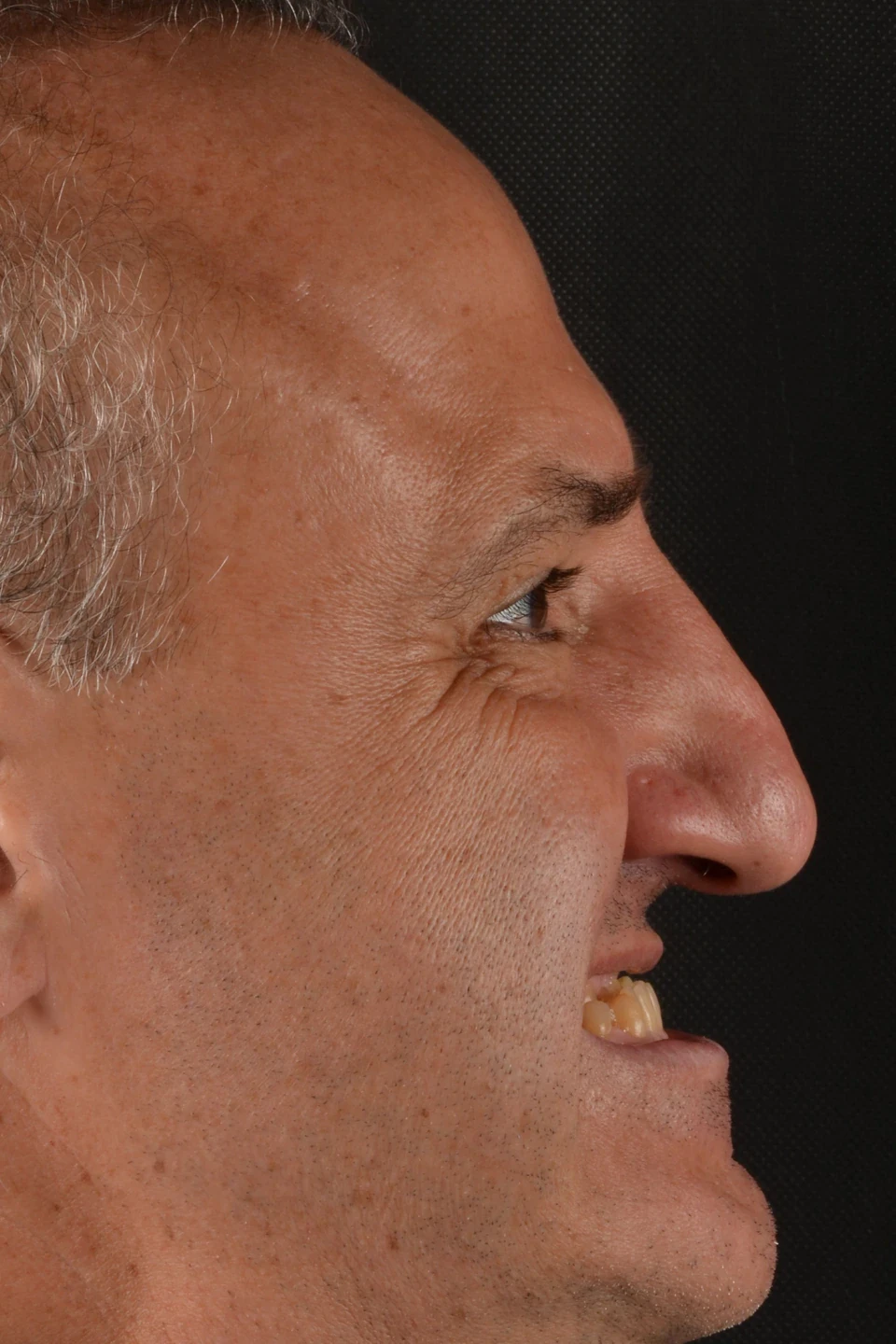
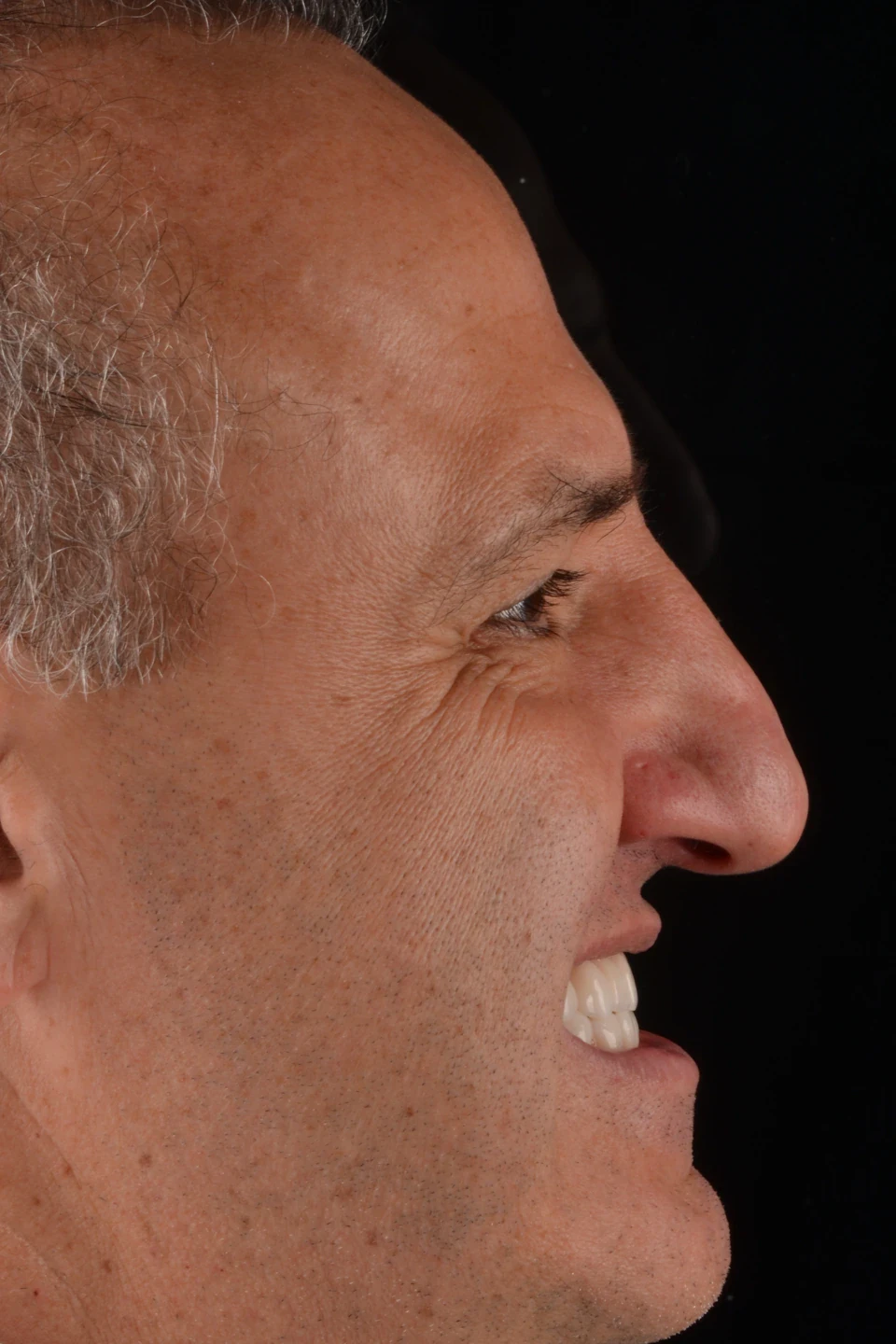
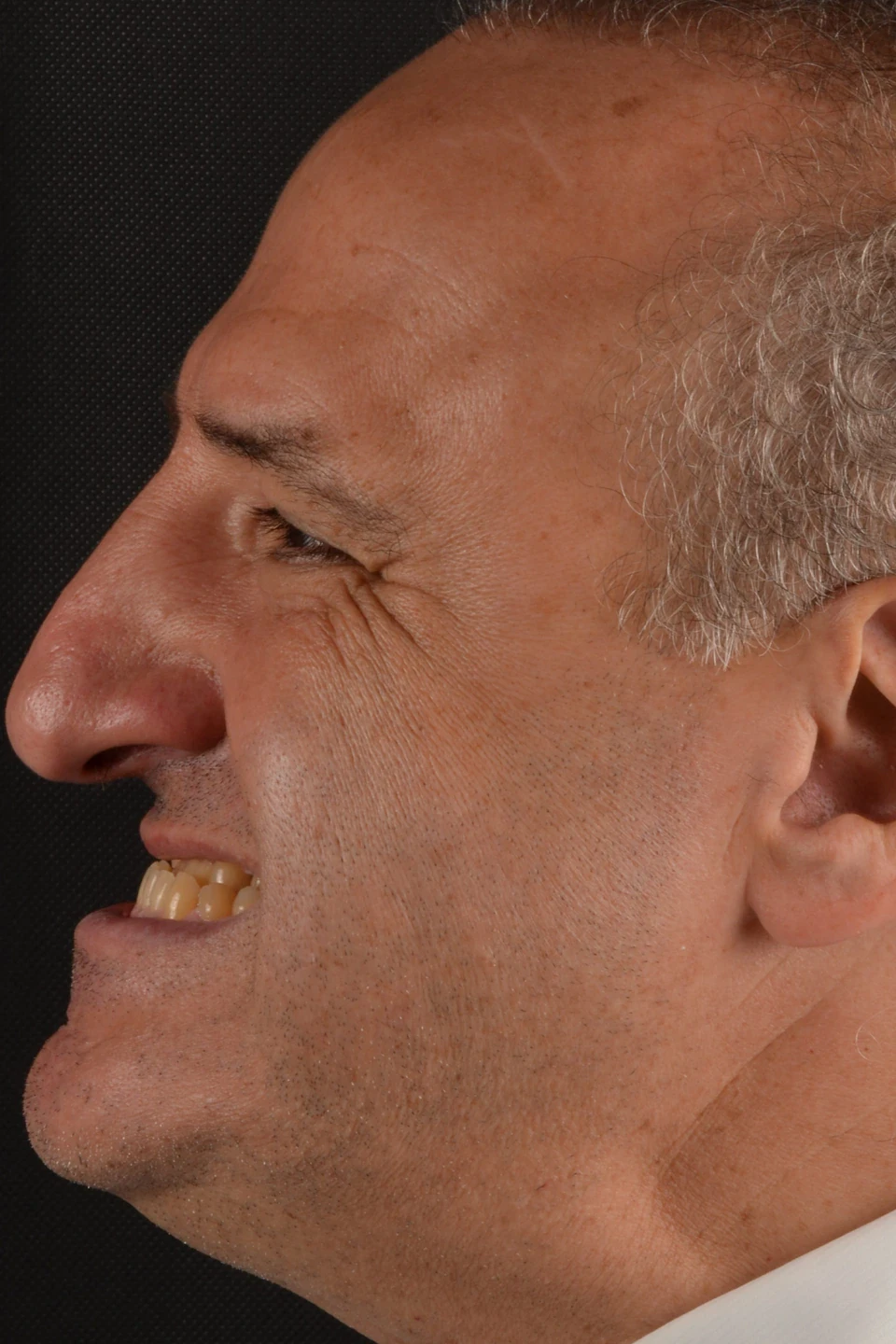
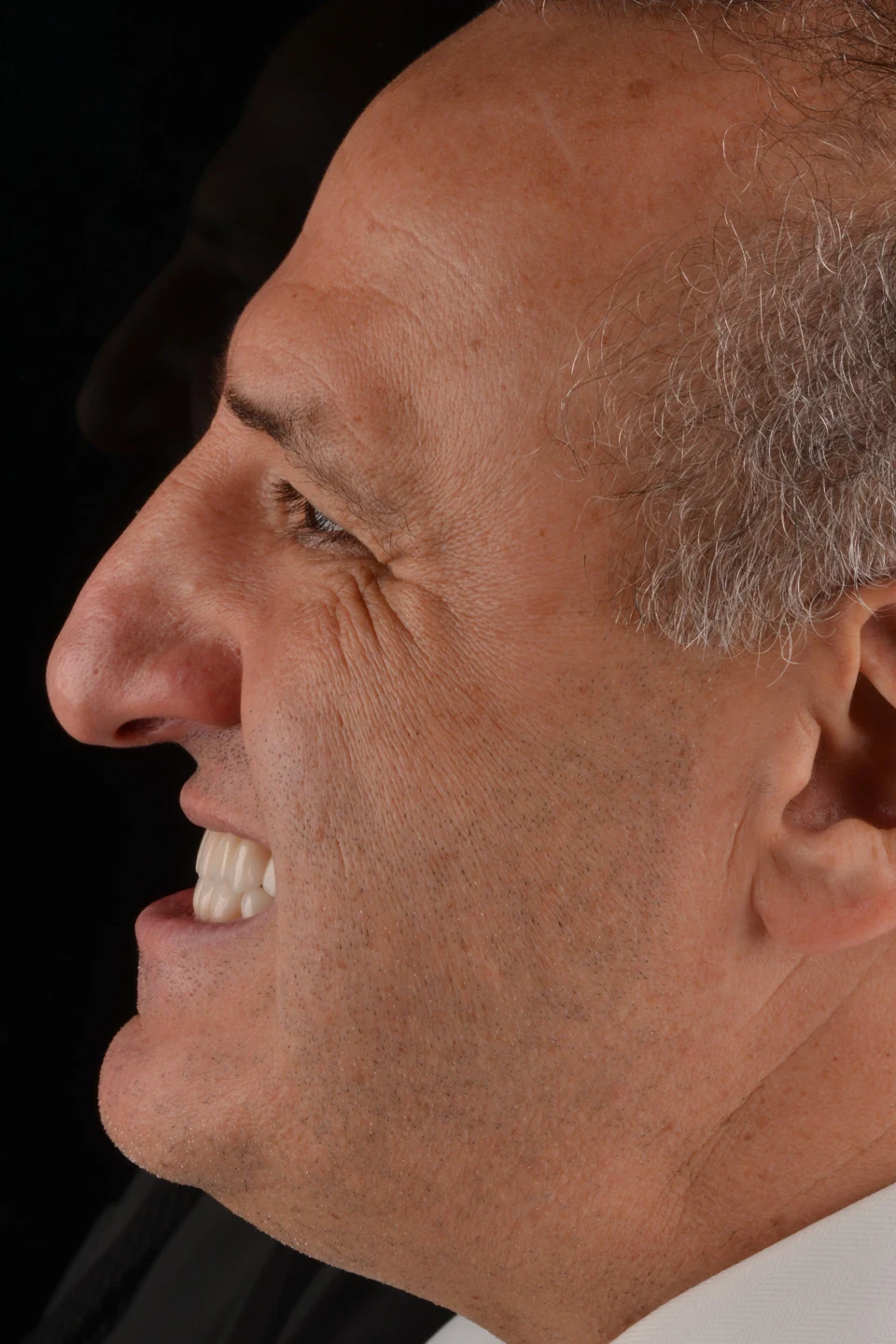
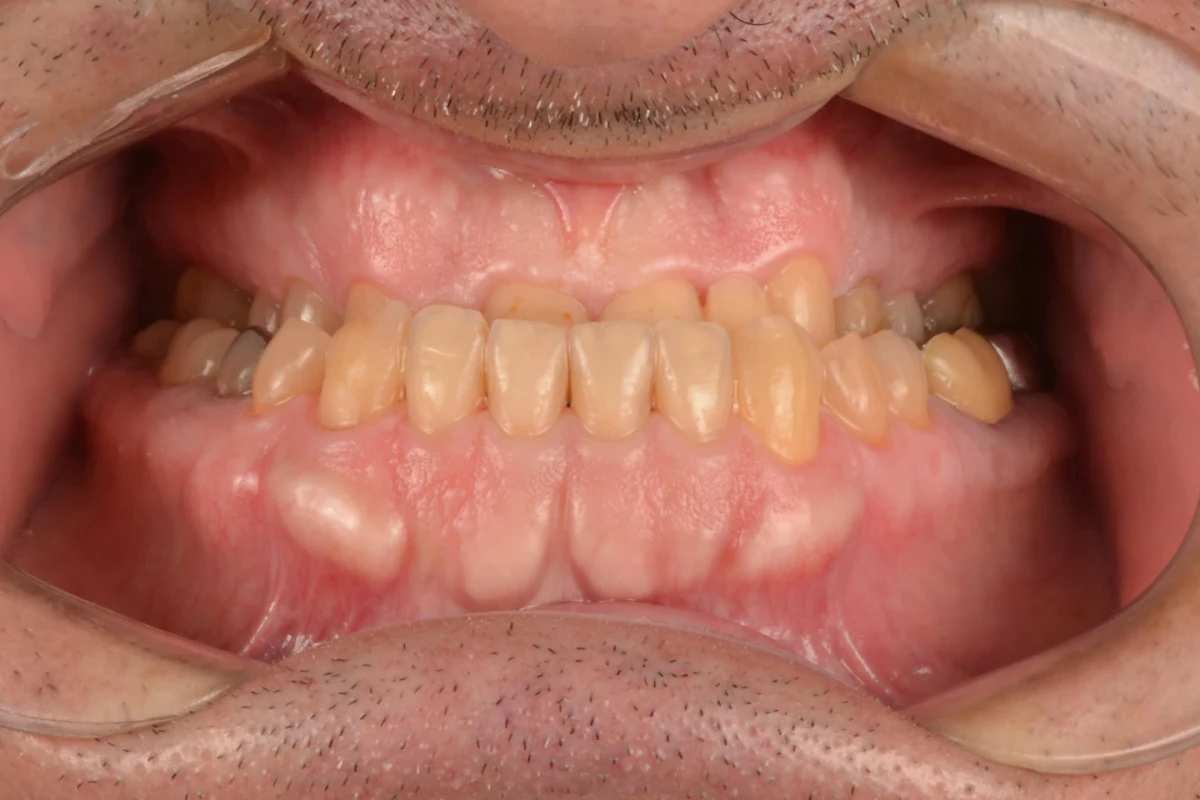
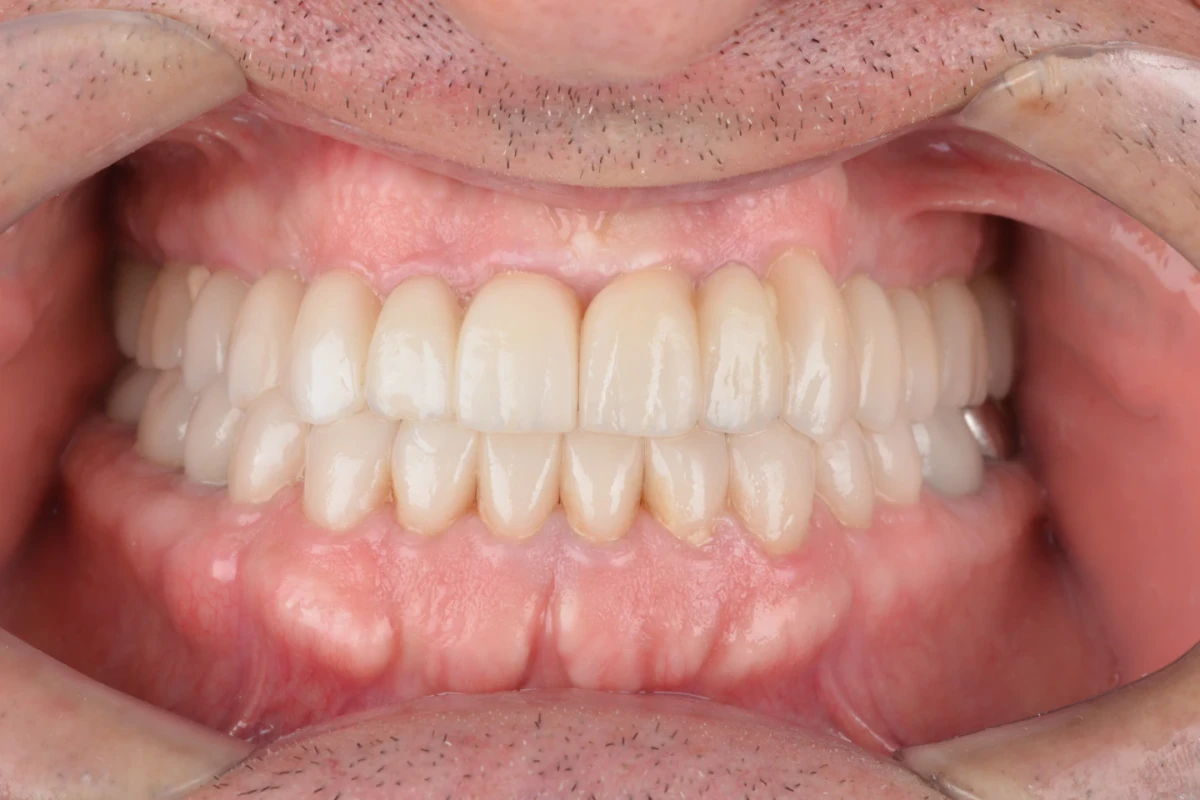
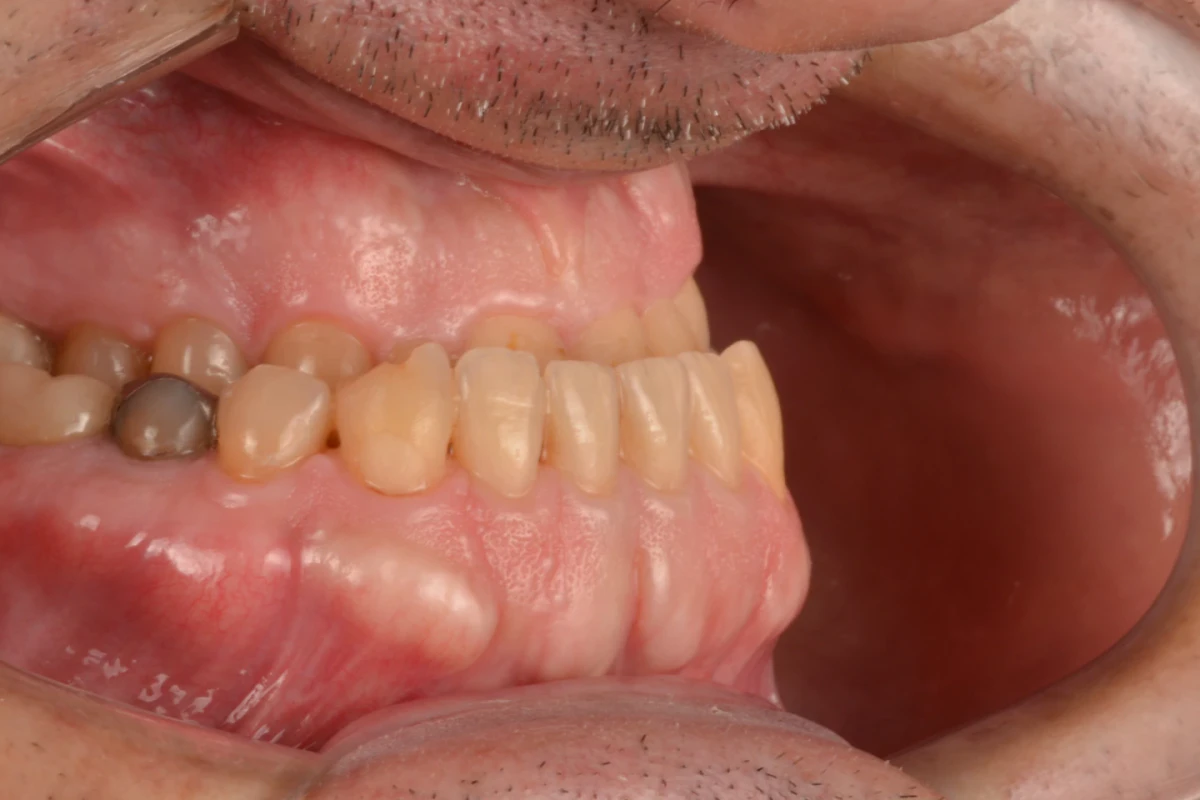
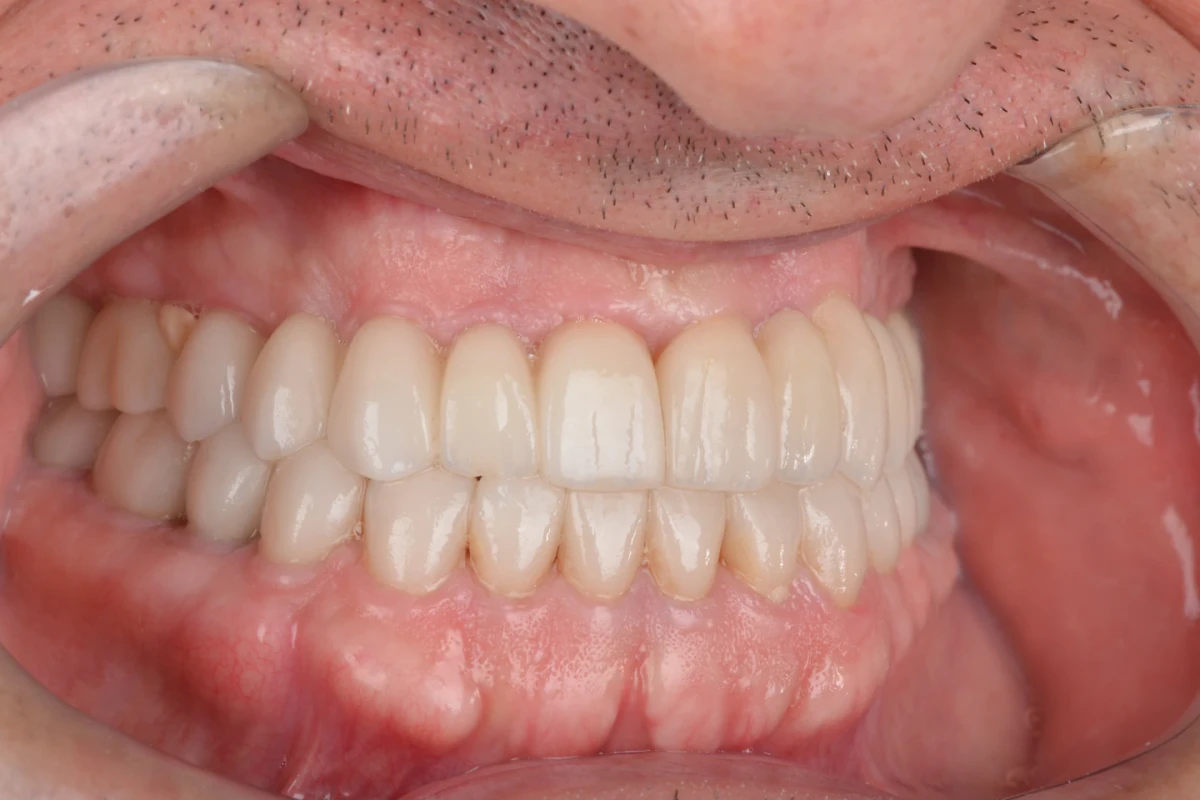
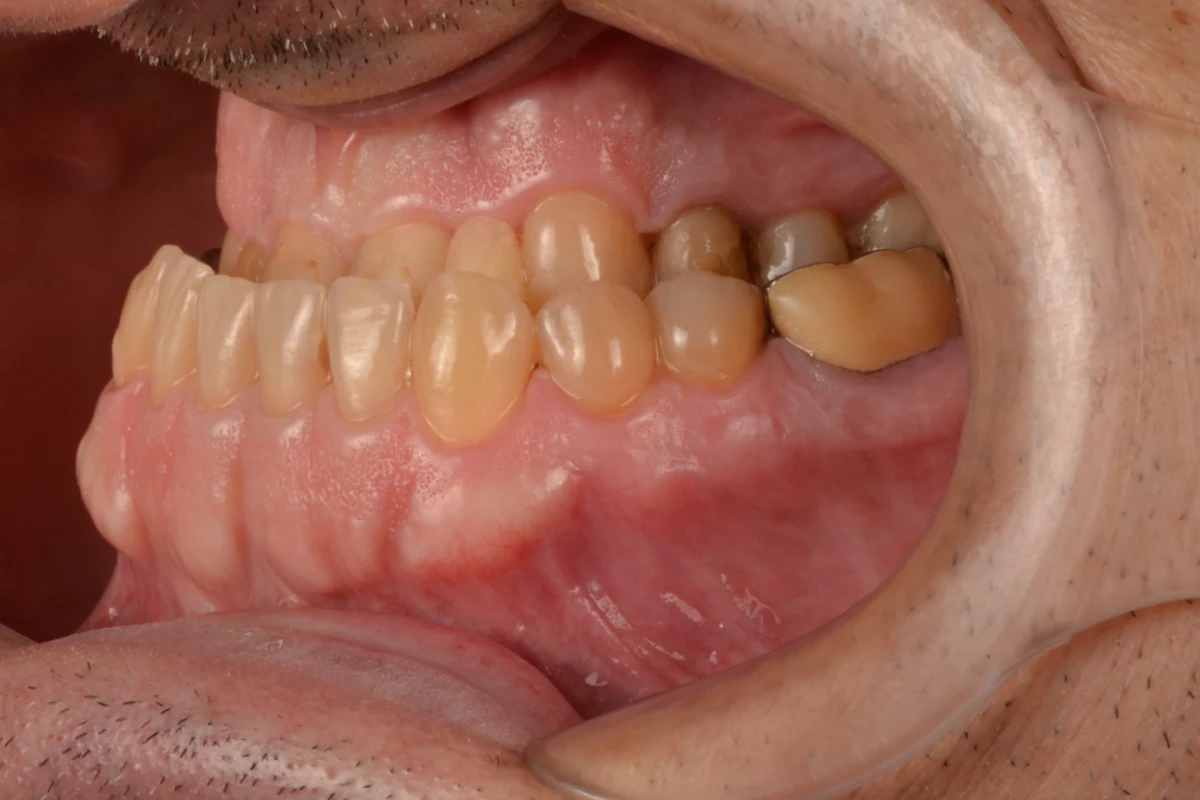
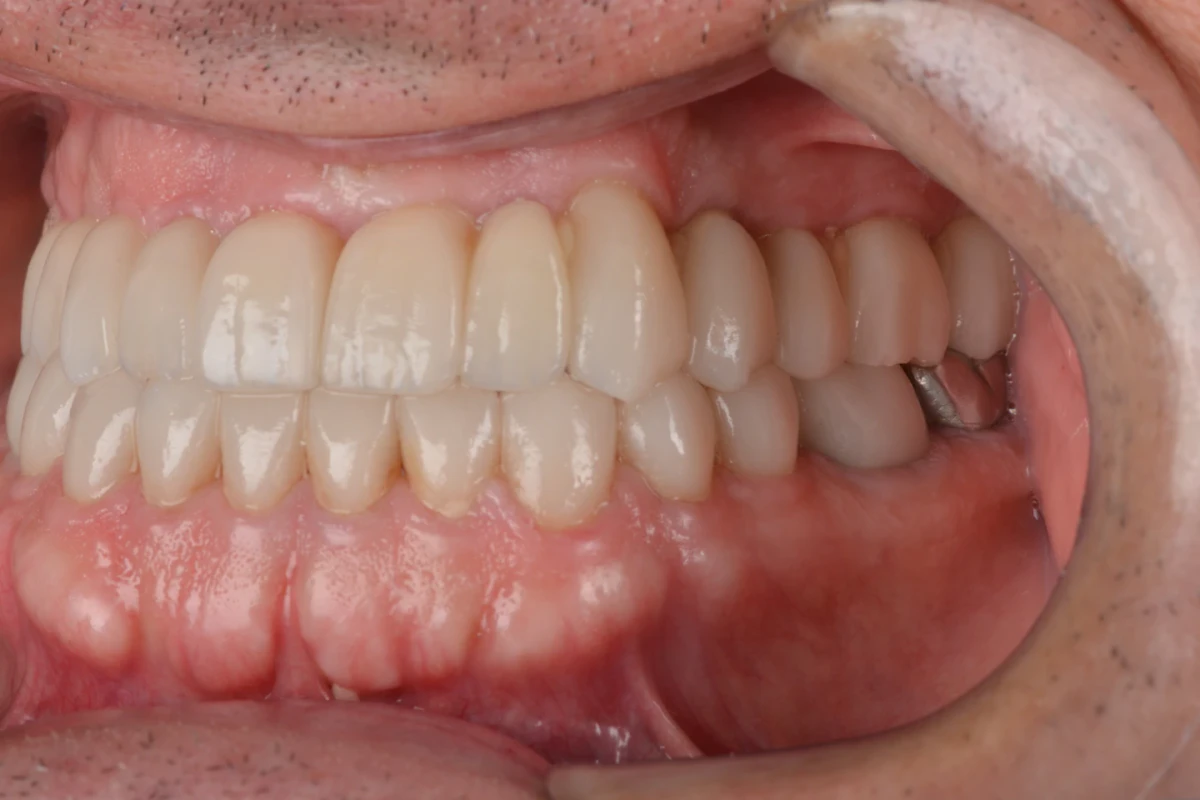
This case documents an aesthetic compensation in a patient with a prognathic facial pattern. Treatment was carried out exclusively with ultrathin dental veneers to reorganise the proportions, volume and presence of the smile.
Veneers act on the teeth and do not change the underlying facial bone structure.
The photographs were taken at different times and retain natural variations in pose, expression and lighting. Each result is individual and depends on clinical assessment.
Sources of the photographic records
The records of this case also appear on the previously published page.
- Previously published source: Frontal view of the patient's face and smile before treatment with ultrathin dental veneers
- Previously published source: Frontal view of the patient's face and smile after treatment with ultrathin dental veneers
- Previously published source: Right three-quarter view of the patient before treatment with ultrathin dental veneers
- Previously published source: Right three-quarter view of the patient after treatment with ultrathin dental veneers
- Previously published source: Left three-quarter view of the patient before treatment with ultrathin dental veneers
- Previously published source: Left three-quarter view of the patient after treatment with ultrathin dental veneers
- Previously published source: Right profile of the patient before treatment with ultrathin dental veneers
- Previously published source: Right profile of the patient after treatment with ultrathin dental veneers
- Previously published source: Frontal intraoral record of the patient before treatment with ultrathin dental veneers
- Previously published source: Frontal intraoral record of the patient after treatment with ultrathin dental veneers
- Previously published source: Right-side intraoral record of the patient before treatment with ultrathin dental veneers
- Previously published source: Right-side intraoral record of the patient after treatment with ultrathin dental veneers
- Smaller version of the previously published record
- Smaller version of the previously published record
- Smaller version of the previously published record
- Smaller version of the previously published record
- Smaller version of the previously published record
- Smaller version of the previously published record
- Smaller version of the previously published record
- Smaller version of the previously published record
- Smaller version of the previously published record
- Smaller version of the previously published record
- Smaller version of the previously published record
- Smaller version of the previously published record
Frequently asked questions
Do I need to know exactly which treatment I want before booking an assessment?
No. Tell us what you would like to change, restore or understand. The team defines an individual plan for oral health, aesthetics and function, including surgery when necessary.
How do patient care and treatment planning work?
Listening, diagnosis, clinical and digital planning, treatment with an integrated laboratory, and follow-up help define the priorities, possibilities and limitations of treatment.
The indication for veneers, whitening, implants or aligners depends on oral health, the condition of the teeth and gums, bone structure, bite, the patient's expectations and additional examinations. Professional assessment is therefore essential before deciding on any treatment.
Results are not the same for every patient. Each smile has its own characteristics, and results depend on the initial condition, diagnosis, planning, biological response, the patient's habits and maintenance after treatment. The aim is to achieve a natural, healthy result suited to each person.
Which examinations help with diagnosis and planning?
Clinical assessment, photographs, digital and panoramic X-rays, intraoral scanning and other imaging resources can help assess teeth, gums, the bite, bone structures and smile proportions, as needed.
Does the Instituto have its own laboratory?
Yes. Dentists and technicians work closely together in planning and treatment, supporting communication, precision, customisation of restorations and follow-up.
Which technologies are used in planning?
Photographs, X-rays, scanning, digital planning, CAD/CAM systems, milling machines and 3D printing support diagnosis and treatment according to the indication in each case.
Which services does the Instituto offer?
Treatments are organised into aesthetics and rehabilitation, orthodontics and function, implants and surgery, and health, prevention and family care. Functional care includes temporomandibular disorders (DTM in Portuguese) and bruxism. See the full list of treatments.
What are ultrathin dental veneers and how do they work?
Ultrathin dental veneers are thin, custom-made ceramic shells applied to the visible surface of the teeth to transform the colour, shape, proportions and harmony of the smile. Planning takes oral health, the bite, the face, the available enamel and the patient's goal into account.
Are ultrathin dental veneers the same for every patient?
No. Each veneer is designed for the patient's tooth, smile, bite and face, aiming for a natural, individual appearance.
Do teeth need to be reduced to fit veneers?
It depends on the case. In some situations, preparation may be minimal or even unnecessary; in others, controlled reduction is needed to ensure fit, proportion and a natural appearance. Preserving healthy enamel guides all planning.
Can I see my new smile before the definitive treatment?
In many cases, yes. Planning may include a simulation or prototype so the patient can see the proportions, shape and harmony of the future smile before the definitive stage. This possibility depends on clinical assessment and the type of treatment indicated.
Do you provide porcelain veneers?
Yes. Porcelain veneers, also called ceramic laminate veneers, may be indicated to correct imperfections in tooth colour, shape, size or proportion. They are individually planned to create a more harmonious smile while preserving a natural-looking result.
How does teeth whitening work?
Teeth whitening is indicated to change tooth colour and make the smile lighter. The procedure should be guided by a professional assessment to determine the safest and most appropriate approach for each case.
What is full oral rehabilitation?
Full oral rehabilitation aims to restore aesthetics, health, chewing, comfort and stability in the mouth. It may be indicated for missing teeth, severe wear, bite changes or older treatments that need renewal, and may combine implants, prostheses, ultrathin veneers, porcelain veneers and other procedures.
Do you replace old restorations?
Yes. Old, worn, stained or poorly functioning restorations can be assessed. Time in service alone does not determine whether replacement is needed. Depending on the condition of the restoration and the tooth, assessment may lead to monitoring, repair or replacement, taking function, fit and appearance into account.
What is gum surgery?
Gum surgery is a term used for procedures that can reshape, reposition or augment gum tissue, depending on each case. They may serve aesthetic or functional purposes. For aesthetic care, planning considers contour, proportion, symmetry and the amount of visible gum in the harmony of the smile. The indication depends on clinical assessment.
What is gum depigmentation?
Gum peeling, or gingival depigmentation, is an aesthetic procedure that aims to reduce gum pigmentation and make its appearance more even. Pigmentation can be a natural characteristic and does not in itself require treatment. Before any procedure, clinical assessment must identify the cause of the darkening and confirm the indication. Recent or irregular colour changes need to be examined.
Reading responsibly
References and notes
Clinical and technical sources
- Gassara Y, Ben Mariem A, Chebil M, et al. Laser-assisted debonding of ceramic veneers: a systematic review and meta-analysis. Journal of Prosthetic Dentistry. 2025, 134(4):1040 to 1051. DOI 10.1016/j.prosdent.2023.12.001. PMID 38220549.
- The history since 1923, the in-house laboratory and institutional milestones are documented in the History of Instituto Rafa Puglisi.
- American Dental Association. X-Rays/Radiographs. Guidance on individual selection of radiographic examinations, 2026. Official ADA source.
- American Dental Association. Veneers. MouthHealthy. Preparation may involve irreversible enamel removal. Patient information.
- American Association of Orthodontists. Clear Aligners. Individual indication and follow-up for aligners. Official AAO source.
- Sereewisai B, et al. The accuracy of virtual setup in simulating treatment outcomes in orthodontic practice: a systematic review. BDJ Open, 2023, 9:41. Simulation does not guarantee the clinical outcome. DOI 10.1038/s41405-023-00167-3.
- American Association of Oral and Maxillofacial Surgeons. Corrective Jaw Surgery. Orthognathic surgery treats skeletal abnormalities. Ceramic veneers do not change the underlying bone structure. Official AAOMS source.
- Alves LVGL, et al. Do erbium lasers promote changes in the tooth enamel during debonding of ceramic laminate veneers? A systematic review. Lasers in Medical Science. 2023, 38(1):217. DOI 10.1007/s10103-023-03882-3. Laboratory evidence depends on the ceramic and cement and does not establish a universal indication. PMID 37735282.
- FDI World Dental Federation. Repair of Restorations. Policy statement, 2019. Official source.
- American Academy of Periodontology. Surgical Procedures. No editorial date identified; accessed on 19 October 2026. Official source.
- Gul M et al. Most effective method for the management of physiologic gingival hyperpigmentation: A systematic review and meta-analysis. Journal of Indian Society of Periodontology. 2019, 23:203–215. DOI 10.4103/jisp.jisp_555_18. PMID 31143000.
- Carra MC et al. Management of Non-Plaque-Induced Gingival Conditions: A Systematic Review Part 2. Journal of Clinical Periodontology, 2026. DOI 10.1111/jcpe.70152. PMID 42321019.
This content provides general information. Indications, limitations and alternatives depend on an individual clinical assessment.
Book an assessment
Tell us what is bothering you, what has changed or what you would like to restore. The first assessment turns this conversation into a clear way forward.
Book an assessmentOn Rua Itapeva, opposite Rosewood São Paulo.
Rua Itapeva, 518 · Ground floor, Suite 03São Paulo · SP · 01332-904