↗ PT

Other pages are available in Portuguese

Skip to content

Gum surgery

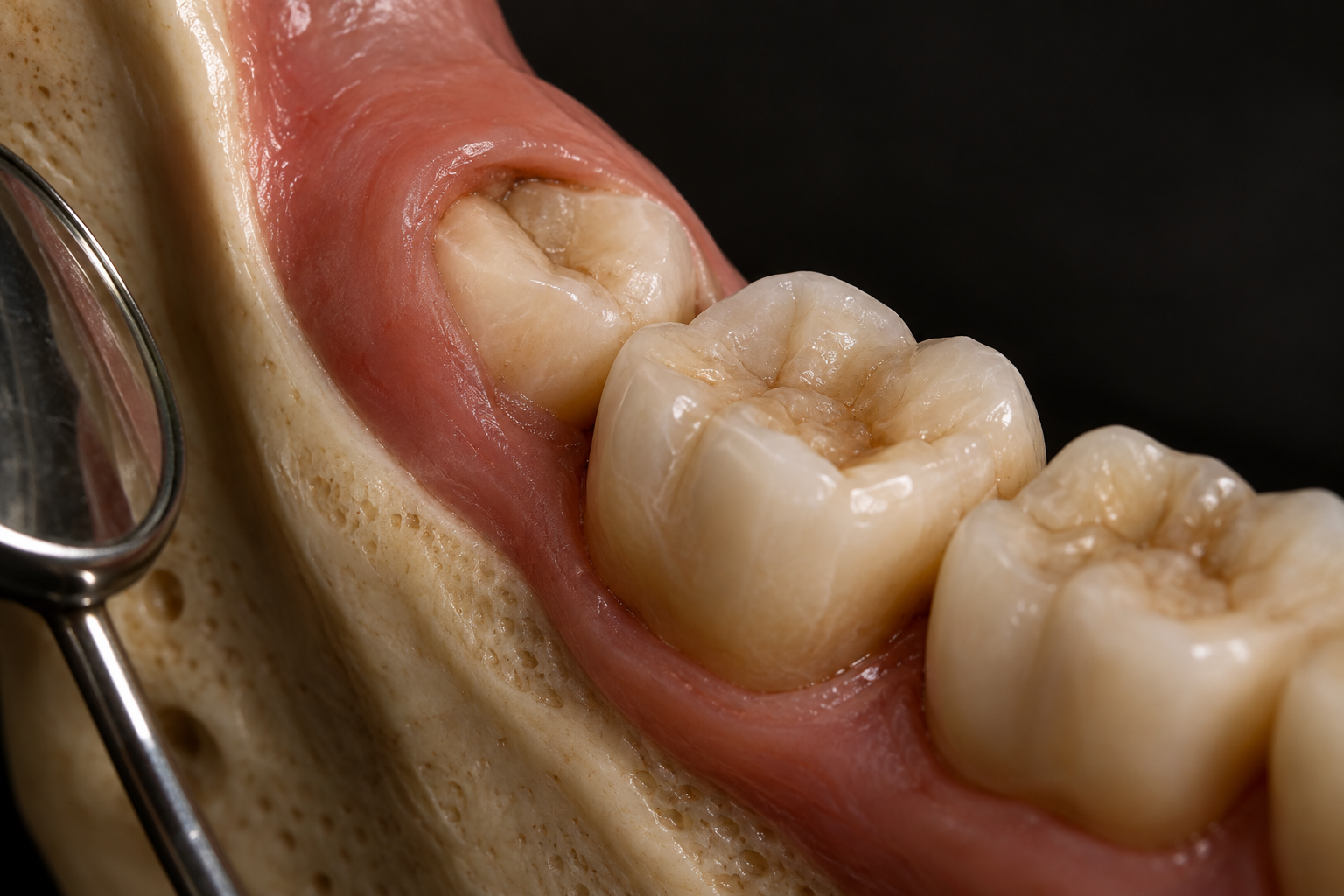
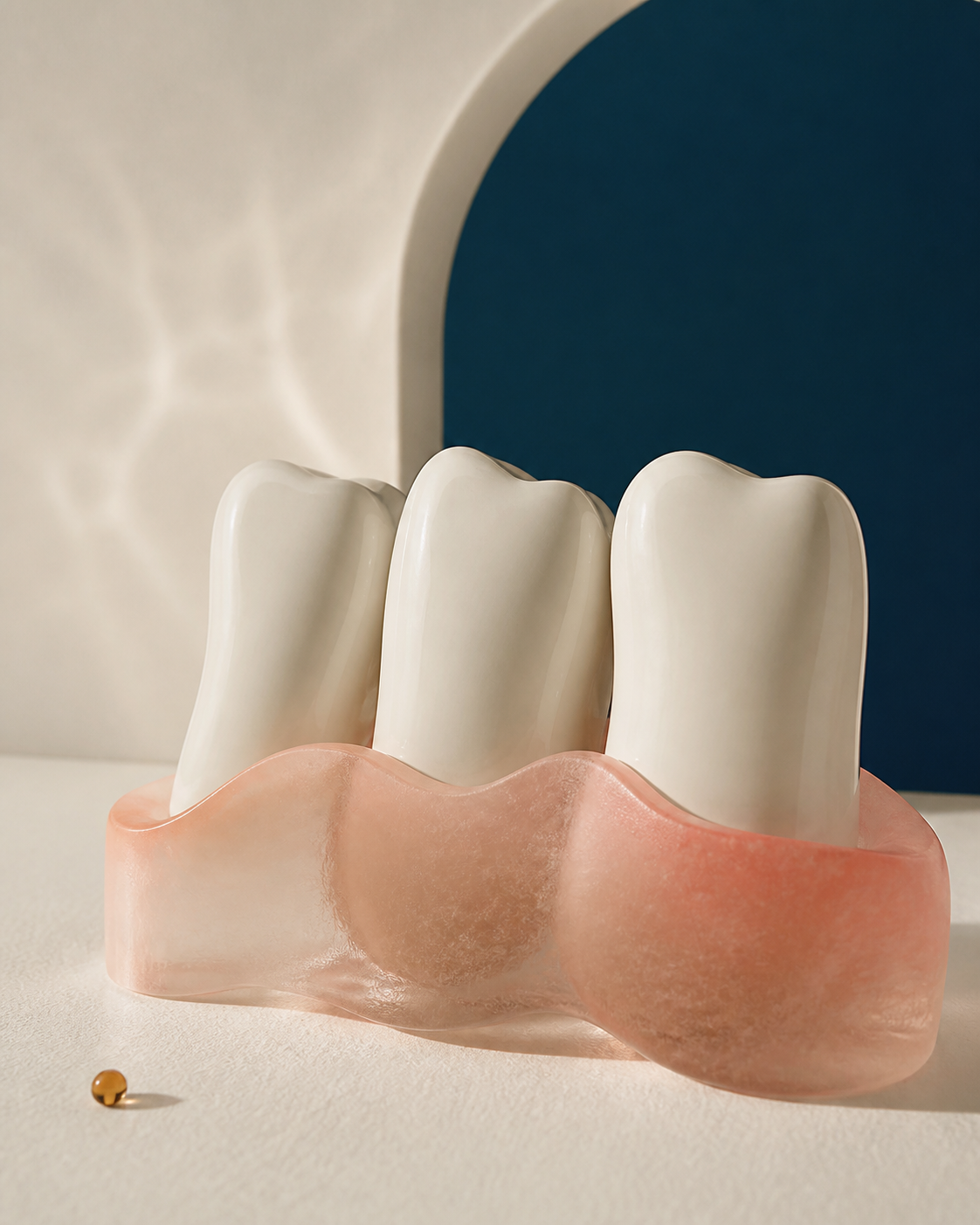
Conceptual layered sculpture representing health, tissue and visible form

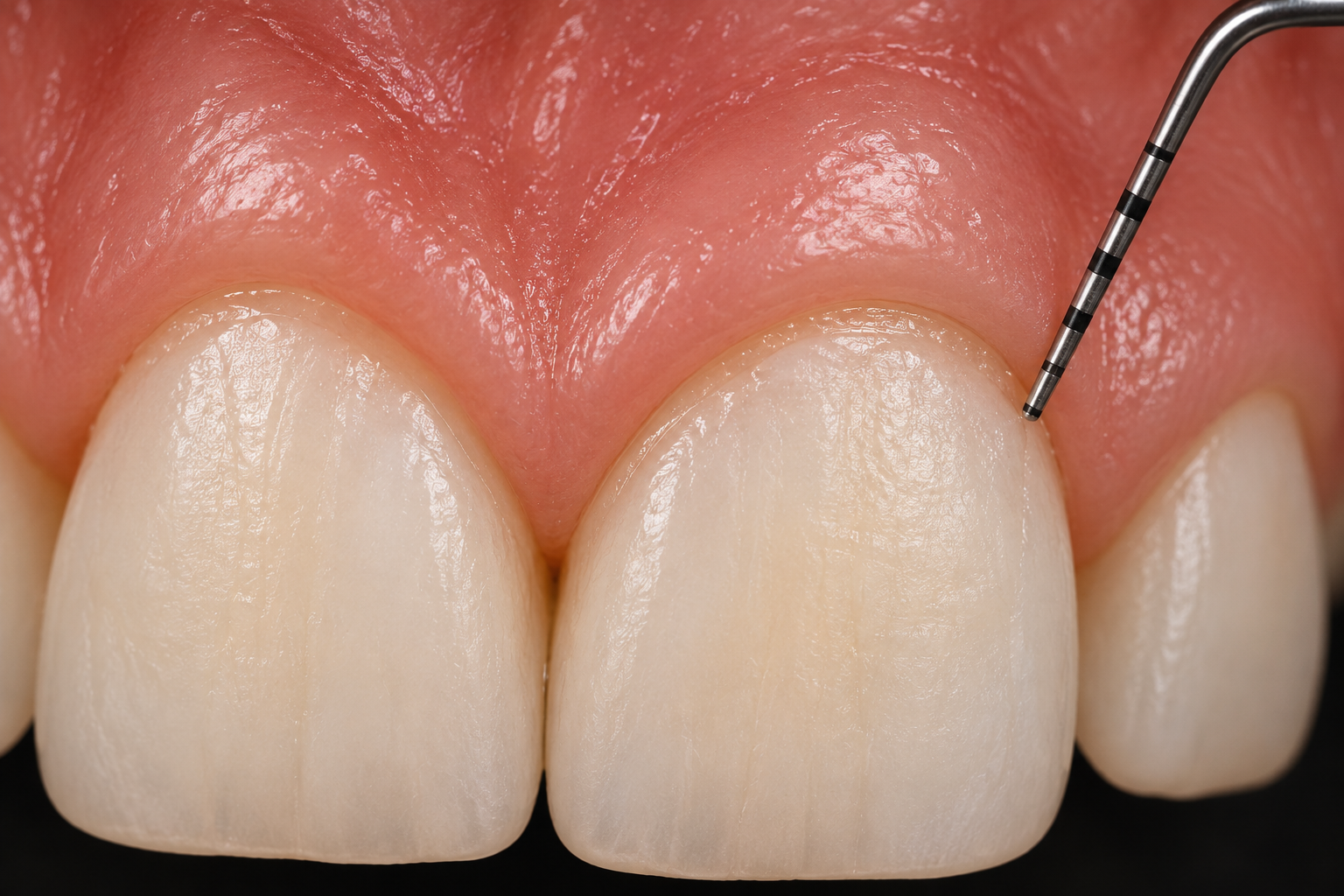
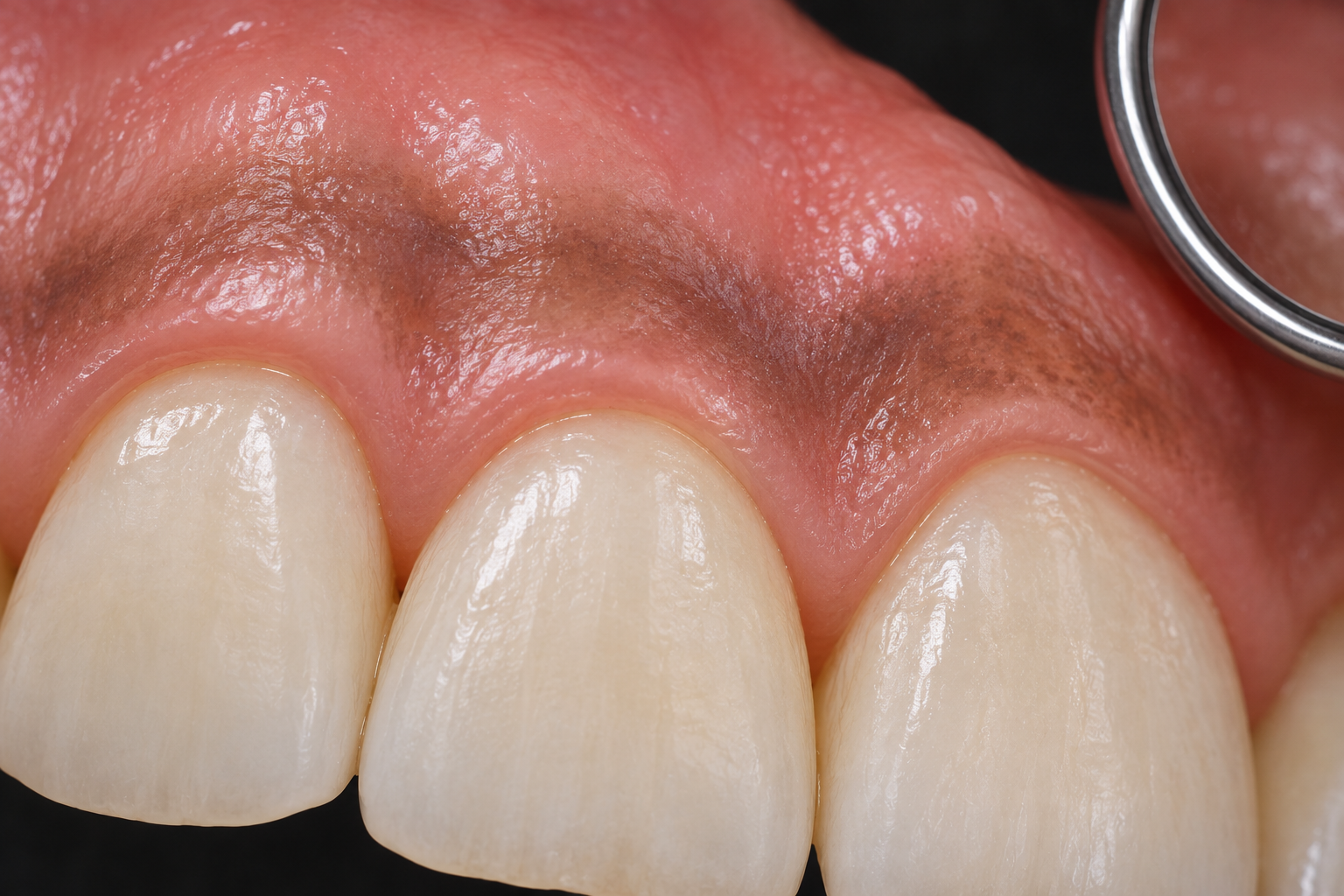
Periodontal plastic surgery includes procedures to reshape, reposition or augment the tissues around teeth and implants. Suitability depends on periodontal health, anatomy and what needs treatment. [1][2]

Book an assessment

Care comes before reshaping. Not every aesthetic concern requires surgery.

Contour, recession and volume need different care.

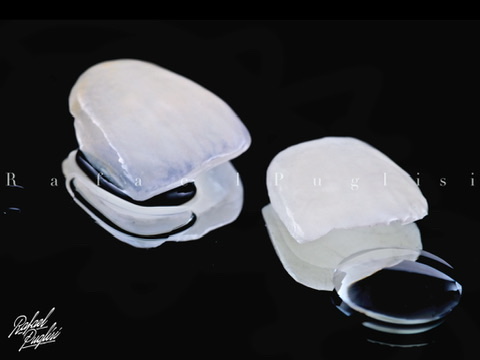
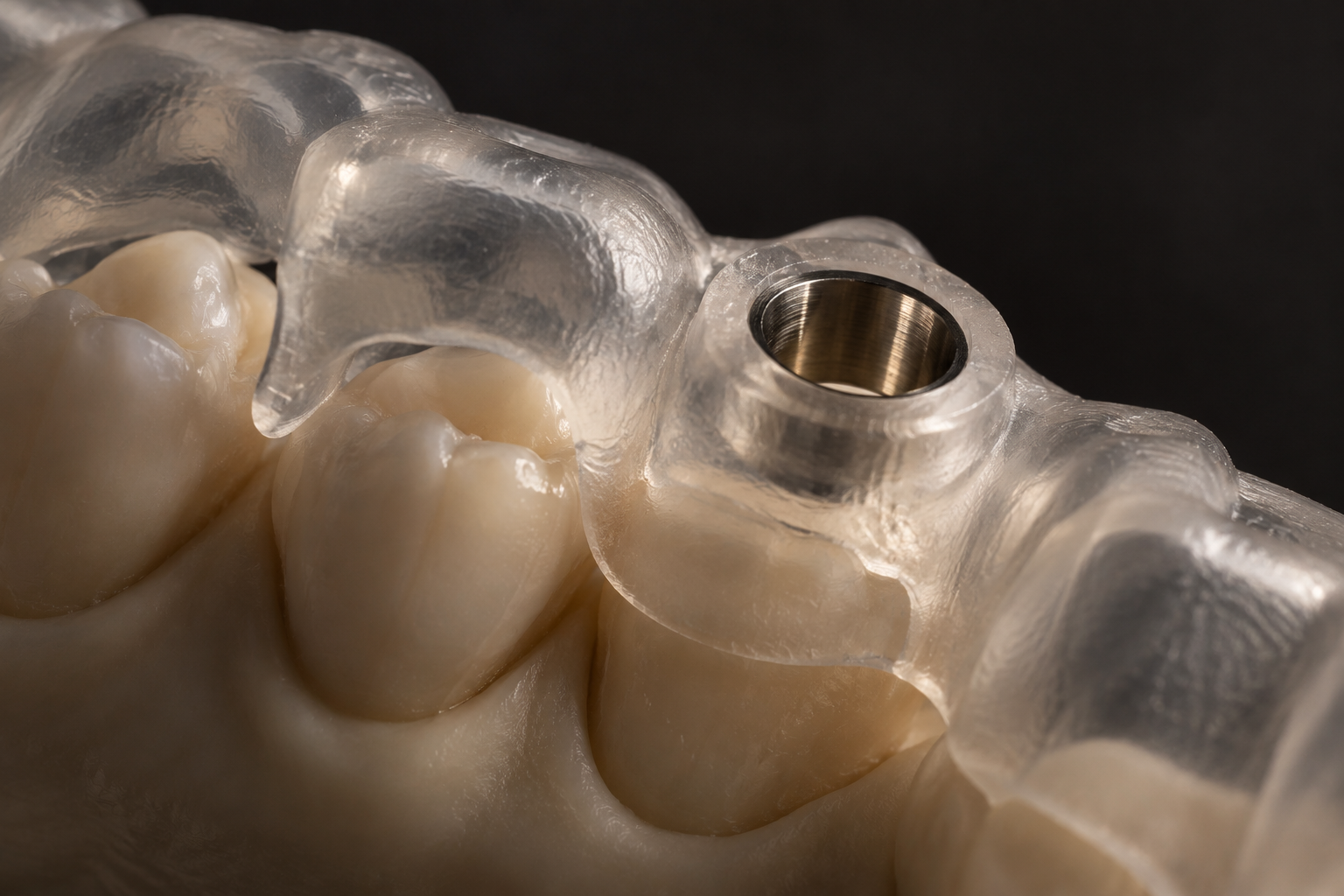
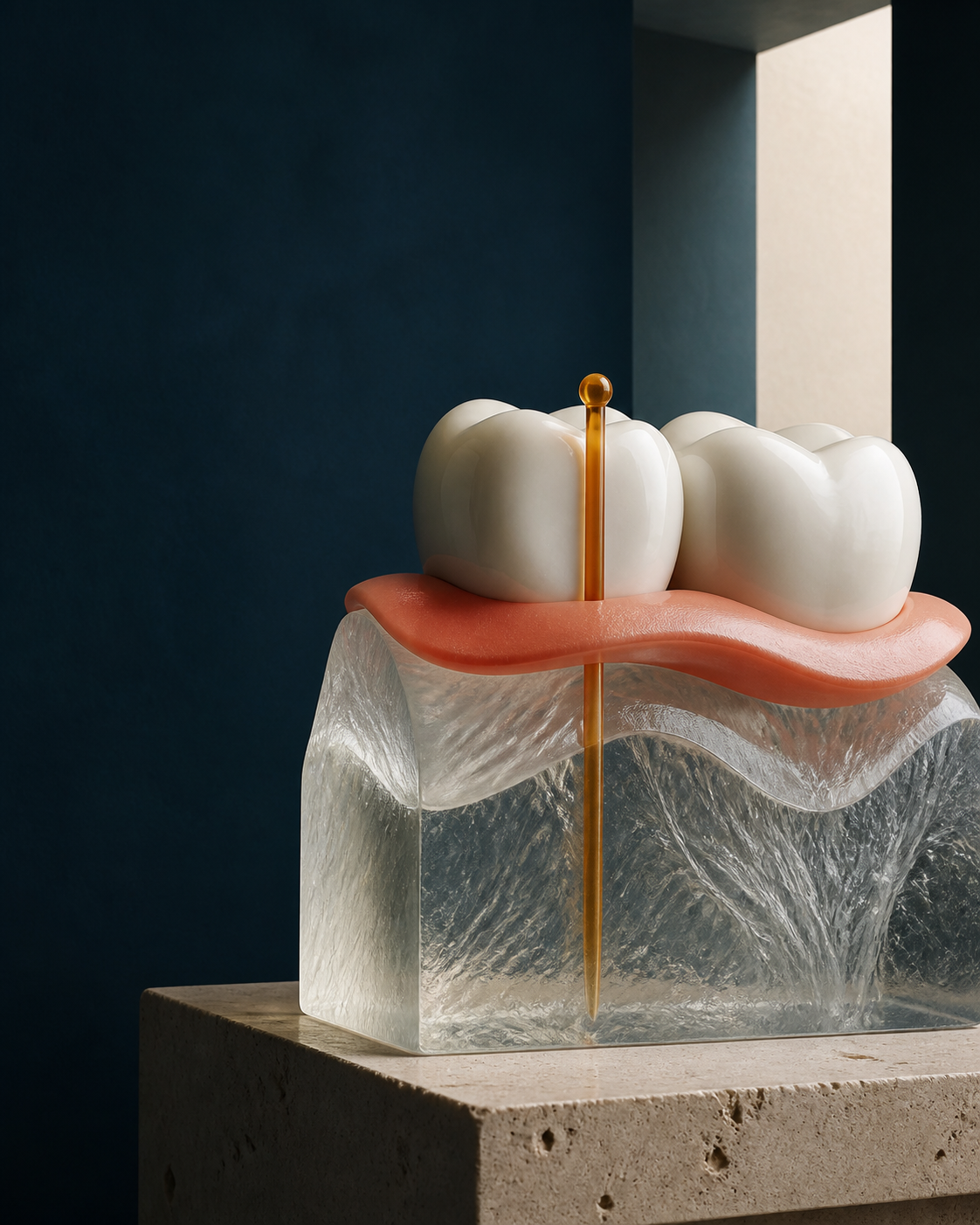
Conceptual artwork of a translucent form with a mineral gingival contour

The term covers different interventions in the tissues around teeth and implants. They may remove excess tissue, cover an exposed root, increase tissue thickness or create access for a restoration. Suitability depends on diagnosis, rather than appearance alone. [1][2]

Contour changes how a smile is perceived.

When there is excess tissue or a need to expose more tooth structure, planning determines whether reshaping the gums is enough or whether the relationship with the bone also needs consideration. This difference changes technique, recovery and stability. [3]

The goal is not to create a standard measurement. It is to seek a coherent relationship between health, anatomy, teeth, gums and lip movement.

Reshape or expose

In some cases, the gingival margin is repositioned to improve contour or expose tooth structure. Assessment shows whether the procedure involves gum tissue alone or also the supporting bone.

Cover a root

When indicated, coverage and grafting techniques may improve recession. The possibility of complete coverage varies with the defect, tooth position and available tissues. [2]

Increase tissue

Increased thickness or volume may be planned to protect an area, facilitate hygiene, support rehabilitation or improve stability around teeth and implants.

Diagnosis determines what can change.

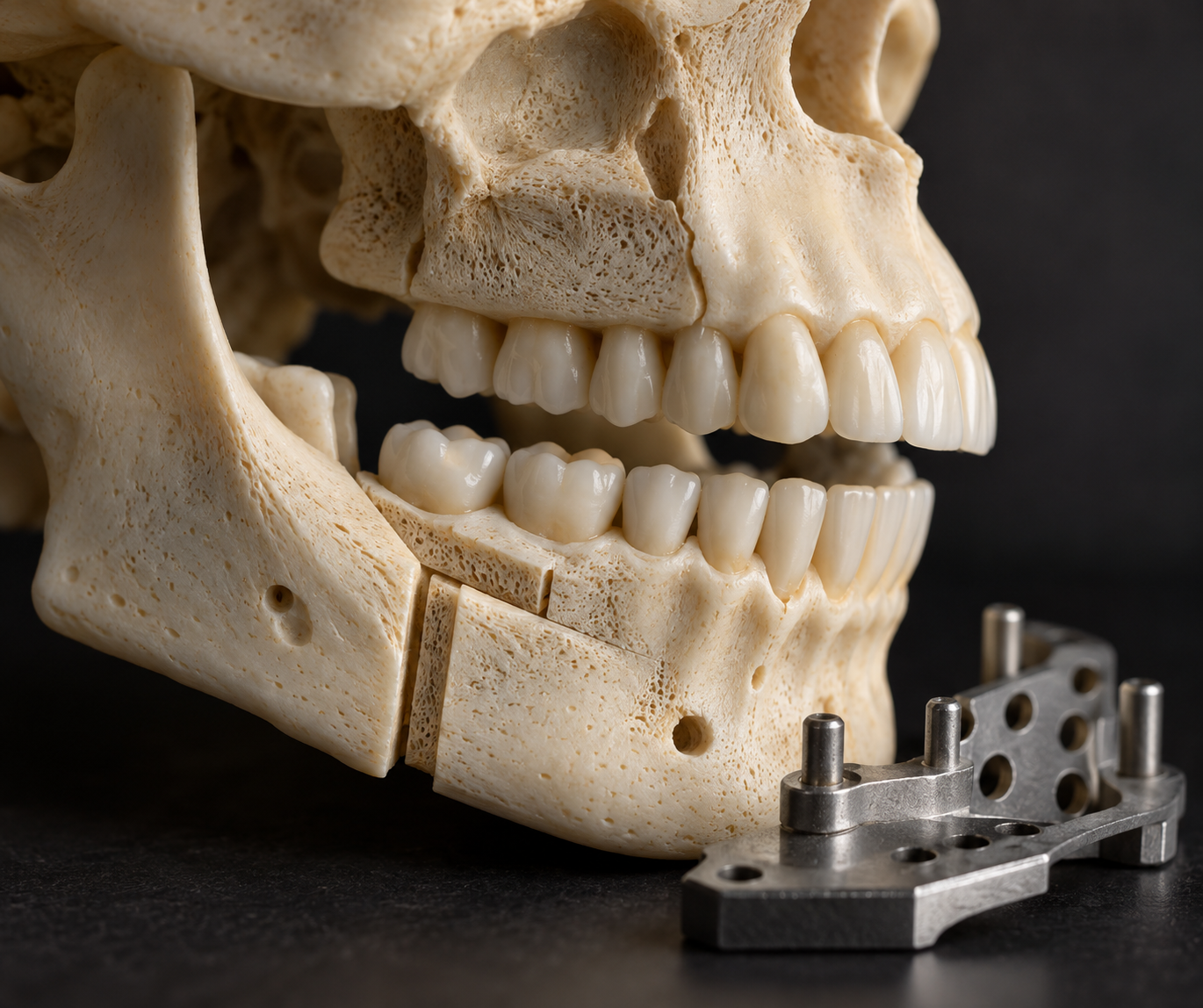
Conceptual artwork of a translucent composition marked with measurement axes

The perception of the person seeking treatment is part of the decision. It is combined with periodontal examination, tooth position, visible proportions, tissue thickness, smile line and health status. [1]

What you notice

Excess tissue, recession, asymmetry, sensitivity or difficulty cleaning.

What the examination finds

Inflammation, thickness, attachment, bone support, tooth position and local factors.

What the plan needs to respect

Health, function, healing, stability and realistic expectations.

The plan begins before surgery.

Controlling inflammation and biofilm, understanding habits and aligning expectations may change the indication. Smoking and systemic conditions are also discussed because they influence healing. [2]

  1. Listen

    Understand what is troubling the person, when it began and what they hope to change.

  2. Examine

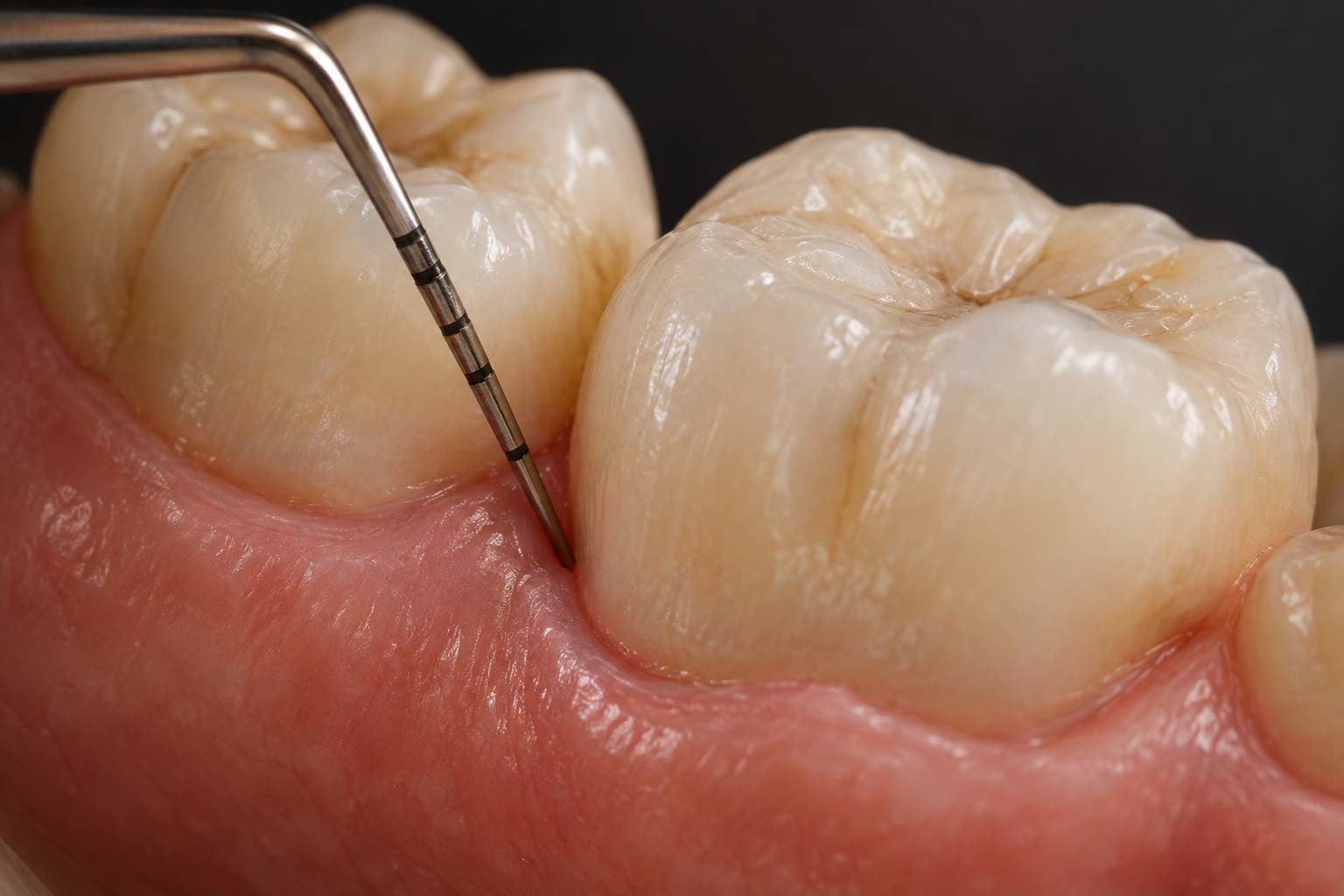
    Assess gums, teeth, support, hygiene, smile and factors affecting healing.

  3. Prepare

    Treat inflammation, advise on hygiene and establish the conditions needed before intervention.

  4. Plan

    Choose the technique, extent, sequence and limitations consistent with the diagnosis.

  5. Follow up

    Protect healing, review hygiene and monitor stability over time.

Healing and follow-up are part of the outcome.

Discomfort, swelling, slight bleeding and sensitivity may occur. Sutures, dressings and grafts depend on the technique. Diet, hygiene in the area and return to activities are guided case by case.

  • First few daysProtection of the area, prescribed medication and attention to dietary and hygiene instructions.
  • HealingThe tissue's appearance changes over the weeks. The outcome should not be judged immediately after surgery.
  • Follow-upFollow-up appointments assess hygiene, comfort, tissue maturation and the need for adjustments.

Limitations that need to be clear

Predictability depends on the type and extent of the defect, periodontal support, tooth position, tissue thickness, hygiene and individual healing. Periodontal techniques may improve selected conditions, but do not allow promises of perfect symmetry or an identical outcome for everyone. [1][2]

Not every root can be completely covered. Not every contour should be made even.

Gum health before any intervention.

Periodontal plastic surgery is part of periodontics. Control of inflammation and calculus may come before any aesthetic intervention.

Questions about periodontal plastic surgery

What is gum surgery?

It is a broad term for periodontal procedures that reshape, reposition or augment the tissues around teeth and implants. The technique depends on what needs treatment.

Is periodontal plastic surgery always aesthetic?

No. It may also protect a root, facilitate hygiene, treat a tissue defect or create access and space for a restoration.

Does every gummy smile need surgery?

No. Gum exposure may involve lips, teeth, gums, bone and tooth position. Assessment identifies the origin before recommending any intervention.

Can an exposed root be covered?

In selected situations, coverage and grafting techniques may improve coverage and tissue thickness. The possibility of complete root coverage varies with the defect and anatomy.

Does the procedure hurt?

It is performed with local anaesthesia. Discomfort, swelling and sensitivity may occur afterwards, with intensity depending on the extent and technique. Management is guided individually.

How long does healing take?

There is no single timeframe. The initial phase takes place during the first days and weeks, but tissue continues to mature. Grafts and more extensive procedures need their own follow-up.

Is the result permanent?

Stability depends on suitability, technique, periodontal health, hygiene, habits, restorations and follow-up. Biological and dental changes over time may also alter the contour.

Why treat the gums before veneers or restorations?

Because inflammation, contour and gingival margin position influence planning, impressions or scanning, fit, hygiene and final appearance. The sequence needs to be established jointly.

Is a gum graft dangerous?

It is a common procedure, done under local anaesthesia. There may be pain, swelling, light bleeding and sensitivity in the area where the tissue was taken, usually temporary. Serious complications are uncommon, and follow-up after surgery is part of the treatment. [4]

How much does gum surgery cost?

The cost depends on the technique, the size of the area treated, any grafts and the follow-up. It is presented after the assessment.Treatment can be paid in up to 21 credit card instalments, depending on the treatment plan and current conditions.
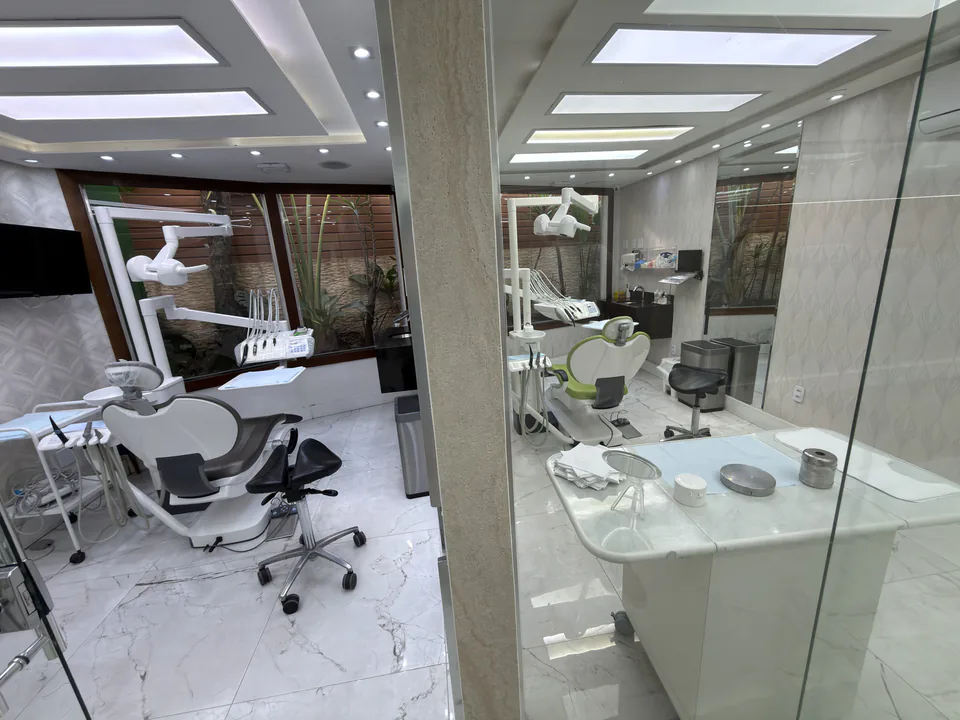
Beyond aesthetics, we are a multidisciplinary clinic.

Explore options

Care takes place here

Gum assessment is part of care that considers the teeth, supporting tissues and oral health together.

Across more than 400 m², seven consulting rooms and an integrated in-house laboratory bring together different stages of care at the same address. Discover the Institute.

A history in dentistry since 1923 connects generations with care today. Explore the Institute's history.

Documentary portrait of Dr Silvana Puglisi

Dr Silvana Puglisi is the dentist responsible for technical oversight. Meet our professionals who continue to provide care and carry on the work of LAB Puglisi.

Spacious reception at the Institute with artwork by Kobra
Lounge with green armchairs, artwork and a garden visible through the glass doors
Two dental consulting rooms connected by a glass partition
Curved corridor with wood panelling, amber lighting and a door at the far end

The next step is to understand your gums.

Periodontal assessment brings together health, anatomy, expectations and healing before any technique is chosen.

Book an assessment for periodontal plastic surgery

Bibliographic references

Sources supporting the clinical information. They do not replace individual assessment.

Original Portuguese content reviewed by Dr Silvana Puglisi, dental surgeon, CRO 33.773, technical director, on .

  1. Tonetti M, Sanz M, Cairo F, et al. Aesthetics and Patient-Reported Outcomes in Periodontology and Implant Dentistry: Consensus Report. J Clin Periodontol. 2025. 52(9):1222-1244. PMID 40495112. DOI 10.1111/jcpe.14182.
  2. Sanz M, Simion M. Surgical techniques on periodontal plastic surgery and soft tissue regeneration: Consensus Report of Group 3 of the 10th European Workshop on Periodontology. J Clin Periodontol. 2014. 41 Suppl 15:S92-S97. DOI 10.1111/jcpe.12215.
  3. Smith SC, Goh R, Ma S, Nogueira GR, Atieh M, Tawse-Smith A. Periodontal tissue changes after crown lengthening surgery: A systematic review and meta-analysis. Saudi Dent J. 2023. 35(4):294-304. PMID 37251724. DOI 10.1016/j.sdentj.2023.03.004.
  4. American Academy of Periodontology. Surgical Procedures: Gum Graft Surgery and Dental Crown Lengthening. Institutional resource for patients.

Preserved further reading

  1. Gum Disease Information. American Academy of Periodontology. AAP (2024). . Official source
  2. Chambrone L, Salinas Ortega MA, Sukekava F, Rotundo R, Kalemaj Z, Buti J, Pini Prato GP. Root coverage procedures for treating localised and multiple recession-type defects. Cochrane Database Syst Rev. 2018, 10:CD007161. PMID 30277568. DOI 10.1002/14651858.CD007161.pub3. Evidence with limitations in certainty and risk of bias, without a promise of complete root coverage.

The source page records consultation of the supplementary sources on 17/09/2026. The Cochrane reference was reconciled with the bibliographic record of the updated 2018 review.

Privacy preferences

Your choice is valid for 180 days in this browser. You can change it under “Privacy”.

Forms may use Google reCAPTCHA to prevent abuse. Read the Privacy Policy