↗ PT

Other pages are available in Portuguese

Skip to content

Orthognathic surgery

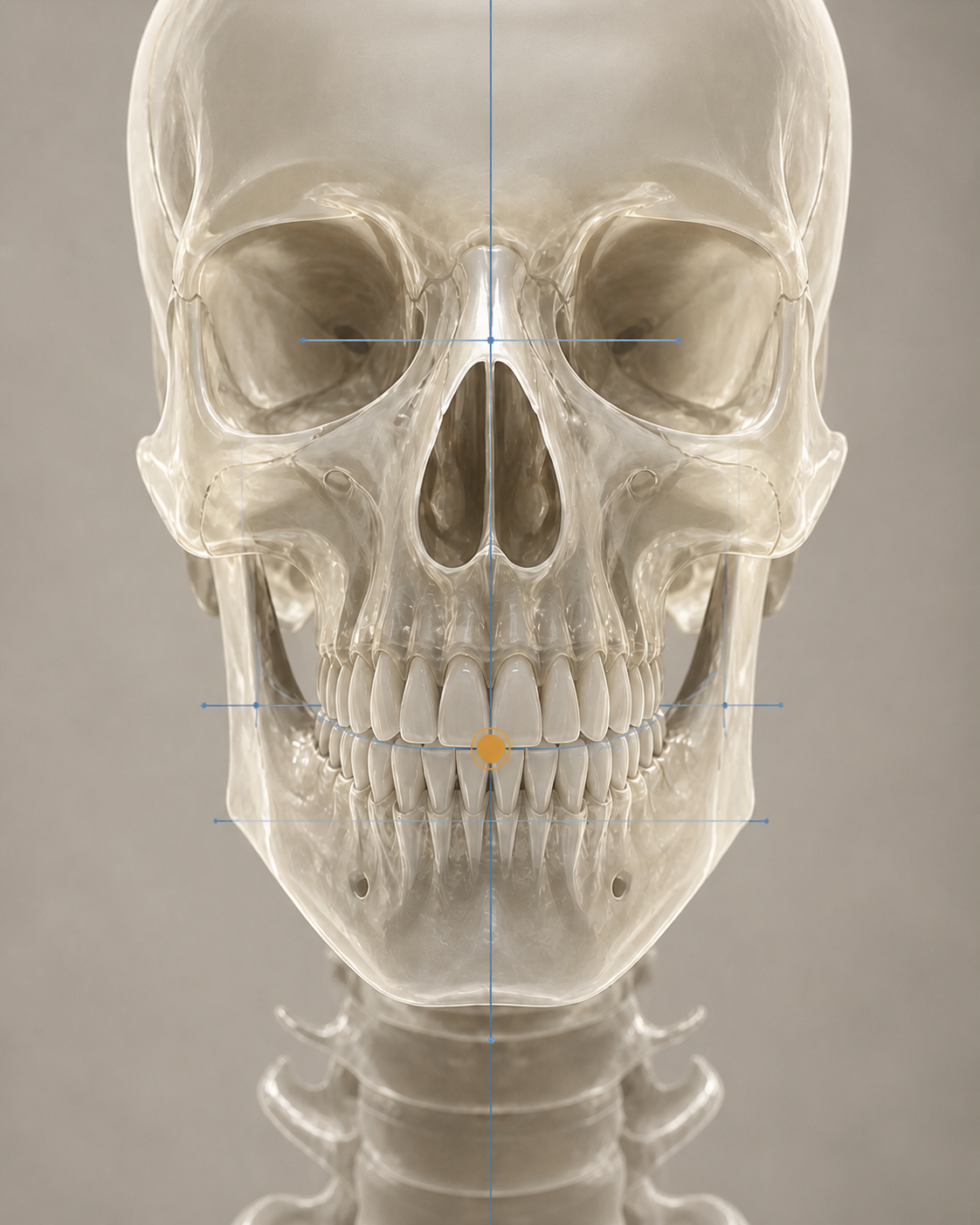
Conceptual frontal skull sculpture with facial and bite axes

Orthognathic surgery corrects bony changes of the upper jaw, lower jaw or both. When moving teeth is not enough, assessment brings together structure, function and expectations. [1] [2]

Book an assessment

Suitability arises from diagnosis and joint planning. It is not an isolated aesthetic treatment.

Diagnosis begins before surgery.

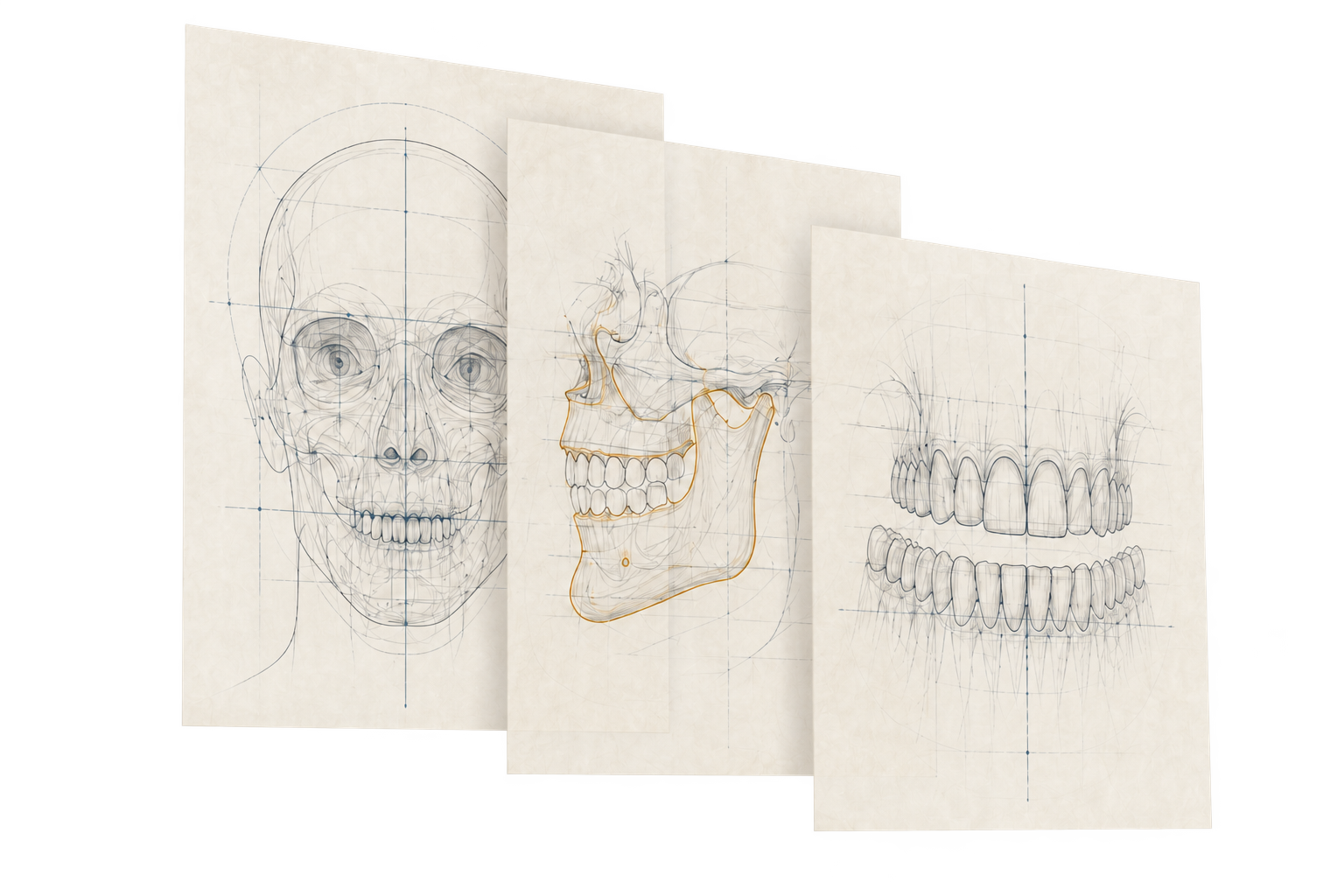
Three conceptual planning sheets for the face, jaws and bite

Orthognathic surgery is the surgical correction of skeletal changes of the upper jaw, lower jaw or both. The main goal is to improve the relationship between form and function. Facial contour changes occur as a consequence of bone movements and need discussion from the planning stage. [1]

A photograph or isolated measurement does not determine treatment. History, examination, records and expectations need to converge.

Not every different bite requires surgery.

Assessment seeks to establish whether the difference lies mainly in the teeth, the bony bases or both. Clinical criteria guide discussion but do not act as an automatic indication. The decision is individual. [1]

Front and back

The upper and lower jaws may lie ahead of or behind one another in a way that tooth movement alone cannot compensate for.

Height

Open bite, vertical excess or deficiency and deep overlap need to be assessed alongside facial structure and function.

Width

Transverse differences may alter how the arches meet and require investigation beyond each tooth's position.

Asymmetry

Lateral deviations gain significance when related to occlusion, growth, function and stability.

Teeth and bones need to come together.

In many plans, the orthodontist and oral and maxillofacial surgeon work in coordination. The actual sequence depends on diagnosis. It may include orthodontic preparation, surgical planning, surgery and bite refinement afterwards. [2] [3]

  1. Prepare

    Organise the teeth so they reveal, rather than conceal, the relationship between the bony bases.

  2. Plan

    Determine movements, limitations, the surgical setting and how the plan will be followed up.

  3. Follow up

    Monitor healing, function, stability and final bite adjustment over time.

Digital planning shows a hypothesis, not a promise.

Digital records help study movements and communicate the plan. They cannot guarantee how each tissue will respond, how long each stage will take or the exact appearance after recovery.

Shows
relationships, planned movements and alternatives discussed by the team
Does not guarantee
an outcome identical to the simulation, absolute symmetry or a uniform biological response
Guides
an informed decision that may be reviewed when new findings emerge

Recovery is also part of the plan.

Orthognathic surgery usually takes place under general anaesthesia and requires close follow-up. Swelling, temporary dietary changes and altered sensation may occur after surgery. The responsible team needs to explain risks, benefits, alternatives and warning signs before the decision. [3]

Setting

The location of surgery, hospital stay and team are determined according to the procedure and the person's condition.

Sensation

Numbness or altered sensation may occur. Extent and duration vary with the movement and each person's body.

Routine

Diet, hygiene, rest, activity and return to work receive specific instructions.

Follow-up

The surgeon and orthodontist monitor healing, bite, function and stability in the following stages.

A major decision deserves clear limitations.

  • an attractive image does not replace diagnosis
  • a simulation is not a guarantee of the outcome
  • surgery is not indicated for every bite difference
  • functional benefits and facial changes need to be discussed together
  • the plan may change when new examinations or findings emerge

Systematic reviews report improved quality of life in treated groups, but each person has different motivations, risks and responses. [4] [5]

Before deciding.

Direct answers to begin the discussion. Actual suitability depends on individual assessment.

What is orthognathic surgery?

It is surgical correction of the position of the upper jaw, lower jaw or both when there is a significant skeletal difference. Treatment seeks to improve the relationship between form and function. [1]

Does every misaligned bite need surgery?

No. Many differences are treated with orthodontics or monitoring alone. Surgery is discussed when the bony relationship limits what tooth movement can resolve.

Do braces come before surgery?

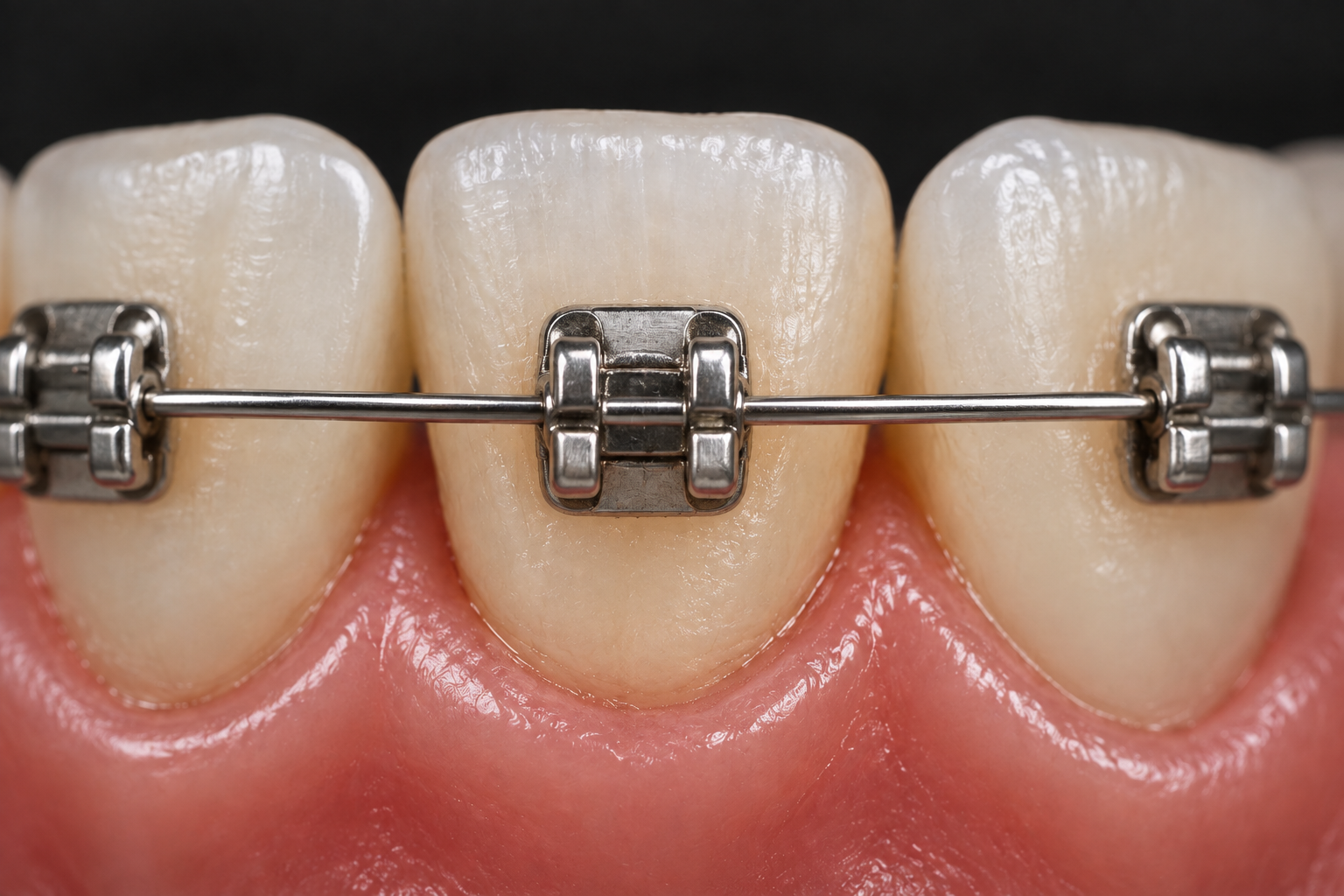
Orthodontic preparation before surgery and adjustment afterwards are common, but the sequence is not the same for everyone. The orthodontist and surgeon determine the strategy together. [2] [3]

Does the face change?

Movements of the bony bases alter support for facial tissues. These changes need to be anticipated and discussed, but cannot be promised with absolute precision.

Is it purely aesthetic surgery?

No. The main goal is to correct the skeletal relationship and its functional effects. Facial appearance may also change and forms part of consent and planning. [1]

How long does treatment take?

There is no single timeframe. Orthodontic preparation, surgery, healing and refinement vary with diagnosis, planned movements and individual response.

Which risks need discussion?

As well as the general risks of surgery and anaesthesia, bleeding, infection, altered sensation, bite changes and the need for additional follow-up or intervention may occur. The surgical team should explain the specific risks of your plan.

Does the digital simulation show the final result?

It helps study and communicate the planned movement. It does not guarantee tissue response, final symmetry or an appearance identical to the planned image.

How long does recovery from orthognathic surgery take?

The first days concentrate swelling and extra care with eating and hygiene. Initial bone healing usually takes about six weeks, and complete healing can take nine to twelve months. Return to work, studies and exercise is guided by the team for each case. [2]

What is the best age for orthognathic surgery?

In general, the surgery is done after the facial bones stop growing, which usually happens in late adolescence or early adulthood. The timing is defined by assessing growth, not by age alone. Adults can also be assessed for surgery. [6]

How much does orthognathic surgery cost?

The cost depends on the movements planned, the orthodontic preparation, the exams, the surgical setting and the follow-up. It is presented after the assessment, once the plan is defined. Treatment can be paid in up to 21 credit card instalments, depending on the treatment plan and current conditions.
Beyond aesthetics, we are a multidisciplinary clinic.

Explore options

Care takes place here

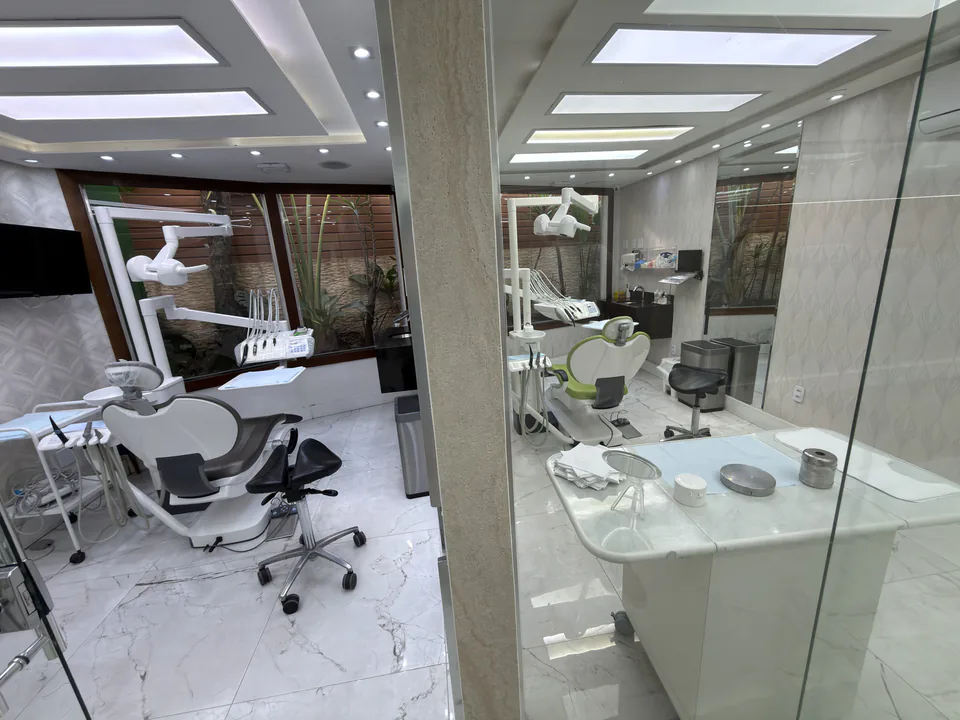
Across more than 400 m², seven consulting rooms and an integrated in-house laboratory bring together different stages of care at the same address. Discover the Institute.

A history in dentistry since 1923 connects generations with care today. Explore the Institute's history.

Meet our professionals at the Institute. Assessment determines the need for joint care by an orthodontist and an oral and maxillofacial surgeon. The surgical setting is defined according to the procedure and the person's condition.

Spacious reception at the Institute with artwork by Kobra
Lounge with green armchairs, artwork and a garden visible through the glass doors
Two dental consulting rooms connected by a glass partition
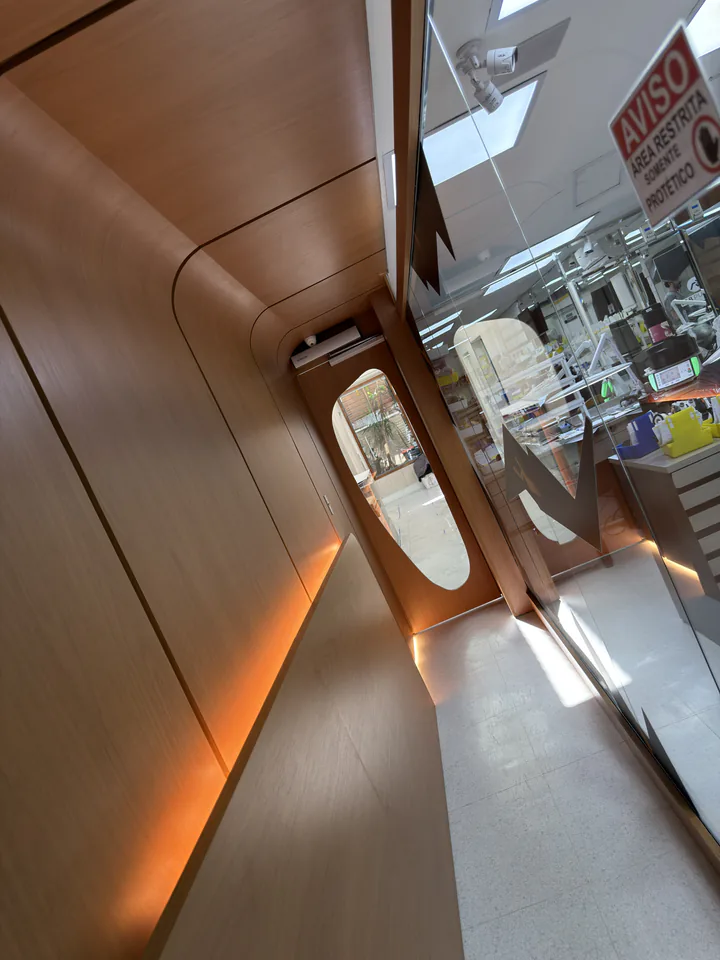
Curved corridor with wood panelling, amber lighting and a door at the far end

One plan begins with more than one perspective.

The first step is to understand whether the issue lies in the teeth, the bony bases or their relationship. From there, the team recommends which professionals, examinations and stages make sense.

Book an assessment

References

References for concepts, limitations and guidance on orthognathic surgery.

Original Portuguese content reviewed by Dr Silvana Puglisi, dental surgeon, CRO 33.773, technical director, on .

  1. American Association of Oral and Maxillofacial Surgeons. Indications for Orthognathic Surgery. Clinical Paper. 2025.
  2. American Association of Oral and Maxillofacial Surgeons. Corrective Jaw Surgery. Patient Information. 2024.
  3. University Hospitals of North Midlands NHS Trust. Orthognathic Surgery: Patient Information Leaflet. 2023.
  4. Zamboni R et al. Impacts of Orthognathic Surgery on Patient Satisfaction, Overall Quality of Life, and Oral Health-Related Quality of Life: A Systematic Literature Review. International Journal of Dentistry. 2019. PMID 31316563.
  5. Brouns VEHW et al. Oral health-related quality of life before, during, and after orthodontic-orthognathic treatment: a systematic review and meta-analysis. Clinical Oral Investigations. 2022. PMID 35194682.
  6. Mayo Clinic. Jaw surgery. Patient information. Official source.

Further reading

  1. Management of temporomandibular disorders. Okeson JP. Elsevier (2020). (DOI: 10.1016/C2015-0-04226-3). DOI 10.1016/C2015-0-04226-3
  2. Temporomandibular disorders. Cleveland Clinic. Cleveland Clinic (2023). . Official source

This information is general. Suitability, limitations and alternatives depend on individual clinical assessment.

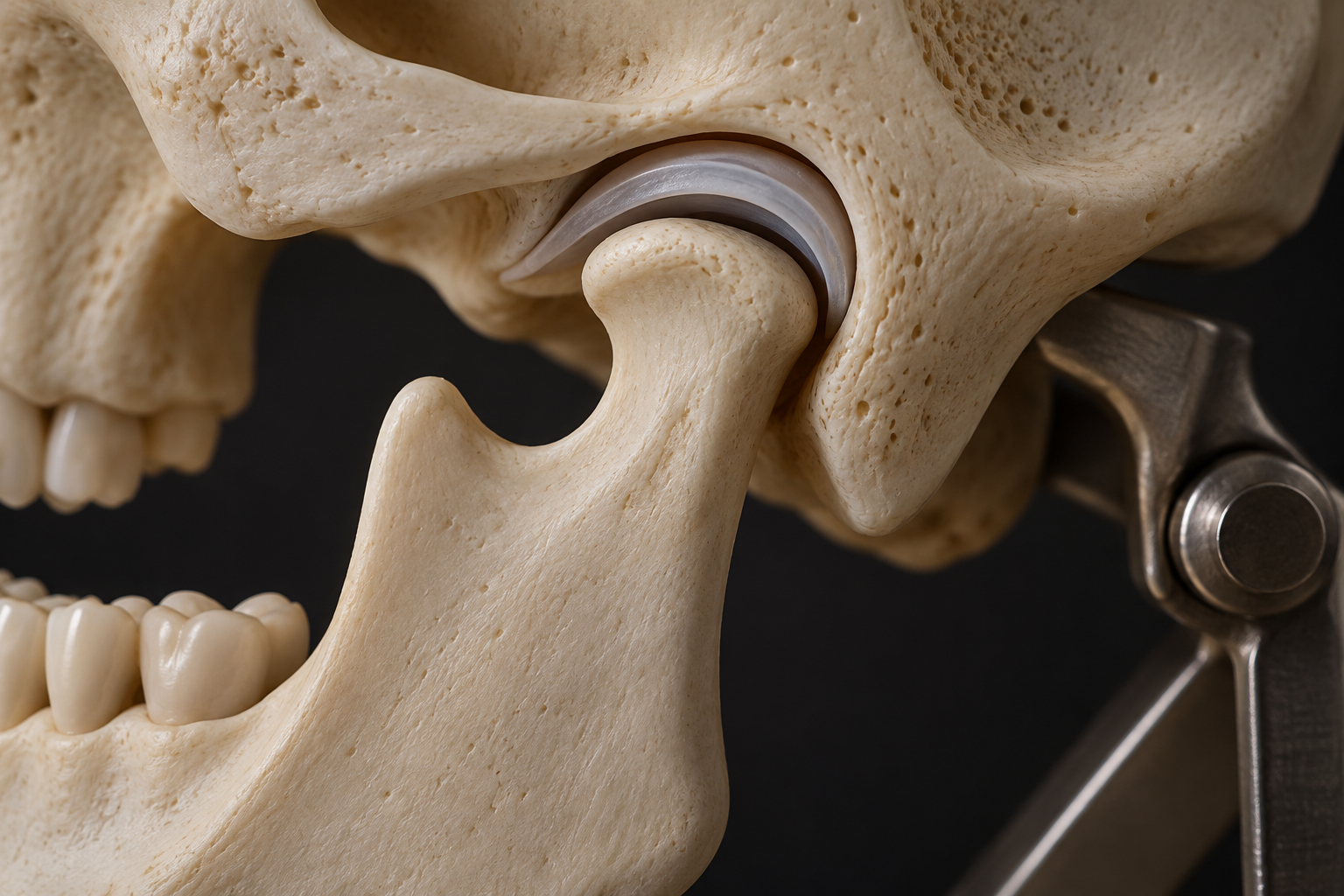
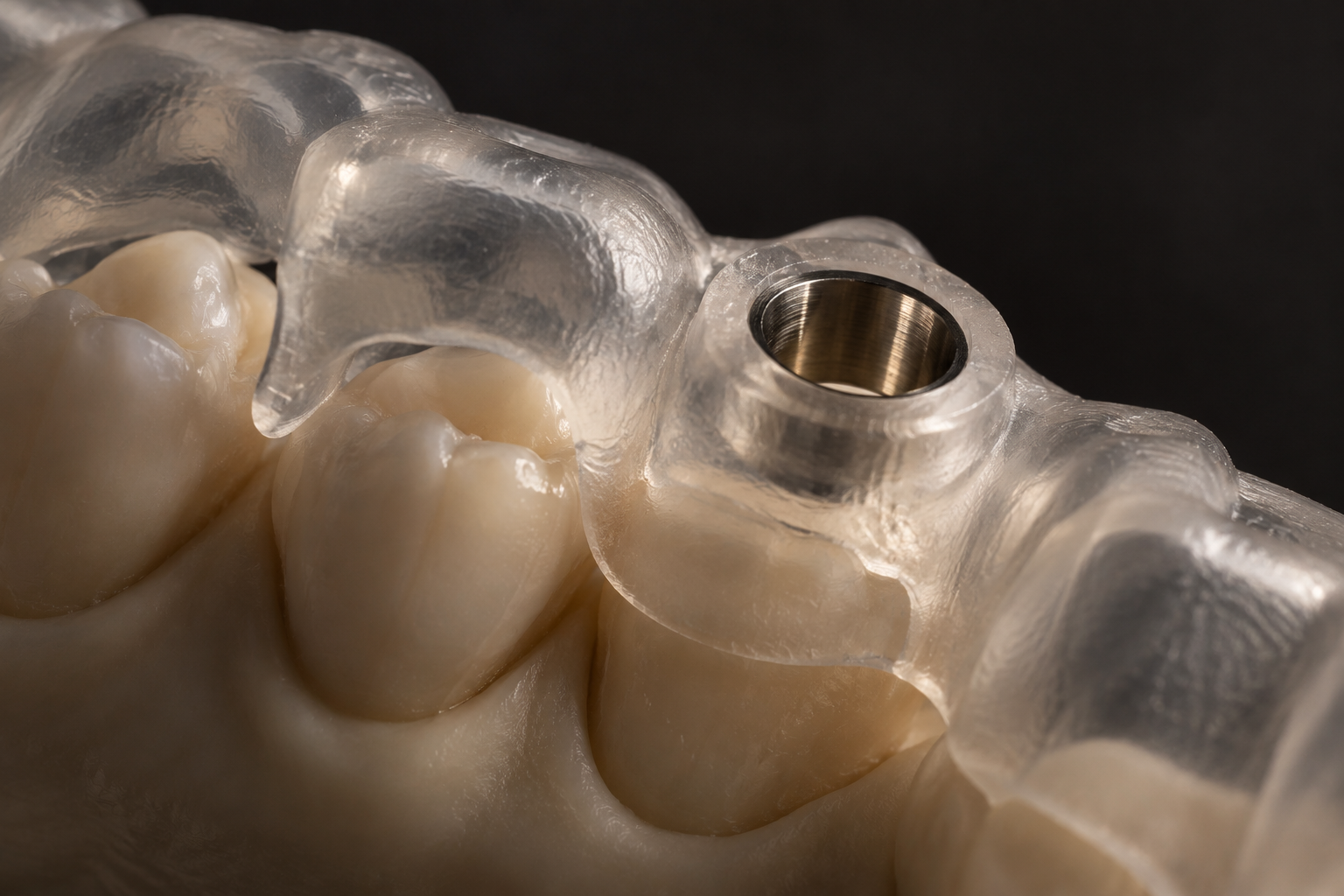
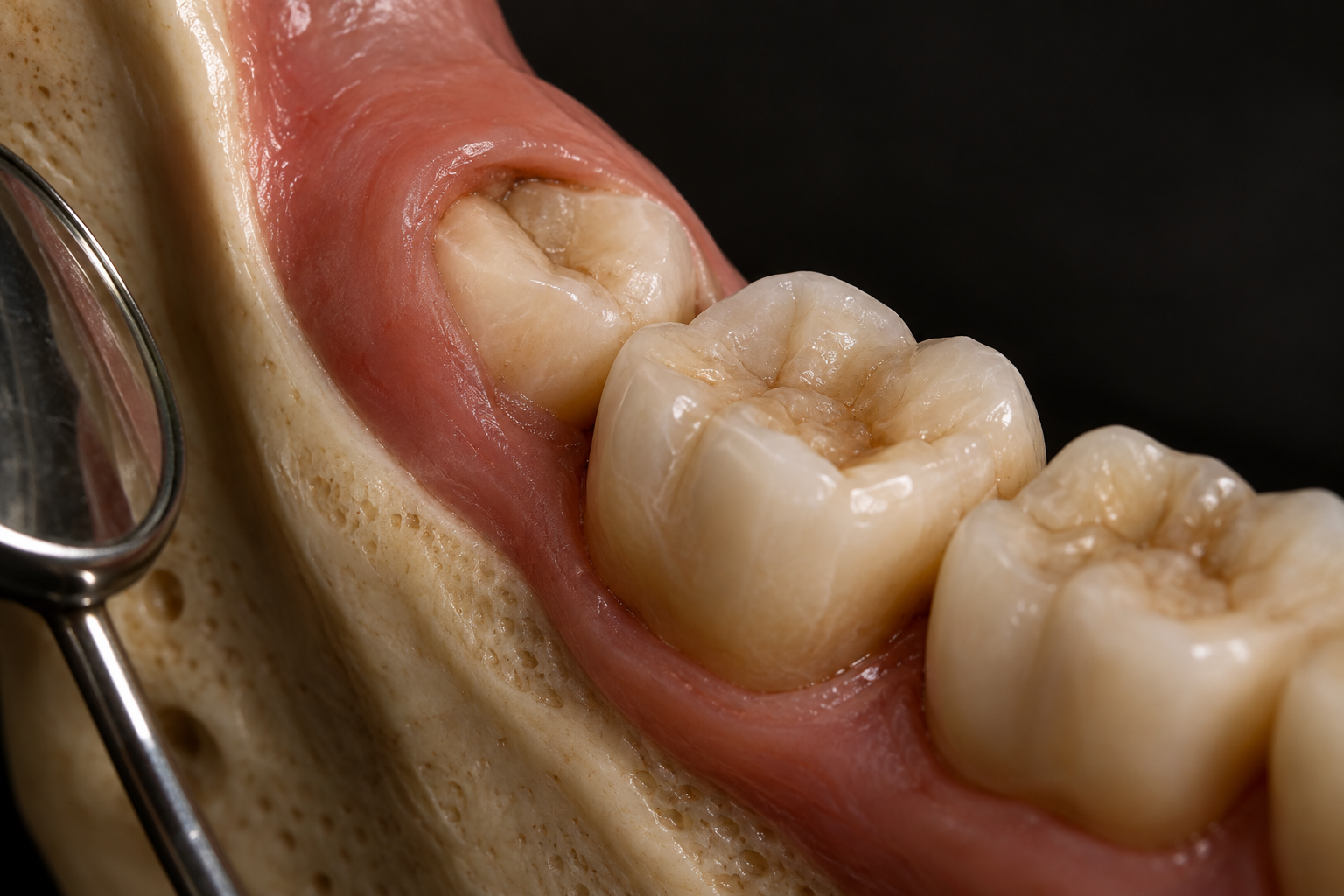
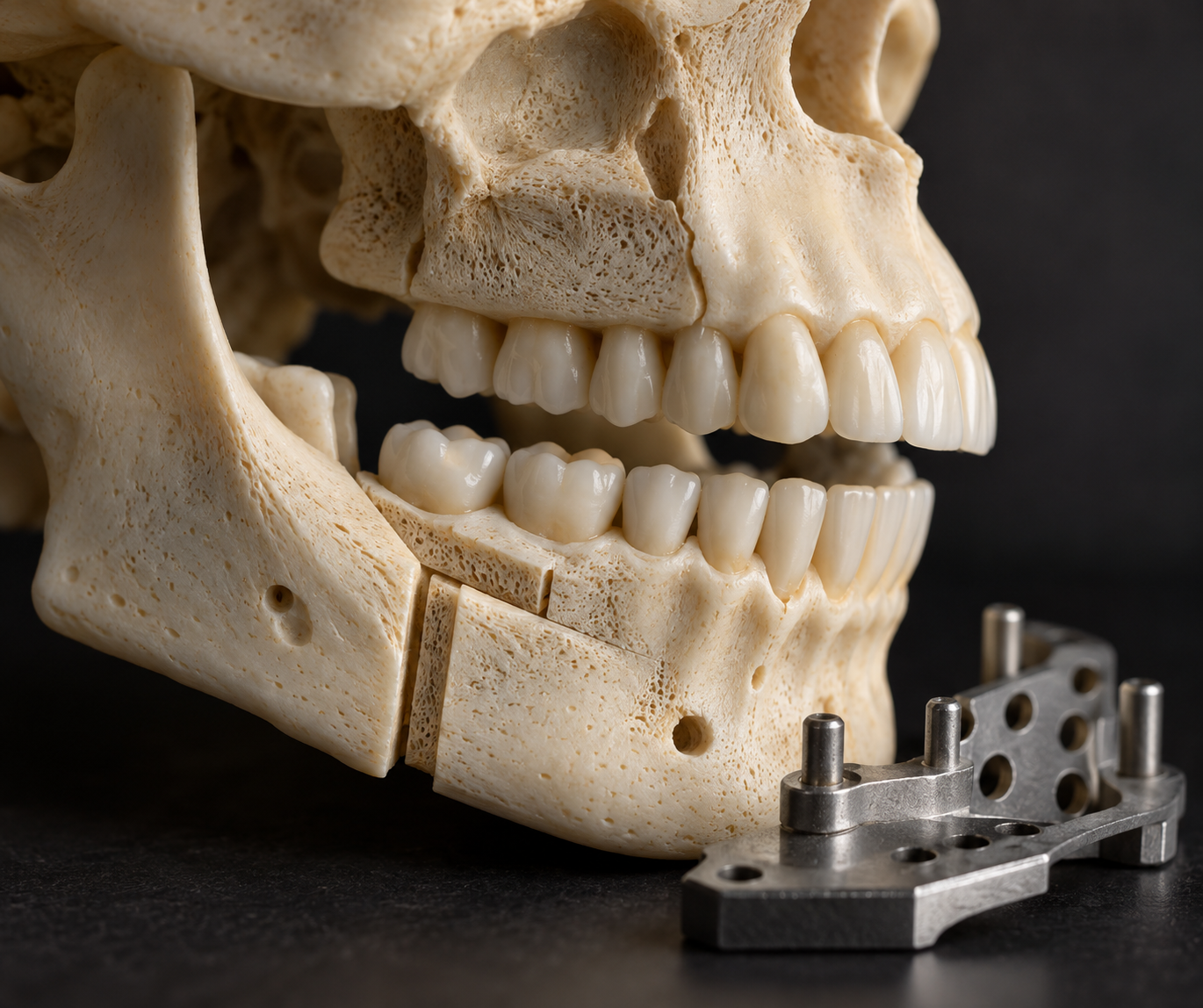
The images on this page are conceptual artworks. They do not represent a patient, examination or prediction of an outcome. Face, bony bases and teeth are studied as parts of the same relationship.

Privacy preferences

Your choice is valid for 180 days in this browser. You can change it under “Privacy”.

Forms may use Google reCAPTCHA to prevent abuse. Read the Privacy Policy