↗ PT

Other pages are available in Portuguese

Skip to content

Wisdom tooth removal

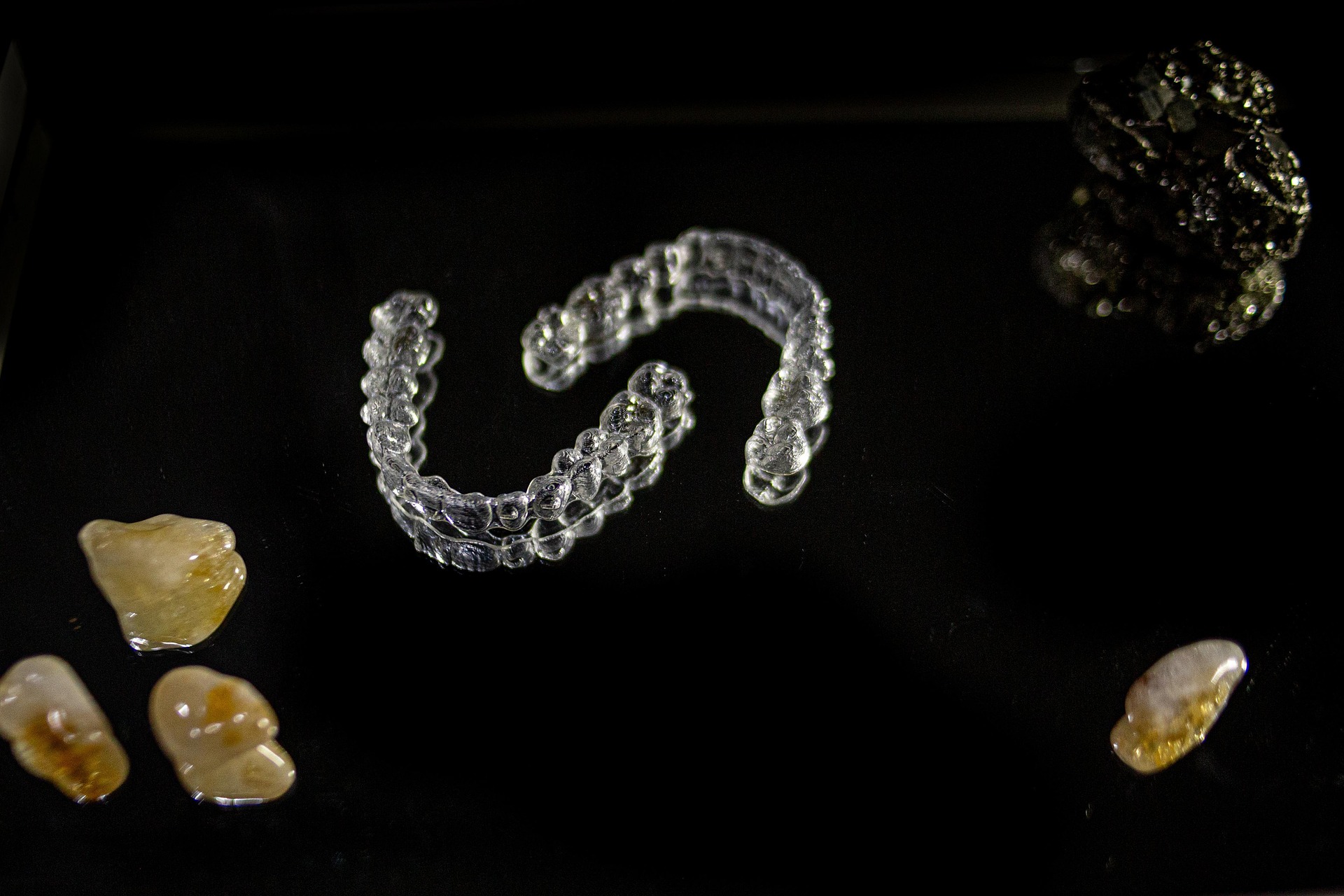
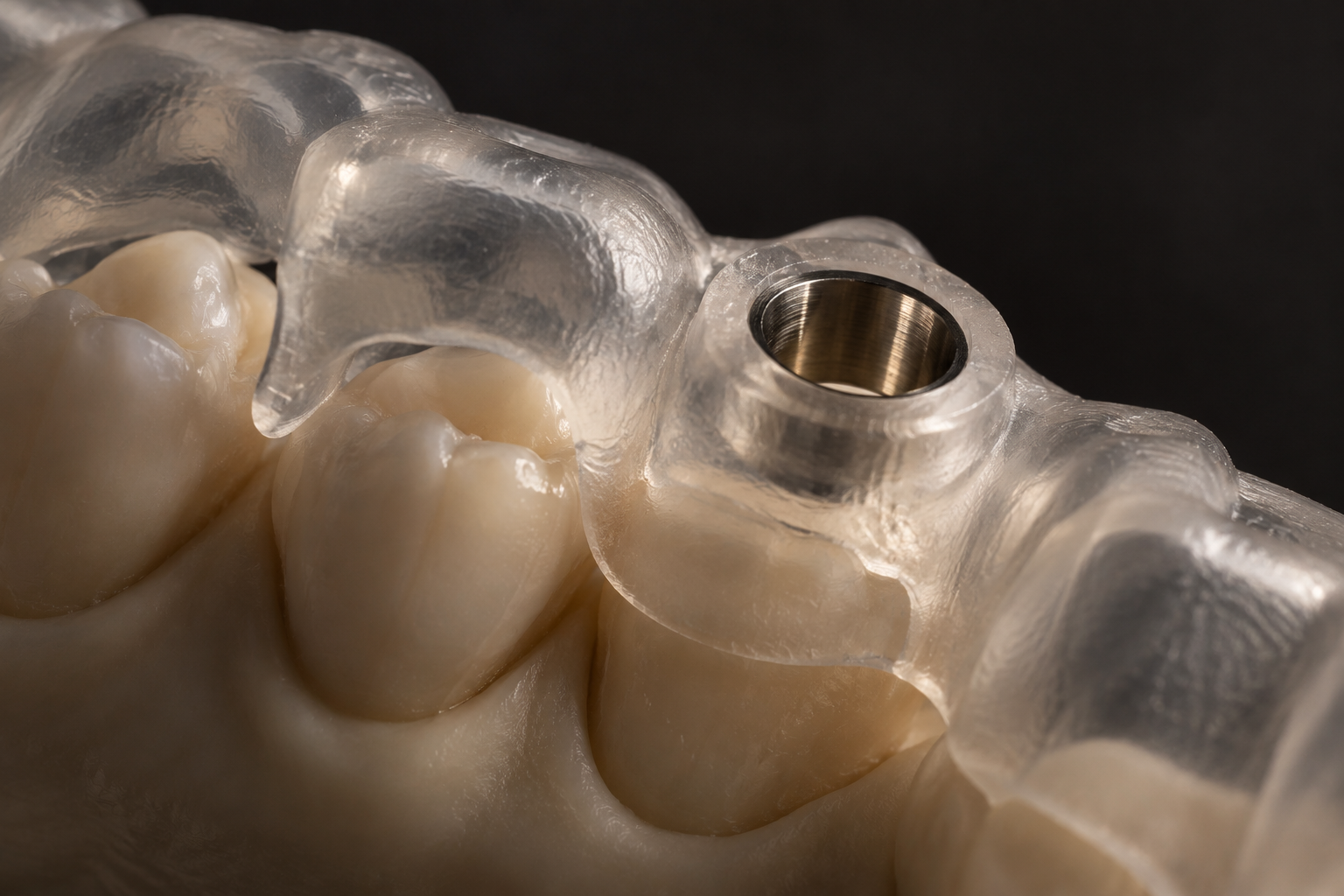
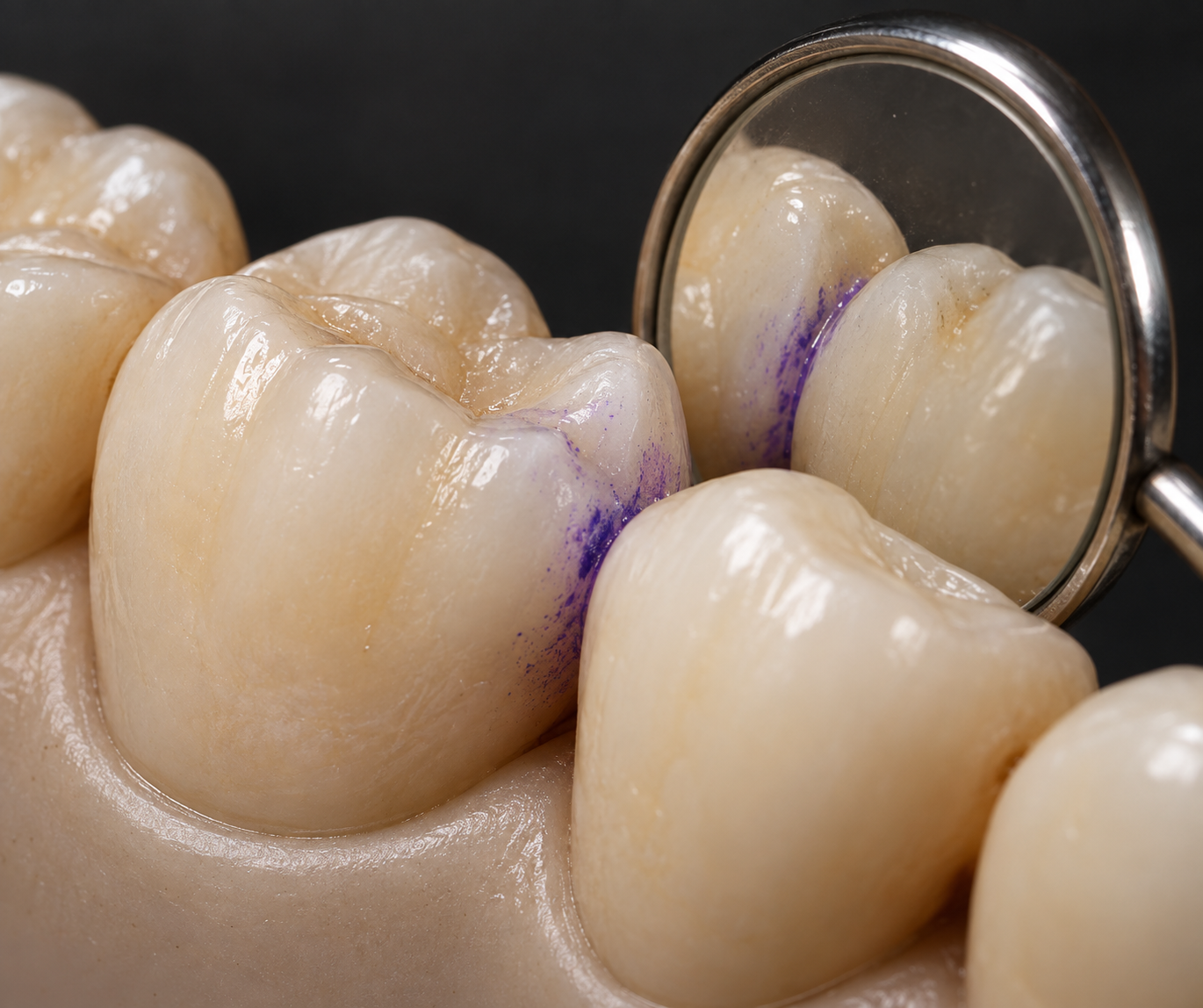
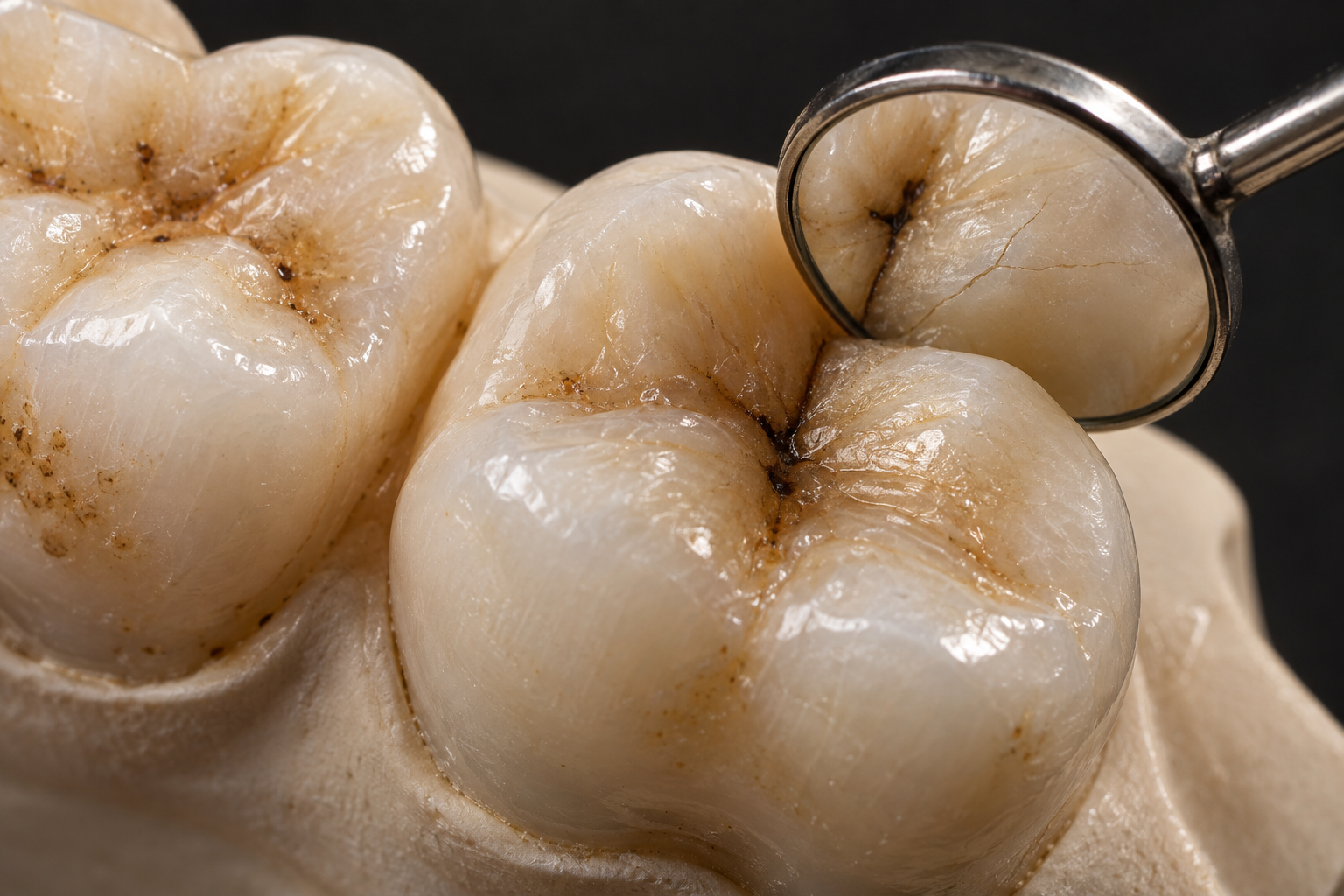
Conceptual artwork about monitoring or removing a wisdom tooth; it does not represent a radiograph or clinical case.

Not every wisdom tooth needs removal. The decision brings together symptoms, clinical examination, imaging when indicated and the risks of monitoring or surgery.

Book an assessment

At Instituto Rafa Puglisi, assessment also considers the health of the tissues and neighbouring tooth.

How we assess a wisdom tooth

Neither the presence of a wisdom tooth nor the absence of pain alone concludes the assessment. It combines current signs, tissue health, position, feasible hygiene, the neighbouring tooth and the risks of each approach. [1][2]

  1. History and symptoms

    What you feel, when it began, what has changed and whether previous episodes have occurred.

  2. Clinical examination

    Gums, hygiene, decay, function, space, the neighbouring tooth and signs of inflammation or infection.

  3. Imaging when indicated

    Position, roots and nearby structures are assessed using the examination appropriate to the clinical question.

  4. Context and choices

    Risks of keeping it, risks of removal, general health, preferences and the realistic possibility of follow-up.

Not every wisdom tooth needs to come out.

For impacted wisdom teeth without symptoms or identifiable disease, available evidence does not establish that removal is always better than monitoring. If the tooth remains, periodic clinical follow-up helps detect changes. [1][5]

There is also no reliable support for promising that removing wisdom teeth prevents late crowding of the front teeth. [1]

Monitor or remove

The indication does not arise from an isolated list. It comes from considering findings, risks, benefits and preferences together.

Monitoring may make sense

  • when there are no symptoms or clinical or radiographic signs of disease.
  • when the tooth and surrounding tissues can be examined and monitored.
  • when the risk or impact of surgery outweighs the expected benefit at that time.
  • when the person understands that keeping it also requires follow-up.

Removal may make sense

  • during episodes of inflammation or infection related to the wisdom tooth.
  • when there is decay that cannot adequately be restored, periodontal disease or damage to the neighbouring tooth.
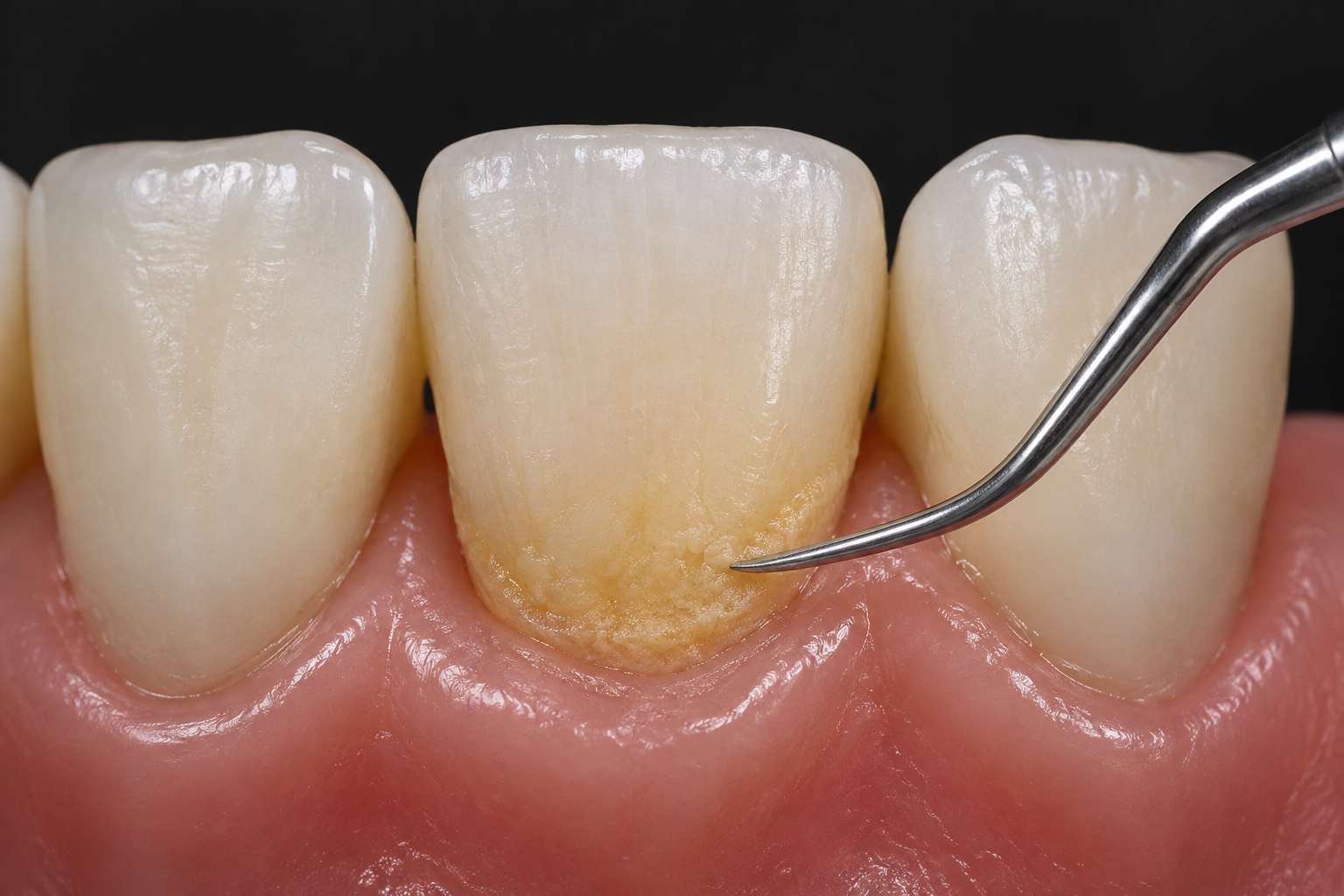
  • with changes such as resorption, a cyst or another associated pathology.
  • when the wisdom tooth interferes with other treatment and the indication is explained in context.

The examples above guide discussion; they do not replace diagnosis. [2][3][4]

Wisdom tooth follow-up

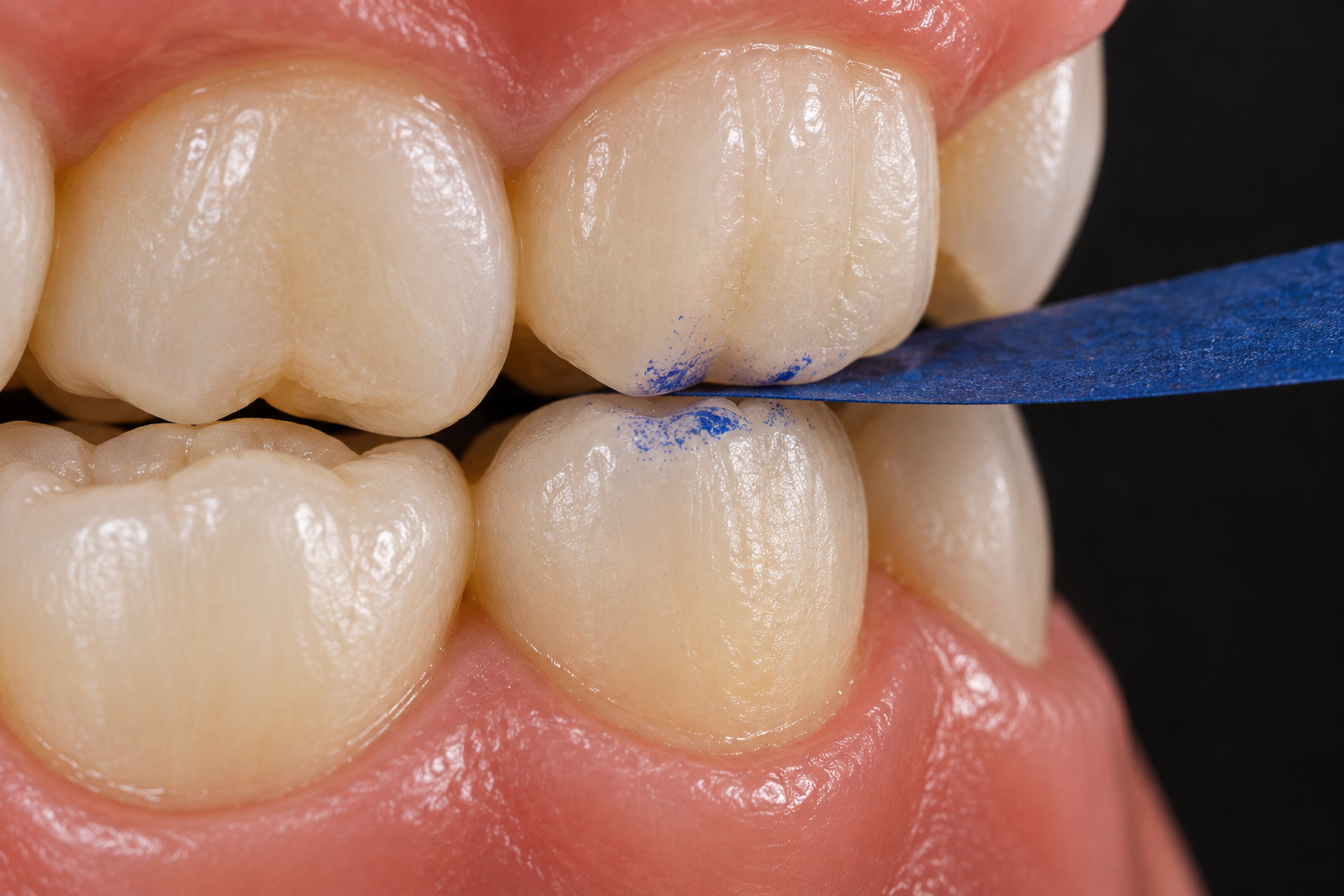
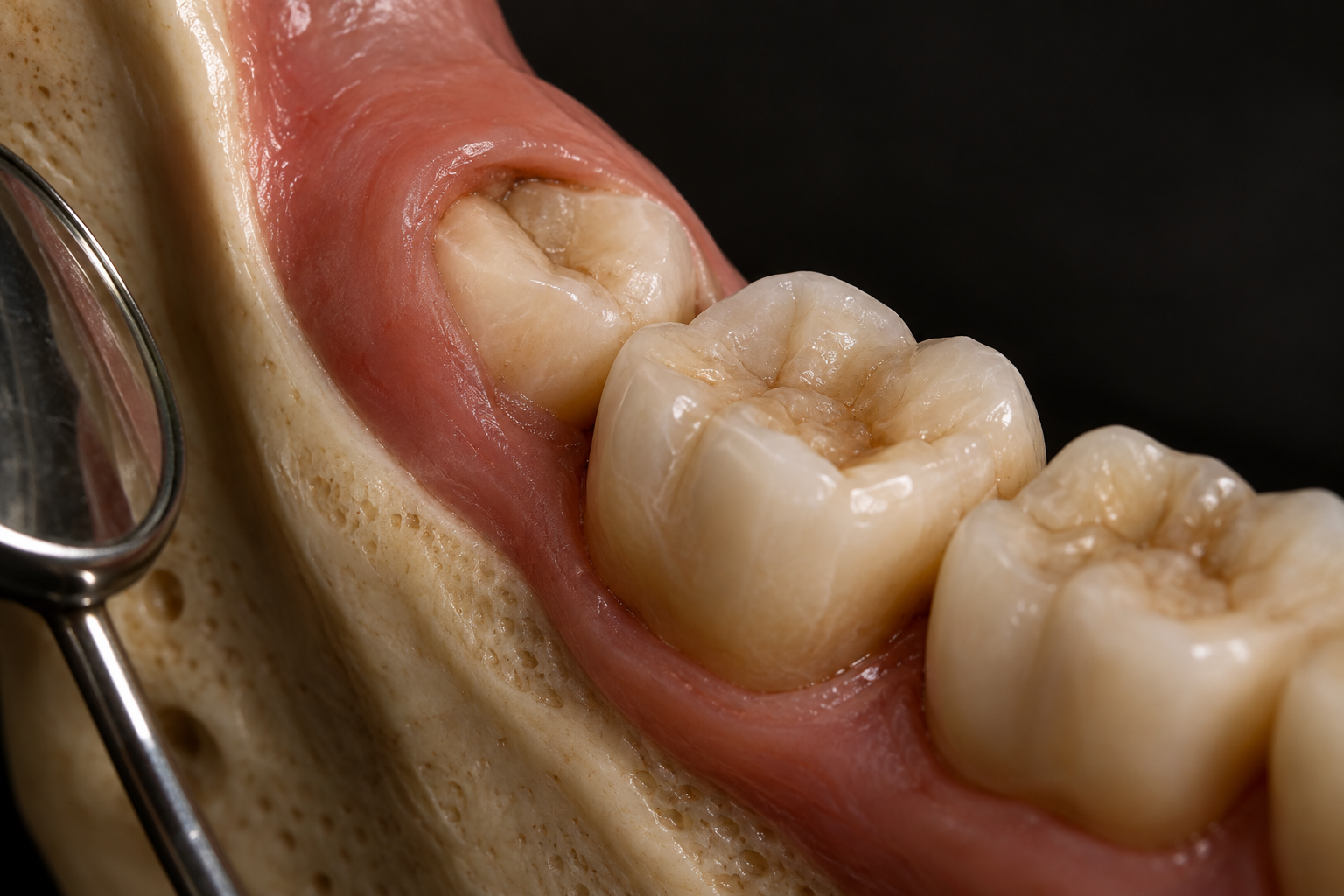
Illustration of a tilted wisdom tooth next to the neighbouring molar.

A wisdom tooth that is kept needs to remain part of dental appointments. Intervals and examinations depend on the case. The goal is to monitor tissues, hygiene, position and possible effects on the neighbouring tooth.
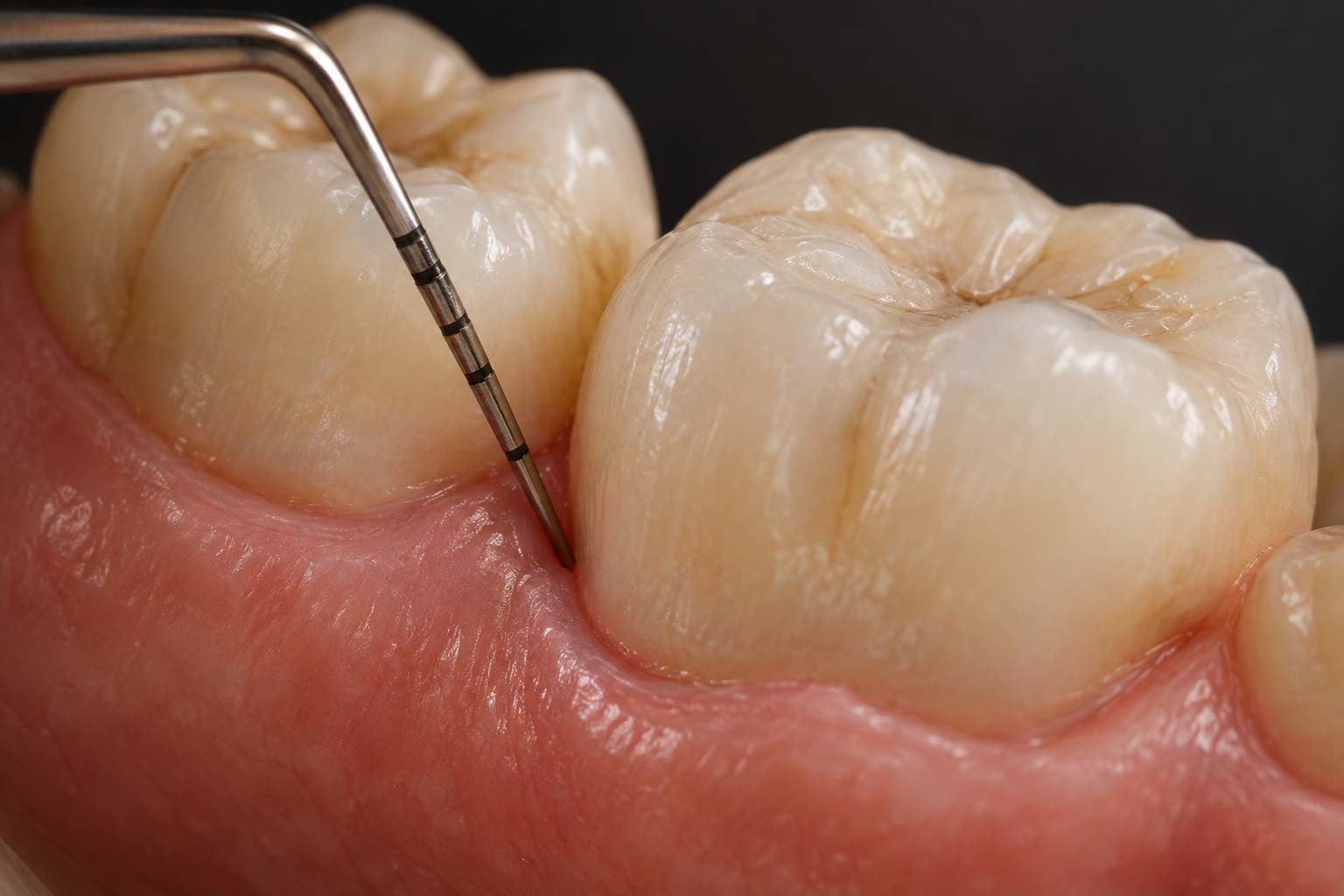
Seek assessment before your scheduled review if pain, swelling, a bad taste, difficulty opening the mouth or another new symptom develops. [3][4]

The artworks on this page are conceptual. They do not represent examinations or clinical cases.

When removal is indicated

Complexity is not the same for every wisdom tooth. Position, access, roots, nearby tissues, general health and anxiety influence the strategy.

  1. Before

    Diagnosis, discussion of alternatives and risks, imaging when needed and procedure-specific instructions.

  2. During treatment

    Local anaesthesia is usually part of care. The need for sedation, surgical access, division of the tooth or sutures depends on the case.

  3. Afterwards

    You receive individual instructions on hygiene, food, activity and medication. Do not change prescriptions yourself.

The procedure may range from a more straightforward extraction to surgical removal. [2][4]

Nearby structures and coronectomy

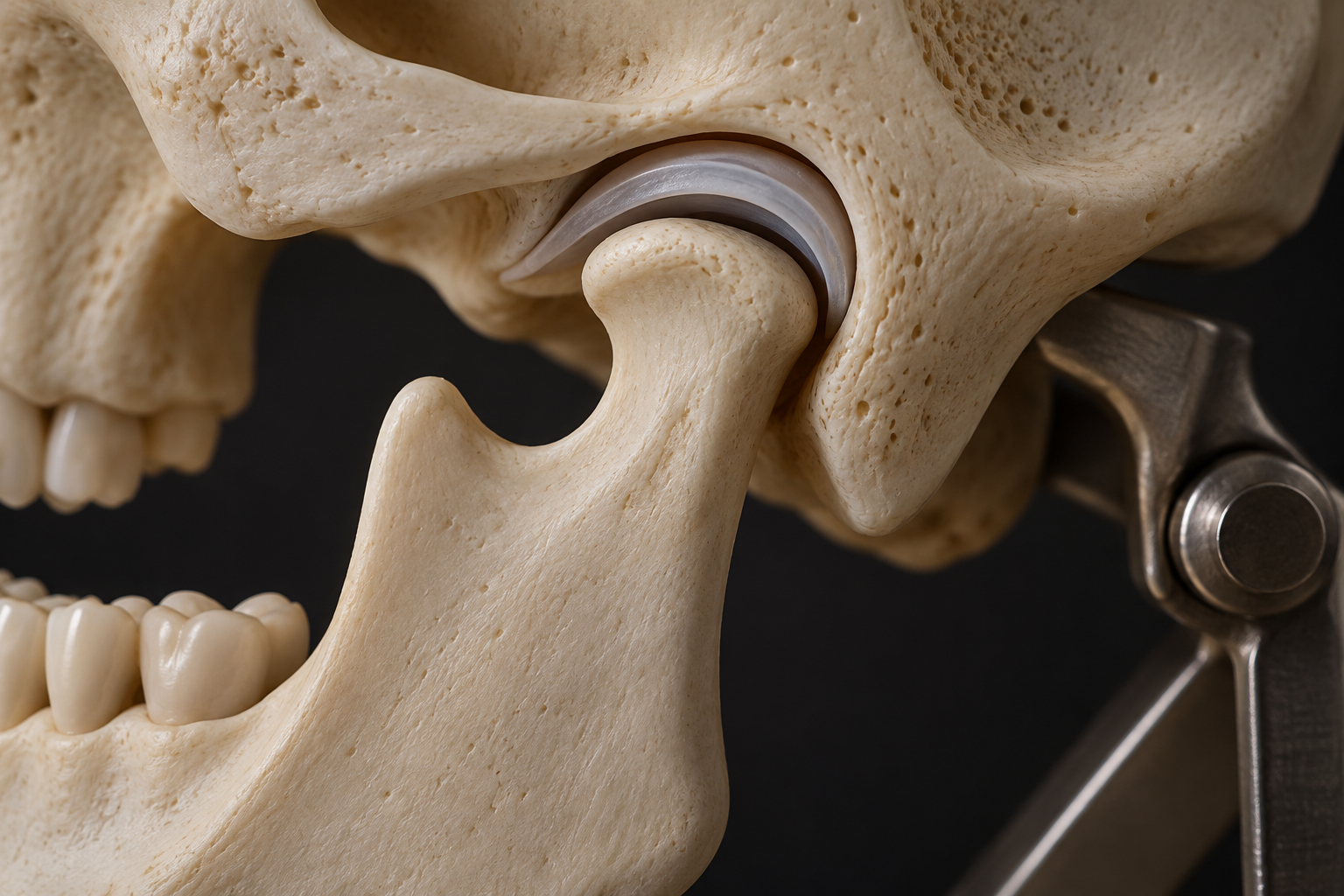
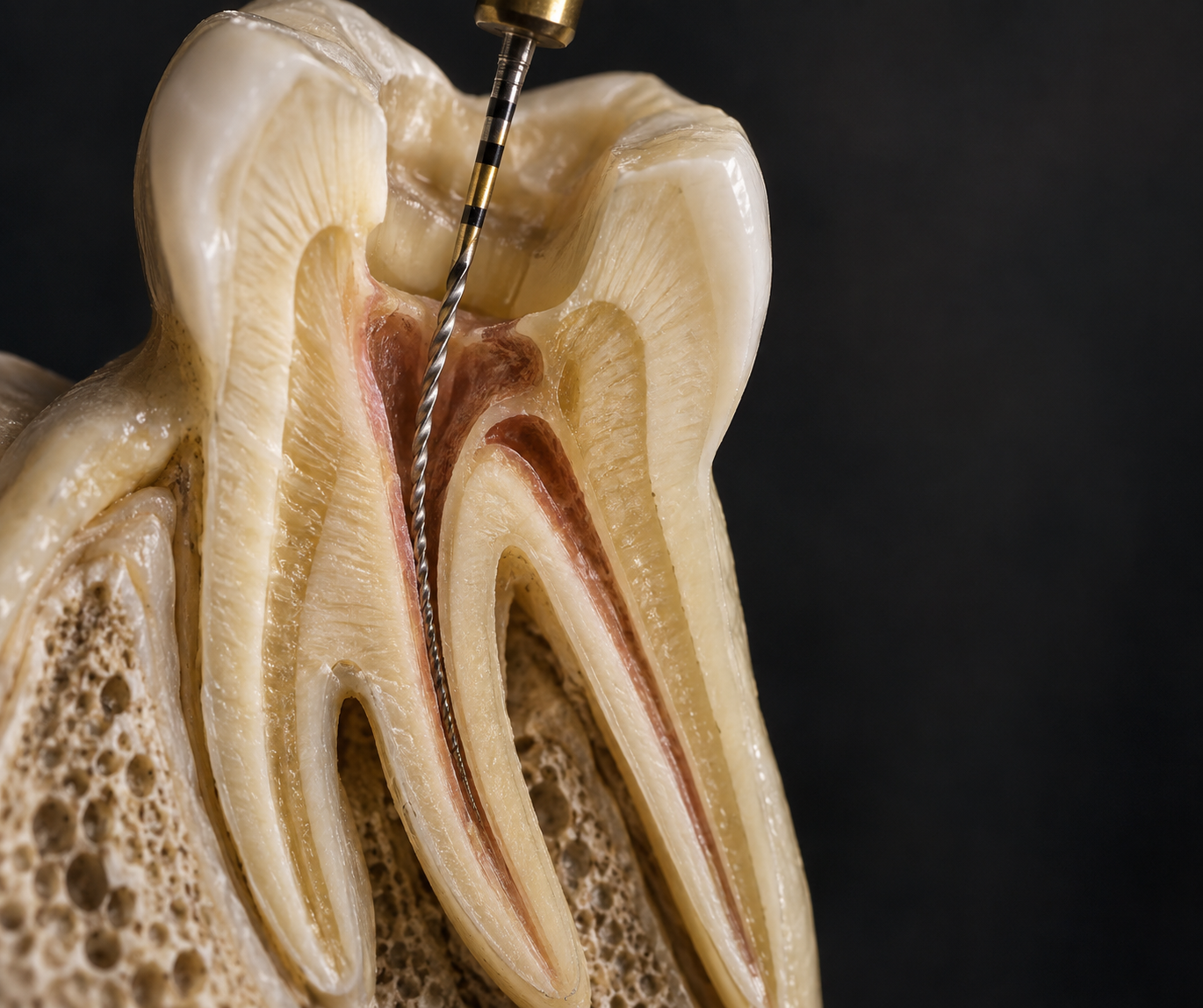
Conceptual anatomical relationship of a wisdom tooth to nearby structures; it does not represent an actual examination.

When roots appear close to important structures, assessment considers possible techniques, benefits and risks. In selected situations, alternatives such as coronectomy may be discussed, never as a universal solution. [2]

Recovery and risks

Pain, swelling, jaw stiffness, bruising and discomfort when chewing may occur initially. Intensity and duration vary with the procedure and person. The expectation is favourable progress, rather than an identical timeframe for everyone. [4]

Risks need to be explained beforehand

Possible complications include bleeding, infection, dry socket, damage to nearby teeth or restorations and altered sensation from nerve involvement. Probability depends on anatomy and the case. [2][4]

When to seek help after surgery

  • bleeding that does not stop.
  • severe, increasing or unimproving pain or swelling.
  • a bad taste associated with fever or feeling unwell.
  • significant difficulty breathing or swallowing.
  • any postoperative instruction that is unclear.
Contact the Institute

If there is significant difficulty breathing or swallowing, seek emergency care immediately.

Frequently asked questions

Does every wisdom tooth need removal?

No. Wisdom teeth without symptoms or identifiable disease may be monitored in selected situations. The decision compares the risks of keeping them, risks of removal and realistic possibility of monitoring. [1][2]

If it does not hurt, does that mean everything is fine?

Not necessarily. Some changes may progress without significant symptoms. Clinical examination and imaging when indicated help assess the wisdom tooth and nearby structures. [2]

Does wisdom tooth removal prevent teeth becoming crooked?

There is no reliable evidence to promise that effect. The available Cochrane review found no clinically significant effect on arch dimensional changes in the included study, which also had low-certainty evidence. [1]

Is a panoramic radiograph or CT always needed?

Imaging is chosen according to the clinical question. Panoramic radiography is common in assessment of impacted wisdom teeth. Other examinations may be recommended when they offer relevant information. This does not make CT mandatory for everyone. [2]

Is surgery always the same?

No. Some teeth have more direct access. Others require a surgical approach. Position, roots, surrounding tissue and the relationship to anatomical structures affect the plan.

How long does recovery take?

There is no single timeframe. Pain and swelling commonly occur in the first few days and should start to improve. Complexity, number of teeth, individual conditions and aftercare influence the process. [4]

What is coronectomy?

It is an alternative in which the wisdom tooth crown is removed and part of the roots remains. It may be considered in selected situations involving proximity to nerve structures, with risks, the possibility of follow-up and possible further surgery explained beforehand. [2]

How many days of rest after wisdom tooth removal?

It depends on the procedure. After a simple removal, many people return to their activities the next day. In more complex surgeries, recovery usually takes a few days, and full recovery can take about two weeks. The team advises on time off for your case. [4]

What should I avoid after wisdom tooth removal?

In the first days, avoid smoking, alcohol, hard or very hot foods, intense physical effort and touching the area with your tongue or fingers. Smoking increases the risk of infection and of dry socket, which is the loss of the clot at the extraction site. Follow the hygiene and medication instructions you receive. [4]

How much does wisdom tooth removal cost?

The cost depends on the number of teeth, the position of each wisdom tooth, the complexity of the surgery and the exams needed. It is presented after the assessment. Treatment can be paid in up to 21 credit card instalments, depending on the treatment plan and current conditions.

Beyond aesthetics, we are a multidisciplinary clinic.

Explore options

Care takes place here

Across more than 400 m², seven consulting rooms and an integrated in-house laboratory bring together different stages of care at the same address. Discover the Institute.

A history in dentistry since 1923 connects generations with care today. Explore the Institute's history.

Documentary portrait of Dr Silvana Puglisi

Dr Silvana Puglisi is the dentist responsible for technical oversight. Meet our professionals who continue to provide care and carry on the work of LAB Puglisi.

Spacious reception at the Institute with artwork by Kobra
Lounge with green armchairs, artwork and a garden visible through the glass doors
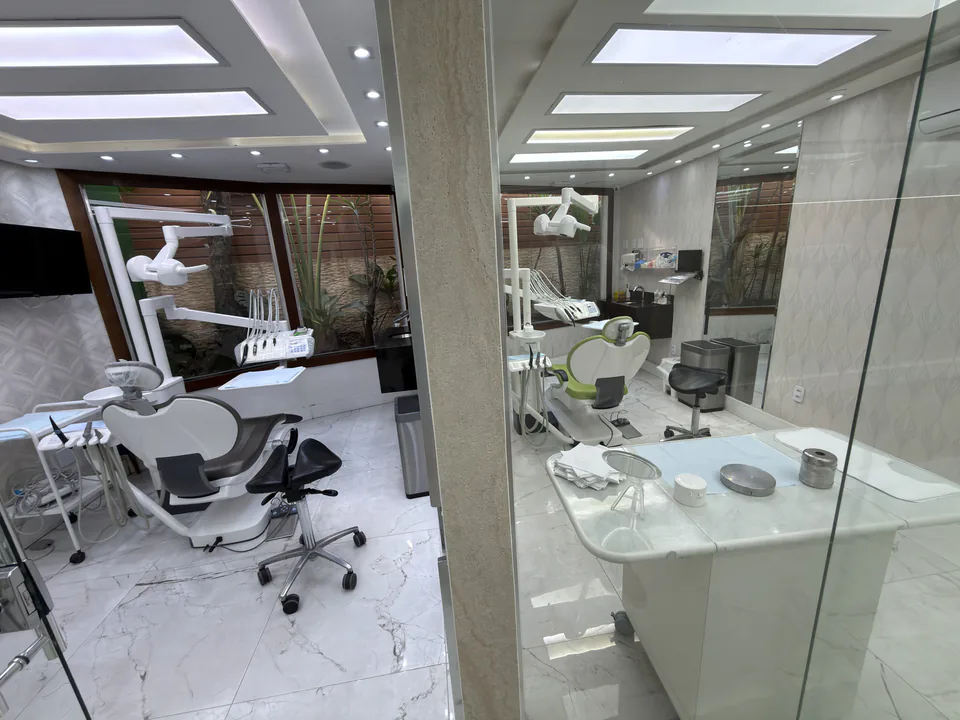
Two dental consulting rooms connected by a glass partition
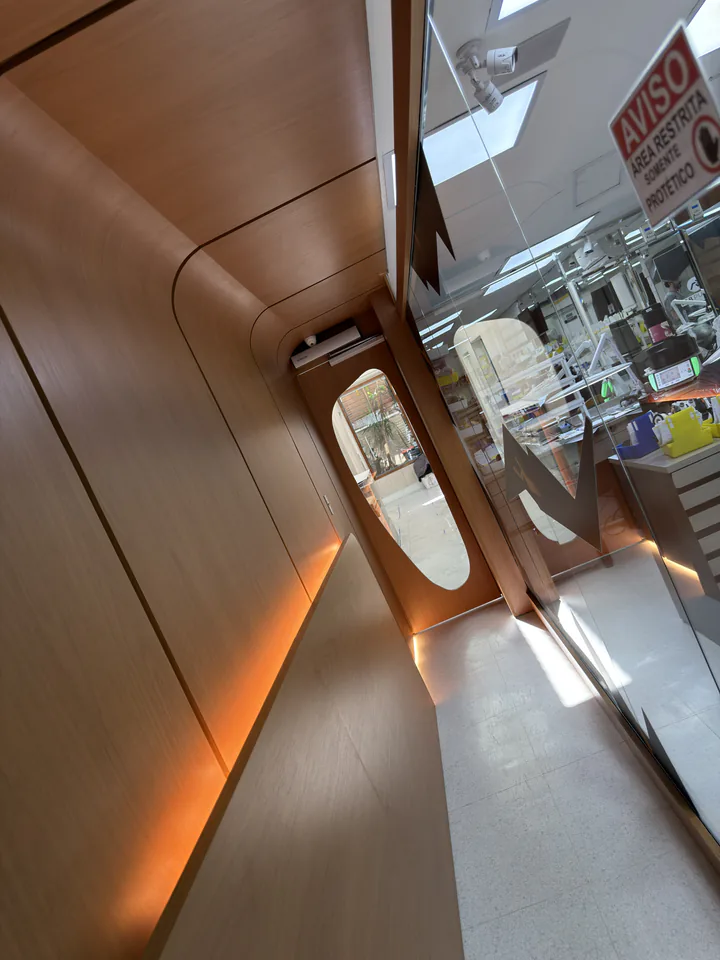
Curved corridor with wood panelling, amber lighting and a door at the far end

Have your wisdom teeth assessed at the Institute

Assessment turns signs, examinations, risks and preferences into a plan you can understand.

Book an assessment

Bibliographic references

Sources supporting the clinical statements on this page. They support discussion but do not replace individual assessment or identified clinical review.

Original Portuguese content reviewed by Dr Silvana Puglisi, dental surgeon, CRO 33.773, technical director, on .

  1. Ghaeminia H, Nienhuijs MEL, Toedtling V, et al. Surgical removal versus retention for the management of asymptomatic disease-free impacted wisdom teeth. Cochrane Database of Systematic Reviews. 2020;(5):CD003879. DOI 10.1002/14651858.CD003879.pub5.
  2. American Association of Oral and Maxillofacial Surgeons. The Management of Impacted Third Molar Teeth. Clinical Paper. 2024. Official document.
  3. American Dental Association. Wisdom Teeth. MouthHealthy. Official source.
  4. National Health Service. Wisdom tooth removal. Reviewed on 12 June 2024. Official source.
  5. National Institute for Health and Care Excellence. Guidance on the extraction of wisdom teeth. TA1. 2000. Recommendations.

References and further reading

Public sources consulted on 17/09/2026 for educational support. They do not replace clinical assessment.

  1. Wisdom Teeth Management. American Association of Oral and Maxillofacial Surgeons. AAOMS (2024). . Official source

Privacy preferences

Your choice is valid for 180 days in this browser. You can change it under “Privacy”.

Forms may use Google reCAPTCHA to prevent abuse. Read the Privacy Policy