↗ PT

Other pages are available in Portuguese

Skip to content

Periodontics

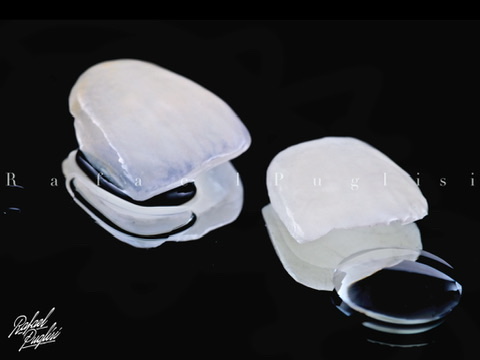
Conceptual artwork of a tooth supported by mineral layers

Periodontics cares for the gums and the tissues that support the teeth. Bleeding, recession and loose teeth warrant assessment to determine prevention, treatment and follow-up.

Book an assessment

At Instituto Rafa Puglisi, periodontal health is part of caring for your smile.

The gums are only the part you can see.

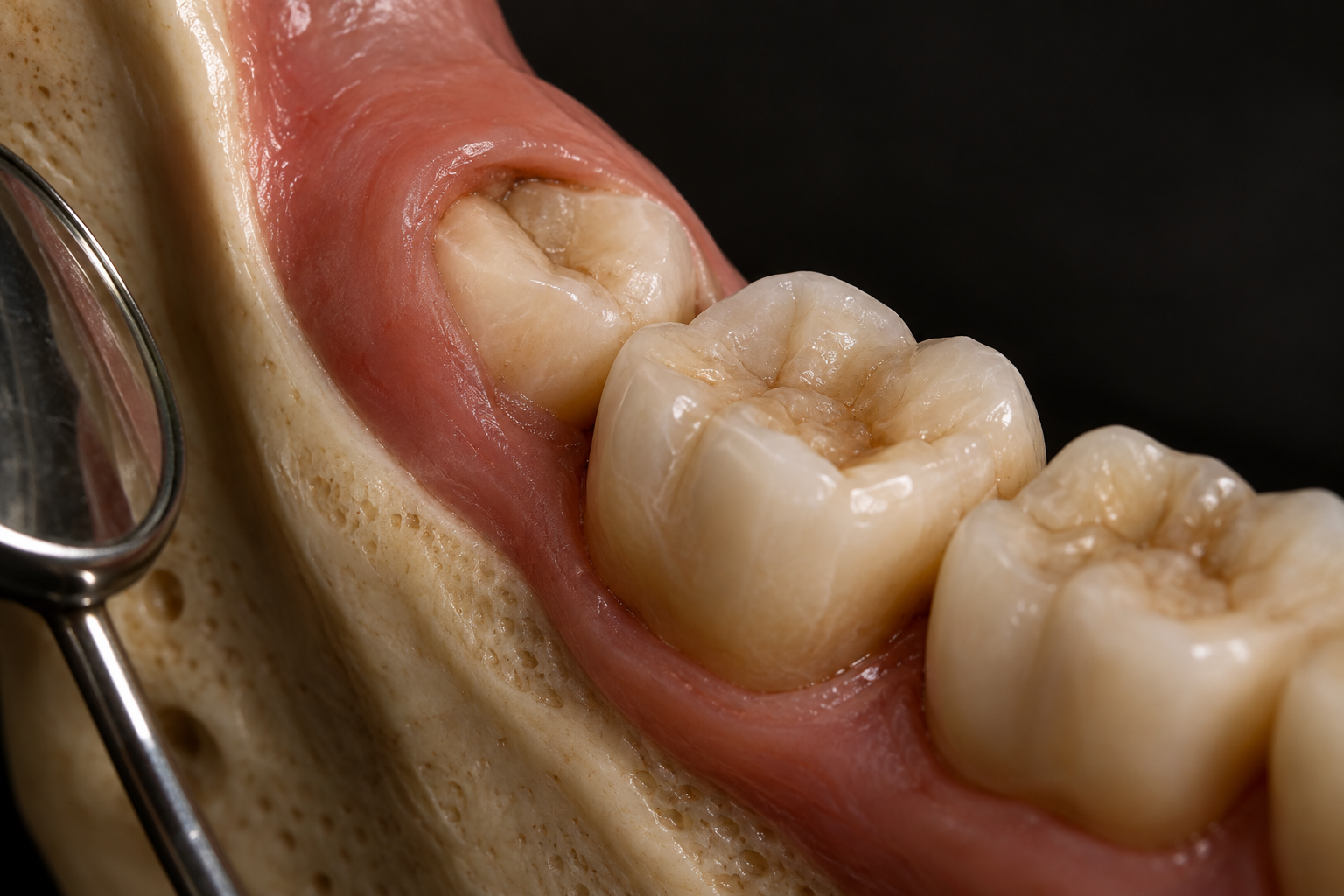
Periodontics cares for the tissues surrounding and supporting the teeth. Understanding this foundation helps explain why bleeding, recession and mobility should not be assessed in isolation. [2][3]

Gums
Form the visible margin around the teeth and help protect the deeper tissues.
Periodontal ligament
A group of fibres that connects the root to the bone and helps distribute forces.
Root cementum
The covering of the root into which the periodontal ligament fibres insert.
Alveolar bone
The structure surrounding and supporting the roots of the teeth.

Bleeding is not normal just because it is common.

One sign does not establish a diagnosis, but it changes the priority of the discussion. Some periodontal problems can progress without severe pain.

  • Bleedingwhen brushing, flossing or spontaneously
  • Swelling or a change in colourparticularly when it persists or returns
  • Recessionwith more of the root exposed or the tooth appearing longer
  • Persistent bad breathwhen it continues despite your usual care
  • Mobility or migrationteeth that move or change position
  • Discomfort when chewingespecially when accompanied by other signs

Signs described in information from the European Federation of Periodontology. [1]

Gingivitis and periodontitis are different conditions.

Both involve inflammation, but they differ in the involvement of the supporting tissues.

Gingivitis

Inflammation is confined to the gums, without periodontal attachment loss due to periodontitis. Controlling biofilm and related factors can restore clinical health to the tissue. [2]

Periodontitis

There is loss of the tissues supporting the tooth. Diagnosis considers severity, complexity, extent and risk of progression through staging and grading. [3]

A diagnosis cannot be reduced to one symptom.

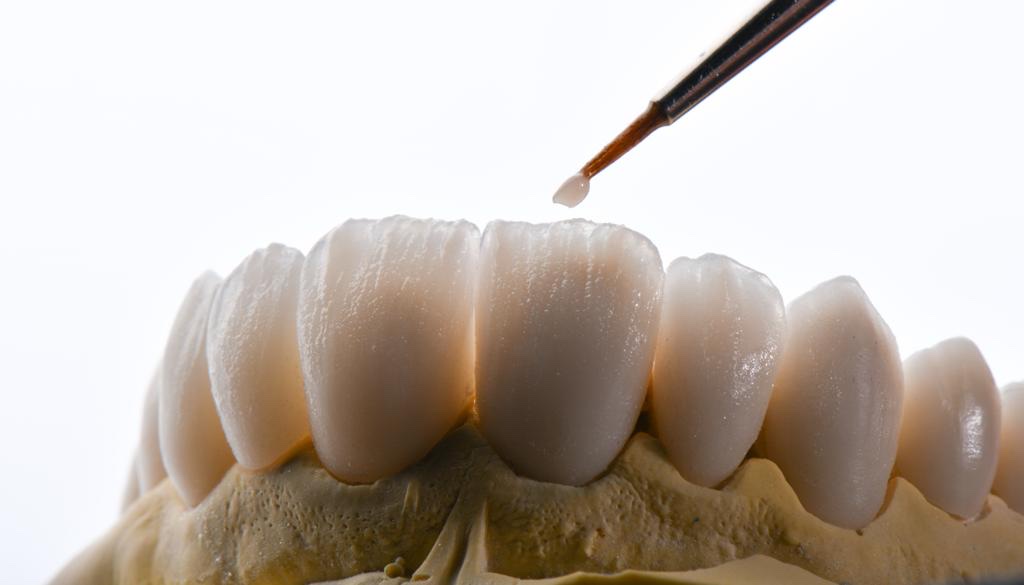
Conceptual artwork of layers representing assessment of the supporting tissues

The assessment combines what you notice with what the tissues show. Your health history, medicines, smoking, glycaemic control and daily care are also considered.

Periodontal examination
Assesses plaque, bleeding, probing depth, recession, attachment, mobility and other findings.
Imaging when indicated
Helps answer questions about the bone and other structures. It does not replace clinical examination.
Stage and grade
Describe severity, complexity and risk of progression when periodontitis is present. [3]

Treatment takes place in stages and changes with the response.

Current guidelines organise care progressively. Not everyone needs the same interventions. [4][5]

  1. Understand the case

    Concerns, expectations, health history, habits, hygiene, teeth, gums and factors that may modify risk.

  2. Control inflammation and related factors

    Individual hygiene advice, biofilm control and professional instrumentation above and below the gums when indicated.

  3. Reassess the response

    Bleeding, probing depths, hygiene and stability show what has responded and what still needs attention.

  4. Plan additional stages

    Periodontal surgery, combined treatments or rehabilitation are discussed when the findings and goals justify them.

  5. Maintain and monitor

    Supportive periodontal therapy helps preserve the benefits and identify changes over time.

The mouth is part of overall health.

The periodontal plan considers factors that modify risk, response and maintenance. They do not replace examination. They help interpret the case.

Smoking
It is an important risk modifier and should be part of diagnosis and the discussion about treatment response. [6]
Diabetes
Glycaemic control and periodontal status relate to individual planning and follow-up. [6]
History of periodontitis
Even after control is achieved, it indicates a need for ongoing surveillance and risk-based intervals. [2]

Reassessment is part of treatment.

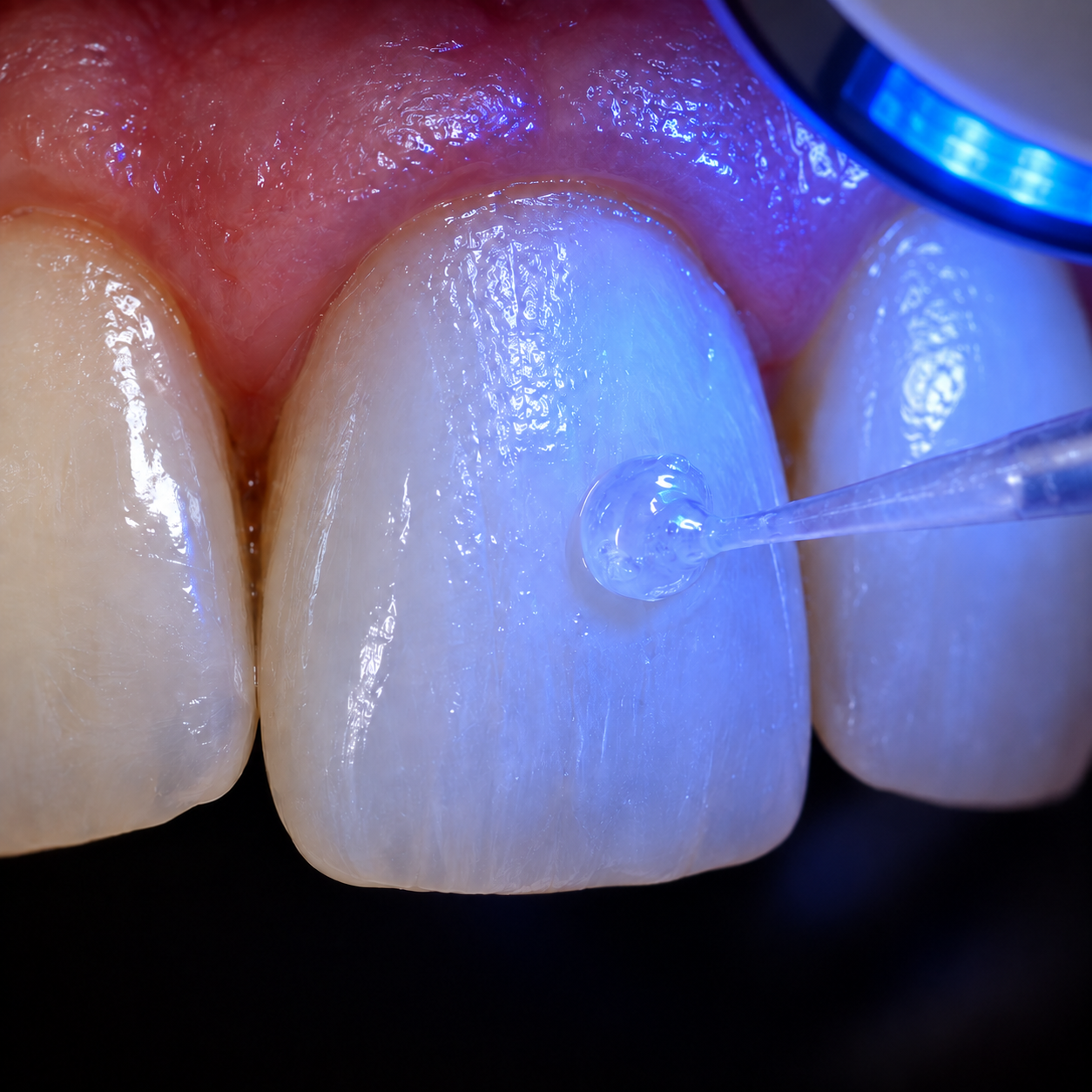
Conceptual artwork of a cycle of periodontal care and follow-up

Periodontics is not an automatic sequence with a finish line. Each follow-up compares the current condition with previous records and adjusts hygiene, the interval and the need for further interventions.

Even when clinical health has been restored, a person with a history of periodontitis remains at greater risk of recurrence and needs individualised follow-up. [2]

Periodontics also cares for the margins.

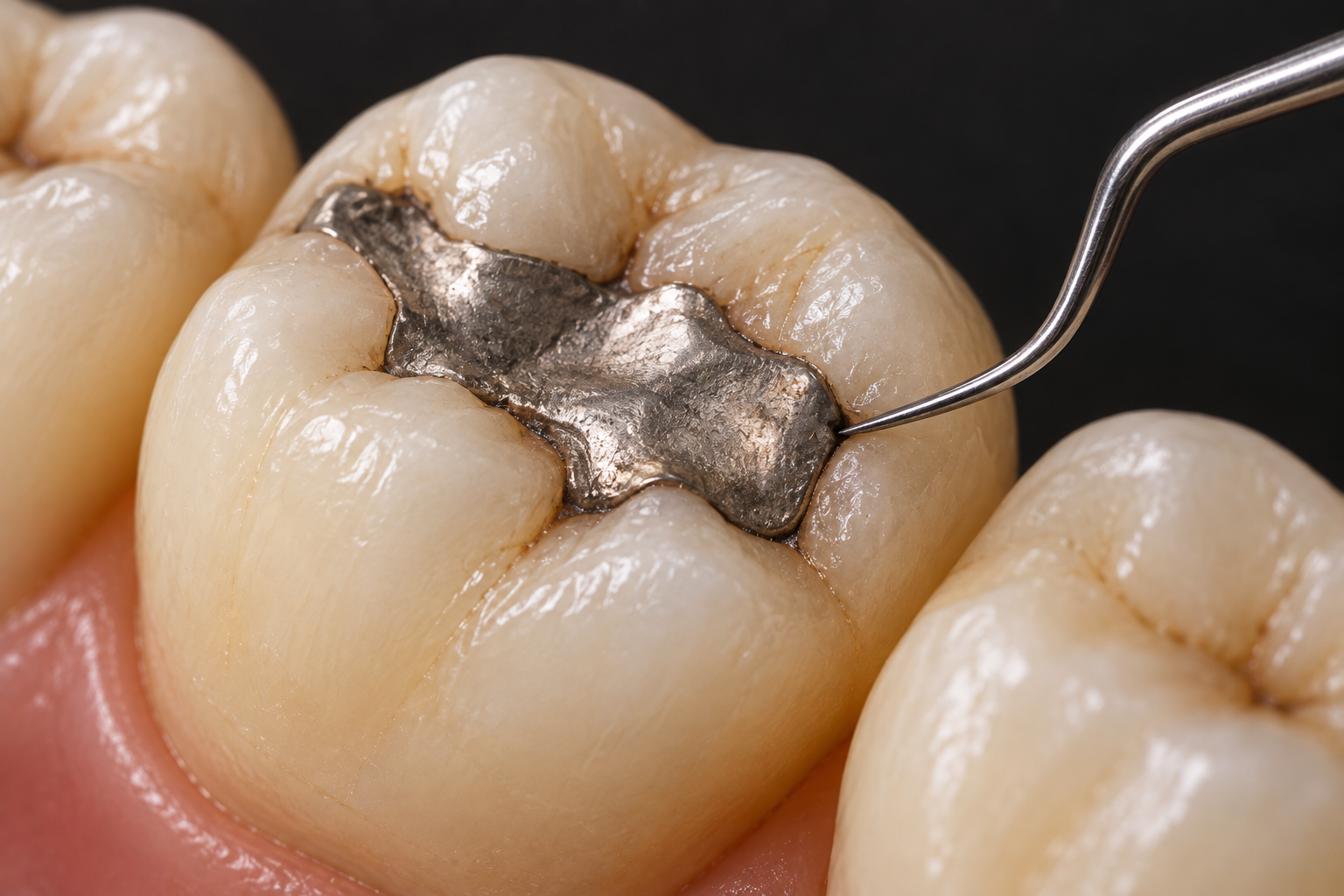
Conceptual artwork of the contour and support of a tooth

Recession may expose the root, increase sensitivity, make hygiene more difficult or cause aesthetic concerns. The cause, tissue type and tooth position change what is appropriate.

Periodontal plastic surgery, root coverage, grafts and clinical crown lengthening are discussed in selected situations. When a restoration is planned, health, contour and access need to be considered together. [6]

To learn about procedures for contour, recession and volume, see also Gum surgery. The choice depends on diagnosis and tissue health.

Frequently asked questions

My gums bleed when I brush. Is that normal?

Frequent bleeding warrants assessment. It accompanies different conditions, and examination determines the cause and whether support has been lost.

Does gingivitis always become periodontitis?

No. Gingivitis and periodontitis are different conditions. Gum inflammation is an important sign, but progression depends on susceptibility, biofilm, risk factors and time.

Does gum recession mean bone loss?

Not necessarily. Recession has different causes and presentations. Assessment relates the gum margin, attachment, bone, tooth position, hygiene and symptoms.

Does tartar removal solve every periodontal problem?

No. Professional instrumentation is an important part when indicated, but diagnosis, daily biofilm control, risk factors, reassessment and maintenance are also part of care.

Can periodontitis be cured?

Treatment aims to control the disease and achieve clinical stability. Because the history remains associated with a higher risk of recurrence, maintenance and follow-up remain necessary. [2]

What is clinical crown lengthening?

It is a periodontal procedure that changes the relationship between gums, tooth and, in some situations, bone. It may be considered for restorative, functional or contouring reasons, always after assessment.

How often should I have maintenance appointments?

The interval is not the same for everyone. It depends on diagnosis, treatment response, hygiene, risk factors, tissue condition and changes observed at follow-up appointments.

What is the difference between periodontics and endodontics?

Periodontics cares for the gums and the tissues that support the tooth, such as the bone and the ligament around the root. Endodontics cares for the inside of the tooth, the pulp, and is the field of root canal treatment. Sometimes the two work together on the same tooth. [2] [3]

Is periodontitis serious?

It can be. Without treatment, periodontitis gradually destroys the tissues that support the teeth and can lead to tooth loss. It is also related to conditions such as diabetes and to smoking. With diagnosis, treatment and maintenance, the disease can be controlled in most cases. [1] [3] [6]

How much does periodontal treatment cost?

The cost depends on the diagnosis, the size of the area treated, the stages indicated and maintenance. It is presented after the assessment. Treatment can be paid in up to 21 credit card instalments, depending on the treatment plan and current conditions.

Beyond aesthetics, we are a multidisciplinary clinic.

Explore options

Care takes place here

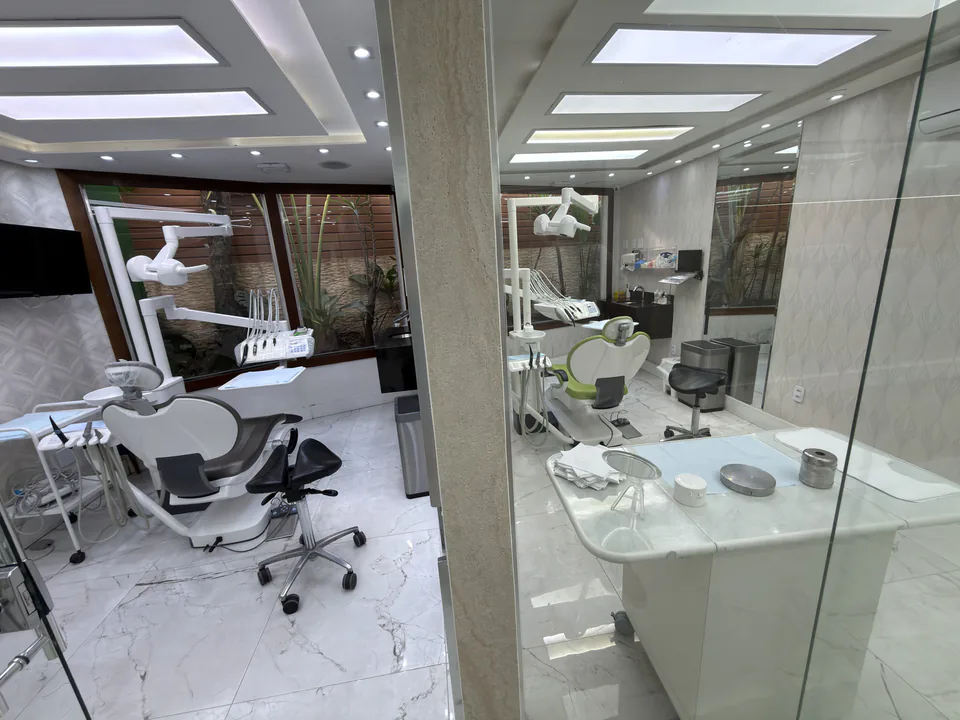
Across more than 400 m², seven consulting rooms and an integrated in-house laboratory bring together different stages of care at the same address. Discover the Institute.

A history in dentistry since 1923 connects generations with care today. Explore the Institute's history.

Documentary portrait of Dr Silvana Puglisi

Dr Silvana Puglisi is the dentist responsible for technical oversight. Meet our professionals who continue to provide care and carry on the work of LAB Puglisi.

Spacious reception at the Institute with artwork by Kobra
Lounge with green armchairs, artwork and a garden visible through the glass doors
Two dental consulting rooms connected by a glass partition
Curved corridor with wood panelling, amber lighting and a door at the far end

Caring for your gums begins with an assessment.

Tell us when the signs began, what your daily care involves and what has changed. Assessment brings together health, tissues, goals and follow-up before choosing a procedure.

Book a periodontal assessment

Bibliographic references

Sources supporting the clinical information. They do not replace individual assessment.

Original Portuguese content reviewed by Dr Silvana Puglisi, dental surgeon, CRO 33.773, technical director, on .

  1. European Federation of Periodontology. Check your symptoms. Information for patients. Official source.
  2. Chapple ILC, Mealey BL, Van Dyke TE, et al. Periodontal health and gingival diseases and conditions on an intact and a reduced periodontium: Consensus report of workgroup 1 of the 2017 World Workshop. Journal of Periodontology. 2018, 89(S1), S74–S84. PMID 29926944. DOI 10.1002/JPER.17-0719.
  3. Papapanou PN, Sanz M, Buduneli N, et al. Periodontitis: Consensus report of workgroup 2 of the 2017 World Workshop. Journal of Periodontology. 2018, 89(S1), S173–S182. PMID 29926951. DOI 10.1002/JPER.17-0721.
  4. Sanz M, Herrera D, Kebschull M, et al. Treatment of stage I–III periodontitis: The EFP S3 level clinical practice guideline. Journal of Clinical Periodontology. 2020, 47(S22), 4–60. PMID 32383274. DOI 10.1111/jcpe.13290.
  5. Herrera D, Sanz M, Kebschull M, et al. Treatment of stage IV periodontitis: The EFP S3 level clinical practice guideline. Journal of Clinical Periodontology. 2022, 49(S24), 4–71. PMID 35688447. DOI 10.1111/jcpe.13639.
  6. Jepsen S, Caton JG, Albandar JM, et al. Periodontal manifestations of systemic diseases and developmental and acquired conditions: Consensus report of workgroup 3 of the 2017 World Workshop. Journal of Periodontology. 2018, 89(S1), S237–S248. PMID 29926943. DOI 10.1002/JPER.17-0733.

Further reading

  1. Gum Disease Information. American Academy of Periodontology. AAP (2024). . Official source
  2. Classification and diagnosis of periodontal diseases. Caton JG et al.. Journal of Clinical Periodontology (2018). (DOI: 10.1111/jcpe.12945). DOI 10.1111/jcpe.12945

Privacy preferences

Your choice is valid for 180 days in this browser. You can change it under “Privacy”.

Forms may use Google reCAPTCHA to prevent abuse. Read the Privacy Policy