↗ PT

Other pages are available in Portuguese

Skip to content

Occlusal splint

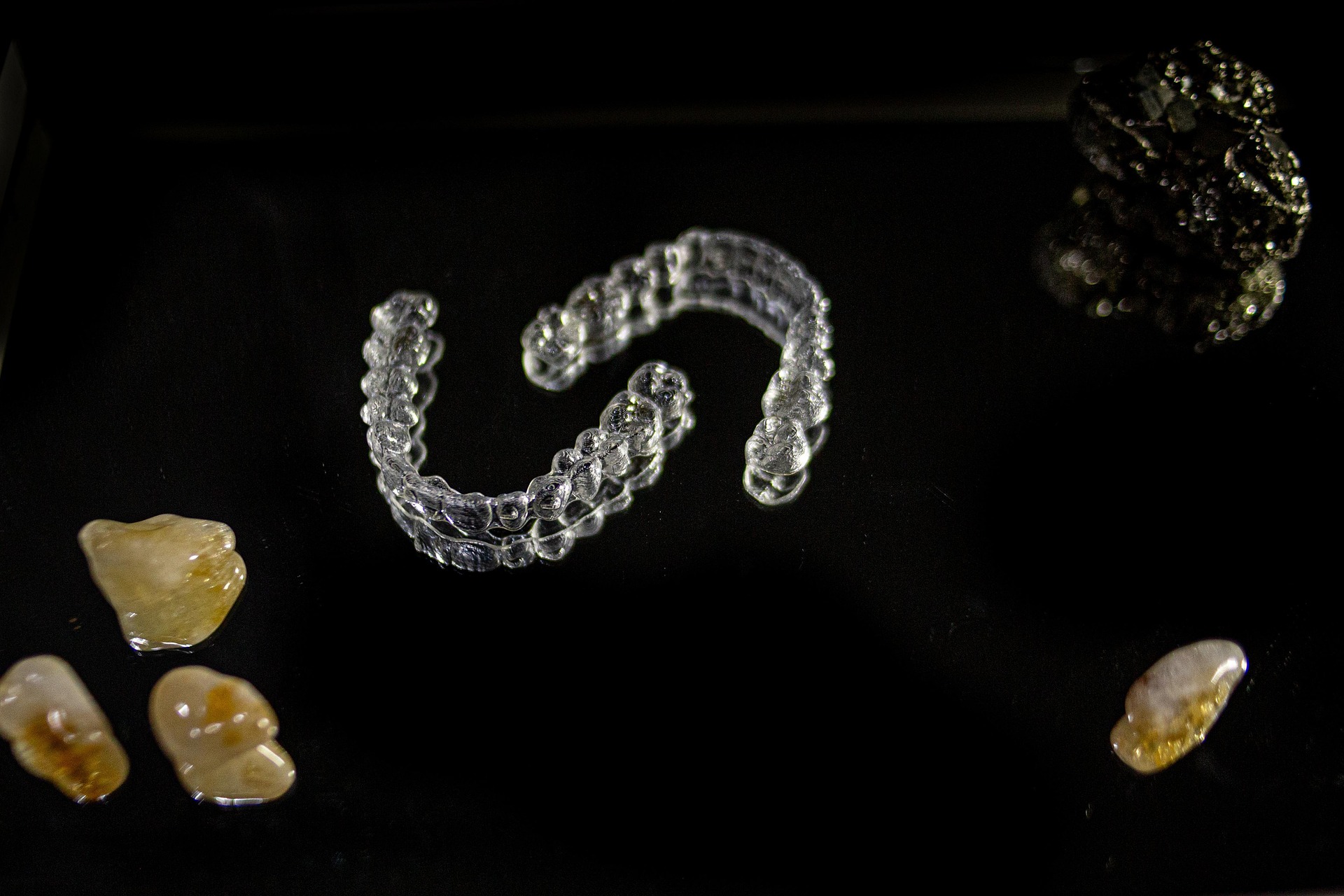
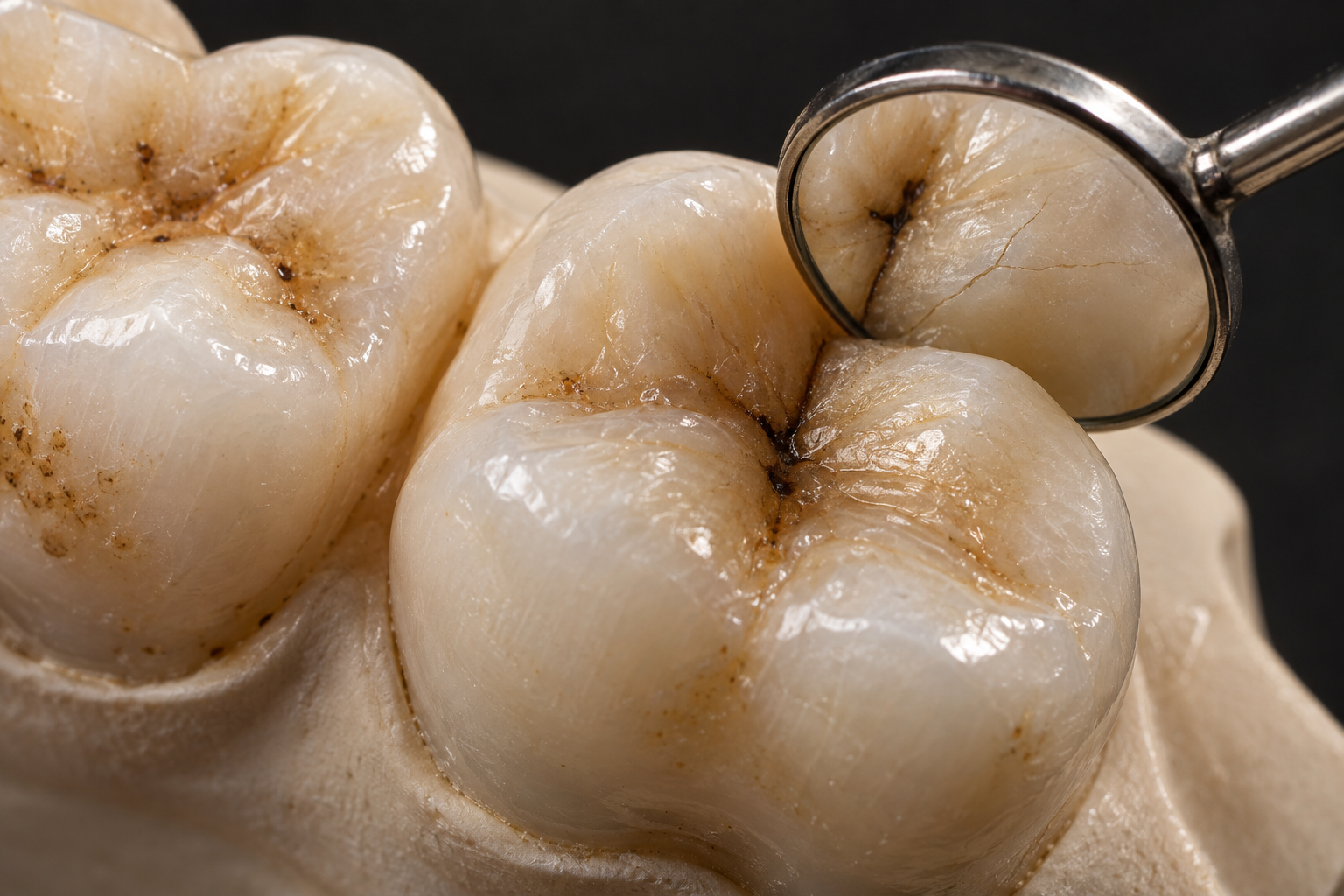
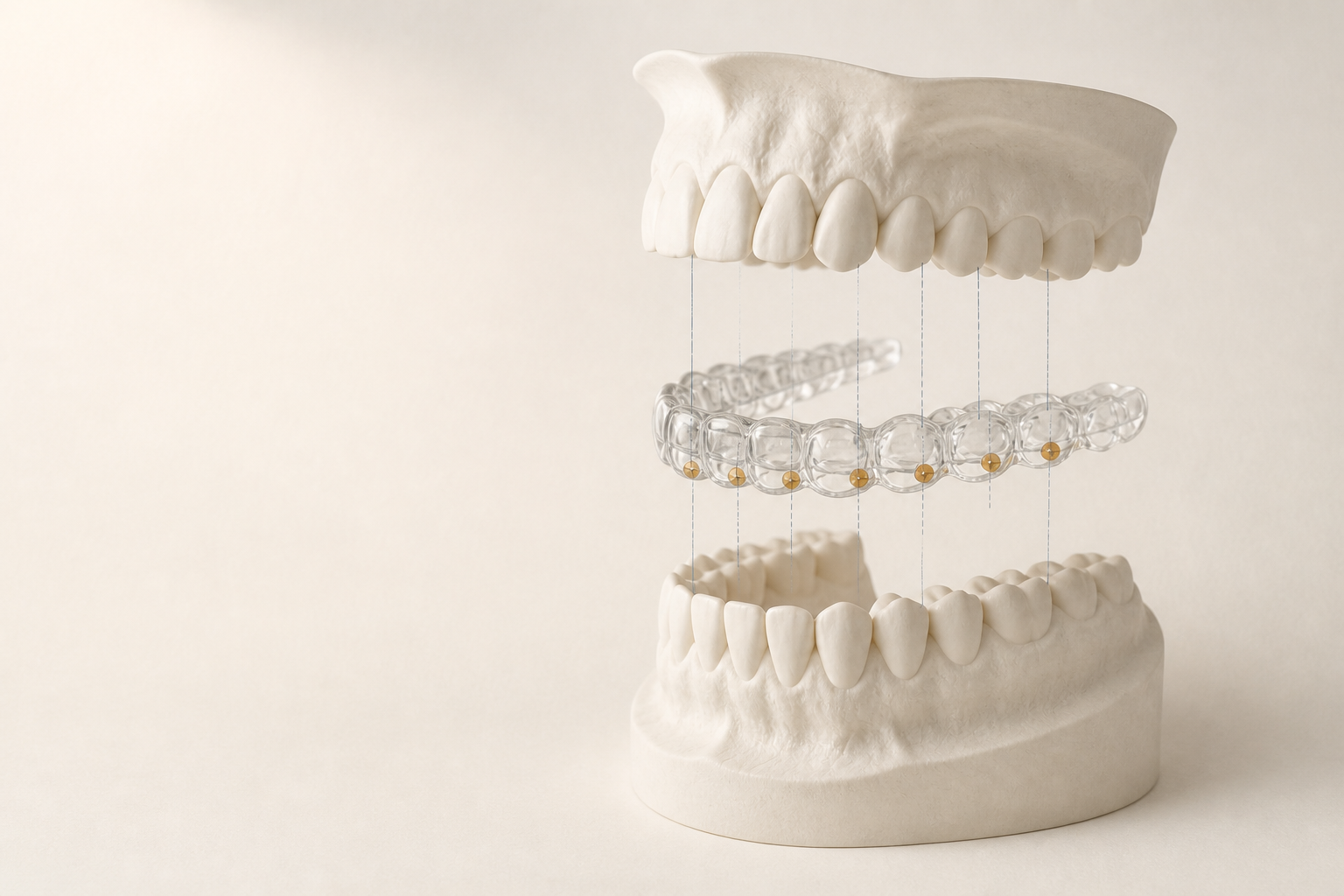
Illustration of a clear splint between models of the upper and lower dental arches.

An occlusal splint is a removable device that fits over the teeth. When indicated after assessment, it may help protect teeth and restorations from contact between the arches. Its selection, adjustment and use depend on each case and require dental follow-up.

Book an assessment

At Instituto Rafa Puglisi, suitability begins with what is troubling you and what needs protection.

There is no splint for everything.

Similar-looking devices may have different purposes. Suitability begins with your concern, the examination and what needs to be protected, monitored or treated. [1] [2]

Occlusal splint

It may be used as part of a conservative approach to protect the teeth and create a stable contact surface in selected situations.

Orthodontic retainer

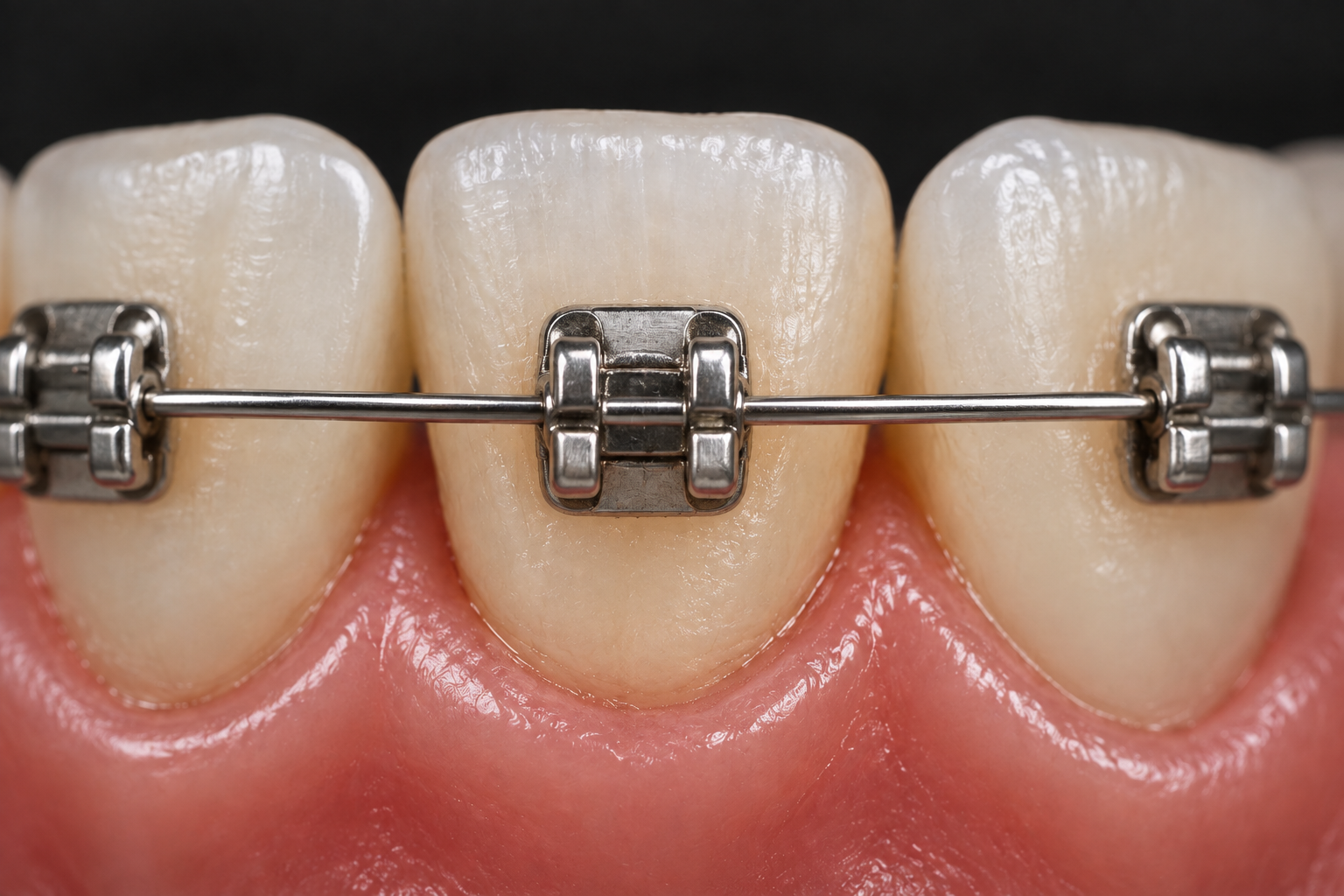
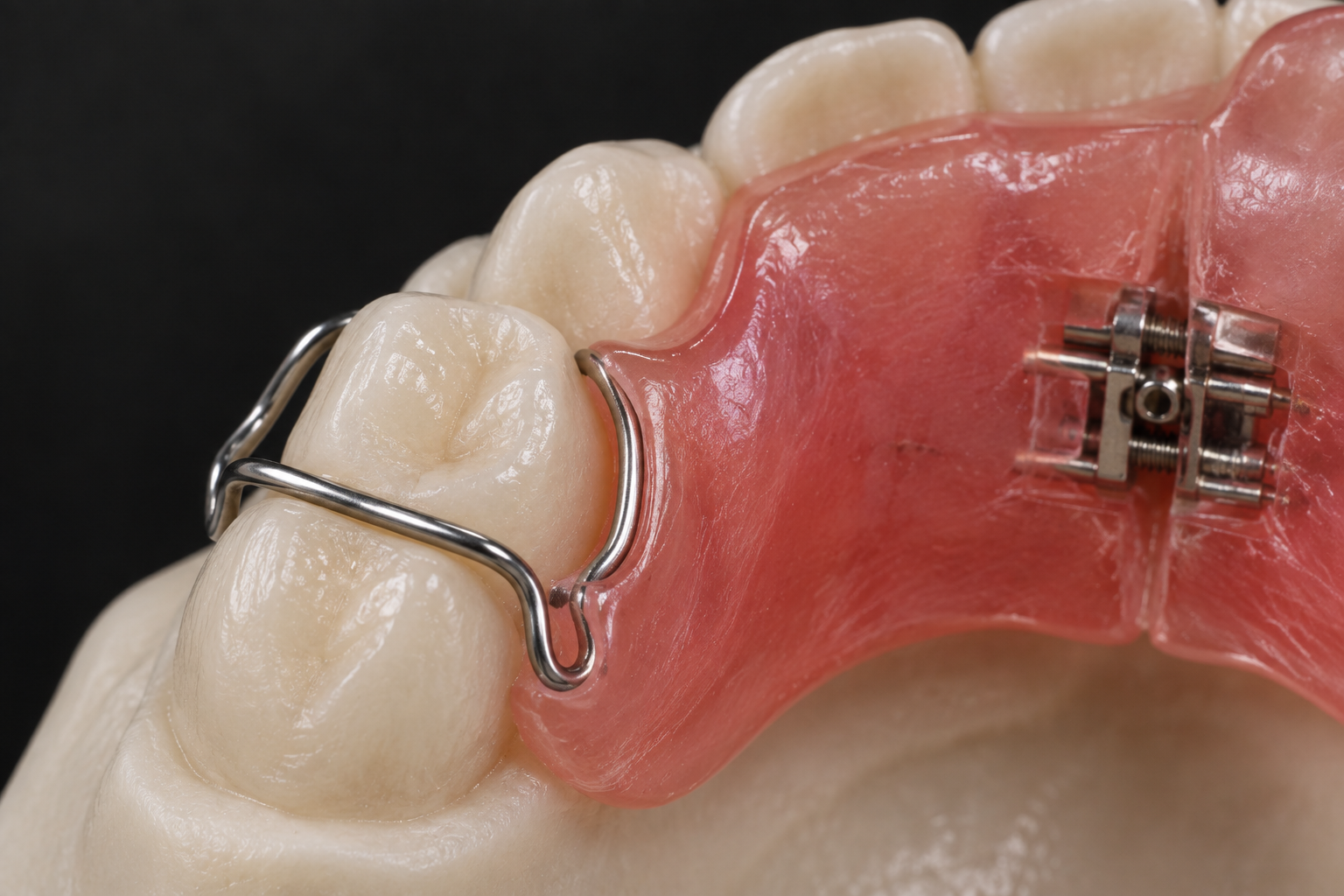
It has a different purpose. It helps maintain tooth position after orthodontic movement.

Sports mouthguard

It is made to absorb and distribute impacts during sports. It does not replace a clinical splint.

Sleep apnoea device

It is prescribed and monitored as part of a specific sleep investigation. Snoring and breathing pauses require their own assessment. [7]

The clinical question comes first.

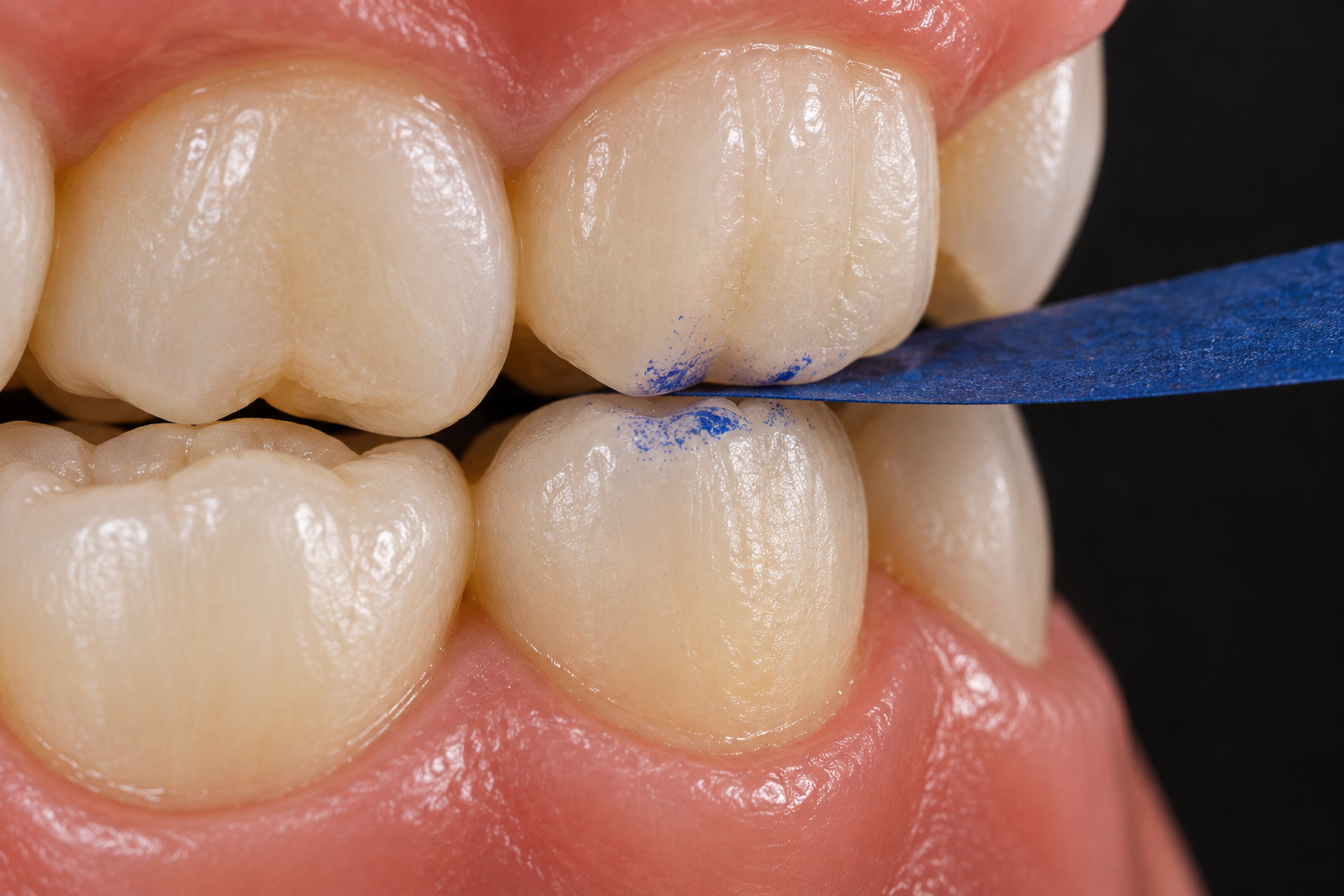
Illustrative view of a splint with highlighted contact points.

Bruxism may occur during sleep or while a person is awake. It is not defined solely by tooth wear and does not always represent a disease. [3]

Concern
Pain, fatigue, fracture, noise, tension or perceived wear.
Teeth and supporting tissues
Restorations, cracks, mobility, gums and periodontal condition.
Muscles and joints
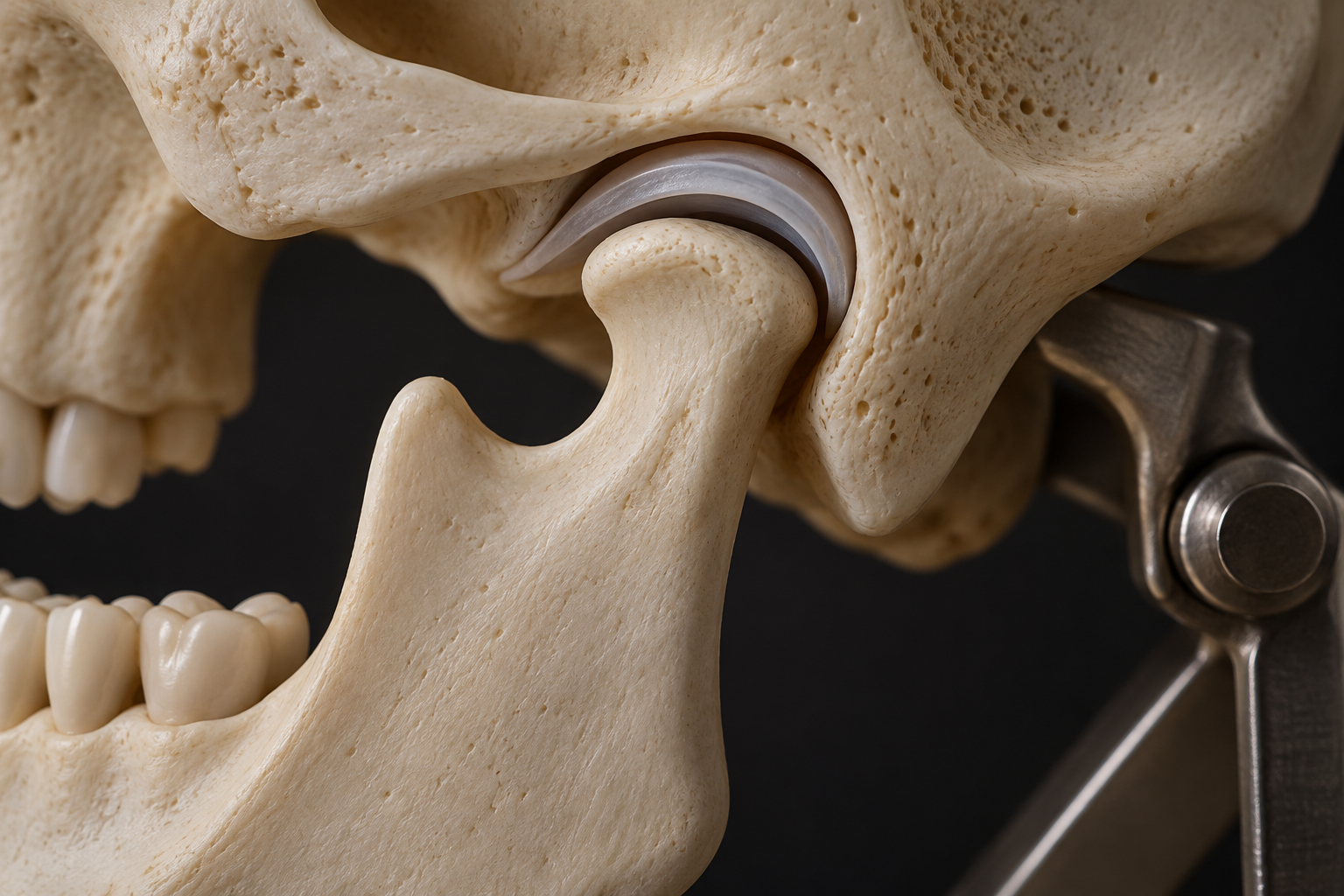
Tenderness, movement, opening and signs requiring their own investigation.
Routine
Sleep, wakefulness, habits, medicines and factors that may change the picture.
Breathing
Loud snoring, observed pauses and sleepiness should not be treated as simple clenching.

Possible protection. No promise of a cure.

A splint may mechanically separate the teeth and form part of conservative care. Evidence on reducing pain, bruxism activity and wear still contains uncertainties. [4] [5] [6]

It may form part of a plan to

  • create a barrier between the teeth
  • protect teeth and restorations in selected cases
  • provide a contact surface that can be observed and adjusted
  • support a conservative strategy for specific symptoms

It should not be presented as

  • a universal cure for bruxism or pain
  • standalone proof of a symptom's cause
  • a device to permanently change the bite
  • a replacement for investigation of sleep apnoea

Conservative care also needs monitoring. If the splint causes new pain, worsening symptoms or a perceived change in the bite, its use needs to be reviewed. [1]

Custom-made is a process.

The final shape depends on the arch, the materials present in the mouth, the purpose of use and the contacts that need to be observed.

  1. Assess

    Understand the concern, history, sleep, teeth, periodontium, muscles and joints.

  2. Record

    Scanning or an impression reproduces the arch for an individual device.

  3. Adapt

    Fit, stability, edges and contacts are examined before giving instructions for use.

  4. Follow up

    Follow-up appointments assess comfort, wear, integrity, symptoms and perceived changes.

Custom-made does not mean ready forever.

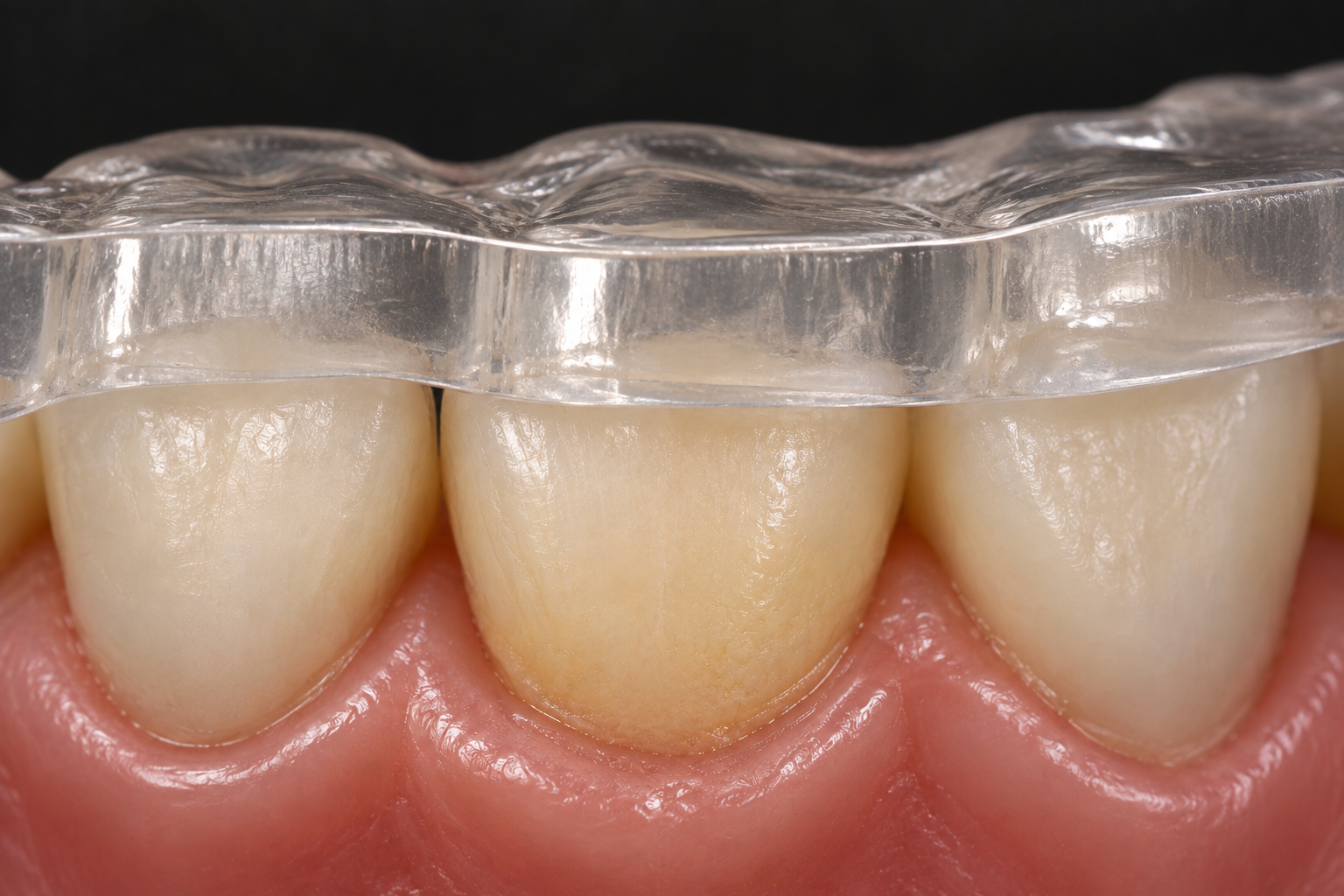
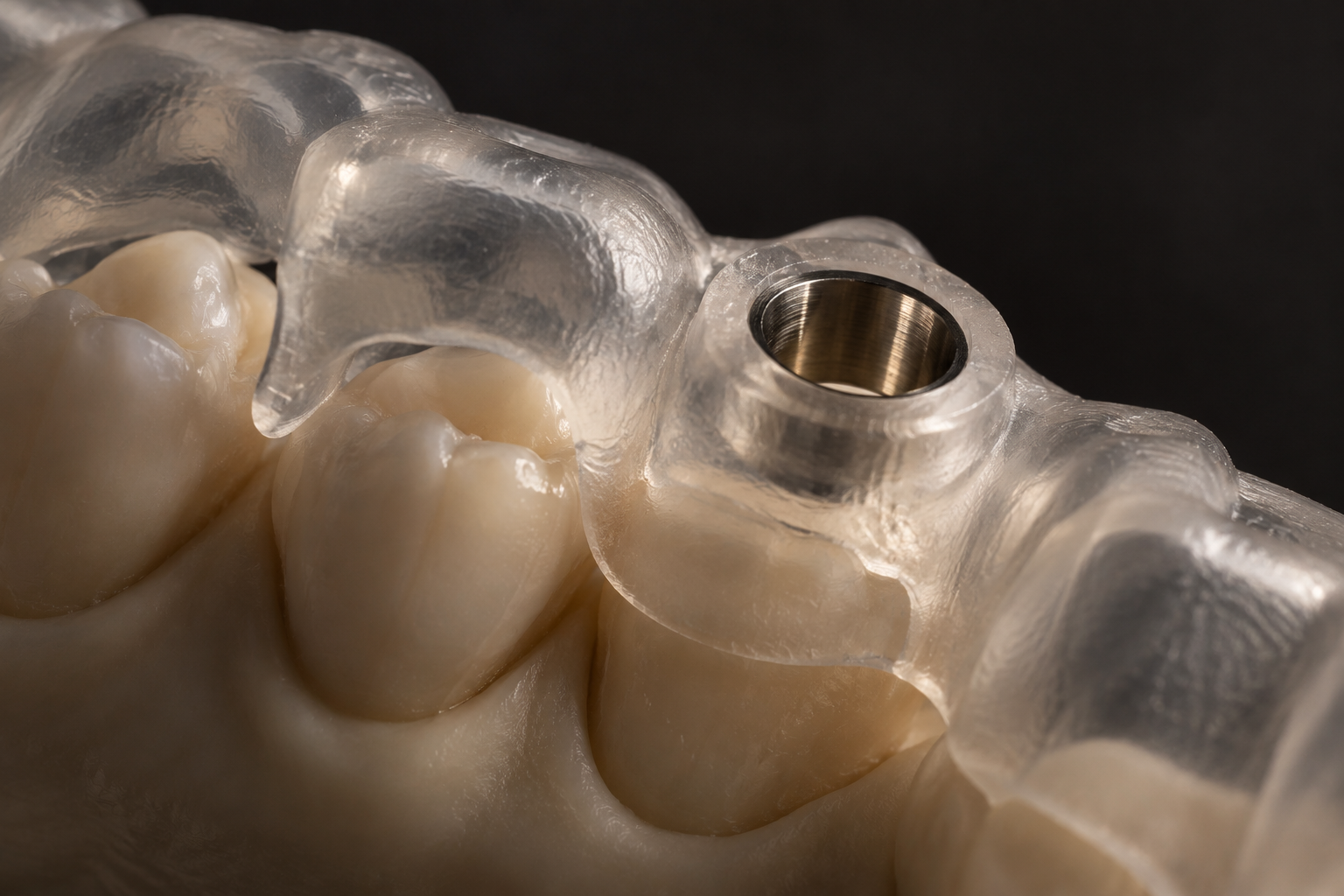
Illustrative detail of the edge of a clear splint with adjustment markings.

The mouth and device change over time. Cracks, distortion, loss of fit, wear or new symptoms warrant reassessment.

Do not file, heat or modify the splint yourself. Bring the device to appointments so its fit and contacts can be examined.

The routine preserves the splint and the clinical assessment.

Frequency and wear periods are individual. Follow the instructions received and report any change in comfort or fit.

Clean

Use cold or lukewarm water and a soft brush. Specific products should only be added to the routine with guidance.

Dry and protect

Store in a ventilated case, out of reach of animals and away from heat.

Observe

Look for cracks, distortion, persistent odour, loss of fit or significant wear.

Attend follow-up

Bring the splint to appointments. Follow-up examines the device and the mouth in which it is used.

New pain and changes in the bite are not minor details.

Stop wearing it and contact the team if there is a significant worsening of pain, sores, locking, breakage, a loose splint or a perceived change in how the teeth close.

Loud snoring, night-time choking, observed breathing pauses and excessive sleepiness require a sleep investigation. An occlusal splint does not replace this care. [7]

Before putting the splint in.

Does the splint cure bruxism?

There is no basis for promising a cure. It may protect structures and form part of a plan with defined goals while possible associated factors and symptoms are assessed. [3] [5]

Do I need to wear it every night?

Not always. Frequency, wear period and duration depend on the indication, observed behaviour and response to use.

Is an off-the-shelf pharmacy splint the same?

No. Materials, fit, thickness and purpose may differ. When there is a clinical concern, assessment determines whether an individual device is appropriate.

Can the splint change my bite?

A conservative splint should not aim to change the bite permanently. If you notice a change when closing your teeth, stop wearing it and ask for reassessment. [1]

Does it prevent tooth wear?

It may create a mechanical barrier between the teeth, but does not eliminate every cause of wear or guarantee that the splint will remain unmarked. Teeth, restorations and the device itself need monitoring.

Is it the same device used for apnoea, sport or retention?

No. Although all are removable devices, design, material, purpose and follow-up differ.

How do I know when it needs replacing?

There is no single timeframe. Cracks, distortion, loss of fit, significant wear or a change in symptoms are reasons to examine the splint and decide whether it can be adjusted or needs replacement.

I have jaw pain. Could it be TMD?

Jaw pain may be related to temporomandibular disorders, bruxism, muscle tension or other causes. Clinical assessment is important to identify the origin of the pain and determine the most appropriate treatment.

Where can I seek treatment for TMD, bruxism and tooth wear in São Paulo?

Instituto Rafa Puglisi can assess cases of temporomandibular disorders, bruxism and tooth wear in São Paulo, considering symptoms, bite, habits, joint structures, muscles and the need for rehabilitation or tooth protection.

Is an occlusal splint the same as a bruxism splint?

The names usually refer to the same type of device: a custom-made splint worn over the teeth. What changes is the goal defined at the assessment, such as protecting the teeth from grinding, reducing strain on the muscles or supporting care of the jaw joint. [8]

How long does the splint take to work?

There is no guaranteed timeframe. Protection against direct contact between the teeth exists from the first use. Improvement in pain or tension varies from person to person, and studies still have low certainty about this effect. That is why adjustment appointments follow the response. [4]

Hard or soft splint?

There are hard splints, made of resin, and soft splints, made of silicone. Hard splints allow more precise adjustments. Soft splints can be more comfortable in some situations, but are harder to adjust. Studies comparing the two types are small and have mixed results, so the choice is made at the assessment. At the Institute, both are planned and produced in our own laboratory, using 3D printing. [9]

How much does an occlusal splint cost?

Each case is assessed individually, so there is no standard price. The cost depends on the indication, the type of splint and the adjustment appointments. It is presented after the assessment. Treatment can be paid in up to 21 credit card instalments, depending on the treatment plan and current conditions.
Beyond aesthetics, we are a multidisciplinary clinic.

Explore options

Care takes place here

Across more than 400 m², seven consulting rooms and an integrated in-house laboratory bring together different stages of care at the same address. Discover the Institute.

A history in dentistry since 1923 connects generations with care today. Explore the Institute's history.

Documentary portrait of Dr Silvana Puglisi

Dr Silvana Puglisi is the dentist responsible for technical oversight. Meet our professionals who continue to provide care and carry on the work of LAB Puglisi.

Spacious reception at the Institute with artwork by Kobra
Lounge with green armchairs, artwork and a garden visible through the glass doors
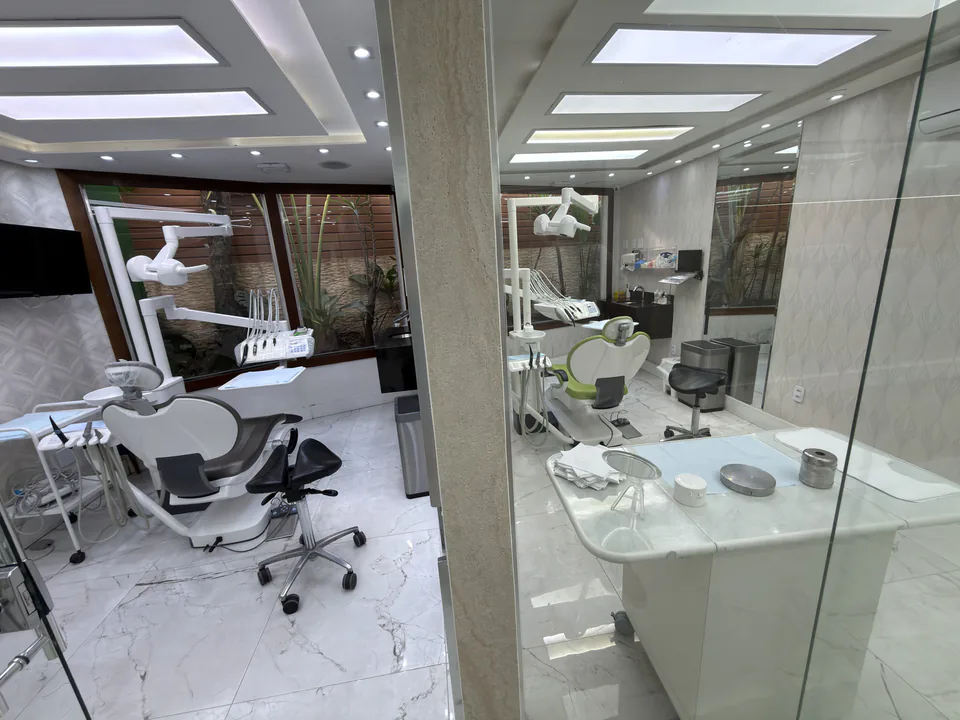
Two dental consulting rooms connected by a glass partition
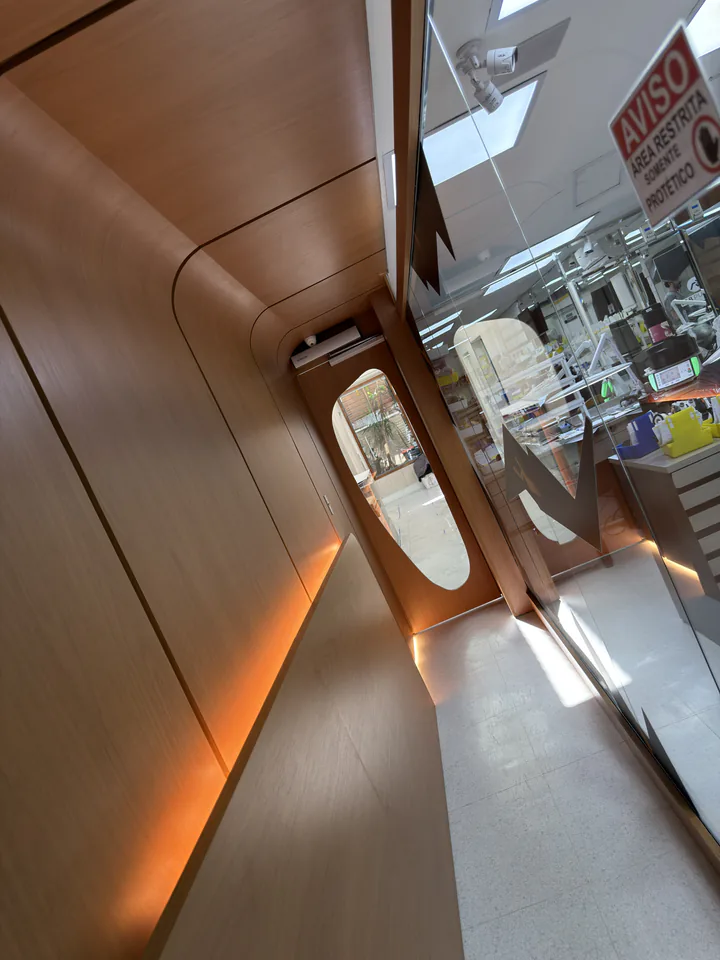
Curved corridor with wood panelling, amber lighting and a door at the far end

A splint begins with assessment, not a shelf.

The Institute brings together examination, planning and follow-up to determine whether the device makes sense, which design meets the goal and how to observe the response over time.

Book an assessment

References

Sources supporting the clinical guidance and limitations on this page. The splint illustrations are conceptual artworks, not patient examinations or results.

Original Portuguese content reviewed by Dr Silvana Puglisi, dental surgeon, CRO 33.773, technical director, on .

  1. National Institute of Dental and Craniofacial Research. TMD. National Institutes of Health. Accessed in 2026.
  2. Schiffman E et al. Diagnostic Criteria for Temporomandibular Disorders. Journal of Oral and Facial Pain and Headache. 2014. PMID 24482784.
  3. Lobbezoo F et al. International consensus on the assessment of bruxism. Journal of Oral Rehabilitation. 2018. DOI 10.1111/joor.12663.
  4. Riley P et al. Oral splints for temporomandibular disorder or bruxism. British Dental Journal. 2020. DOI 10.1038/s41415-020-1250-2.
  5. Hardy RS, Bonsor SJ. The efficacy of occlusal splints in the treatment of bruxism. Journal of Dentistry. 2021. DOI 10.1016/j.jdent.2021.103621.
  6. Del Sorbo EA et al. Occlusal Splint Therapy in the Management of Temporomandibular Disorders. Journal of Oral Rehabilitation. 2026. DOI 10.1111/joor.70208.
  7. Ramar K et al. Clinical Practice Guideline for Treatment of Obstructive Sleep Apnea and Snoring with Oral Appliance Therapy. Journal of Clinical Sleep Medicine. 2015. DOI 10.5664/jcsm.4858.
  8. Management of Temporomandibular Disorders and Occlusion. Okeson JP. Elsevier (2020). (DOI: 10.1016/C2015-0-04226-3). DOI 10.1016/C2015-0-04226-3
  9. Ainoosah S et al. Comparative analysis of different types of occlusal splints for the management of sleep bruxism: a systematic review. BMC Oral Health. 2024; 24:29. DOI 10.1186/s12903-023-03782-6.

Further reading

  1. Temporomandibular disorders. Cleveland Clinic. Cleveland Clinic (2023). . Official source

Educational information does not replace a consultation. Suitability, wear period and follow-up depend on professional assessment.

Privacy preferences

Your choice is valid for 180 days in this browser. You can change it under “Privacy”.

Forms may use Google reCAPTCHA to prevent abuse. Read the Privacy Policy