↗ PT

Other pages are available in Portuguese

Skip to content

Fixed braces

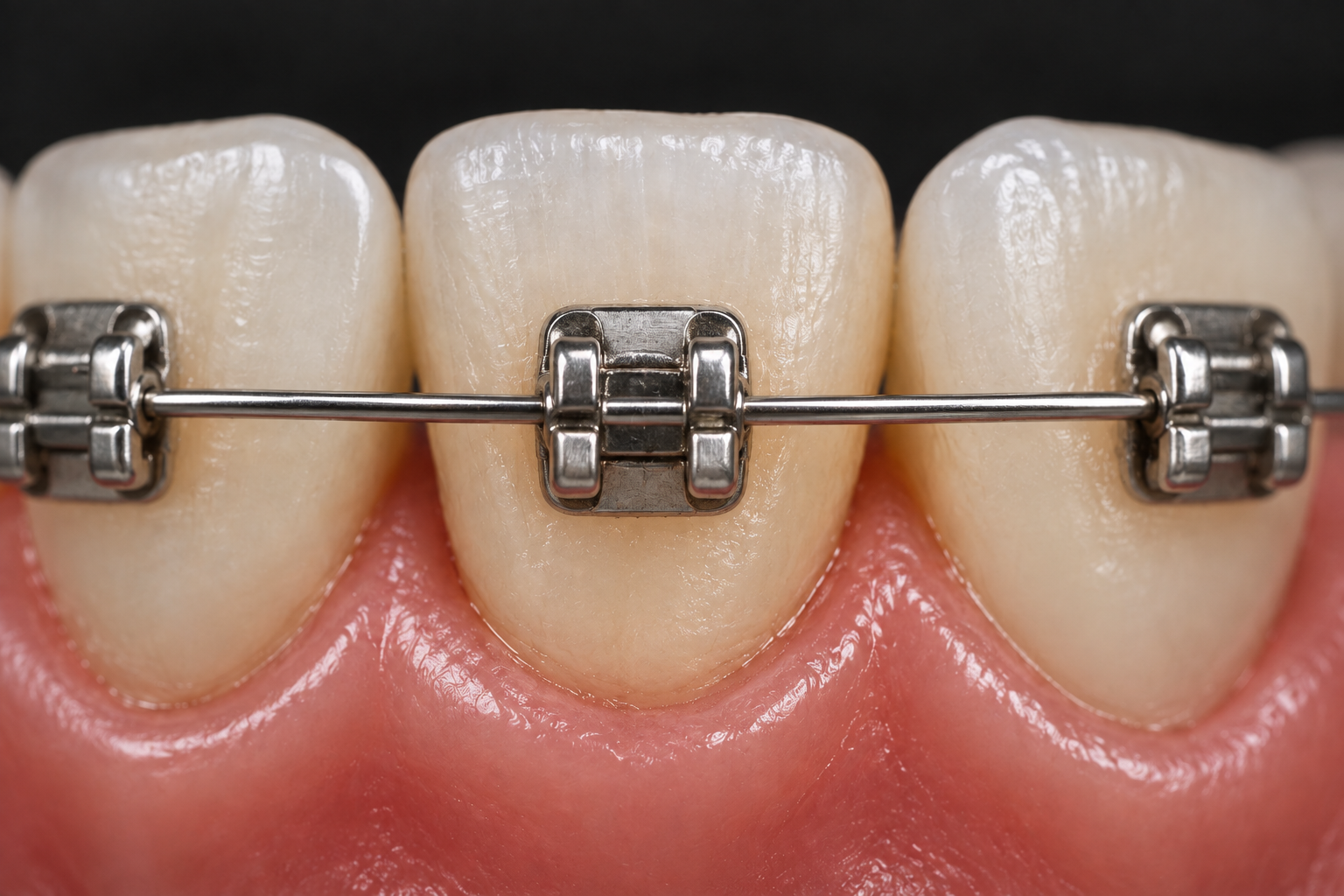
Illustration of fixed-appliance brackets connected by a metal archwire.

Brackets bonded to the teeth and an orthodontic wire apply controlled forces to move the teeth and address how the bite fits together. Suitability and adjustments depend on diagnosis and each person's response.

Book an assessment

At Instituto Rafa Puglisi, assessment considers teeth, roots, gums, bone and bite.

When fixed braces may be an option

With fixed braces, brackets bonded to the teeth and an orthodontic wire help apply controlled forces. Diagnosis establishes which movements make sense, and appointments monitor how teeth, roots, gums, bone and bite respond.

There is no universal adjustment. Appliance type, sequence and additional resources depend on the case and its clinical management. [1][6]

Overlapping teeth or gaps.You notice positions you would like to understand or change.

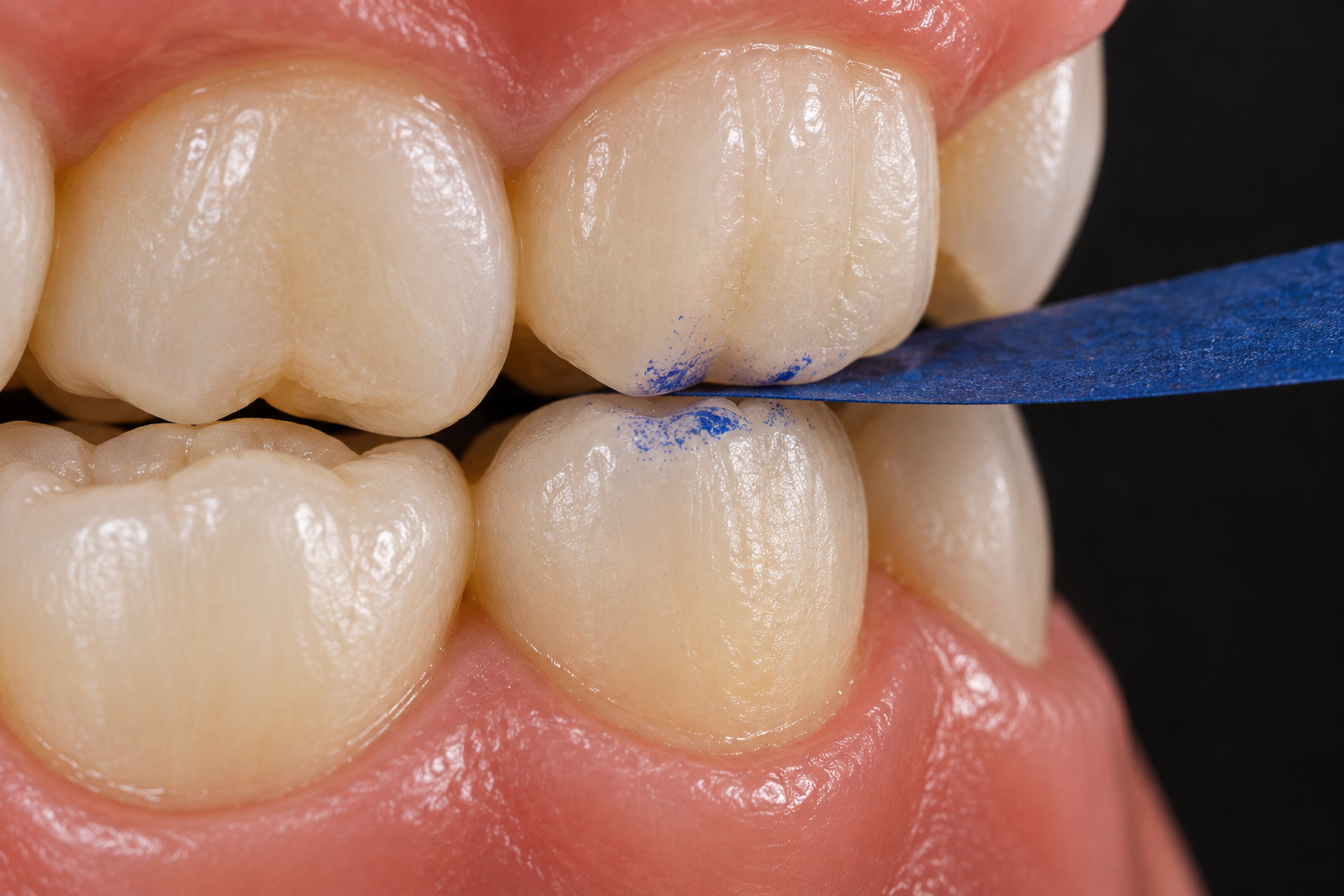
The bite does not fit together as it should.Function and contact between the teeth are also assessed.

Treatment was previously recommended.A new assessment confirms current needs, priorities and conditions.

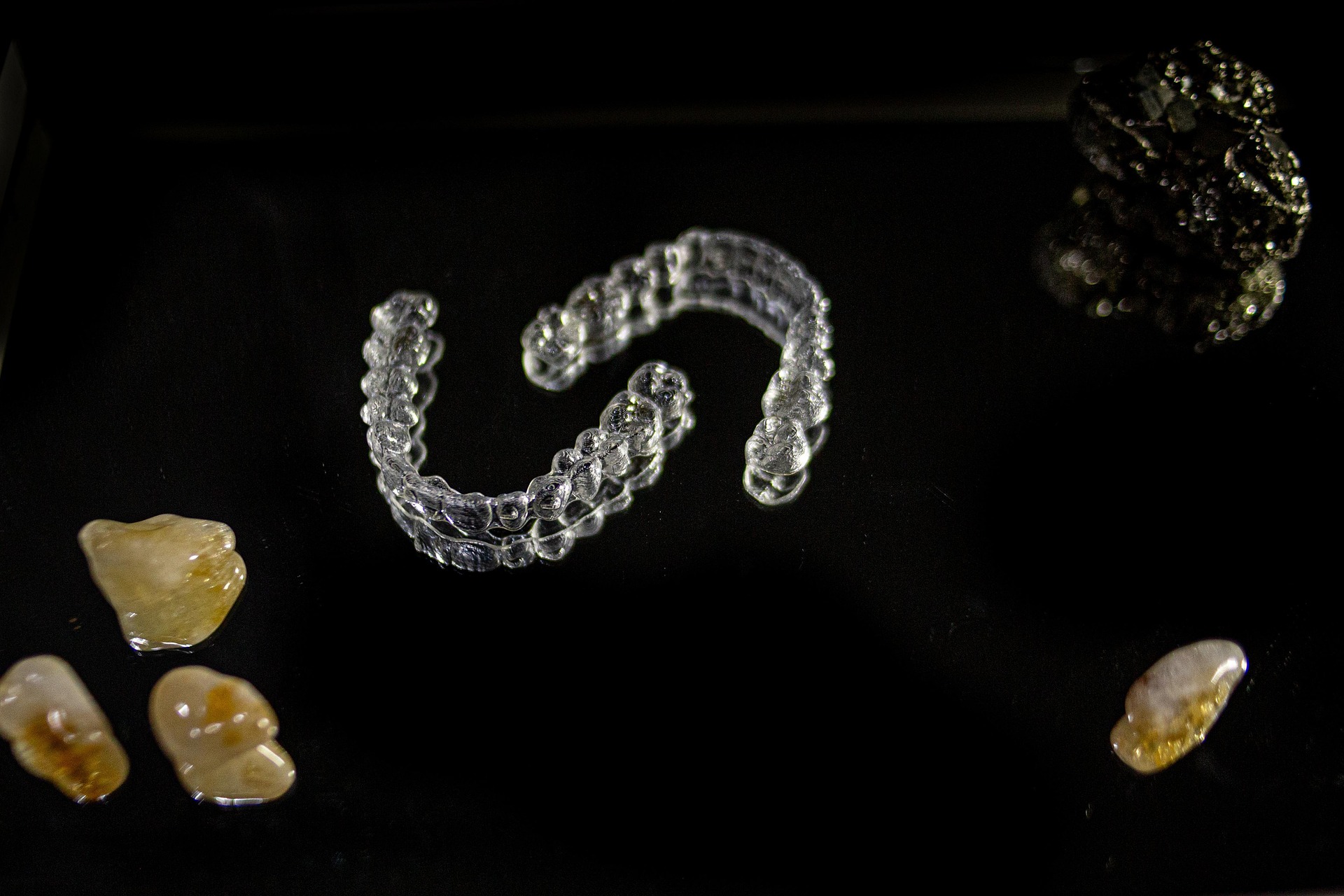
The question is fixed braces or aligners.Appearance plays a part in the choice, but does not replace diagnosis.

What the assessment needs to establish

Conceptual representation of points connected by an archwire above measurement planes

Assessment begins with discussion and a clinical examination. Photographs, radiographs and scanning may be requested when indicated.

Position
How the teeth are arranged and relate to one another.
Support
The condition of roots, gums and bone.
Aim
What you want to change and what is clinically possible.
Context
Health, routine and treatment in other specialties.

From fitting to retention

The order, timing and resources vary. This sequence explains the logic of the process, rather than a universal timetable.

  1. Prepare

    Confirm oral health, goals and the plan before fitting.

  2. Align

    Begin tooth movement and levelling within the plan.

  3. Coordinate

    Monitor arches, contacts and the bite relationship throughout the process.

  4. Finish

    Refine positions and review the overall picture, without confusing haste with precision.

  5. Retain

    Plan stability and follow-up after active tooth movement.

Hygiene, sensitivity and follow-up

Conceptual representation of a flow moving around shapes connected by a wire

Brackets and wires create retention areas and make cleaning more demanding. The routine needs to be tailored to the person and reviewed at appointments.

Without adequate control, biofilm accumulation, gum inflammation, tooth decay and white spots caused by enamel demineralisation may occur. [3][4]

  • daily cleaning around brackets and beneath the wire.
  • regular dental and orthodontic follow-up.
  • individual advice on products and technique.

What may happen after adjustments

Sensitivity and discomfort may develop after fitting or adjustments. In studies of alignment with fixed appliances, pain increased rapidly, reached its highest intensity on the first day and decreased over the first week. Experiences vary between people. [2]

Do not dismiss something that concerns you as normal. Severe or persistent pain, or pain accompanied by another sign, should be reported to the team.

Fixed braces or aligners?

There is no universal winner. Occlusion, the movements required, oral health, routine, the ability to follow instructions and the team's experience influence the choice.

Clinical trials report heterogeneous results; different appliances or resources alone do not explain the entire outcome. Planning and clinical management remain central. [1][6]

Fixed braces

They remain bonded to the teeth and do not rely on remembering to put them in and take them out. Hygiene, care to avoid breakages and appointments remain essential.

Benefits, limitations and risks

Fixed braces may help correct tooth positions and the bite. Like any orthodontic treatment, this involves biological response, cooperation and uncertainties that should be discussed for your case.

Discomfort and irritationThese may occur, particularly at the beginning and after adjustments.

Demineralisation, decay and gumsRisk increases when hygiene and follow-up are inadequate.

Roots and supportRoot resorption and periodontal changes are among the risks that require assessment and monitoring.

Breakages and other problemsA loose bracket, a displaced wire and missed appointments may affect the process.

RelapseTeeth tend to move after treatment; retention and follow-up are part of the plan.

Individual assessment determines the significance of each risk and the possible alternatives. [4][5]

After active movement

Teeth tend to shift after treatment. Retention is therefore more than a final detail: its type, wear time and follow-up are defined individually. Available evidence does not identify a single strategy that is superior for everyone. [5]

When to contact the team

  • a loose bracket or broken component.
  • a wire that is causing injury or has moved out of place.
  • severe or persistent pain.
  • trauma to the mouth or appliance.
  • any sign that causes concern.

Contact the Institute

Frequently asked questions

How long does treatment with fixed braces take?

There is no universal duration. Diagnosis, the movements required, biological response, breakages, missed appointments, hygiene and follow-up may change the process. The estimate is individual and may be updated during treatment.

Does fitting or adjusting braces hurt?

Pressure, sensitivity and discomfort may occur. On average, intensity is greater at the beginning and decreases over the first few days, but each person responds differently. Severe or persistent pain should be reported. [2]

Do I need to avoid any foods?

Very hard or sticky foods may lead to breakages. The team advises on care according to the appliance, stage and your routine; do not replace that advice with generic lists.

How do I clean my teeth around brackets and wires?

Cleaning needs to reach around the brackets and beneath the wire. Technique, accessories and products should be tailored to the individual and reviewed throughout treatment.

Can I play sports?

Yes, but sports involving a risk of contact may require a mouthguard compatible with the appliance. Discuss this with the team before choosing or adapting a mouthguard. [7]

Are fixed braces better than aligners?

There is no answer that applies to everyone. Diagnosis comes before material or appearance, and some cases may use combined resources.

Will I need retention?

Retention is usually an essential part of treatment after active movement. Type, wear time and monitoring depend on the case. [5]

Can adults have fixed braces?

Yes. Age alone does not rule out treatment. What matters is the health of the gums, bone and teeth, assessed before starting. In adults, the gums usually need closer attention during treatment. [8]

What types of fixed braces are there?

The best known are metal braces, aesthetic braces made of ceramic or sapphire, which are tooth-coloured or clear, self-ligating braces, which do not need elastic ties, and lingual braces, bonded to the inside of the teeth. They differ in appearance, comfort, cleaning and cost. The Institute offers all of these types, and the choice is made after diagnosis, according to what the case needs. [9]

How much do fixed braces cost?

Every mouth is unique, so there is no standard price. The cost depends on the diagnosis, the complexity of the case, the type of brace and the length of follow-up. It is presented after the assessment, once the plan is defined. Treatment can be paid in up to 21 credit card instalments, depending on the treatment plan and current conditions.

Beyond aesthetics, we are a multidisciplinary clinic.

Explore options

Care takes place here

Across more than 400 m², seven consulting rooms and an integrated in-house laboratory bring together different stages of care at the same address. Discover the Institute.

A history in dentistry since 1923 connects generations with care today. Explore the Institute's history.

Meet the Institute's professionals and discuss the needs of your case.

Spacious reception at the Institute with artwork by Kobra
Lounge with green armchairs, artwork and a garden visible through the glass doors
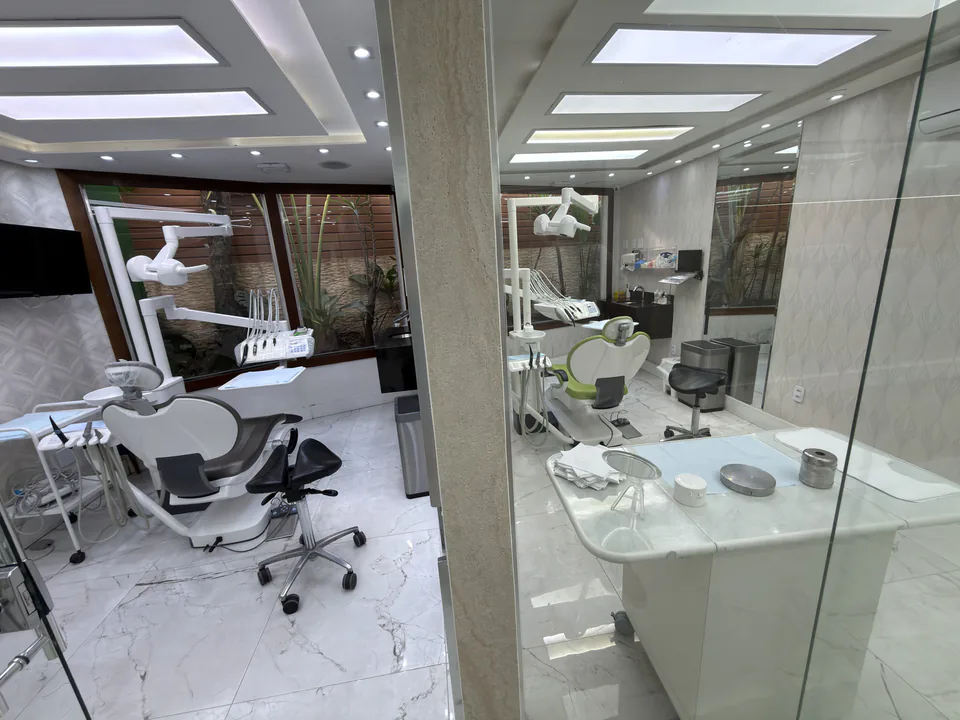
Two dental consulting rooms connected by a glass partition
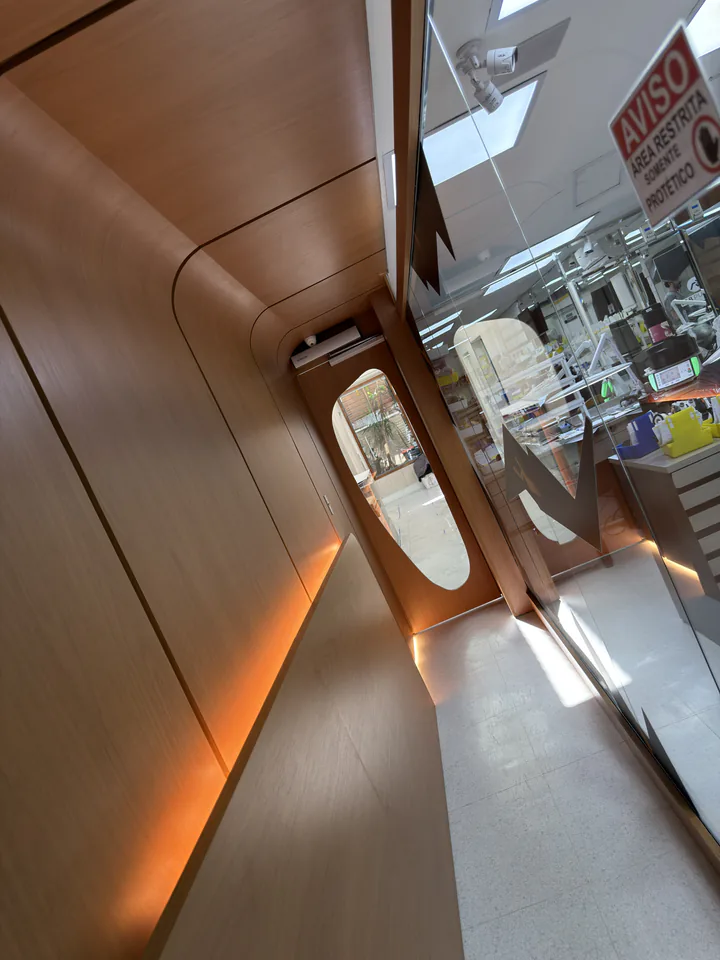
Curved corridor with wood panelling, amber lighting and a door at the far end

Let us understand your smile

Assessment brings together what you feel, the examination and realistic treatment options. Bring your questions about fixed braces, aligners and care throughout the process.

Book an assessment

Bibliographic references

Sources used for the clinical statements on this page. They inform the discussion but do not replace diagnosis or individual clinical review.

Original Portuguese content reviewed by Dr Silvana Puglisi, dental surgeon, CRO 33.773, technical director, on .

  1. Papageorgiou SN, Giannakopoulou T, Eliades T, Vandevska-Radunovic V. Occlusal outcome of orthodontic treatment: a systematic review with meta-analyses of randomized trials. European Journal of Orthodontics. 2024, 46(6):cjae060. DOI 10.1093/ejo/cjae060.
  2. Inauen DS, Papadopoulou AK, Eliades T, Papageorgiou SN. Pain profile during orthodontic levelling and alignment with fixed appliances reported in randomized trials: a systematic review with meta-analyses. Clinical Oral Investigations. 2023, 27(5):1851–1868. DOI 10.1007/s00784-023-04931-5.
  3. Hussain U, et al. Prevalence, Incidence and Risk Factors of White Spot Lesions Associated With Orthodontic Treatment, A Systematic Review and Meta-Analysis. Orthodontics & Craniofacial Research. 2025, 28(2):379–399. DOI 10.1111/ocr.12888.
  4. British Orthodontic Society. Risks of Orthodontic Treatment, Advice Sheet. 2023. Official document.
  5. Martin C, Littlewood SJ, Millett DT, et al. Retention procedures for stabilising tooth position after treatment with orthodontic braces. Cochrane Database of Systematic Reviews. 2023, (5):CD002283. DOI 10.1002/14651858.CD002283.pub5.
  6. Yassir YA, Sofar MK, McIntyre GT, Bearn DR. Clinical effectiveness of customized versus noncustomized orthodontic appliances: A systematic review. Journal of Orthodontic Science. 2024, 13:26. DOI 10.4103/jos.jos_46_24.
  7. British Orthodontic Society. Mouthguards, Advice Sheet. 2024. Official document.
  8. American Association of Orthodontists. Adult Orthodontics. Frequently asked questions. Official document.
  9. British Orthodontic Society. Conventional Fixed Braces. Official document.

Further reading: American Association of Orthodontists. Educational information does not replace clinical assessment.

Privacy preferences

Your choice is valid for 180 days in this browser. You can change it under “Privacy”.

Forms may use Google reCAPTCHA to prevent abuse. Read the Privacy Policy