↗ PT

Other pages are available in Portuguese

Skip to content

Jaw joint and bite

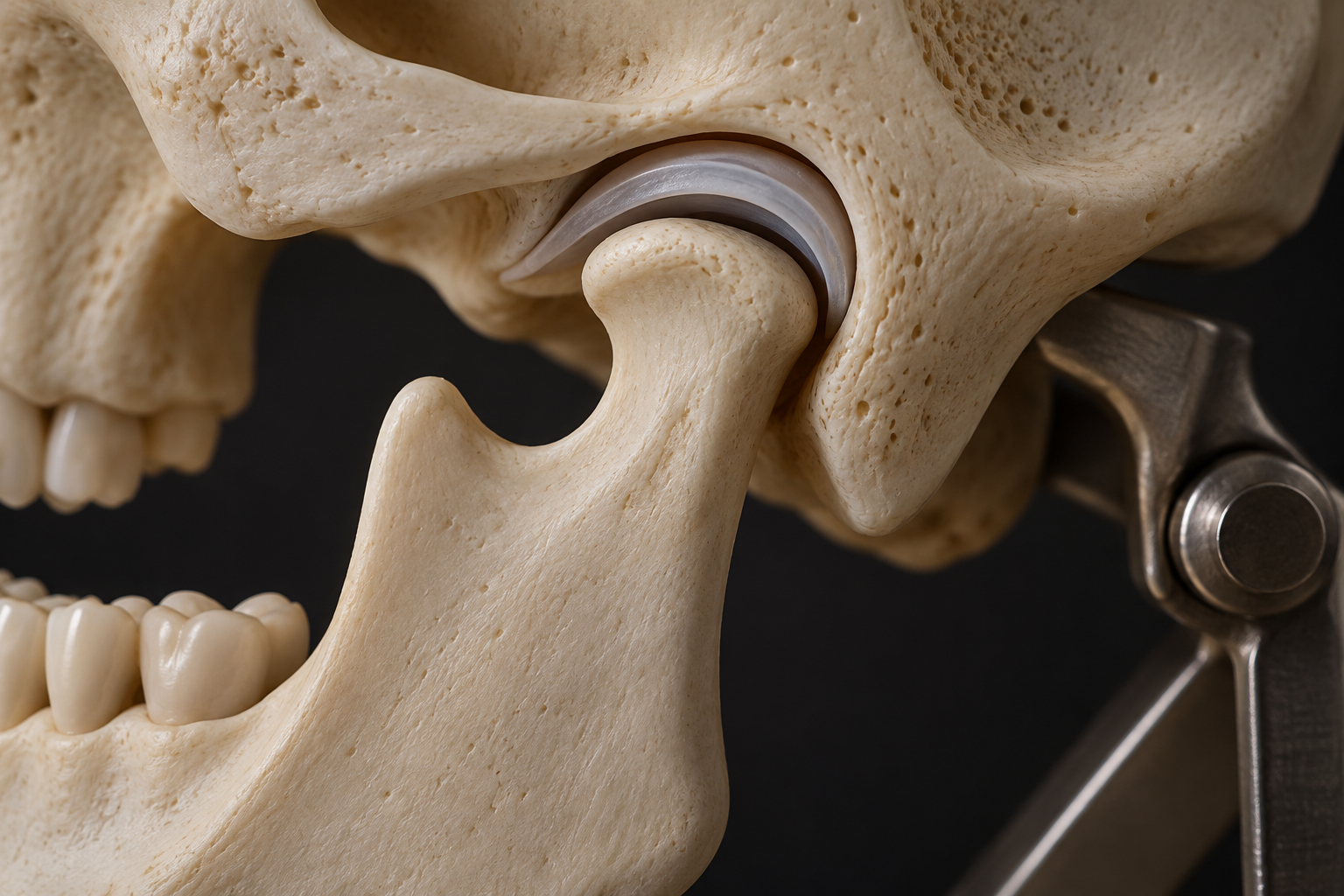
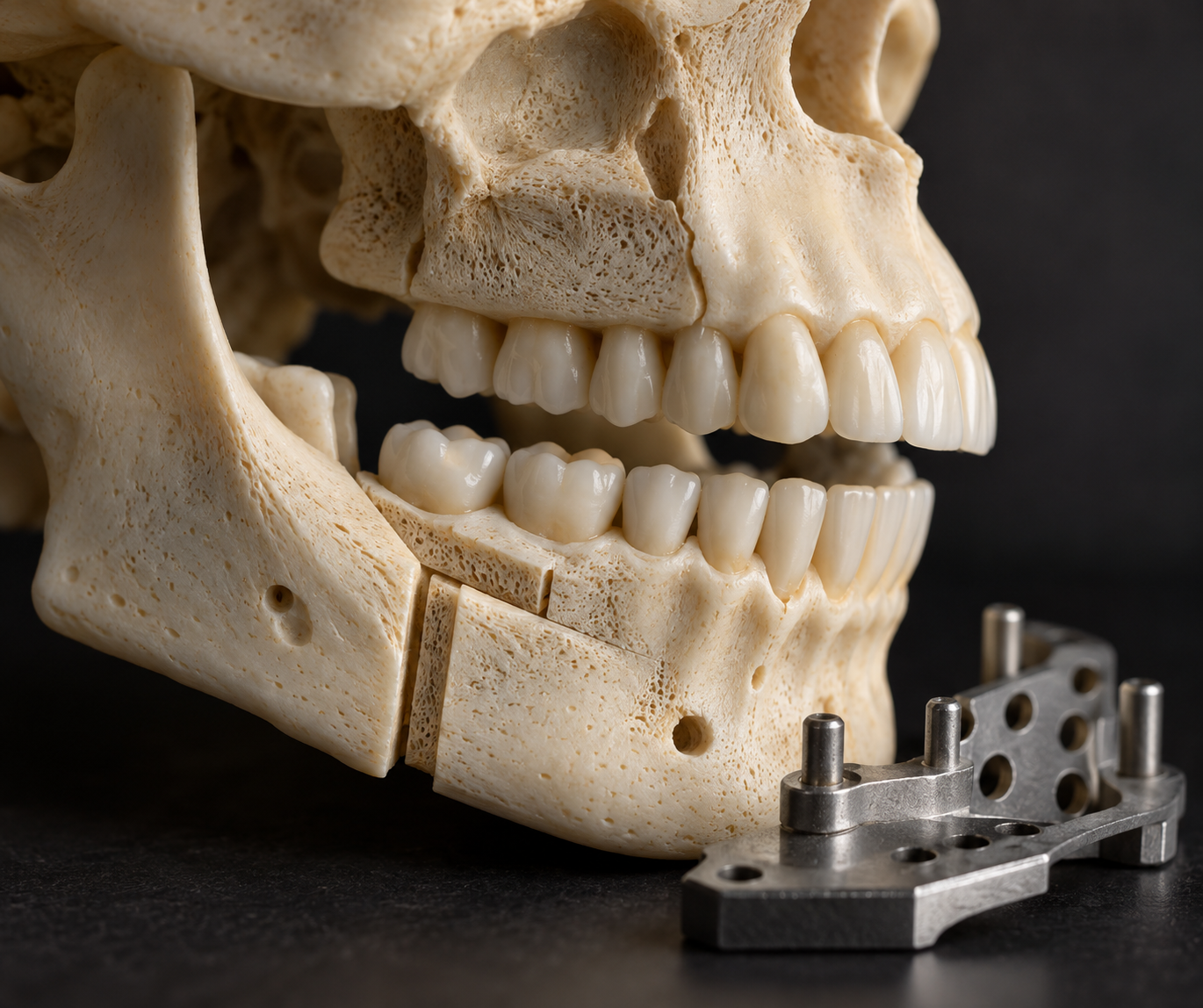
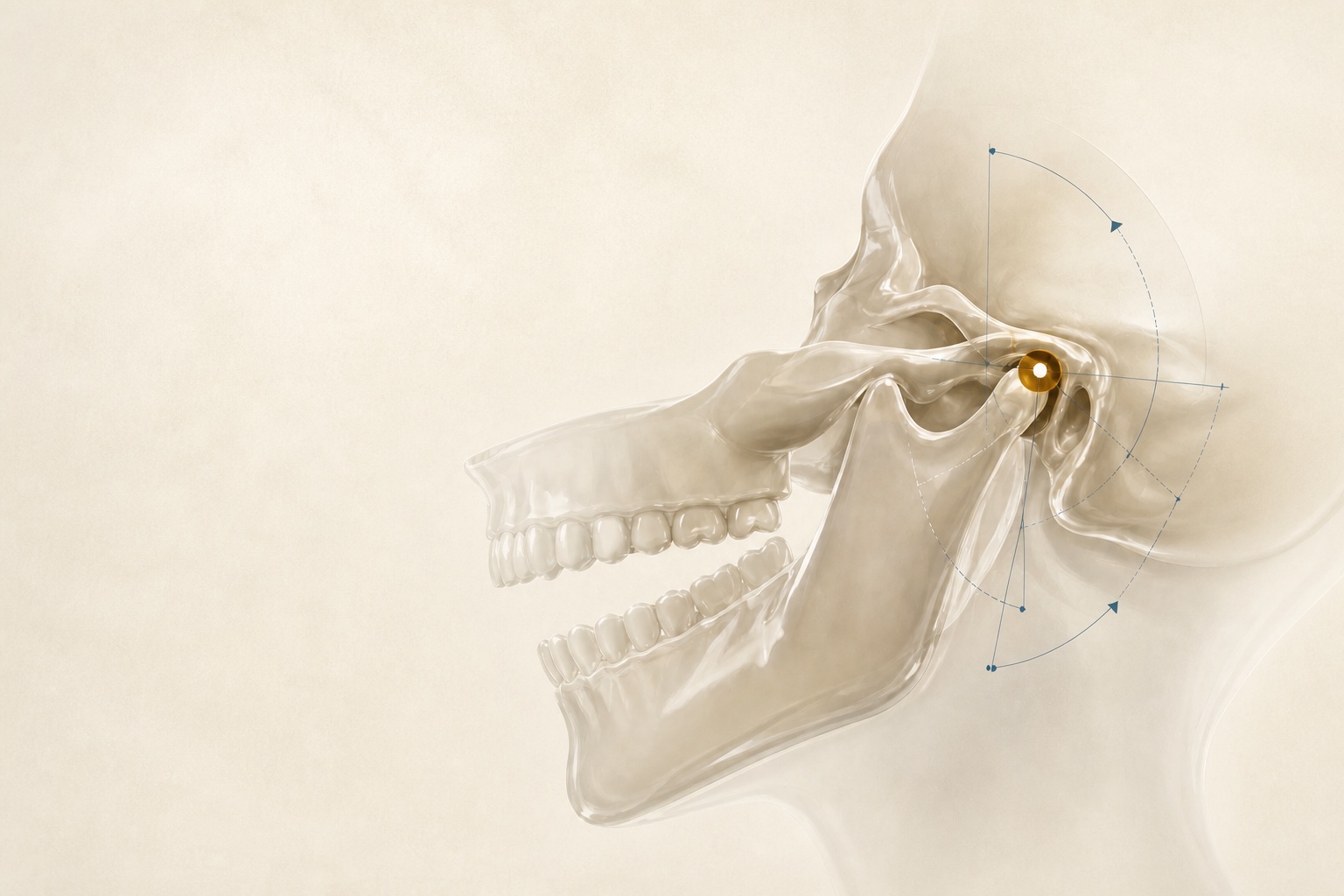
Conceptual representation of the jaw in profile with the joint highlighted

Jaw pain, clicking and restricted movement need assessment through history and examination. Temporomandibular disorders, or TMD, may involve the joint and chewing muscles.

Book an assessment

Isolated clicking without pain may not require treatment. [1]

What needs to be observed

Temporomandibular disorders, or TMD, include different conditions that may involve the joints, chewing muscles and associated headaches. [1] [2] [3]

  1. 01

    What you feel

    Pain, noise, fatigue, locking or a change in movement.

  2. 02

    When it happens

    On waking, chewing, speaking, yawning or during periods of greater strain.

  3. 03

    What the examination finds

    Range, movement path, tenderness, noises and signs of other conditions.

  4. 04

    Which care makes sense

    Guidance, follow-up and resources selected for that diagnosis.

Pain, noise and restriction

Facial and jaw concerns may overlap with dental, neurological, ear-related and other conditions. Assessment also helps distinguish the approaches needed. [1]

Pain

It may occur in the joint, chewing muscles or face, or radiate towards the neck.

Noise

Clicking, crepitus or a sensation of friction gain significance when considered alongside pain and function.

Restriction

Difficulty opening, locking, deviation or a sudden change in movement warrant assessment.

How assessment clarifies the concern

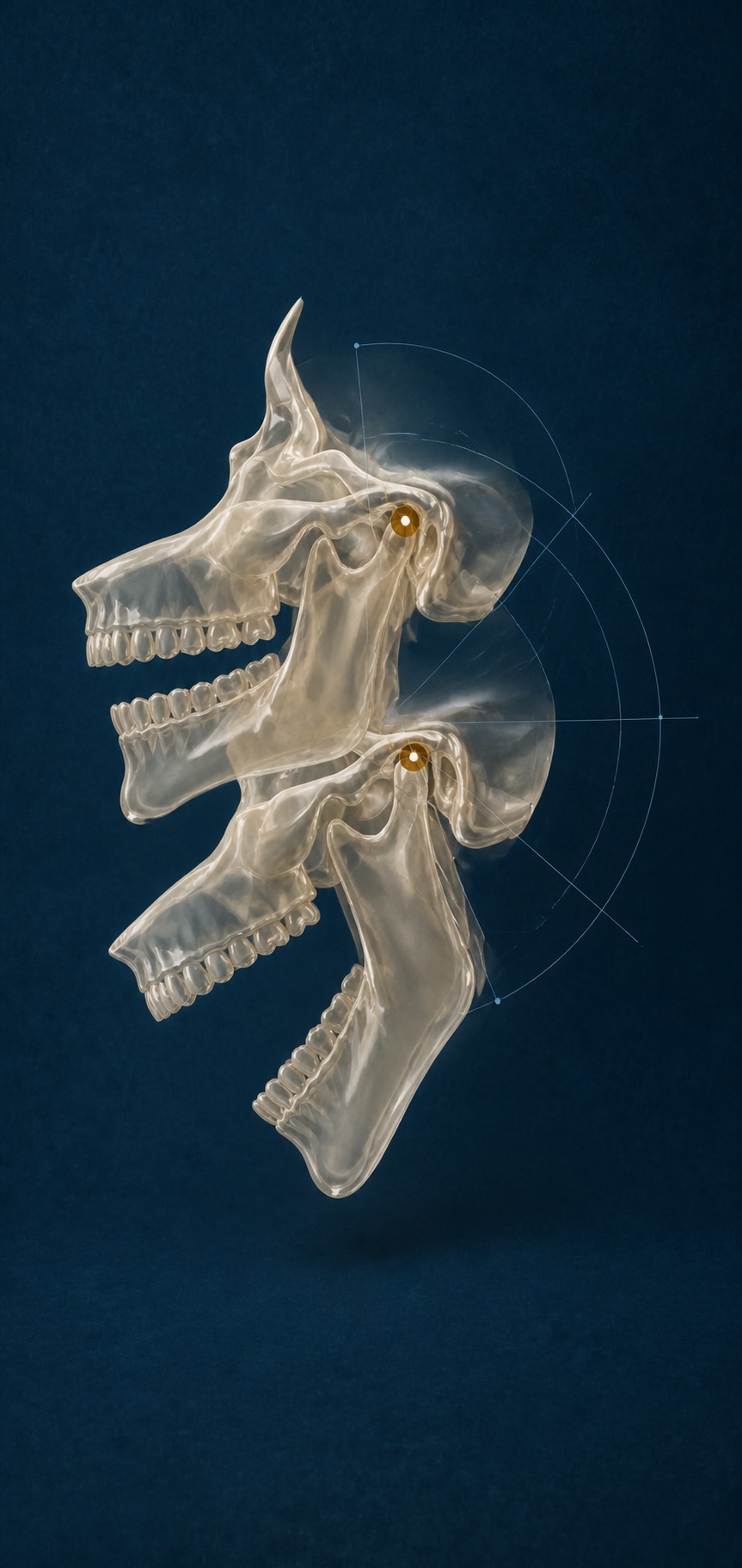
Conceptual artwork showing two superimposed jaw positions

The consultation brings together a detailed history and examination of the head, neck, face and jaw. The professional assesses tenderness, range, movement path, noises and what aggravates or relieves the concern. [1] [2]

History
When it began, where it hurts, how long it lasts and how it affects daily life.
Examination
Movement, muscles, joints, teeth and nearby structures.
Imaging
Radiographs when needed. CT or MRI may be recommended only when they answer a clinical question.
Differences
Other causes of pain in the mouth, face and ear need consideration.

The images on this page are conceptual representations of the jaw and its movement. Diagnosis considers history, examination and individual context.

Conservative care and follow-up

Many conditions improve with simple, conservative measures. When indicated, the plan may combine education about the condition, reducing strain, exercises or manual therapy, guided medication and intraoral devices. [1] [4]

What may be included at the beginning

  • understand the diagnosis and factors that worsen the condition
  • reduce habits that keep the jaw under strain
  • preserve movement and function within comfortable limits
  • monitor the response before extending treatment

What calls for caution

  • promises of a single cause for all symptoms
  • permanent changes to the bite as the first response
  • irreversible procedures without a clear diagnosis
  • treating painless clicking as necessarily a disease

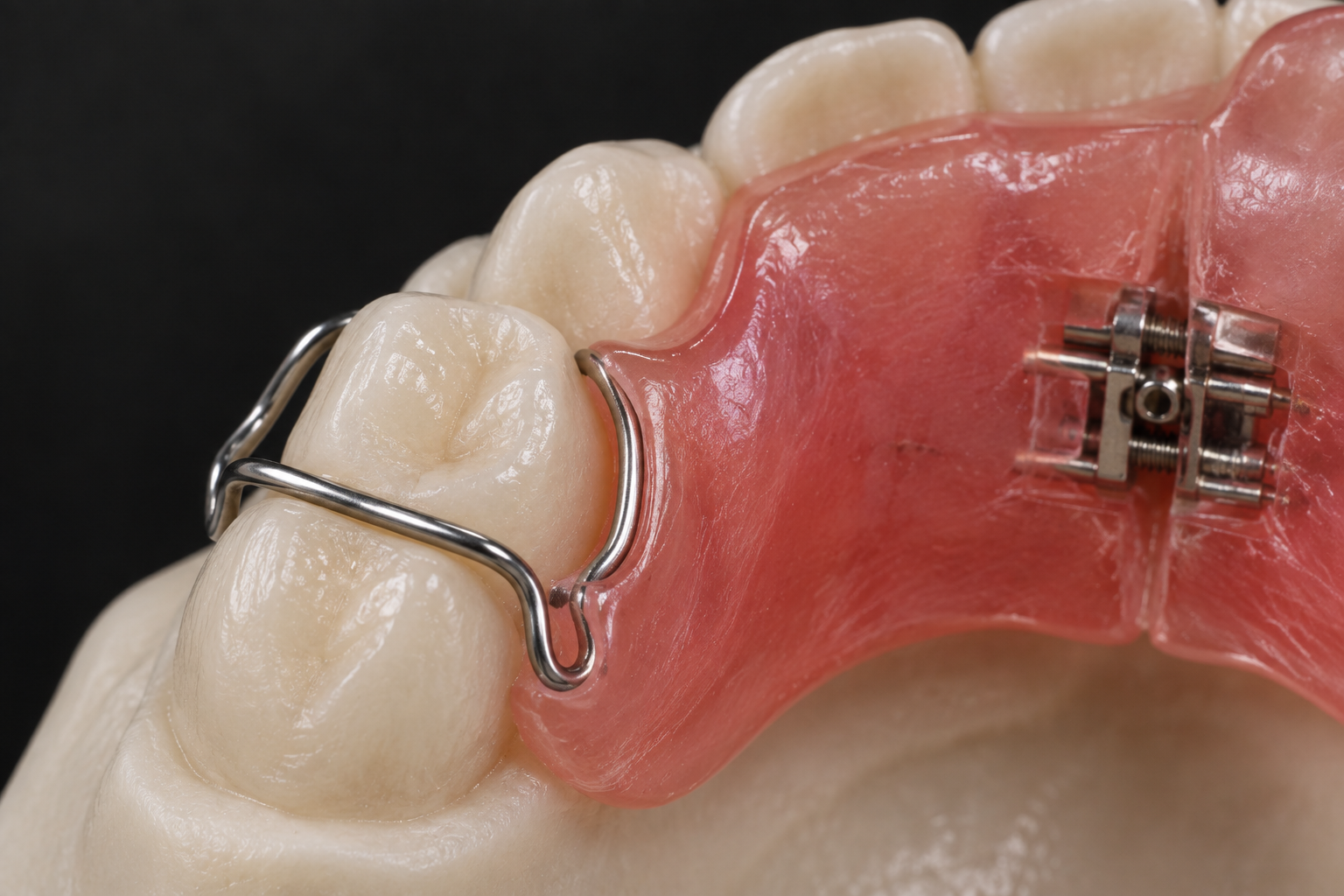
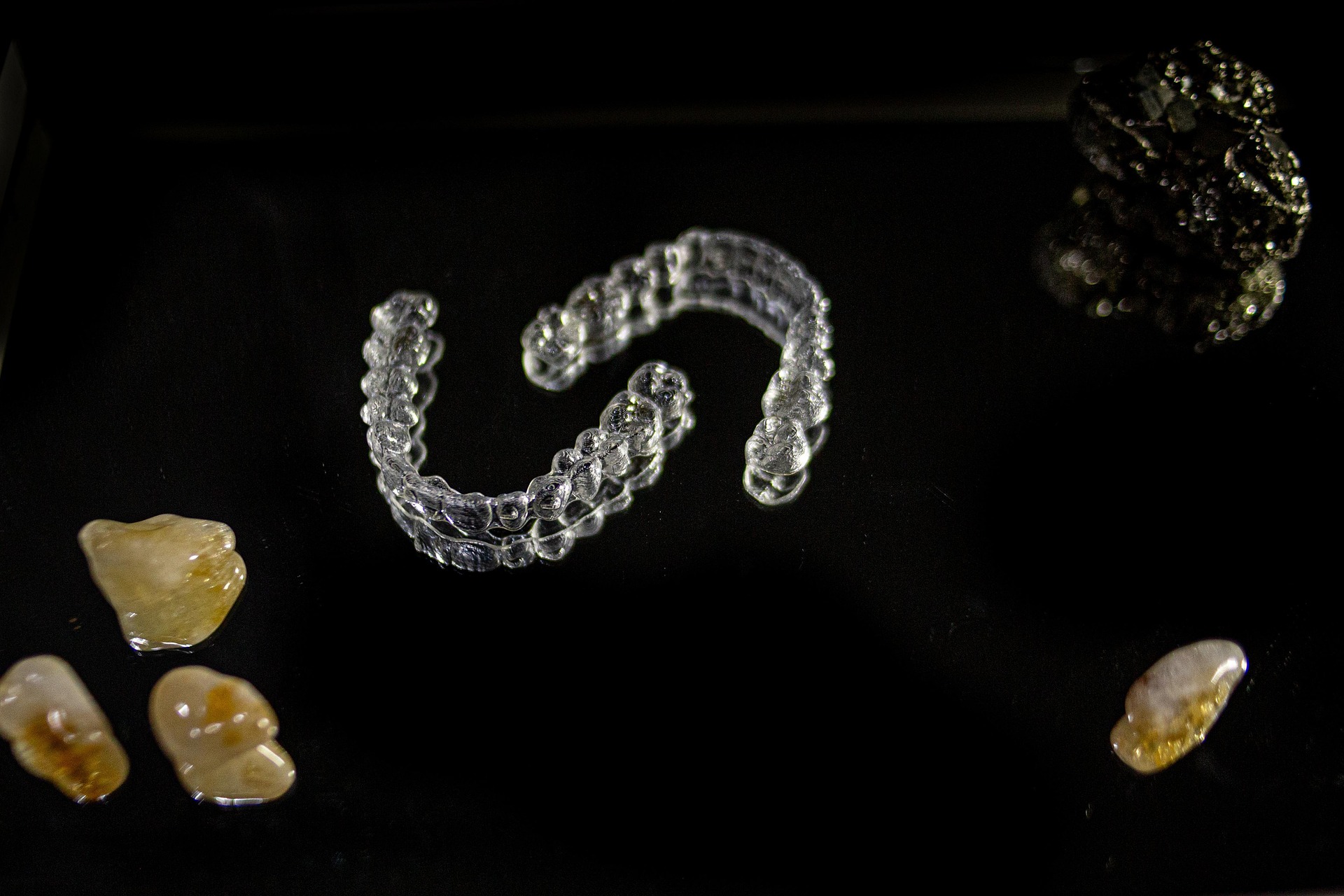
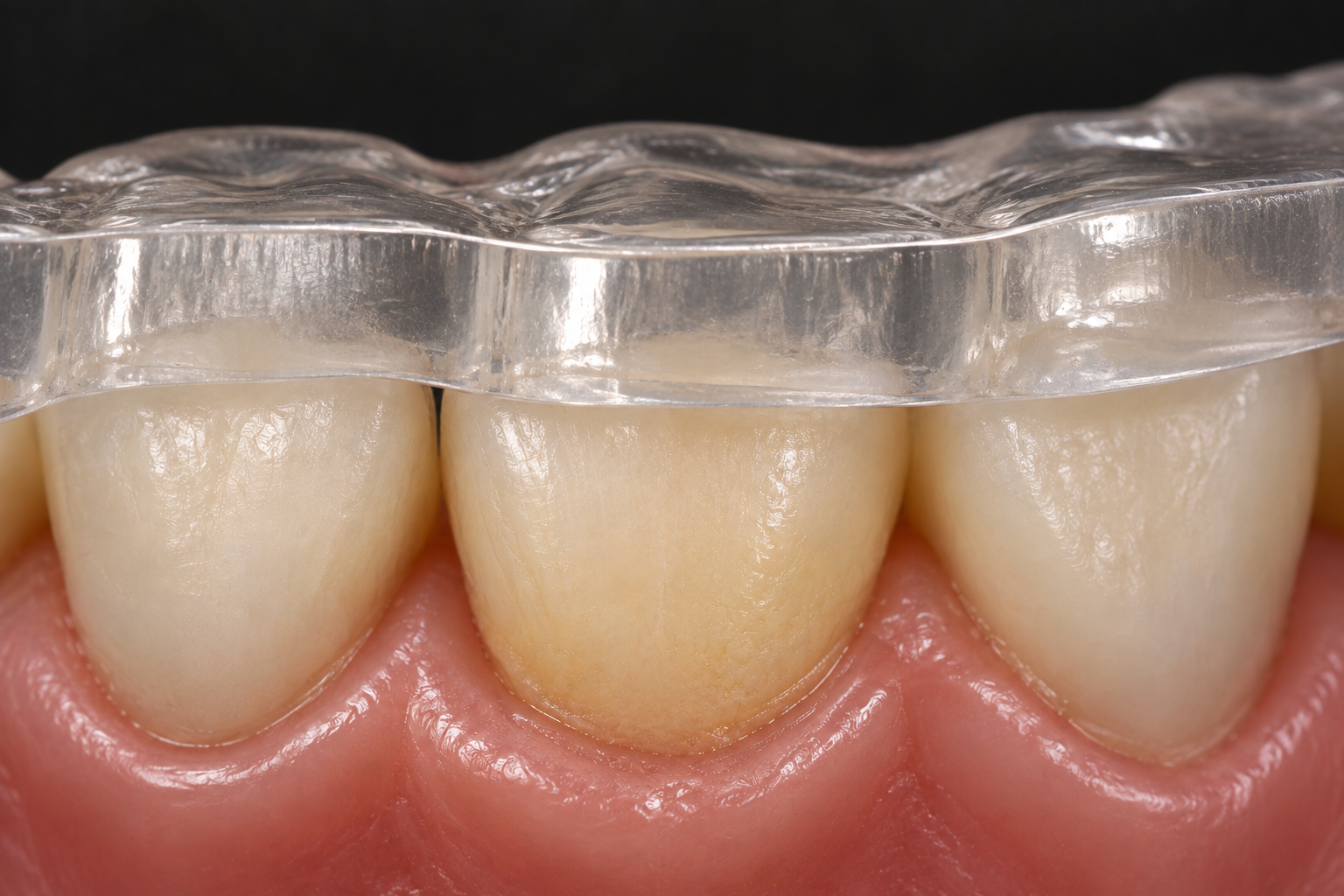
A splint may be an option, rather than an automatic answer. Design, purpose and follow-up depend on diagnosis. It should not aim to change the bite permanently. [1]

Other causes and signs that need attention

Tinnitus, hearing loss, dizziness, ear pain and sleep disturbances may coexist with jaw symptoms, but do not prove TMD. These signs may need their own medical assessment.

Recent trauma, significant swelling, fever, sudden locking or inability to open and close the mouth require assessment without delay.

Frequently asked questions

Does every click in the jaw mean TMD?

No. Painless noises are common and may not need treatment. The context changes when there is pain, restricted movement, locking or altered function. [1]

Are TMD and bruxism the same?

No. Bruxism describes activity of the chewing muscles during sleep or wakefulness. TMD includes different conditions of the joints and muscles. A person may have one, both or neither.

Does a misaligned bite cause TMD?

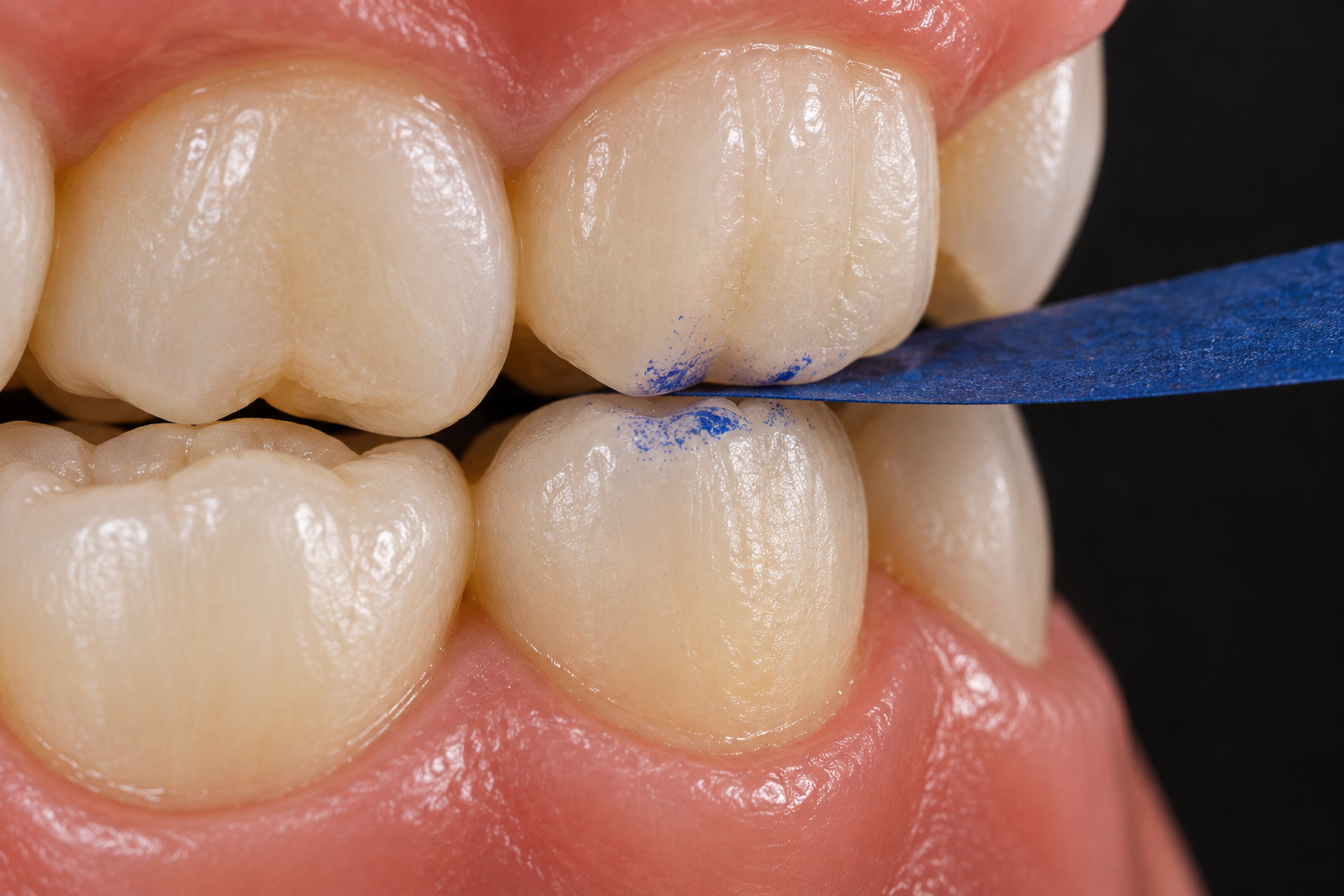
Current research does not support the idea that a poor bite or orthodontic treatment on its own causes TMD. Diagnosis should not be established solely from tooth position. [1]

Do I need CT or MRI?

Not always. The need depends on what the history and examination need to clarify. Each type of imaging answers different questions.

Does a splint resolve every case of joint pain?

No. A device may form part of some conservative plans, but does not replace diagnosis and should not be used to change the bite permanently.

Does tinnitus mean there is a TMJ problem?

Not necessarily. Hearing-related symptoms may coexist with TMD, but have other causes too. Dental assessment does not replace medical investigation of the ear.

When should I seek prompt assessment?

After trauma, with significant swelling, fever, sudden locking or great difficulty opening and closing the mouth.

How long does improvement take?

There is no single timeframe. Response depends on diagnosis, symptom duration, associated conditions and follow-up.

What happens if TMD is not treated?

Many cases of jaw pain are temporary, come and go and do not get worse over time. In some people, however, the pain lasts and starts to interfere with eating, sleep and daily routine. The assessment helps you understand which situation applies to you and avoids both overtreatment and a lack of follow-up. [1] [3]

What should I do during a jaw pain flare-up?

In general, soft foods help, as do avoiding opening the mouth wide, avoiding chewing gum and nail biting, and warm or cold compresses on the face. Medicines only with professional guidance. If the pain does not improve, if the jaw locks or if there was an injury, seek an assessment. [1]

Can pain near the ear come from the jaw joint?

Yes. The jaw joint sits just in front of the ear, and its pain can be felt in that area. But earache also has other causes, such as inflammation of the ear itself. When the origin is unclear, a medical assessment of the ear is also part of care. [1]

How much does TMD treatment cost?

The cost depends on the diagnosis, the resources indicated and the length of follow-up. It is presented after the assessment. Treatment can be paid in up to 21 credit card instalments, depending on the treatment plan and current conditions.
Beyond aesthetics, we are a multidisciplinary clinic.

Explore options

Care takes place here

Across more than 400 m², seven consulting rooms and an integrated in-house laboratory bring together different stages of care at the same address. Discover the Institute.

A history in dentistry since 1923 connects generations with care today. Explore the Institute's history.

Documentary portrait of Dr Silvana Puglisi

Dr Silvana Puglisi is the dentist responsible for technical oversight. Meet our professionals who continue to provide care and carry on the work of LAB Puglisi.

Spacious reception at the Institute with artwork by Kobra
Lounge with green armchairs, artwork and a garden visible through the glass doors
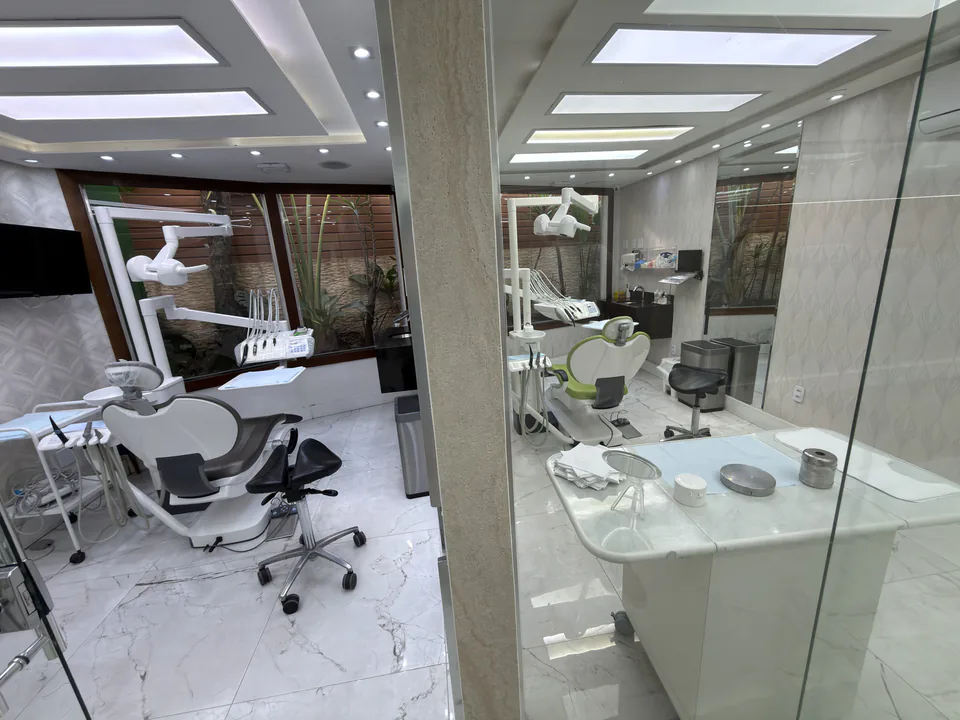
Two dental consulting rooms connected by a glass partition
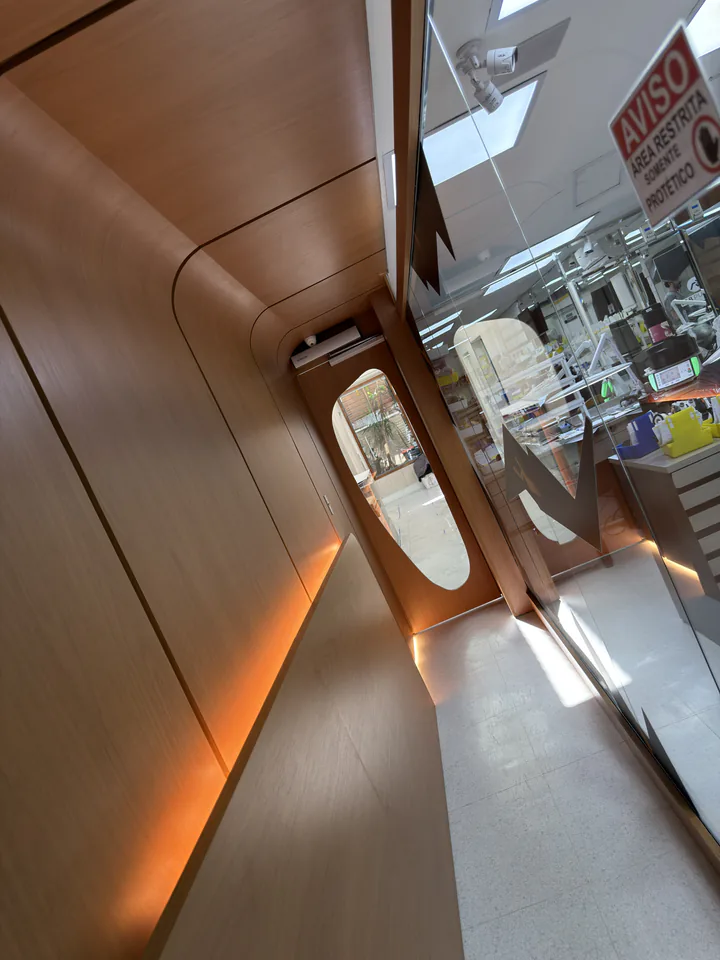
Curved corridor with wood panelling, amber lighting and a door at the far end

Book an assessment

The Institute brings together listening, examination and follow-up to distinguish similar symptoms and build a plan proportionate to what was actually found.

Talk to the Institute

References

Sources consulted for the clinical limitations and public guidance on this page.

Original Portuguese content reviewed by Dr Silvana Puglisi, dental surgeon, CRO 33.773, technical director, on .

  1. National Institute of Dental and Craniofacial Research. TMD: Temporomandibular Disorders. National Institutes of Health. Accessed in 2026.
  2. Schiffman E et al. Diagnostic Criteria for Temporomandibular Disorders (DC/TMD) for Clinical and Research Applications. Journal of Oral & Facial Pain and Headache. 2014. PMID 24482784.
  3. National Academies of Sciences, Engineering, and Medicine. Temporomandibular Disorders: Priorities for Research and Care. National Academies Press. 2020. DOI 10.17226/25652.
  4. American Association of Oral and Maxillofacial Surgeons. The Contemporary Management of Temporomandibular Joint Intra-Articular Pain and Dysfunction. Position Paper. 2024.

Privacy preferences

Your choice is valid for 180 days in this browser. You can change it under “Privacy”.

Forms may use Google reCAPTCHA to prevent abuse. Read the Privacy Policy