↗ PT

Other pages are available in Portuguese

Skip to content

Invisalign and Puglisi Aligner
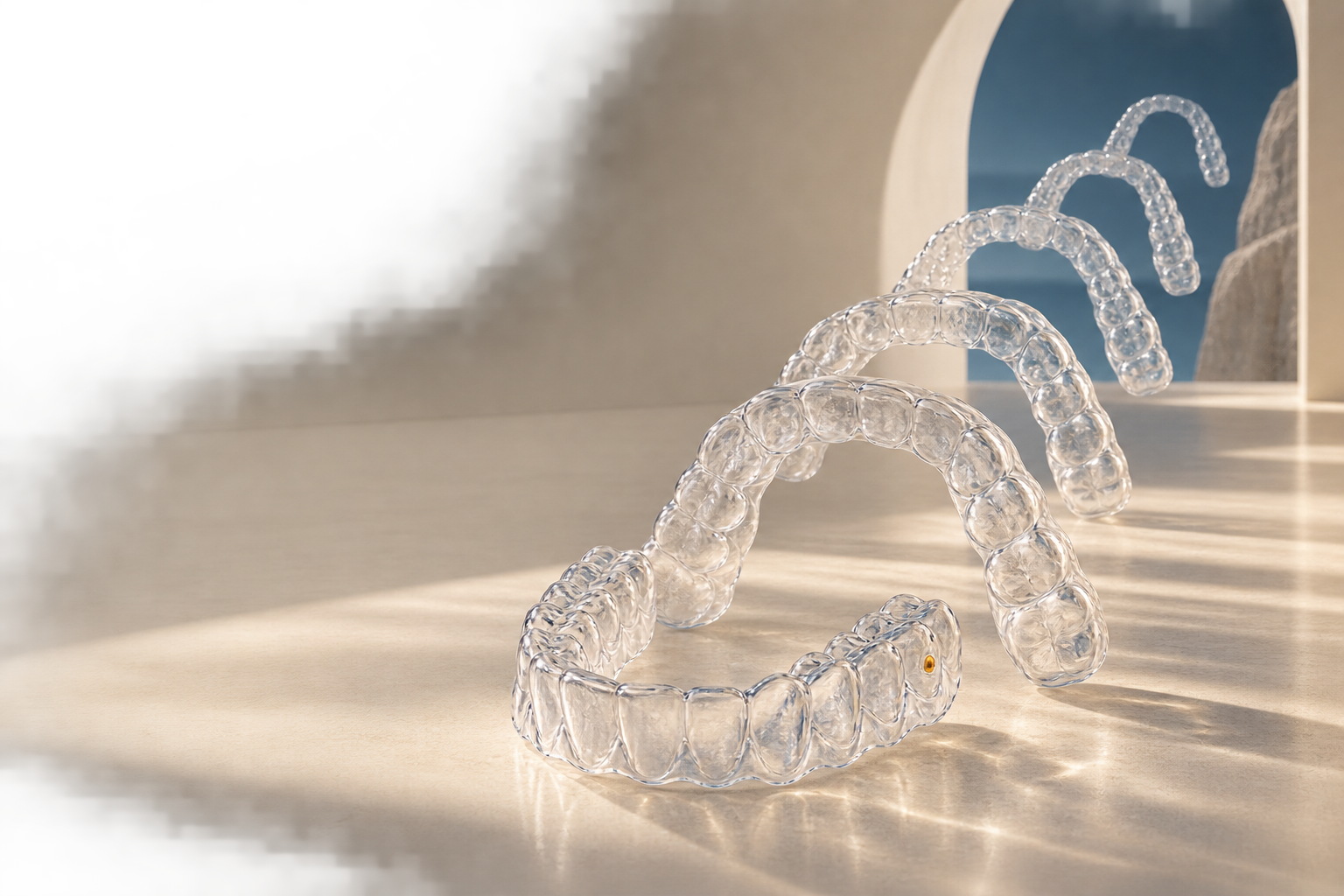
Illustration of clear aligners arranged in sequence.

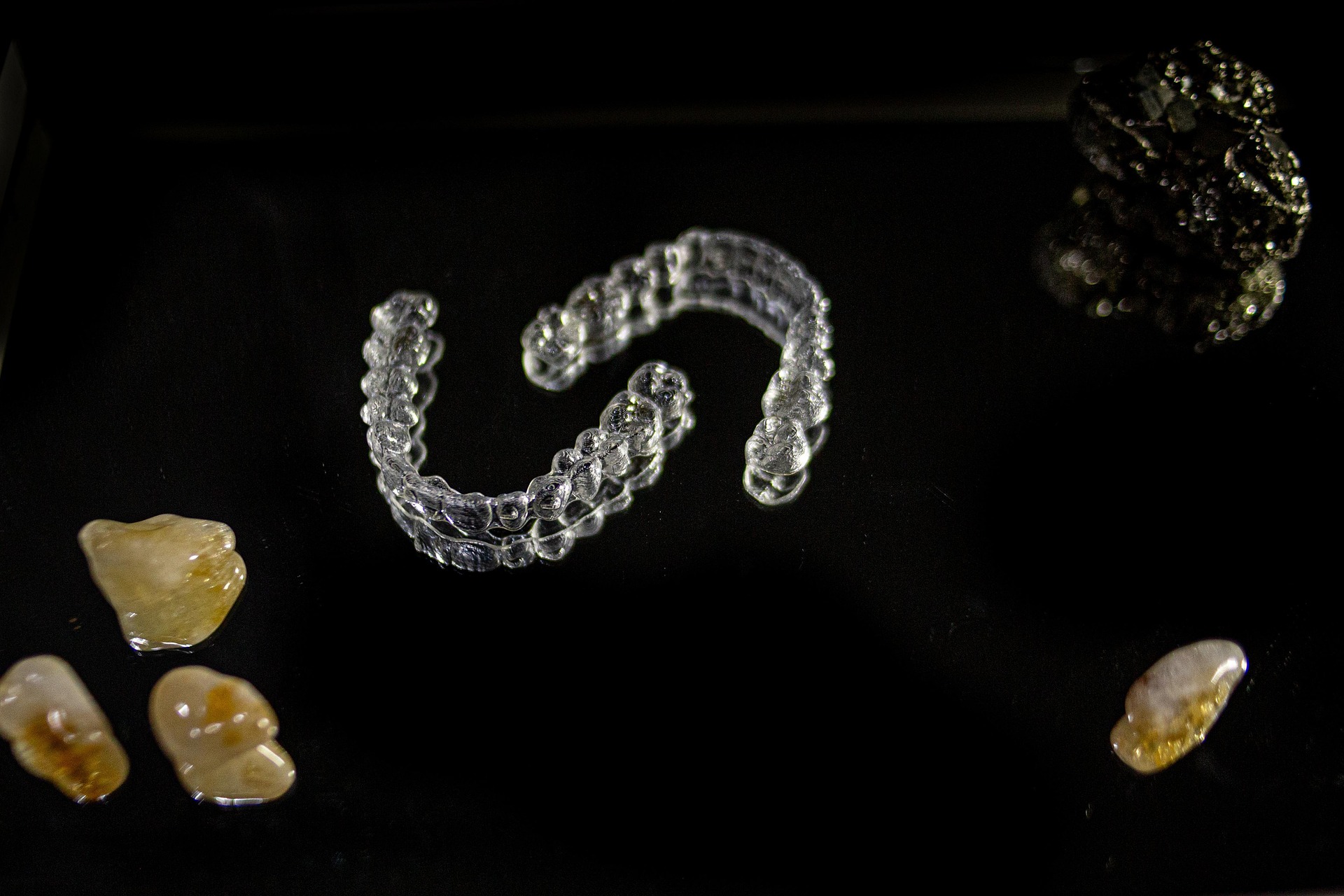
Clear aligners are removable appliances used in sequence to move teeth. At Instituto Rafa Puglisi, Invisalign and Puglisi Aligner are distinct options, selected according to oral health, the bite and the movements required.

Book an assessment

Assessment, digital planning and clinical follow-up are part of care.
Two systems, one clinical decision

Invisalign

An international brand of clear aligners offered by the Institute. Diagnosis determines whether the system is suitable for the movements required and the condition of your smile.

Puglisi Aligner

Instituto Rafa Puglisi’s own brand. Its workflow brings together scanning, planning and presentation in 3D, production at the Institute using our own 3D printing facilities, and clinical follow-up.

The systems are not the same product. Studies of Invisalign or other aligners do not specifically validate Puglisi Aligner, and their results should not be transferred automatically between brands. [1]

From scanning to aligners

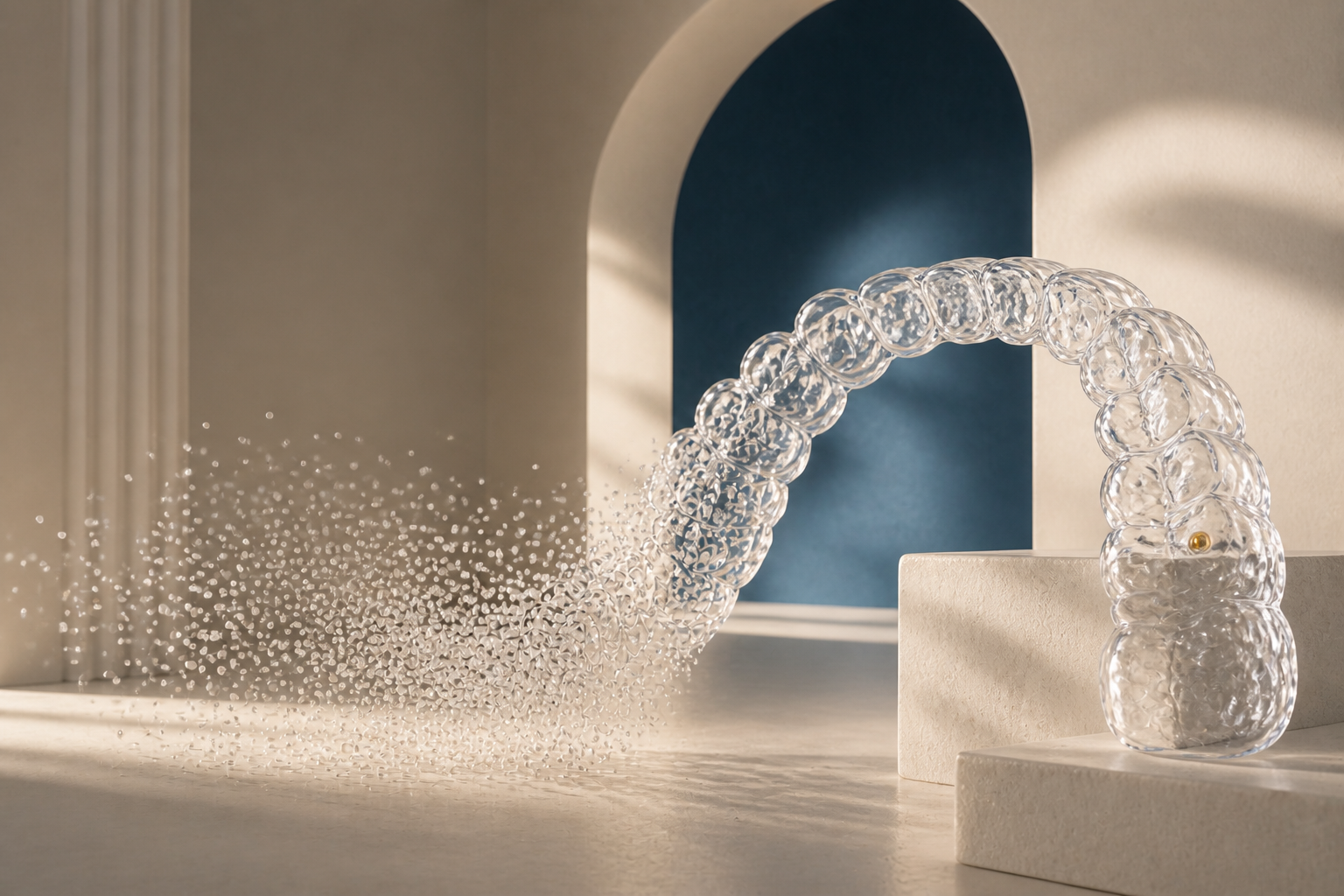
Conceptual representation of scanning points forming a clear aligner

Record and plan

Intraoral scanning creates a three-dimensional representation of the teeth and bite. Clinical examination, photographs and X-rays are included as needed. These records help organise the movements and the planned sequence. [2]

In the 3D presentation, you can see the goal and the role of each stage. The model shows a planned course, not a guaranteed result. The actual response may differ from the simulation. [3]

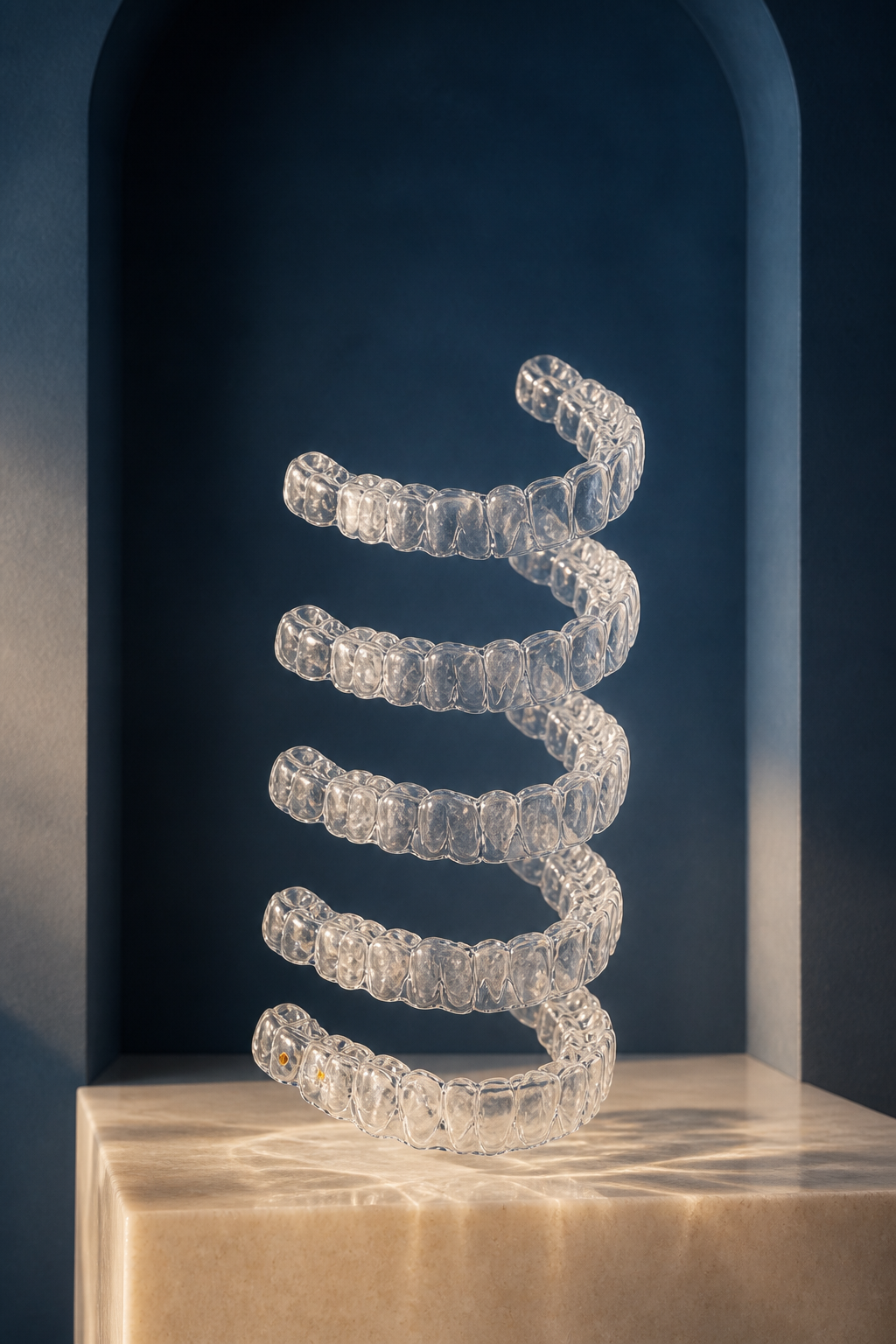
Five clear aligners arranged in a conceptual sequence

Each aligner has a role

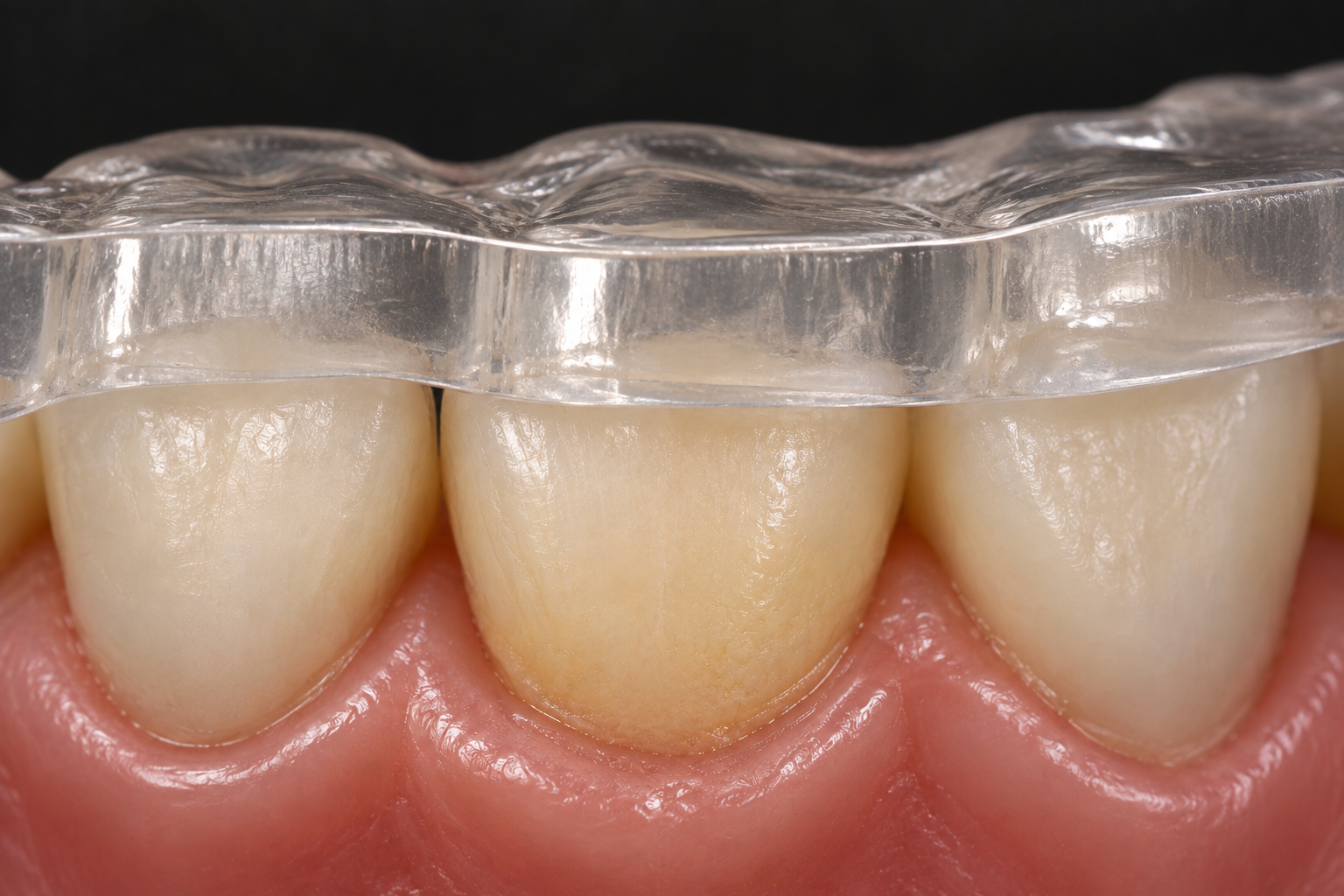
The aligners form part of a sequence prescribed for that person. Before treatment begins, the team explains the goals, limits and routine. At appointments, it checks the fit and compares the teeth’s response with the plan.

Adjustments, auxiliaries or refinements may be needed. The aligners illustrated represent conceptual stages, not a universal protocol.

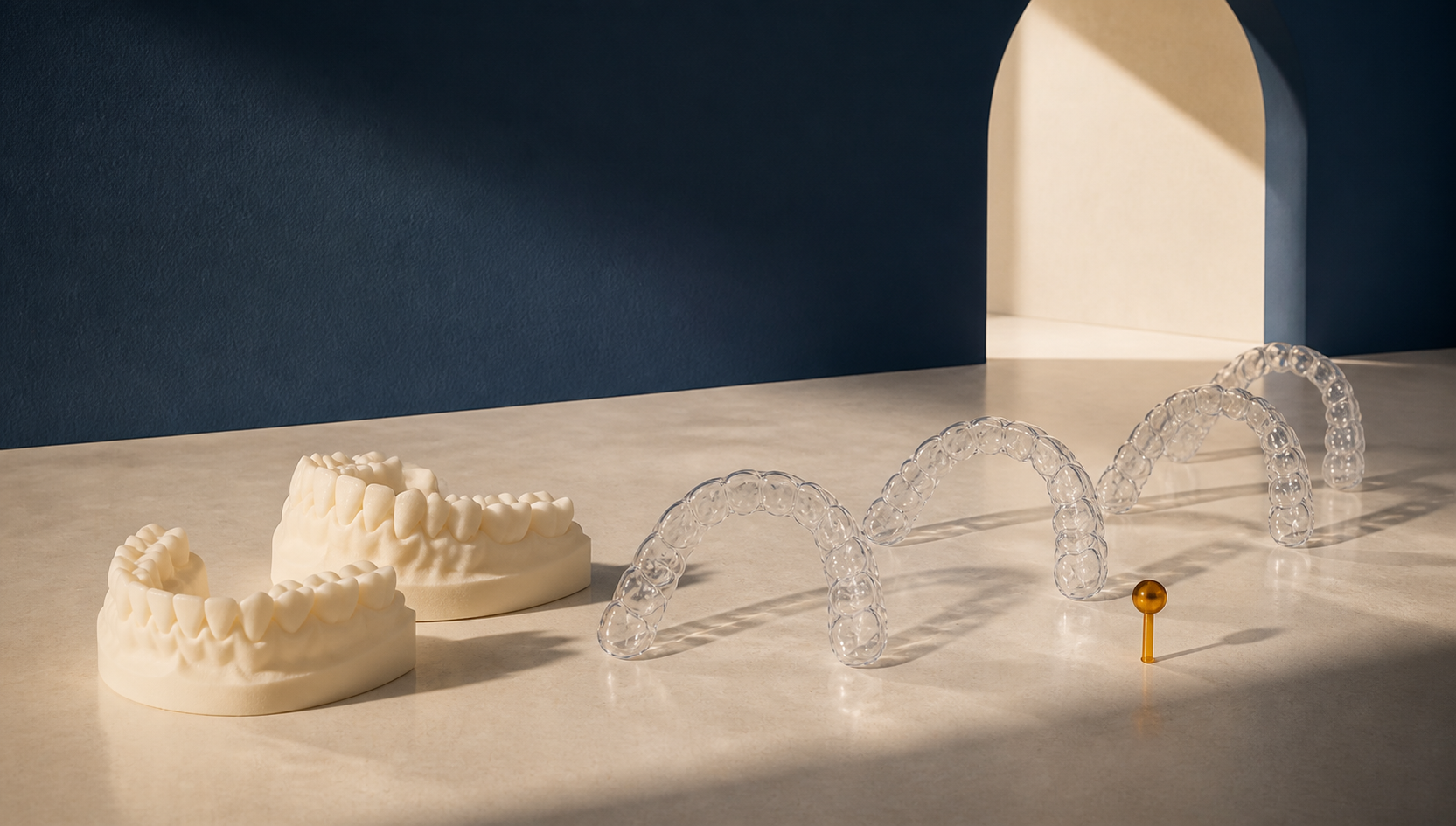
Dental models and clear aligners in a conceptual workshop composition

Puglisi Aligner production

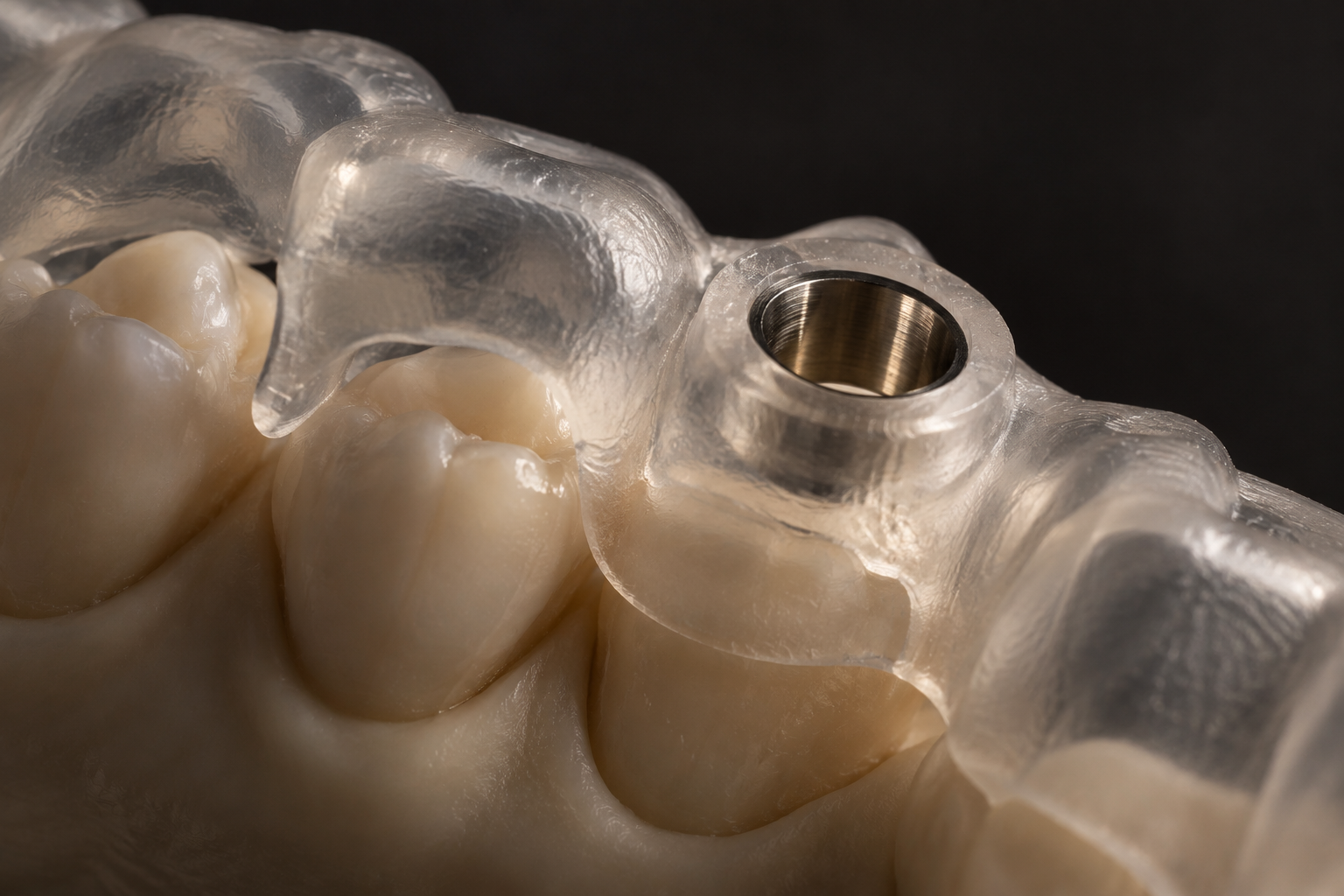
The clinically approved plan goes to the Institute’s own production facilities, which use 3D printing. The team remains responsible for suitability and follow-up.

The artwork is conceptual and does not identify the physical manufacturing method. Direct printing of the aligner and printing models for other stages are different processes. [6]

What the assessment needs to decide

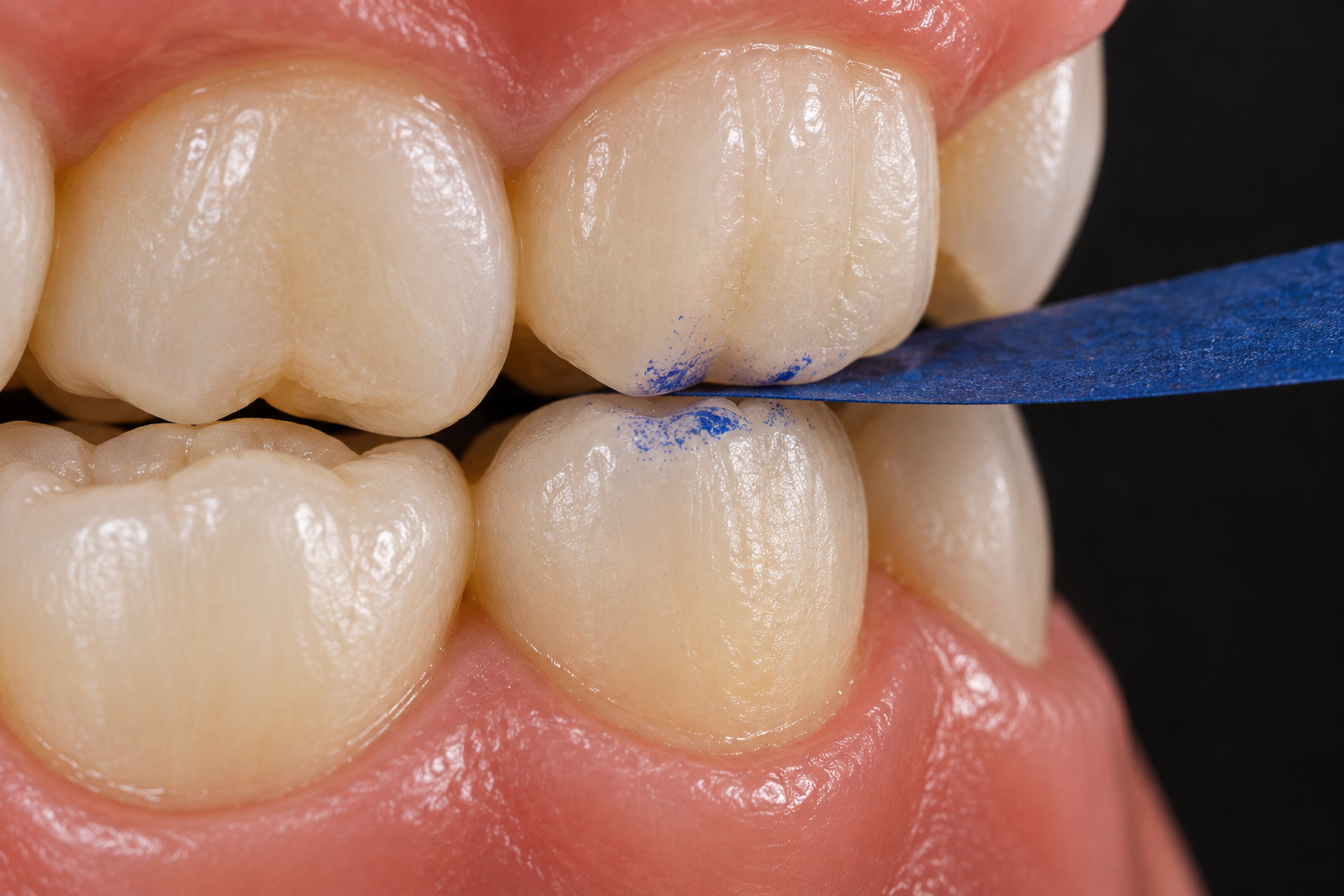
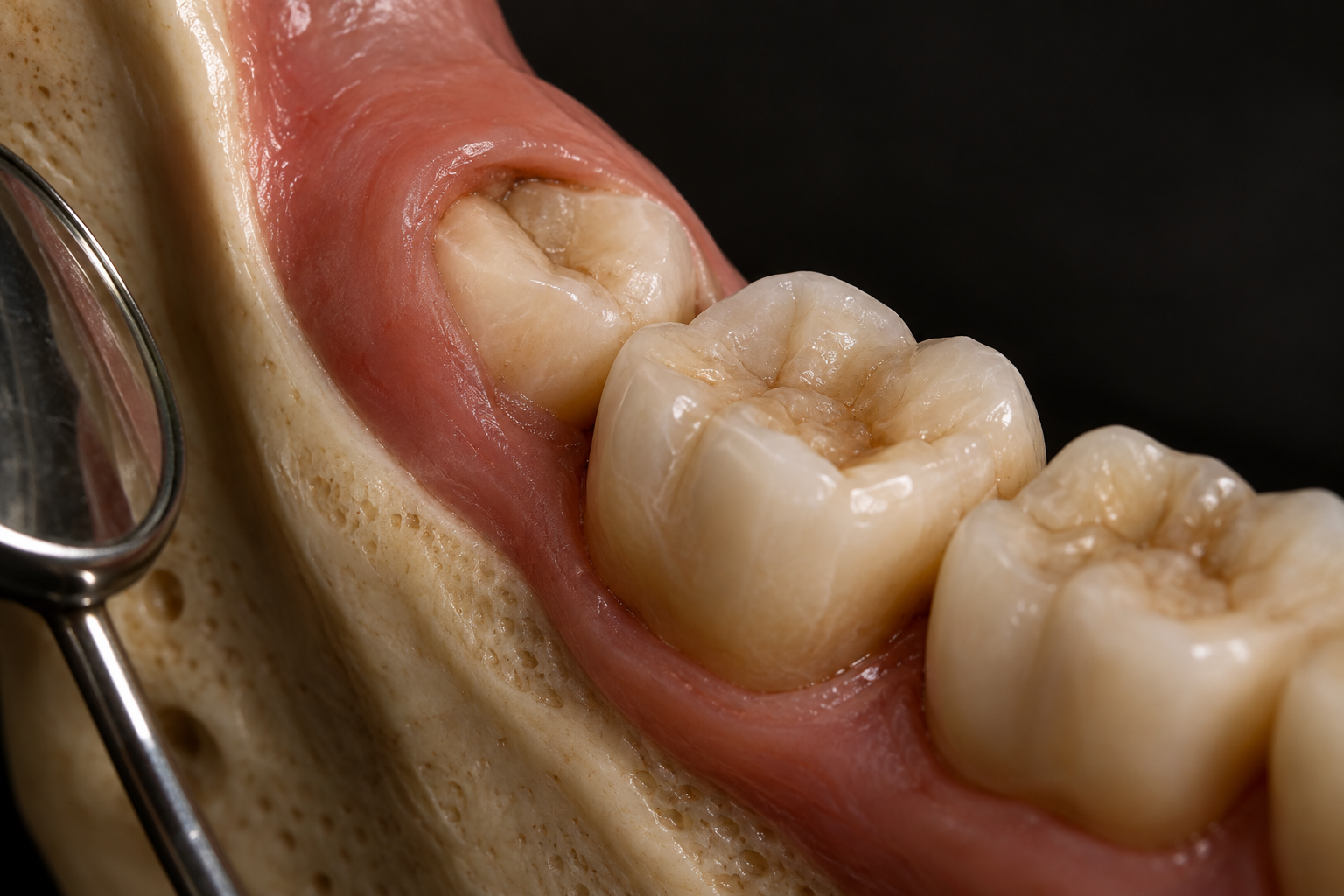
Tooth position, spaces, how the bite fits together, gum health and bone support are assessed alongside what you would like to change. Your ability to follow the wear routine also informs this decision.

Indications and limits

Aligners may be suitable in many cases. Some movements are less predictable and may require auxiliaries or refinements. Complex cases may need another approach. [1] [4]

Periodontal disease and loss of support need assessment and treatment. Advanced conditions require coordinated care and close monitoring, without assuming that aligners are the best choice. [5]

Alternatives that form part of the discussion

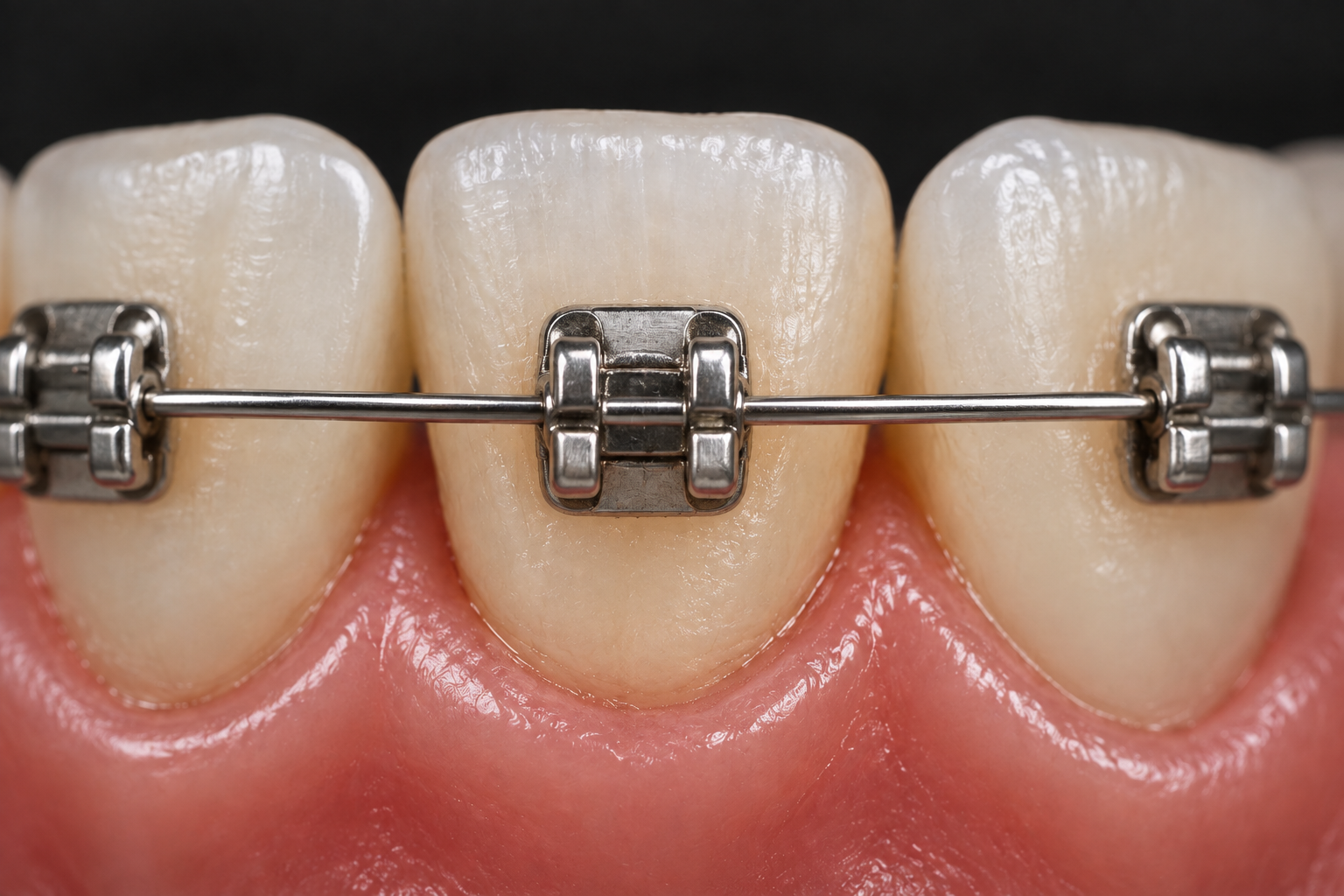
Treatment with fixed braces uses brackets and wires attached to the teeth. It may be indicated on its own or combined with other techniques, according to complexity and the movements required.

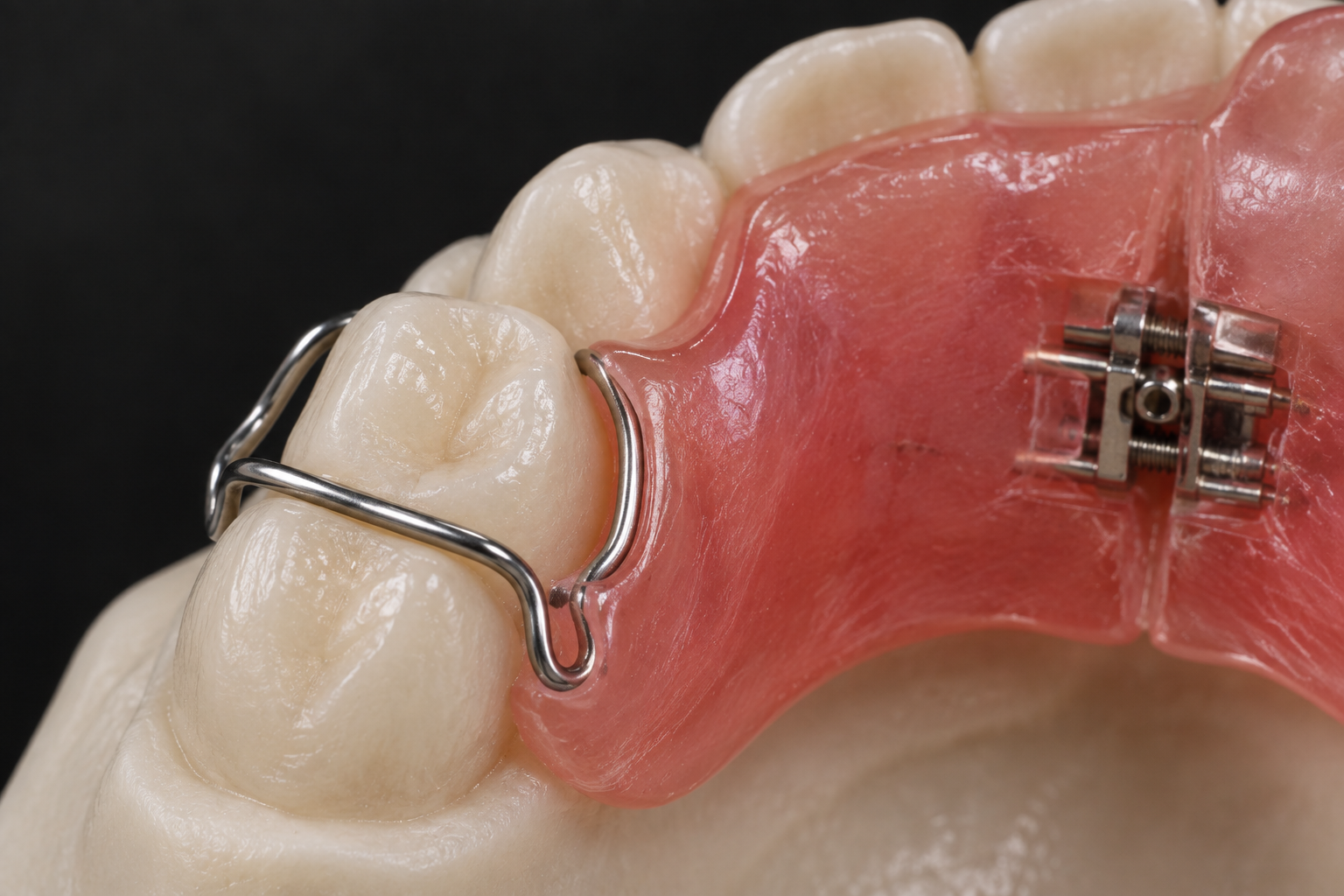
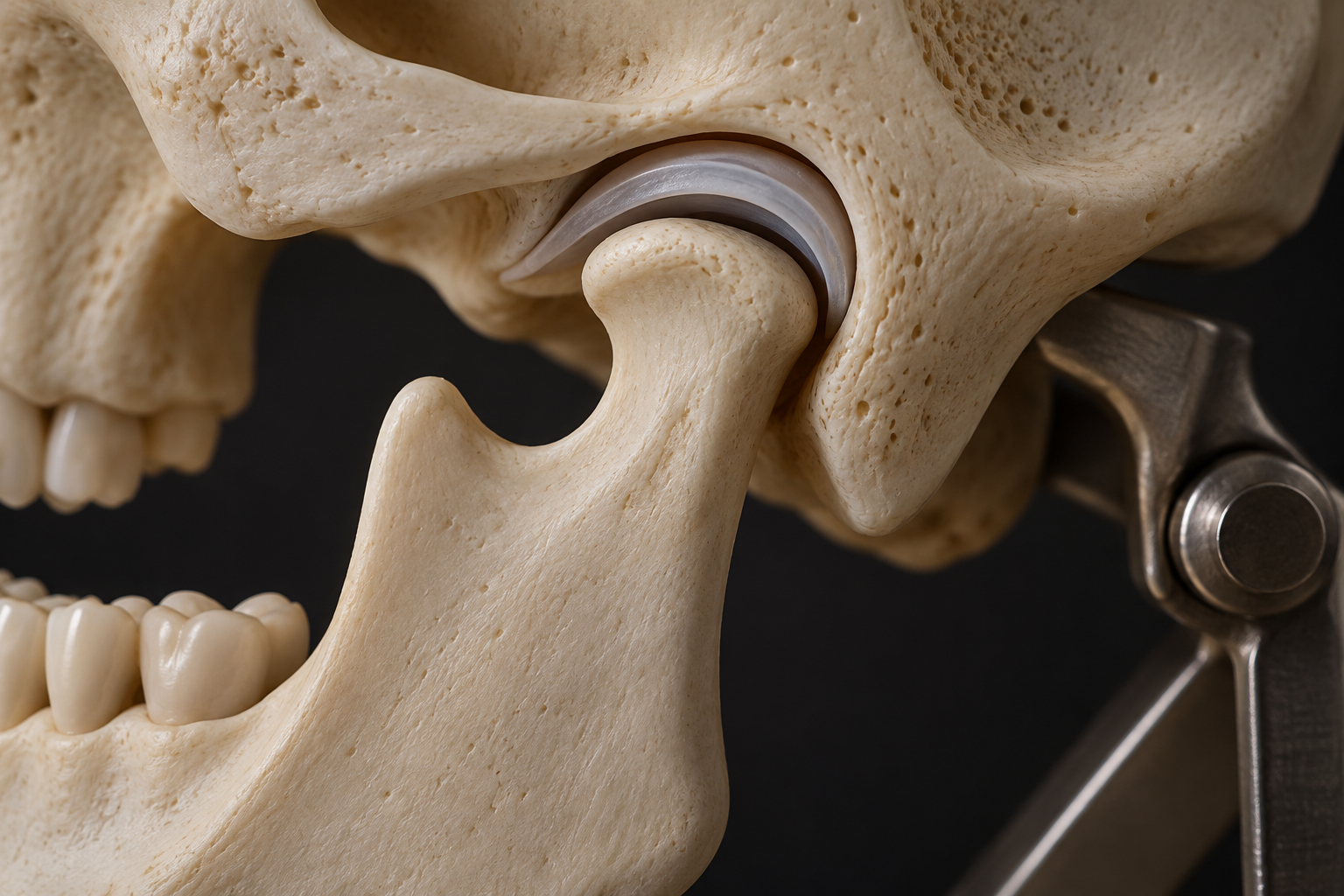
Planning for bite correction considers the relationship between the teeth and the underlying jawbones. Choosing a brand does not replace understanding this relationship.

Wear, hygiene and stability

The routine is part of treatment

Daily wear time and aligner changes follow the individual prescription. If an aligner does not fit, is lost or causes persistent discomfort, talk to the team before changing the sequence.

Because they are removable, aligners allow access for brushing and flossing. This does not eliminate biofilm, cavities or inflammation. Clean teeth and aligners according to clinical and manufacturer guidance. There is no single cleaning protocol that is superior for every material. [7]

Duration, discomfort and retention

There is no universal timeframe or promise of painless treatment. Pressure and discomfort may occur, and the response varies between people, movements and stages. [8]

After tooth movement, retention helps maintain tooth position. The type, wear time and monitoring have their own prescription. Retention literature addresses that phase; it does not validate active treatment with Puglisi Aligner. [9]

Frequently asked questions

Are Puglisi Aligner and Invisalign the same thing?

No. Clear aligners are the category. Invisalign is a brand, and Puglisi Aligner is the Institute’s own brand. The Institute works with both. Assessment determines the appropriate course.

Can I see the result before starting?

You can visualise the goal and the planned sequence in 3D. This image is a clinical prediction, not a guarantee of the final result.

Where is Puglisi Aligner produced?

Its workflow uses the Institute’s own production facilities, with 3D printing. The team presents the plan and stages during the assessment.

Can aligners treat every case?

No. Some cases may require fixed braces, auxiliaries or a combination of techniques. Diagnosis guides that choice.

Is treatment faster or painless?

There is no universal answer. Duration and discomfort vary with the case, movements, clinical response, adjustments and cooperation.

Does treatment end when tooth movement finishes?

No. Retention is a phase of treatment with its own prescription and follow-up.

How do they differ from fixed braces?

Aligners are removable and move teeth in planned stages. Fixed braces use brackets and wires. The bite, type of movement and cooperation help determine suitability.

What if I also have temporomandibular disorders or bruxism?

The Institute provides care for temporomandibular disorders, orofacial pain and bruxism. This care has its own assessment. Aligners do not automatically replace an occlusal splint or treatment of the joints and bite.

Do I need to take the aligner out to eat?

Yes. The aligner is removed to eat and to drink anything other than water, and goes back in after brushing. To work, it needs to stay in the mouth most of the day, usually 20 to 22 hours, both with Invisalign and with the Puglisi Aligner. [10]

What are the disadvantages of aligners?

The result depends on disciplined use: wearing hours, care not to lose the trays and hygiene before putting them back. Some movements may need auxiliary resources or fixed braces. The assessment shows whether aligners suit the case. [1]

How much does aligner treatment cost?

The cost depends on the complexity of the case, the number of trays planned, the system chosen and the follow-up. It is presented after the assessment, with the 3D plan. Treatment can be paid in up to 21 credit card instalments, depending on the treatment plan and current conditions.

Beyond aesthetics, we are a multidisciplinary clinic.

Explore options

Care takes place here

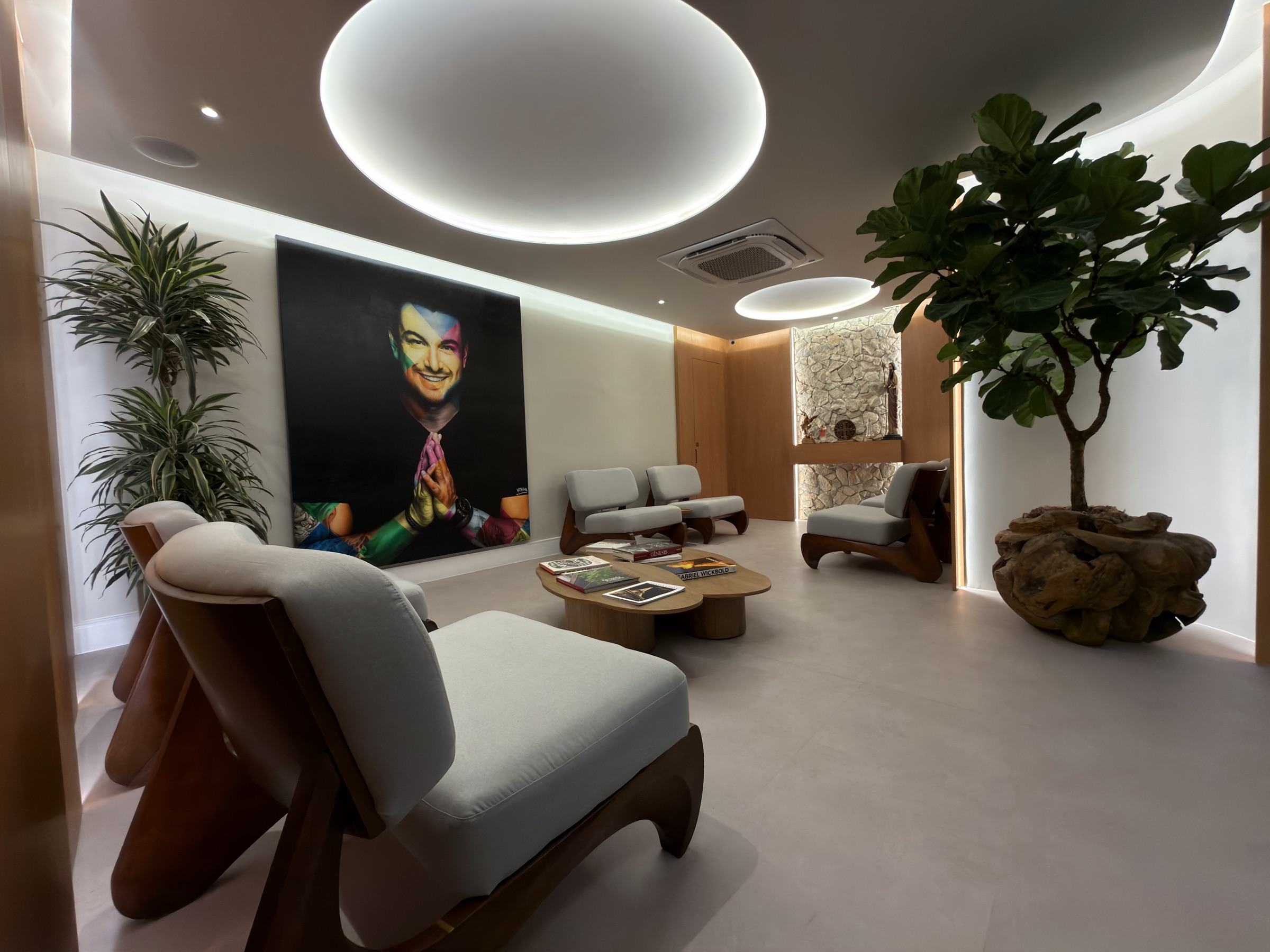
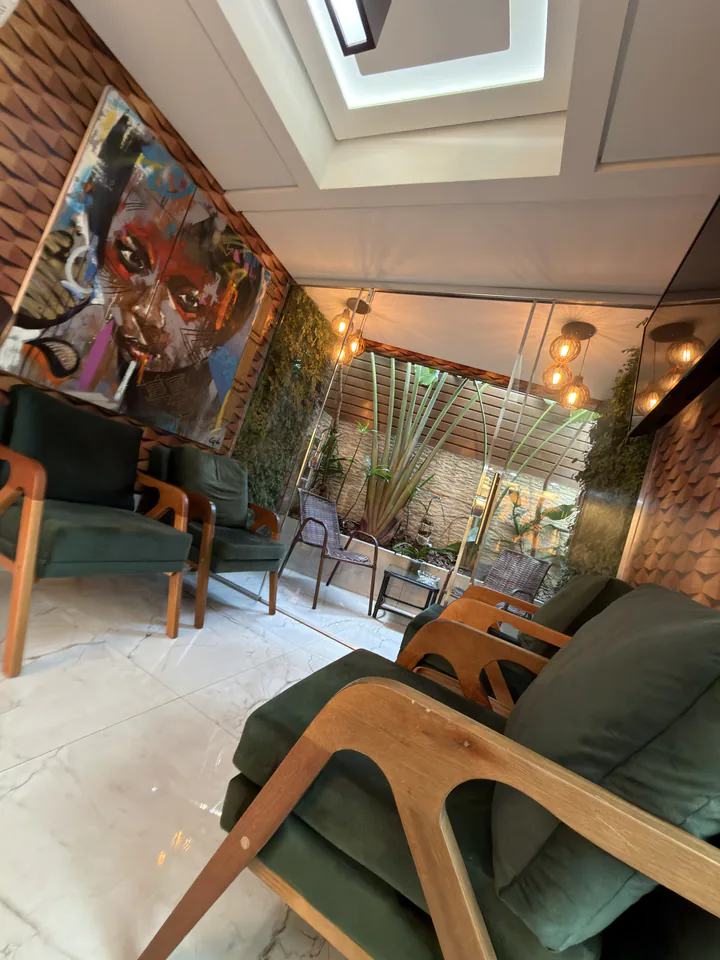
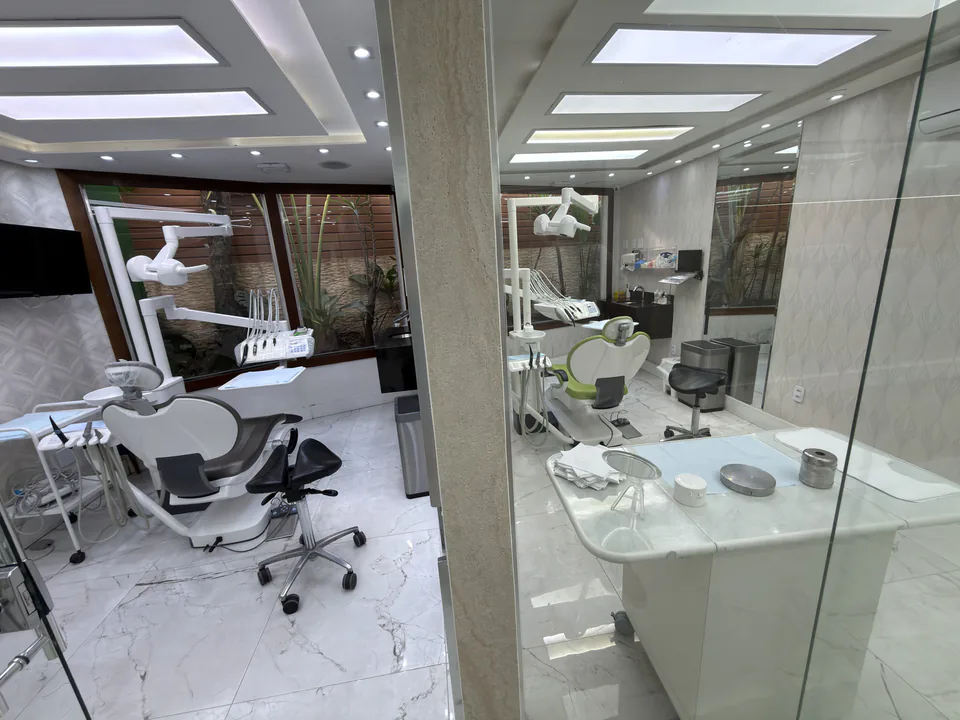
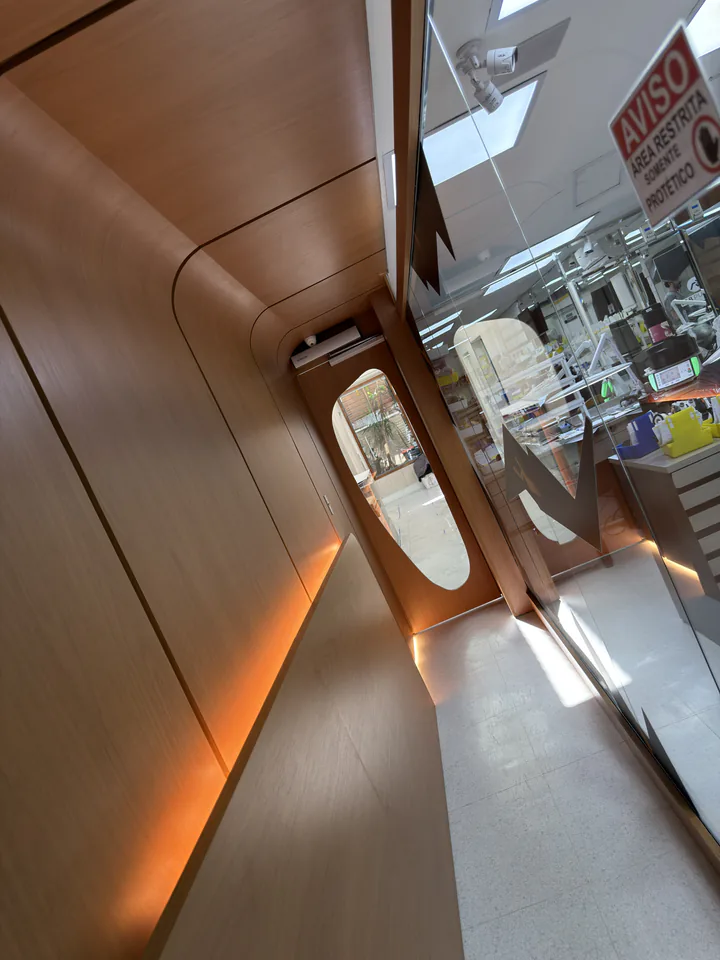
Across more than 400 m², seven consulting rooms and an integrated in-house laboratory bring together different stages of care at the same address. Discover the Institute.

A history in dentistry since 1923 connects generations with care today. Explore the Institute's history.

Documentary portrait of Dr Silvana Puglisi

Dr Silvana Puglisi is the dentist responsible for technical oversight. Meet our professionals who continue to provide care and carry on the work of LAB Puglisi.

Spacious reception at the Institute with artwork by Kobra
Lounge with green armchairs, artwork and a garden visible through the glass doors
Two dental consulting rooms connected by a glass partition
Curved corridor with wood panelling, amber lighting and a door at the far end

Book an assessment

Discuss what you would like to change, explore the possibilities and understand the course indicated for your smile.

Book an assessment

Bibliographic references

Sources used for the clinical and technical statements on this page. Studies of other systems do not specifically validate Puglisi Aligner.

Original Portuguese content reviewed by Dr Silvana Puglisi, dental surgeon, CRO 33.773, technical director, on .

  1. Muro MP, Caracciolo ACA, Patel MP, Feres MFN, Roscoe MG. Effectiveness and predictability of treatment with clear orthodontic aligners: a scoping review. International Orthodontics. 2023,21(2):100755. DOI 10.1016/j.ortho.2023.100755.
  2. Alassiry AM. Clinical aspects of digital three-dimensional intraoral scanning in orthodontics: A systematic review. Saudi Dental Journal. 2023,35(5):437–442. DOI 10.1016/j.sdentj.2023.04.004.
  3. Sereewisai B, et al. The accuracy of virtual setup in simulating treatment outcomes in orthodontic practice: a systematic review. BDJ Open. 2023,9:41. DOI 10.1038/s41405-023-00167-3.
  4. Alhafi ZM, Hajeer MY, Alam MK, Jaber ST. Quality and stability of orthodontic treatment outcomes with clear aligners versus fixed appliances: a systematic review and meta-analysis. European Journal of Orthodontics. 2025,47(6):cjaf091. DOI 10.1093/ejo/cjaf091.
  5. Herrera D, Sanz M, Kebschull M, et al. Treatment of stage IV periodontitis: The EFP S3 level clinical practice guideline. Journal of Clinical Periodontology. 2022,49(Suppl 24):4–71. DOI 10.1111/jcpe.13639.
  6. Torkomian T, de la Iglesia F, Puigdollers A. 3D-printed clear aligners: An emerging alternative to the conventional thermoformed aligners? A systematic review. Journal of Dentistry. 2025,155:105616. DOI 10.1016/j.jdent.2025.105616.
  7. Charavet C, Gourdain Z, Graveline L, Lupi L. Cleaning and Disinfection Protocols for Clear Orthodontic Aligners: A Systematic Review. Healthcare. 2022,10(2):340. DOI 10.3390/healthcare10020340.
  8. Li Q, Du Y, Yang K. Comparison of pain intensity and impacts on oral health-related quality of life between orthodontic patients treated with clear aligners and fixed appliances: a systematic review and meta-analysis. BMC Oral Health. 2023,23:920. DOI 10.1186/s12903-023-03681-w.
  9. Martin C, Littlewood SJ, Millett DT, et al. Retention procedures for stabilising tooth position after treatment with orthodontic braces. Cochrane Database of Systematic Reviews. 2023,(5):CD002283. DOI 10.1002/14651858.CD002283.pub5.
  10. Invisalign. What to expect in your first two weeks with Invisalign clear aligners. Patient guidance. Official source.

Privacy preferences

Your choice is valid for 180 days in this browser. You can change it under “Privacy”.

Forms may use Google reCAPTCHA to prevent abuse. Read the Privacy Policy