↗ PT

Other pages are available in Portuguese

Skip to content

Teeth whitening

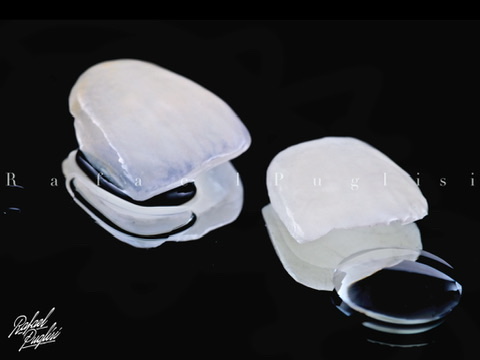
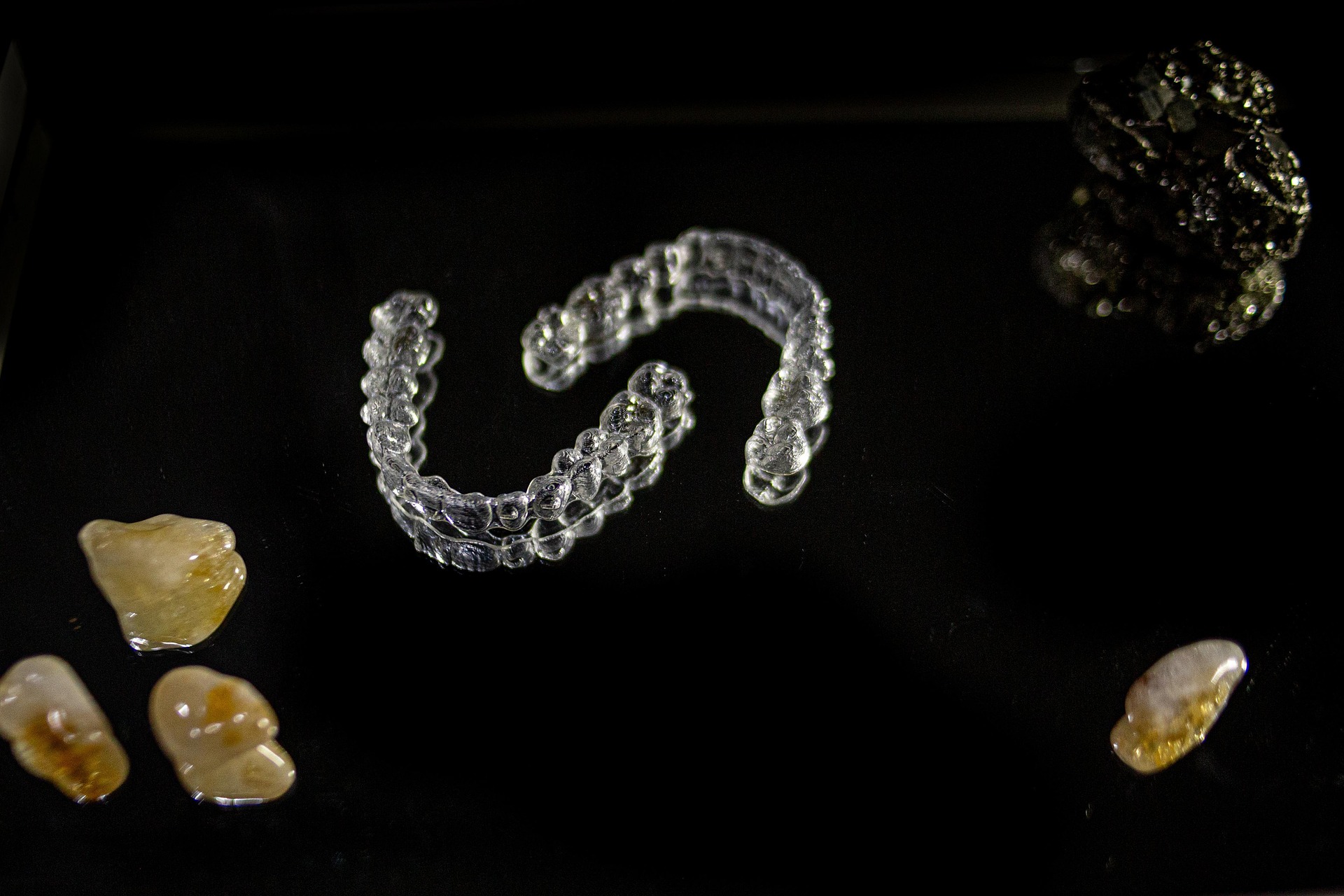
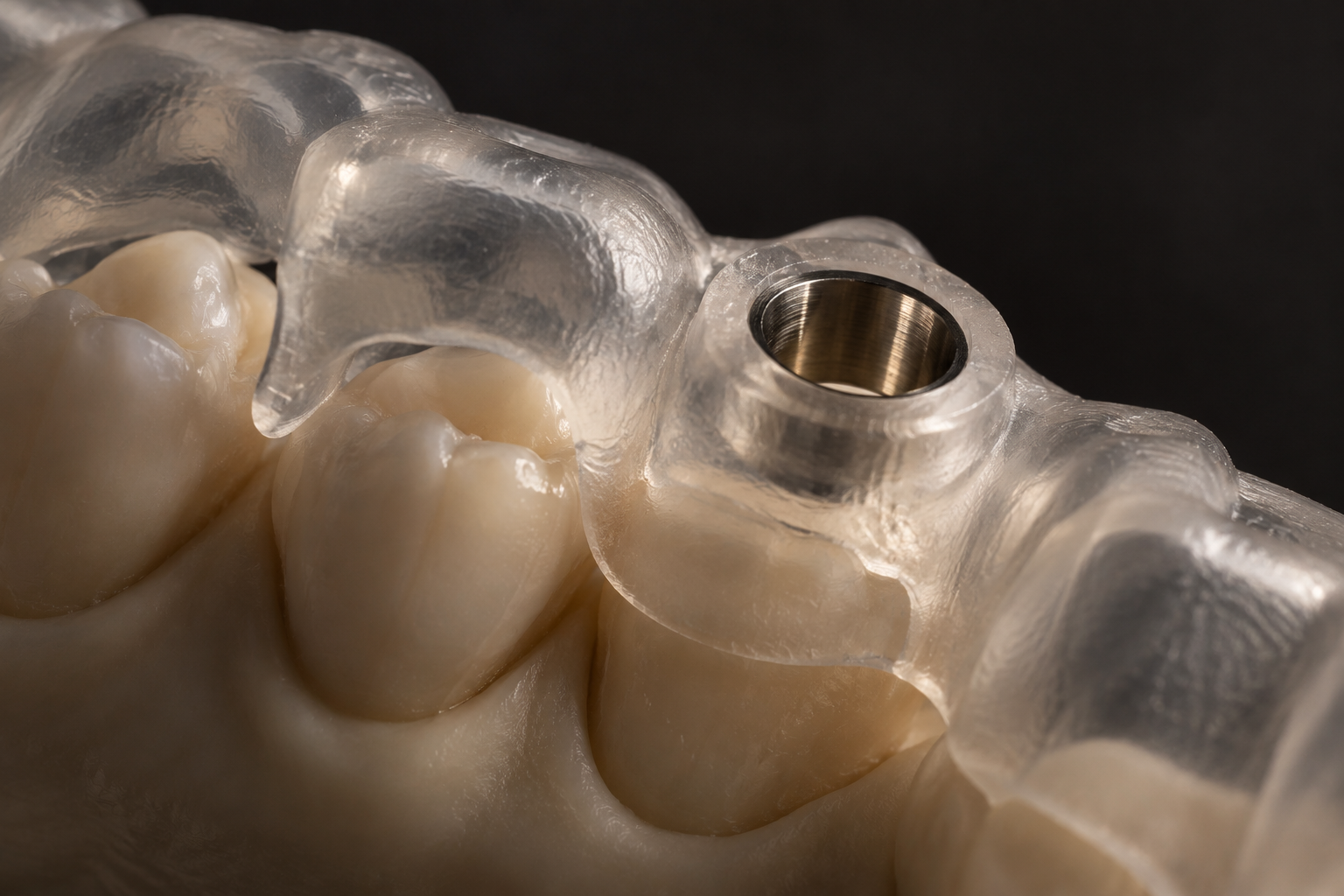
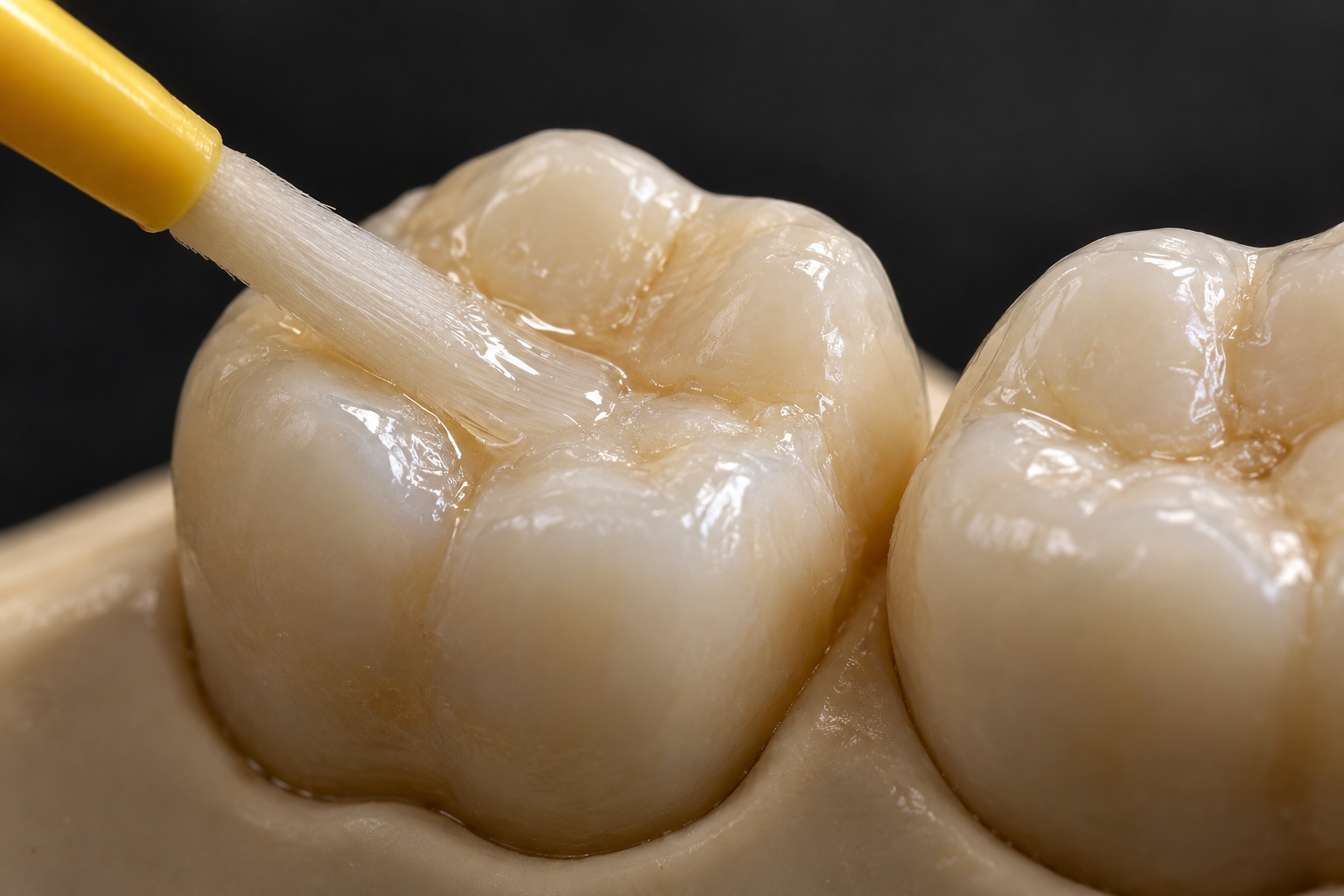
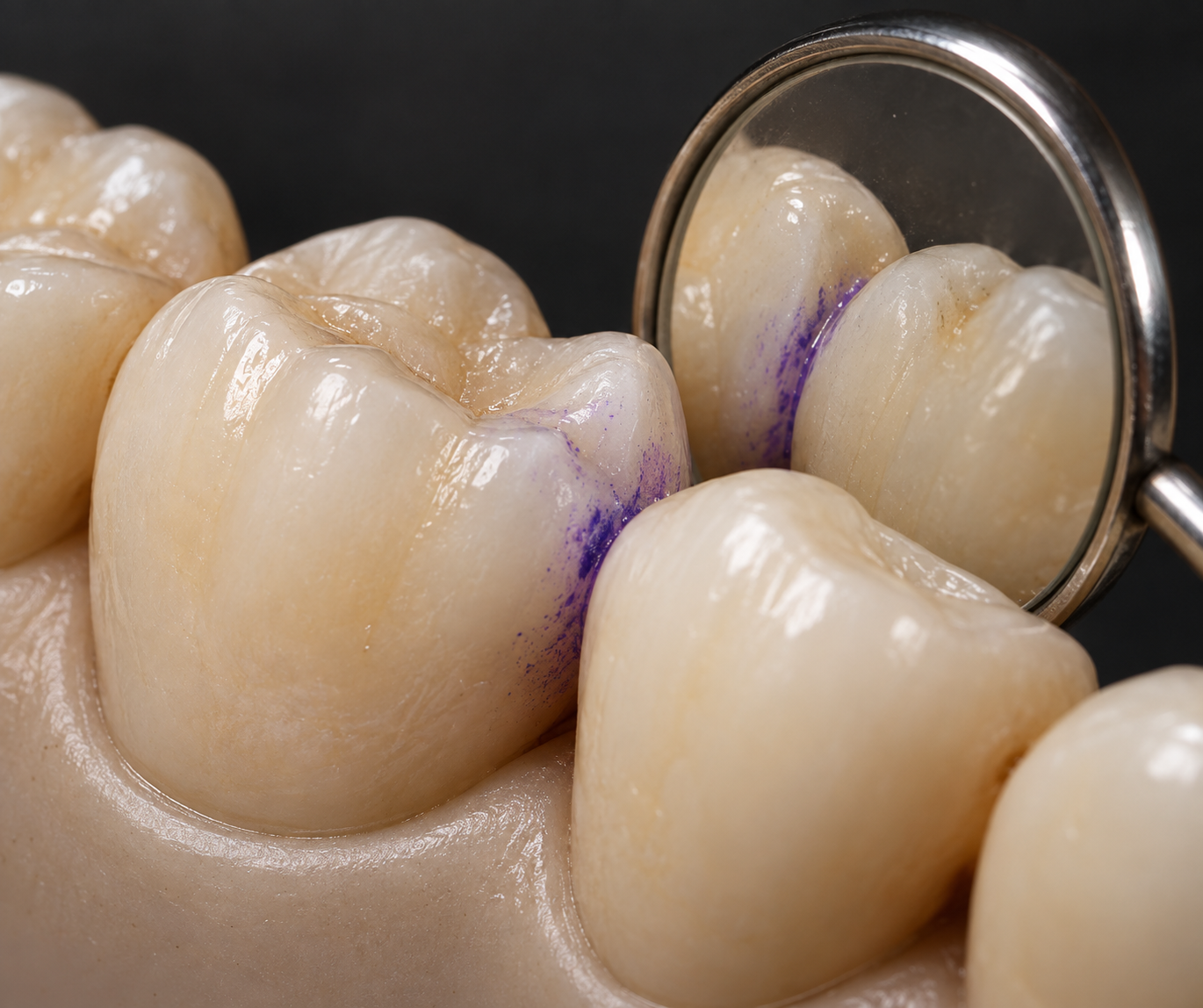
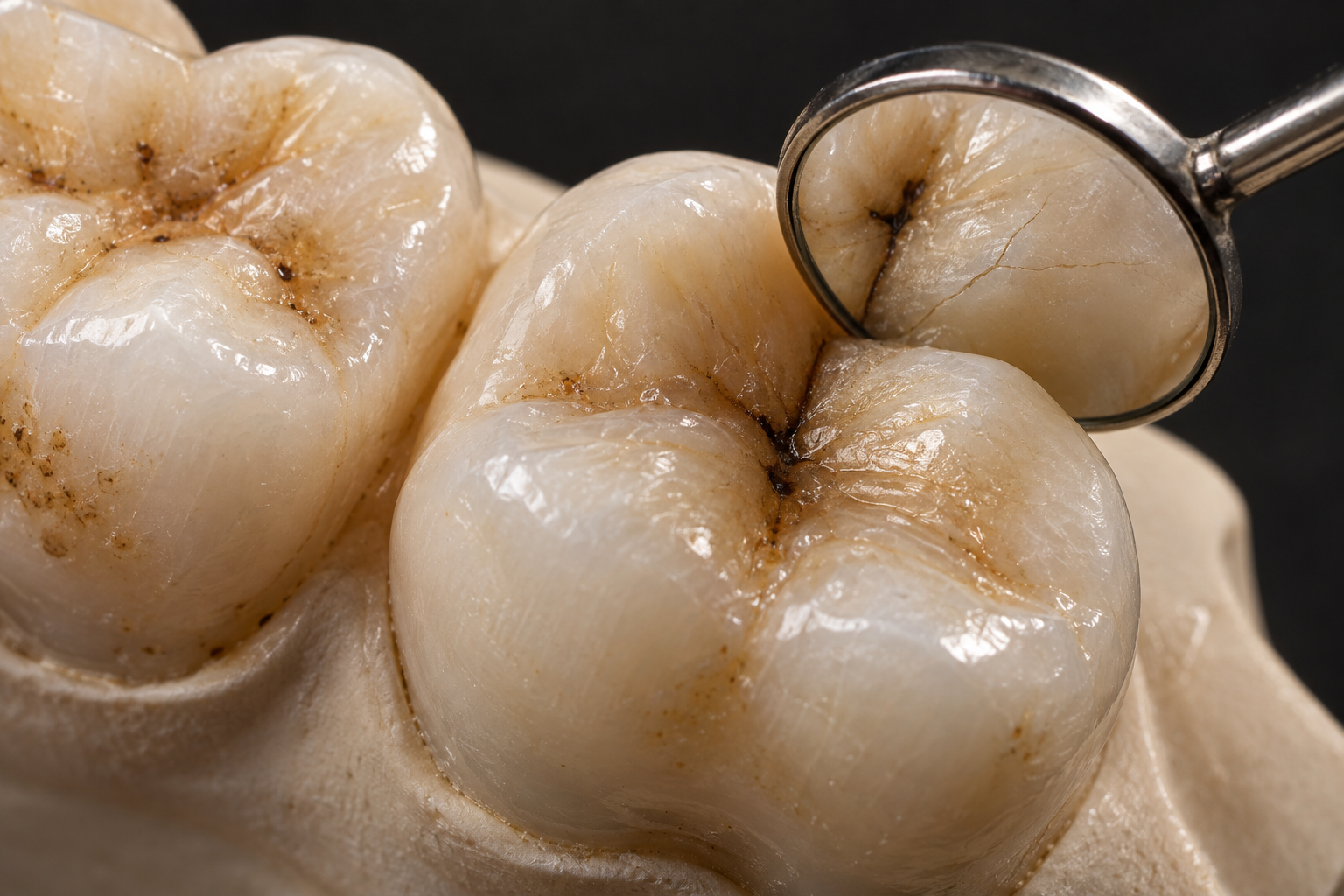
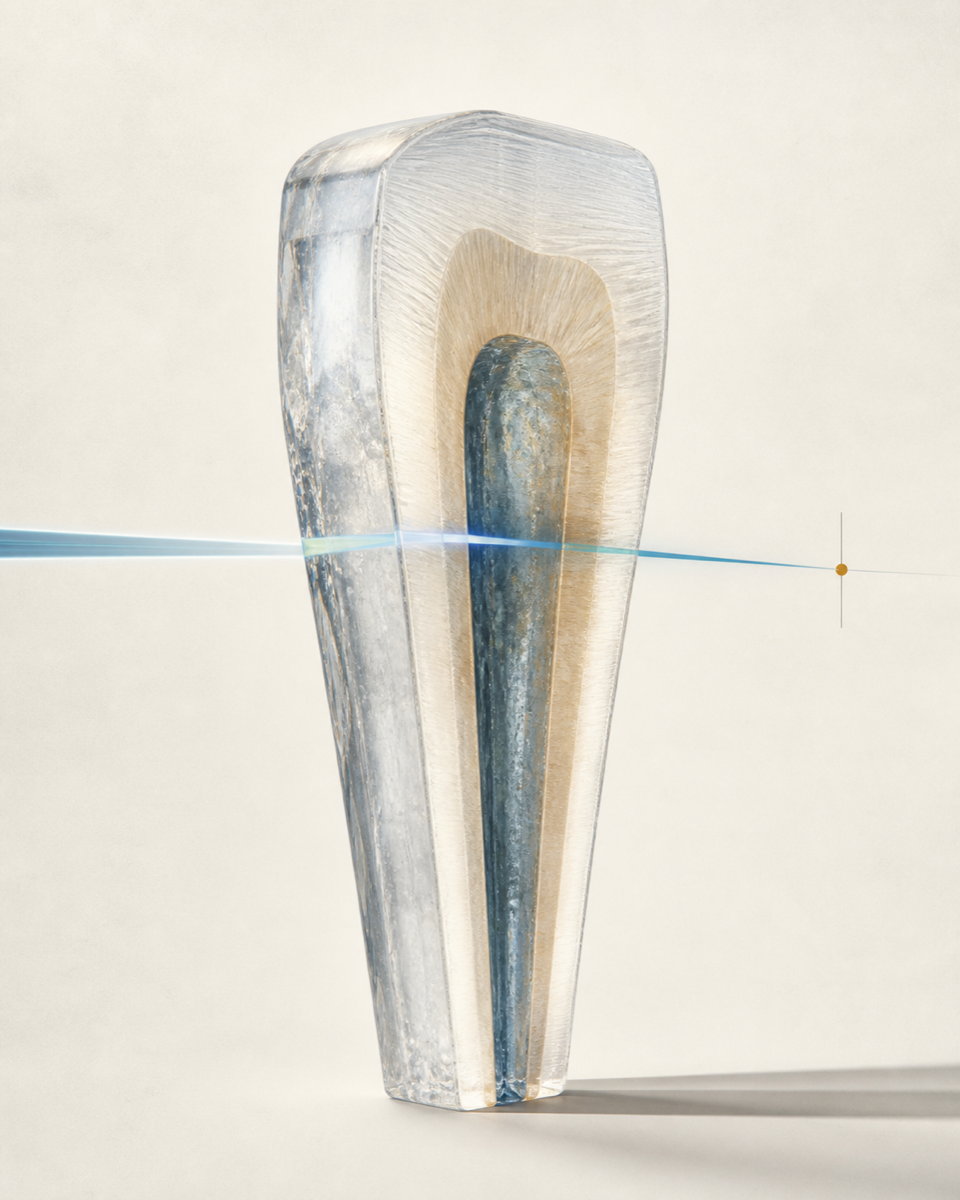
Conceptual artwork of a translucent dental prism traversed by a calibration beam

Teeth whitening can change the colour of natural teeth. An assessment identifies why your smile has changed shade, what can be whitened and how to care for your teeth and gums throughout the process.

Book an assessment

At Instituto Rafa Puglisi, the choice of protocol considers your oral health and the response of each tooth.
Colour has an origin.

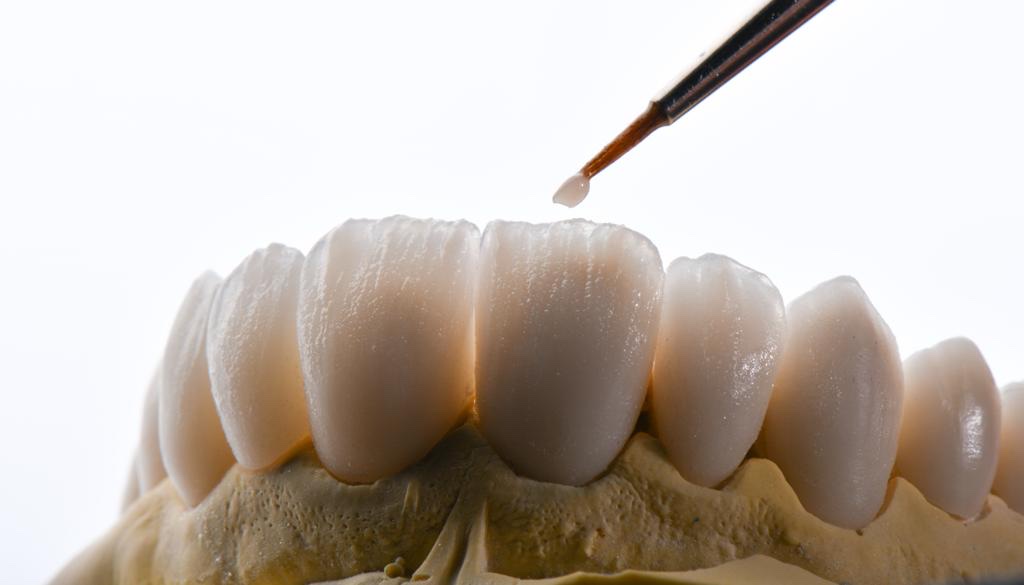
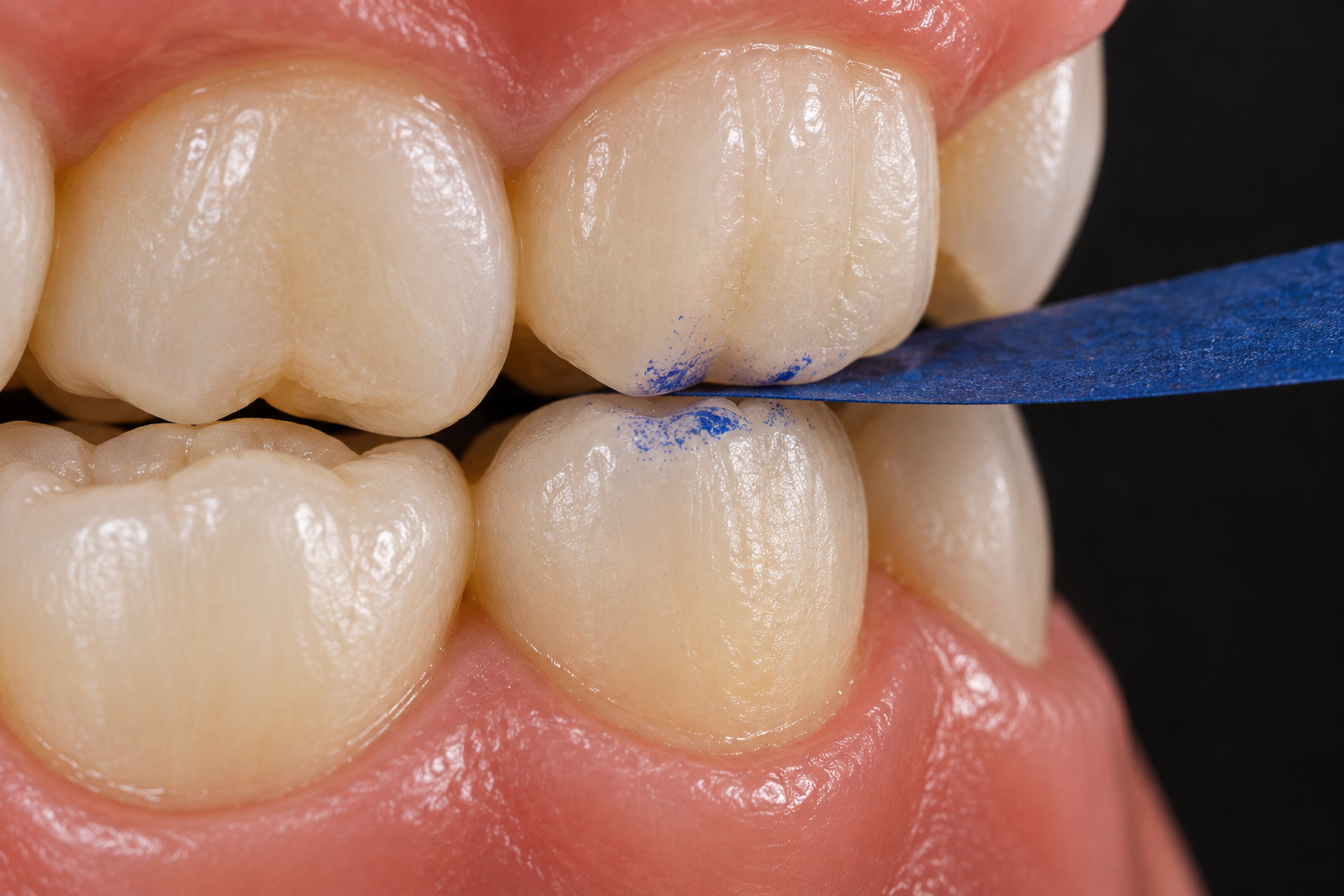
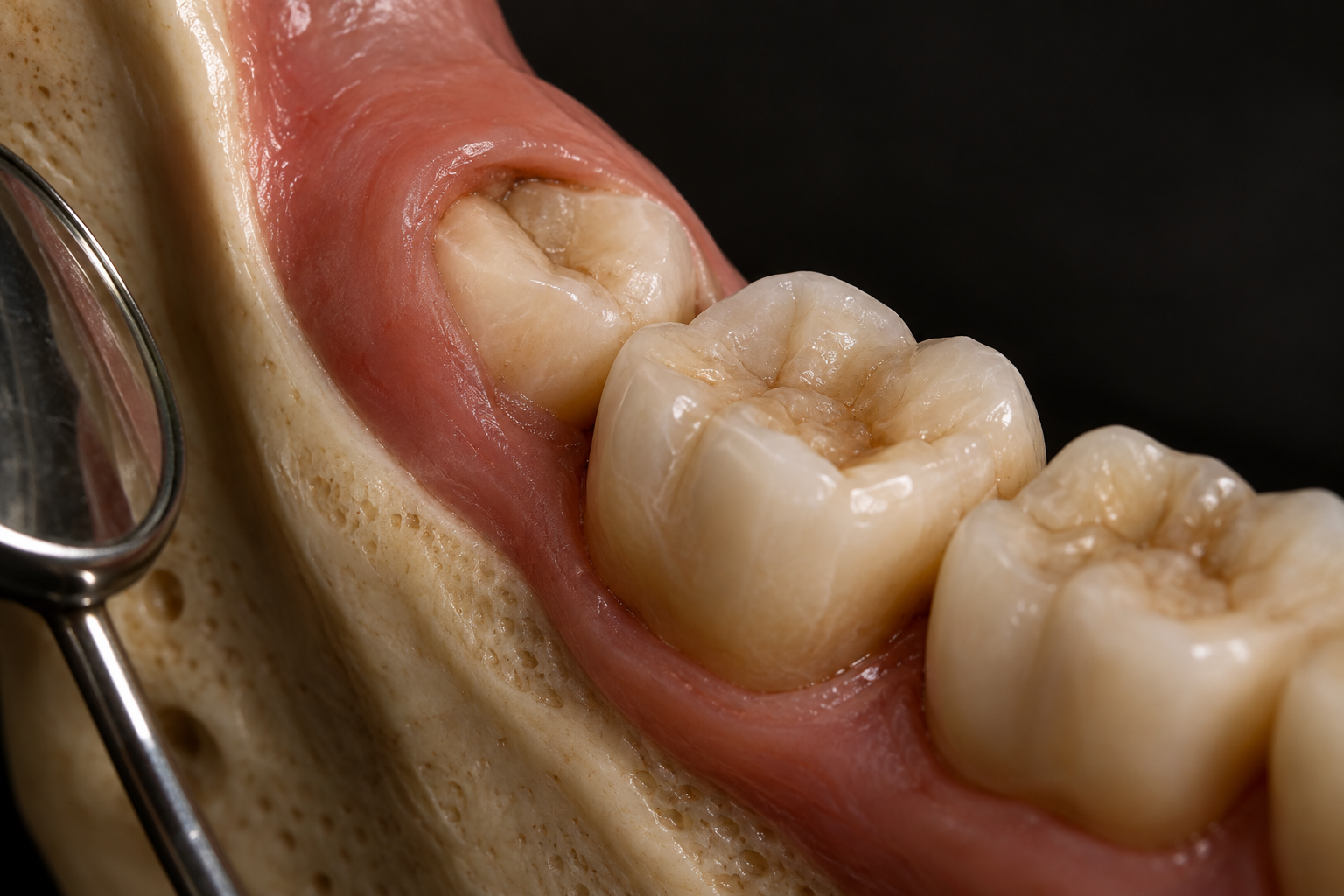
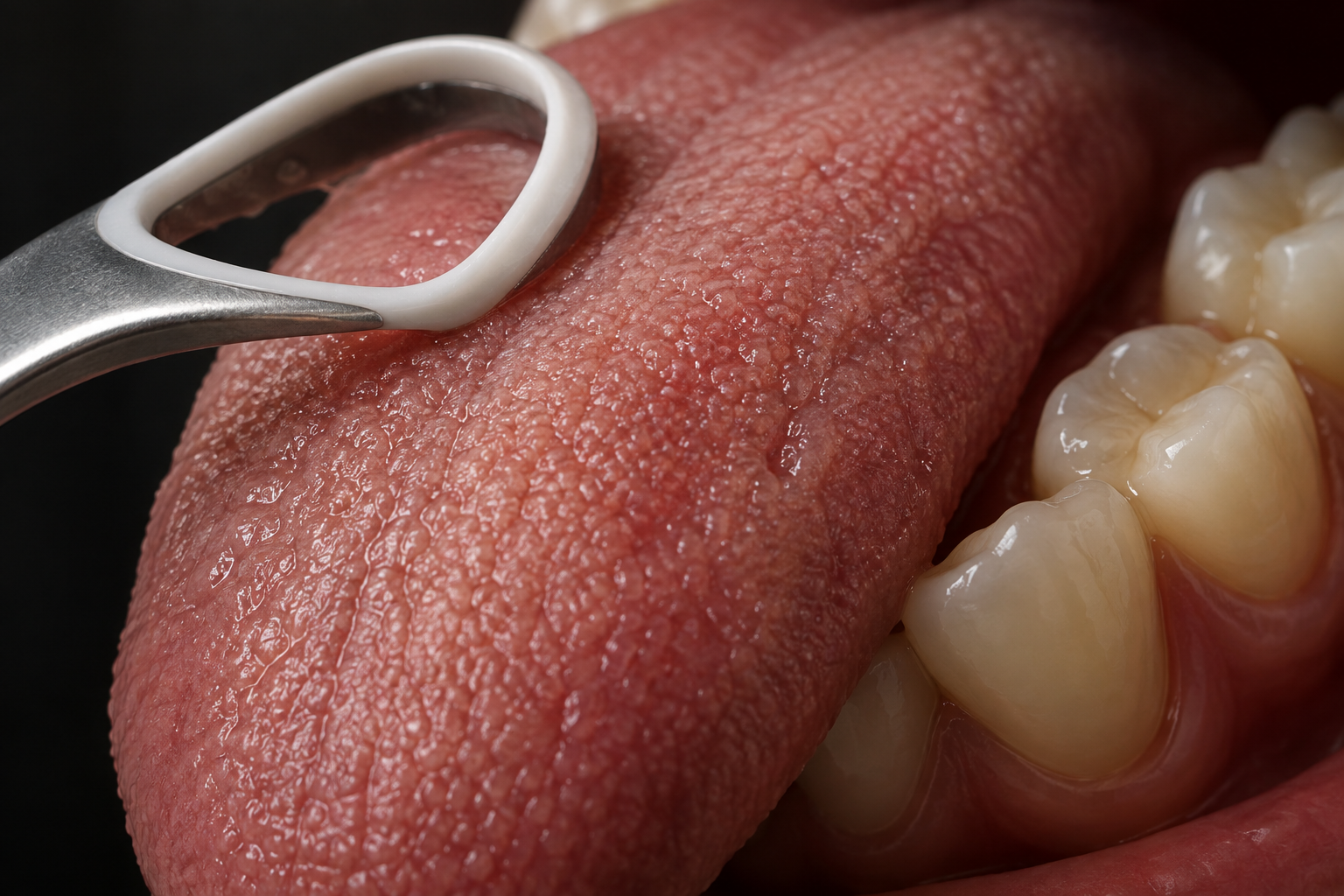
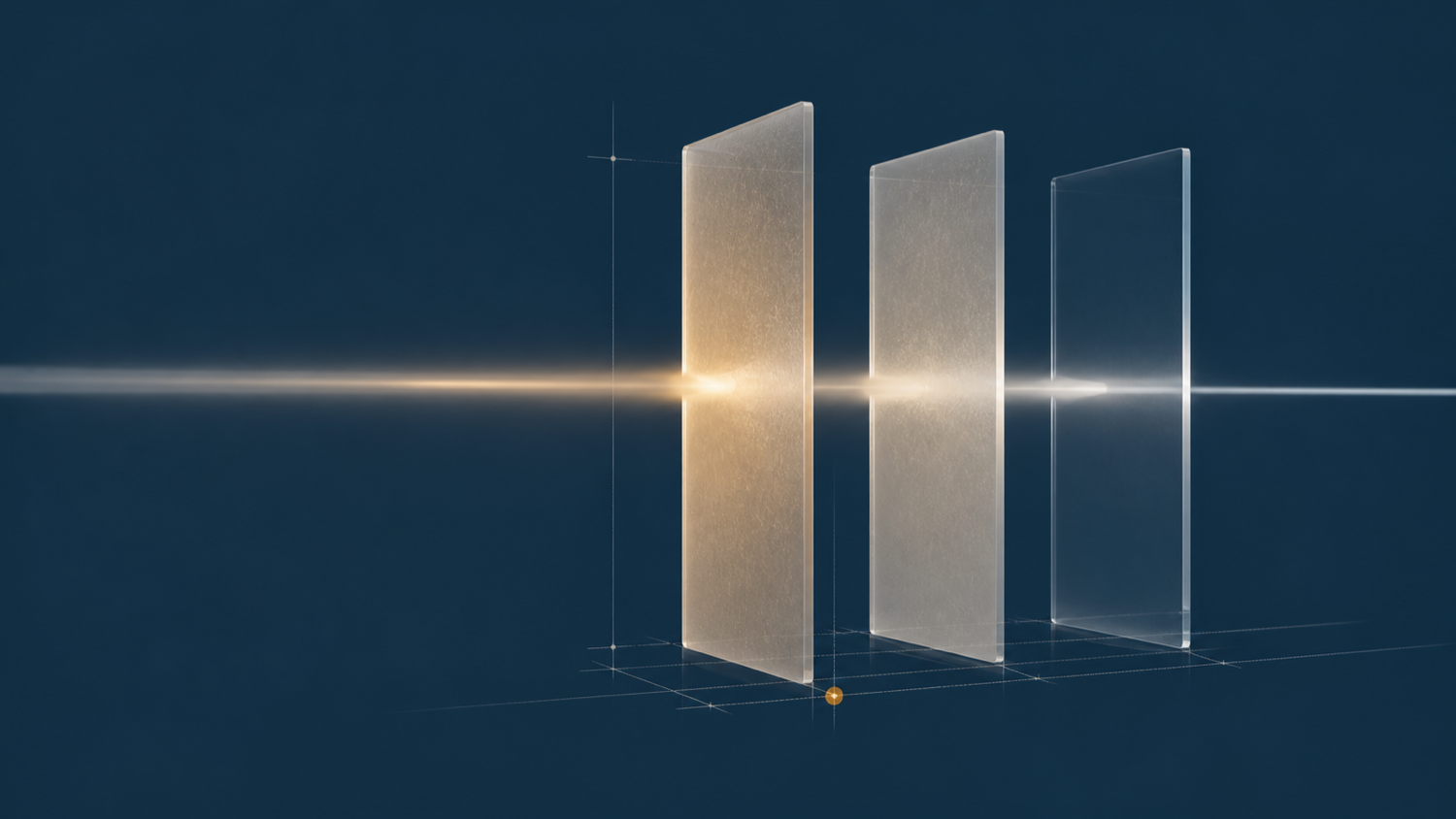
Conceptual artwork with translucent layers traversed by the same light

Surface stains and changes that originate inside a tooth are different. Before choosing a method, it is necessary to understand what has changed and why.

On the surface

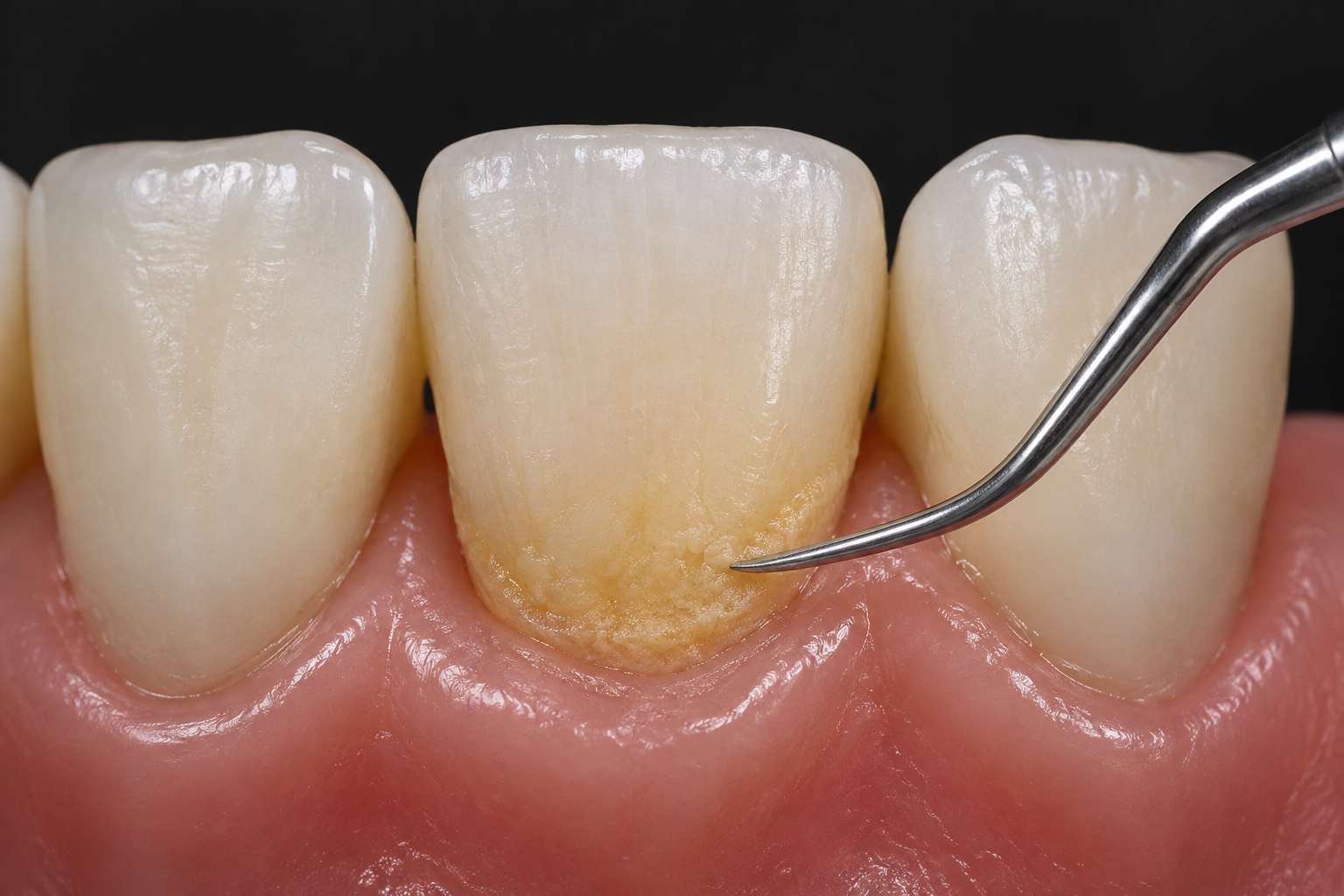
Pigments from food, drinks and tobacco can build up on the outside. Cleaning and whitening have different roles, defined after the examination.

Inside the tooth

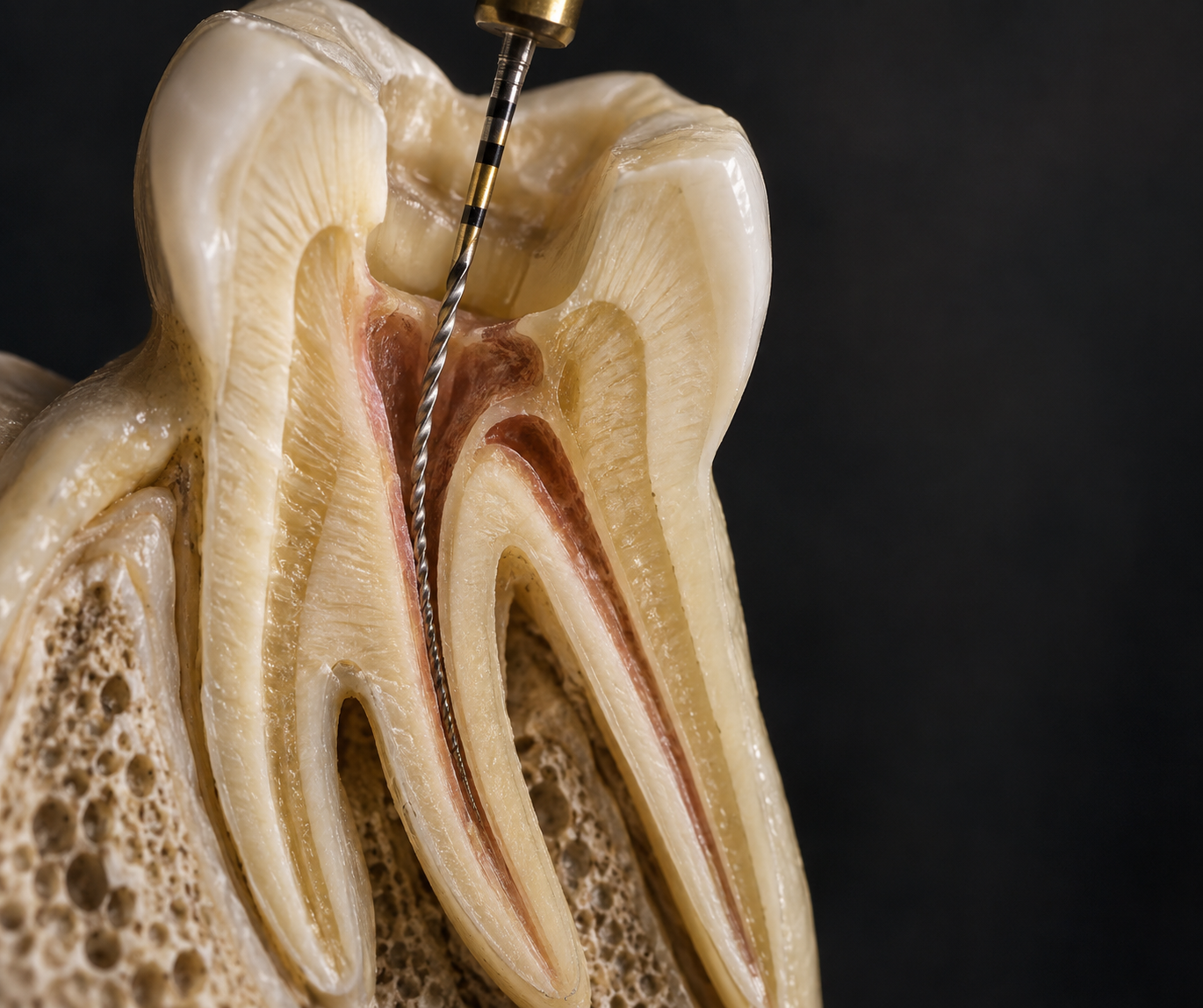
Ageing, trauma, medicines and characteristics of the tooth structure itself can change colour at depth.

Across the smile

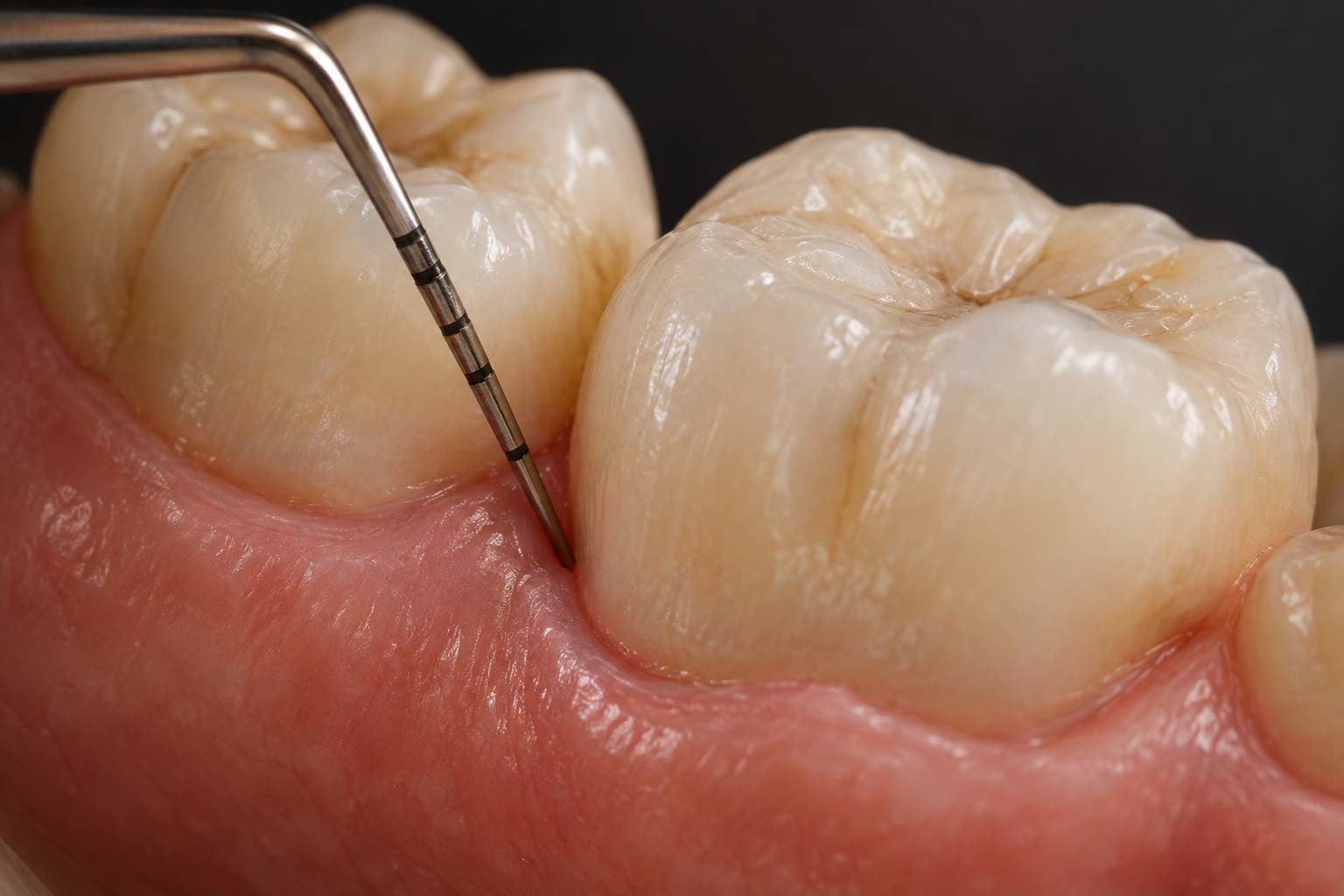
Cavities, cracks, gums, restorations and crowns affect how the smile is assessed and need to be included in planning.

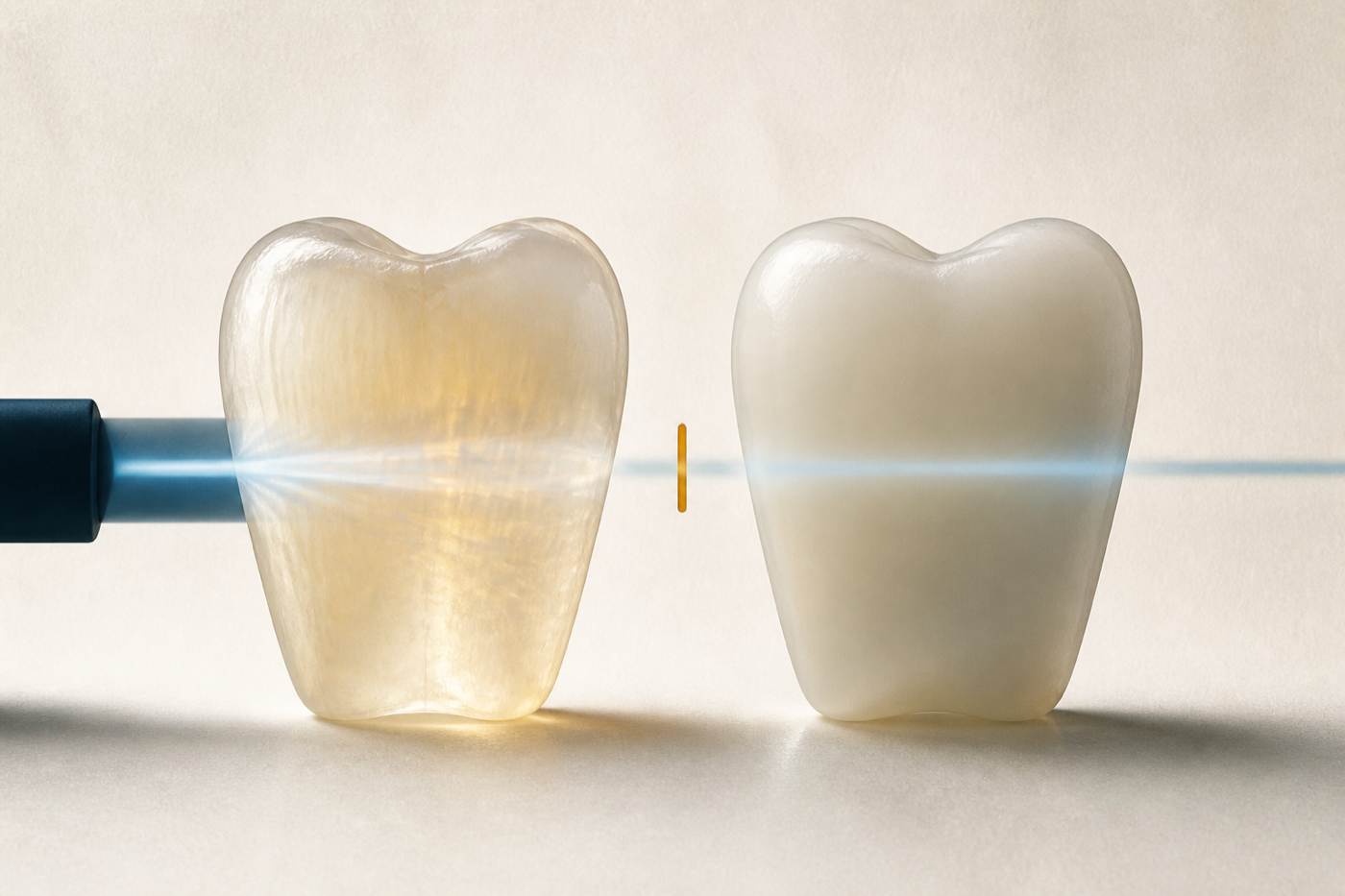
A natural tooth changes colour. A restoration does not.

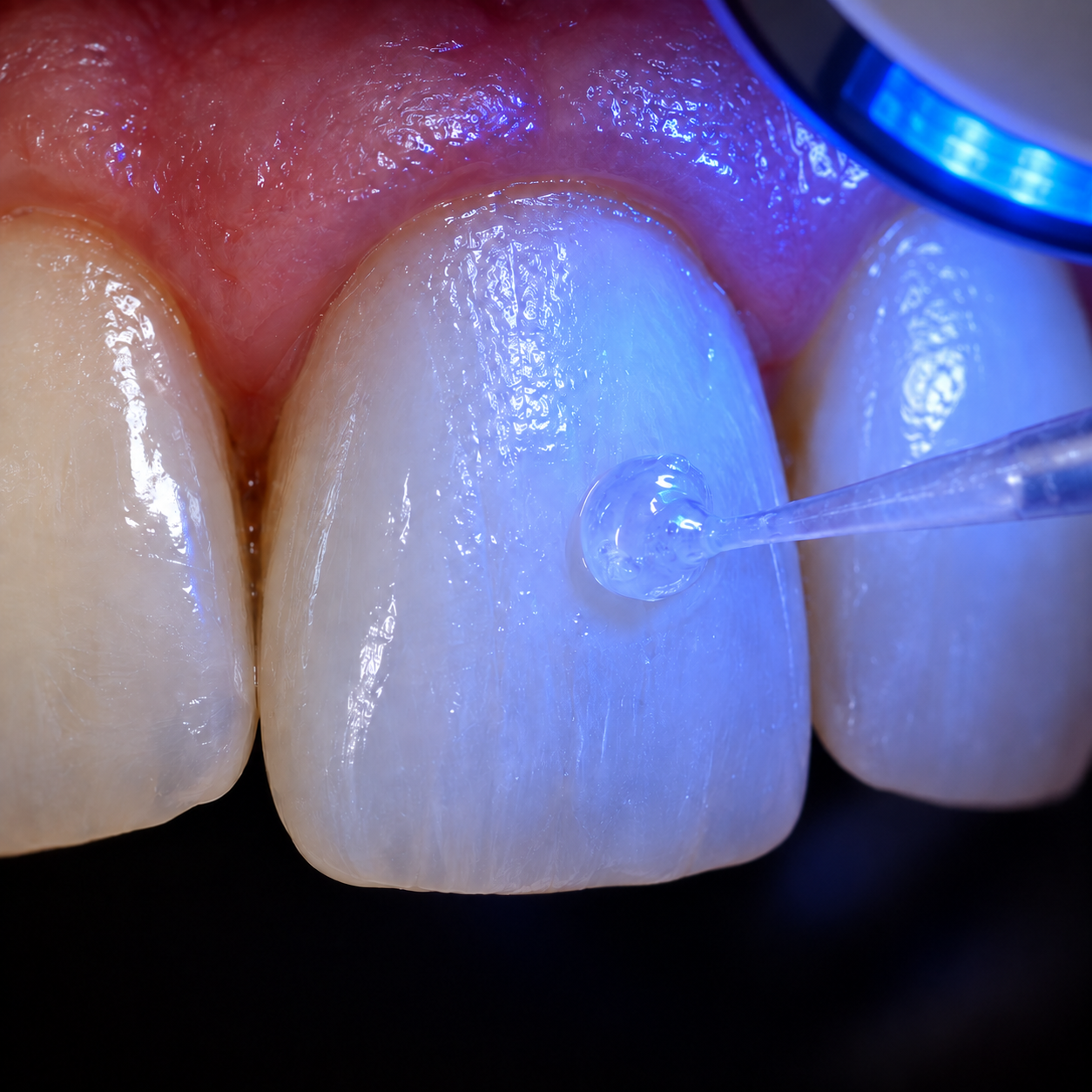
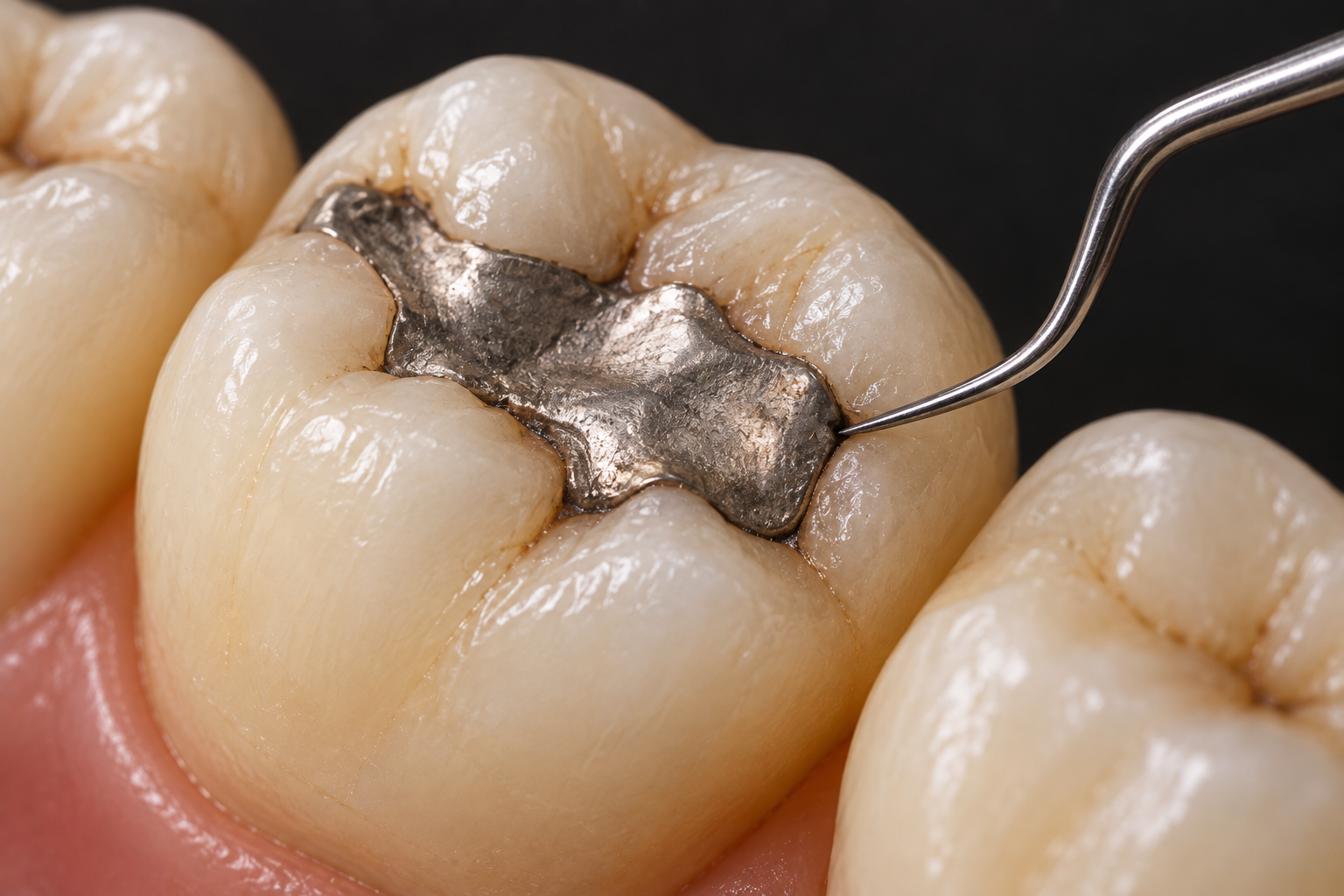
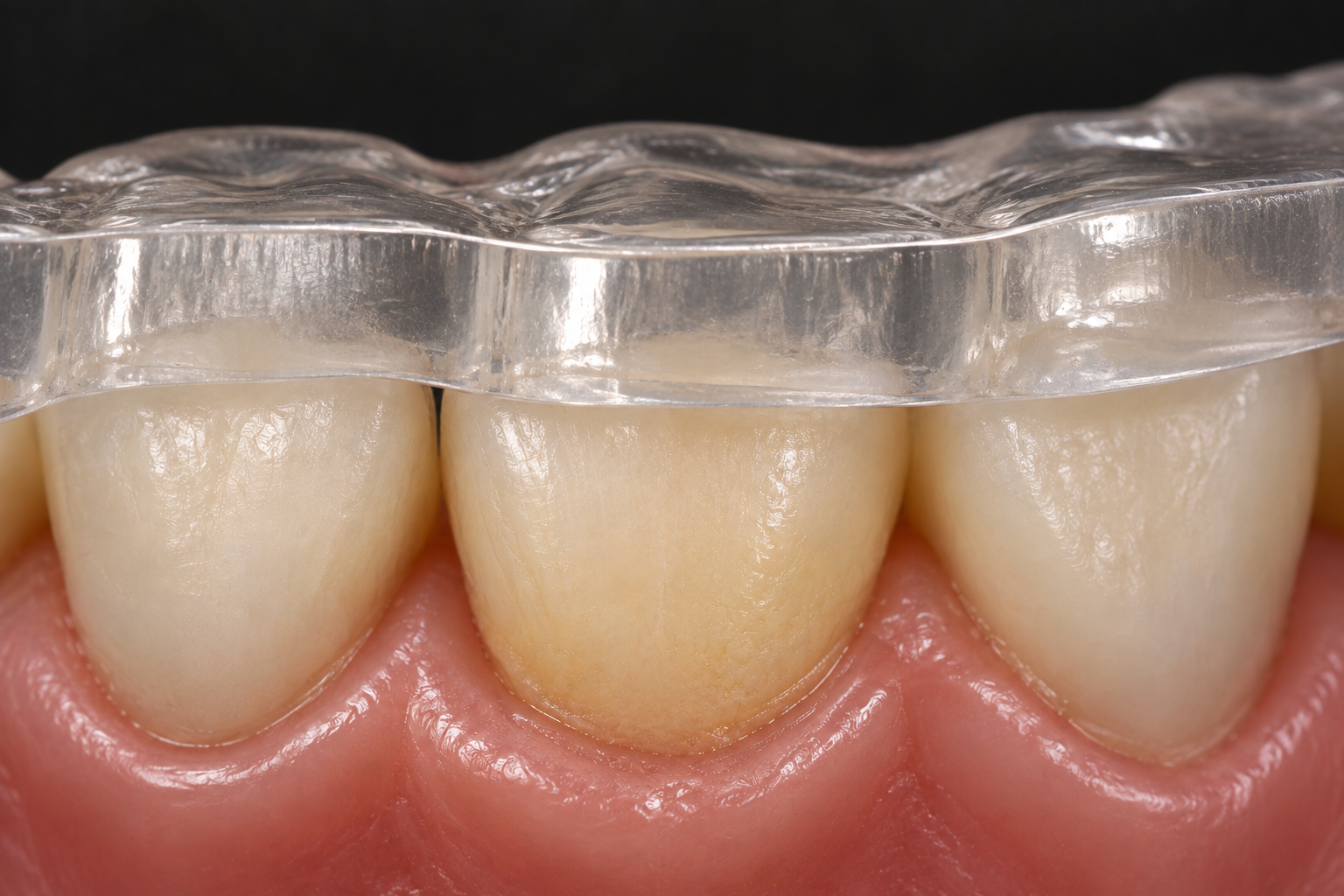
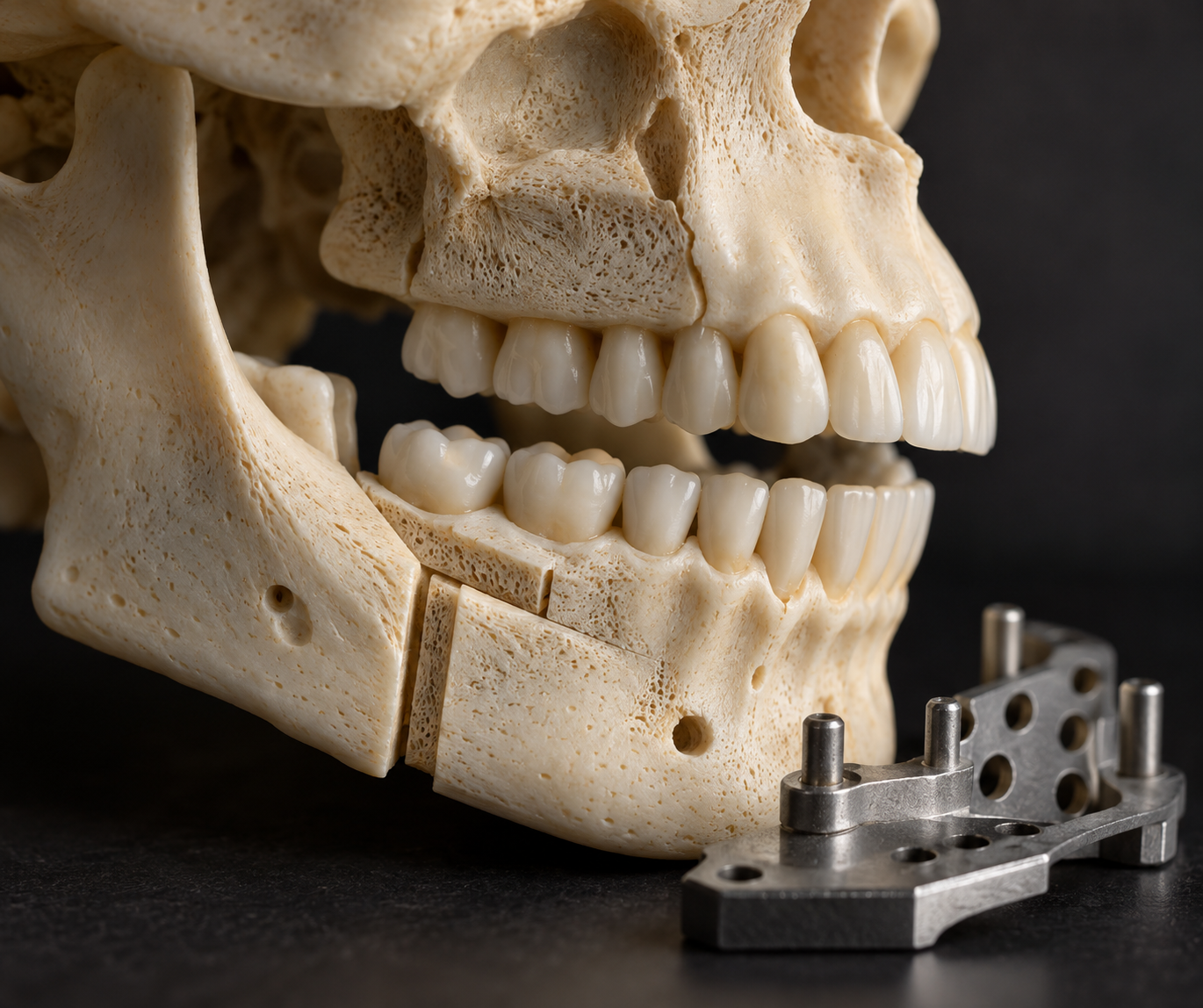
Conceptual artwork comparing the optical response of natural tooth structure and a restoration

The whitening agent acts on natural teeth. Composites, veneers and crowns retain their existing colour. Planning therefore considers the whole smile before treatment begins.

Harmony does not mean taking every tooth to the lightest shade. It means developing a result that is compatible with the smile, the face and the materials already present.

When existing materials need reassessment, the discussion may include replacement of old restorations. Whitening and the replacement of materials have different roles.

The protocol follows the assessment.

Whitening may be carried out in the clinic, at home under supervision, or using a combination of approaches. The choice considers oral health, the origin of the colour, sensitivity and each person’s routine.

  1. In the clinicApplication and direct monitoring by the team at every stage.
  2. At home under supervisionTrays and individualised instructions, with scheduled follow-up appointments.
  3. Combined approachMethods are combined when the assessment indicates benefit and safety.

From examination to follow-up

  1. AssessmentConcerns, history and examination of teeth, gums and restorations.
  2. Health firstConditions needing care are treated before whitening.
  3. ProtocolThe approach, concentration, duration and frequency are individualised.
  4. Follow-upColour, comfort and harmony are reassessed during and after the process.

Higher-concentration products and unsupervised home treatments should not be used as a shortcut. Concentration, duration and frequency require professional guidance.

Light and laser

The available evidence does not show that light activation is essential to the result. Suitability should consider the whitening agent, concentration, duration and professional monitoring. Read the systematic review.

Comfort is also part of the plan.

Tooth sensitivity and gum irritation can occur and are usually temporary. The team monitors the response to adjust concentration, contact time and frequency when needed.

Care does not mean promising zero sensitivity. It means recognising the possibility, reducing risks and supporting you throughout.

Individual results and aftercare

Each tooth has its own thickness, translucency and shade. The result that can be achieved varies, and its stability depends on the starting point, habits and aftercare.

Duration varies with habits, diet, hygiene, smoking and maintenance. Regular follow-up appointments help monitor colour stability and the need for future care. Read the review on home whitening.

Questions about teeth whitening

Direct answers for decisions that need to be individualised.

Does teeth whitening cause sensitivity?

Sensitivity can occur and is usually temporary. The assessment allows concentration, contact time and frequency to be adjusted, and comfort measures to be recommended when needed.

How many sessions are needed?

There is no single number for everyone. The duration depends on the origin of the colour change, the teeth’s response, oral health and the prescribed protocol.

Do restorations and veneers whiten along with the teeth?

No. Whitening acts on natural teeth. Composites, veneers and crowns retain their colour and need to be considered in planning to preserve the harmony of the smile.

Can I whiten my teeth on my own?

Use without assessment and supervision can cause sensitivity and gum irritation, and mask oral health problems. Products, concentration and duration of use require professional guidance.

Are light or laser essential?

The available evidence does not show that light activation is essential to the result. Suitability should consider the whitening agent, concentration, duration and professional monitoring.

How long does the result last?

Duration varies with habits, diet, hygiene, smoking and maintenance. Regular follow-up appointments help monitor colour stability and the need for future care.

What types of teeth whitening are there?

Whitening can be done in the clinic, at home with custom trays and professional follow-up, or by combining both. The choice depends on the origin of the colour, sensitivity and each person's routine, and it is made at the assessment.

Is teeth whitening harmful?

When indicated and supervised, whitening is considered safe. The most common effects are sensitivity and gum irritation, usually temporary. That is why the assessment comes first, and high-concentration products should not be used on your own.

How much does teeth whitening cost?

The cost depends on the technique indicated, the number of sessions and the follow-up. It is presented after the assessment, once the plan is defined. Treatment can be paid in up to 21 credit card instalments, depending on the treatment plan and current conditions.

Beyond aesthetics, we are a multidisciplinary clinic.

Explore options

Care takes place here

Whitening begins with an assessment of oral health and continues with monitoring of the teeth’s response.

Across more than 400 m², seven consulting rooms and an integrated in-house laboratory bring together different stages of care at the same address. Discover the Institute.

A history in dentistry since 1923 connects generations with care today. Explore the Institute's history.

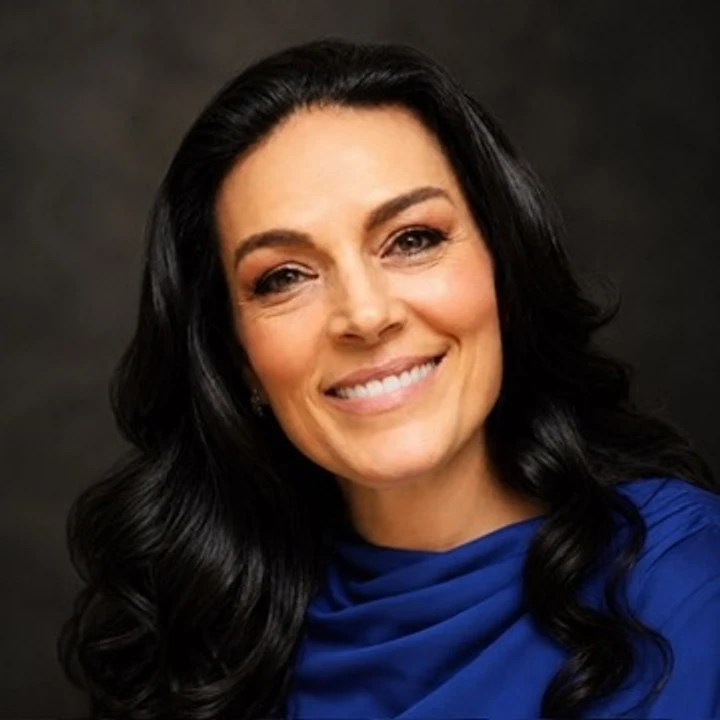
Documentary portrait of Dr Silvana Puglisi

Dr Silvana Puglisi is the dentist responsible for technical oversight. Meet our professionals who continue to provide care and carry on the work of LAB Puglisi.

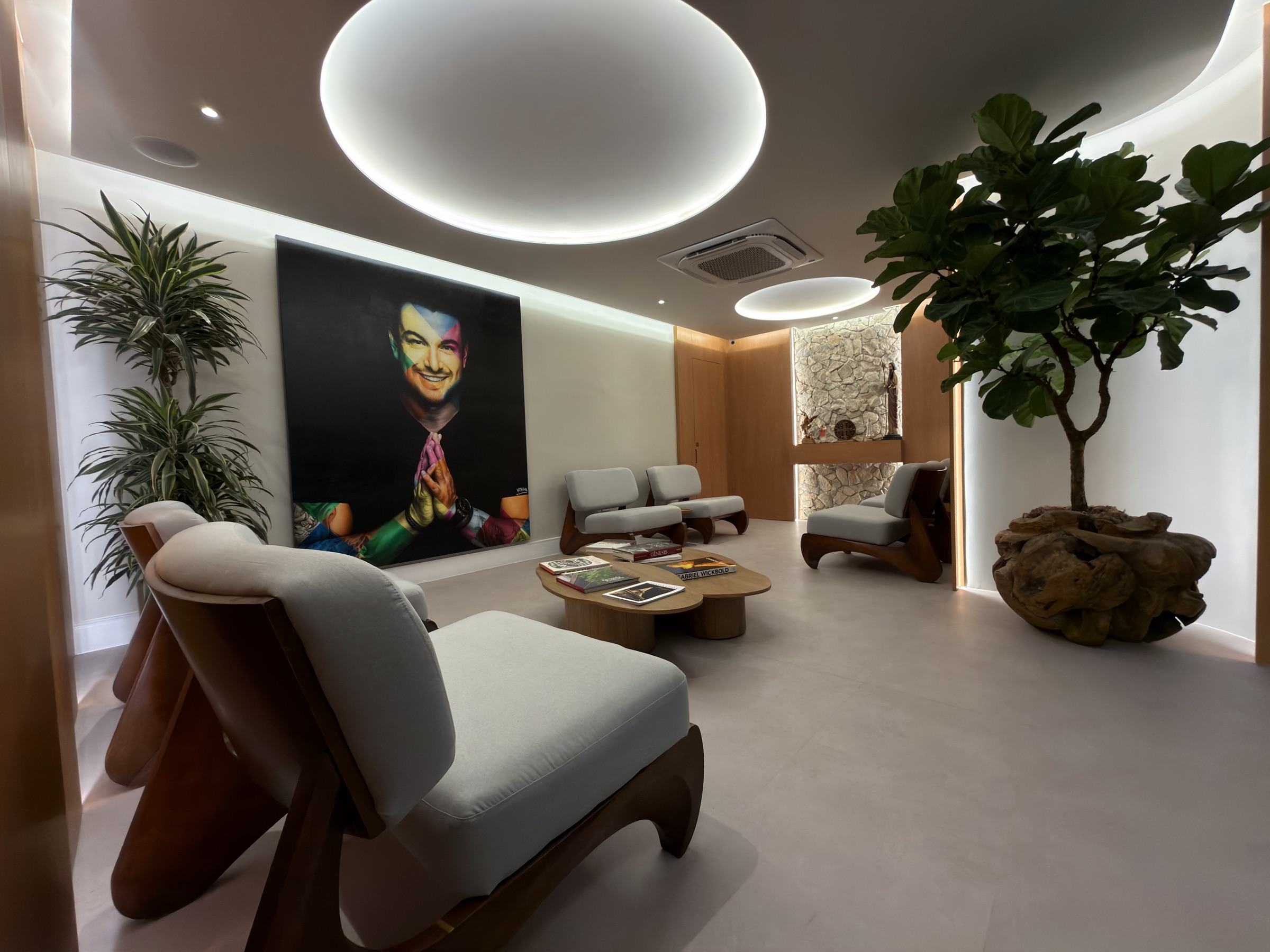
Spacious reception at the Institute with artwork by Kobra
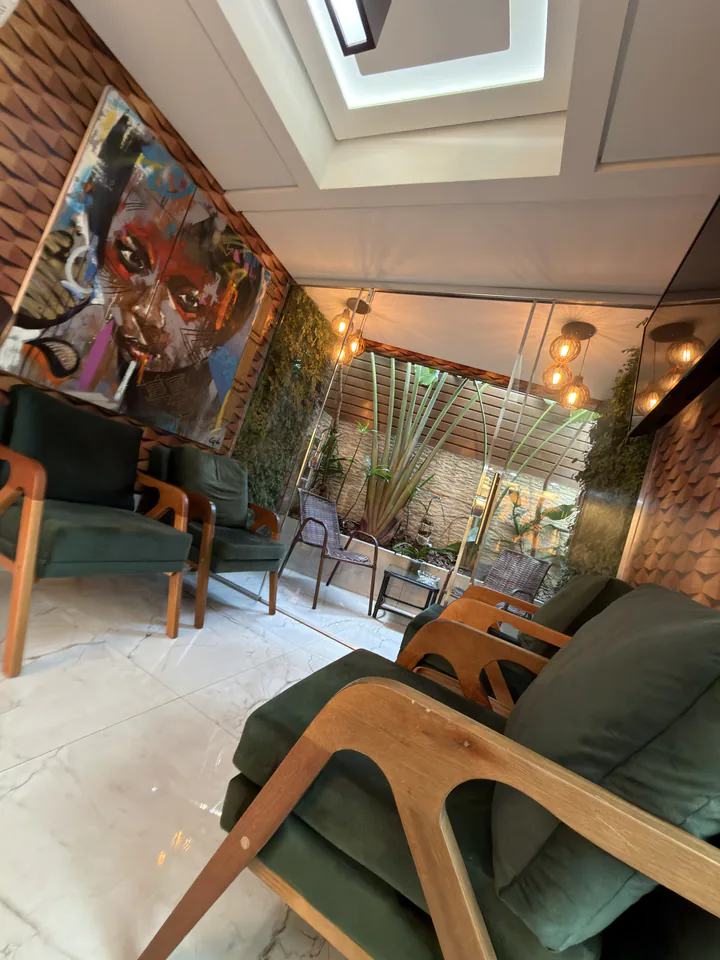
Lounge with green armchairs, artwork and a garden visible through the glass doors
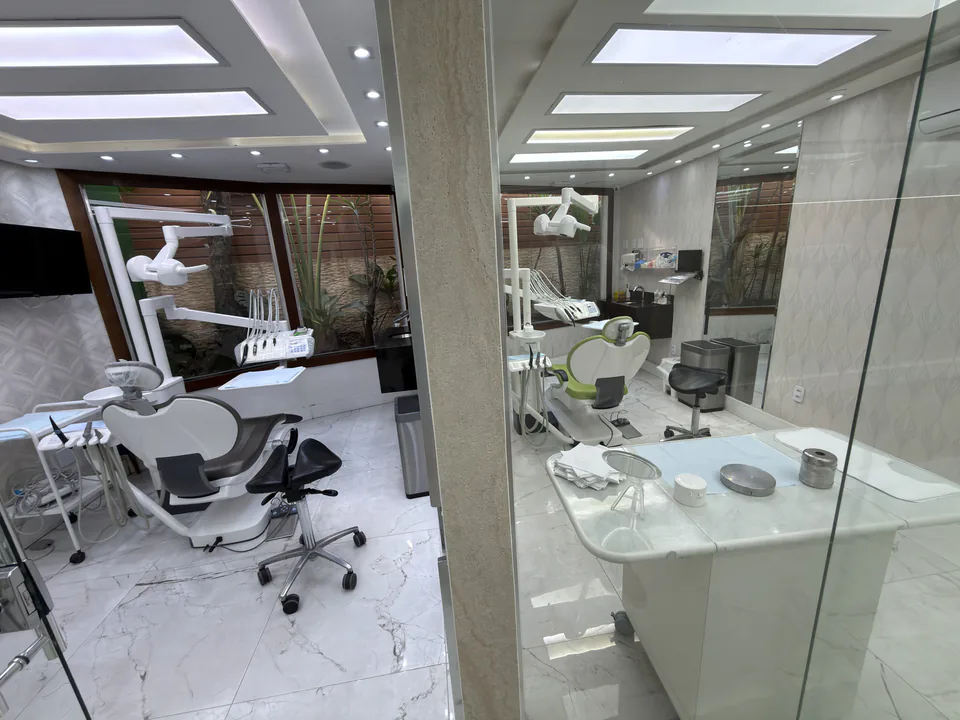
Two dental consulting rooms connected by a glass partition
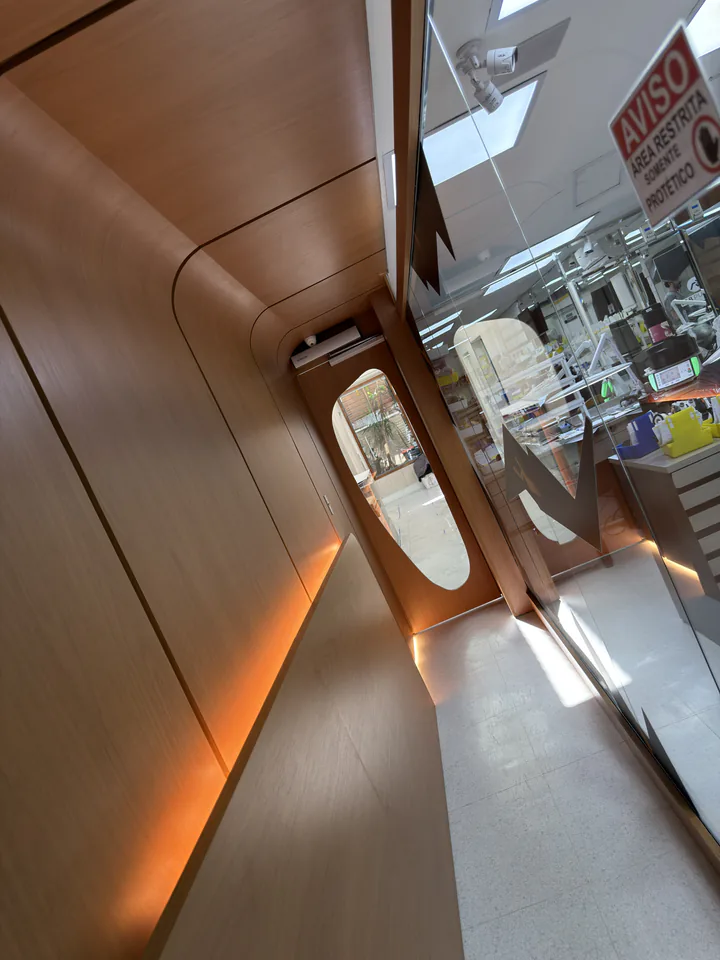
Curved corridor with wood panelling, amber lighting and a door at the far end

The right colour starts with a conversation.

Tell us what you notice about your smile. An assessment shows what can change, what needs care and which path makes sense for you.

Book a whitening assessment

References

Original Portuguese content reviewed by Dr Silvana Puglisi, dental surgeon, CRO 33.773, technical director, on .

  1. American Dental Association. Whitening. Oral Health Topics. Institutional document on indications, techniques and adverse effects of whitening.
  2. Anvisa. Oferta de tratamentos odontológicos caseiros na internet pode esconder perigos para a saúde bucal. Agência Nacional de Vigilância Sanitária, 2026.
  3. Maran BM, Burey A, de Paris Matos T, Loguercio AD, Reis A. In-office dental bleaching with light vs. without light: A systematic review and meta-analysis. Journal of Dentistry. 2018, 70:1–13. DOI 10.1016/j.jdent.2017.11.007. PMID 29289725. Evidence on the protocols studied, without a guarantee of individual response.
  4. Fioresta R, Melo M, Forner L, Sanz JL. Prognosis in home dental bleaching: a systematic review. Clinical Oral Investigations. 2023, 27:3347–3361. DOI 10.1007/s00784-023-05069-0. PMID 37273018. Review specifically addressing home whitening, without predicting duration for an individual case or extrapolating to other protocols.

Privacy preferences

Your choice is valid for 180 days in this browser. You can change it under “Privacy”.

Forms may use Google reCAPTCHA to prevent abuse. Read the Privacy Policy