↗ PT

Other pages are available in Portuguese

Skip to content

Porcelain veneers

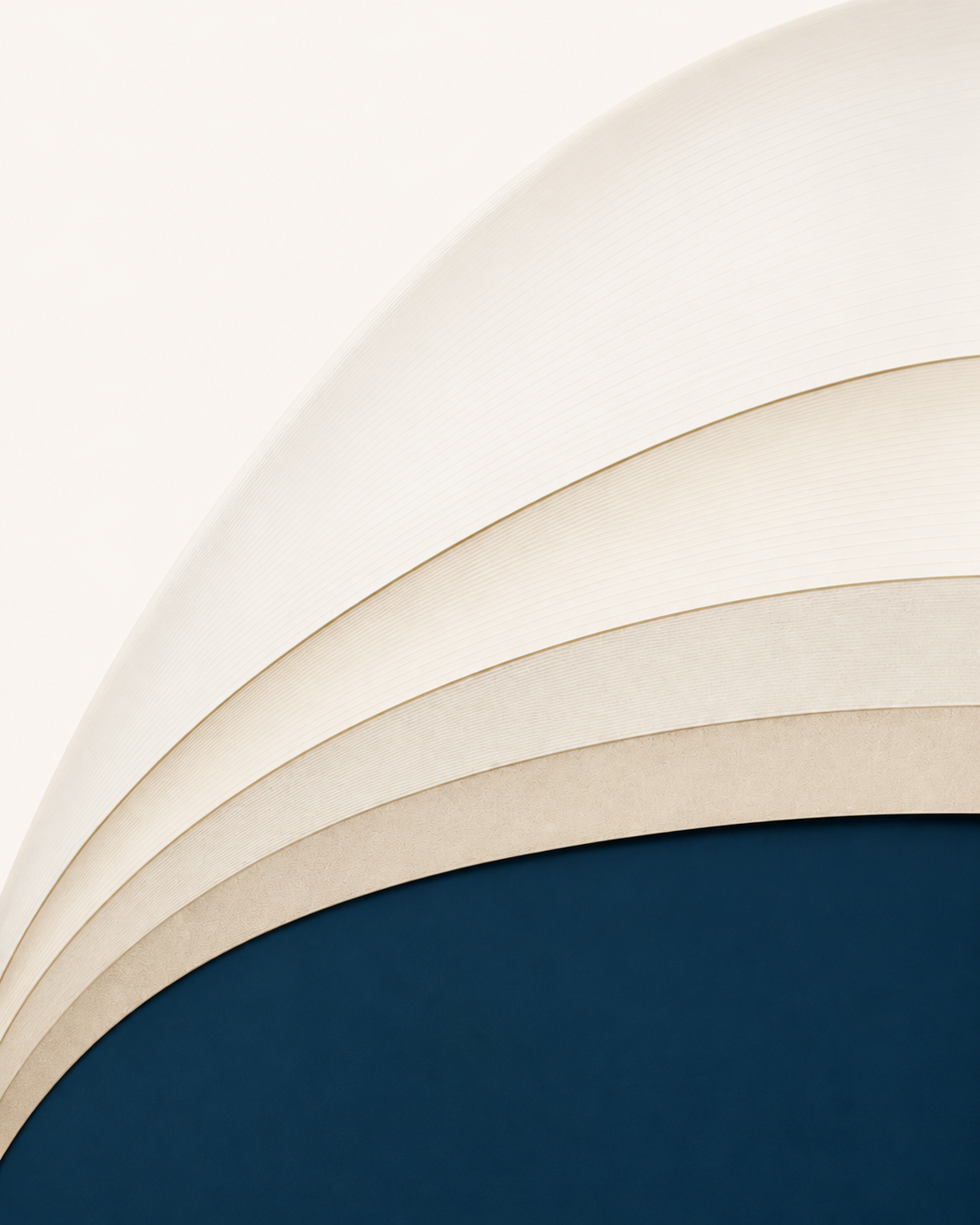
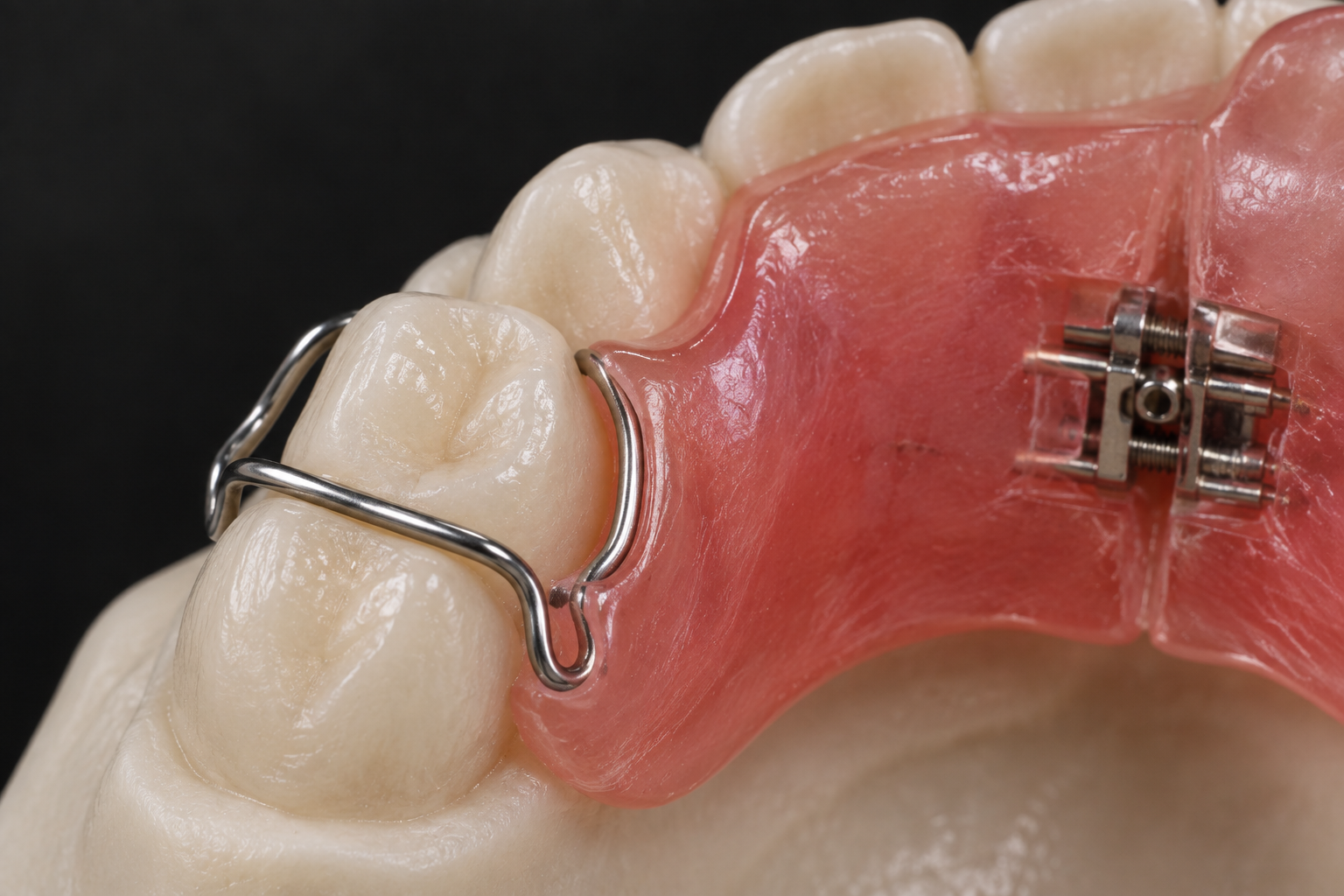
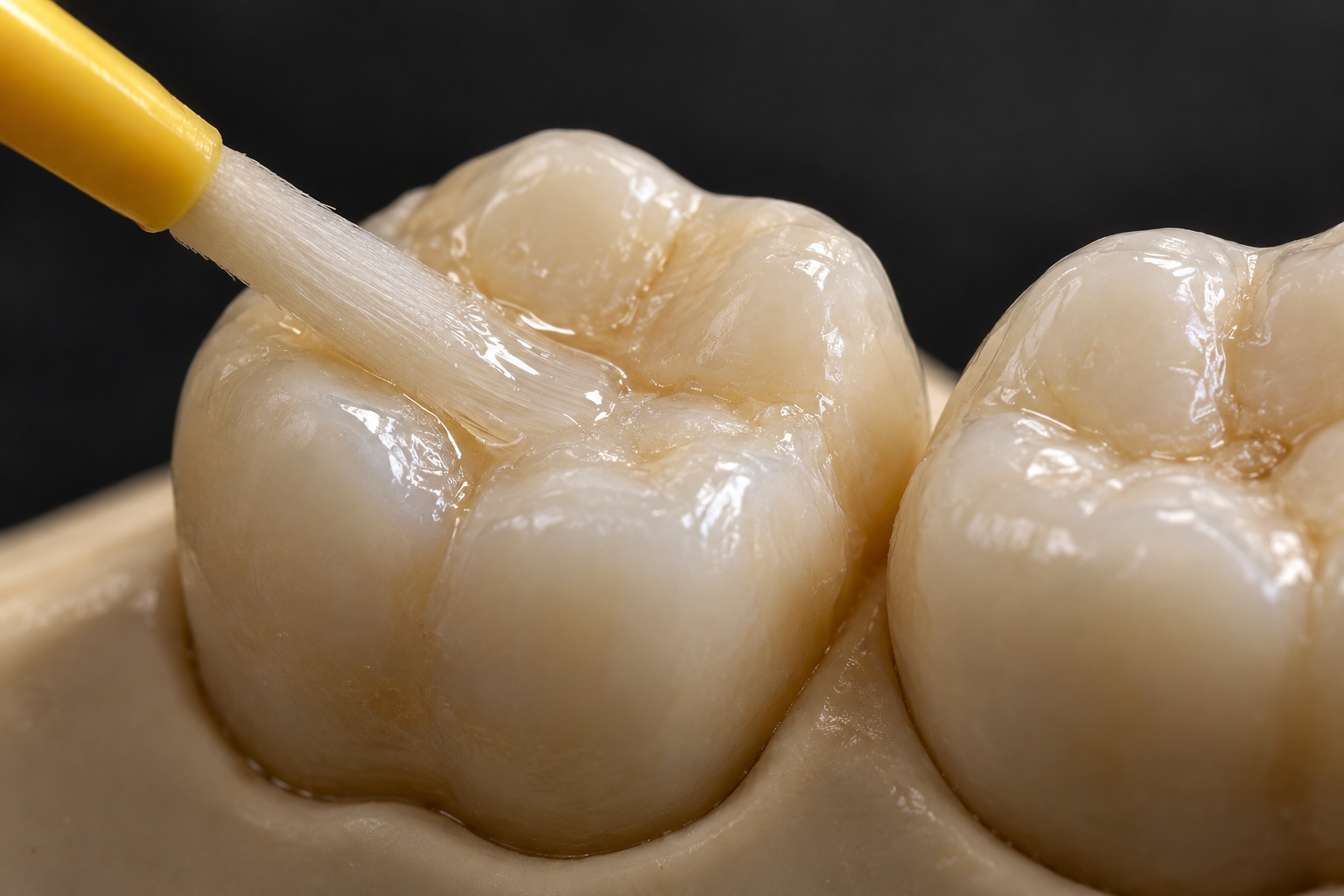
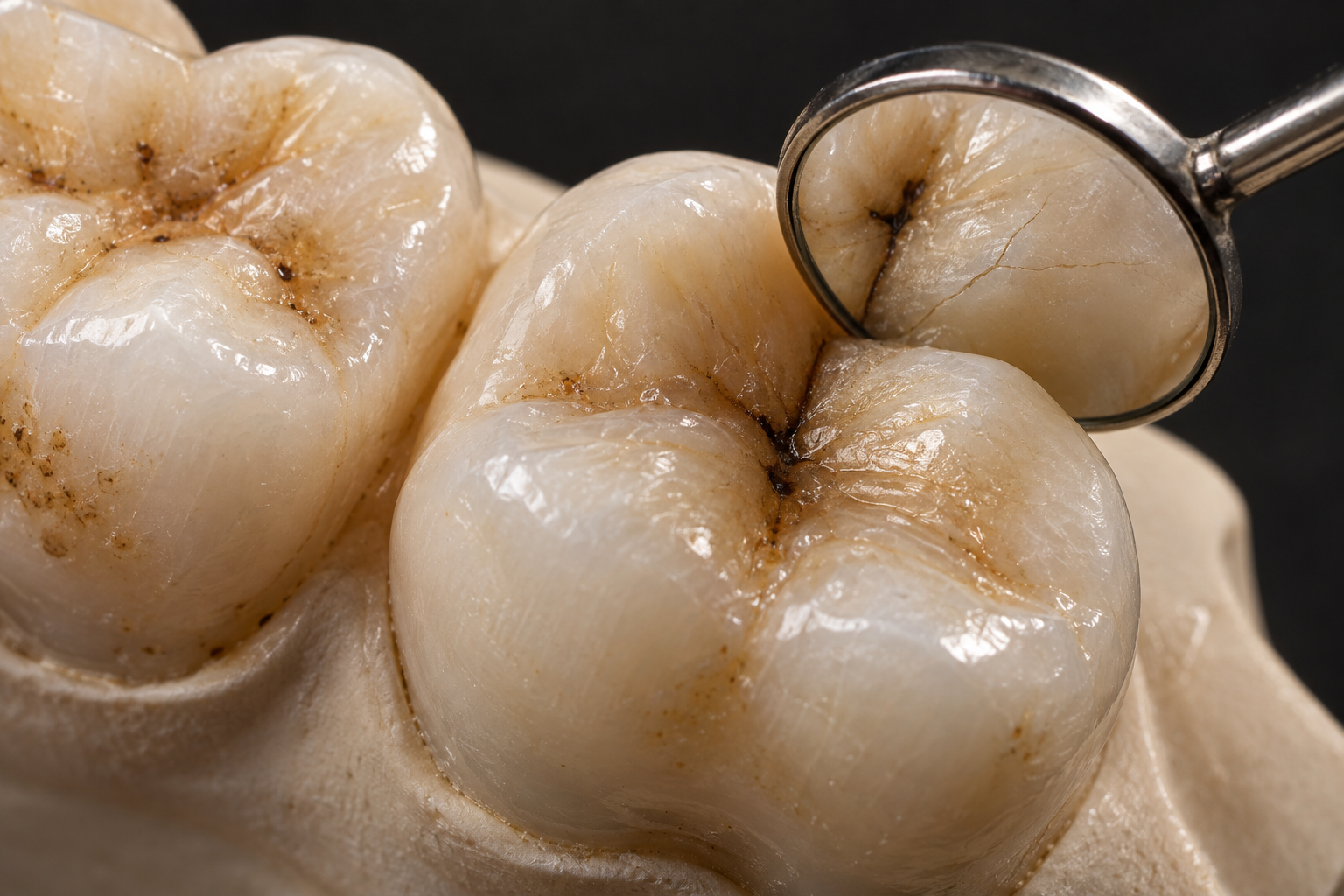
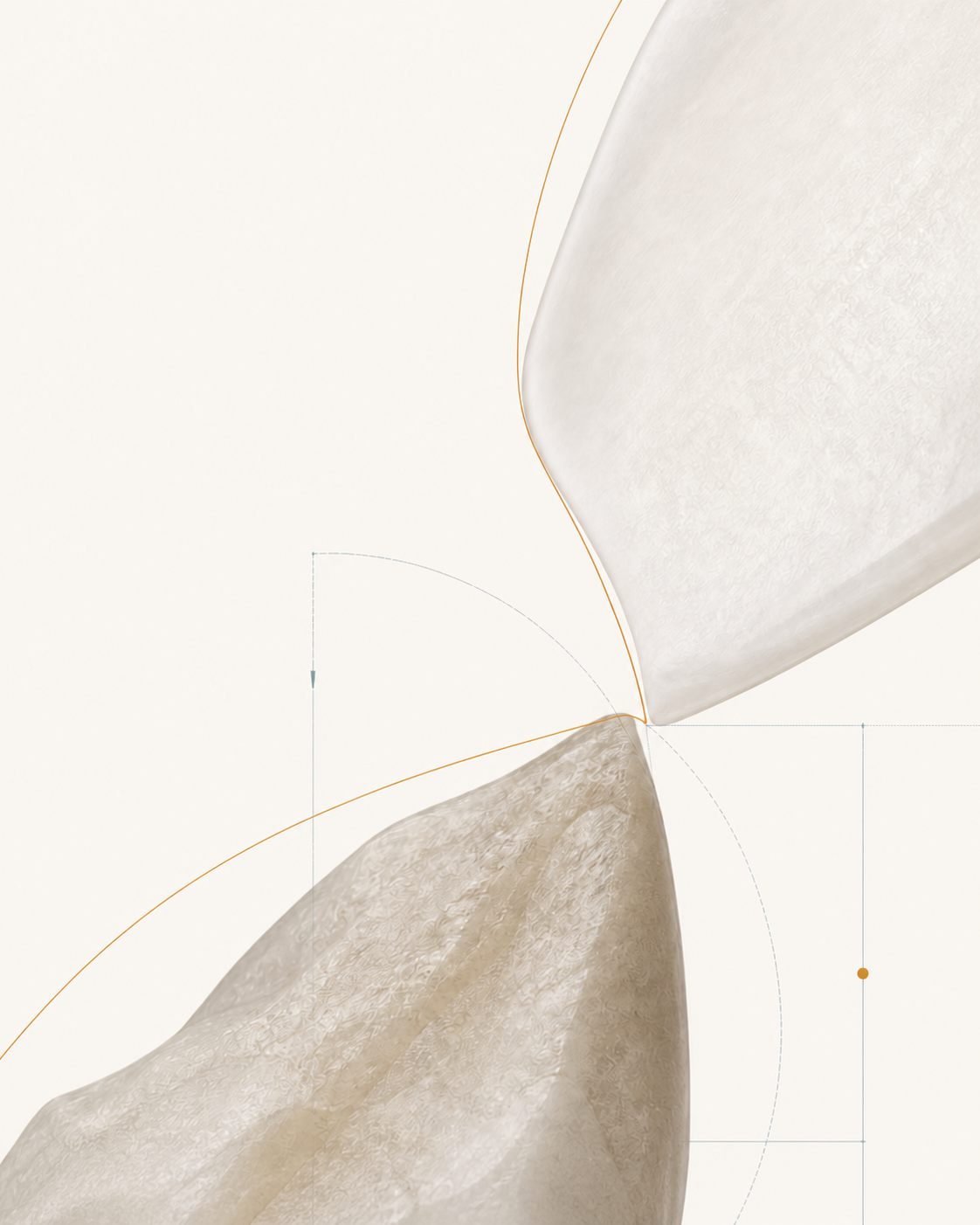
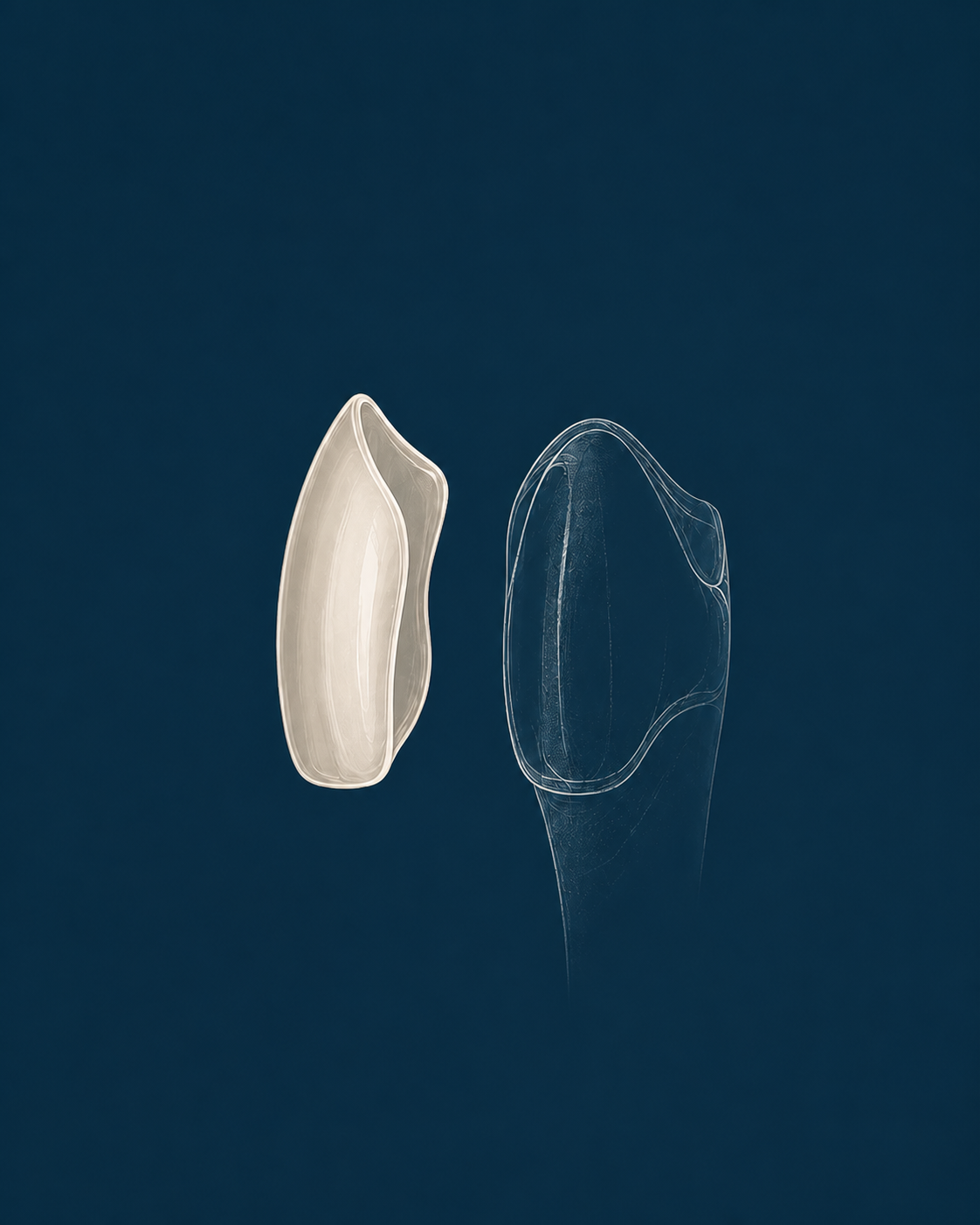
Artistic study of the junction between a porcelain veneer and the existing tooth structure

A porcelain veneer is a custom-made ceramic laminate bonded to the visible surface of a tooth. It can reconstruct shape, edges, volume, texture and colour, depending on the tooth structure, gums and bite.

I would like a smile assessment

At Instituto Rafa Puglisi, the clinic and its own laboratory work together throughout the reconstruction.

What veneers can reconstruct

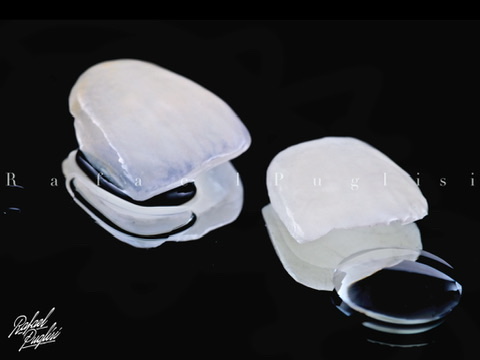
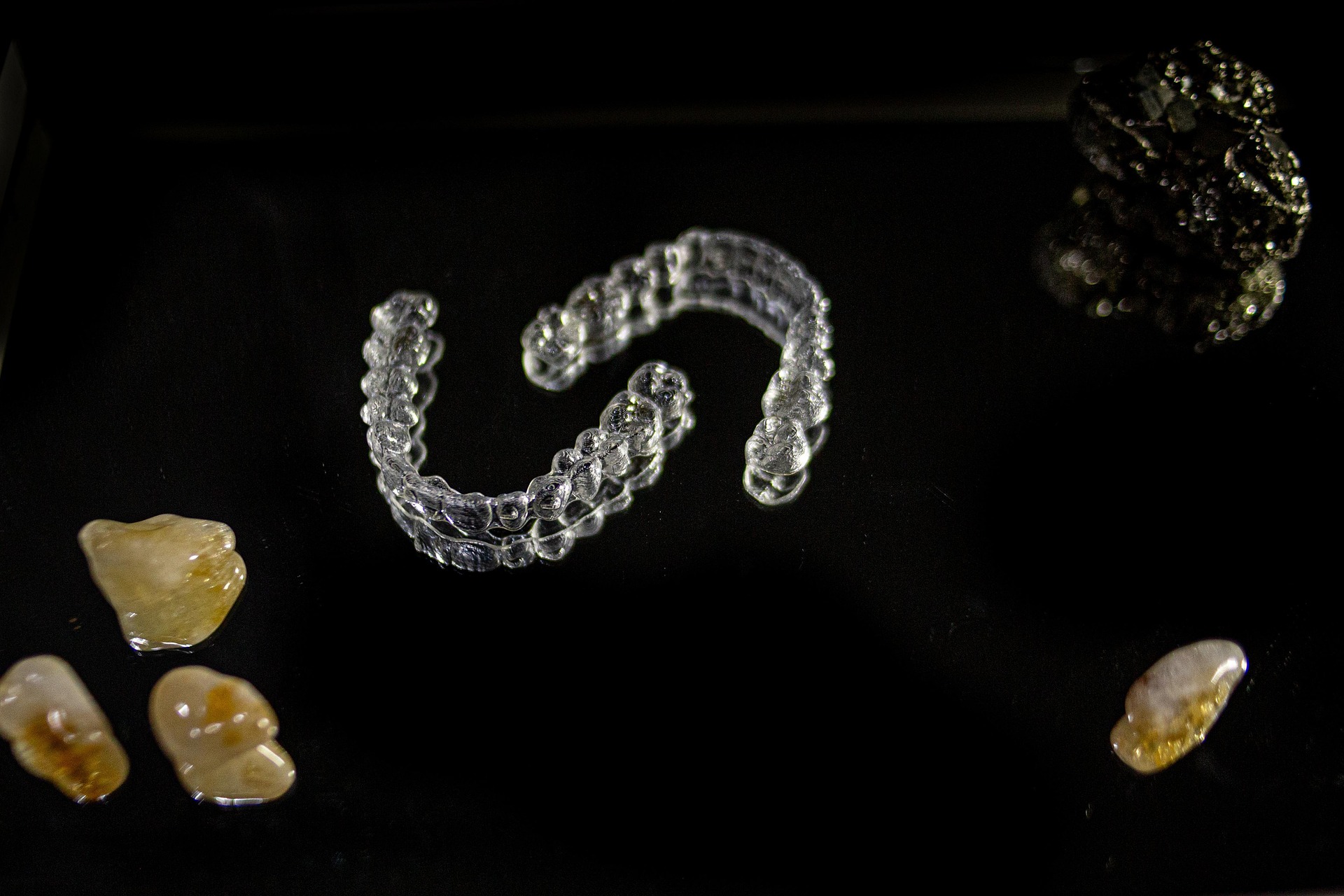
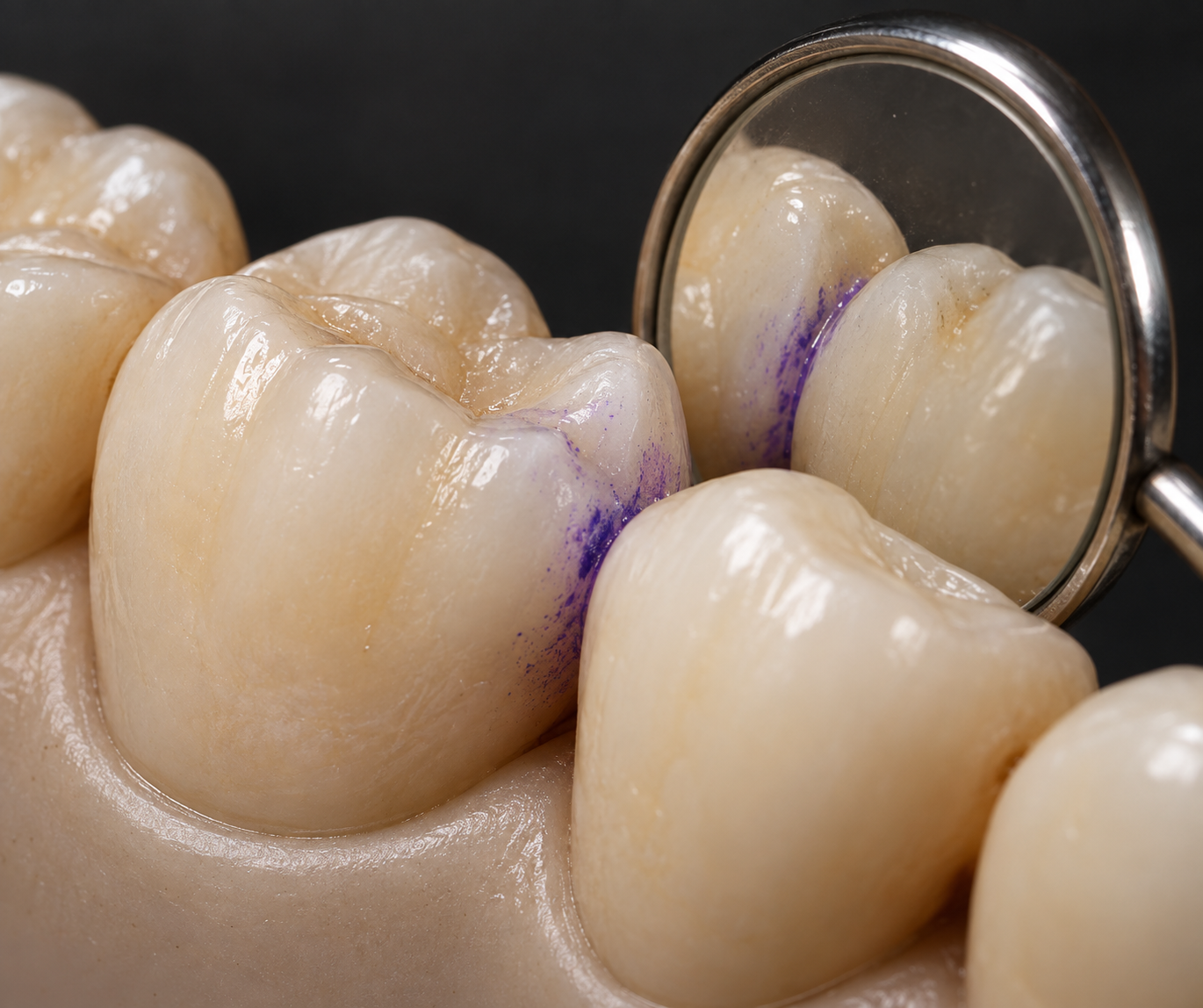
Artistic study of a veneer approaching the tooth structure

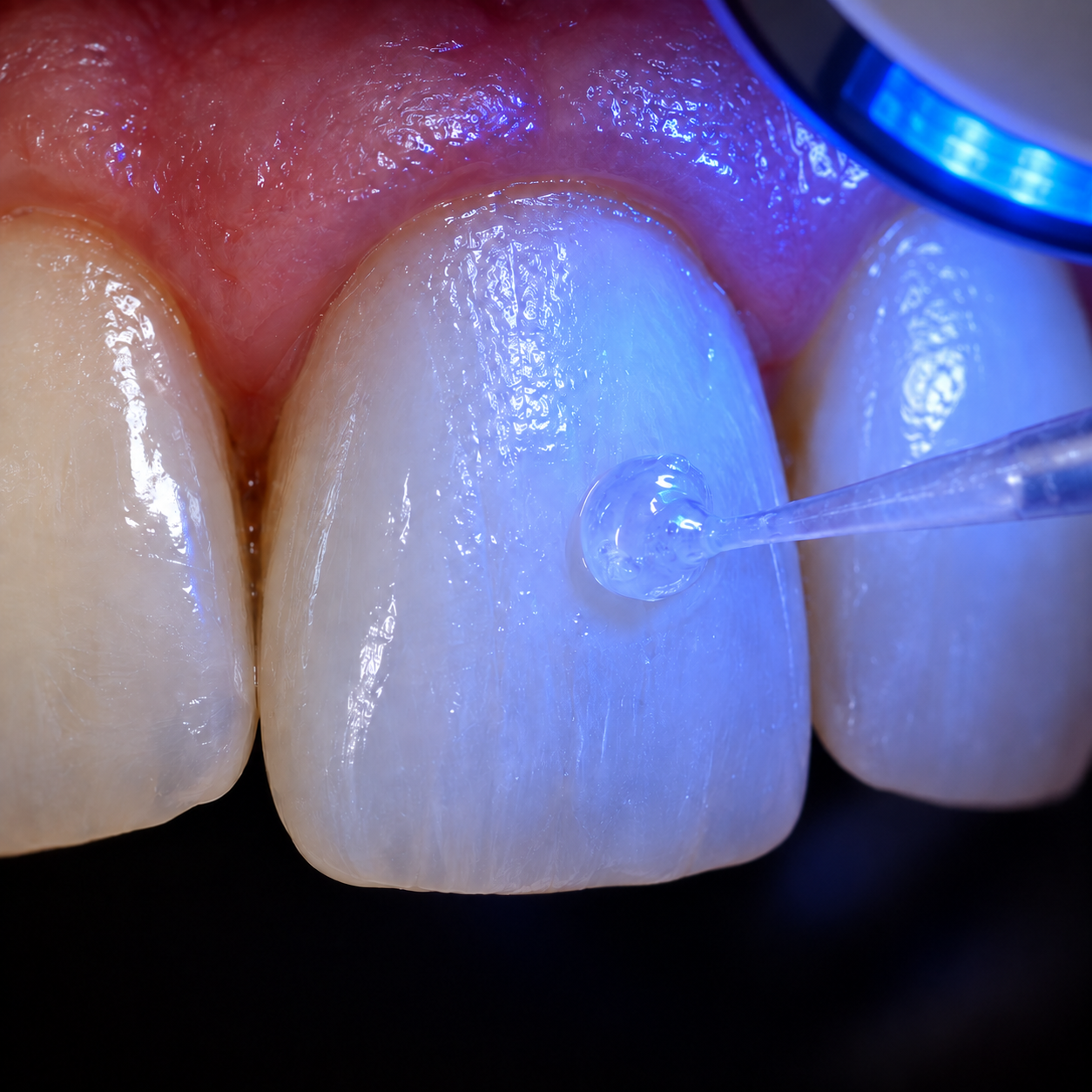
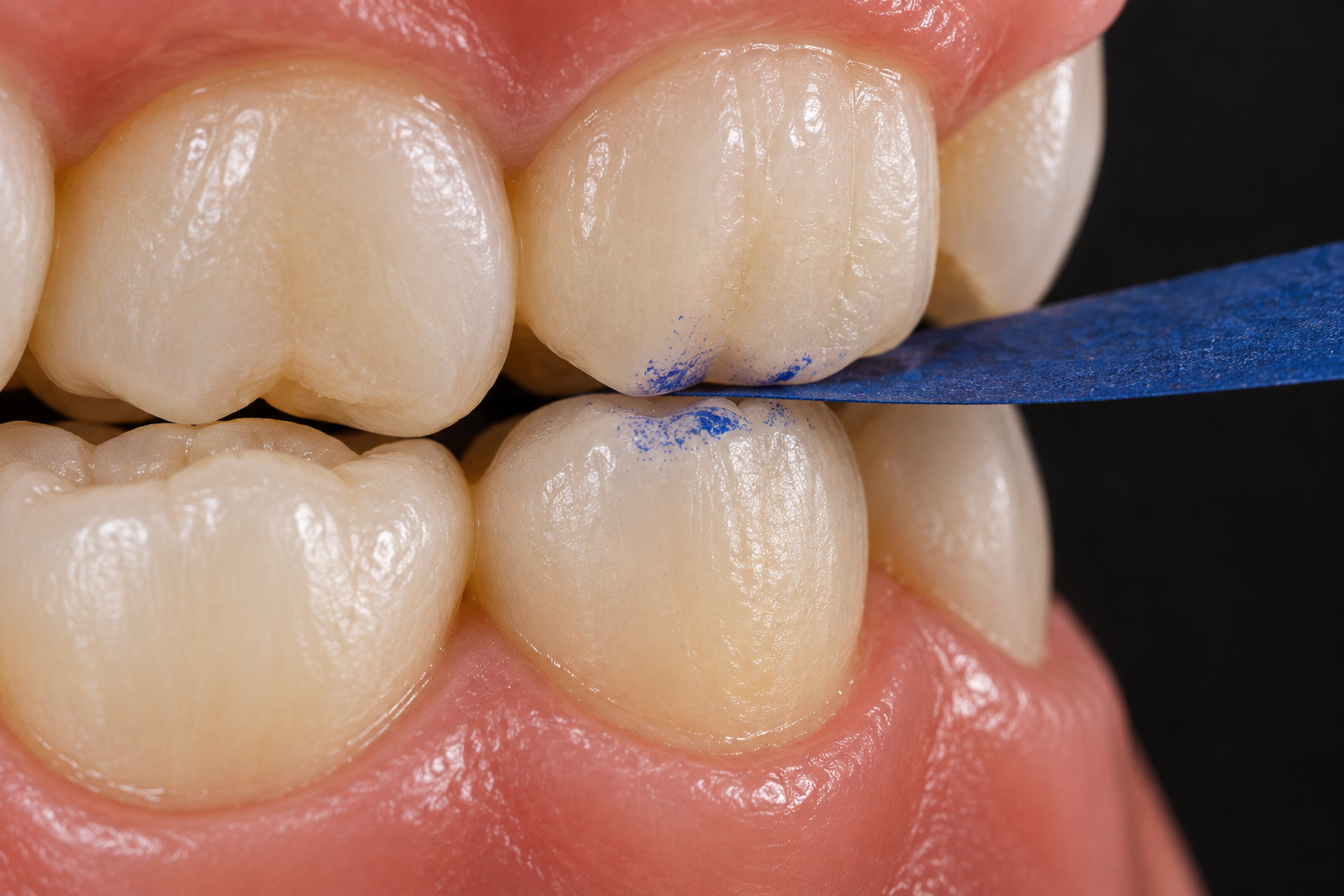
Understand how colour, light and texture contribute to reconstruction.

A worn edge, a shape that has lost its balance, a visible restoration or a colour that no longer blends with the smile may prompt a consultation. Shape, structure, colour and proportion are considered together.

  • Worn, chipped or fractured edges.
  • Changes in shape, volume or proportion.
  • Older restorations that no longer blend in.
  • Deep changes in colour.
  • Gaps that interrupt continuity.
  • Enamel defects and irregularities.

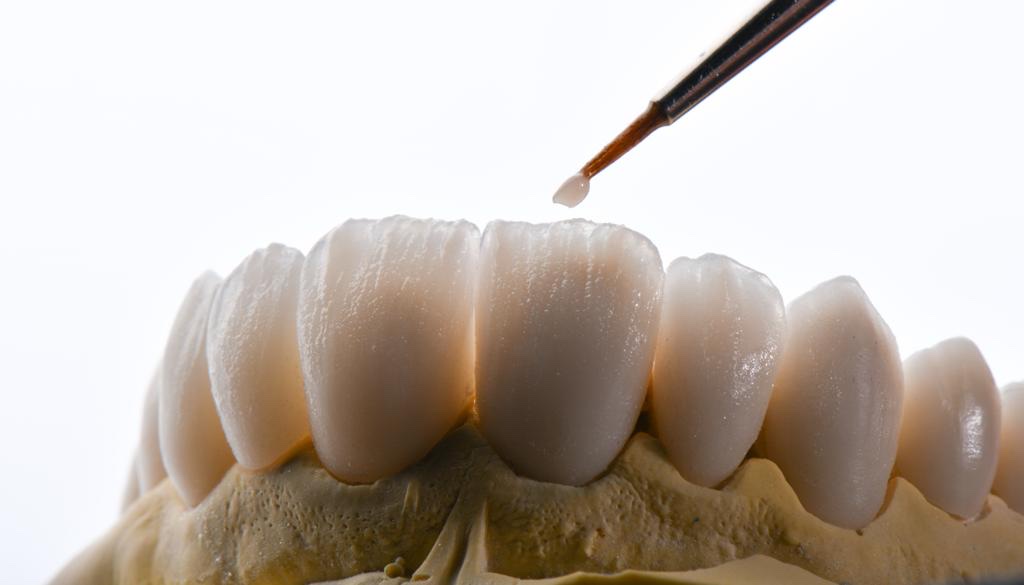
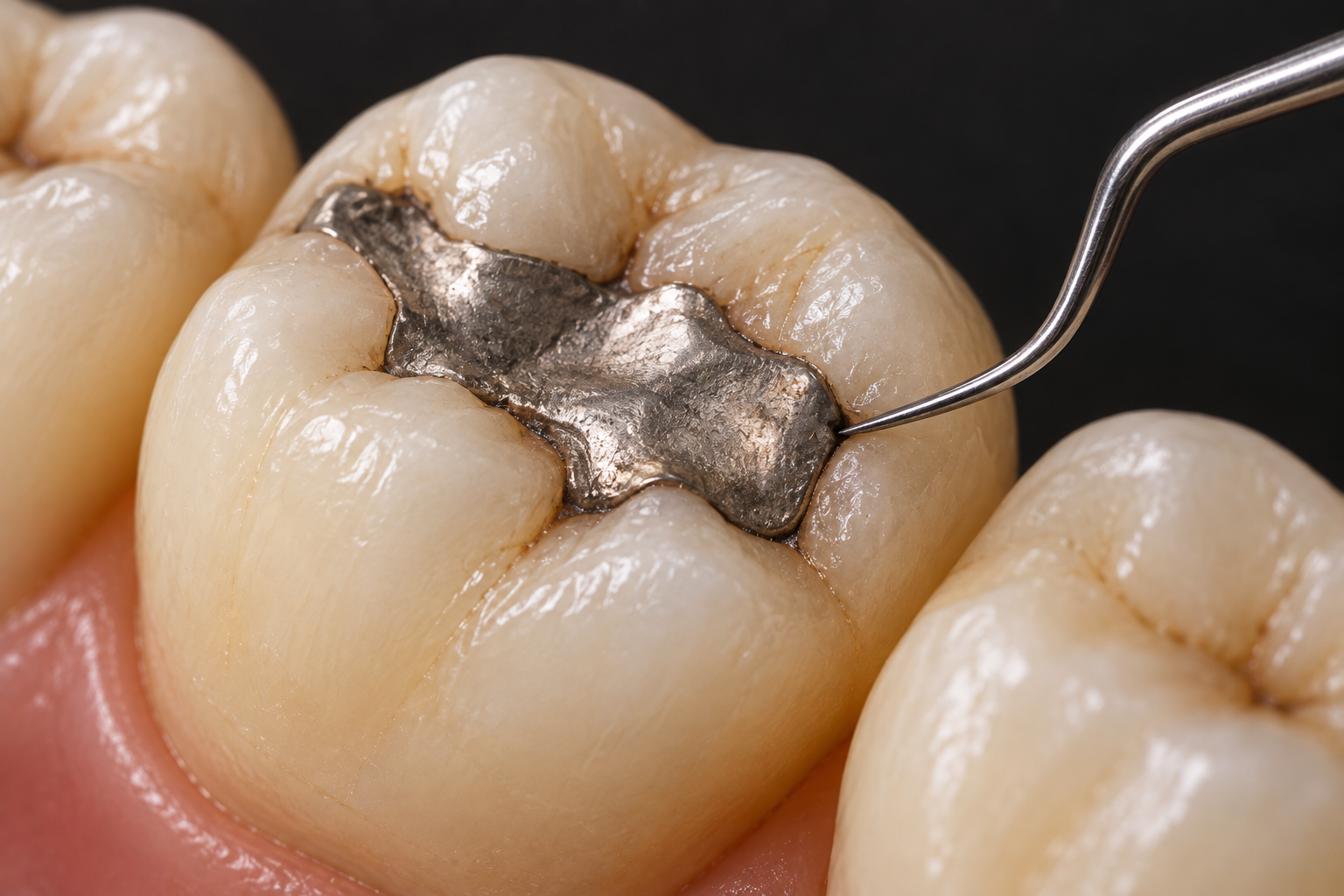
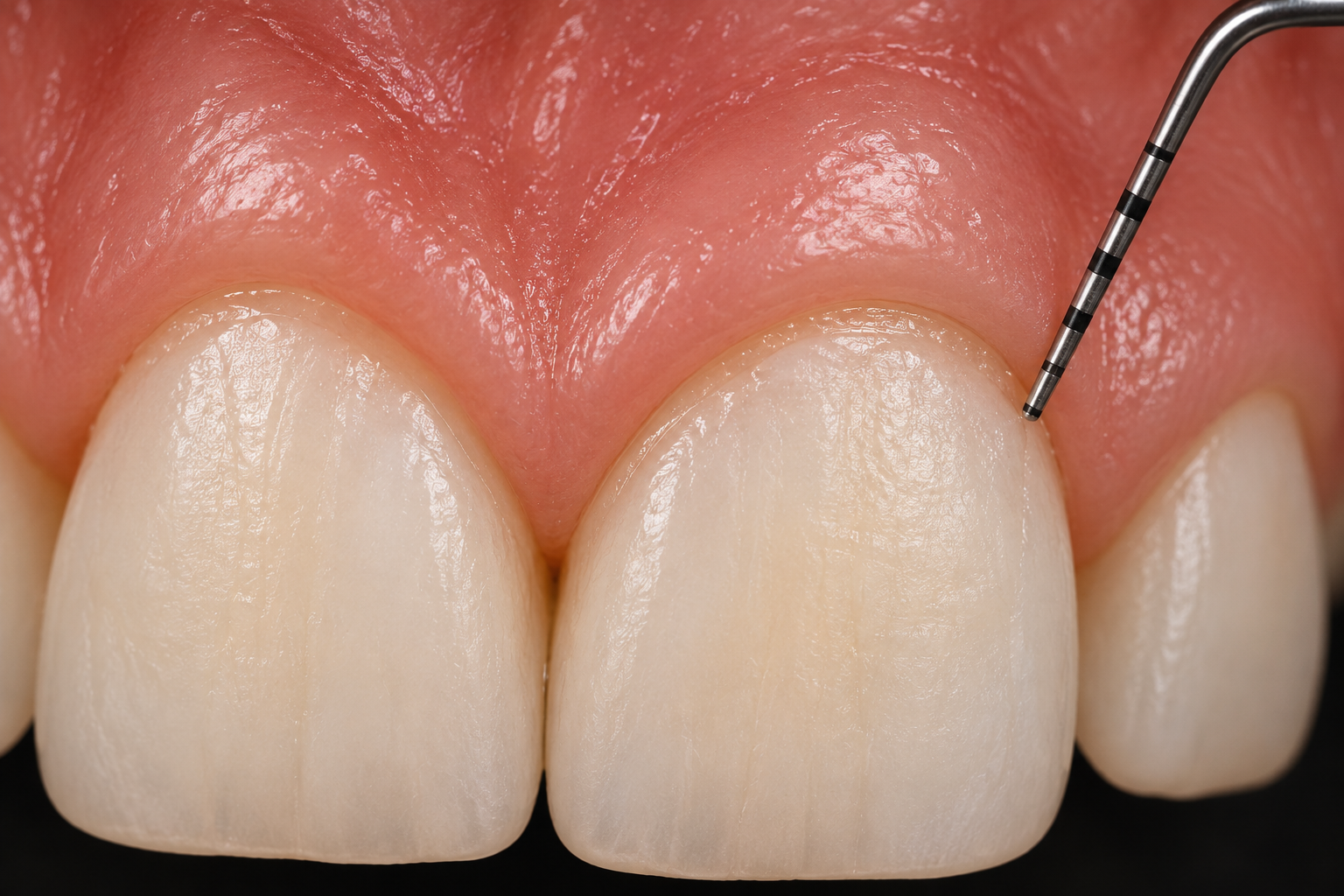
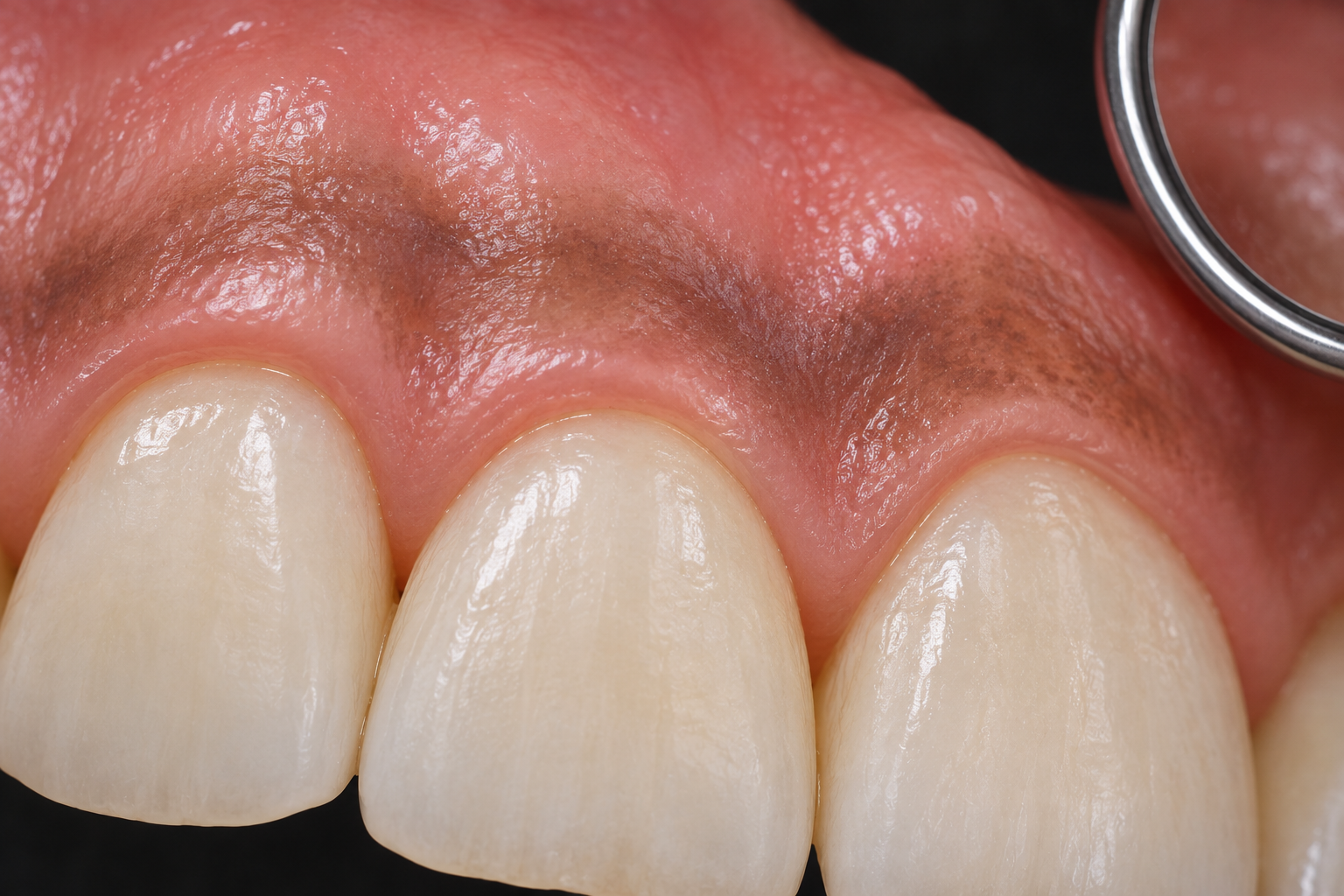
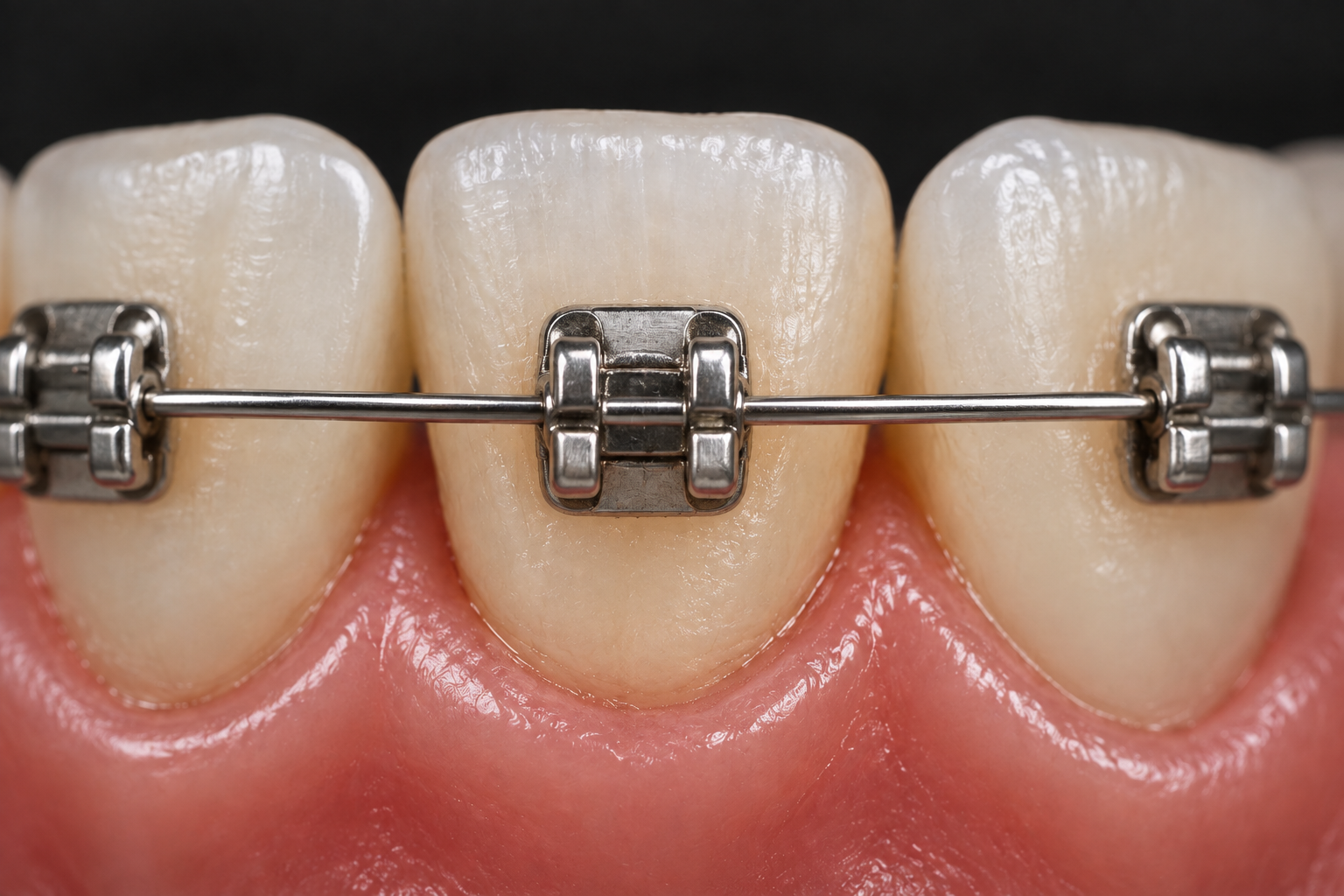
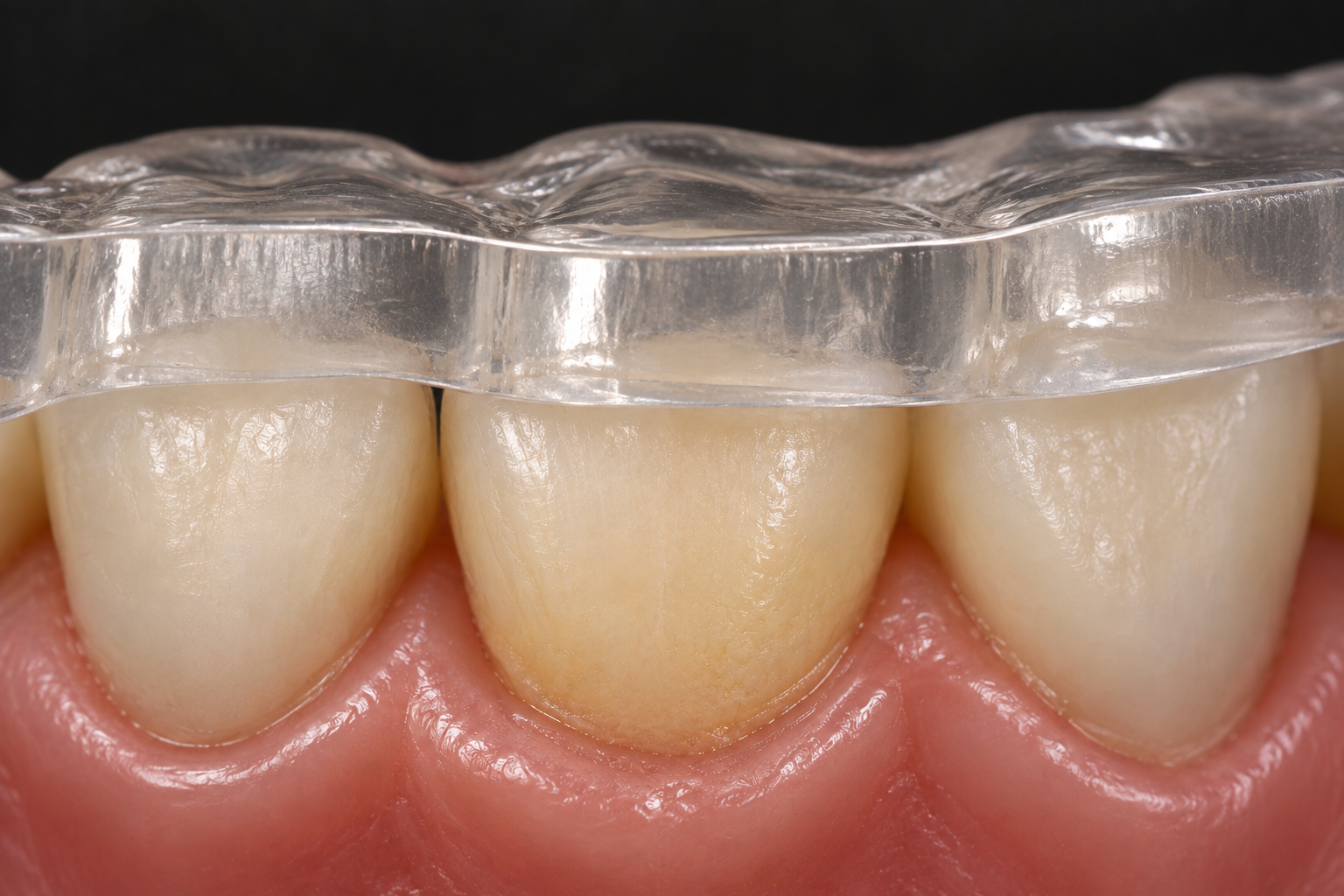
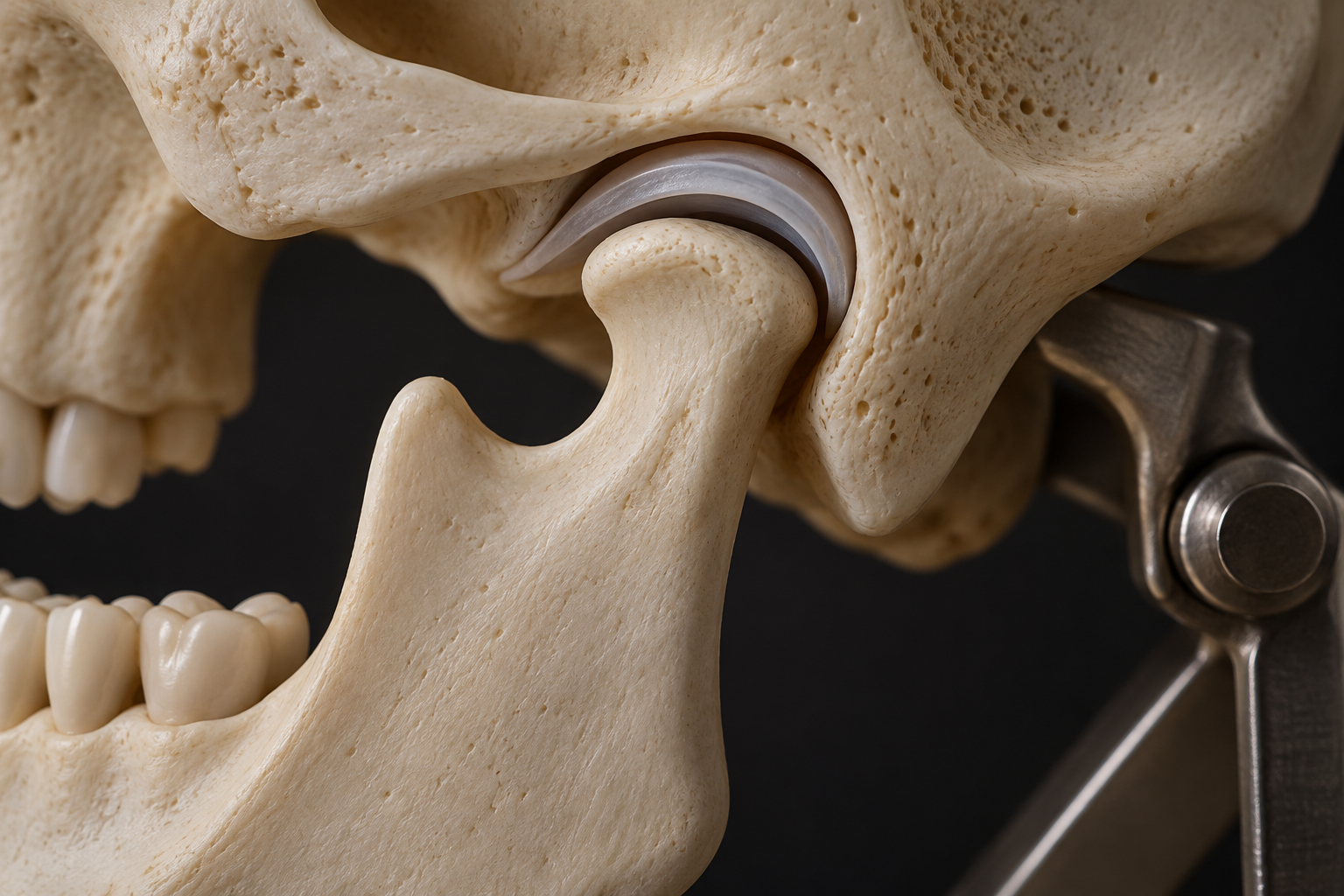
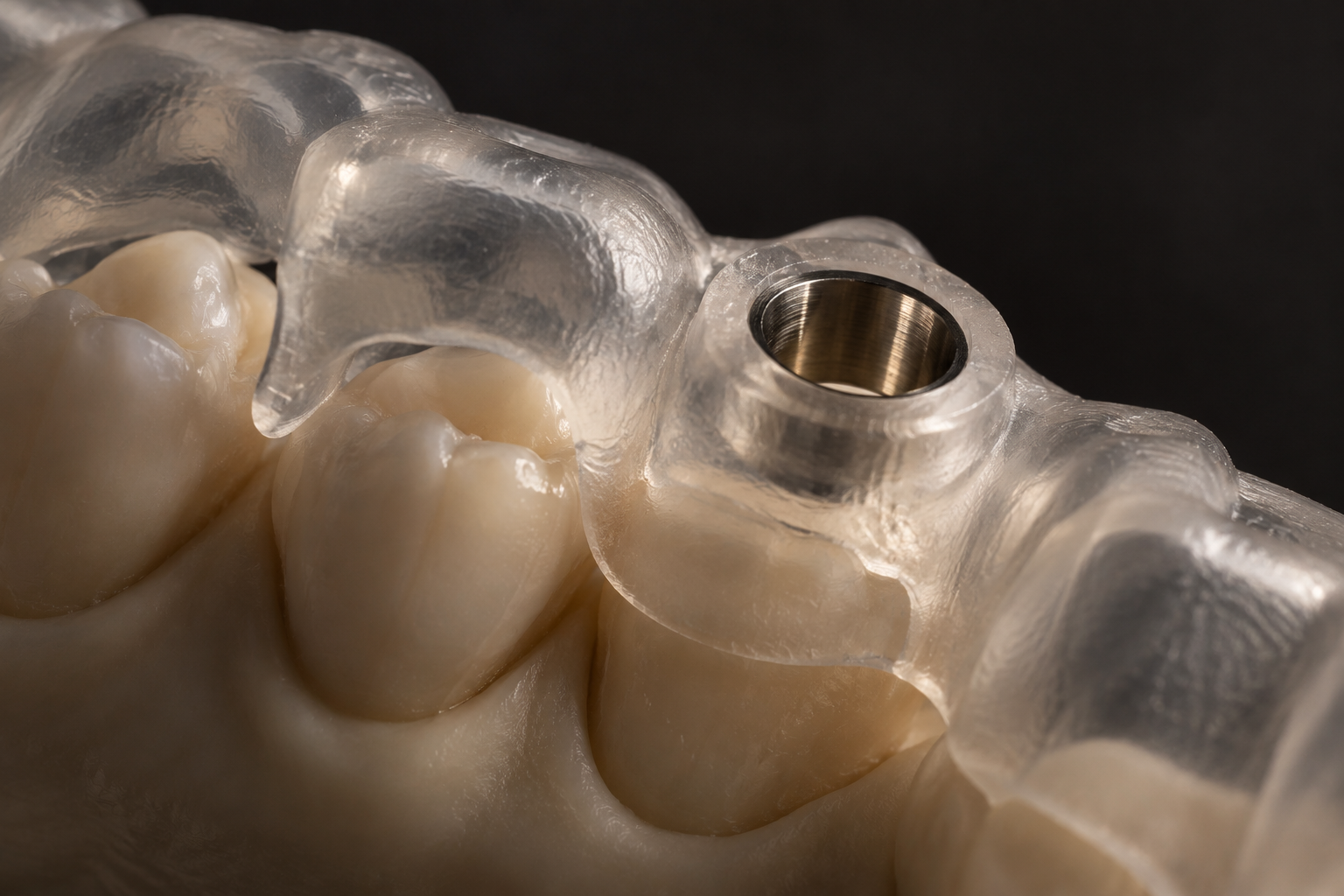
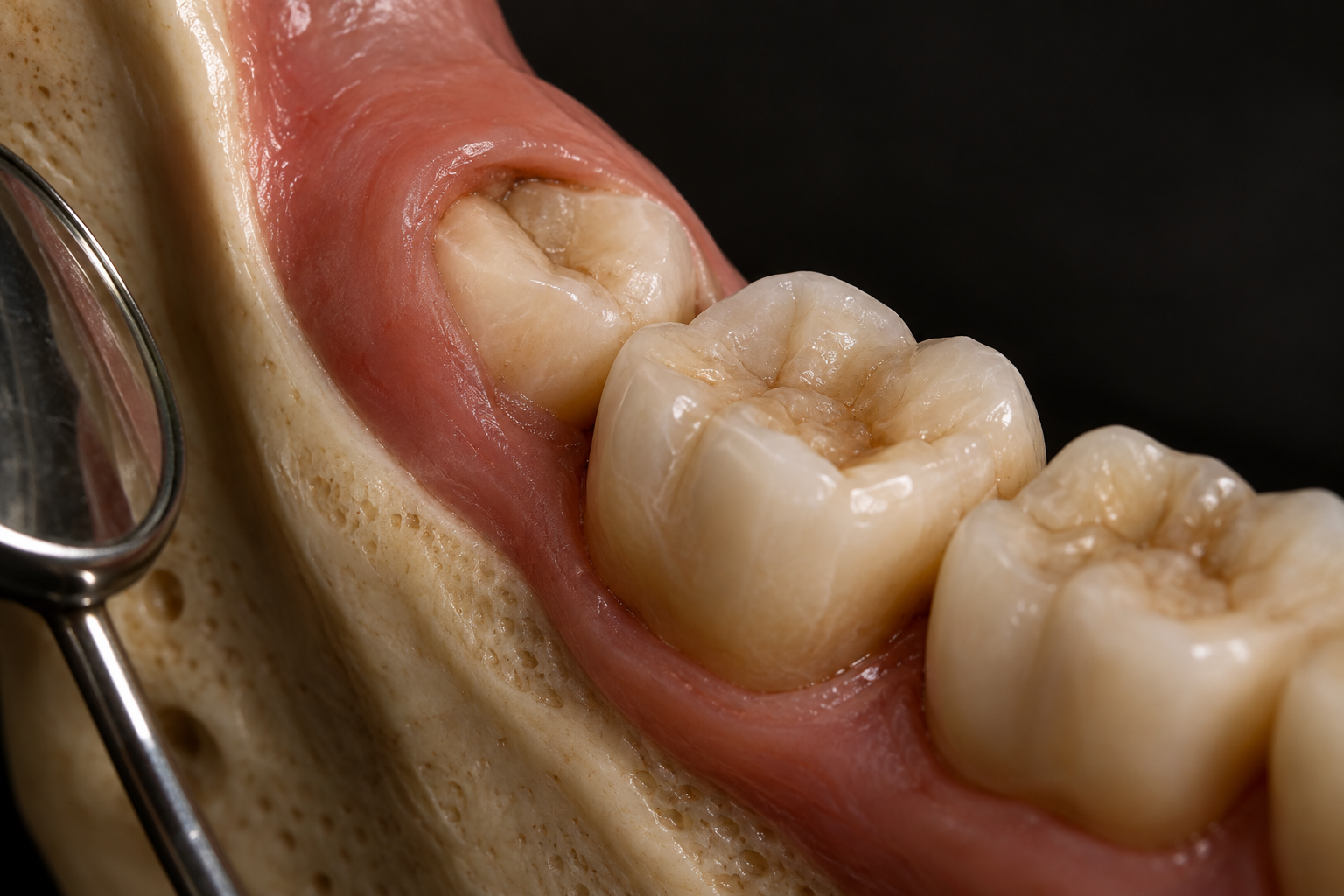
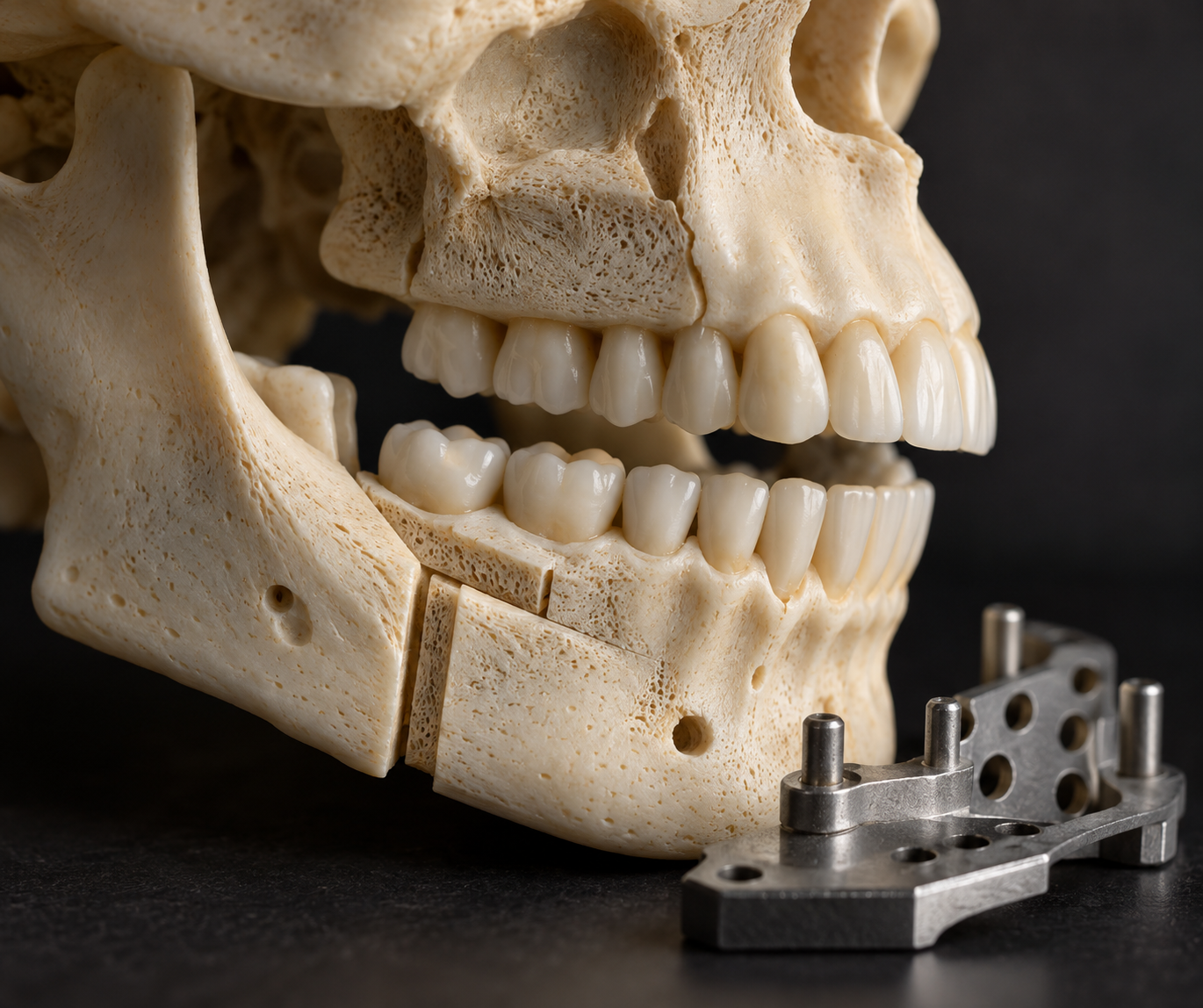
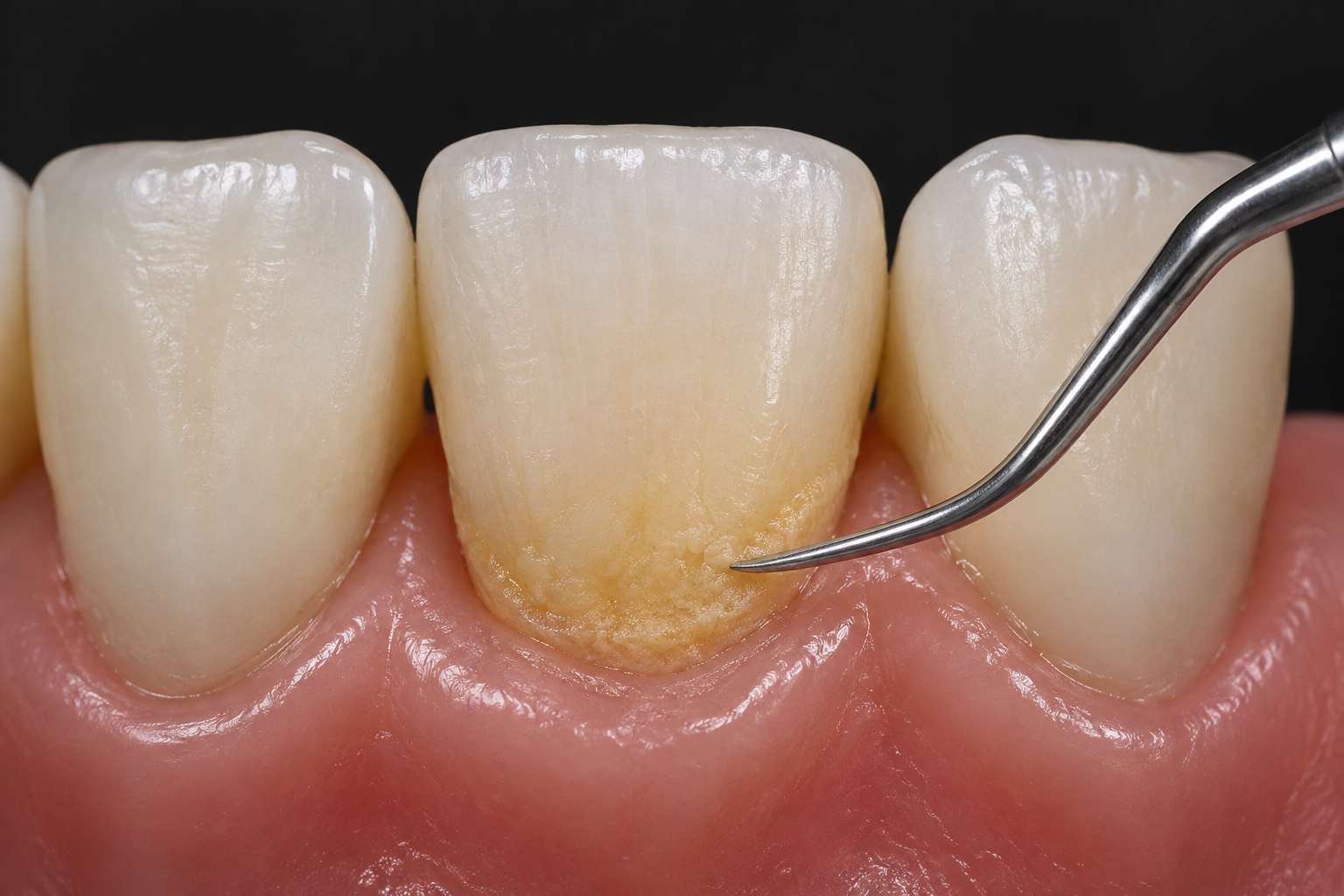
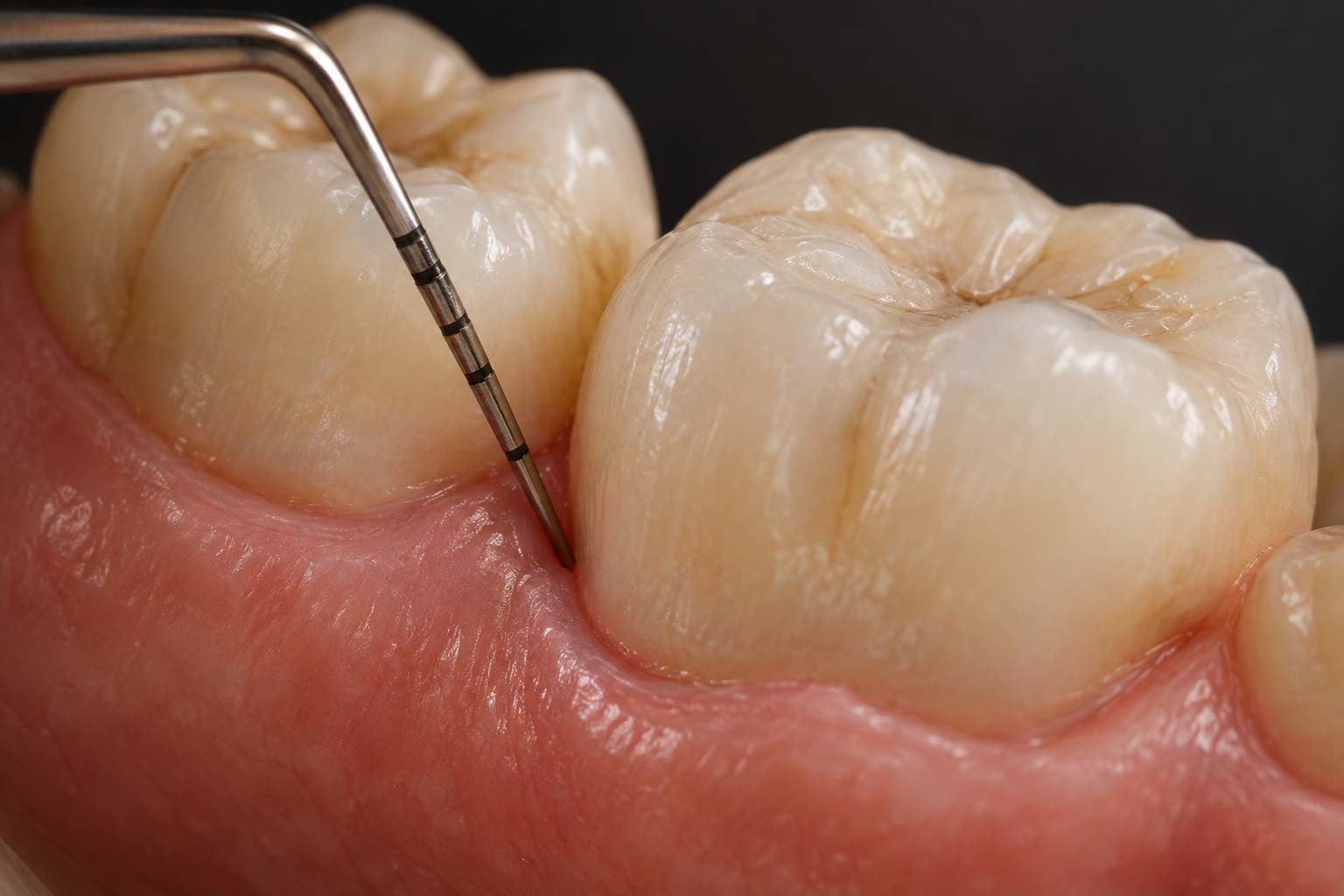
The images on this page are artistic studies and do not represent clinical cases.

Veneers and ultrathin veneers

Both belong to the family of ceramic laminates. There is no rigid boundary between the names. The existing structure, the volume to be reconstructed and the preparation required guide their suitability. Understand ultrathin dental veneers.

Other possibilities

A veneer and a crown restore different extents of a tooth. The amount and quality of the remaining structure guide the choice. A porcelain veneer is made in the laboratory and bonded after the try-in, while a composite veneer is sculpted from restorative material. Colour, structure, maintenance and planning also inform this decision.

The healthy structure that remains guides reconstruction

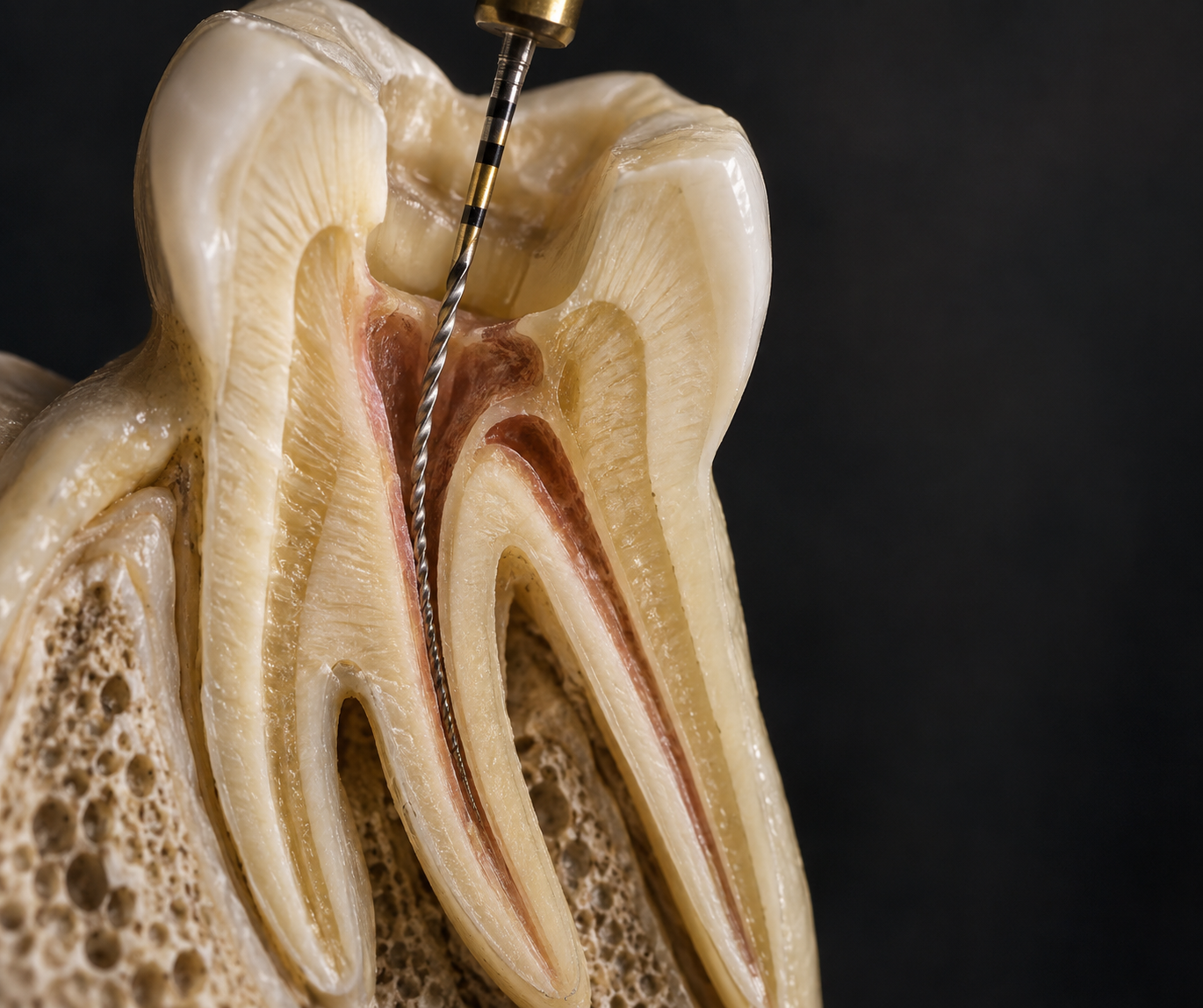
Artistic study of the layers considered in reconstruction with veneers

Some cases use an additive design without reducing the surface, while others require controlled preparation to create space, correct volume or accommodate the ceramic. When tooth structure is removed, that step is irreversible.

Magnification and minimally invasive techniques help control the areas being treated. Preserving healthy enamel maintains a favourable foundation for bonding ceramic to the tooth.

Colour, light and texture

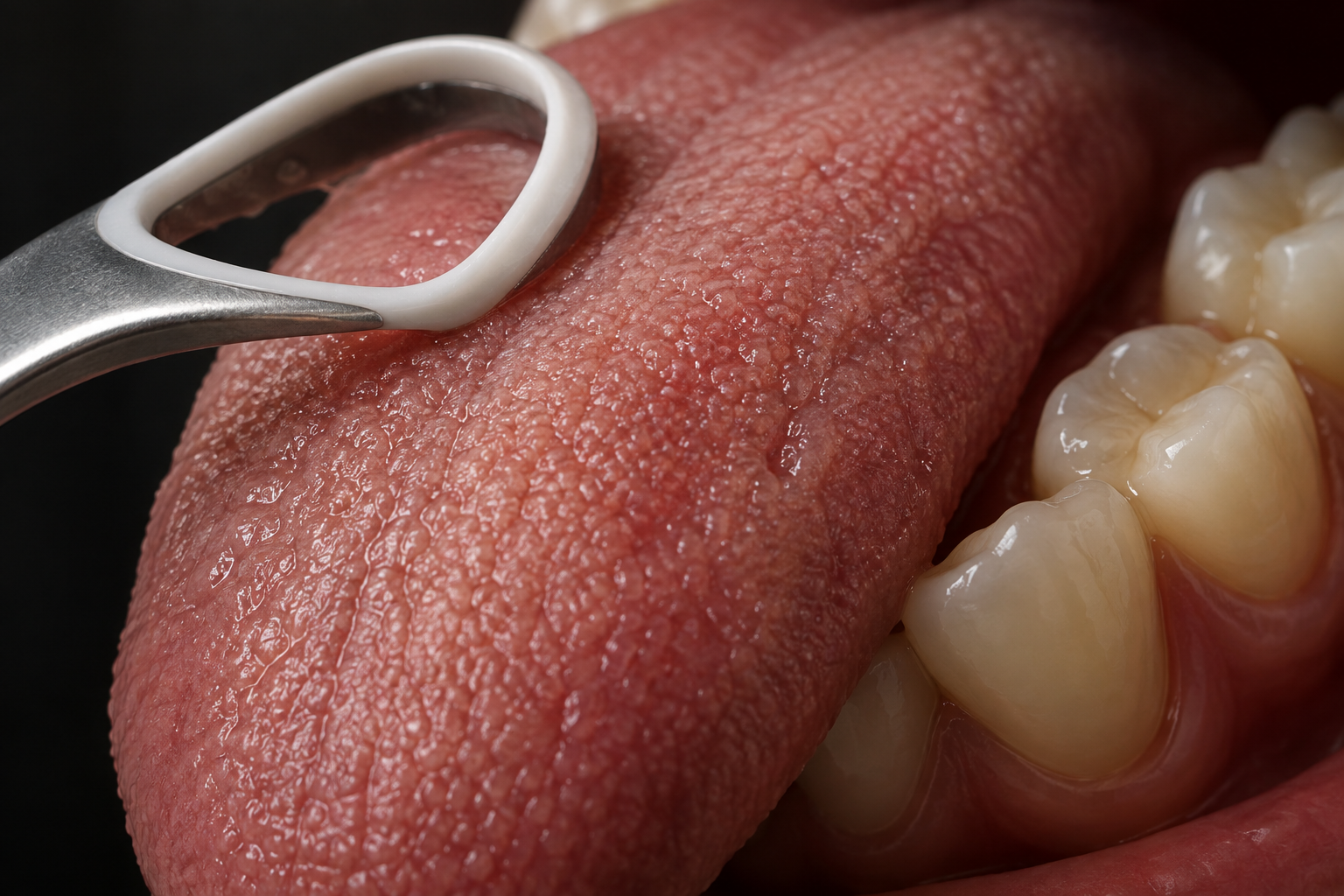
A natural tooth does not have a flat colour. Light passes through layers, the edge varies in transparency and the surface retains fine textures. Depth, brightness, contour and expression contribute to the veneer design in relation to the preserved structure.

From assessing the tooth to the finished veneer

The assessment considers the teeth, gums, preserved structure, proportion, contacts, habits and expectations. Photographs, digital X-rays, intraoral scanning and clinical examination help map each tooth. A facial scanner and smile records relate this information to the lips, face and expression as needed.

At LAB Puglisi, each veneer goes through complementary stages in the hands of four dental technicians: assessment of structure and proportion, shaping, layering and refinement. Digital records and hand finishing follow the same plan.

  1. ListeningWhat has changed, what bothers you and what you would like to recover in shape, colour, volume or comfort.
  2. RecordsExamination, imaging and scanning to assess enamel, restorations, fractures, position, contacts and bite.
  3. DesignContours, thickness, proportion, texture, colour and the need for preparation.
  4. ConstructionPreparation according to the plan and refinement of the ceramic in the laboratory.
  5. Try-in and bondingFit, colour, shape, contacts and bite are checked before definitive bonding.
  6. Follow-upAppointments to assess the gums, margins, bite, habits, hygiene and integrity of the ceramic.

Health supports a natural appearance.

The colour and overall appearance may change over time. Natural teeth, restorations, margins and gums also need follow-up.

Pain, persistent sensitivity, inflamed gums, a change in the bite, chipping or loosening require assessment.

Questions about veneers

Are veneers and ultrathin dental veneers the same thing?

For patients, the names often represent different wishes. Clinically, both belong to the family of ceramic laminates, with no rigid boundary between them. What matters most is respecting the result that brought you here.

Does every veneer require tooth reduction?

No. Additive designs preserve the entire surface. When reconstruction requires space, reshaping or control of volume, planned reduction becomes part of the design.

Can a veneer replace a crown?

A veneer and a crown restore different extents of a tooth. The amount and quality of the remaining structure determine suitability.

What is the difference between porcelain and composite?

A porcelain veneer is made in the laboratory and bonded to the tooth after the try-in. A composite veneer is sculpted from restorative material. Structure, colour, maintenance and planning guide the choice.

Can veneers stain or break?

The ceramic, margins and overall smile need follow-up over time. Fractures, chips and loosening are possible complications, particularly after an impact, with habits such as biting objects or with changes in the bite.

Does bruxism prevent veneers from being fitted?

Bruxism changes the planning of the bite and protection of the ceramic. The team assesses its intensity, tooth wear, muscles and contacts between the teeth.

How long do veneers last?

There is no universal timeframe. Their longevity depends on diagnosis, preserved structure, material, fit, bite, habits, hygiene and follow-up.

How many veneers are needed and what is the cost?

There is no standard number. The design considers which teeth need reconstruction, how the whole smile looks when speaking and smiling, and the complexity of the records required.

For information about assessment and fees, speak to the team through the Institute’s official contact channels. Treatment can be paid in up to 21 credit card instalments, depending on the treatment plan and current conditions.

What are the disadvantages of porcelain veneers?

A veneer can chip or come loose, requires care with habits such as grinding and needs check-ups. Because it usually requires some tooth preparation, the decision is not fully reversible. Planning exists to weigh these points before starting.

What if I don't like the result?

Digital planning and the try-in before bonding exist precisely to adjust shape, colour and proportion before the final stage. Once the veneer is bonded, changes require a new piece. That is why each stage is approved with you before moving on.
Beyond aesthetics, we are a multidisciplinary clinic.

Explore options

Care takes place here

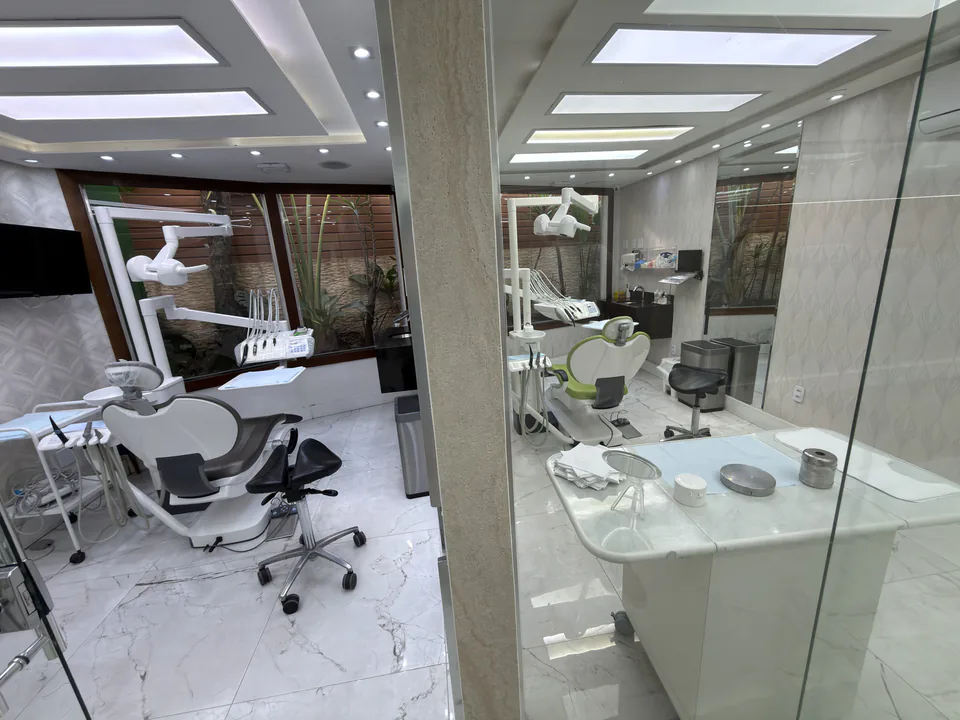
Across more than 400 m², seven consulting rooms and an integrated in-house laboratory bring together different stages of care at the same address. Discover the Institute.

A history in dentistry since 1923 connects generations with care today. Explore the Institute's history.

Documentary portrait of Dr Silvana Puglisi

Dr Silvana Puglisi is the dentist responsible for technical oversight. Meet our professionals who continue to provide care and carry on the work of LAB Puglisi.

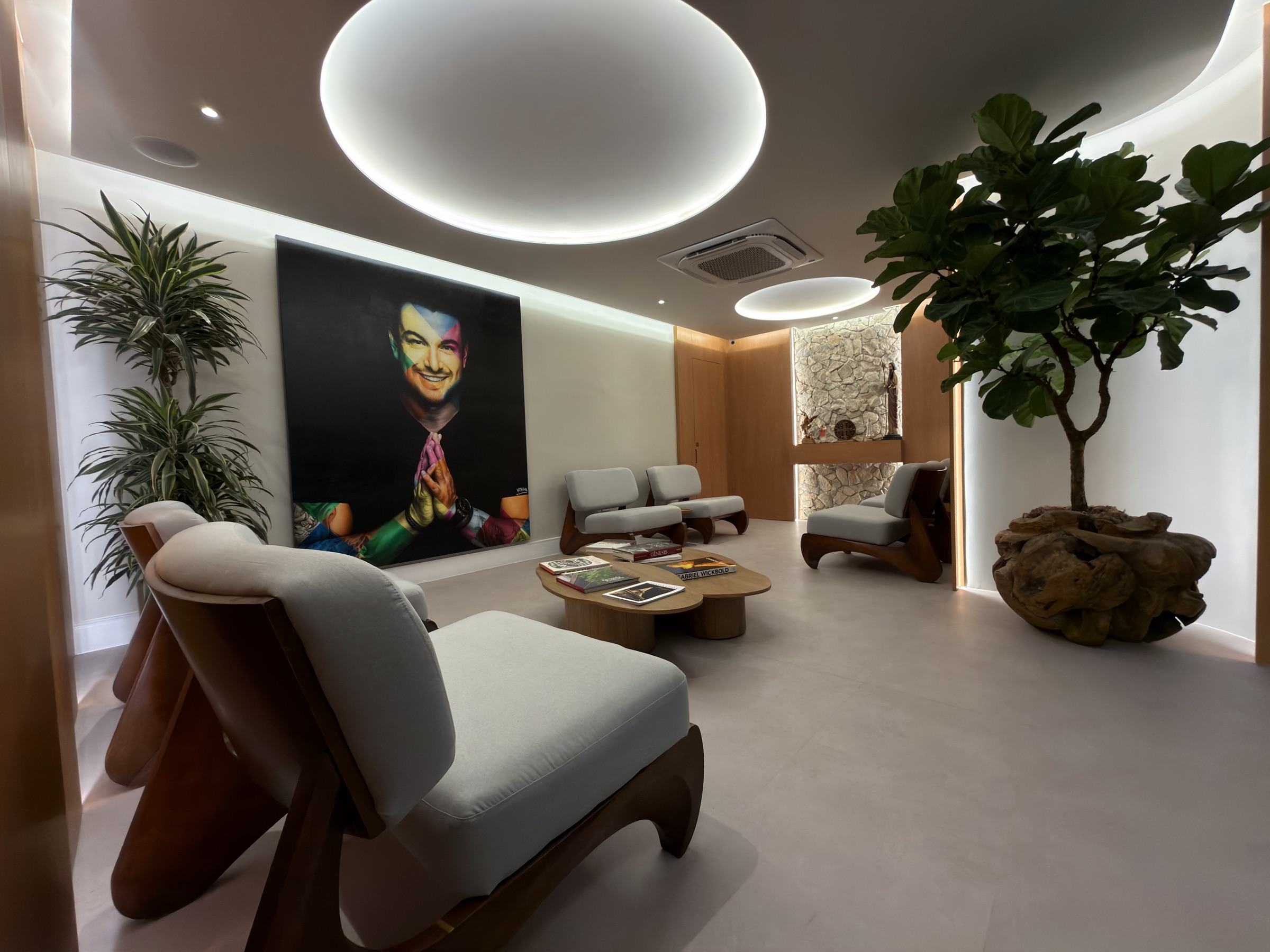
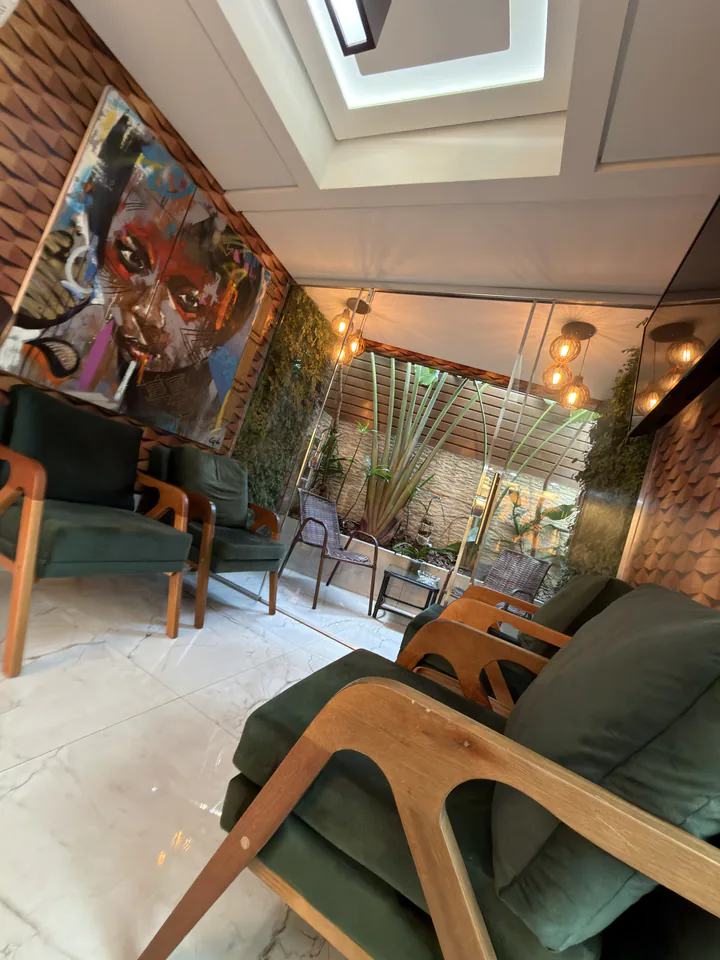
Spacious reception at the Institute with artwork by Kobra
Lounge with green armchairs, artwork and a garden visible through the glass doors
Two dental consulting rooms connected by a glass partition
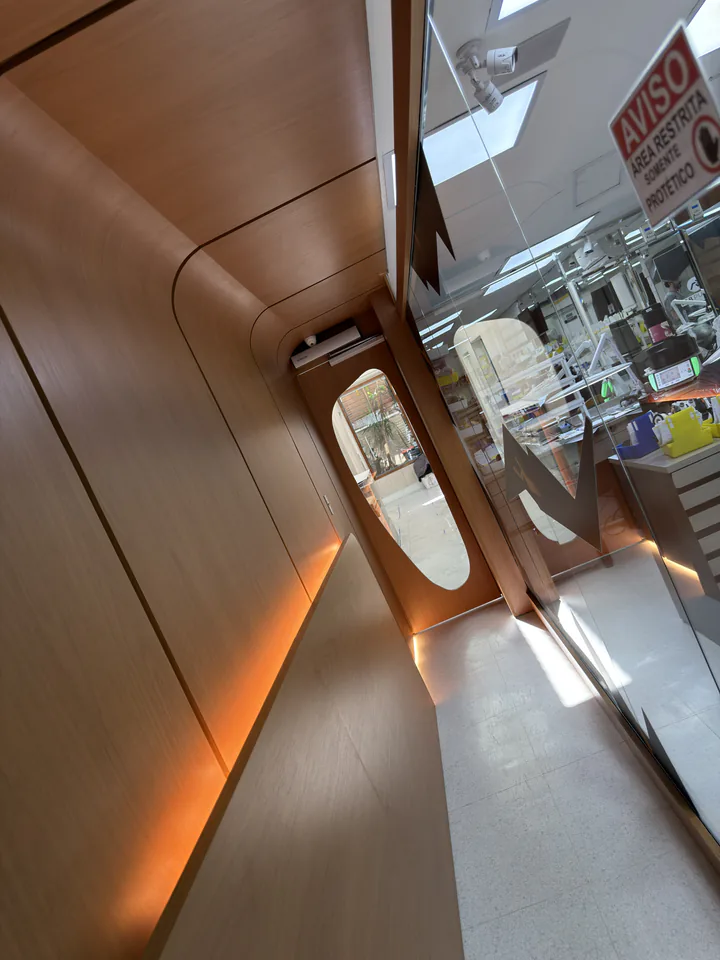
Curved corridor with wood panelling, amber lighting and a door at the far end

Book an assessment

Tell us what has changed in your smile and what you would like to recover. An assessment allows us to understand the preserved structure, discuss alternatives and define the course of treatment.

I would like to book an assessment

Bibliographic references

Original Portuguese content reviewed by Dr Silvana Puglisi, dental surgeon, CRO 33.773, technical director, on .

  1. American Dental Association. Veneers. MouthHealthy. No editorial date provided. Accessed on 15/09/2026. View the source

    Information on what veneers are, general indications, care and complications. The need for preparation is assessed individually.

  2. Alqutaibi AY et al. Clinical survival and complication rate of ceramic veneers bonded to different substrates: A systematic review and meta-analysis. Journal of Prosthetic Dentistry. 2025, 134(4):1030–1039. Published online in 2024. DOI 10.1016/j.prosdent.2024.03.019. View the source

    Research on how preserved tooth structure influences the behaviour of ceramic laminates. Longevity depends on the conditions of each case.

  3. Alenezi A, Alsweed M, Alsidrani S, Chrcanovic BR. Long-Term Survival and Complication Rates of Porcelain Laminate Veneers in Clinical Studies: A Systematic Review. Journal of Clinical Medicine. 2021, 10(5):1074. DOI 10.3390/jcm10051074. View the source

    Research on the longevity and possible complications of ceramic veneers. Study results do not guarantee the outcome of an individual treatment.

Privacy preferences

Your choice is valid for 180 days in this browser. You can change it under “Privacy”.

Forms may use Google reCAPTCHA to prevent abuse. Read the Privacy Policy