↗ PT

Other pages are available in Portuguese

Skip to content

Ultrathin dental veneers
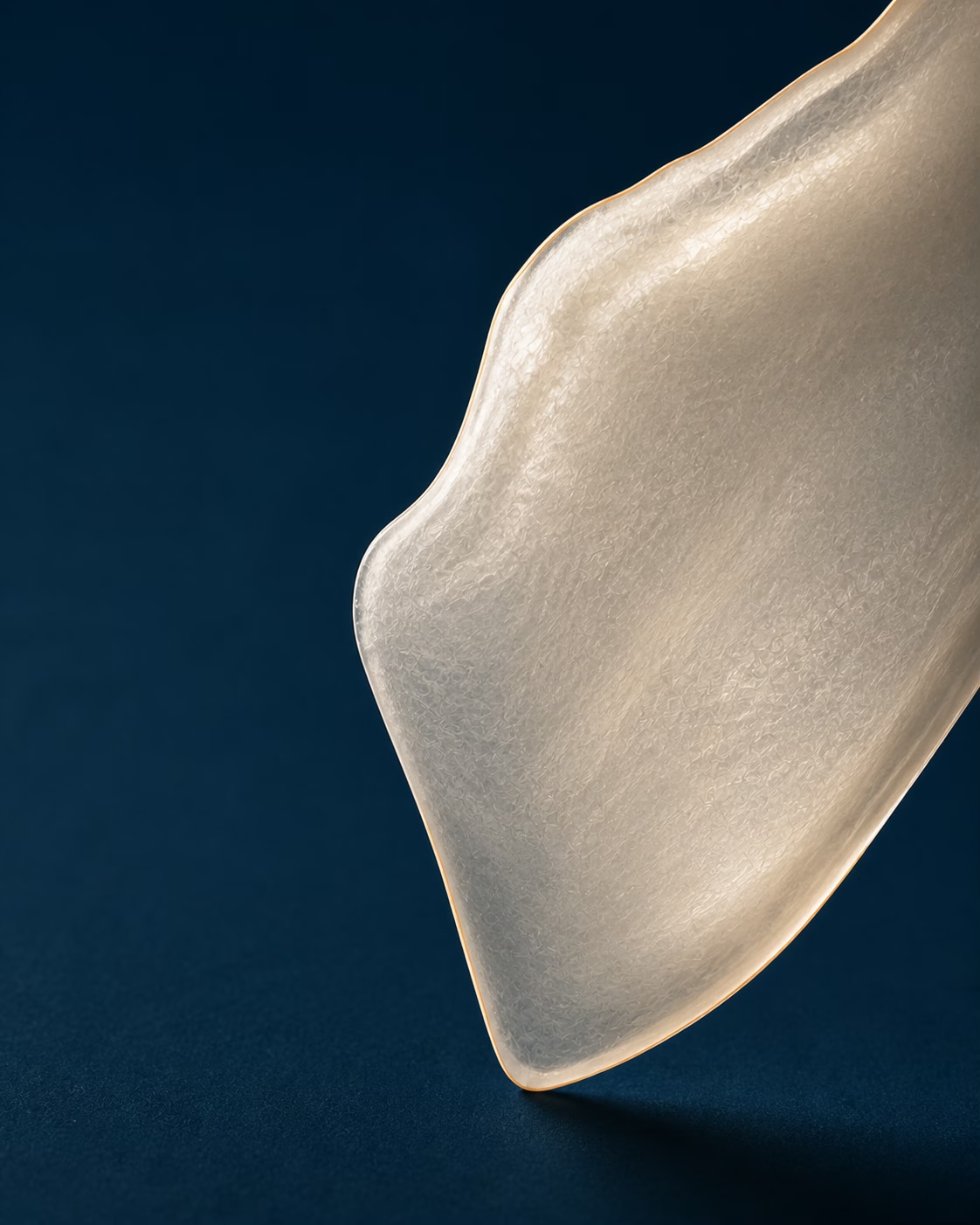
Conceptual artwork of a single translucent ceramic veneer

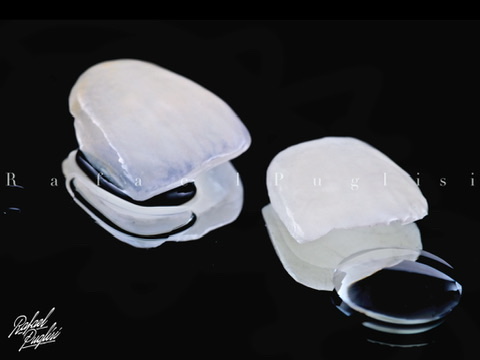
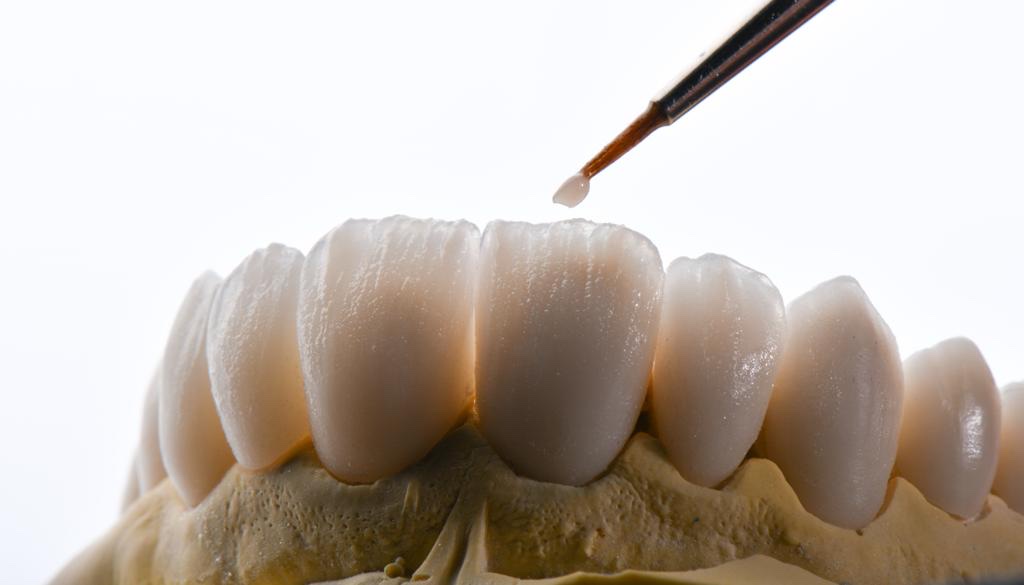
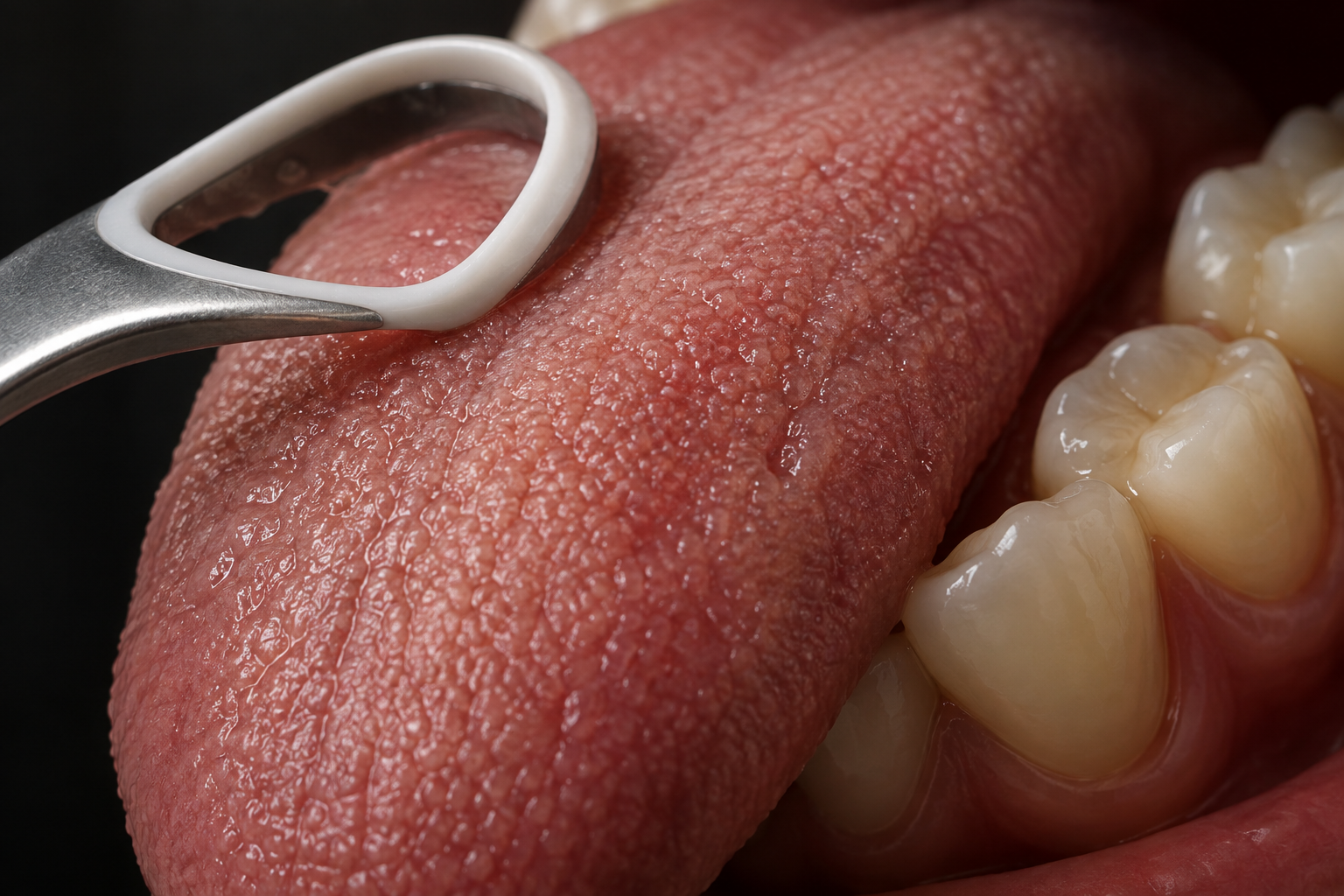
Ultrathin dental veneers are thin ceramic shells, custom-made and bonded to the visible surface of the teeth. They can change colour, shape and proportion, depending on oral health and the bite.

Book an assessment

At Instituto Rafa Puglisi, the clinic and in-house laboratory both contribute to this care.
What veneers can change

Colour and brightness, shape and contours, tooth structure and wear, harmony and proportions are considered together. Suitability depends on the teeth, gums, bite, face and your expectations.

What needs to be preserved

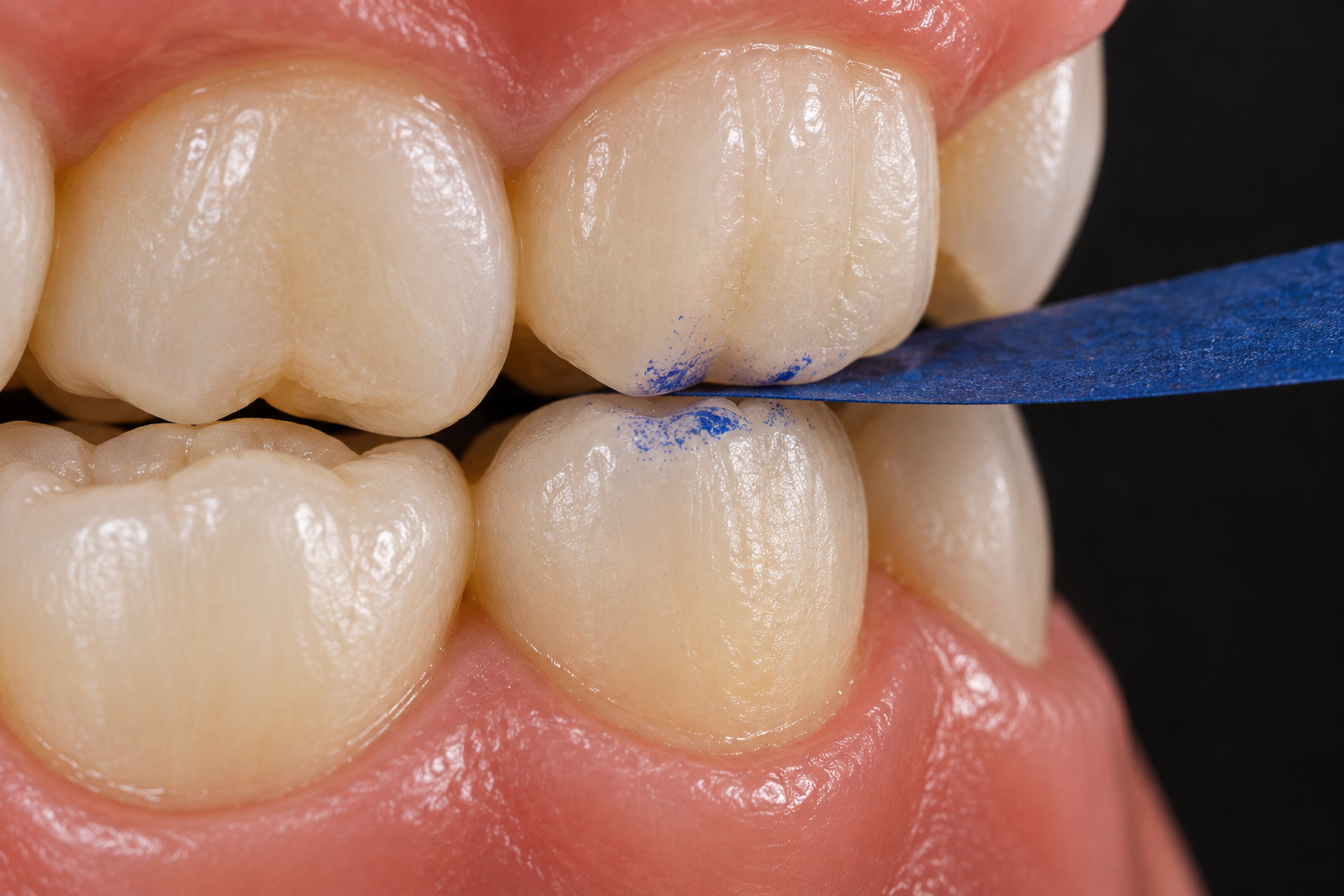
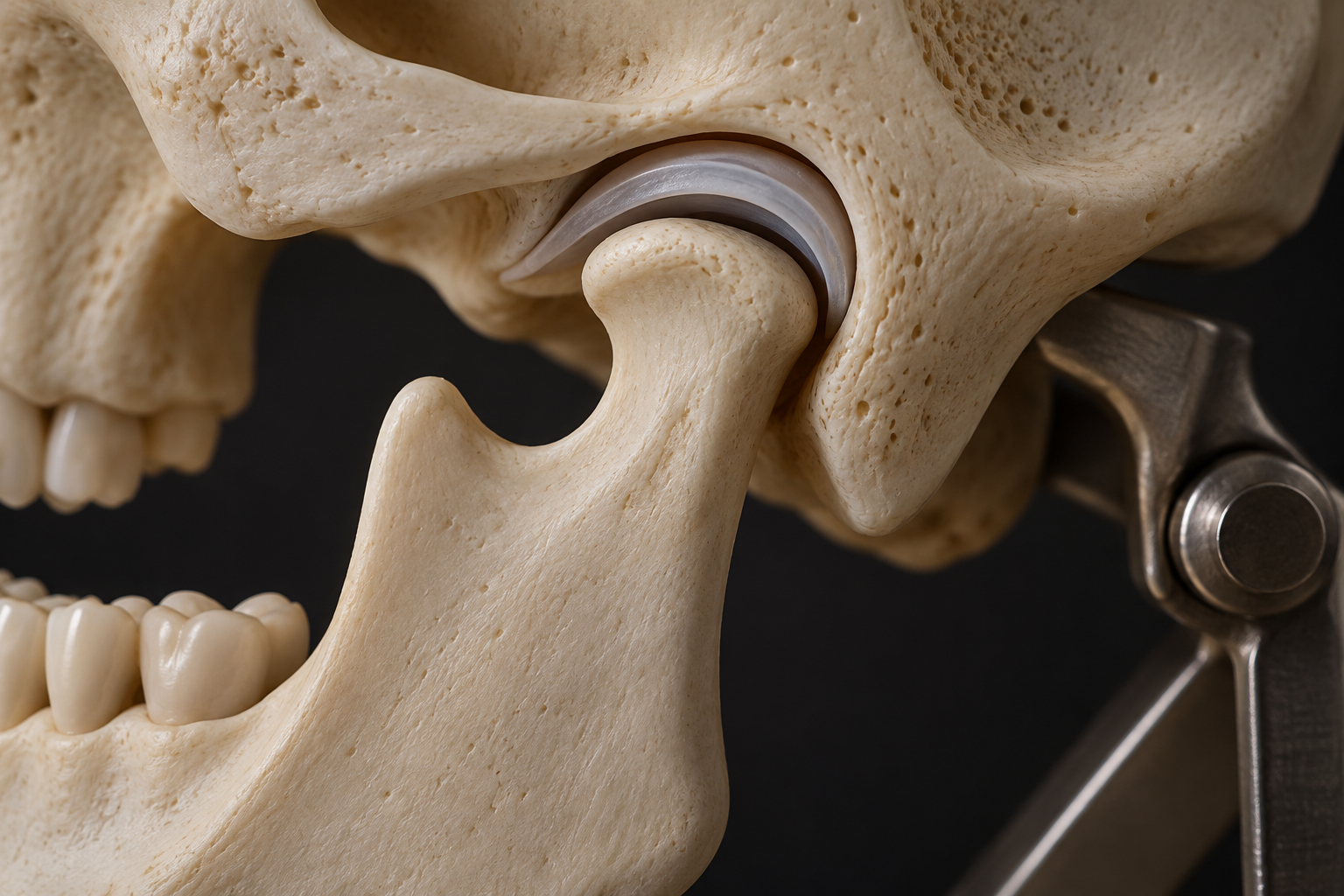
Some cases require no preparation, while others involve controlled reduction. The tooth's position, colour, volume and structure guide the decision. When enamel is removed, this step is irreversible. Cavities and gum problems need to be treated first. Bruxism may affect suitability.

The decision should consider the expected benefits, preservation of the teeth and maintenance over time. Veneers may need repair or replacement, and there is no guarantee of results or longevity.

Ultrathin veneers, conventional veneers or whitening?

Ultrathin dental veneers and porcelain veneers are ceramic laminates. The difference generally lies in their thickness, suitability and the preparation required. Learn about porcelain veneers.

Teeth whitening changes the colour of natural teeth. Veneers can also change shape, proportion and contour. Some stains respond to whitening; others require restorations or ceramic veneers. Treatments may be combined, depending on the assessment.

When care goes beyond veneers

Worn teeth may be associated with bruxism, changes in the bite, acid erosion or old restorations. Controlling the cause is part of treatment, which may include restorations, ultrathin veneers, conventional veneers, rehabilitation or protection.

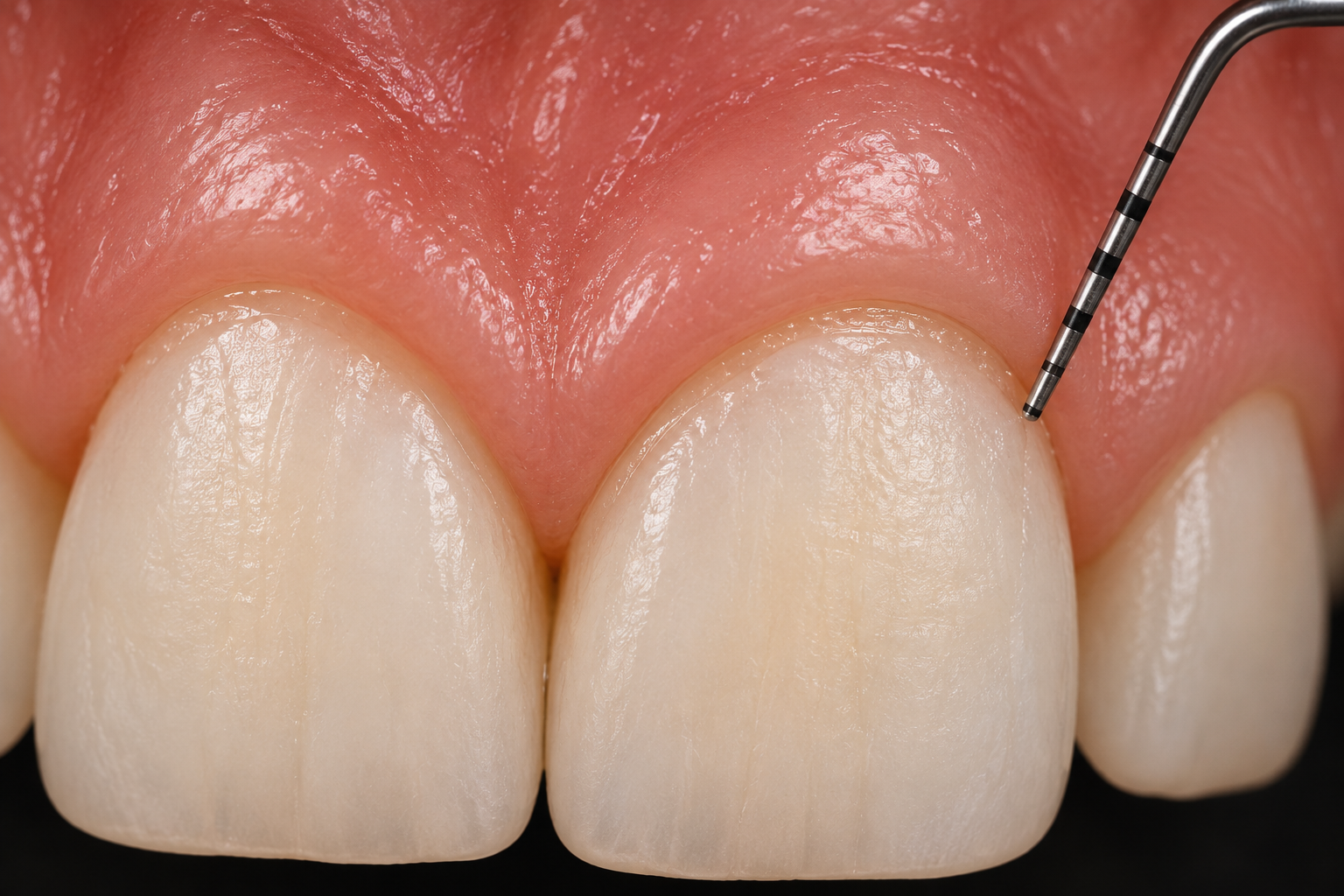
A gummy smile may originate in the gums, tooth position, lip, bite or underlying bone. Gum surgery, orthodontics and other approaches depend on this diagnosis. Veneers do not resolve all these situations.

From assessment to veneer try-in

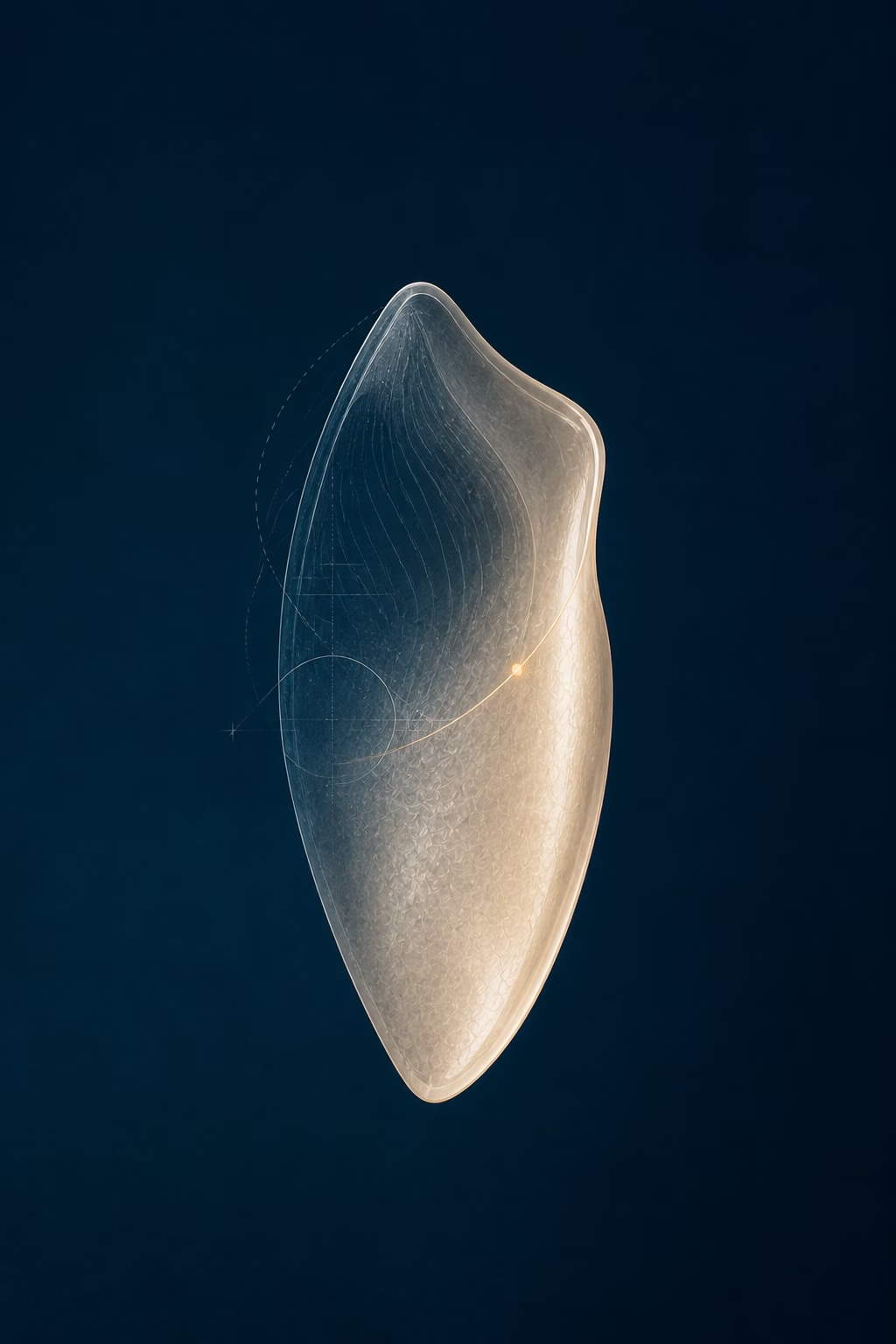
Conceptual artwork of a veneer combining precision lines and handcrafted finishing

Understanding before planning

You tell us what you would like to change, what has already been done and about any discomfort. If you came to us through Rafa Puglisi's work or already have veneers, that history is also part of the conversation.

A clinical examination, photographs, digital radiographs and scanning help assess teeth, gums, bite and proportions. The Institute has intraoral scanners, a facial scanner, a digital orofacial arch, CAD/CAM systems, milling machines, 3D printers and planning software. Resources are selected according to need.

The team explains the number of teeth, the material, the need for preparation and the clinical sequence. This may involve a single veneer, replacing part of existing work, combined stages or another treatment. The cost estimate depends on this process.

Clinic and laboratory in the same conversation

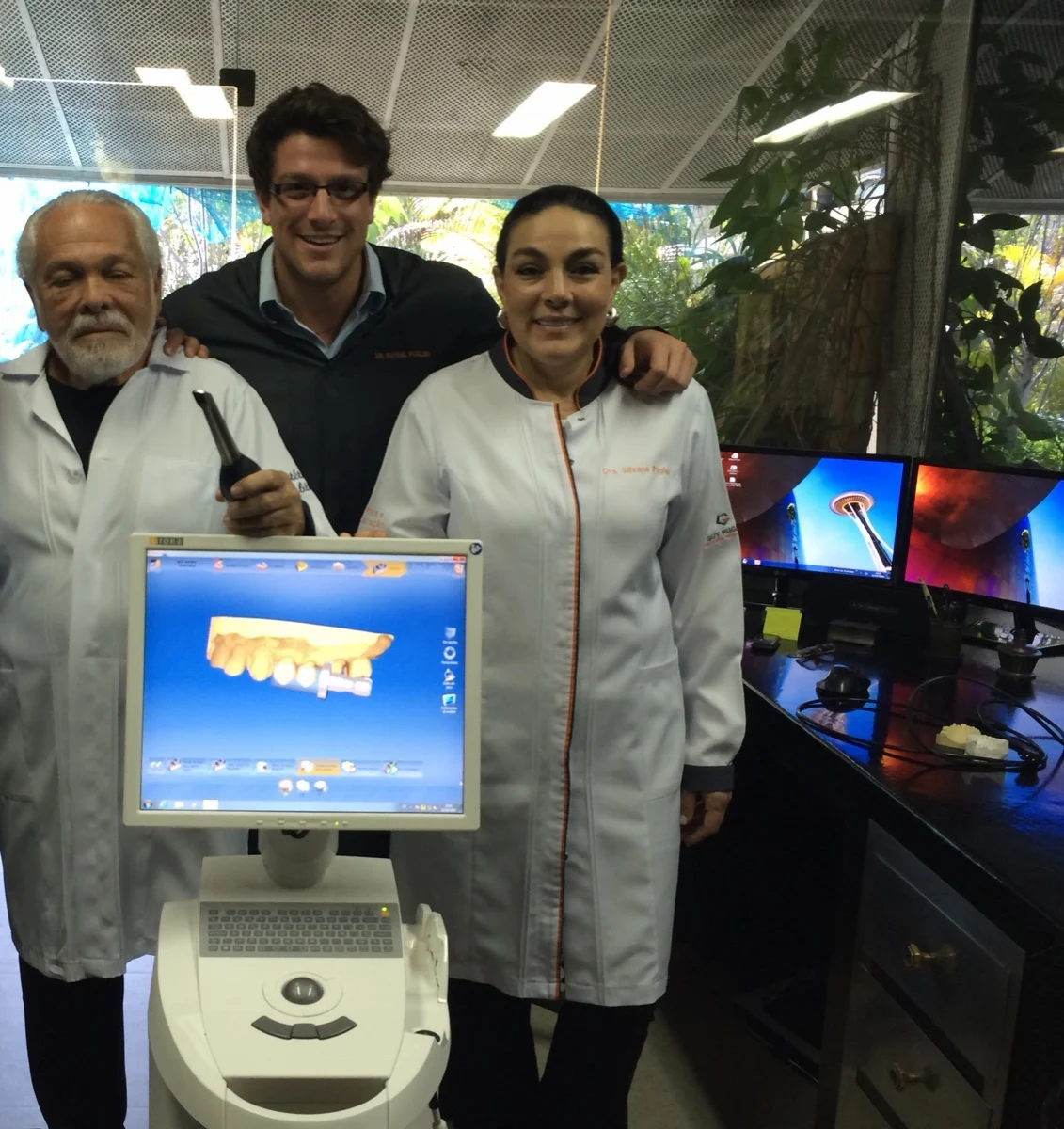
Historical photograph of the Puglisi family with digital equipment at the Institute

LAB Puglisi works alongside the clinical team on shape, fit and finishing. The pieces may return to the laboratory for refinements during try-ins.

The historical photograph alongside shows the Puglisi family with a piece of digital equipment at the Institute.

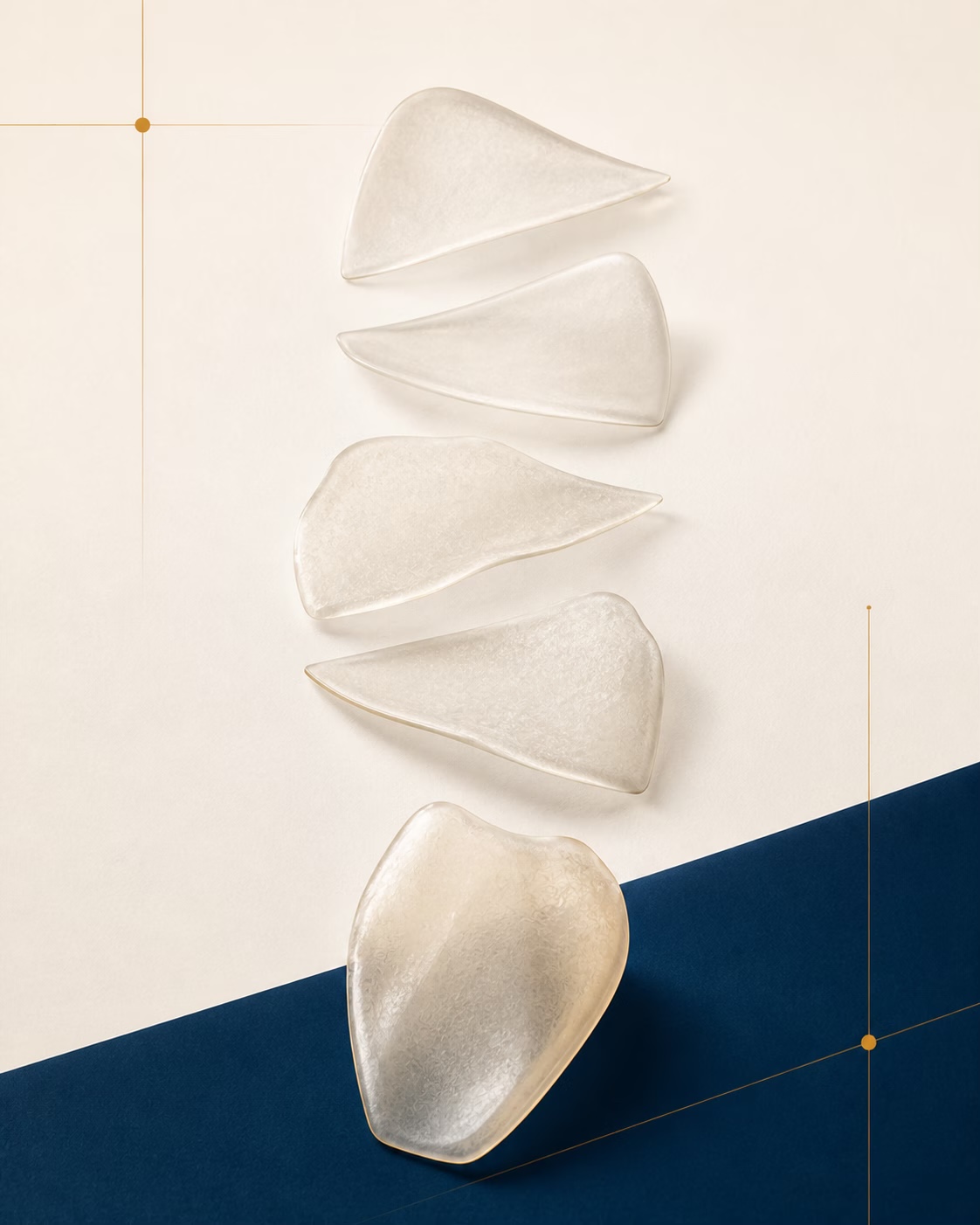
Conceptual artwork of four handcrafted shapes converging into a single veneer

Each veneer passes through the hands of four dental technicians in complementary production and finishing stages. This knowledge has been passed down through generations and refined with Rafa's contribution, magnification and minimally invasive preparation.

  1. ListeningHistory, expectations and discomfort.
  2. RecordsExamination, photographs and any indicated tests.
  3. PlanningTeeth, materials, preparation and sequence defined with you.
  4. ProductionColour, shape, texture and fit at LAB Puglisi.
  5. Try-in and bondingChecking fit, proportion, contacts and bite before definitive bonding.
  6. Follow-upGums, fit, bite, habits and maintenance.

For people who already have veneers

The Institute also sees people seeking to reassess or replace existing work. Being unhappy with the result is reason enough to talk. Pain, poor fit, inflammation, bleeding and difficulty biting or cleaning require assessment.

The team examines the teeth, gums and bite to identify what can be retained, adjusted or replaced. One, some or all of the veneers may be included in the plan, without requiring replacement of an entire set that is in good condition.

Laser-assisted removal, when indicated

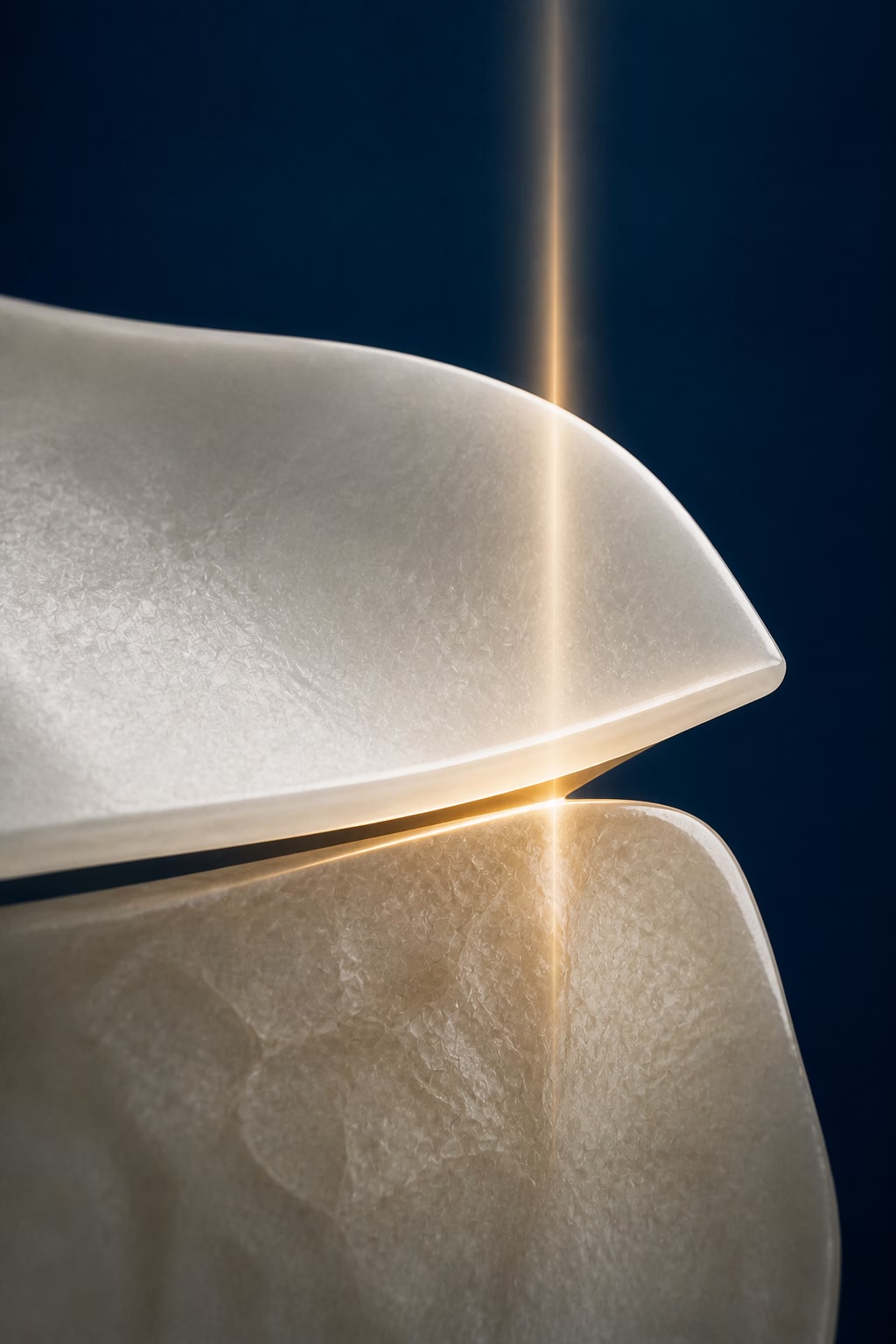
Conceptual artwork of light gently separating a veneer from the tooth structure

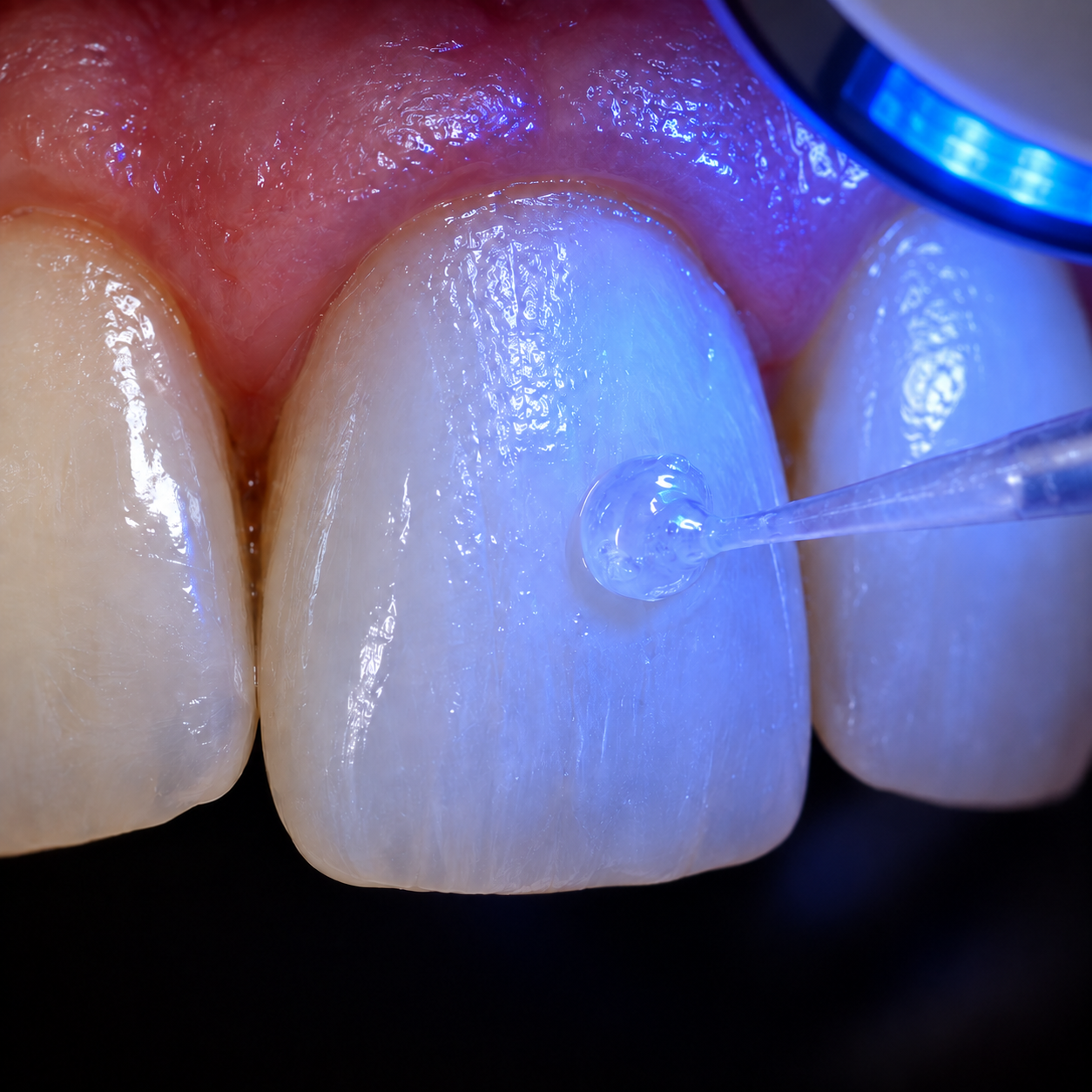
When removal is performed with burs, the ceramic is ground down until it separates. Erbium lasers may assist in removing ceramic laminates in selected cases, acting on the bond between the ceramic, cement and tooth.

The material, ceramic thickness, cement and tooth structure guide the parameters and sequence. The team assesses separation and may combine techniques. Each new veneer is planned and produced at LAB Puglisi.

A systematic review brought together four laboratory studies. The results suggest potential to reduce mechanical wear, but do not guarantee intact removal or preservation in every clinical case. See the reference and its limitations.

Care and follow-up

  • Maintain brushing and cleaning between the teeth with dental floss.
  • Avoid biting your nails, biting hard objects or using your teeth to open packaging.
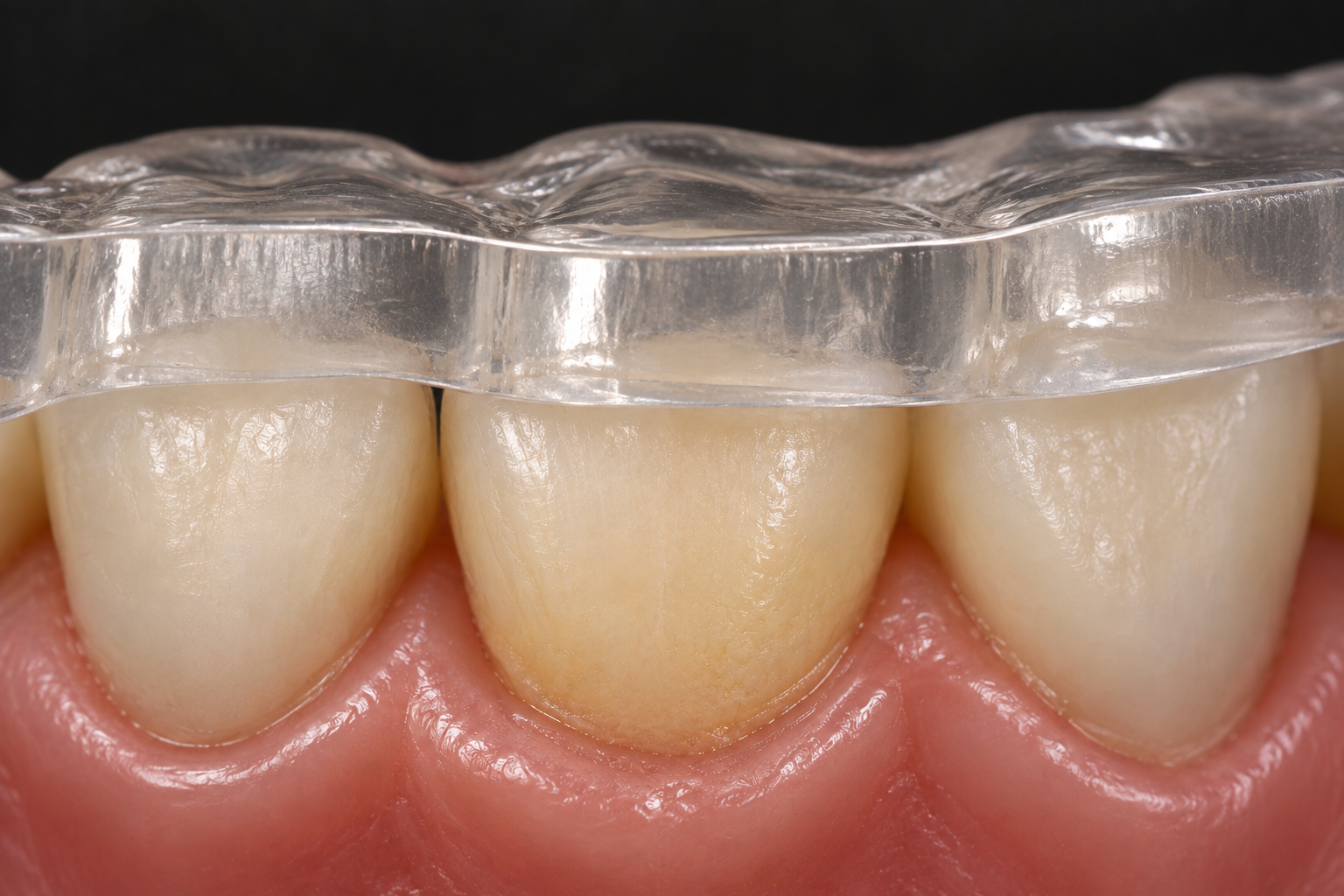
  • Use the protection recommended by the team in situations of risk or bruxism.
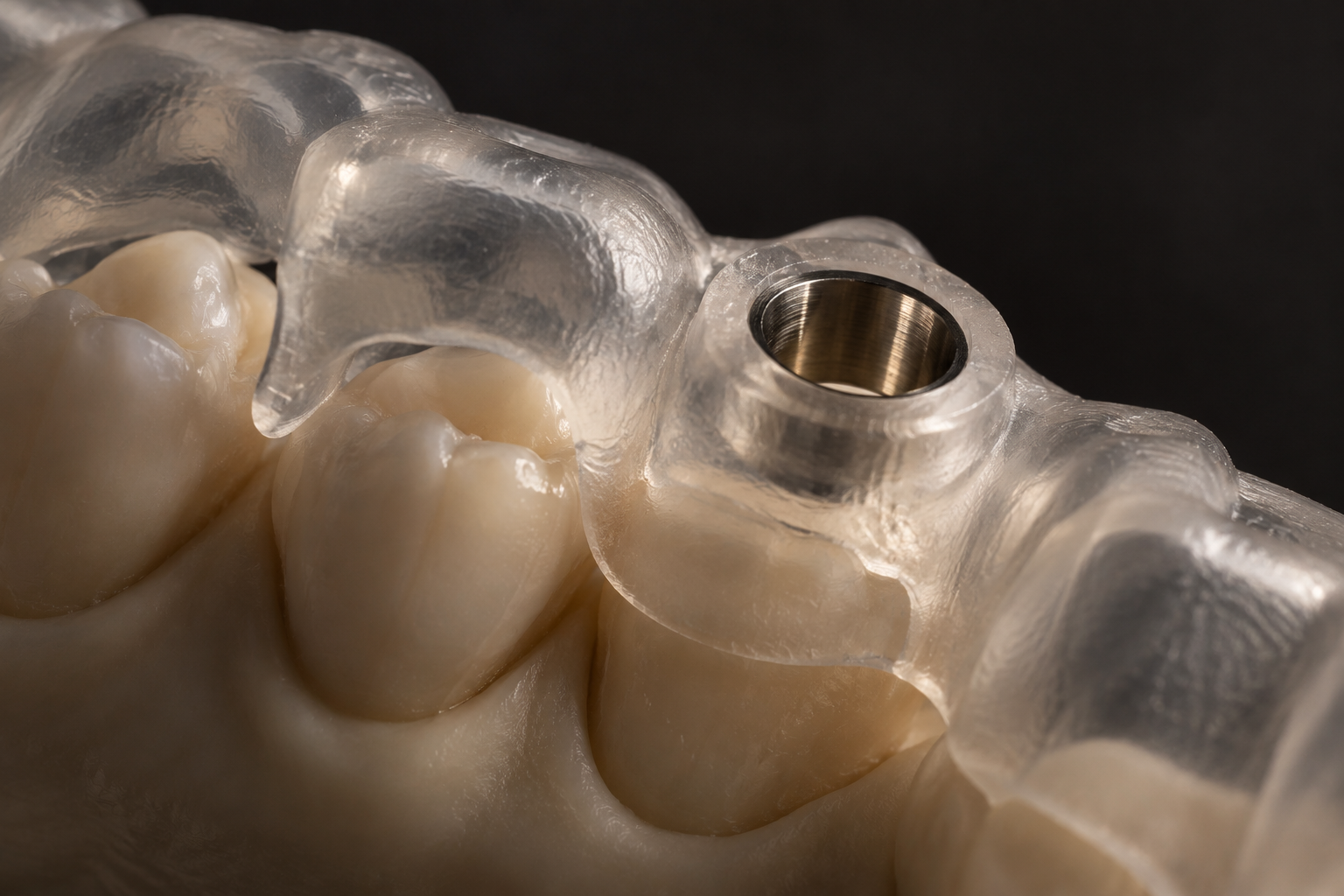
  • Attend follow-up appointments to monitor oral health, the fit of the restorations, stability, bite and prevention of future problems, including in treatments involving implants or aligners.
  • Let the team know about changes in your bite, discomfort, chipping or loosening.

The Institute reports follow-up of veneers placed in 2012, with no modifications to the pieces. This individual account does not predict how long other treatments will last. Enamel preservation, fit, bite, habits, hygiene and follow-up influence their continued service, which may involve complications, repairs or replacements.

Frequently asked questions

How many veneers are needed?

There is no standard number. Planning considers which teeth are visible in the smile, which need intervention and which should be preserved.

Do veneers change colour?

Dental ceramics have good colour stability. Natural teeth, margins and gums remain subject to changes over time and those associated with habits and oral health. This is why follow-up remains important.

Does bruxism rule out treatment?

Bruxism is considered in planning the bite and protecting the veneers. When needed, the team includes measures to manage it and a protective splint in the treatment process.

Does the Institute offer consórcio financing for ultrathin dental veneers?

No. The Institute does not offer consórcio financing for ultrathin dental veneers. Treatment can be paid in up to 21 credit card instalments, depending on the treatment plan, the amount and the commercial terms in effect. The team confirms the terms after the assessment.

How much does treatment cost?

The cost depends on the number of teeth, case complexity, the records needed and the plan defined for the case. The team provides a cost estimate after the assessment.

Do ultrathin dental veneers damage the teeth?

When well indicated, planned and followed up, no. In many cases tooth preparation is minimal or none. Problems arise when the indication ignores the bite, the gums or the tooth structure, or when hygiene and check-ups are missing. That is why the assessment comes before the choice.

Can ultrathin veneers cause bad odour?

Well-fitted and well-cleaned veneers should not cause bad odour. Odour near the veneers may indicate plaque build-up at the edge, gum inflammation, decay or an adjustment to review. In these cases, the right step is an assessment, not just changing how you brush.

What are the disadvantages of ultrathin veneers?

Veneers can chip or come loose, require care with habits such as nail biting or grinding, and need check-ups. When the tooth is prepared, treatment is not fully reversible. That is why the decision considers health, bite and expectations before aesthetics.

Beyond aesthetics, we are a multidisciplinary clinic.

Explore options

Care takes place here

Across more than 400 m², seven consulting rooms and an integrated in-house laboratory bring together different stages of care at the same address. Discover the Institute.

A history in dentistry since 1923 connects generations with care today. Explore the Institute's history.

Documentary portrait of Dr Silvana Puglisi

Dr Silvana Puglisi is the dentist responsible for technical oversight. Meet our professionals who continue to provide care and carry on the work of LAB Puglisi.

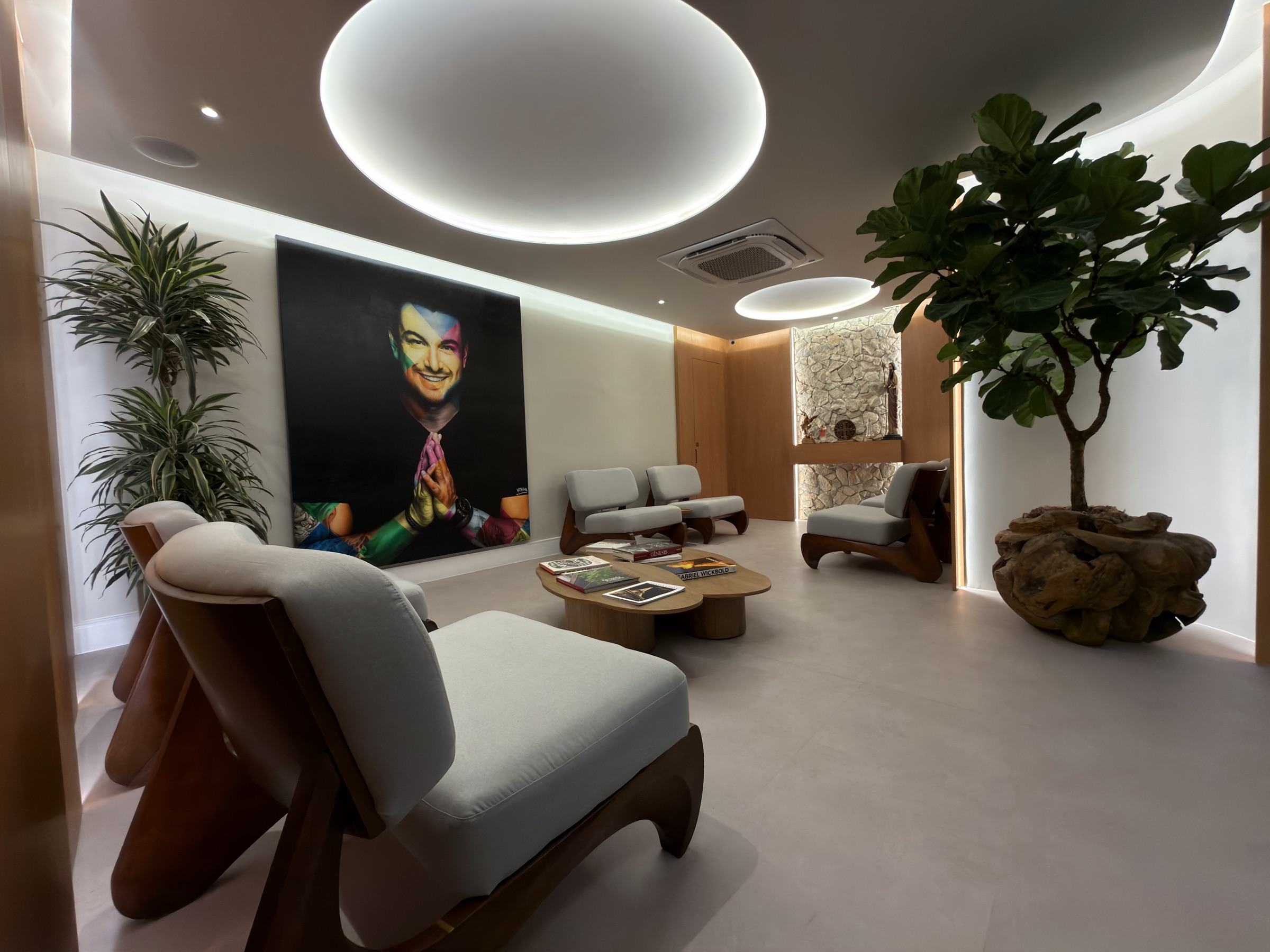
Spacious reception at the Institute with artwork by Kobra
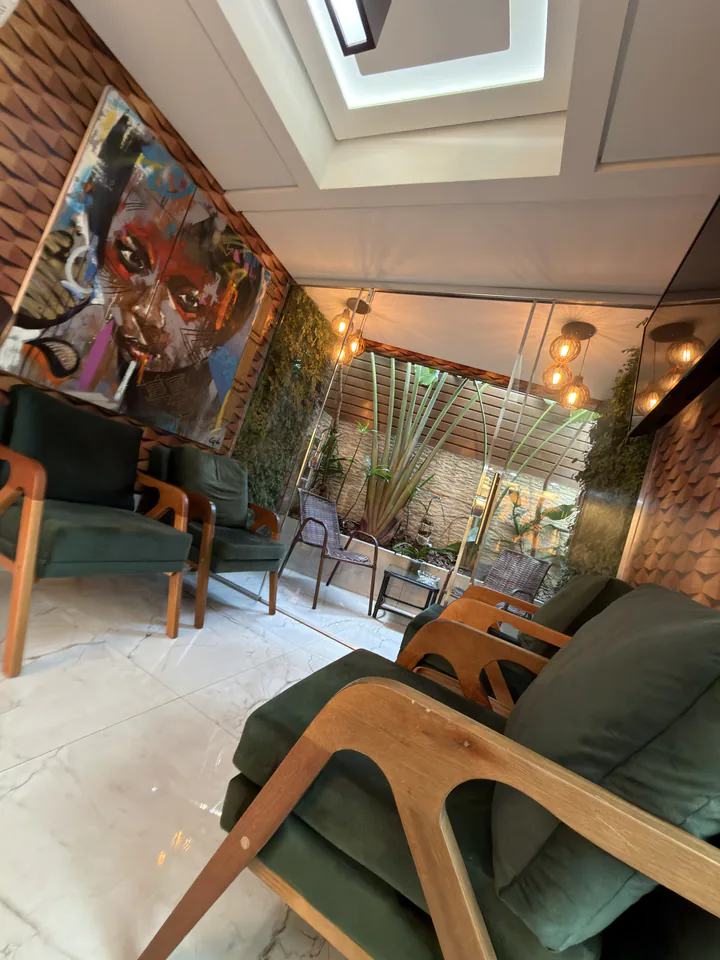
Lounge with green armchairs, artwork and a garden visible through the glass doors
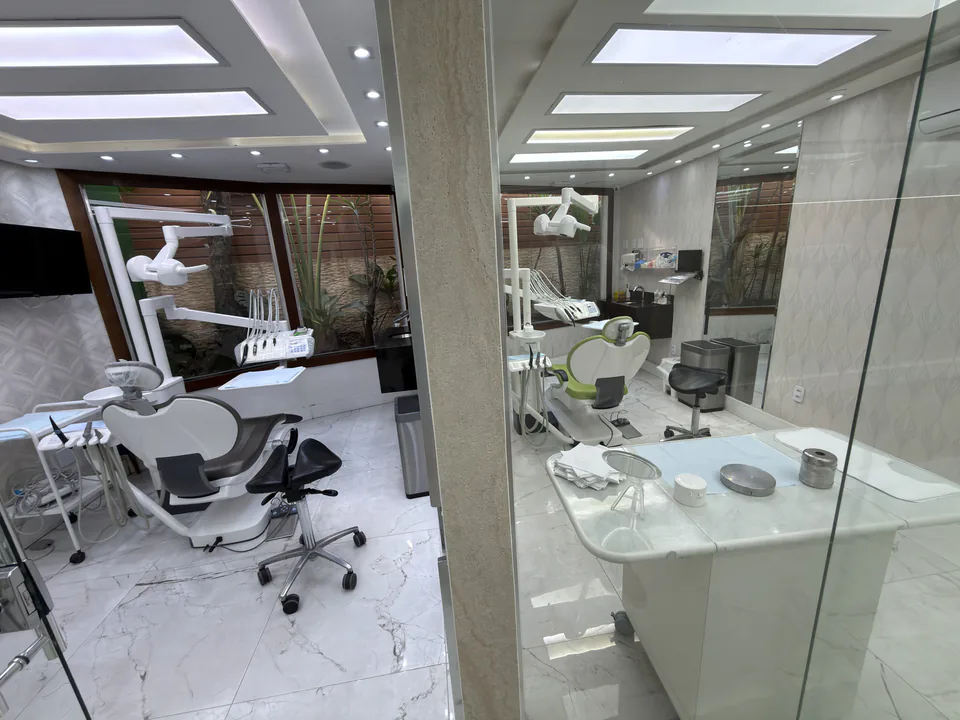
Two dental consulting rooms connected by a glass partition
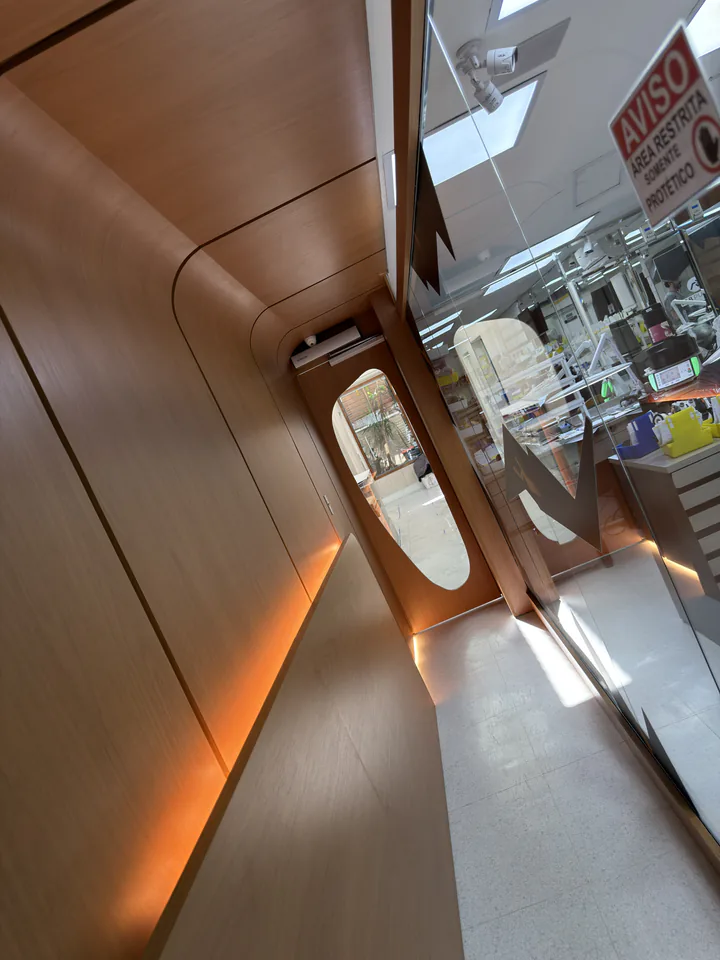
Curved corridor with wood panelling, amber lighting and a door at the far end

Book an assessment

You do not need to arrive at the Institute knowing the name of every technique. Tell us what you would like to change, what is bothering you or what has happened with veneers you already have. From there, we build the path with you.

I would like to book an assessment

Bibliographic references

Original Portuguese content reviewed by Dr Silvana Puglisi, dental surgeon, CRO 33.773, technical director, on .

  1. American Dental Association. Veneers. MouthHealthy. No editorial date provided. Accessed on 15 September 2026. View the source

    Information on what veneers are, general indications, care and complications. The need for preparation is assessed individually.

  2. Alqutaibi AY et al. Clinical survival and complication rate of ceramic veneers bonded to different substrates: A systematic review and meta-analysis. Journal of Prosthetic Dentistry. 2025, 134(4):1030–1039. Published online in 2024. DOI 10.1016/j.prosdent.2024.03.019. View the source

    Research on how preserved tooth structure influences the behaviour of ceramic laminates. Longevity depends on the conditions of each case.

  3. Alenezi A, Alsweed M, Alsidrani S, Chrcanovic BR. Long-Term Survival and Complication Rates of Porcelain Laminate Veneers in Clinical Studies: A Systematic Review. Journal of Clinical Medicine. 2021, 10(5):1074. DOI 10.3390/jcm10051074. View the source

    Research on the longevity and possible complications of ceramic veneers. Study results do not guarantee the outcome of an individual treatment.

  4. Alves LVGL, da Silva MBF, Borsatto MC, Corona SAM. Do erbium lasers promote changes in the tooth enamel during debonding of ceramic laminate veneers? A systematic review. Lasers in Medical Science. 2023, 38:217. DOI 10.1007/s10103-023-03882-3. View the source

    The review brought together four laboratory studies. The material, ceramic thickness and cement influence removal. These results do not guarantee the same behaviour in every clinical case.

Privacy preferences

Your choice is valid for 180 days in this browser. You can change it under “Privacy”.

Forms may use Google reCAPTCHA to prevent abuse. Read the Privacy Policy